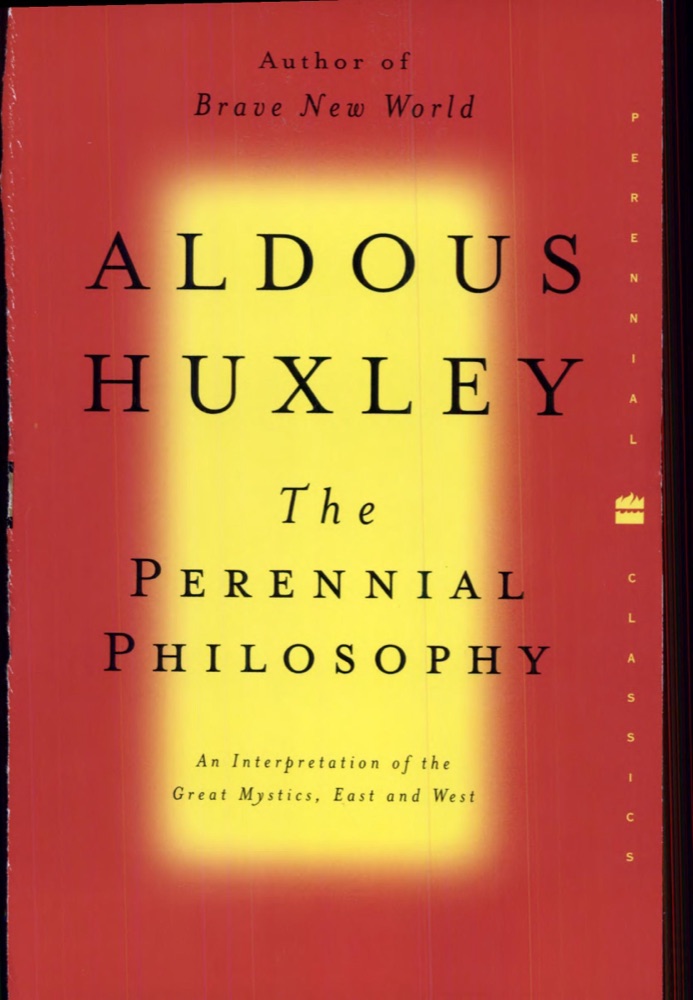

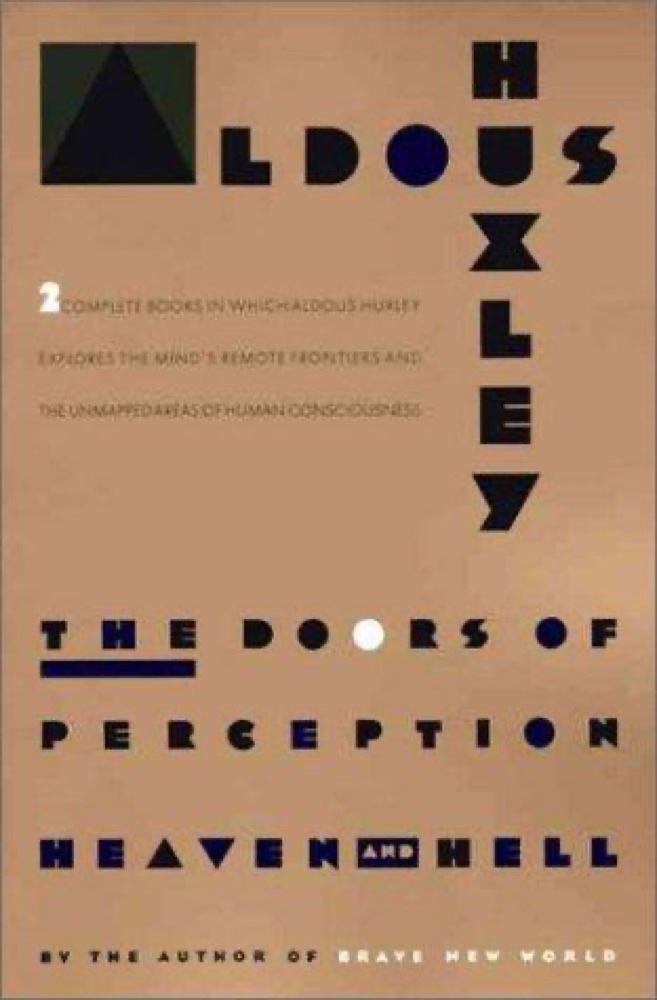
 The Doors of Perception & Heaven and Hell
Quotes from the Book
It is only when we have renounced our preoccupation with "I," "me," "mine," that we can truly possess the world in which we live. Everything, provided that we regard nothing as property. And not only is everything ours; it is also everybody else's.
153
The man who wishes to know the "that" which is "thou" may set to work in any one of three ways. He may begin by looking inwards into his own particular thou and, by a process of "dying to self" --- self in reasoning, self in willing, self in feeling --- come at last to knowledge of the self, the kingdom of the self, the kingdom of God that is within. Or else he may begin with the thous existing outside himself, and may try to realize their essential unity with God and, through God, with one another and with his own being. Or, finally (and this is doubtless the best way), he may seek to approach the ultimate That both from within and from without, so that he comes to realize God experimentally as at once the principle of his own thou and of all other thous, animate and inanimate.
46
To the exponents of the Perennial Philosophy, the question whether Progress is inevitable or even real is not a matter of primary importance. For them, the important thing is that individual men and women should come to the unitive knowledge of the divine Ground, and what interests them in regard to the social environment is not its progressiveness or non-progressiveness (whatever those terms may mean), but the degree to which it helps or hinders individuals in the their advance towards man's final end.
26
If most of us remain ignorant of ourselves, it is because self-knowledge is painful and we prefer the pleasures of illusion.
20
Agitaion over happenings which we are powerless to modify, either because they have not occured, or else are occuring at an inaccesible distance from us, achieves nothing beyond the onoculation of here and now with the remote or anticipated evil that is the object of our distress.
16
God, if I worship Thee in fear of hell, burn me in hell. And if I worship Thee in hope of Paradise, exclude me from Paradise; but if I worship Thee for Thine own sake, withhold not Thine everlasting Beauty.
15
Knowledge is a function of being. When there is a change in the being of the knower, there is a corresponding change in the nature and amount of knowing.
14
Religious beliefs and practices are certainly not the only factors determining the behaviour of a given society. But, no less certainly, they are among the determining factors. At least to some extent, the collective conduct of a nation is a test of the religion prevailing within it, a criterion by which we may legitimately judge the doctrinal validity of that religion and its practical efficiency in helping individuals to advance towards the goal of human existence.
11
The doctrine that God can be incarnated in human form is found in most of the principal historic expositions of the Perennial Philosophy—in Hinduism, in Mahayana Buddhism, in Christianity and in the Mohammedanism of the Sufis, by whom the Prophet was equated with the eternal Logos. When goodness grows weak, When evil increases, I make myself a body. In every age I come back To deliver the holy, To destroy the sin of the sinner, To establish righteousness. He who knows the nature Of my task and my holy birth Is not reborn When he leaves this body; He comes to Me. Flying from fear, From lust and anger, He hides in Me, His refuge and safety. Burnt clean in the blaze of my being, In Me many find home. Bhagavad Gita
10
The last end of man, the ultimate reason for human existence, is unitive knowledge of the divine Ground
8
The divine Ground of all existence is a spiritual Absolute, ineffable in terms of discursive thought, but (in certain circumstances) susceptible of being directly experienced and realized by the human being. This Absolute is the God-without-form of Hindu and Christian mystical phraseology. The last end of man, the ultimate reason for human existence, is unitive knowledge of the divine Ground—the knowledge that can come only to those who are prepared to “Die to self” and so make room, as it were, for God.
7
The politics of those whose goal is beyond time are always pacific; it is the idolaters of past and future, of reactionary memory and Utopian dream, who do the persecuting and make the wars.
7
Paradoxical as it may seem, it is, for very many persons, much easier to behave selflessly in time of crisis than it is when life is taking its normal course in undisturbed tranquility. When the going is easy, there is nothing to make us forget our precious selfness, nothing (except our own will to mortification and the knowledge of God) to distract our minds from the distractions with which we have chosen to be identified; we are at perfect liberty to wallow in our personality to our heart's content. And how we wallow! It is for this reason that all the masters of the spiritual life insist so strongly upon the importance of little things.
6
The difference between the mortified but still proud and self-centred stoic and the unmortified hedonist consists in this : the latter, being flabby, shiftless and at heart rather ashamed of himself, lacks the energy and the motive to do much harm except to his own body, mind and spirit; the former, because he has all the secondary virtues and looks down on those who are not like himself, is morally equipped to wish and to be able to do harm on the very largest scale and with a perfectly untroubled conscience.
5
In the course of history it has often happened that one or other of the imperfect religions has been taken too seriously and regarded as good and true in itself, instead of as a means to the ultimate end of all religion. The effects of such mistakes are often disastrous.
5
Nothing in our everyday experience gives us any reason for supposing that water is made up of hydrogen and oxygen; and yet when we subject water to to certain rather drastic treatments, the nature of its constituent elements becomes manifest. Similarly, nothing in our everyday experience gives us much reason for supposing that the mind of the average sensual man has, as one of its constituents, something resembling, or identical with, the Reality substantial to the manifold world; and yet, when that mind is subjected to certain rather drastic treatments, the divine element, of which it is in part at least composed, becomes manifest, not only to the mind itself, but also, by its reflection in external behaviour, to other minds.
5
Choosing Luther and Calvin instead of the spiritual reformers who were their contemporaries, Protestant Europe got the kind of theology it liked. But it also got, along with other unanticipated by-products, the Thirty Years’ War, capitalism and the first rudiments of modern Germany. “If
5
Great truths do not take hold of the hearts of the masses. And now, as all the world is in error, how shall I, though I know the true path, how shall I guide? If I know that I cannot succeed and yet try to force success, this would be but another source of error. Better then to desist and strive no more. But if I do not strive, who will? Chuang Tzu
5
Among the cultivated and mentally active, hagiography is now a very unpopular form of literature. The fact is not at all surprising. The cultivated and the mentally active have an insatiable appetite for novelty, diversity and distraction. But the saints, however commanding their talents and whatever the nature of their professional activities, are all incessantly preoccupied with only one subject—spiritual Reality and the means by which they and their fellows can come to the unitive knowledge of that Reality. And as for their actions—these are as monotonously uniform as their thoughts; for in all circumstances they behave selflessly, patiently and with indefatigable charity. No wonder, then, if the biographies of such men and women remain unread. For one well educated person who knows anything about William Law there are two or three hundred who have read Boswell’s life of his younger contemporary. Why? Because, until he actually lay dying, Johnson indulged himself in the most fascinating of multiple personalities; whereas Law, for all the superiority of his talents was almost absurdly simple and single-minded. Legion prefers to read about Legion. It is for this reason that, in the whole repertory of epic, drama and the novel there are hardly any representations of true theocentric saints.
5
When Bayazid was asked how old he was, he replied, ‘Four years.’ They said, ‘How can that be?’ He answered, ‘I have been veiled from God by the world for seventy years, but I have seen Him during the last four years. The period during which one is veiled does not belong to one’s life.’” On another occasion someone knocked at the saint’s door and cried, “Is Bayazid here?” Bayazid answered, “Is anybody here except God?
5
Consequently, we find it convenient to be misled by the inadequacies of language and to believe (not always, of course, but just when it suits us) that things, persons and events are as completely distinct and separate one from another as the words, by means of which we think about them.
4
What could begin to deny self, if there were not something in man different from self? William Law
4
One Reality, all-comprehensive, contains within itself all realities.
4
The best that can be said for ritualistic legalism is that it improves conduct. It does little, however, to alter character and nothing of itself to modify consciousness.
4
[A]ll the resources of our almost miraculous technology have been thrown into the current assault against silence. That most popular and influential of all recent inventions, the radio, is nothing but a conduit through which pre-fabricated din can flow into our homes. And this din goes far deeper, of course, than the ear-drums. It penetrates the mind, filling it with a babel of distractions - news items, mutually irrelevant bits of information, blasts of corybantic or sentimental music, continually repeated doses of drama that bring no catharsis, but merely create a craving for daily or even hourly emotional enemas.
3
All our actions must be directed, in the last analysis, to making ourselves passive in relation to the activity and the being of divine Reality. We are, as it were, aeolian harps, endowed with the power either to expose themselves to the wind of the Spirit or to shut themselves away from it.
3
IN ENGLISH, words of Latin origin tend to carry overtones of intellectual, moral and aesthetic “classiness"—overtones which are not carried, as a rule, by their Anglo-Saxon equivalents. “Maternal,” for instance, means the same as “motherly,” “intoxicated” as “drunk”—but with what subtly important shades of difference! And when Shakespeare needed a name for a comic character, it was Sir Toby Belch that he chose, not Cavalier Tobias Eructation.
3
It is only by making physical experiments that we can discover the intimate nature of matter and its potentialities. And it is only by making psychological and moral experiments that we can discover the intimate nature of mind and its potentialities. In the ordinary circumstances of average sensual life these potentialities of the mind remain latent and unmanifested. If we would realize them, we must fulfil certain conditions and obey certain rules, which experience has shown empirically to be valid.
3
Every species, except the human, chose immediate, short-range success by means of specialization. But specialization always leads into blind alleys. It is only by remaining precariously generalized that an organism can advance towards that rational intelligence which is its compensation for not having a body and instincts perfectly adapted to one particular kind of environment.
3
Waiting on God is a bore; but what fun to argue, to score off opponents, to lose one's temper and call it 'righteous indignation,' and at last to pass from controversy to blows, from words to what St. Augustine so deliciously described as the 'benignant asperity' of persecution and punishment!
2
Watch on YouTube
About Aldous Huxley
We have collected 363 quotes from 15 books by Aldous Huxley on BookQuoters.
More about the author →More by Aldous Huxley
All books by Aldous Huxley →

About the book
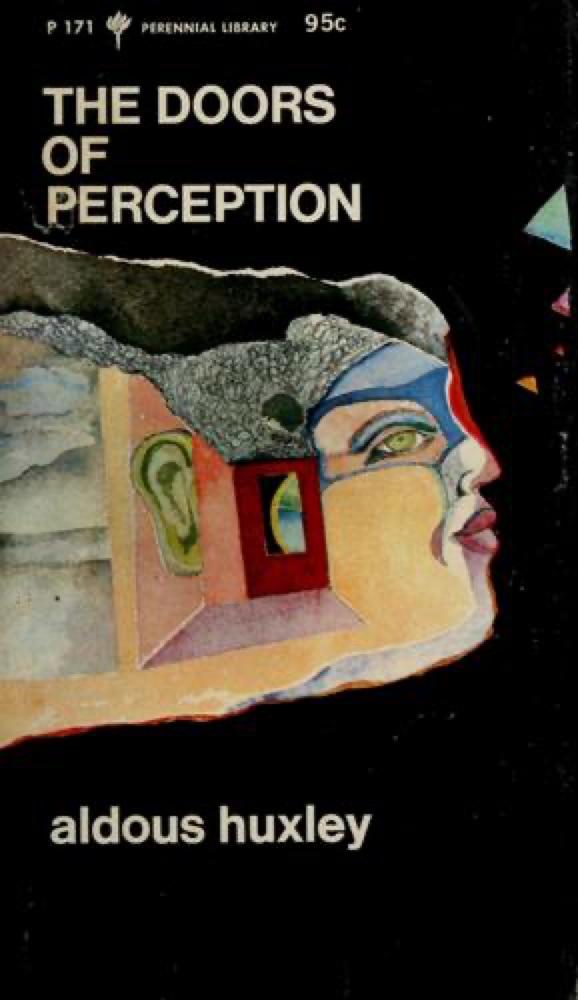
The Perennial Philosophy is defined by its author as "The metaphysic that recognizes a divine Reality substantial to the world of things and lives and minds." With great wit and stunning intellect, Aldous Huxley examines the spiritual beliefs of various religious traditions and explains them in terms that are personally meaningful.
An inspired gathering of religious writings that reveals the "divine reality" common to all faiths, collected by Aldous Huxley
"The Perennial Philosophy," Aldous Huxley writes, "may be found among the traditional lore of peoples in every region of the world, and in its fully developed forms it has a place in every one of the higher religions."
With great wit and stunning intellect—drawing on a diverse array of faiths, including Zen Buddhism, Hinduism, Taoism, Christian mysticism, and Islam—Huxley examines the spiritual beliefs of various religious tra
Book details
- First published
- 1945
- Author
- Aldous Huxley
- Genre
- Philosophy
- Goodreads rating
- 4.12 (7k ratings)
Keep reading
 The Varieties of Religious Experience
 Myths to Live By
 Daybreak: Thoughts on the Prejudices of Morality
 The World's Religions
 The Mind of the Maker: Dorothy L. Sayers' Witty Classic on the Trinity, Christianity, and Human Creativity
 Twilight of the Idols/The Anti-Christ
 Dialogues Concerning Natural Religion
 The Occult
 Untimely Meditations
 The Book: On the Taboo Against Knowing Who You Are
 Maps of Meaning: The Architecture of Belief
 The Everlasting Man
 The Intellectual Life: Its Spirit, Conditions, Methods
 The God Who Weeps: How Mormonism Makes Sense of Life
 Orthodoxy
 The Yoga Sutras of Patanjali
 Complete Works of Swami Vivekananda, 9 Vols.
 God in Search of Man: A Philosophy of Judaism
 The World's Last Night: And Other Essays
 The World as Will and Representation, Vol 1
 Breaking the Spell: Religion as a Natural Phenomenon
 An Essay Concerning Human Understanding
 The Essential Writings of Ralph Waldo Emerson
 Heretics
 No Man Is an Island
 Man and His Symbols
 The Upanishads
 What the Buddha Taught
 The Ego and Its Own
 The Portable Atheist: Essential Readings for the Nonbeliever
 My Bright Abyss: Meditation of a Modern Believer
 The Story of My Experiments With Truth
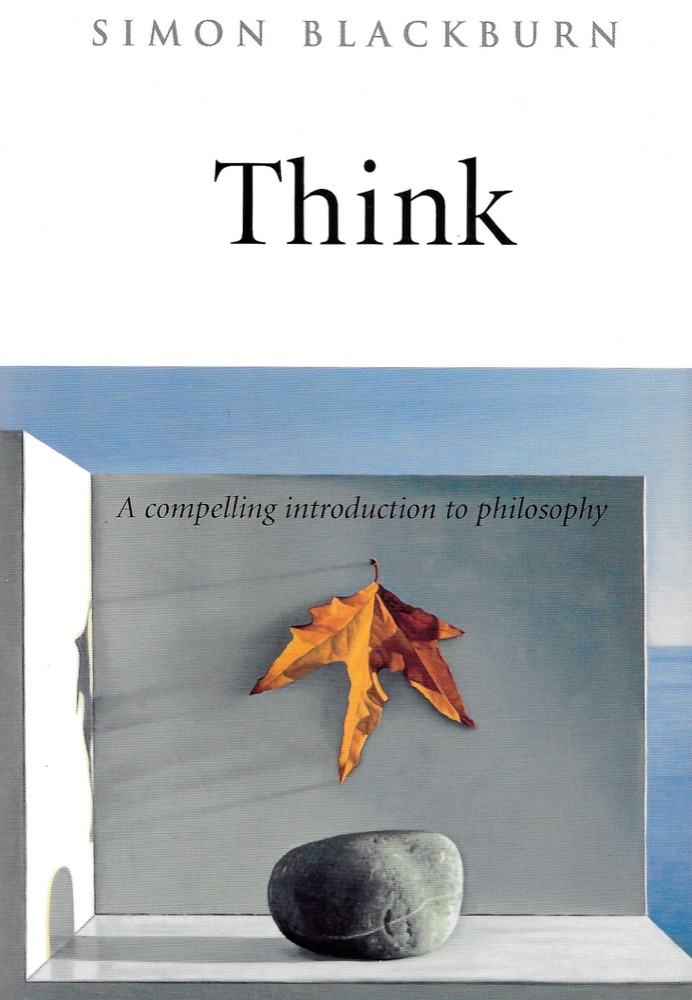 Think: A Compelling Introduction to Philosophy
 Summa Theologica
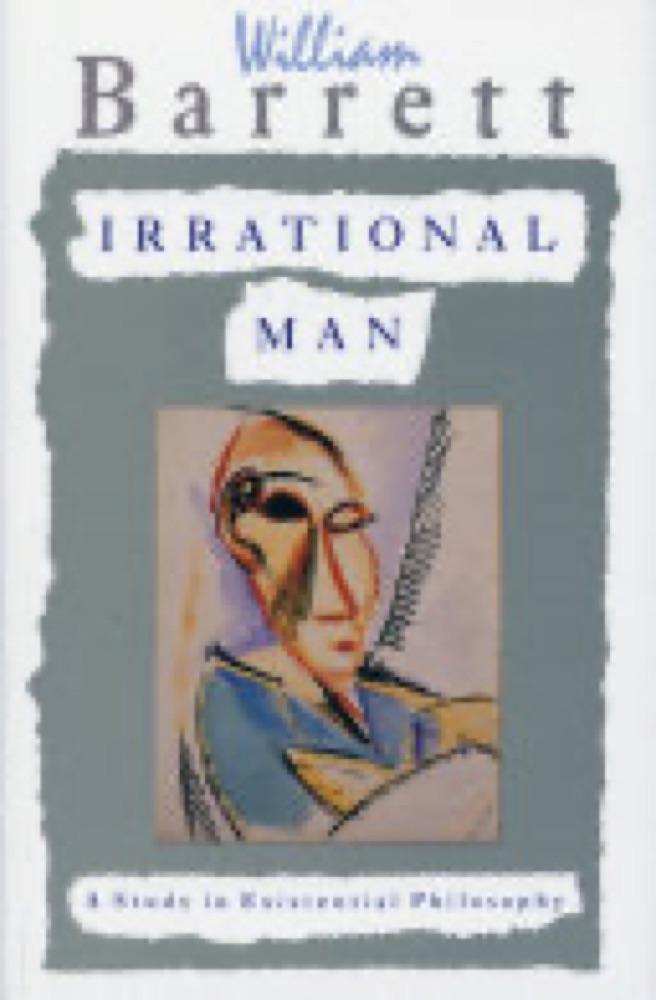 Irrational Man: A Study in Existential Philosophy
The Doors of Perception & Heaven and Hell
Irrational Man: A Study in Existential Philosophy
The Doors of Perception & Heaven and Hell
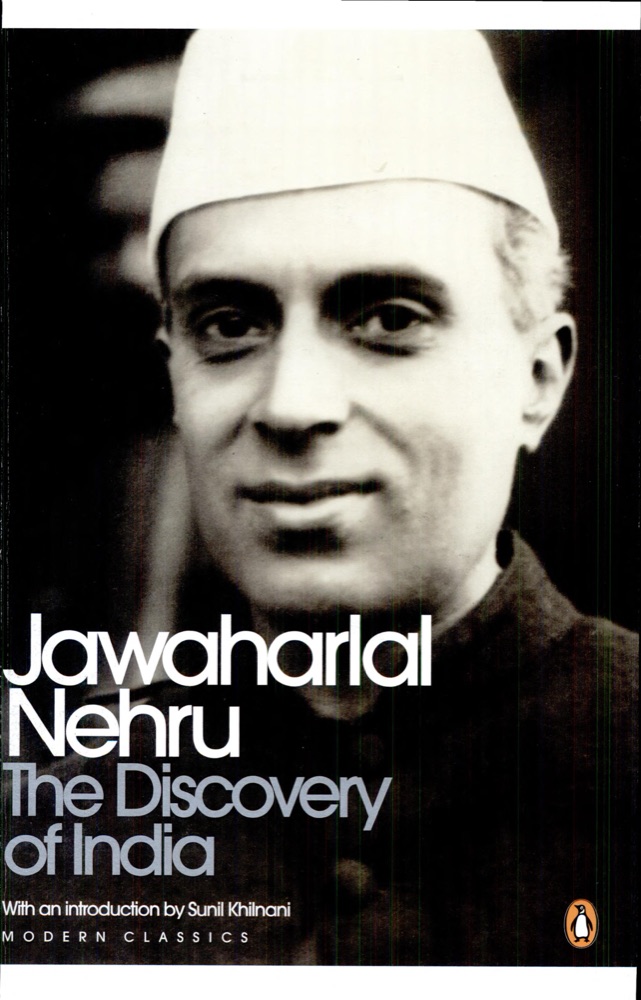 The Discovery of India
 Thou Art That: Transforming Religious Metaphor
 An Enquiry Concerning Human Understanding
 The Age of Reason
 Confession of a Buddhist Atheist
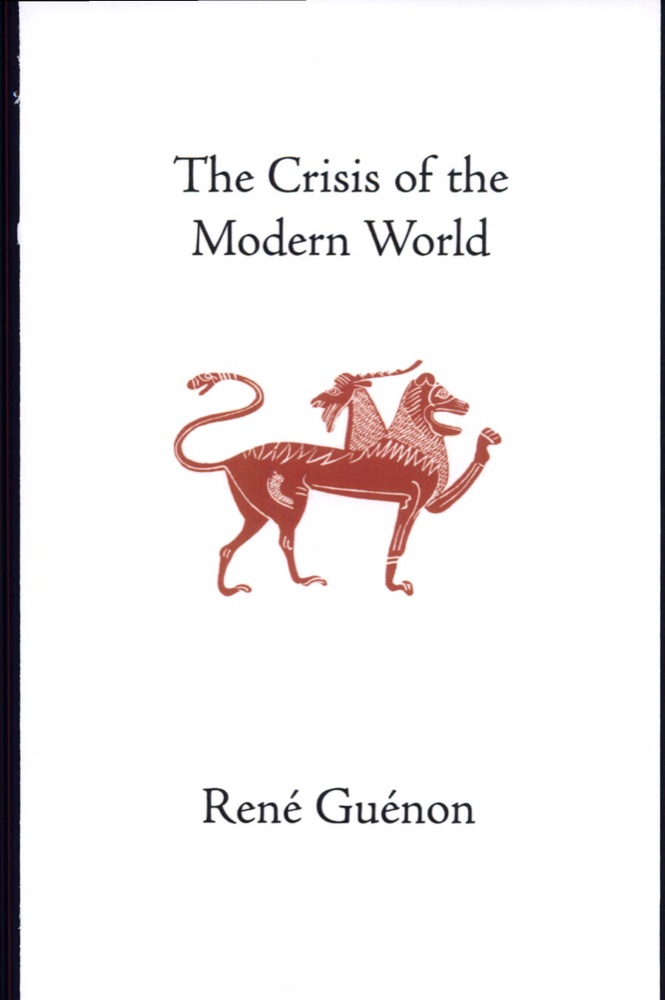 The Crisis of the Modern World
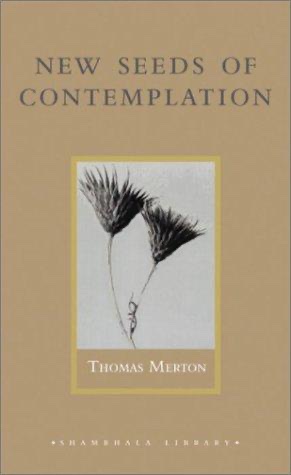 New Seeds of Contemplation
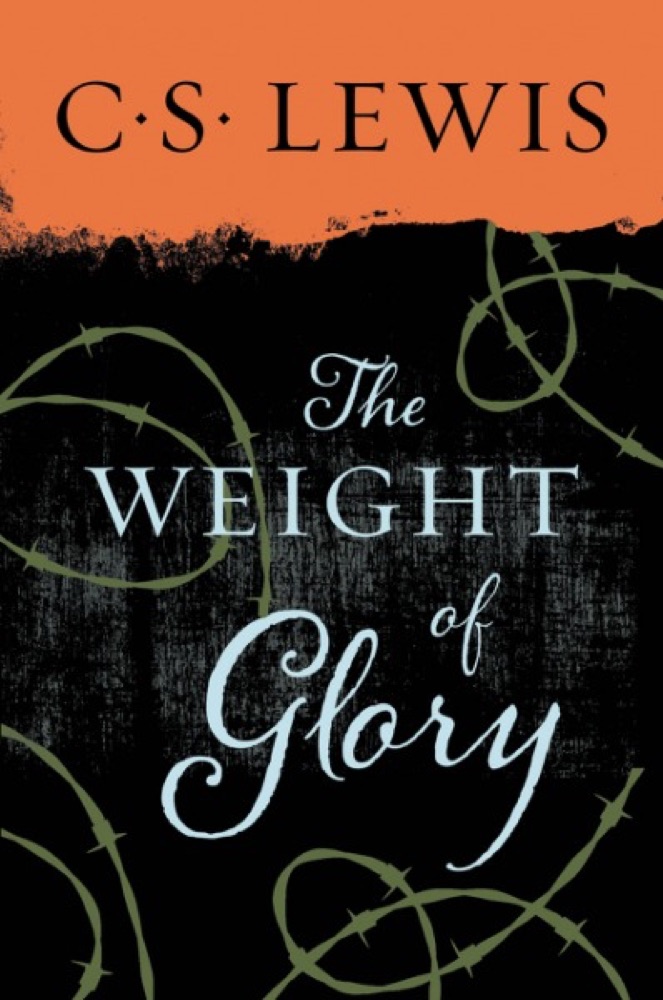 The Weight of Glory
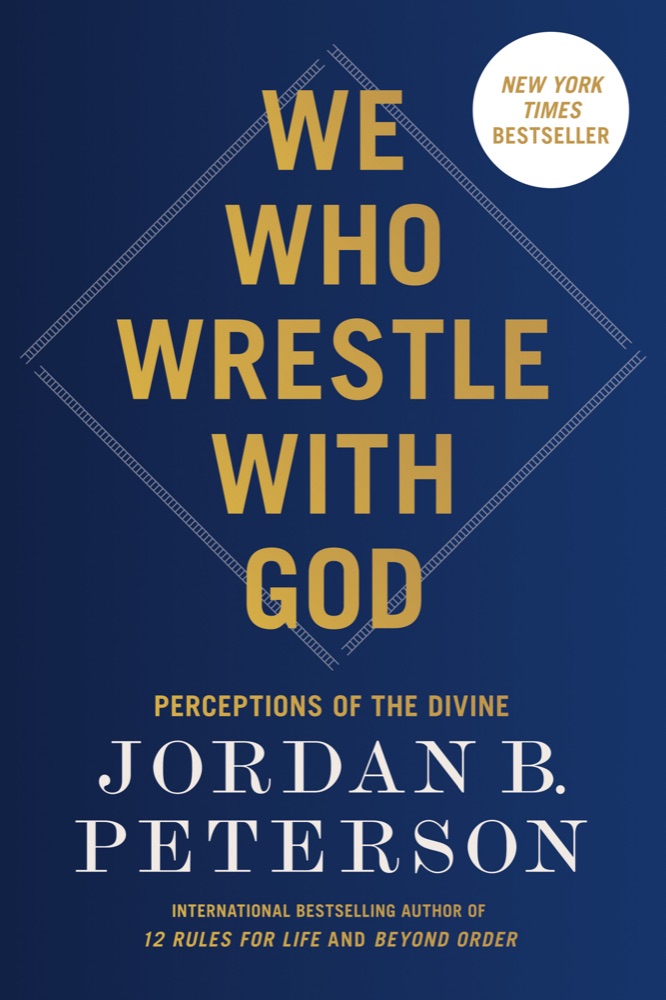 We Who Wrestle with God: Perceptions of the Divine
 A Treatise of Human Nature
 How to Know Higher Worlds: A Modern Path of Initiation
 Freedom from the Known
 Tao: The Watercourse Way
 Why Does the World Exist?: An Existential Detective Story
 The Convoluted Universe, Book 1
 Modern Man in Search of a Soul
 Ego and Archetype: Individuation and the Religious Function of the Psyche
 The Wisdom of Life
 Gravity and Grace
 The Wisdom of Insecurity: A Message for an Age of Anxiety
 The Ethics of Ambiguity
 The Rosicrucian cosmo-conception: or, Mystic Christianity; an elementary treatise upon man's past evolution, present constitution and future development