

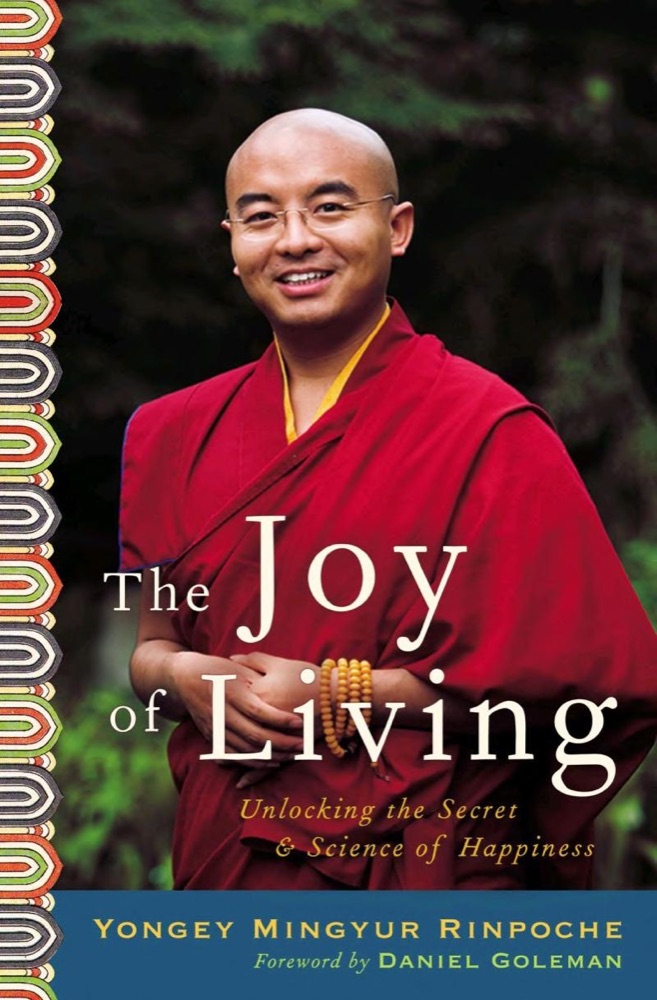
 The Joy of Living: Unlocking the Secret and Science of Happiness
Quotes from the Book
Pain is inevitable... Suffering is optional. We will all have to endure trauma and challenges. What matters is how we move forward afterward. Do we keep carrying the trauma and its causes in our mind? Or can we find a way to let go of them, to end our own suffering?...This is where mindfulness can help us.
7
It’s wonderful what becomes possible when we start to accept ourselves,” he told me. “Others find it easier to accept us, too, when we don’t keep engaging in negative thoughts about ourselves.
4
The mind is like a garden,” he told me. “You choose what to grow: weeds or flowers.
3
All is cause and effect. Action and reaction.
2
to cultivate compassion for others, first we begin with ourselves.
2
When we think of other beings with compassion, this makes us happiest. When we consider how to help others avoid suffering and give them contentment, we, ourselves, are the first to benefit.
2
Sometimes we need to be reminded what we’re capable of.
1
The light within glows strongest in the darkness.
Lotus plants grow in poor conditions. Their roots are in the mud, sometimes dirty swamps. But they rise above that. Their flowers are very beautiful. Sometimes when we have problems we, too, can use our difficulties to create something we may not even have considered before. We can turn our suffering into the cause of extraordinary growth.” Like so much else of what His Holiness said, his words could be understood in different ways. I knew he was making not only a general observation but offering a deeply personal message—one that referred not only to my own recent challenges but to Mrs. Trinci’s, too. And, more important, to the fresh direction in which they could propel us. Instead of believing my infestation to be a cause of nothing but biting misery, I was beginning to see that it seemed it could become fuel for personal growth.
Both happiness and unhappiness arise from thought. Our challenge is to develop those thoughts that create happiness and avoid those that cause us to suffer. So much of the time, we are having negative thoughts without realizing what is happening because we’re so caught up in them. Or because we can’t help ourselves. But with mindfulness, it’s possible to become more aware. To observe what we are thinking, and if necessary, to change.
If one speaks or acts with a serene mind, happiness follows, as surely as one’s shadow.
You can’t manage what you don’t monitor,” proposed Serena.
Our big problem, as humans, is mistaking this very temporary thing we call ‘me,’ this acquired personality, with our subtle consciousness, which is primordial. We do things to advance the short-term interests of this temporary ‘me,’ even things that involve harming others, thinking that because there is no immediate effect on the temporary ‘me,’ that there will be no effect at all. “But when you step back and view time from a wider perspective, you can see how one human lifetime is like this,” he said as he snapped his fingers. “Just because there is no instant effect doesn’t mean there is no effect at all. All actions have results. How can a negative action give rise to anything but a negative result? Or a positive action give rise to anything but a positive result? “What moves from one lifetime to another with the flow of subtle consciousness isn’t the acquired personality. It isn’t intelligence, a memory, religious views, or race. It isn’t even species.
Compassion begins with self-acceptance. Self-acceptance first requires letting go of negative thoughts about yourself. And it requires being aware of the negative thoughts to begin with.
And we can achieve so much more when we are positive. Confident.
When our understanding of an idea develops to the point that it changes our behavior.
So to cultivate compassion for others, first we begin with ourselves. And our practice must be meaningful, because superficial practice will only give superficial results. We must go beyond mere ideas and deepen our understanding. Can anyone here give me a definition of the word ‘realization
What is the point of making up a story about ourselves that we hate? Whatever story we come up with is going to be different from the one that other people have created about us anyway—you can be sure of that.
the same.” His voice fell then, so that each one of us leaned forward to catch his next statement. Geshe-la said, “Of course, we cannot genuinely accept others and wish for their happiness if we don’t first accept ourselves.” He paused so his words could be absorbed. Not only his words, but the meaning behind those words. Their simplicity and significance were amplified in the sacred place. “What is the sense in wishing for the happiness of all beings but not for our own happiness? What is the point of practicing patience with complete strangers but not with ourselves? This kind of thinking makes no sense. It is also lacking in wisdom, because the self we may believe is so hard to accept has no independent reality.
Of course, we cannot genuinely accept others and wish for their happiness if we don’t first accept ourselves.
How valid is a practice that frees our bodies from rigidity but does nothing for the mind?
If daylight belongs to the dogs, then we cats are creatures of the night. We are the feline yin to the canine yang.
May all beings find their highest purpose and be an inspiration to others.
when I really paid close attention, when my mind was open and my senses acute, I was able to find intense joy in the simplest of things.
Thoughts and feelings manifest in the bodies of felines as much as in humans.
The Buddhist definition of mind as ‘a formless continuum of clarity and cognition’ is very much in keeping with quantum science theories that matter and energy are two aspects of the same reality.
Buddhism is about understanding our own true nature. What and who we really are.
Energy is not created or destroyed. Because consciousness is energy, it, too, is never destroyed. It changes form, yes, but it’s always there and always has been there.
Watch on YouTube
About David Michie
We have collected 28 quotes from 1 book by David Michie on BookQuoters.
More about the author →About the book
"If you ever doubted that your feline companion has her own inner life, just watch what happens when she falls asleep, and loses conscious control of her physical being . . . a twitching of limbs, a quivering of the jaw, sometimes, perhaps, a snuffling noise or a meow.. . . Cats may indeed be capable of great mindfulness, but we are thinking beings too. In my own case, unfortunately, a being who thinks rather too much."
In the latest installment of the Dalai Lama’s Cat series, His Holiness’s Cat ("HHC") is on a mission: to think less, to experience more, to live in the moment. She soon learns the proper phrase for this, being mindful, or, a concept better known to her as the power of meow. What ensues is a journey to discover her own true nature, to gain a deeper understanding of her mind, and to experience life’s greatest joy, the here and now.
Throughout, there are encounters wit
Book details
- First published
- 2015
- Author
- David Michie
- Genre
- Fiction
- Goodreads rating
- 4.48 (3k ratings)
Keep reading
The Joy of Living: Unlocking the Secret and Science of Happiness
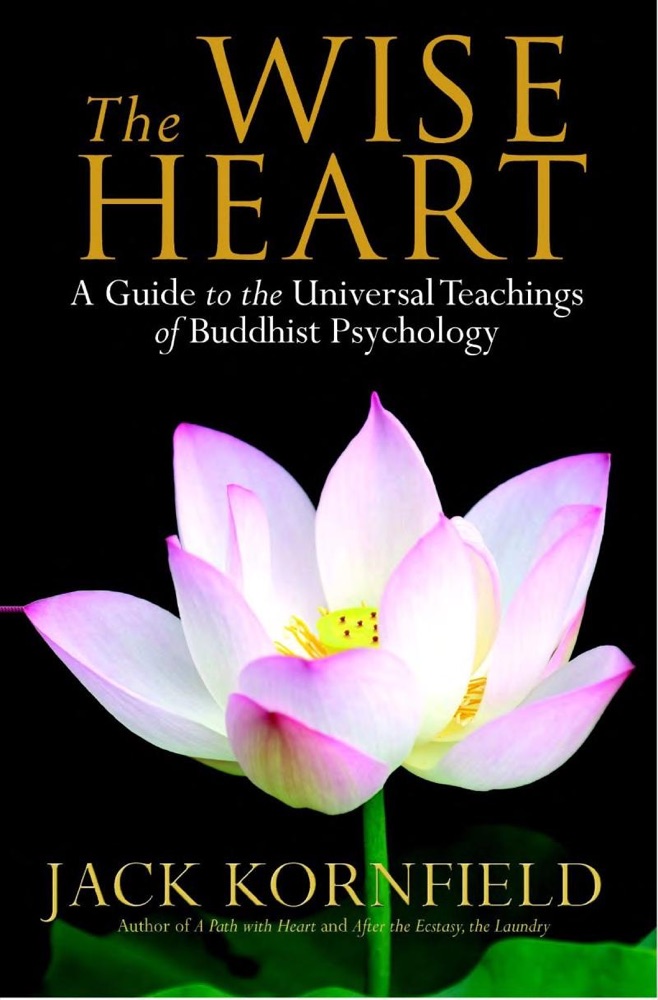 The Wise Heart: A Guide to the Universal Teachings of Buddhist Psychology
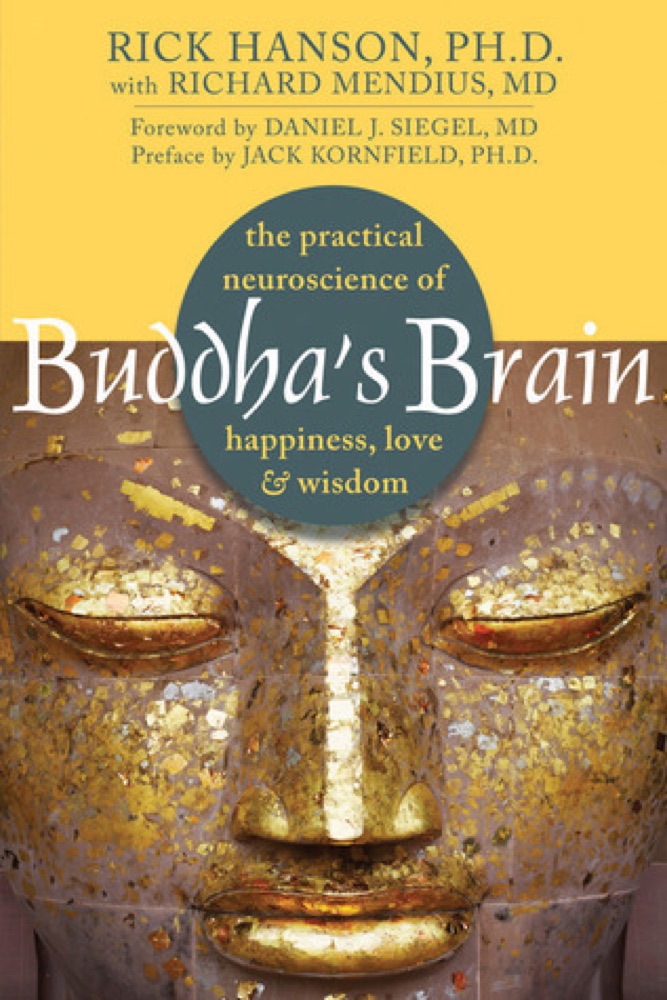 Buddha's Brain: The Practical Neuroscience of Happiness, Love, and Wisdom
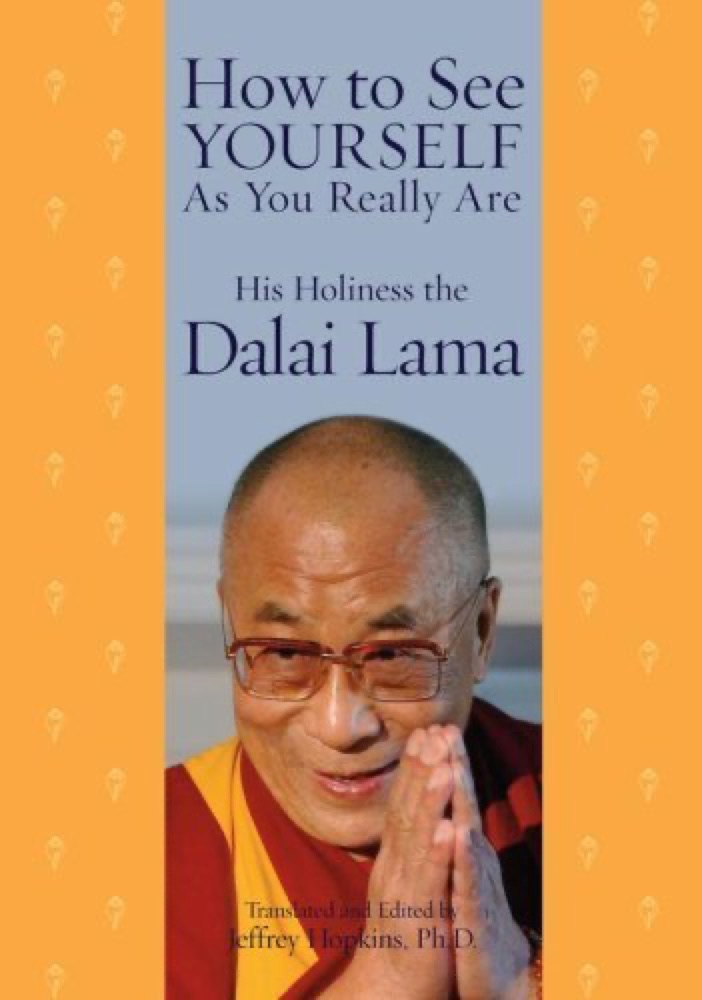 How to See Yourself As You Really Are
 Zen and the Art of Saving the Planet
 Awakening the Buddha Within
 The Wisdom of No Escape: How to Love Yourself and Your World
 Happiness: A Guide to Developing Life's Most Important Skill
 My Spiritual Journey: Personal Reflections, Teachings, and Talks
 Peace Is Every Step: The Path of Mindfulness in Everyday Life
 The Places That Scare You: A Guide to Fearlessness in Difficult Times
 Living Beautifully with Uncertainty and Change
 The Heart of the Buddha's Teaching: Transforming Suffering into Peace, Joy, and Liberation
 The Art of Happiness
 Buddhist Boot Camp
 Full Catastrophe Living: Using the Wisdom of Your Body and Mind to Face Stress, Pain, and Illness
 Everyday Zen: Love & Work
 Going to Pieces without Falling Apart: A Buddhist Perspective on Wholeness
 Waking Up: A Guide to Spirituality Without Religion
 Buddhism Plain & Simple: The Practice of Being Aware, Right Now, Every Day
 Advice Not Given: A Guide to Getting Over Yourself
 In Love with the World: A Monk's Journey Through the Bardos of Living and Dying
 The Things You Can See Only When You Slow Down: How to Be Calm in a Busy World
 Real Happiness: A 28-Day Program to Realize the Power of Meditation
 Mindfulness in Plain English
 True Refuge: Finding Peace and Freedom in Your Own Awakened Heart
 Meditation for Beginners
 Against the Stream: A Buddhist Manual for Spiritual Revolutionaries
 Into the Magic Shop: A Neurosurgeon's Quest to Discover the Mysteries of the Brain and the Secrets of the Heart
 Self-Compassion: The Proven Power of Being Kind to Yourself
 Why Buddhism Is True: The Science and Philosophy of Meditation and Enlightenment
 A New Earth: Awakening to Your Life's Purpose
 You Can Heal Your Life
 The Master Key System
 The Book of Awakening: Having the Life You Want by Being Present to the Life You Have
 Be Here Now
 The Book: On the Taboo Against Knowing Who You Are
 No Self, No Problem: How Neuropsychology Is Catching Up to Buddhism
 The Art of Being
 Eastern Body, Western Mind: Psychology and the Chakra System as a Path to the Self
 The Book of Secrets: Unlocking the Hidden Dimensions of Your Life
 Lovingkindness: The Revolutionary Art of Happiness
 The Yoga Sutras of Pantanjali
 The Tibetan Book of Living and Dying
 Radical Acceptance: Embracing Your Life With the Heart of a Buddha
 Happiness Becomes You: A Guide to Changing Your Life for Good
 Loving What Is: Four Questions That Can Change Your Life
 How to Be an Adult in Relationships: The Five Keys to Mindful Loving
 Change Your Thoughts - Change Your Life: Living the Wisdom of the Tao
 Love for Imperfect Things: How to Accept Yourself in a World Striving for Perfection
 The Seven Spiritual Laws of Success: A Practical Guide to the Fulfillment of Your Dreams
 Kitchen Table Wisdom: Stories that Heal
 Light on Life
 Becoming Supernatural: How Common People are Doing the Uncommon
 The Buddha Walks into a Bar . . .: A Guide to Life for a New Generation
 Be Water, My Friend: The Teachings of Bruce Lee
 The Yoga Sutras of Patanjali