
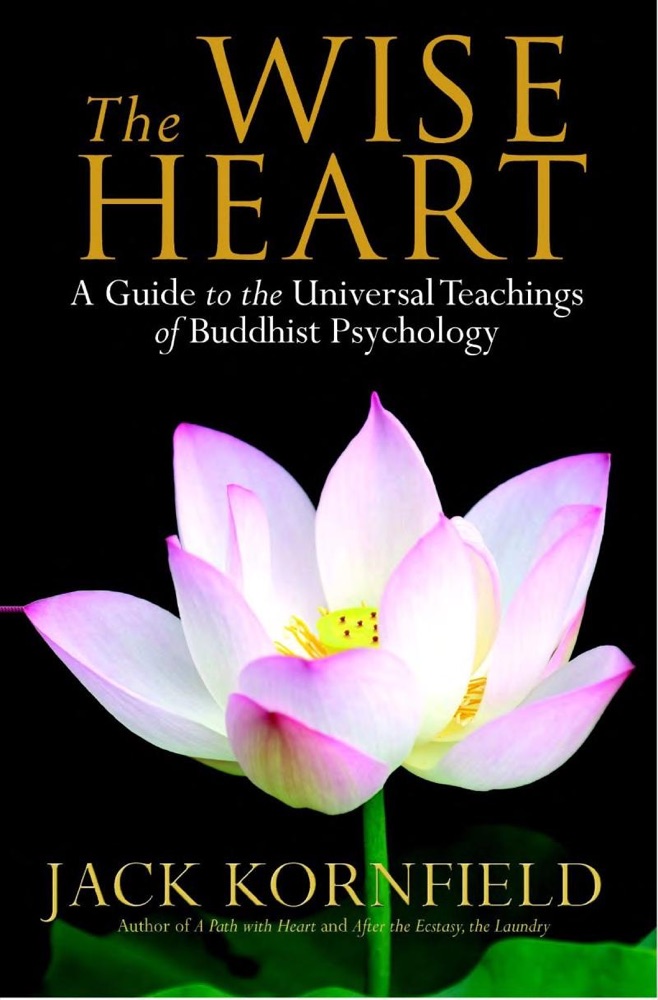
 The Wise Heart: A Guide to the Universal Teachings of Buddhist Psychology
Quotes from the Book
Nurturing your own development isn’t selfish. It’s actually a great gift to other people.
53
The remedy is not to suppress negative experiences; when they happen, they happen. Rather, it is to foster positive experiences—and in particular, to take them in so they become a permanent part of you.
36
All joy in this world comes from wanting others to be happy, and all suffering in this world comes from wanting only oneself to be happy. —Shantideva
31
Only we humans worry about the future, regret the past, and blame ourselves for the present.
24
It’s easy to be kind when others treat you well. The challenge is to preserve your loving-kindness when they treat you badly—to preserve goodwill in the face of ill will.
18
[I]f you can be with the pleasant without chasing after it, with the unpleasant without resisting it, and with the neutral without ignoring it - [...] that is an incredible [...] freedom.
13
Taking in the good is not about putting a happy shiny face on everything, nor is it about turning away from the hard things in life. It's about nourishing well-being, contentment, and peace inside that are refuges you can always come from and return to.
12
How about making a personal commitment never to go to sleep without having meditated that day, even if for just one minute?
12
Every time you take in the good, you build a little bit of neural structure. Doing this a few times a day—for months and even years—will gradually change your brain, and how you feel and act, in far-reaching ways.
11
Resentment is when I take poison and wait for you to die.
9
First darts are unpleasant to be sure. But then we add our reactions to them. These reactions are “second darts”—the ones we throw ourselves. Most of our suffering comes from second darts.
9
If we could read the secret history of our enemies, we should find in each [person’s] life sorrow and suffering enough to disarm any hostility. —Henry Wadsworth Longfellow
9
It’s a remarkable fact that the people who have gone the very deepest into the mind—the sages and saints of every religious tradition—all say essentially the same thing: your fundamental nature is pure, conscious, peaceful, radiant, loving, and wise, and it is joined in mysterious ways with the ultimate underpinnings of reality, by whatever name we give That.
8
It's impossible to change the past or the present: you can only accept all that as it is.
6
Stage one—you’re caught in a second-dart reaction and don’t even realize it: your partner forgets to bring milk home and you complain angrily without seeing that your reaction is over the top. Stage two—you realize you’ve been hijacked by greed or hatred (in the broadest sense), but cannot help yourself: internally you’re squirming, but you can’t stop grumbling bitterly about the milk. Stage three—some aspect of the reaction arises, but you don’t act it out: you feel irritated but remind yourself that your partner does a lot for you already and getting cranky will just make things worse. Stage four—the reaction doesn’t even come up, and sometimes you forget you ever had the issue: you understand that there’s no milk, and you calmly figure out what to do now with your partner. In education, these are known succinctly as unconscious incompetence, conscious incompetence, conscious competence, and unconscious competence. They’re useful
6
Whatever positive facts you find, bring a mindful awareness to them—open up to them and let them affect you. It’s like sitting down to a banquet: don’t just look at it—dig in!
6
Three Poisons: greed makes me rigid about how I want things to be, hatred gets me all bothered and angry, and delusion tricks me into taking the situation personally. Saddest
5
Ultimately, happiness comes down to choosing between the discomfort of becoming aware of your mental afflictions and the discomfort of being ruled by them. —Yongey Mingyur Rinpoche Some
5
To become happier, wiser, and more loving, sometimes you have to swim against ancient currents within your nervous system. For example, in some ways the three pillars of practice are unnatural: virtue restrains emotional reactions that worked well on the Serengeti, mindfulness decreases external vigilance, and wisdom cuts through beliefs that once helped us survive.
5
See the collateral damage—the suffering—that results when you cling to your desires and opinions or take things personally. Over the long haul, most of what we argue about with others really doesn’t matter that much.
5
Love and hate: they live and tumble together in every heart, like wolf cubs tussling in a cave. There is no killing the wolf of hate; the aversion in such an attempt would actually create what you’re trying to destroy. But you can watch that wolf carefully, keep it tethered, and limit its alarm, righteousness, grievances, resentments, contempt, and prejudice. Meanwhile, keep nourishing and encouraging the wolf of love.
5
It helps to remember that kindness is its own reward, that consequences often come to others without you needing to bring justice to them yourself, and that you can be assertive without falling into ill will.
4
bring to mind the feeling of being with someone who loves you, while calling up heartfelt emotions such as gratitude or fondness. Next, bring empathy to the difficulties of the other person. Opening to his (even subtle) suffering, let sympathy and goodwill naturally arise. (These steps flow together in actual practice.) Then, in your mind, offer explicit wishes, such as May you not suffer.
3
most of the shaping of your mind remains forever unconscious. This is called implicit memory, and it includes your expectations, models of relationships, emotional tendencies, and general outlook. Implicit memory establishes the interior landscape of your mind—what it feels like to be you—based on the slowly accumulating residues of lived experience. In
3
One way the self grows is by equating itself to things—by identifying with them. Unfortunately, when you identify with something, you make its fate your own—and yet, everything in this world ultimately ends. So be mindful of how you identify with positions, objects, and people.
3
If you can break the link between feeling tones and craving—if you can be with the pleasant without chasing after it, with the unpleasant without resisting it, and with the neutral without ignoring it—then you have cut the chain of suffering, at least for a time.
3
Equanimity is neither apathy nor indifference: you are warmly engaged with the world but not troubled by it. Through its nonreactivity, it creates a great space for compassion, loving-kindness, and joy at the good fortune of others.
3
Positive experiences can also be used to soothe, balance, and even replace negative ones. When two things are held in mind at the same time, they start to connect with each other. That’s one reason why talking about hard things with someone who’s supportive can be so healing: painful feelings and memories get infused with the comfort, encouragement, and closeness you experience with the other person.
3
It’s sometimes said that the greatest remaining scientific questions are: What caused the Big Bang? What is the grand unified theory that integrates quantum mechanics and general relativity? And what is the relationship between the mind and the brain, especially regarding conscious experience?
3
your fundamental nature is pure, conscious, peaceful, radiant, loving, and wise, and it is joined in mysterious ways with the ultimate underpinnings of reality, by whatever name we give That. Although your true nature may be hidden momentarily by stress and worry, anger and unfulfilled longings, it still continues to exist. Knowing this can be a great comfort.
2
Watch on YouTube
About Rick Hanson
We have collected 30 quotes from 1 book by Rick Hanson on BookQuoters.
More about the author →About the book
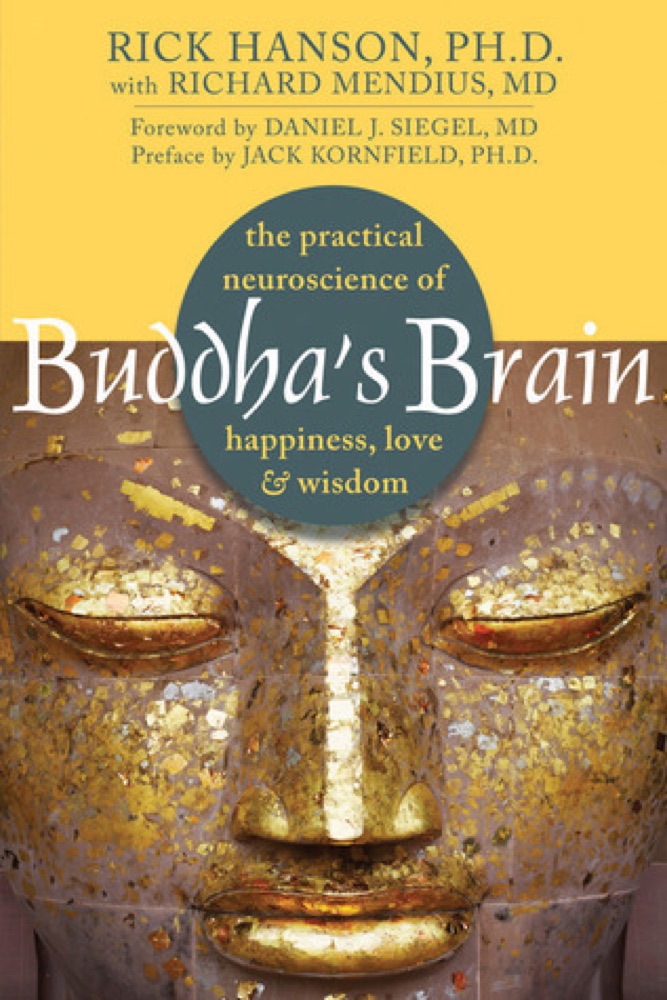
Jesus, Moses, the Buddha, and other great teachers were born with brains built essentially like anyone else's. Then they used their minds to change their brains in ways that changed history.With the new breakthroughs in neuroscience, combined with the insights from thousands of years of contemplative practice, you, too, can shape your own brain for greater happiness, love, and wisdom.Buddha's Brain joins the forces of modern science with ancient teachings to show readers how to have greater emotional balance in turbulent times, as well as healthier relationships, more effective actions, and a deeper religious or spiritual practice.Well-referenced and grounded in science, the book is full of practical tools and skills readers can use in daily life to tap the unused potential of the brain-and rewire it over time for greater peace and well-being.If you can change your brain, you can change
Book details
- First published
- 2009
- Author
- Rick Hanson
- Genre
- Nonfiction
- Goodreads rating
- 4.01 (15k ratings)
Keep reading
The Wise Heart: A Guide to the Universal Teachings of Buddhist Psychology
 The Heart of the Buddha's Teaching: Transforming Suffering into Peace, Joy, and Liberation
 Reconciliation: Healing the Inner Child
 The Wisdom of No Escape: How to Love Yourself and Your World
 The Art of Communicating
 The Places That Scare You: A Guide to Fearlessness in Difficult Times
 The Joy of Living: Unlocking the Secret and Science of Happiness
 Living Beautifully with Uncertainty and Change
 The Book of Joy: Lasting Happiness in a Changing World
 How to See Yourself As You Really Are
 The Things You Can See Only When You Slow Down: How to Be Calm in a Busy World
 Mindfulness in Plain English
 The Book of Secrets: Unlocking the Hidden Dimensions of Your Life
 Full Catastrophe Living: Using the Wisdom of Your Body and Mind to Face Stress, Pain, and Illness
 The Dalai Lama's Cat and the Power of Meow
 101 Essays That Will Change The Way You Think
 You Can Heal Your Life
 Buddhist Boot Camp
 How to Practice: The Way to a Meaningful Life
 Happiness: A Guide to Developing Life's Most Important Skill
 Self-Compassion: The Proven Power of Being Kind to Yourself
 Against the Stream: A Buddhist Manual for Spiritual Revolutionaries
 Letting Go: The Pathway To Surrender
 Your Erroneous Zones: Step-By-Step Advice for Escaping the Trap of Negative Thinking and Taking Control of Your Life
 The Way to Love: The Last Meditations of Anthony de Mello
 Everyday Zen: Love & Work
 Awakening the Buddha Within
 Meditation for Beginners
 Love for Imperfect Things: How to Accept Yourself in a World Striving for Perfection
 Letting Go of the Person You Used to Be: Lessons on Change, Loss, and Spiritual Transformation
 The Vortex: Where the Law of Attraction Assembles All Cooperative Relationships
 Living Untethered: Beyond the Human Predicament
 Kitchen Table Wisdom: Stories that Heal
 Advice Not Given: A Guide to Getting Over Yourself
 Build the Life You Want: The Art and Science of Getting Happier
 True Refuge: Finding Peace and Freedom in Your Own Awakened Heart
 The Happiness Hypothesis: Finding Modern Truth in Ancient Wisdom
 The Power of Now: A Guide to Spiritual Enlightenment
 The Four Agreements: A Practical Guide to Personal Freedom
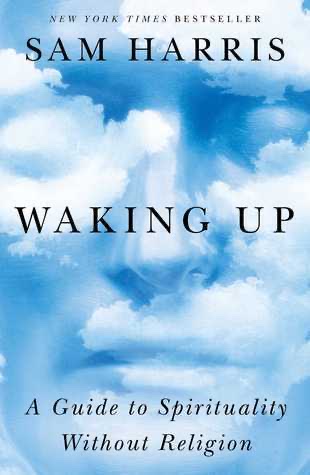 Waking Up: A Guide to Spirituality Without Religion
 Maybe You Should Talk to Someone: A Therapist, Her Therapist, and Our Lives Revealed
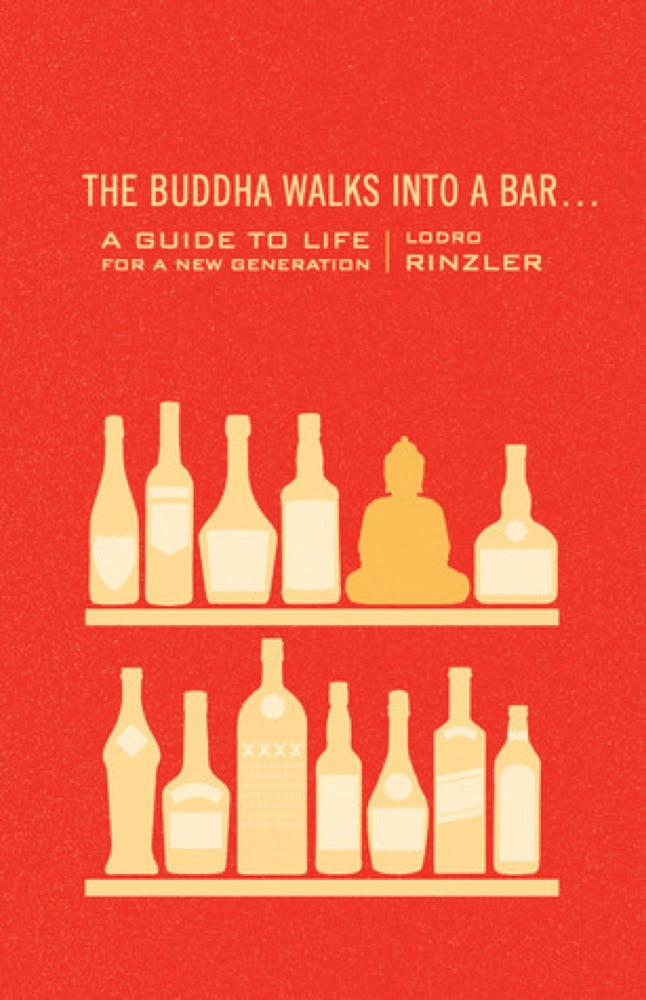 The Buddha Walks into a Bar . . .: A Guide to Life for a New Generation
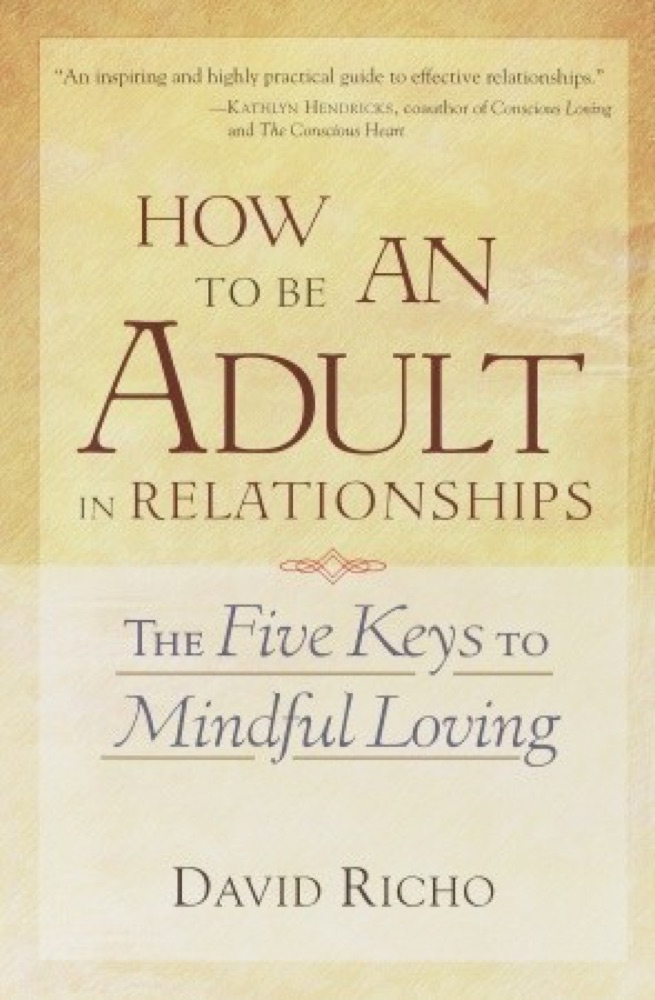 How to Be an Adult in Relationships: The Five Keys to Mindful Loving
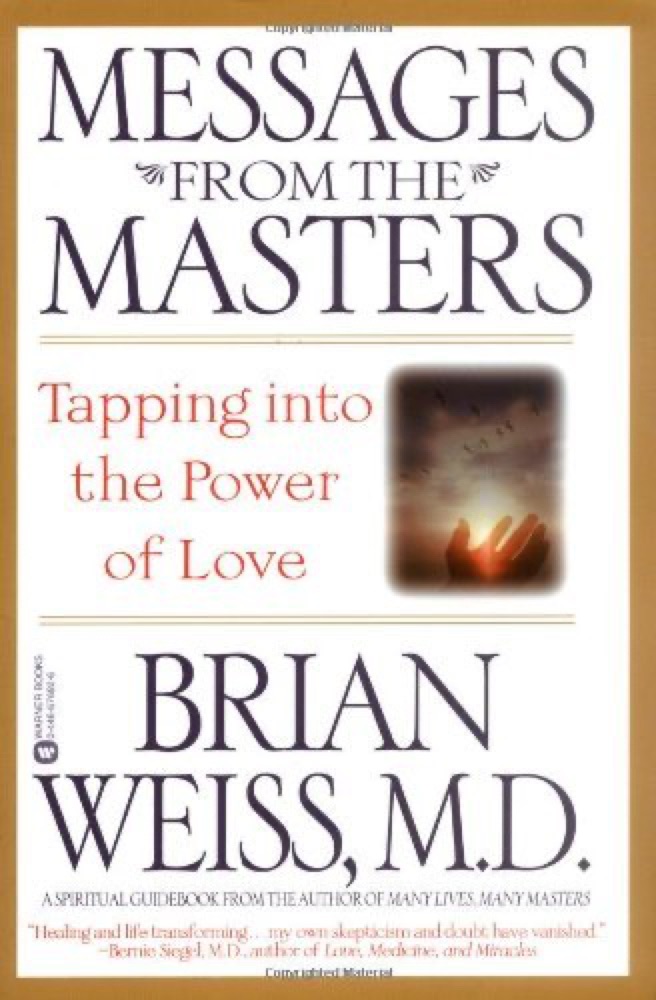 Messages from the Masters: Tapping into the Power of Love
 Changes That Heal: How to Understand the Past to Ensure a Healthier Future
 Into the Magic Shop: A Neurosurgeon's Quest to Discover the Mysteries of the Brain and the Secrets of the Heart
 The Tibetan Book of Living and Dying
 Happiness Becomes You: A Guide to Changing Your Life for Good
 Celebrating Silence: Excerpts from Five Years of Weekly Knowledge 1995-2000
 Awareness: Conversations with the Masters
 How to Stop Worrying and Start Living
 Mind Platter
 The Seven Spiritual Laws of Success: A Practical Guide to the Fulfillment of Your Dreams
 This Is How: Proven Aid in Overcoming Shyness, Molestation, Fatness, Spinsterhood, Grief, Disease, Lushery, Decrepitude & More. For Young and Old Alike.
 Loving What Is: Four Questions That Can Change Your Life
 Change Your Thoughts - Change Your Life: Living the Wisdom of the Tao
 The Mastery of Love: A Practical Guide to the Art of Relationship: A Toltec Wisdom Book
 Nothing Special: A Zen Buddhist Guide to Awakening Through Daily Life's Feelings, Relationships, and Work