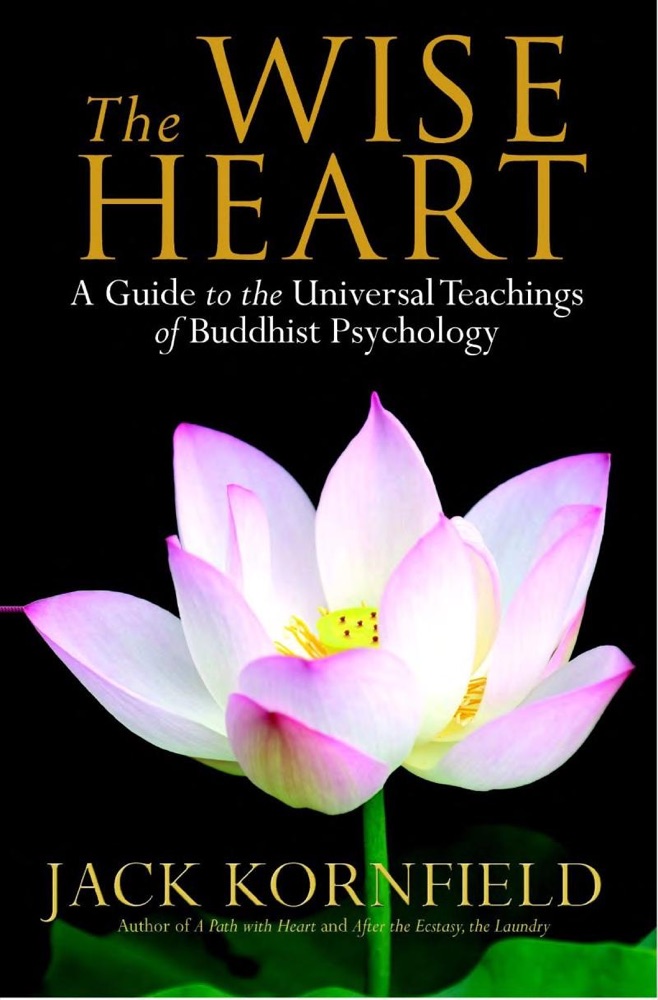
Quotes from the Book
the world is full of pain, uncertainty, and injustice. But in this vulnerable human life, every loss is an opportunity either to shut out the world or to stand up with dignity and let the heart respond.
12
When we are lost in delusion, it's hard to see even the most obvious truths.
10
As Aleksandr Solzhenitsyn puts it, “If only it were all so simple! If only there were evil people somewhere insidiously committing evil deeds, and it were necessary only to separate them from the rest of us and destroy them. But the line dividing good and evil cuts through the heart of every human being. And who among us is willing to destroy a piece of their own heart?
9
Buddhist teachings are not a religion, they are a science of mind.
9
many people who come to spiritual practice are frightened by their feelings. They hope meditation will help them to transcend the messiness of the world and leave them invulnerable to difficult feelings. But this is a false transcendence, a denial of life. It is fear masquerading as wisdom.
7
The poet Hafiz writes, Don’t surrender your loneliness So quickly. Let it cut more deep. Let it ferment and season you As few human Or even divine ingredients can.
5
Our life is shaped and determined by our thoughts. Usually we are only half conscious of the way thoughts direct our life; we are lost in thoughts as if they are reality. We take our own mental creations quite seriously, endorsing them without reservation.
4
The stream of primary feelings is always with us, but we often have the mistaken notion that life is not supposed to be this way. We secretly believe that if we can act just right, then our stream of feelings will be pleasant and there will be no pain, no loss. So when a painful experience arises we try to get rid of it, and when a pleasant experience arises we try to grasp it. When a neutral experience arises we tend to ignore it. We’re always wanting the right (pleasant) feelings and trying to avoid the wrong (painful) ones. And when they are unpleasant we react endlessly, struggling to get it right. As we become wiser we realize that fixing the flow of feelings doesn’t work. Primary feelings are simply feelings, and every day consists of thousands of pleasant, painful and neutral moments... These feelings are not wrong or bad. They are the stream of feelings of life...Our painful experience does not represent failure.
4
If someone puts food in my bowl, I am grateful. It gives me strength to teach. But if no one offers me food, this is good too—I get to go on a diet, which I could use! If students ask me to lead classes, I am happy to go anywhere. And if they take me sightseeing, I love to learn new things to help my teachings. But if no one invites me out, then I get to sit quietly and meditate. This makes me happy too. Whatever happens, I enjoy it.
4
Things are wrong and people misbehave, causing our hatred and suffering to arise. But however painful our experiences may be, they are just painful experiences until we add the response of aversion or hatred. Only then does suffering arise. If we react with hatred and aversion, these qualities become habitual. Like a distorted autoimmune response, our misguided reaction of hatred does not protect us; rather, it becomes the cause of our continued unhappiness.
4
In this world, hatred never ceases by hatred, but by love alone is healed. This is the ancient and eternal law.
4
The adult brain and nervous system grow and change throughout our lives. Until the very end, we are neurologically transformed by whatever we practice. We are not limited by the past.
3
wisdom? As the Zen texts explain, “To live in trusting
3
The suffering and happiness in our world, both individual and collective, depend on our consciousness.
3
Even time is a concept. In reality we are always in the eternal present. The past is just a memory, the future just an image or thought. All our stories about past and future are only ideas, arising in the moment. Our modern culture is so tyrannized by goals, plans, and improvement schemes that we constantly live for the future. But as Aldous Huxley reminded us in his writings, “An idolatrous religion is one in which time is substituted for eternity…the idea of endless progress is the devil’s work, even today demanding human sacrifice on an enormous scale.
3
the Dalai Lama suggests, “With worry and anxiety, repeatedly cultivate the following thought. ‘If the problem can be remedied then there is no need to worry about it. And if there is no solution, there is no point in being worried, because nothing can be done about it anyway.’ Remind yourself of these facts repeatedly.
2
The Dalai Lama has said that transforming thought is one of his favorite practices. He instructs, “Let yourself visualize the effects of unskillful thought patterns such as annoyance, anger, self-judgment, and so forth. Inwardly see how such thoughts affect you: the tension, the raising of your pulse rate, the discomfort. Outwardly see how such thoughts affect others who hold them, making them upset, rigid, even ugly. Then make the compassionate determination, ‘I will never allow such states to make me lose my peace of mind.
2
never hurts to think too highly of a person; often they become ennobled and act better because of it.
2
Our belief in a limited and impoverished identity is such a strong habit that without it we are afraid we wouldn’t know how to be.
2
There is a palpable relief when I teach the perspective of nobility, of training in compassion, of non-religious ways to transform suffering and nurture our sacred connection to life.
2
Gandhi, who exemplified inherent virtue for modern times, stated, “Let then our first act every morning be to make the following resolve for the day: ‘I shall not fear anyone on earth. I shall fear only God. I shall not bear ill will toward anyone. I shall not submit to injustice from anyone. I shall conquer untruth by truth. And in resisting untruth, I shall put up with all suffering.
1
Love says, ‘I am everything.’ Wisdom says, ‘I am nothing.’ Between these two my life flows.
1
With gratitude I remember the people, animals, plants, insects, creatures of the sky and sea, air and water, fire and earth, all whose joyful exertion blesses my life every day. With gratitude I remember the care and labor of a thousand generations of elders and ancestors who came before me. I offer my gratitude for the safety and well-being I have been given. I offer my gratitude for the blessings of this earth I have been given. I offer my gratitude for the measure of health I have been given. I offer my gratitude for the family and friends I have been given. I offer my gratitude for the community I have been given. I offer my gratitude for the teachings and lessons I have been given. I offer my gratitude for the life I have been given. Just
1
Mindfulness and fearless presence bring true protection. When we meet the world with recognition, acceptance, investigation, and non-identification, we discover that wherever we are, freedom is possible, just as the rain falls on and nurtures all things equally.
1
identify with everything so easily—with your body, your thoughts, your opinions, your roles—and so you suffer. I have released all identification.
1
It takes courage to experience the full measure of our feelings and emotions without reacting to them or cutting them off.
Enraged with hate, with mind ensnared, humans aim at their own ruin and at the ruin of others.
Watch on YouTube
About Jack Kornfield
We have collected 78 quotes from 3 books by Jack Kornfield on BookQuoters.
More about the author →More by Jack Kornfield
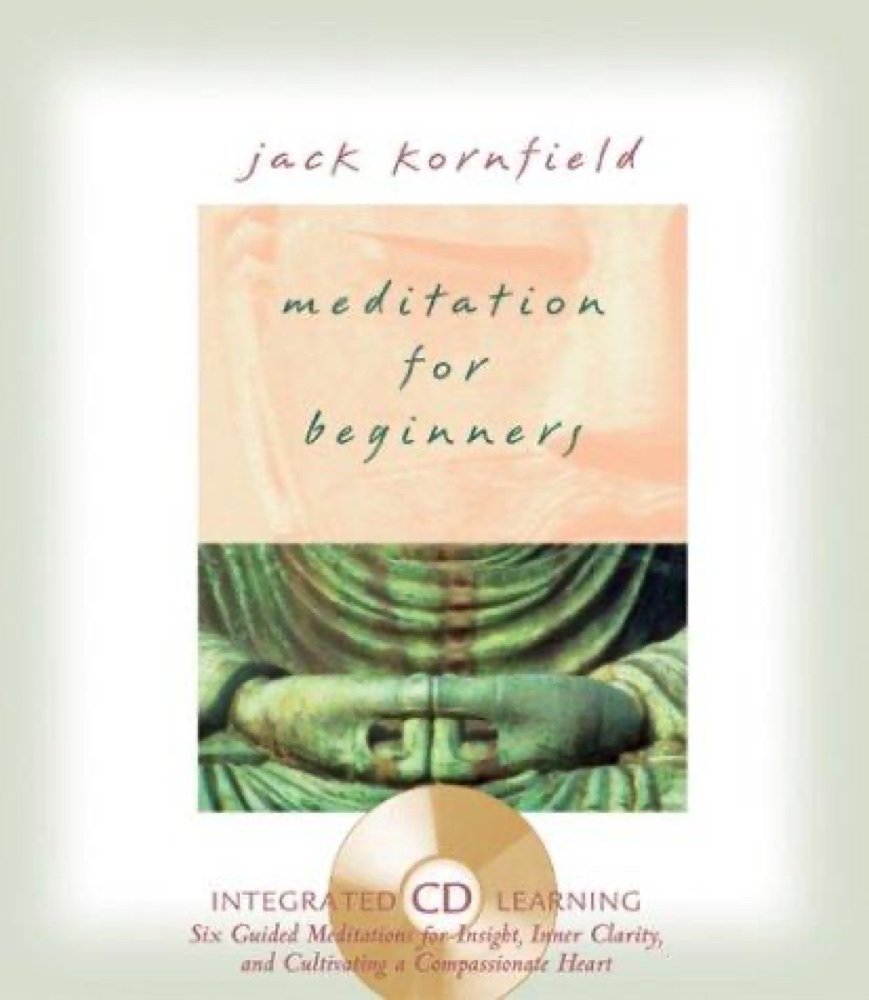 Meditation for Beginners
About the book
You have within you unlimited capacities for love, for joy, for communion with life, and for unshakable freedom—and here is how to awaken them. In The Wise Heart , one of the leading spiritual teachers of our time offers the most accessible and illuminating guide to Buddhism’s transformational psychology ever published in the West.
Trained as a monk in Thailand, Burma, and India, Jack Kornfield experienced at first hand the life-changing power of Buddhist the emphasis on the nobility and sacredness of the human spirit, the fine-grained analysis of emotion and thought, the precise techniques for healing, training, and transforming the mind and heart. In contrast to the medical orientation of most Western psychology and psychiatry, here is a vision of radiant human dignity, and a practical path for realizing it in our own lives.
The Wise Heart is the fruit of a life’s work that includes
Book details
- First published
- 2008
- Author
- Jack Kornfield
- Genre
- Nonfiction
- Goodreads rating
- 4.34 (8k ratings)
Keep reading
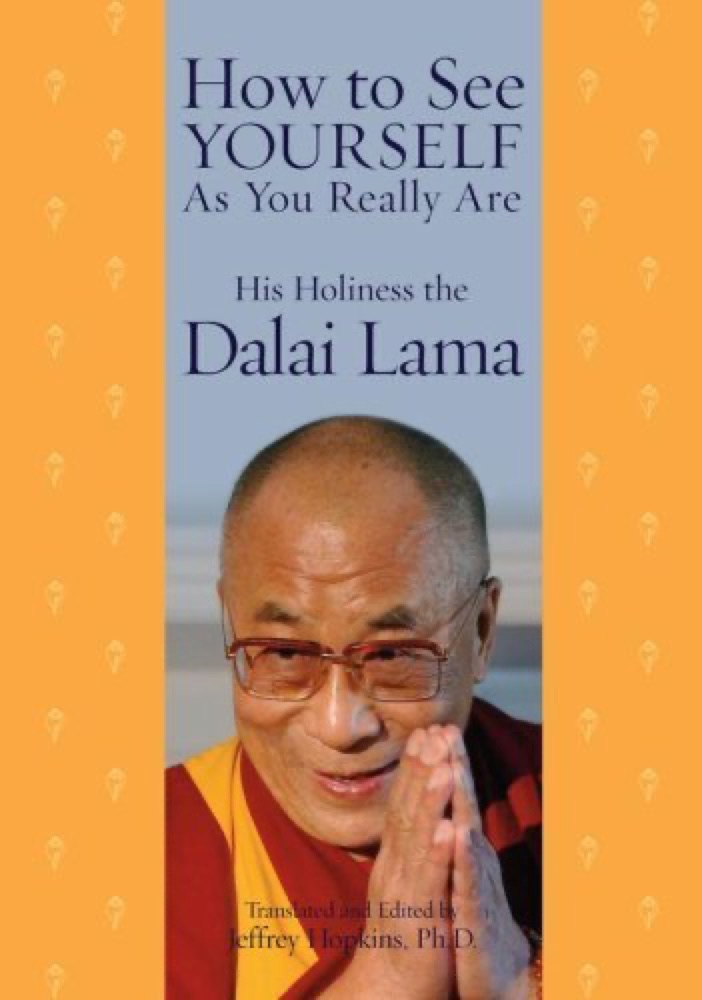 How to See Yourself As You Really Are
 The Places That Scare You: A Guide to Fearlessness in Difficult Times
 Living Beautifully with Uncertainty and Change
 Buddha's Brain: The Practical Neuroscience of Happiness, Love, and Wisdom
 The Joy of Living: Unlocking the Secret and Science of Happiness
 How to Practice: The Way to a Meaningful Life
 True Refuge: Finding Peace and Freedom in Your Own Awakened Heart
 Comfortable with Uncertainty: 108 Teachings on Cultivating Fearlessness and Compassion
 Against the Stream: A Buddhist Manual for Spiritual Revolutionaries
 My Spiritual Journey: Personal Reflections, Teachings, and Talks
 Advice Not Given: A Guide to Getting Over Yourself
 Everyday Zen: Love & Work
 The Tibetan Book of Living and Dying
 Happiness: A Guide to Developing Life's Most Important Skill
 The Heart of the Buddha's Teaching: Transforming Suffering into Peace, Joy, and Liberation
 Waking Up: A Guide to Spirituality Without Religion
 Reconciliation: Healing the Inner Child
 Fear: Essential Wisdom for Getting Through the Storm
 Awakening the Buddha Within
 Kitchen Table Wisdom: Stories that Heal
 The Dalai Lama's Cat and the Power of Meow
 Full Catastrophe Living: Using the Wisdom of Your Body and Mind to Face Stress, Pain, and Illness
 In Love with the World: A Monk's Journey Through the Bardos of Living and Dying
 Lovingkindness: The Revolutionary Art of Happiness
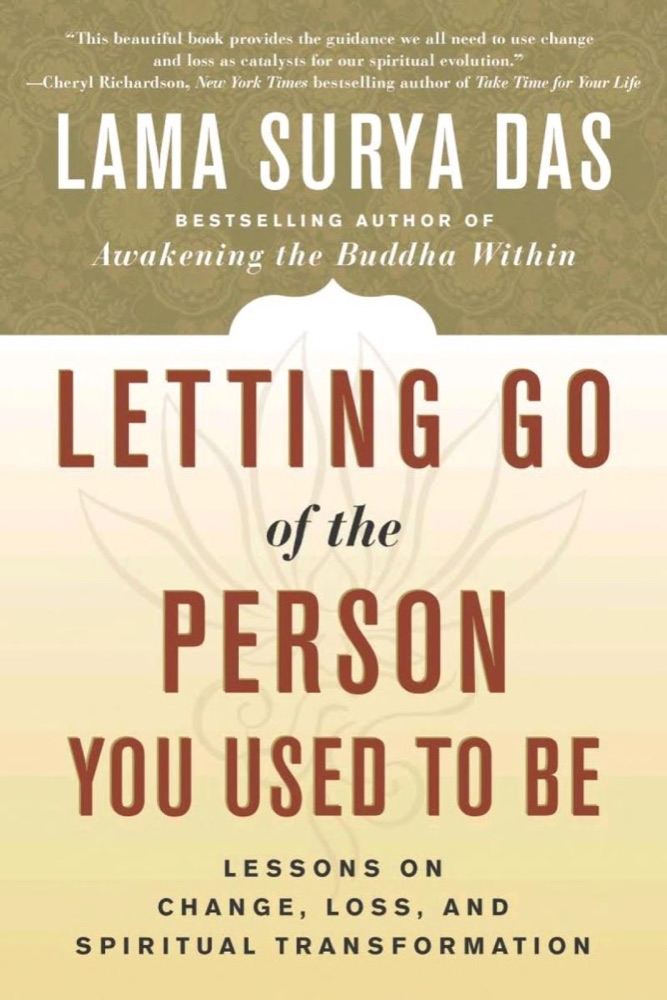 Letting Go of the Person You Used to Be: Lessons on Change, Loss, and Spiritual Transformation
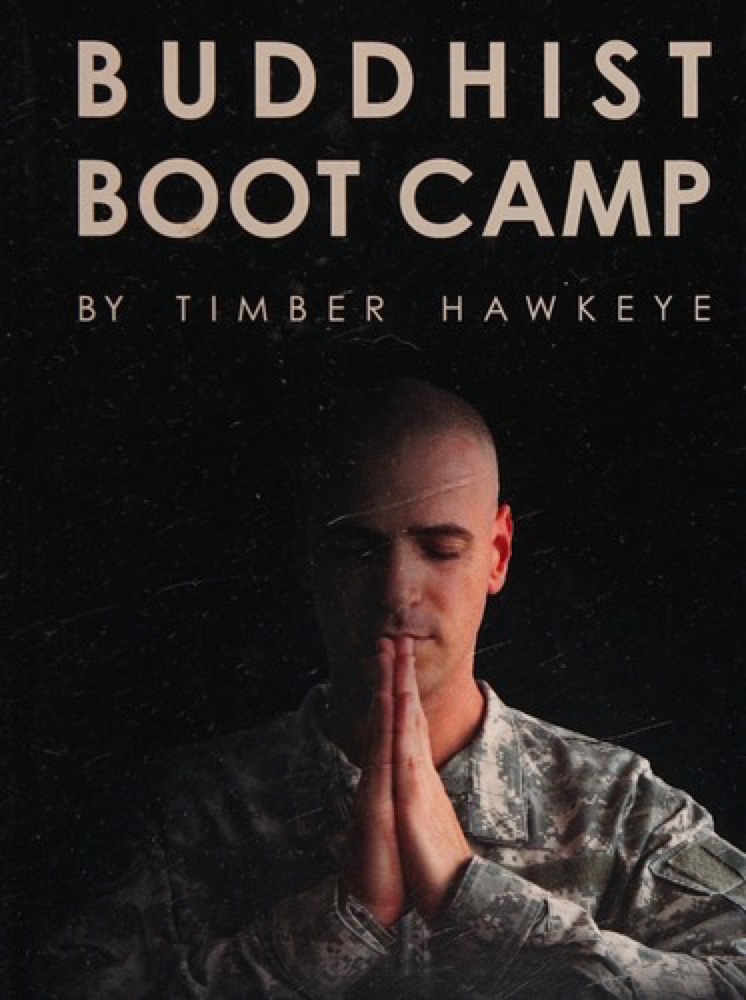 Buddhist Boot Camp
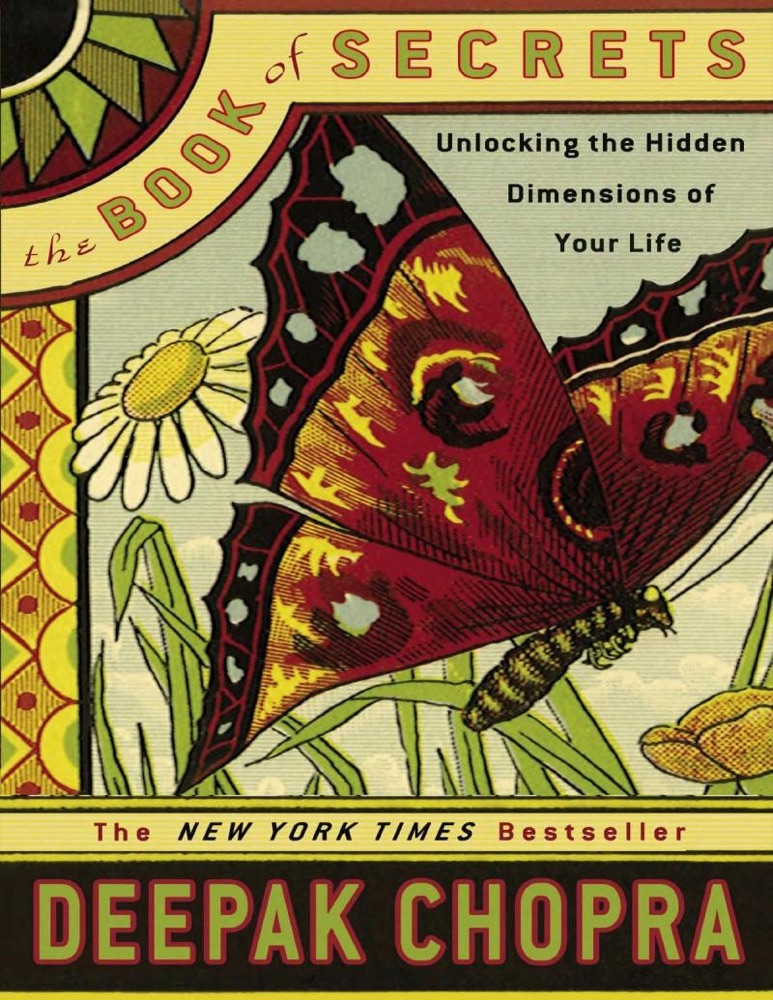 The Book of Secrets: Unlocking the Hidden Dimensions of Your Life
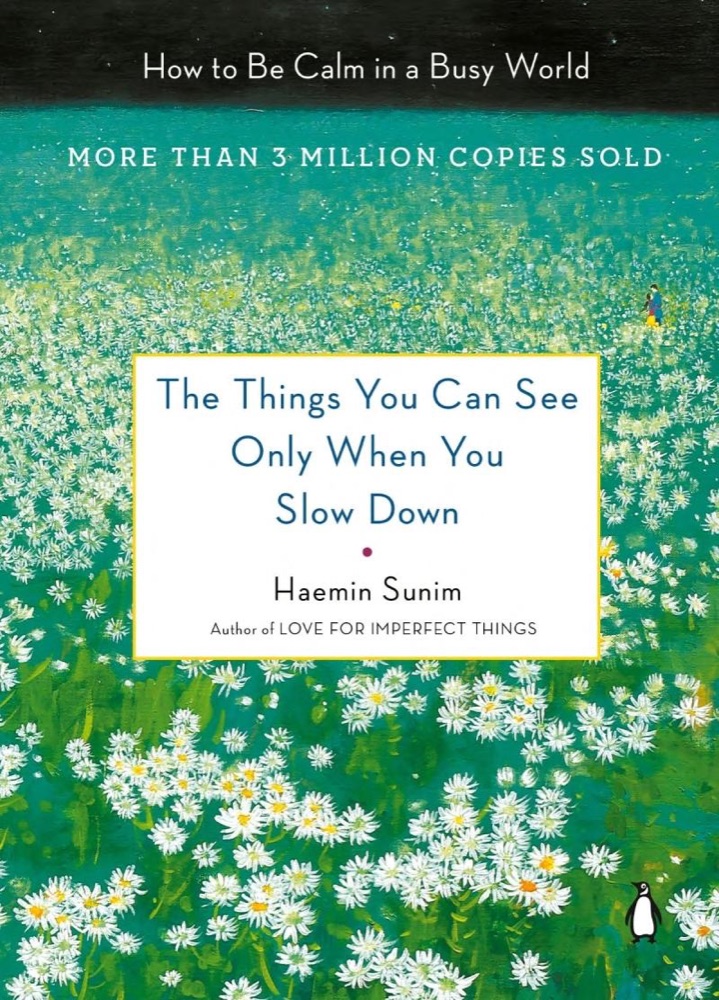 The Things You Can See Only When You Slow Down: How to Be Calm in a Busy World
 Letting Go: The Pathway To Surrender
 The Yoga Sutras of Patanjali
 Many Lives, Many Masters: The True Story of a Prominent Psychiatrist, His Young Patient, and the Past Life Therapy That Changed Both Their Lives
 Total Freedom: The Essential Krishnamurti
 Nothing Special: A Zen Buddhist Guide to Awakening Through Daily Life's Feelings, Relationships, and Work
 The Book of Awakening: Having the Life You Want by Being Present to the Life You Have
Meditation for Beginners
The Book of Awakening: Having the Life You Want by Being Present to the Life You Have
Meditation for Beginners
 Messages from the Masters: Tapping into the Power of Love
 Freedom from the Known
 Mindfulness in Plain English
 Anatomy of the Spirit: The Seven Stages of Power and Healing
 The Yoga Sutras of Pantanjali
 The Journey Home
 A Return to Love: Reflections on the Principles of "A Course in Miracles"
 Radical Acceptance: Embracing Your Life With the Heart of a Buddha
 Buddhism Plain & Simple: The Practice of Being Aware, Right Now, Every Day
 The Book: On the Taboo Against Knowing Who You Are
 The Way of the Bodhisattva
 The Varieties of Religious Experience
 Thoughts Without A Thinker: Psychotherapy From A Buddhist Perspective
 Twelve Steps to a Compassionate Life
 The Power of Now: A Guide to Spiritual Enlightenment
 The Buddha Walks into a Bar . . .: A Guide to Life for a New Generation
 Going to Pieces without Falling Apart: A Buddhist Perspective on Wholeness
 The Wisdom of Insecurity: A Message for an Age of Anxiety
 A Hidden Wholeness: The Journey Toward an Undivided Life : Welcoming the soul and weaving community in a wounded world
 Autobiography of a Yogi
 Shambhala: The Sacred Path of the Warrior
 Finding Meaning in the Second Half of Life: How to Finally, Really Grow Up
 Stillness Is the Key
 Striking Thoughts: Bruce Lee's Wisdom for Daily Living