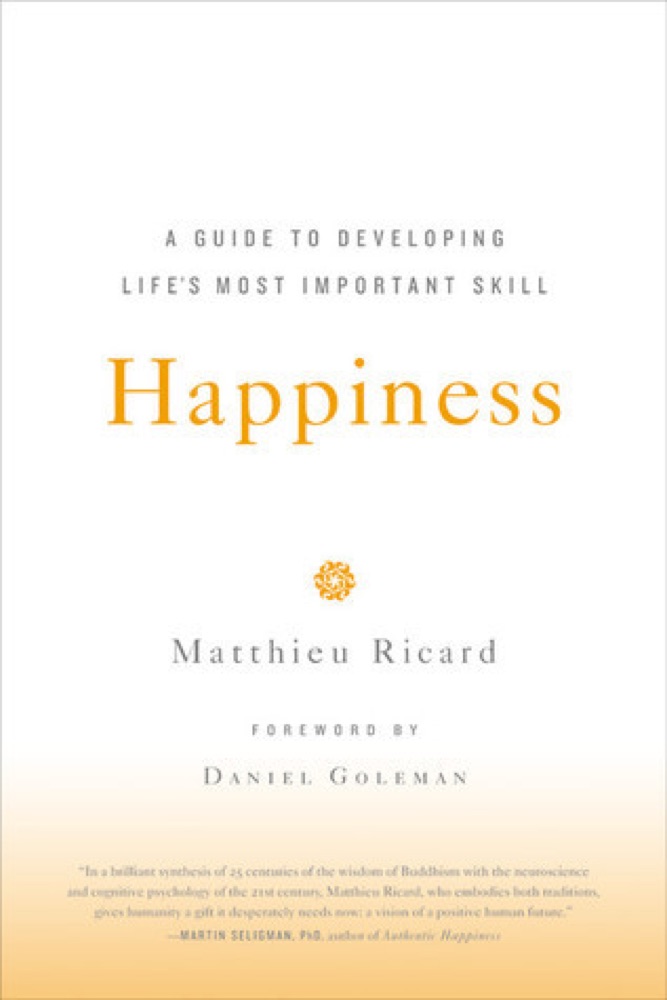

 The Art of Happiness
Quotes from the Book
We try to fix the outside so much, but our control of the outer world is limited, temporary, and often, illusory.
62
Happiness is a state of inner fulfillment, not the gratification of inexhaustible desires for outward things.
28
One is not born wise; one becomes it.
20
I have also come to understand that although some people are naturally happier than others, their happiness is still vulnerable and incomplete, and that achieving durable happiness as a way of being is a skill. It requires sustained effort in training the mind and developing a set of human qualities, such as inner peace, mindfulness, and altruistic love.
16
We are very much like birds that have lived too long in a cage to which we return even when we get the chance to fly away. We have grown so accustomed to our faults that we can barely imagine what life would be like without them. The prospect of change makes us dizzy.
13
Tibetan poet Shabkar said: “One with compassion is kind even when angry; one without compassion will kill even as he smiles.
10
The humble person has nothing to lose and nothing to gain. If she is praised, she feels that it is humility, and not herself, that is being praised. If she is criticized, she feels that bringing her faults to light is a great favor. “Few people are wise enough to prefer useful criticism to treacherous praise,” wrote La Rochefoucauld, echoing the Tibetan sages who are pleased to recall that “the best teaching is that which unmasks our hidden faults.” Free of hope and fear alike, the humble person remains lighthearted.
9
He understands that all beings have the power to free themselves from ignorance and unhappiness, but that they don’t know it. How
9
Those who seek happiness in pleasure, wealth, glory, power, and heroics are as naive as the child who tries to catch a rainbow and wear it as a coat. DILGO KHYENTSE RINPOCHE
8
Repeatedly comparing our situation with that of others is a kind of sickness of the mind that brings much unnecessary discontent and frustration. When we have a new source of enjoyment or a new car, we get excited and feel that we are at the top of our game. But we soon get used to it and our excitement subsides; when a new model comes out we become unhappy with the one we have and feel that we can only be satisfied if we get the new one, especially if other people around us have it. We are caught on the “hedonic treadmill” — a concept coined by P. Brinkman and D. T. Campbell.7 While jogging on a treadmill, we need to keep running simply to remain in the same spot. In this case, we need to keep running toward acquiring more things and new sources of excitement simply to maintain our current level of satisfaction.
7
May every moment of my life and of the lives of others be one of wisdom, flourishing, and inner peace!
7
Happiness does not come automatically. It is not a gift that good fortune bestows upon us and a reversal of fortune takes back. It depends on us alone. One does not become happy overnight, but with patient labor, day after day. Happiness is constructed, and that requires effort and time. In order to become happy, we have to learn how to change ourselves. LUCA AND FRANCESCO CAVALLI-SFORZA
6
The search for happiness is not about looking at life through rose-colored glasses or blinding oneself to the pain and imperfections of the world. Nor is happiness a state of exaltation to be perpetuated at all costs; it is the purging of mental toxins, such as hatred and obsession, that literally poison the mind. It is also about learning how to put things in perspective and reduce the gap between appearances and reality. To that end we must acquire a better knowledge of how the mind works and a more accurate insight into the nature of things, for in its deepest sense, suffering is intimately linked to a misapprehension of the nature of reality.
5
What strange hesitancy, fear, or apathy stops us from looking within ourselves, from trying to grasp the true essence of joy and sadness, desire and hatred? Fear of the unknown prevails, and the courage to explore that inner world fails at the frontier of our mind. A Japanese astronomer once confided to me: “It takes a lot of daring to look within.” This remark—made by a scientist at the height of his powers, a steady and open-minded man—intrigued me. Recently I also met a Californian teenager who told me: “I don’t want to look inside myself. I’m afraid of what I’d find there.” Why should he falter before what promised to be an absolutely fascinating research project? As Marcus Aurelius wrote: “Look within; within is the fountain of all good.
4
Invisible suffering is the hardest to distinguish because it stems from the blindness of our own minds, where it remains so long as we are in the grip of ignorance and selfishness. Our confusion, born of a lack of judgment and wisdom, blinds us to what we must do and avoid doing to ensure that our thoughts, our words, and our actions engender happiness and not suffering. This confusion and the tendencies associated with it drive us to reenact again and again the behavior that lies at the source of our pain. If we want to counteract this harmful misjudgment, we have to awaken from the dream of ignorance and learn to identify the very subtle ways in which happiness and suffering are generated.
4
in its deepest sense, suffering is intimately linked to a misapprehension of the nature of reality. R
4
El desapego es la fuerza tranquila de quien está decidido a no dejarse arrastrar por los pensamientos ni acaparar por toda clase de actividades y de ambiciones triviales, que devoran su tiempo y en definitiva solo aportan satisfacciones menores y efímeras.
4
The happiest man is he who has no trace of malice in his soul. PLATO
3
Recognize suffering, Eliminate its source, End it By practicing the path.
3
A storm may be raging at the surface, but the depths remain calm. The wise man always remains connected to the depths. On the other hand, he who knows only the surface and is unaware of the depths is lost when he is buffeted by the waves of suffering.
3
By happiness I mean here a deep sense of flourishing that arises from an exceptionally healthy mind. This is not a mere pleasurable feeling, a fleeting emotion, or a mood, but an optimal state of being. Happiness is also a way of interpreting the world, since while it may be difficult to change the world, it is always possible to change the way we look at it.
3
Instead of turning your attention to the “target,” simply stare attentively at the emotion itself. You will see that it cannot sustain itself and soon runs out of steam.
2
Once we get used to looking at thoughts the moment they appear and then allowing them to dissipate before they overwhelm the mind, it is much easier to maintain control over the mind and to manage the conflictive emotions in our active lives.
2
This is what Khyentse Rinpoche has to say on the matter: Remember that a thought is only the fleeting conjunction of myriad factors and circumstances. It does not exist by itself. When a thought arises, recognize its empty nature. It will immediately lose its power to elicit the next thought, and the chain of delusion will be broken. Recognize that emptiness of thoughts and allow your thoughts to rest a moment in the relaxed mind so that the mind’s natural clarity remains limpid and unchanged.
2
Try to rest in the present moment, free of concepts. Watch the nature of the gap between thoughts, which is free from mental constructs. Gradually extend the interval between the disappearance of one thought and the emergence of the next. Remain in a state of simplicity that is free of mental constructs, yet perfectly aware; beyond effort, yet alert and mindful. As you thus observe the wellspring of thoughts, it is possible to break their endless proliferation.
2
The fleeting experience of pleasure is dependent upon circumstance, on a specific location or moment in time. It is unstable by nature, and the sensation it evokes soon becomes neutral or even unpleasant. Likewise, when repeated it may grow insipid or even lead to disgust;
2
Anyone who enjoys inner peace is no more broken by failure than he is inflated by success.
2
change, even a tiny one, in the way we manage our thoughts and perceive and interpret the world can significantly change our existence
2
Watch on YouTube
About Matthieu Ricard
We have collected 28 quotes from 1 book by Matthieu Ricard on BookQuoters.
More about the author →About the book
In this groundbreaking book, Matthieu Ricard makes a passionate case for happiness as a goal that deserves as least as much energy as any other in our lives.
Wealth? Fitness? Career success? How can we possibly place these above true and lasting well-being? Drawing from works of fiction and poetry, Western philosophy, Buddhist beliefs, scientific research, and personal experience, Ricard weaves an inspirational and forward-looking account of how we can begin to rethink our realities in a fast-moving modern world. With its revelatory lessons and exercises, Happiness is an eloquent and stimulating guide to a happier life.
Book details
- First published
- 2003
- Author
- Matthieu Ricard
- Genre
- Nonfiction
- Goodreads rating
- 4.09 (8k ratings)
Keep reading
The Art of Happiness
 Waking Up: A Guide to Spirituality Without Religion
 The Wise Heart: A Guide to the Universal Teachings of Buddhist Psychology
 The Heart of the Buddha's Teaching: Transforming Suffering into Peace, Joy, and Liberation
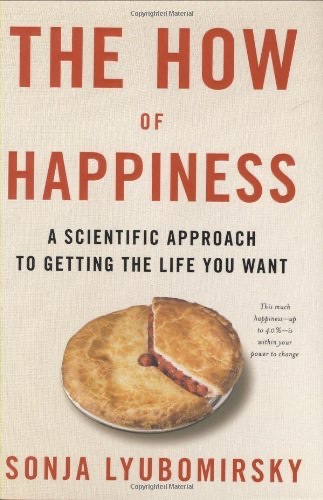 The How of Happiness: A Scientific Approach to Getting the Life You Want
 The Book of Joy: Lasting Happiness in a Changing World
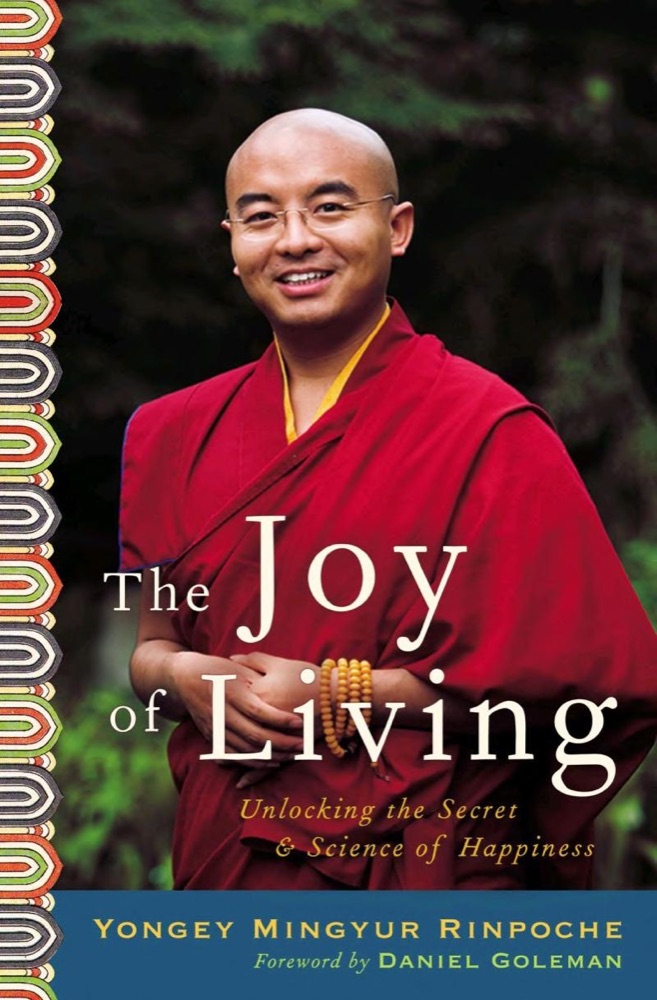 The Joy of Living: Unlocking the Secret and Science of Happiness
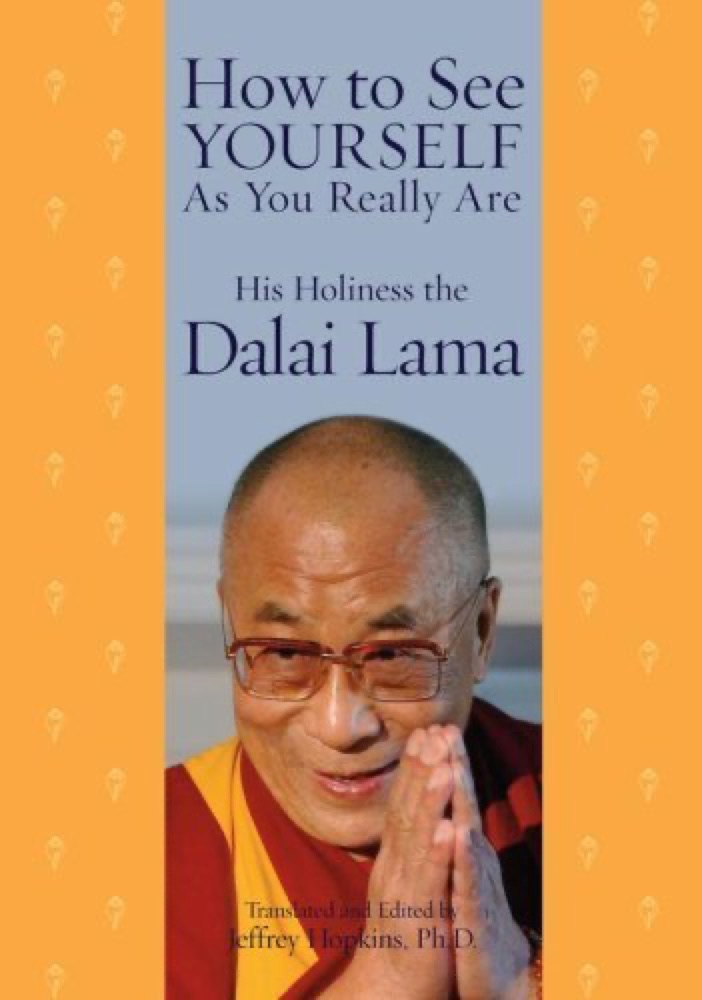 How to See Yourself As You Really Are
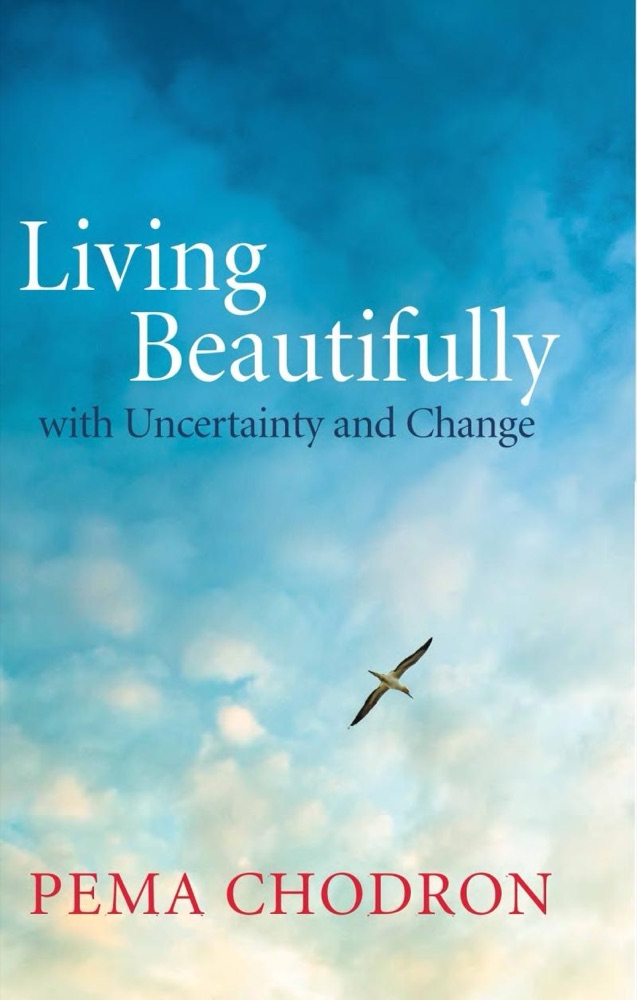 Living Beautifully with Uncertainty and Change
 The Happiness Hypothesis: Finding Modern Truth in Ancient Wisdom
 The Antidote: Happiness for People Who Can't Stand Positive Thinking
 Buddha's Brain: The Practical Neuroscience of Happiness, Love, and Wisdom
 The Dalai Lama's Cat and the Power of Meow
 The Tibetan Book of Living and Dying
 The Art of Power
 Awakening the Buddha Within
 The Things You Can See Only When You Slow Down: How to Be Calm in a Busy World
 Peace Is Every Step: The Path of Mindfulness in Everyday Life
 Way of the Peaceful Warrior: A Book That Changes Lives
 Against the Stream: A Buddhist Manual for Spiritual Revolutionaries
 A Guide to the Good Life: The Ancient Art of Stoic Joy
 The Pocket Pema Chodron
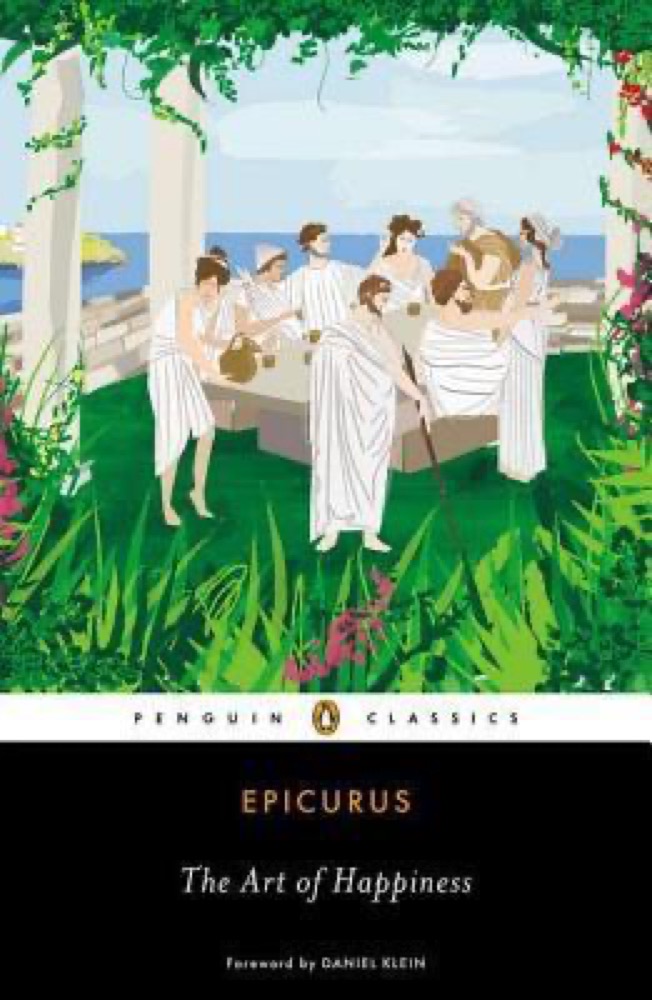 The Art of Happiness
 Flow: The Psychology of Optimal Experience
 The Places That Scare You: A Guide to Fearlessness in Difficult Times
 Everyday Zen: Love & Work
 Happiness Is a Serious Problem: A Human Nature Repair Manual
 The Wisdom of Insecurity: A Message for an Age of Anxiety
 The Way to Love: The Last Meditations of Anthony de Mello
 The Consolations of Philosophy
 Finding Flow: The Psychology of Engagement with Everyday Life
 Mindfulness in Plain English
 Change Your Thoughts - Change Your Life: Living the Wisdom of the Tao
 Advice Not Given: A Guide to Getting Over Yourself
 The Consolation of Philosophy
 Lovingkindness: The Revolutionary Art of Happiness
 The Conquest of Happiness
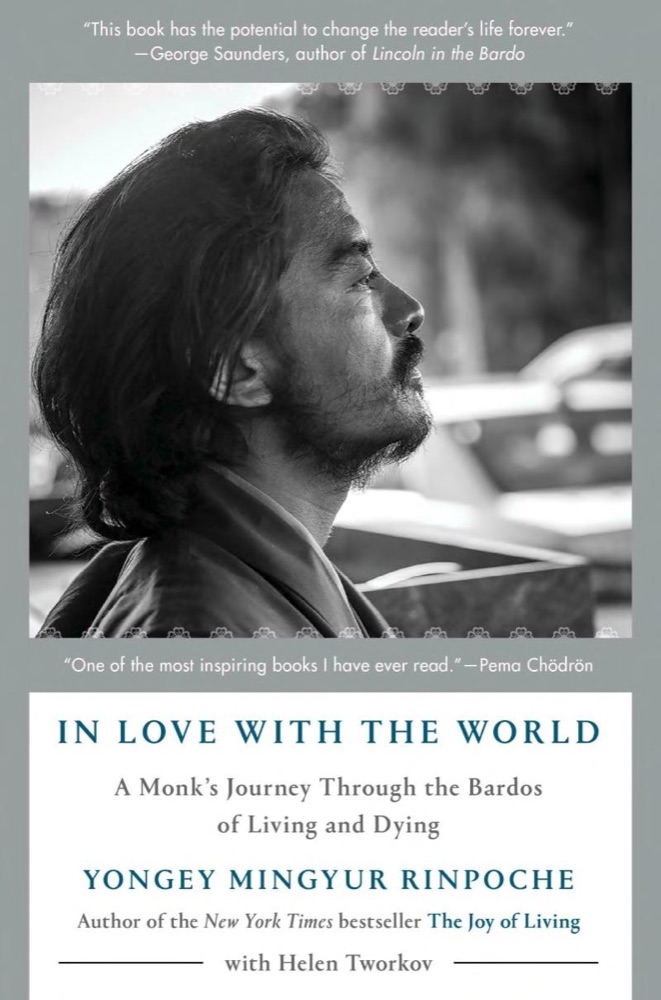 In Love with the World: A Monk's Journey Through the Bardos of Living and Dying
 The Socrates Express: In Search of Life Lessons from Dead Philosophers
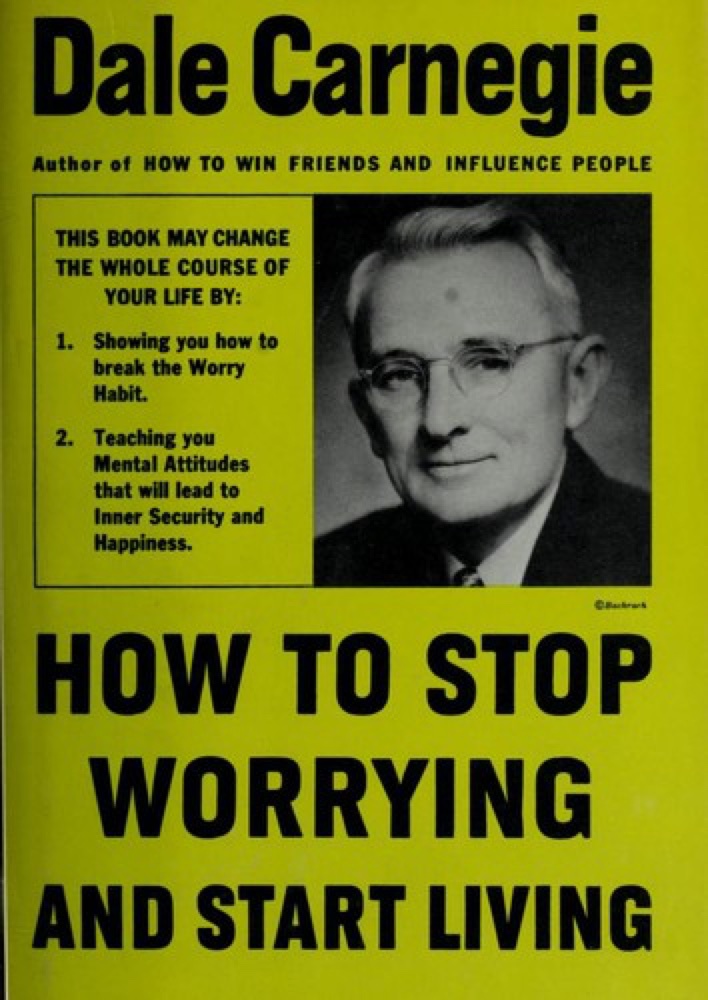 How to Stop Worrying and Start Living
 Stillness Is the Key
 Everything Is F*cked: A Book About Hope
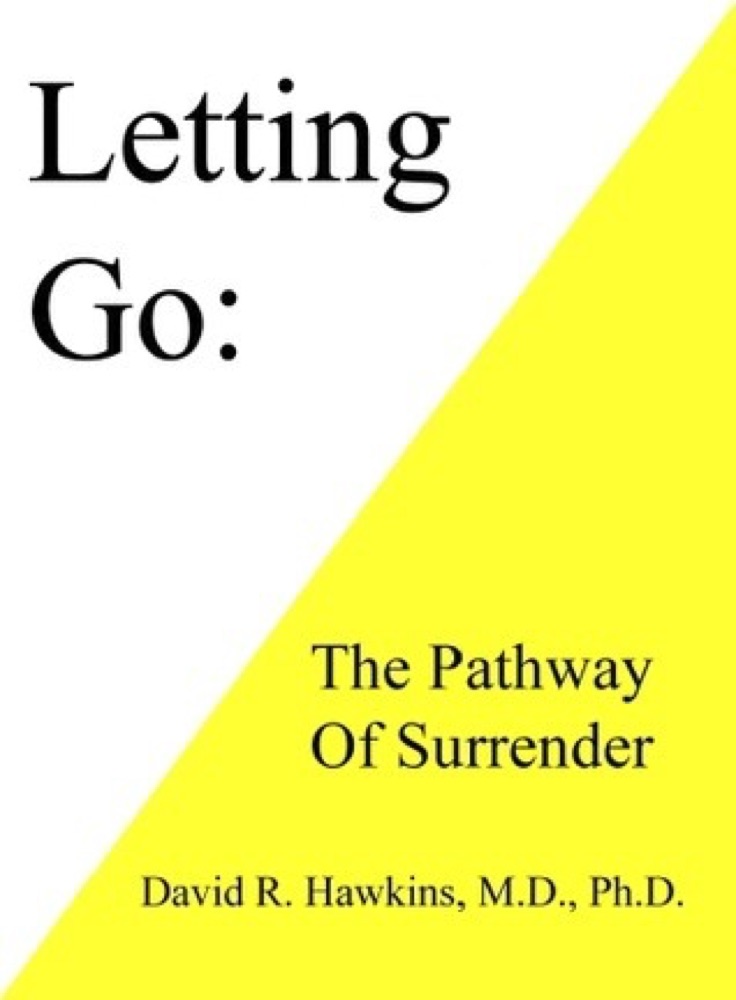 Letting Go: The Pathway To Surrender
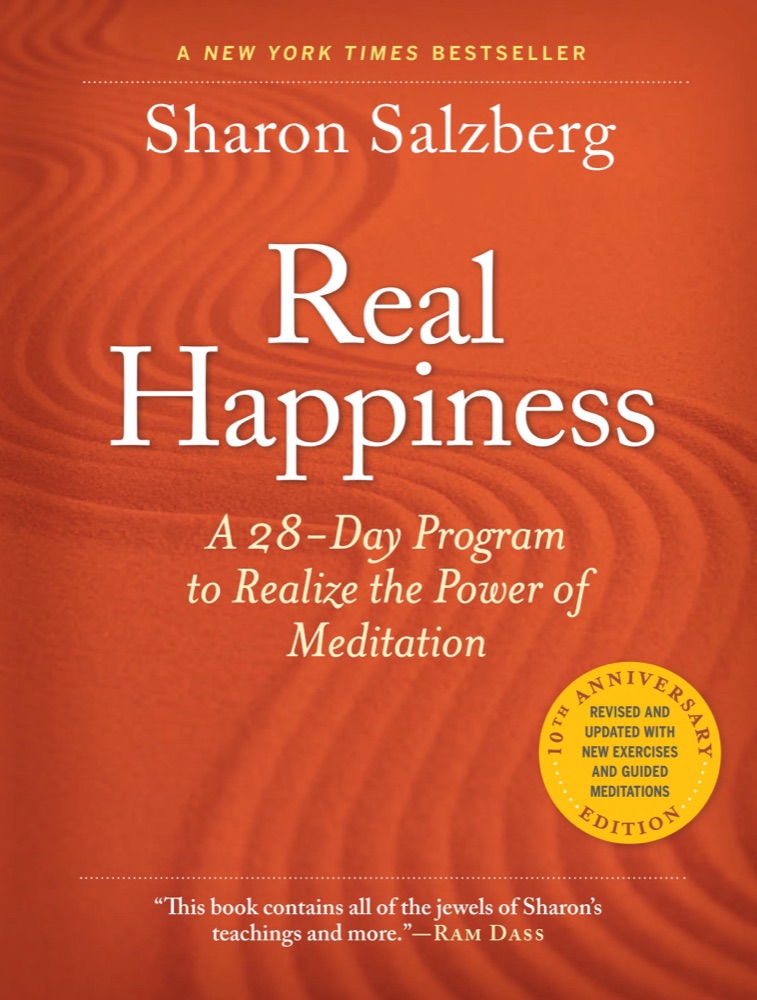 Real Happiness: A 28-Day Program to Realize the Power of Meditation
 The Book of Secrets: Unlocking the Hidden Dimensions of Your Life
 Living Untethered: Beyond the Human Predicament
 The Subtle Art of Not Giving a F*ck: A Counterintuitive Approach to Living a Good Life
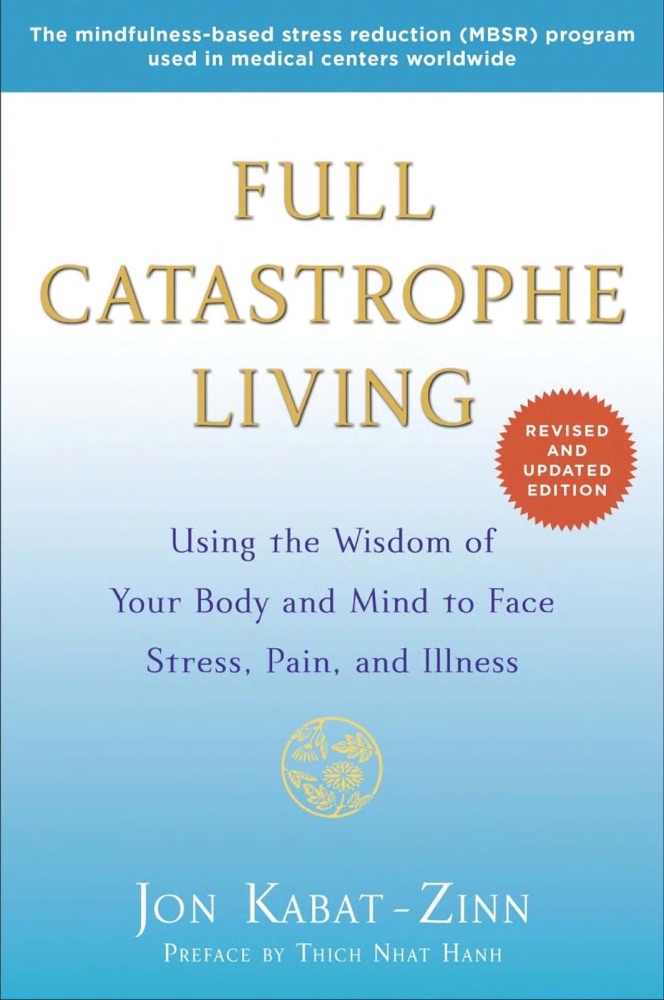 Full Catastrophe Living: Using the Wisdom of Your Body and Mind to Face Stress, Pain, and Illness
 Nothing Special: A Zen Buddhist Guide to Awakening Through Daily Life's Feelings, Relationships, and Work
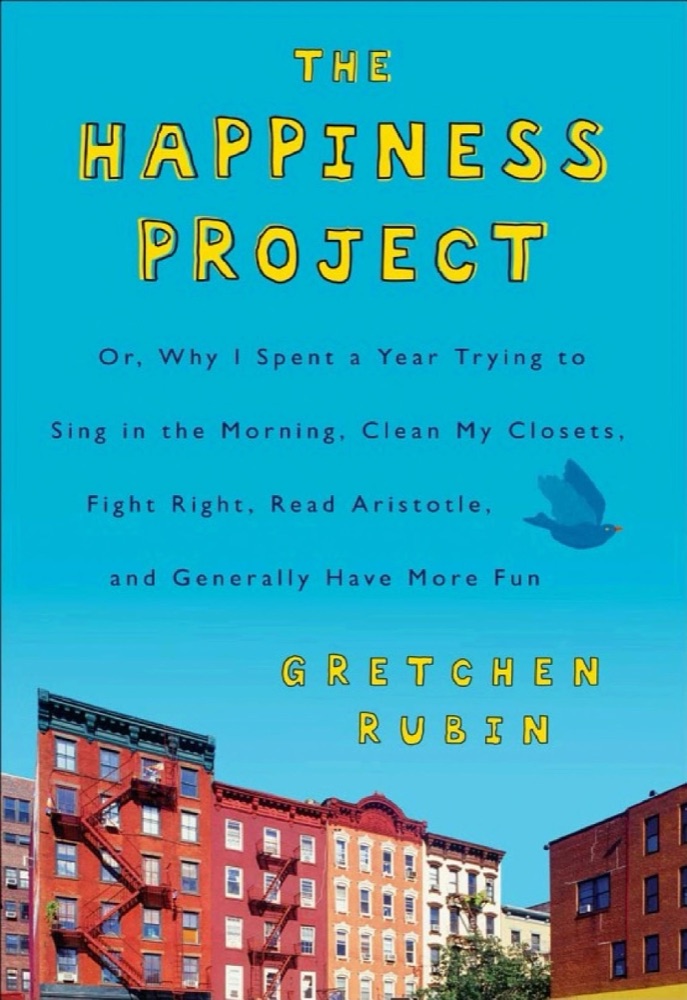 The Happiness Project
 Total Freedom: The Essential Krishnamurti
 Toward a Psychology of Being
 101 Essays That Will Change The Way You Think
 The School of Life: An Emotional Education
 365 Tao: A Study of Taoist Wisdom for Daily Life
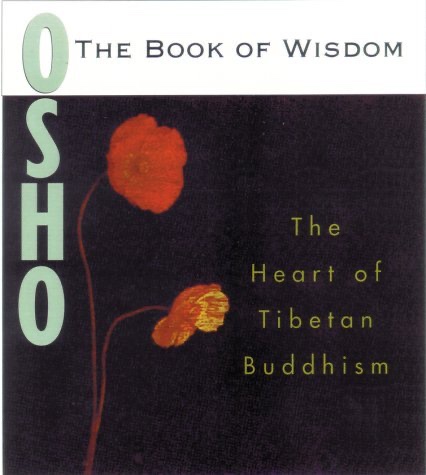 The Book of Wisdom
 The Yoga Sutras of Patanjali
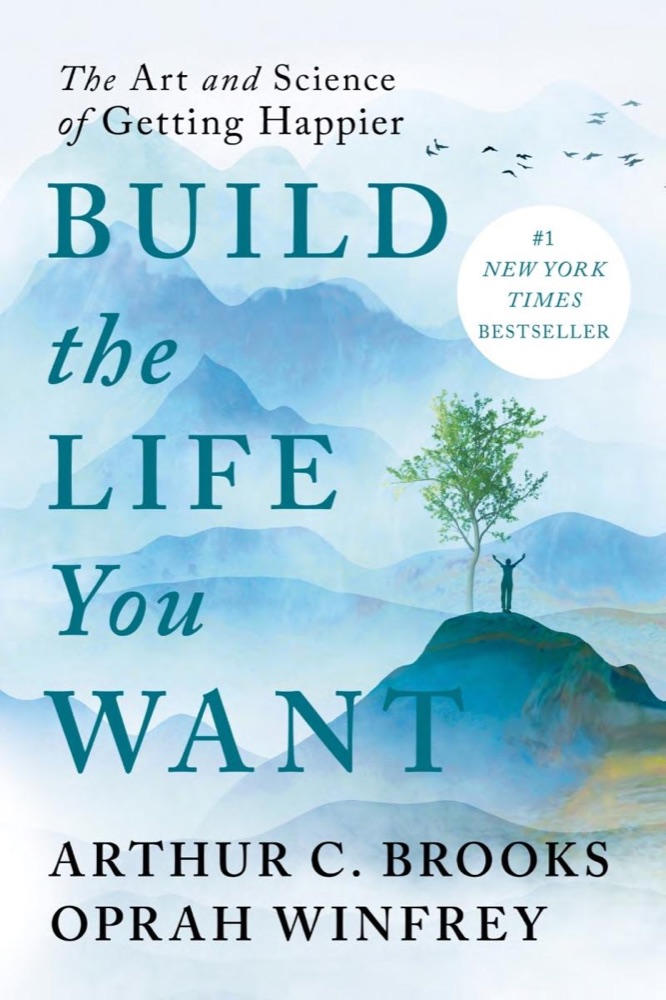 Build the Life You Want: The Art and Science of Getting Happier
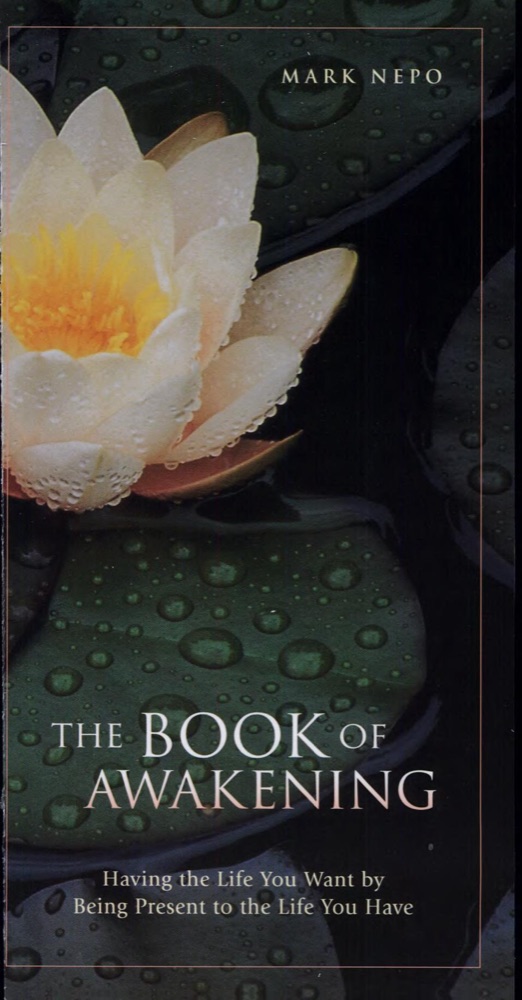 The Book of Awakening: Having the Life You Want by Being Present to the Life You Have