
 Awakening the Buddha Within
Quotes from the Book
With every breath, the old moment is lost; a new moment arrives. We exhale and we let go of the old moment. It is lost to us. In doing so, we let go of the person we used to be. We inhale and breathe in the moment that is becoming. In doing so, we welcome the person we are becoming. We repeat the process. This is meditation. This is renewal. This is life.
28
Non-attachment is not complacency. It doesn't imply a lack of caring and commitment. The philosophy of non-attachment is based in the understanding that holding on too tightly to those things, which in any case are always going to be slipping through our fingers, hurts and gives us rope burn.
17
It is usually a mistake to believe that any opinion or situation is objectively good or bad, since everything depends on the perspective of the viewer.
14
Often we cling to habits that aren't even comforting or satisfying, simply because we are unable to let go or explore new ways to do things.
14
For it is not what happens to us that determines our character, our experience, our karma, and our destiny - but how we relate to what happens.
14
Our sorrows provide us with the lessons we most need to learn.
13
We all have certain desires and undesired outcomes related to whatever possible course and attitude we take in life, whether it be at the larger macro scale (what shall I do with the rest of my life?) or at the micro level (as in, what route shall I take to work this morning). These include all the myriad choices we make each hour and each day. These choices determine our karma and our destiny. It's no accident, nor any great mystery, how this evolves; although one would have to utterly omniscient to understand all the many gross and subtle interconnections and causative links that determine happenings and outcomes.
12
Seekers inevitably want to get a better handle on life; we want to figure things out. We know intuitively that the events of our lives are not always arbitrary. We feel connected, however intangibly. We know that it is in our higher self-interest to unravel the mysteries in our own lives. There must be a higher purpose and greater meaning. As we become more and more spiritually evolved, we become more determined to find wisdom and reach a deeper understanding of our lives and our paths.
9
I believe that this is the time to become warriors for peace and dialogue, not warmongers or mere worriers.
2
Expecting good things to last and unwanted things to stay away forever is simply unrealistic,
2
Many of us are so quick to deny and cover up the true roots of our unhappiness that we are unaware of the depths of our buried suffering. We lose track of the patterns that haunt us, and we fail to find meaning and purpose in our experience. We get mired in our guilt or anxiety; we get overwhelmed by our sadness.
1
Instead of dealing with the reality of loss, we crank up the music, have a munch or a drink, pick up the phone and try to insulate ourselves from pain.
1
When we are no longer so tightly identified with who we used to be and how we think things should continue to be—based on the past—every moment of wakefulness is an opportunity to actualize and enjoy our inherent freedom, wholeness, and perfection. The heart-mind is gorgeous in its authentic natural state!
1
If you truly want to grow as a person and learn, you should realize that the universe has enrolled you in the graduate program of life, called loss,” as Dr. Elisabeth Kubler-Ross says.
1
The deep pain we continue to experience reminds us of our love and keeps our hearts open.
1
Give up grasping and see things as they are. THE SEVENTH DALAI LAMA
1
The philosophy of nonattachment is based in the understanding that holding on too tightly to those things, which in any case are always going to be slipping through our fingers, hurts and gives us rope burn. This is the secret of letting go. Holding on with a control-freak type of grip—as if any of us are really totally in charge—simply keeps us stuck and costs us our freedom. Therefore it is in our higher self-interest to let go a little, as appropriate, and enjoy things as they come and go without overly investing in their permanence or lasting reality.
Buddha taught that neither pleasure nor pain are ultimately very satisfying; both are fleeting. No matter how much we have or don't have, we keep seeking satisfaction and fulfillment. We fail to experience contentment.
Because we are focused on our attachments, we fail to pay attention to the truth of the present moment; we fail to follow our deeper values.
The Toddler's Creed If I want it, it's mine. If I give it to you and then change my mind, it's mine. If I can take it away from you by force, it's mine. If I had it a little while ago, it's mine. If we are playing with something together, then all the pieces are mine. If it looks just like the one I used to own or have at home, it's mine.
It's difficult to stay conscious and current—up to date with the inner life—when we are carrying around a lifetime worth of raw losses that haven't been processed.
When bad things happen, we want to stay honest with ourselves about our feelings. We don't want to lose our capacity to feel; we don't want to become so hardened and frozen that we can't experience or remember the negative things that happened to us. Repressing difficult experiences and feelings can make us ill. Acknowledging our pain is a necessary part of our healing.
May virtue and serenity belong to all, even my competitors and adversaries.
Partings make us sad; they make us feel as though we are being beaten up by fate; sometimes they make us feel desperate and without real connections or roots. When we are torn away from those we love, we suffer from intense feelings of longing and loneliness.
I went to a charnel ground for the practice of Chod a few dozen times in India and in Nepal. Several times I went to a place near a meat slaughterhouse where thousands of water buffalo bones were piled high in macabre pyramids. One night as I was chanting, the bones began to shift, move, and rattle about. I didn't think it was a ghost or demon, but I did imagine that some kind of huge rat or snake was making its way through the immense pile. I must admit I was scared out of my wits, although I somehow managed to keep chanting, praying, and practicing the somber meditation and visualization until dawn. Was I ever happy when that night ended!
Be kind, for everyone you meet is fighting a great battle.
About Surya Das
We have collected 54 quotes from 2 books by Surya Das on BookQuoters.
More about the author →More by Surya Das
Awakening the Buddha Within
About the book
The beloved American Lama, a spiritual leader whose inimitable light and lively universal teaching style has awakened the spirituality of thousands, now shares an enlightened approach to change and loss, dealing with difficult emotions such as fear, grief, and anger, and the role of crisis in uncovering our authentic selves. For many people, recent years have been characterized by profound change, whether it relates to financial upheaval, political shifts, or even massive losses of life to disease and violence. Even on the personal level each person must confront the curves life throws his or her way. Buddhism has a great deal to say about change and impermanence and how to meaningfully deal with it. Change--whether on a large or small scale--provides our most important opportunity for learning about ourselves and the nature of reality. From this essential insight Lama Surya Das has craf
Book details
- First published
- 2003
- Author
- Surya Das
- Genre
- Nonfiction
- Goodreads rating
- 3.91 (2k ratings)
Keep reading
 When Things Fall Apart: Heart Advice for Difficult Times
 Living Beautifully with Uncertainty and Change
 True Refuge: Finding Peace and Freedom in Your Own Awakened Heart
 Against the Stream: A Buddhist Manual for Spiritual Revolutionaries
 The Places That Scare You: A Guide to Fearlessness in Difficult Times
 The Book of Awakening: Having the Life You Want by Being Present to the Life You Have
 How to See Yourself As You Really Are
 Kitchen Table Wisdom: Stories that Heal
 The Wise Heart: A Guide to the Universal Teachings of Buddhist Psychology
 Letting Go: The Pathway To Surrender
 Advice Not Given: A Guide to Getting Over Yourself
 Reconciliation: Healing the Inner Child
 The Tibetan Book of Living and Dying
 Buddha's Brain: The Practical Neuroscience of Happiness, Love, and Wisdom
 The Heart of the Buddha's Teaching: Transforming Suffering into Peace, Joy, and Liberation
 The Buddha Walks into a Bar . . .: A Guide to Life for a New Generation
 Maybe You Should Talk to Someone: A Therapist, Her Therapist, and Our Lives Revealed
 Peace Is Every Step: The Path of Mindfulness in Everyday Life
 A Return to Love: Reflections on the Principles of "A Course in Miracles"
 Everyday Zen: Love & Work
 Full Catastrophe Living: Using the Wisdom of Your Body and Mind to Face Stress, Pain, and Illness
 Loving What Is: Four Questions That Can Change Your Life
 Belonging: Remembering Ourselves Home
 101 Essays That Will Change The Way You Think
 Changes That Heal: How to Understand the Past to Ensure a Healthier Future
 Stitches: A Handbook on Meaning, Hope, and Repair
 How to Be an Adult in Relationships: The Five Keys to Mindful Loving
 Finding Meaning in the Second Half of Life: How to Finally, Really Grow Up
 The Five Things We Cannot Change: And the Happiness We Find by Embracing Them
 The Examined Life: How We Lose and Find Ourselves
 Waking Up: A Guide to Spirituality Without Religion
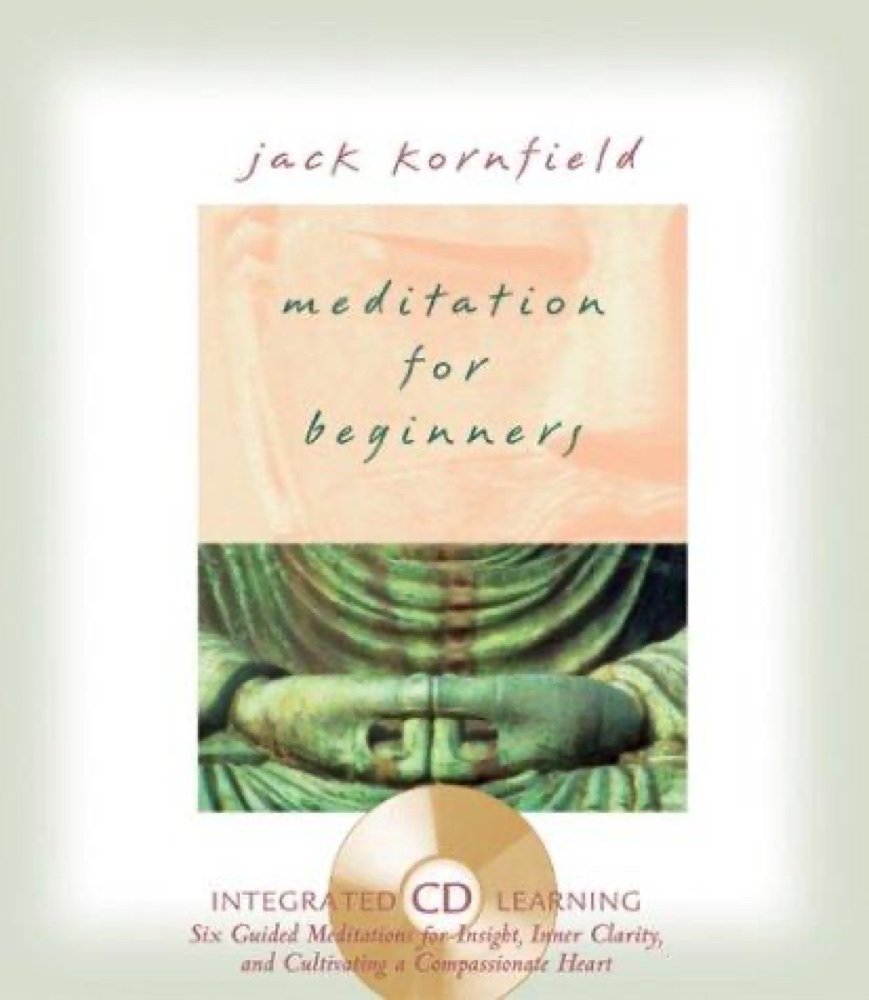 Meditation for Beginners
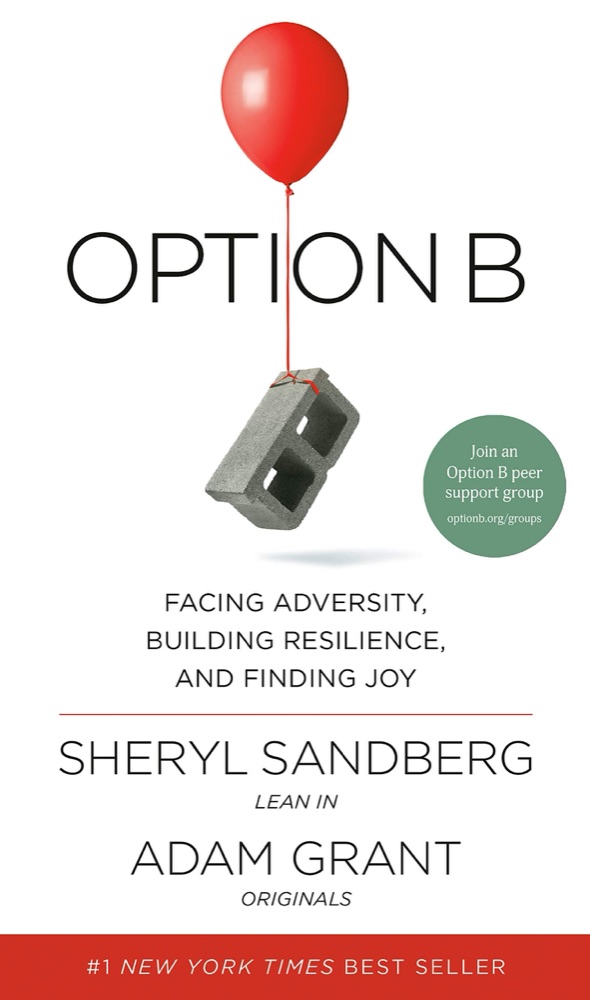 Option B: Facing Adversity, Building Resilience, and Finding Joy
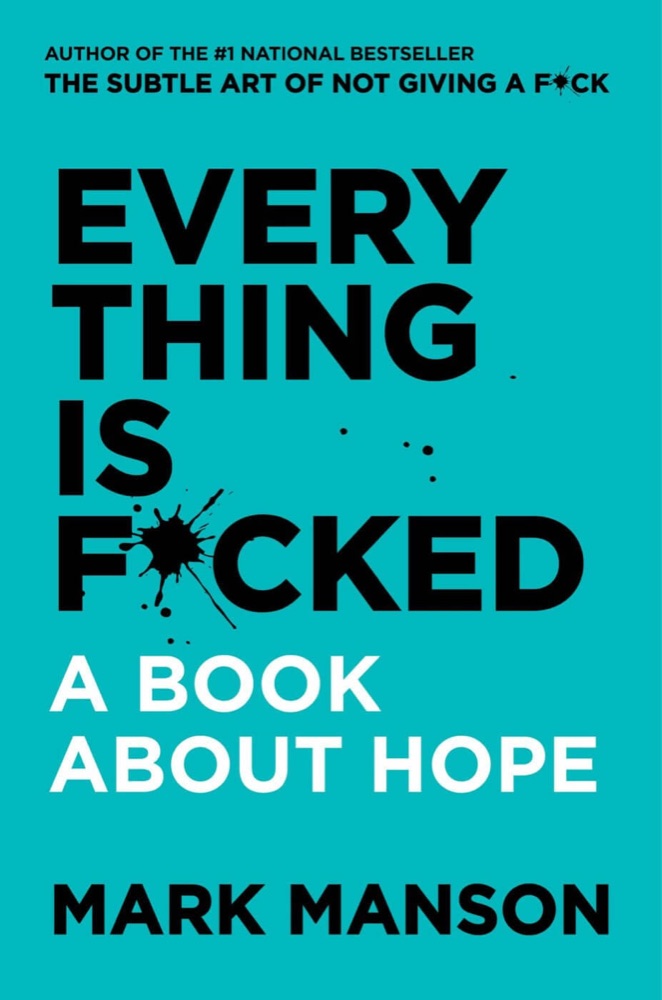 Everything Is F*cked: A Book About Hope
 Carry On, Warrior: Thoughts on Life Unarmed
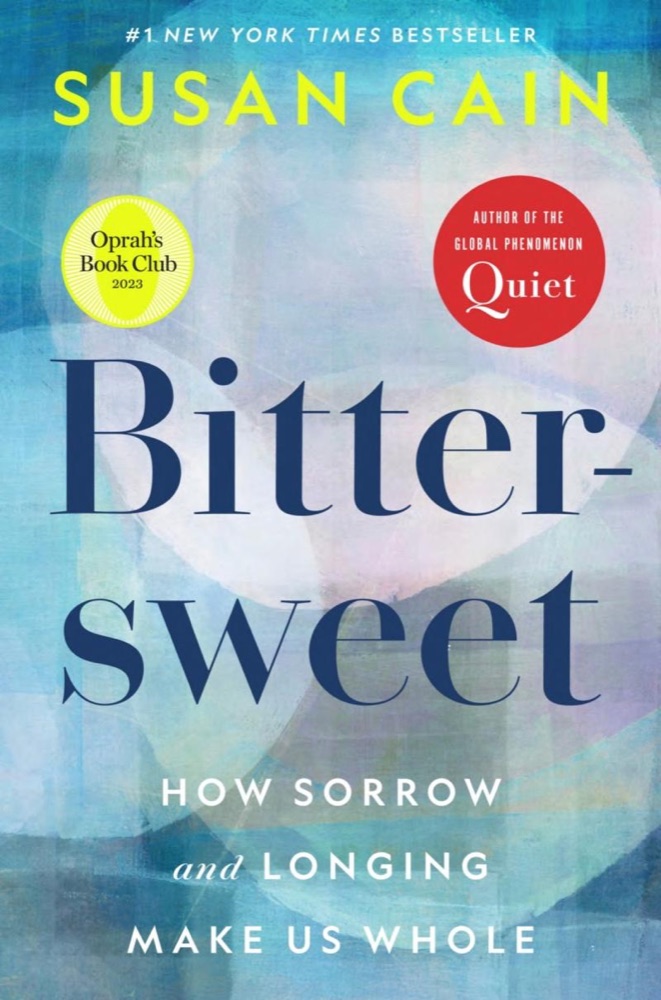 Bittersweet: How Sorrow and Longing Make Us Whole
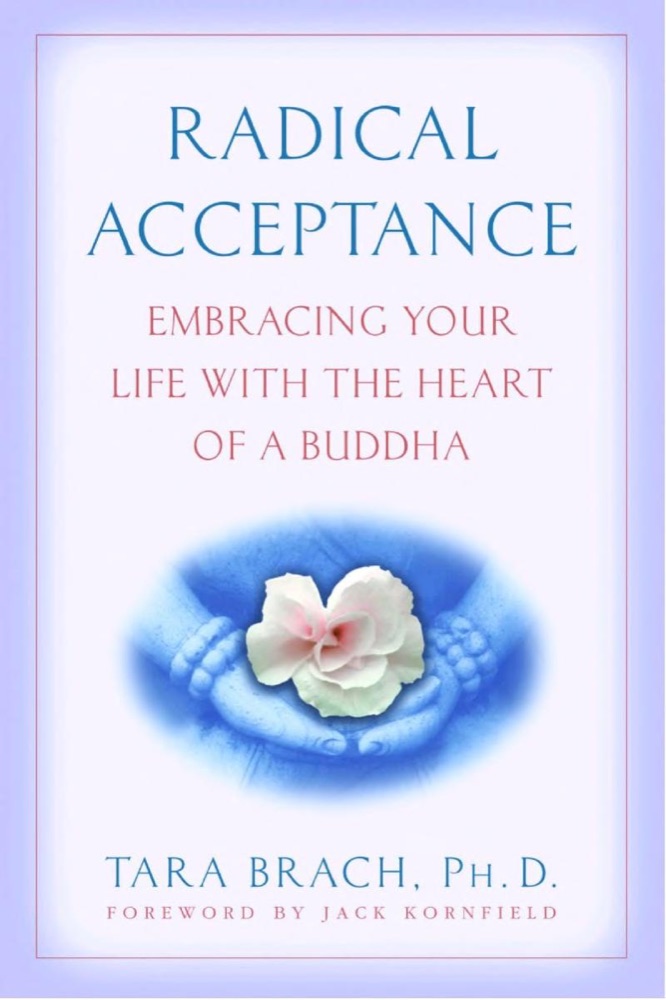 Radical Acceptance: Embracing Your Life With the Heart of a Buddha
 Clarity & Connection
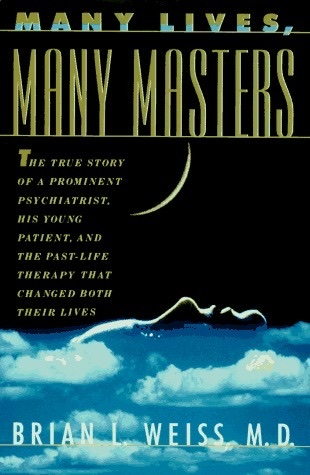 Many Lives, Many Masters: The True Story of a Prominent Psychiatrist, His Young Patient, and the Past Life Therapy That Changed Both Their Lives
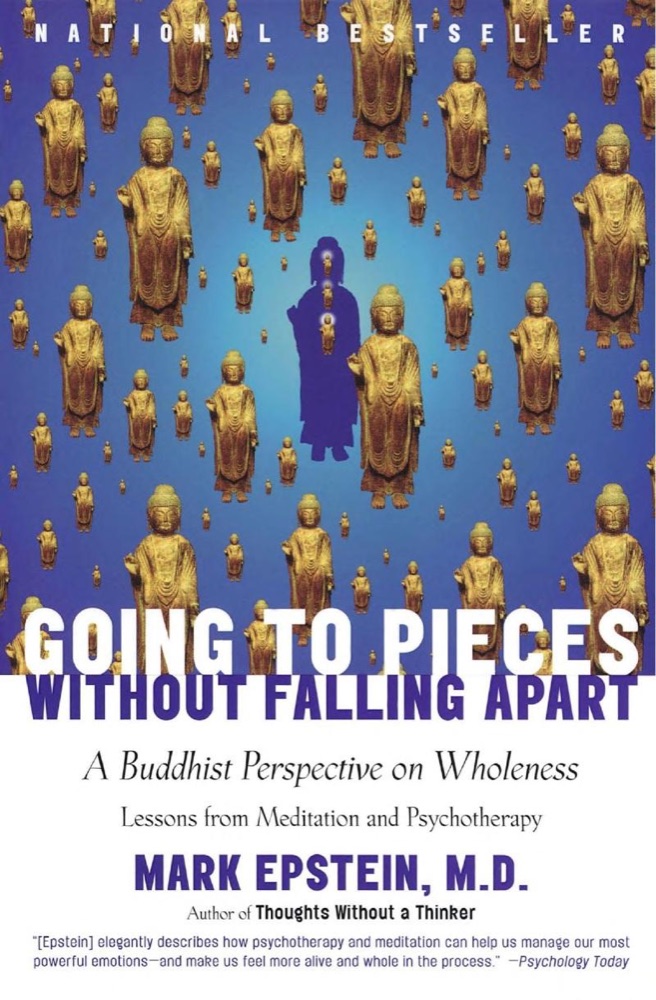 Going to Pieces without Falling Apart: A Buddhist Perspective on Wholeness
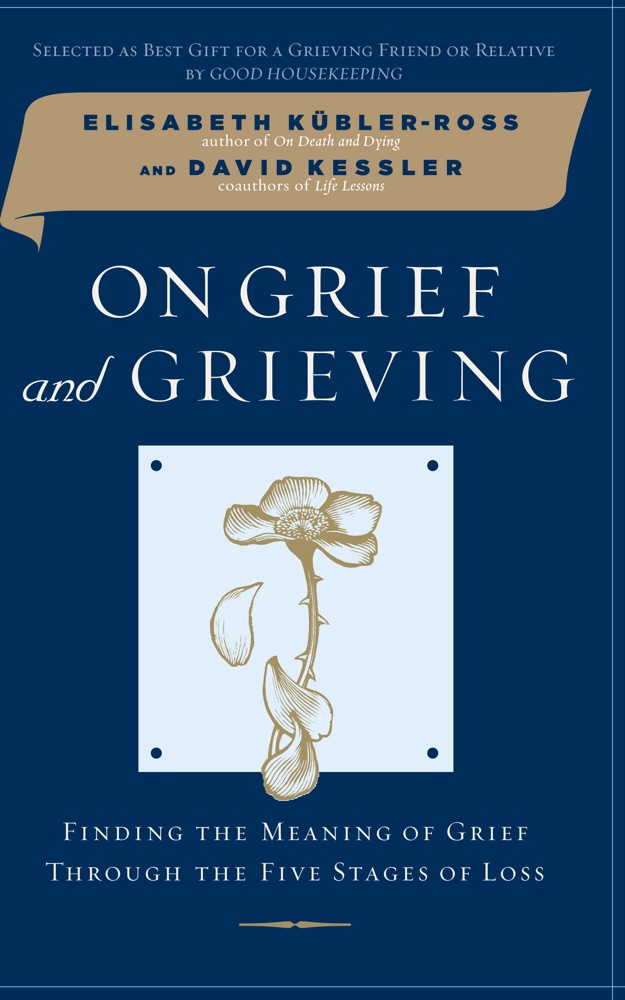 On Grief and Grieving: Finding the Meaning of Grief Through the Five Stages of Loss
 Like Streams to the Ocean: Notes on Ego, Love, and the Things That Make Us Who We Are
 The Things You Can See Only When You Slow Down: How to Be Calm in a Busy World
 Never Broken: Songs Are Only Half the Story
 The Comfort Book
 The Light We Carry: Overcoming in Uncertain Times
 Atlas of the Heart: Mapping Meaningful Connection and the Language of Human Experience
 Stillness Is the Key
 Buddhist Boot Camp
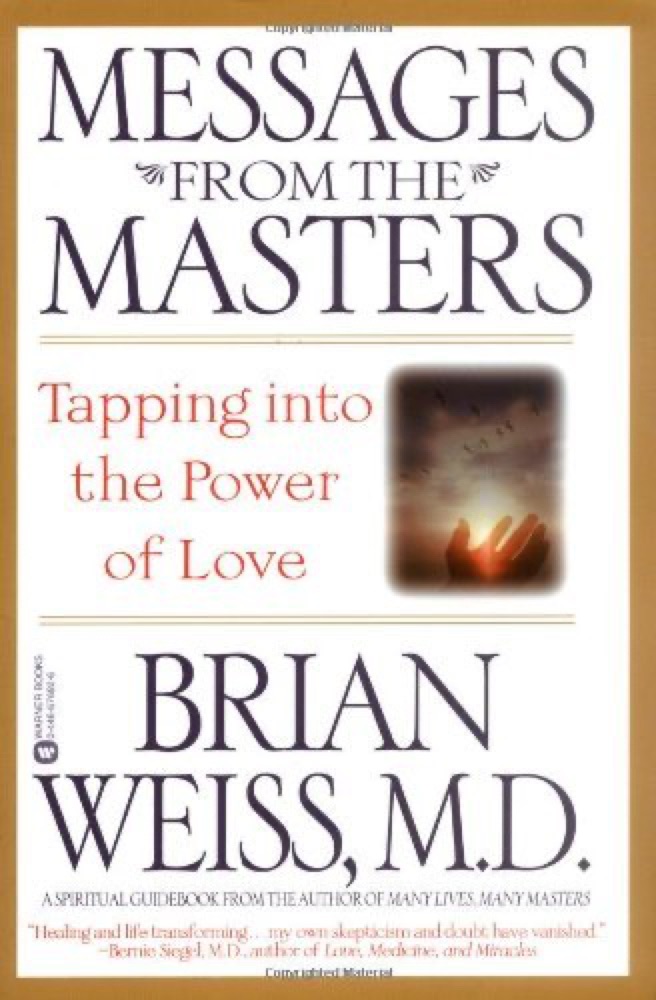 Messages from the Masters: Tapping into the Power of Love
 Brave Enough
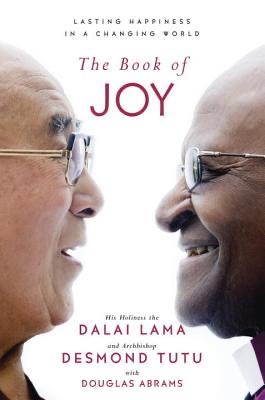 The Book of Joy: Lasting Happiness in a Changing World
 The Invitation
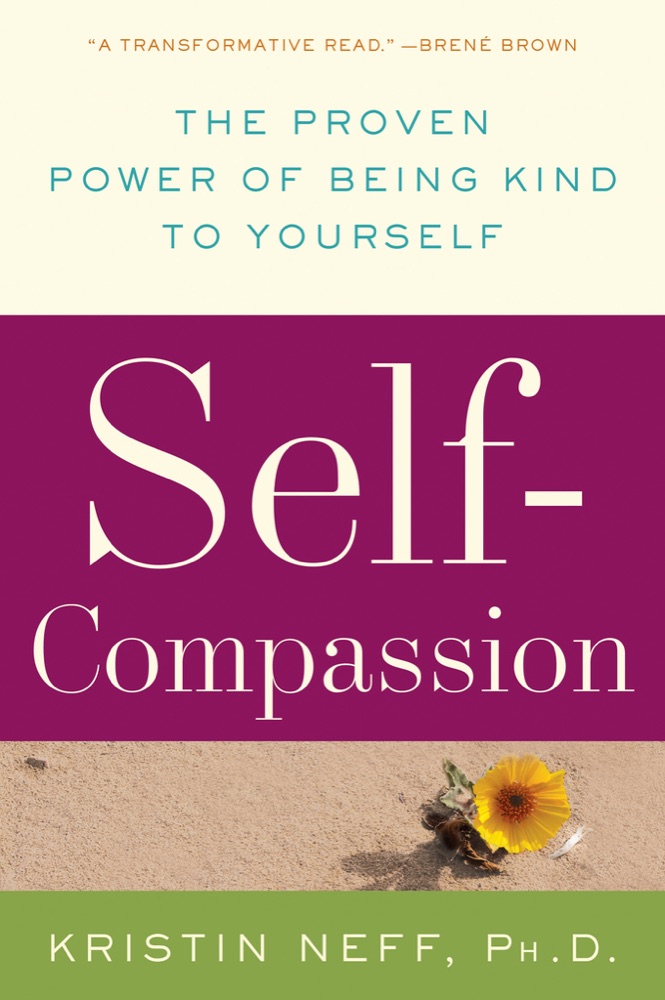 Self-Compassion: The Proven Power of Being Kind to Yourself
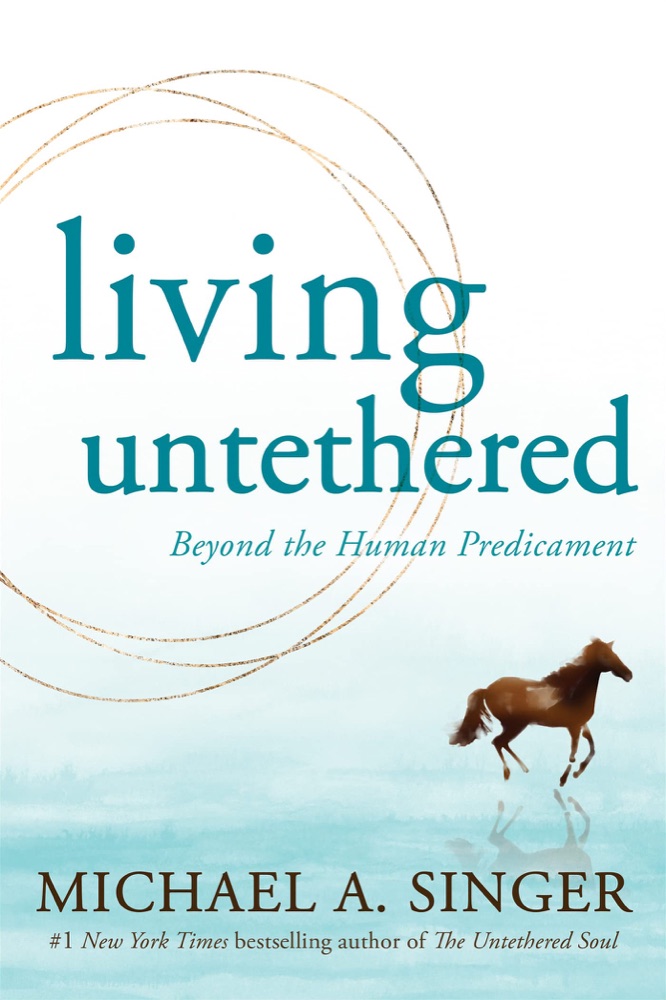 Living Untethered: Beyond the Human Predicament
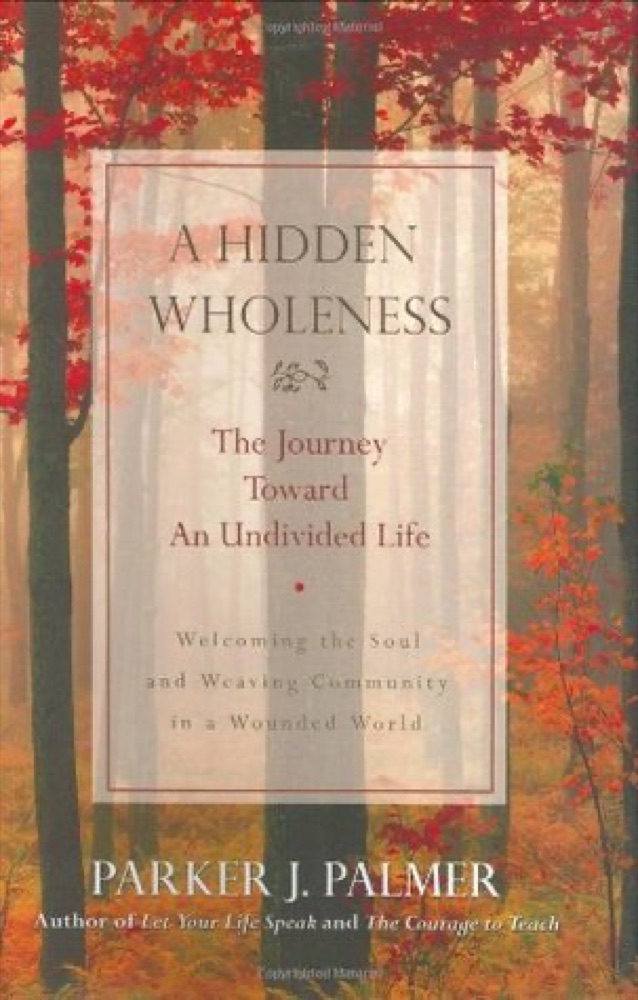 A Hidden Wholeness: The Journey Toward an Undivided Life : Welcoming the soul and weaving community in a wounded world
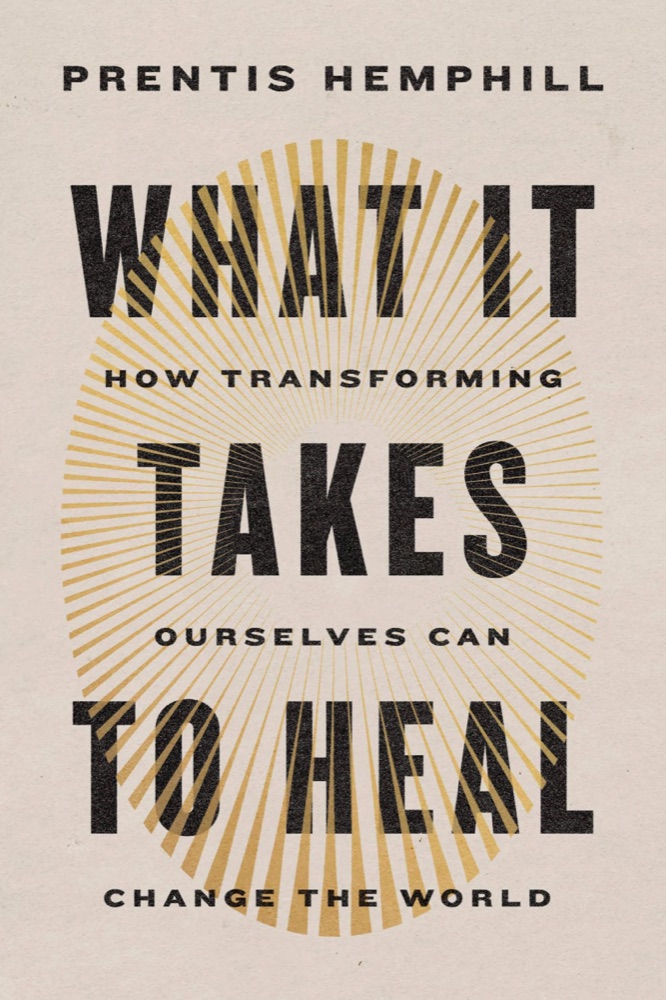 What It Takes to Heal: How Transforming Ourselves Can Change the World