
 Dharma Punx: A Memoir
Quotes from the Book
We are born into a realm of constant change. Everything is decaying. We are continually losing all that we come in contact with. Our tendency to get attached to impermanent experiences causes sorrow, lamentation and grief, because eventually we are separated from everything and everyone we love. Our lack of acceptance and understanding of this fact makes life unsatisfactory.
Everything is impermanent. Every physical and mental experience arises and passes. Everything in existence is endlessly arising out of causes and conditions. We all create suffering for ourselves through our resistance, through our desire to have things different than the way they are - that is, our clinging or aversion.
Happiness is closer to the experience of acceptance and contentment than it is to pleasure. True happiness exists as the spacious and compassionate heart's willingness to feel whatever is present.
The greatest satisfaction comes not from chasing pleasure and avoiding pain, but from the radical acceptance of life as it is, without fighting and clinging to passing desires.
Spiritual revolutionaries must be committed not to what is easiest, but to what is most beneficial to themselves and the world.
We must not confuse letting go of past injuries with feeling an obligation to let the injurers back into our life. The freedom of forgiveness often includes a firm boundary and loving distance from those who have harmed us. As my father likes to say, "We can let them back into our hearts without ever letting them back into our house.
Renunciation is not about pushing something away, it is about letting go. It's facing the fact that certain things cause us pain, and they cause other people pain. Renunciation is a commitment to let go of things that create suffering. It is the intention to stop hurting ourselves and others.
With mindfulness we have the choice of responding with compassion to the pain of craving, anger, fear and confusion. Without mindfulness we are stuck in the reactive pattern and identification that will inevitably create more suffering and confusion.
Everything is unfolding based on causes and conditions. Our happiness or suffering is dependent on how we relate to the present moment. If we cling now, we suffer later. If we let go and respond with compassion or friendliness, we create happiness and well-being for the future.
When we pay attention to life, it is easy to recognize that every action has a consequence: when we cling, we suffer; when we act selfishly or violently, we cause suffering for ourselves or others. This is the teaching of karma: positive actions have positive outcomes; negative actions have negative outcomes.
Finally we are being told the truth: life isn’t always easy and pleasant. We already know this to be true, but somehow we tend to go through life thinking that there is something wrong with us when we experience sadness, grief, and physical and emotional pain. The first truth points out that this is just the way it is. There is nothing wrong with you: you have just been born into a realm where pain is a given.
The path of the spiritual revolutionary is a long-term and gradual journey toward awakening. If you are looking for a quick fix or easy salvation, turn back now, plug back into the matrix, and enjoy your delusional existence. This is a path for rebels, malcontents, and truth seekers. The wisdom and compassion of the Buddha is available to us all, but the journey to freedom is arduous. It will take a steadfast commitment to truth and, at times, counterinstinctual action. You have at your disposal
When we commit to waking up and revolting against the ignorance and oppression of classism, racism, sexism, and all forms of greed, hatred, and delusion in the world, the first step we must take in that revolt is a personal dedication to purify our actions from these things that cause harm.
The Buddha isn’t a god or deity to be worshipped. He was a rebel and an overthrower, the destroyer of ignorance, the great physician who discovered the path to freedom from suffering. The Buddha left a legacy of truth for us to experience for ourselves. The practices and principles of his teachings lead to the direct experience of liberation. This is not a faith-based philosophy, but an experiential one. The point of the spiritual revolution is not to become a good Buddhist, but to become a wise and compassionate human being, to awaken from our life of complacency and ignorance and to be a buddha.
Those who understand the way it is, rather than the way they wish it were, are on the path to freedom.
The point of the spiritual revolution is not to become a good Buddhist, but to become a wise and compassionate human being, to awaken from our life of complacency and ignorance and to be a buddha.
Pain and suffering are two completely difference experiences. Pain is unavoidable. Suffering is self-created.
The Dalai Lama is rumored to have said that being able to have sex without any attachment would take the level of attainment of being able to eat either chocolate cake or dog shit without any preference between the two.
We come to understand the law of casuality - that is, we see that all beings are experiencing what they're experiencing based on their own actions and not by what we wish for them - and therefore we relax in a deep understanding and acceptance of the way things are.
An action from a confused and suffering being in the past doesn't represent what that being is forever; it is only an expression of that being's suffering. And if we cling to resentment over past hurts, we simply increase our own suffering.
The most important thing to remember is that we must live in the present, and if in the present moment we are still holding on to old wounds and betrayals, it is in this moment that forgiveness is called for.
If we cling now, we suffer later. If
Rather than reacting with our usual attachment or aversion, taking everything personally and feeling the need to do something about it, we relax into the experience, seeing it clearly and letting it be as it is.
True happiness exists as the spacious and compassionate heart's willingness to feel whatever is present.
Experience each moment as if it were the first sensation of its kind ever. Bring childlike interest and curiosity to your present-time experience.
A good basic guideline for our speech (in relation to Ethical Conduct) is to reflect whether what we are saying is both true and useful. There may be times when we are honest in what we say, but our words are too brutal or harsh. And there may be other times when we are deliberately being kind with the words we choose, but what we are saying is not totally true.
A good basic guideline for our speech is to reflect on whether what we are saying is both true and useful. There may be times when we are honest in what we say, but our words are too brutal or harsh. And there may be other times when we are deliberately being kind with the words we choose, but what we are saying is not totally true.
In the beginning we are all floating downstream. At some point we become aware that the currents are dragging us down and that we are no longer satisfied with the status quo of human
Watch on YouTube
About Noah Levine
We have collected 38 quotes from 2 books by Noah Levine on BookQuoters.
More about the author →More by Noah Levine
Dharma Punx: A Memoir
Book details
- Author
- Noah Levine
- Genre
- Philosophy
- Goodreads rating
- 4.03 (2k ratings) →
Keep reading
 The Wise Heart: A Guide to the Universal Teachings of Buddhist Psychology
 The Heart of the Buddha's Teaching: Transforming Suffering into Peace, Joy, and Liberation
 Letting Go of the Person You Used to Be: Lessons on Change, Loss, and Spiritual Transformation
 Living Beautifully with Uncertainty and Change
 Comfortable with Uncertainty: 108 Teachings on Cultivating Fearlessness and Compassion
 True Refuge: Finding Peace and Freedom in Your Own Awakened Heart
 The Places That Scare You: A Guide to Fearlessness in Difficult Times
 Waking Up: A Guide to Spirituality Without Religion
 How to See Yourself As You Really Are
 Awakening the Buddha Within
 My Spiritual Journey: Personal Reflections, Teachings, and Talks
 Reconciliation: Healing the Inner Child
 Buddha's Brain: The Practical Neuroscience of Happiness, Love, and Wisdom
 Radical Acceptance: Embracing Your Life With the Heart of a Buddha
 Everyday Zen: Love & Work
 The Art of Power
 Meditation for Beginners
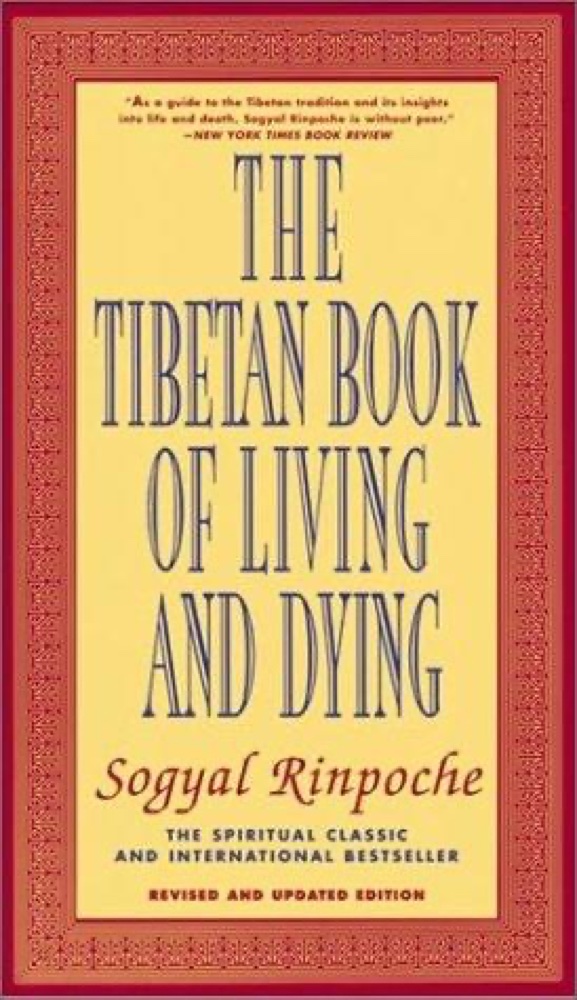 The Tibetan Book of Living and Dying
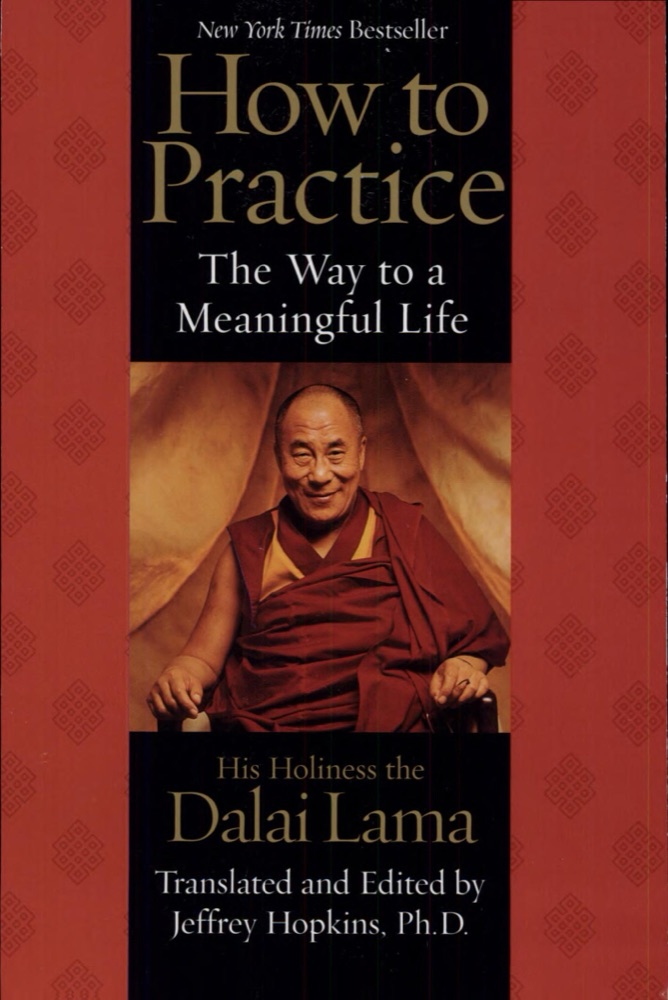 How to Practice: The Way to a Meaningful Life
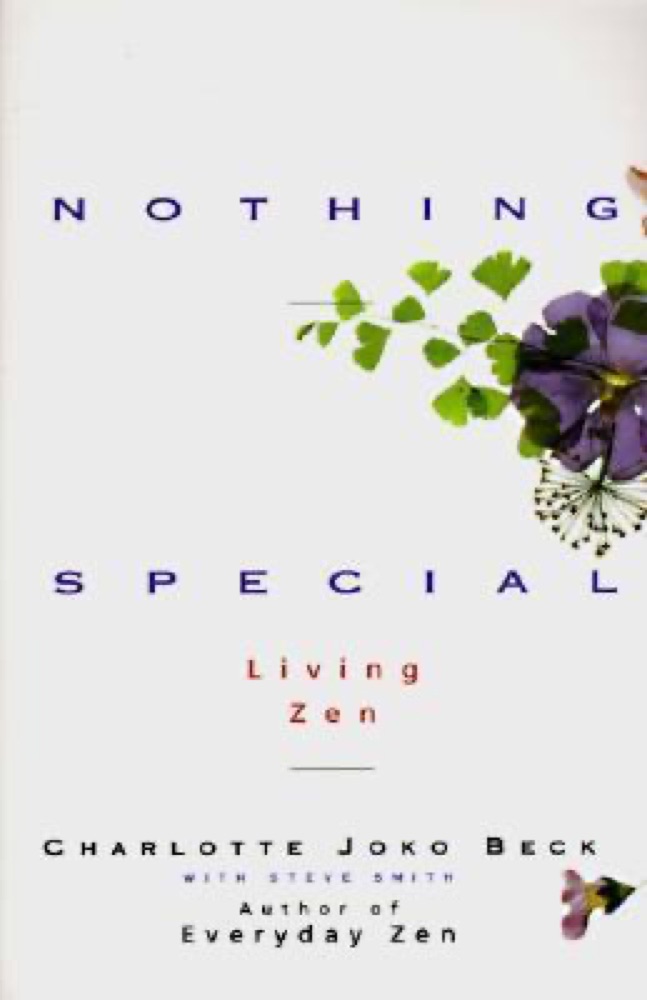 Nothing Special: A Zen Buddhist Guide to Awakening Through Daily Life's Feelings, Relationships, and Work
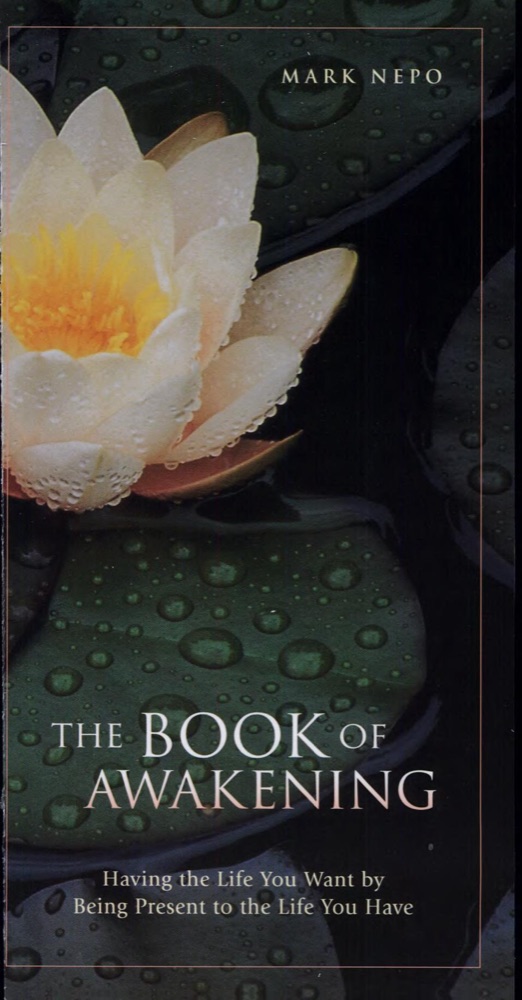 The Book of Awakening: Having the Life You Want by Being Present to the Life You Have
 Happiness: A Guide to Developing Life's Most Important Skill
 The Power of Now: A Guide to Spiritual Enlightenment
 Advice Not Given: A Guide to Getting Over Yourself
 The Buddha Walks into a Bar . . .: A Guide to Life for a New Generation
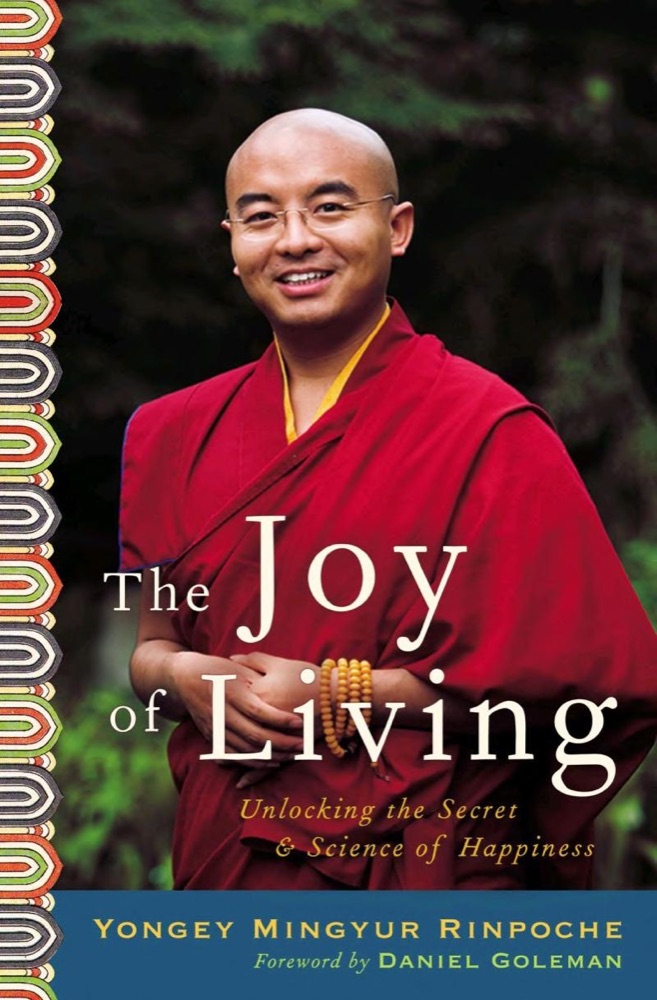 The Joy of Living: Unlocking the Secret and Science of Happiness
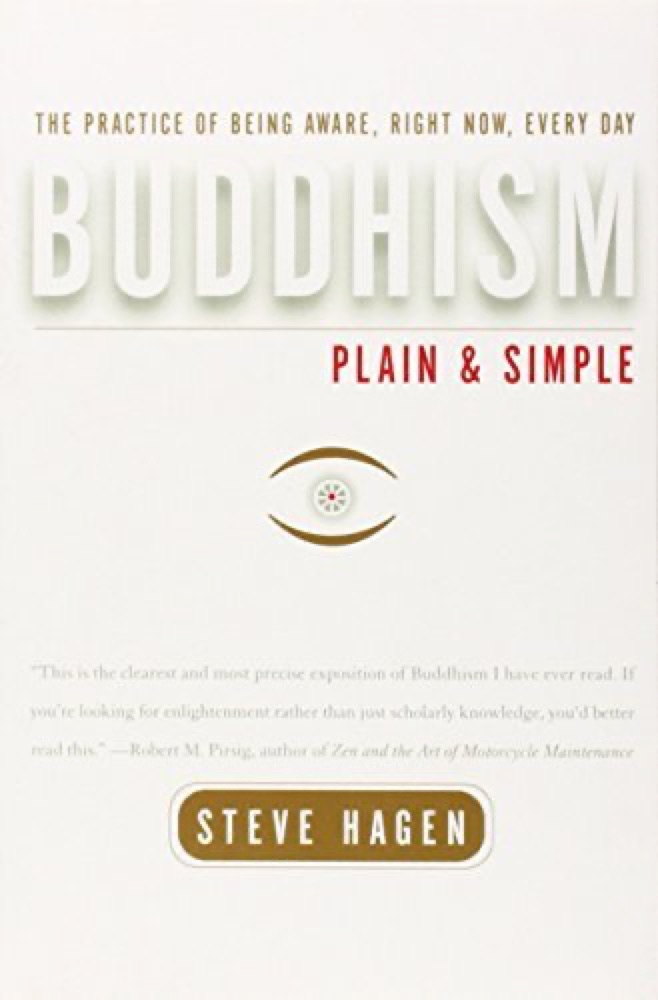 Buddhism Plain & Simple: The Practice of Being Aware, Right Now, Every Day
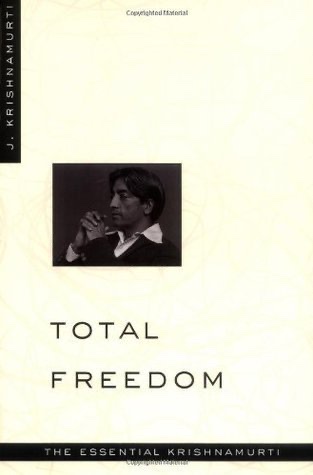 Total Freedom: The Essential Krishnamurti
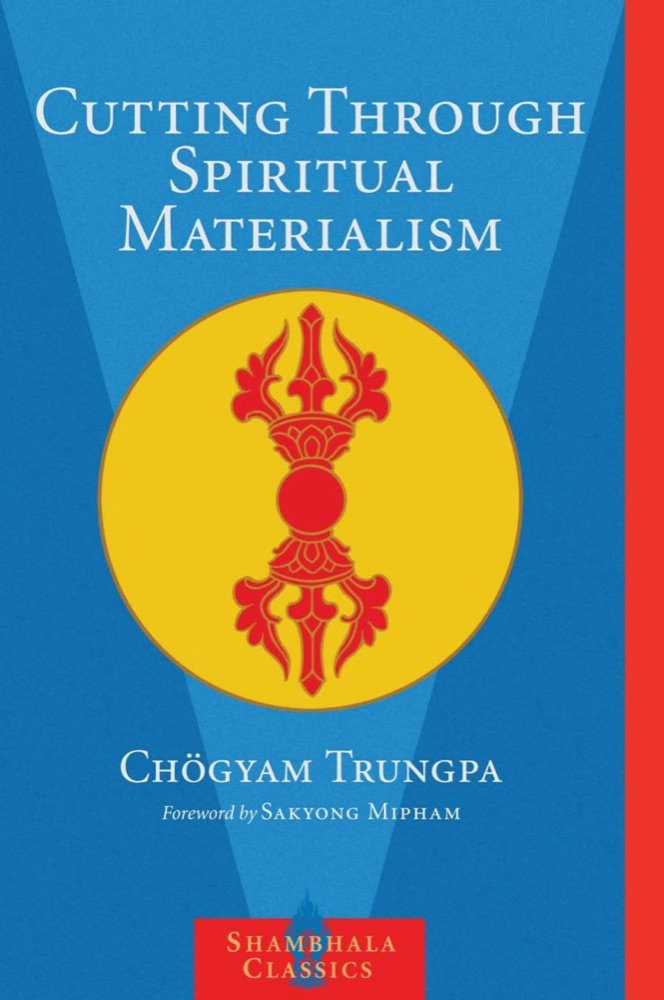 Cutting Through Spiritual Materialism
 Full Catastrophe Living: Using the Wisdom of Your Body and Mind to Face Stress, Pain, and Illness
 Buddhist Boot Camp
 Kitchen Table Wisdom: Stories that Heal
 The Book of Secrets: Unlocking the Hidden Dimensions of Your Life
 Living Untethered: Beyond the Human Predicament
 Loving What Is: Four Questions That Can Change Your Life
 Lovingkindness: The Revolutionary Art of Happiness
 365 Tao: A Study of Taoist Wisdom for Daily Life
 Mindfulness in Plain English
 A Return to Love: Reflections on the Principles of "A Course in Miracles"
 The Dalai Lama's Cat and the Power of Meow
 The Road Less Travelled
 The Seven Spiritual Laws of Success: A Practical Guide to the Fulfillment of Your Dreams
 Going to Pieces without Falling Apart: A Buddhist Perspective on Wholeness
 Letting Go: The Pathway To Surrender
 Change Your Thoughts - Change Your Life: Living the Wisdom of the Tao
 The Four Agreements: A Practical Guide to Personal Freedom
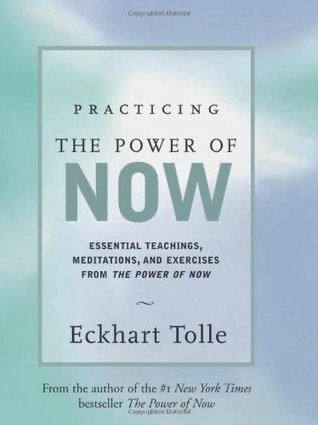 Practicing the Power of Now: Essential Teachings, Meditations, and Exercises from the Power of Now
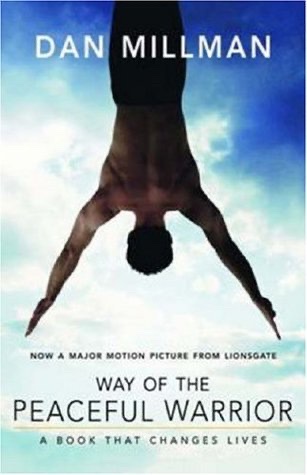 Way of the Peaceful Warrior: A Book That Changes Lives
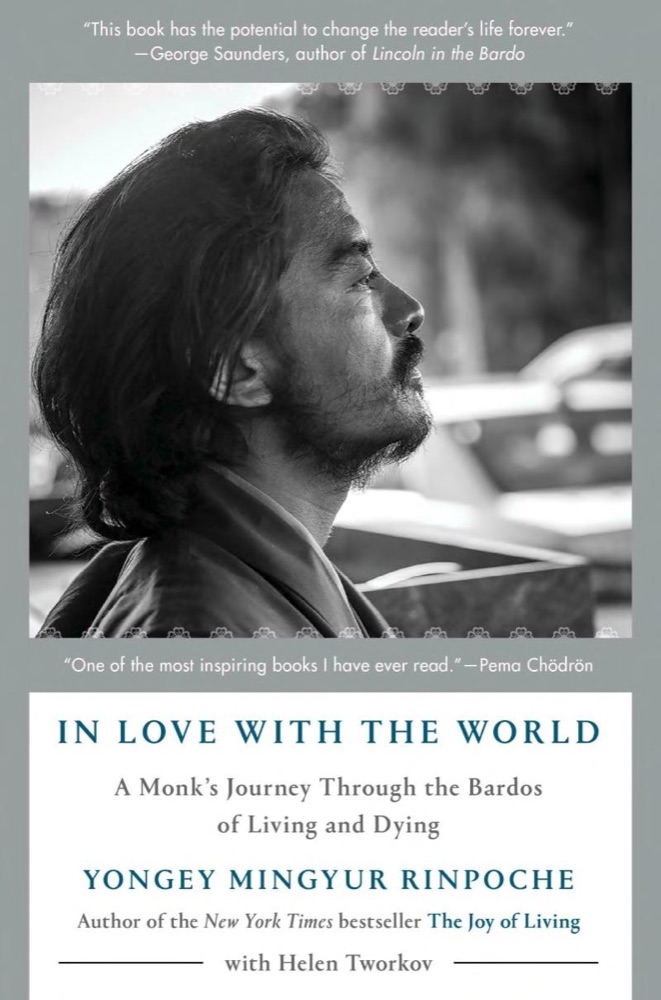 In Love with the World: A Monk's Journey Through the Bardos of Living and Dying
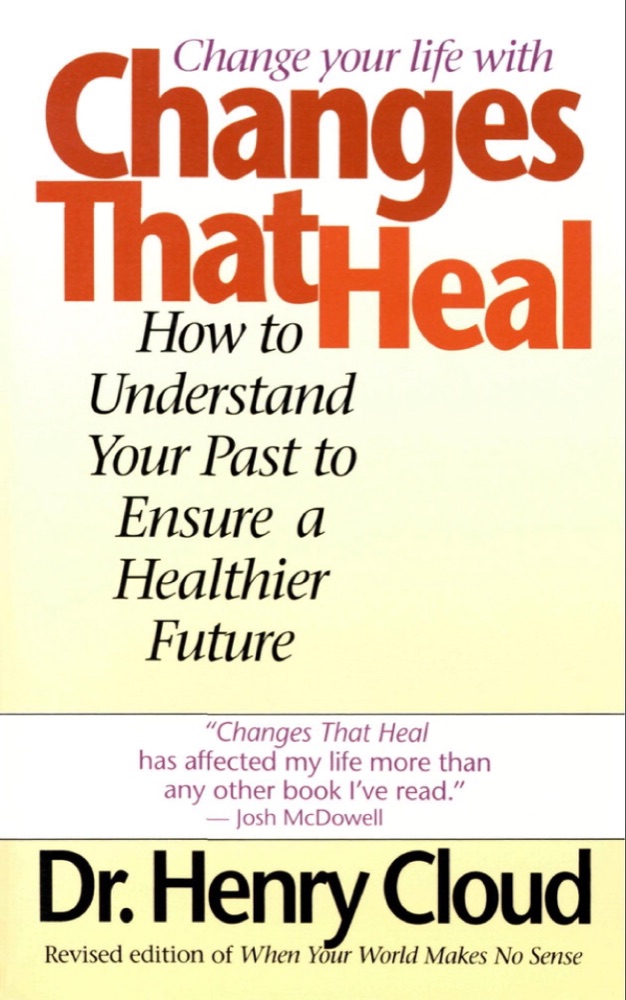 Changes That Heal: How to Understand the Past to Ensure a Healthier Future
 Confession of a Buddhist Atheist
 Striking Thoughts: Bruce Lee's Wisdom for Daily Living
 Nonviolent Communication: A Language of Life
 The Yoga Sutras of Pantanjali
 The Way of the Bodhisattva
 Everything Is F*cked: A Book About Hope
 The Five Things We Cannot Change: And the Happiness We Find by Embracing Them
 Messages from the Masters: Tapping into the Power of Love
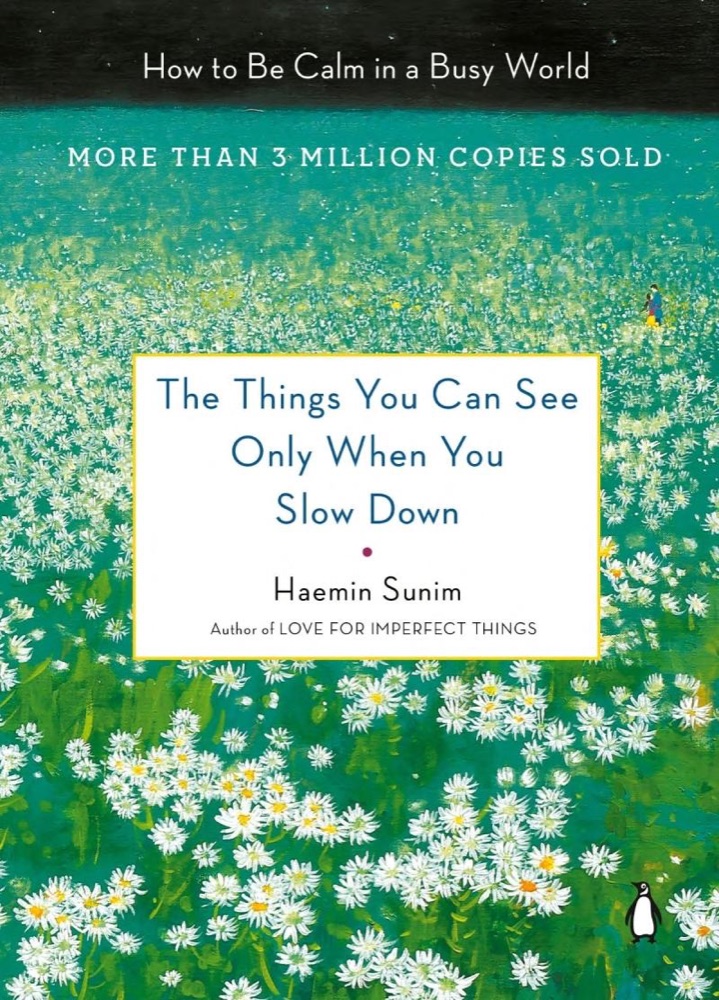 The Things You Can See Only When You Slow Down: How to Be Calm in a Busy World