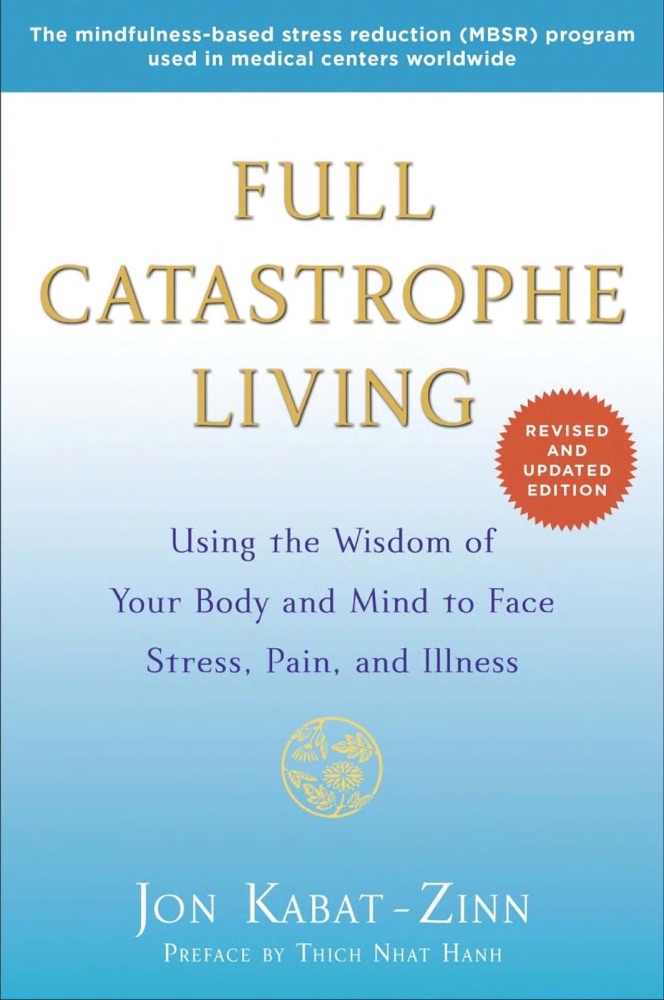

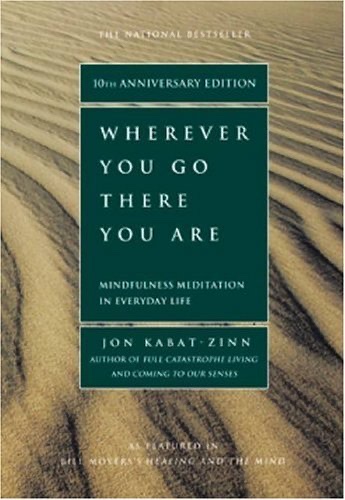
 Wherever You Go, There You Are: Mindfulness Meditation in Everyday Life
Quotes from the Book
Patience is a form of wisdom. It demonstrates that we understand and accept the fact that sometimes things must unfold in their own time.
77
No matter how many scars we carry from what we have gone through and suffered in the past, our intrinsic wholeness is still here: what else contains the scars? None of us has to be a helpless victim of what was done to us or what was not done for us in the past, nor do we have to be helpless in the face of what we may be suffering now. We are also what was present before the scarring—our original wholeness, what was born whole. And we can reconnect with that intrinsic wholeness at any time, because its very nature is that it is always present. It is who we truly are.
38
Awareness is not the same as thinking. It is a complementary form of intelligence, a way of knowing that is at least as wonderful and as powerful, if not more so, than thinking.
26
One very important domain of our lives and experience that we tend to miss, ignore, abuse, or lose control of as a result of being in the automatic pilot mode is our own body.
19
When it comes right down to it, the challenge of mindfulness is to realize that “this is it” Right now is my life. The question is, What is my relationship to it going to be? Does my life just automatically “happen” to me? Am I a total prisoner of my circumstances or my obligations, of my body or my illness, or of my history? Do I become hostile or defensive or depressed if certain buttons get pushed, happy if other buttons are pushed, and frightened if something else happens? What are my choices? Do I have any options? We will be looking into these questions more deeply when we take up the subject of our reactions to stress and how our emotions affect our health. For now the important point is to grasp the value of bringing the practice of mindfulness into the conduct of our daily lives. Is there any waking moment of your life that would not be richer and more alive for you if you were more fully awake while it was happening?
17
Life only unfolds in moments. The healing power of mindfulness lies in living each of those moments as fully as we can, accepting it as it is as we open to what comes next—in the next moment of now.
15
A human being is a part of the whole, called by us “Universe,” a part limited in time and space. He experiences himself, his thoughts and feelings as something separated from the rest—a kind of optical delusion of his consciousness. This delusion is a kind of prison for us, restricting us to our personal desires and to affection for a few persons nearest to us. Our task must be to free ourselves from this prison by widening our circle of compassion to embrace all living creatures and the whole nature in its beauty. Nobody is able to achieve this completely, but the striving for such achievement is in itself a part of the liberation and a foundation for inner security.
14
Simply put, mindfulness is moment-to-moment non-judgmental awareness.
13
By repeatedly bringing your attention back to the breath each time it wanders off, concentration builds and deepens, much as muscles develop by repetitively lifting weights.
13
cultivating mindfulness is not unlike the process of eating. It would be absurd to propose that someone else eat for you. And when you go to a restaurant, you don’t eat the menu, mistaking it for the meal, nor are you nourished by listening to the waiter describe the food. You have to actually eat the food for it to nourish you. In the same way, you have to actually practice mindfulness, by which I mean cultivate it systematically in your own life, in order to reap its benefits and come to understand why it is so valuable.
11
As we just saw, in this learning process we assume from the start that as long as you are breathing, there is more right with you than wrong with you, no matter how ill or how despairing you may be feeling in a given moment. But if you hope to mobilize your inner capacities for growth and for healing and to take charge in your life on a new level, a certain kind of effort and energy on your part will be required. The way we put it is that it can be stressful to take the stress reduction program. I sometimes explain this by saying that there are times when you have to light one fire to put out another. There are no drugs that will make you immune to stress or to pain, or that will by themselves magically solve your life’s problems or promote healing. It will take conscious effort on your part to move in a direction of healing, inner peace, and well-being. This means learning to work with the very stress and pain that are causing you to suffer.
11
Pablo Neruda, "Keeping Quiet.” Now we will count to twelve and we will all keep still. For once on the face of the earth let’s not speak in any language, let’s stop for one second, and not move our arms so much. It would be an exotic moment without rush, without engines, we would all be together in a sudden strangeness. Fishermen in the cold sea would not harm whales and the man gathering salt would look at his hurt hands. Those who prepare green wars, wars with gas, wars with fire, victory with no survivors, would put on clean clothes and walk about with their brothers in the shade, doing nothing. What I want should not be confused with total inactivity. Life is what it is about; I want no truck with death. If we were not so single-minded about keeping our lives moving, and for once could do nothing, perhaps a huge silence might interrupt this sadness of never understanding ourselves and of threatening ourselves with death. Perhaps the earth can teach us as when everything seems dead and later proves to be alive. Now I’ll count up to twelve and you keep quiet and I will go.
9
we all tend to fill up our days with things that just have to be done and then run around desperately trying to do them all, while in the process not really enjoying much of the doing because we are too pressed for time, too rushed, too busy, too anxious? We can feel overwhelmed by our schedules, our responsibilities, and our roles at times, even when everything we are doing is important, even when we have chosen to do them all. We live immersed in a world of constant doing. Rarely are we in touch with who is doing the doing—or, put otherwise, with the world of being. To get back in touch with being is not that difficult. We only need to remind ourselves to be mindful. Moments of mindfulness are moments of peace and stillness, even in the midst of activity. When your whole life is driven by doing, formal meditation practice can provide a refuge of sanity and stability that can be used to restore some balance and perspective. It can be a way of stopping the headlong momentum of all the doing, giving yourself some time to dwell in deep relaxation and well-being and to remember who you are.
8
Whether we are basically healthy at the moment or have a terminal illness, none of us knows how long we have to live. Life only unfolds in moments. The healing power of mindfulness lies in living each of those moments as fully as we can, accepting it as it is as we open to what comes next—in the next moment of now.
7
The only way to free yourself from a lifetime of being tyrannized by your own thought processes, whether you suffer from excessive anxiety or not, is to come to see your thoughts for what they are and to discern the sometimes subtle—but most often not-so-subtle—seeds of craving and aversion, of greed and hatred, at work within them. When you can successfully step back and see that you are not your thoughts and feelings, that you do not have to believe them, and that you certainly do not have to act on them, when you see vividly that many of them are inaccurate, judgmental, and fundamentally greedy or aversive, you will have found the key to understanding why you feel so much fear and anxiety. At the same time you will have found the key to maintaining your equilibrium. Fear, panic, and anxiety will no longer be uncontrollable demons. Instead you will see them as natural mental states that can be worked with and accepted just like any others. Then, lo and behold, the demons may not come around and bother you so much. You may find that you don’t see them at all for long stretches. You may wonder where they went or even whether they ever existed. Occasionally you may see some smoke, just enough to remind you that the lair of the dragon is still occupied, that fear is a natural part of living, but not something you have to be afraid of.
7
It would not be hard to imagine that a happy hermit, living in isolation, might feel connected to everything in nature and all people on the planet and not be at all affected by a dearth of human neighbors.
7
Because of this inner busyness, which is going on almost all the time, we are liable either to miss a lot of the texture of our life experience or to discount its value and meaning.
7
Anybody who is imitating somebody else, no matter who it us, is heading in the wrong direction. It is impossible to become like somebody else. Your only hope is to become more fully yourself.
6
Feeling threatened can easily lead to feelings of anger and hostility and from there to outright aggressive behavior, driven by deep instincts to protect your position and maintain your sense of things being under control. When things do feel “under control,” we might feel content for a moment. But when they go out of control again, or even seem to be getting out of control, our deepest insecurities can erupt. At such times we might even act in ways that are self-destructive and hurtful to others. And we will feel anything but content and at peace within ourselves.
6
Allow your attention to gently alight on your belly, as if you were coming upon a shy animal sunning itself on a tree stump in a clearing in the forest. Feel your belly rise or expand gently on the inbreath, and fall or recede on the outbreath.
6
Knowing what you are doing while you are doing it is the essence of mindfulness practice.
5
Catastrophe here does not mean disaster. Rather, it means the poignant enormity of our life experience. It includes crisis and disaster, the unthinkable and the unacceptable, but it also includes all the little things that go wrong and that add up. The phrase reminds us that life is always in flux, that everything we think is permanent is actually only temporary and constantly changing. This includes our ideas, our opinions, our relationships, our jobs, our possessions, our creations, our bodies, everything.
4
We all have limitations. They are worth befriending. They teach us a lot. They can show us what we most need to pay attention to and honor. They become our cutting edge for learning and growing and gentling ourselves into the present moment as it is.
4
we all come into and go out of this world as passing gatherings of structured energy.
4
The main things are to commit to some simple behaviors—meditating, exercising, getting enough sleep—and to practice altruism.… And nurture your social connections.
3
There is an art to facing difficulties in ways that lead to effective solutions and to inner peace and harmony. When we are able to mobilize our inner resources to face our problems artfully, we find we are usually able to orient ourselves in such a way that we can use the pressure of the problem itself to propel us through it, just as a sailor can position a sail to make the best use of the pressure of the wind to propel the boat. You can’t sail straight into the wind, and if you only know how to sail with the wind at your back, you will only go where the wind blows you. But if you know how to use the wind’s energy and are patient, you can sometimes get where you want to go. You can still be in control.
3
Seven attitudinal factors constitute the major pillars of mindfulness practice as we teach it in MBSR. They are non-judging, patience, a beginner’s mind, trust, non-striving, acceptance, and letting go.
3
When we are totally absorbed in our own feelings and attached to our own view and agenda without recognizing it, it is virtually impossible to have a genuine communication. We will easily feel threatened by anyone who doesn't see things our way, and we will tend to be able to relate to only those people whose view of the world coincides with our own. We will find our encounters with people who hold strong opposing views to be stressful. When we react by feeling personally threatened, it is easy to draw battle lines and have the relationship to degenerate into "us" against "them." This makes the possibility of communication very difficult. When we lock in to certain restricted mind-sets, we cannot go beyond the nine dots and perceive the whole system of which we and our views are only a part.
3
So it can be particularly helpful to keep in mind from moment to moment that it is not so much the stressors in our lives but how we see them and what we do with them, how we are in relationship to them, that determines how much we are at their mercy.
3
Carl Jung put it this way: “The attainment of wholeness requires one to stake one’s whole being. Nothing less will do; there can be no easier conditions, no substitutes, no compromises.” With
3
Watch on YouTube
About Jon Kabat-Zinn
We have collected 57 quotes from 2 books by Jon Kabat-Zinn on BookQuoters.
More about the author →More by Jon Kabat-Zinn
Wherever You Go, There You Are: Mindfulness Meditation in Everyday Life
About the book
The landmark work on mindfulness, meditation, and healing, now completely revised and updated after twenty-five years Stress. It can sap our energy, undermine our health if we let it, even shorten our lives. It makes us more vulnerable to anxiety and depression, disconnection and disease. Based on Jon Kabat-Zinn’s renowned mindfulness-based stress reduction program, this classic, groundbreaking work—which gave rise to a whole new field in medicine and psychology—shows you how to use medically proven mind-body approaches derived from meditation and yoga to counteract stress, establish greater balance of body and mind, and stimulate well-being and healing. By engaging in these mindfulness practices and integrating them into your life from moment to moment and from day to day, you can learn to manage chronic pain, promote optimal healing, reduce anxiety and feelings of panic, and improve
Book details
- First published
- 1990
- Author
- Jon Kabat-Zinn
- Genre
- Nonfiction
- Goodreads rating
- 4.16 (16k ratings)
Keep reading
 Real Happiness: A 28-Day Program to Realize the Power of Meditation
 How to Meditate: A Practical Guide to Making Friends with Your Mind
 Mindfulness in Plain English
 The Miracle of Mindfulness: An Introduction to the Practice of Meditation
 Living Beautifully with Uncertainty and Change
 Peace Is Every Breath: A Practice for Our Busy Lives
Wherever You Go, There You Are: Mindfulness Meditation in Everyday Life
Peace Is Every Breath: A Practice for Our Busy Lives
Wherever You Go, There You Are: Mindfulness Meditation in Everyday Life
 Meditation for Beginners
 True Refuge: Finding Peace and Freedom in Your Own Awakened Heart
 Fear: Essential Wisdom for Getting Through the Storm
 The Places That Scare You: A Guide to Fearlessness in Difficult Times
 The Wise Heart: A Guide to the Universal Teachings of Buddhist Psychology
 Everyday Zen: Love & Work
 Buddha's Brain: The Practical Neuroscience of Happiness, Love, and Wisdom
 The Joy of Living: Unlocking the Secret and Science of Happiness
 Advice Not Given: A Guide to Getting Over Yourself
 Waking Up: A Guide to Spirituality Without Religion
 The Book of Secrets: Unlocking the Hidden Dimensions of Your Life
 Nothing Special: A Zen Buddhist Guide to Awakening Through Daily Life's Feelings, Relationships, and Work
 Living Untethered: Beyond the Human Predicament
 The Tibetan Book of Living and Dying
 Meditation for Fidgety Skeptics: A 10% Happier How-To Book
 The Mind Illuminated: A Complete Meditation Guide Integrating Buddhist Wisdom and Brain Science
 The Wisdom of Your Body: Finding Healing, Wholeness, and Connection through Embodied Living
 The Dalai Lama's Cat and the Power of Meow
 Practicing the Power of Now: Essential Teachings, Meditations, and Exercises from the Power of Now
 Radical Acceptance: Embracing Your Life With the Heart of a Buddha
 Letting Go of the Person You Used to Be: Lessons on Change, Loss, and Spiritual Transformation
 Going to Pieces without Falling Apart: A Buddhist Perspective on Wholeness
 Against the Stream: A Buddhist Manual for Spiritual Revolutionaries
 The Power of Now: A Guide to Spiritual Enlightenment
 Letting Go: The Pathway To Surrender
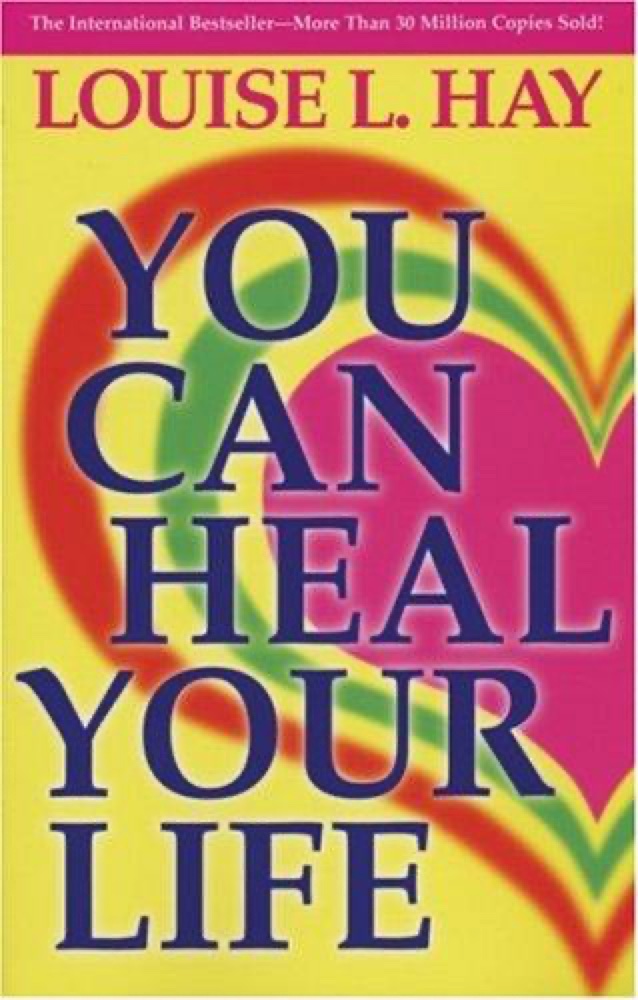 You Can Heal Your Life
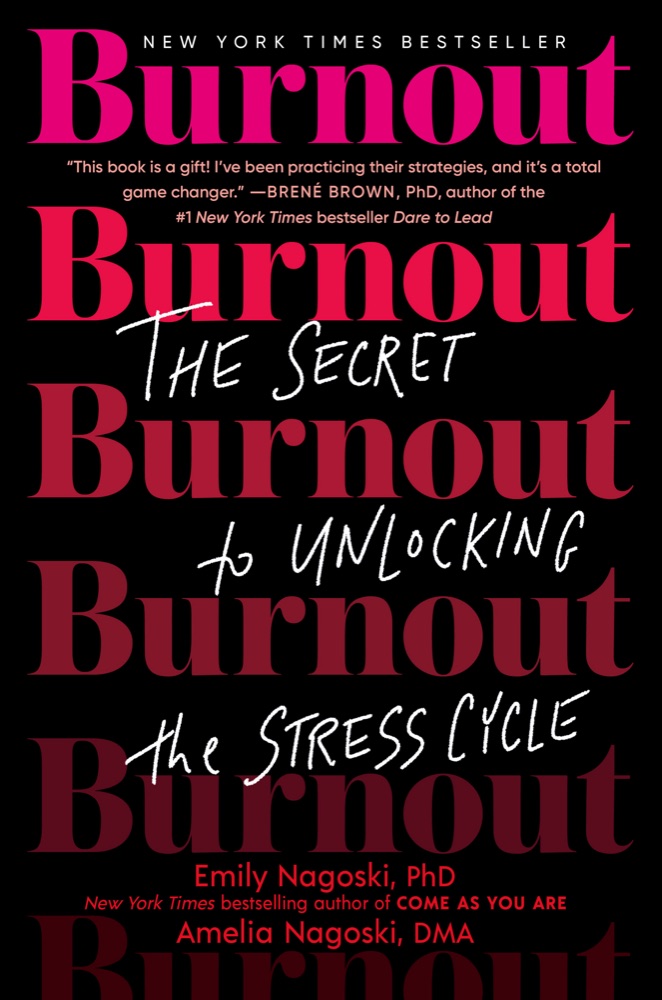 Burnout: The Secret to Unlocking the Stress Cycle
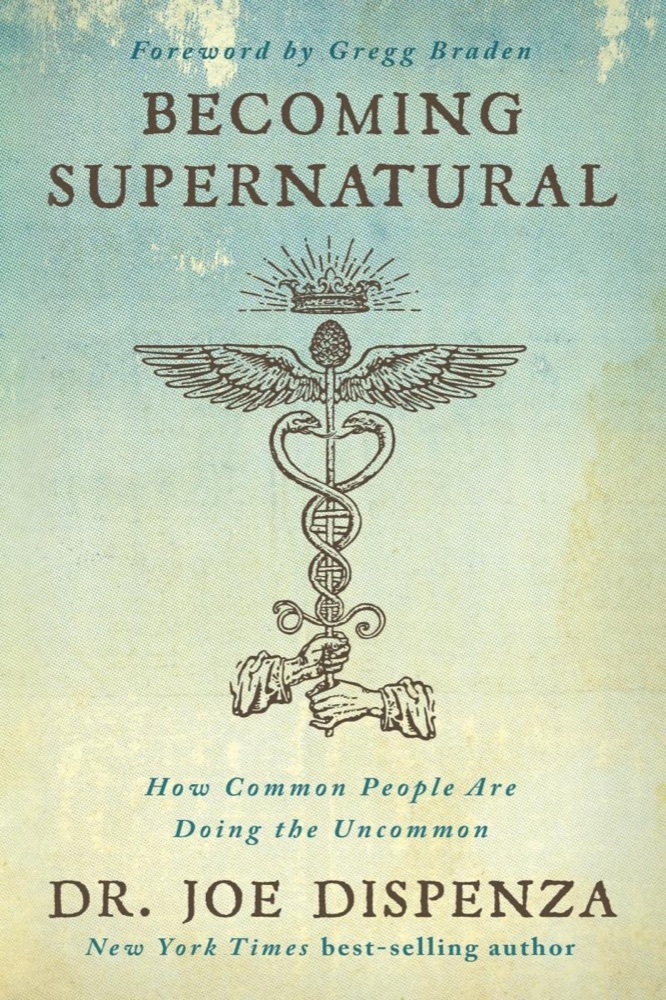 Becoming Supernatural: How Common People are Doing the Uncommon
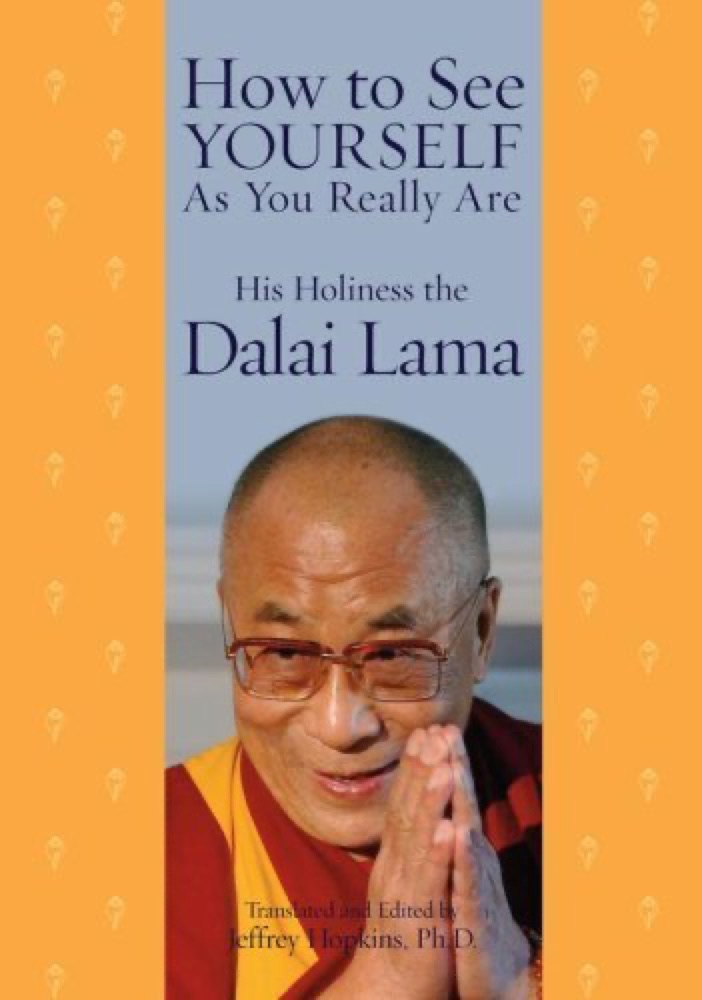 How to See Yourself As You Really Are
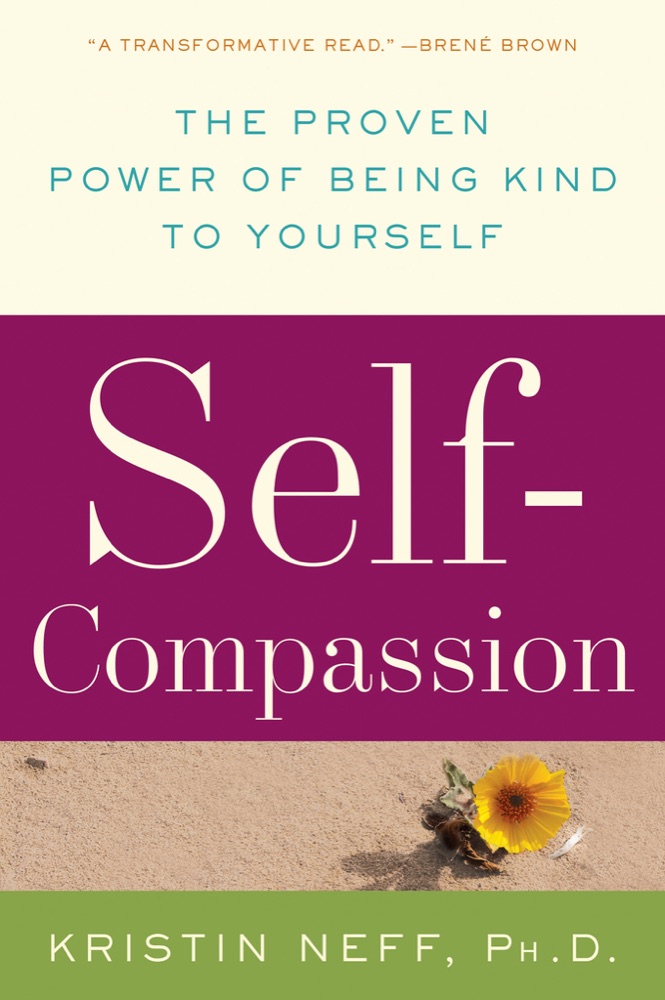 Self-Compassion: The Proven Power of Being Kind to Yourself
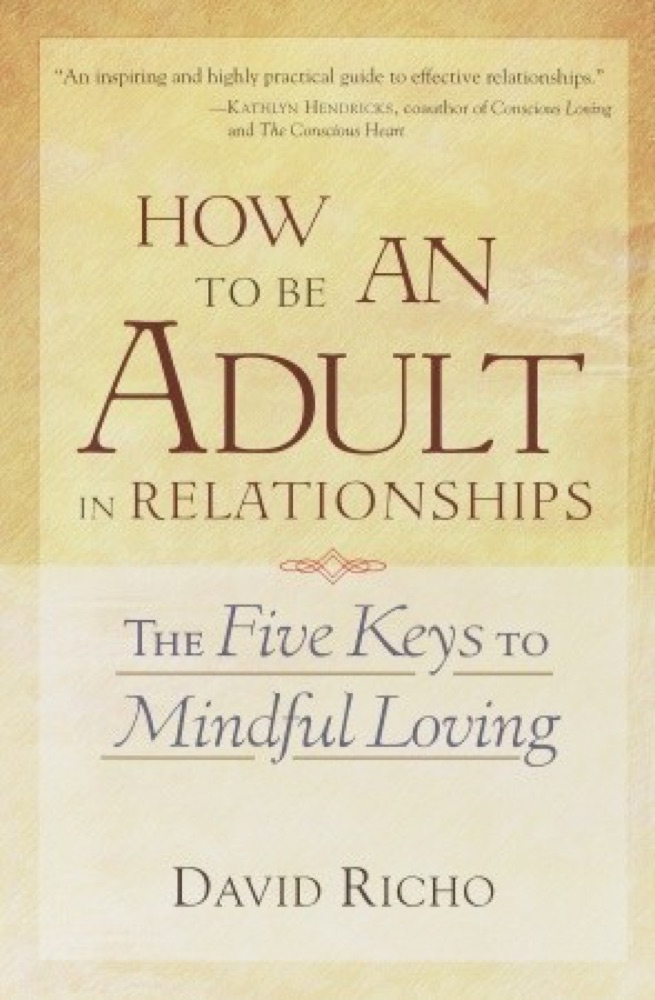 How to Be an Adult in Relationships: The Five Keys to Mindful Loving
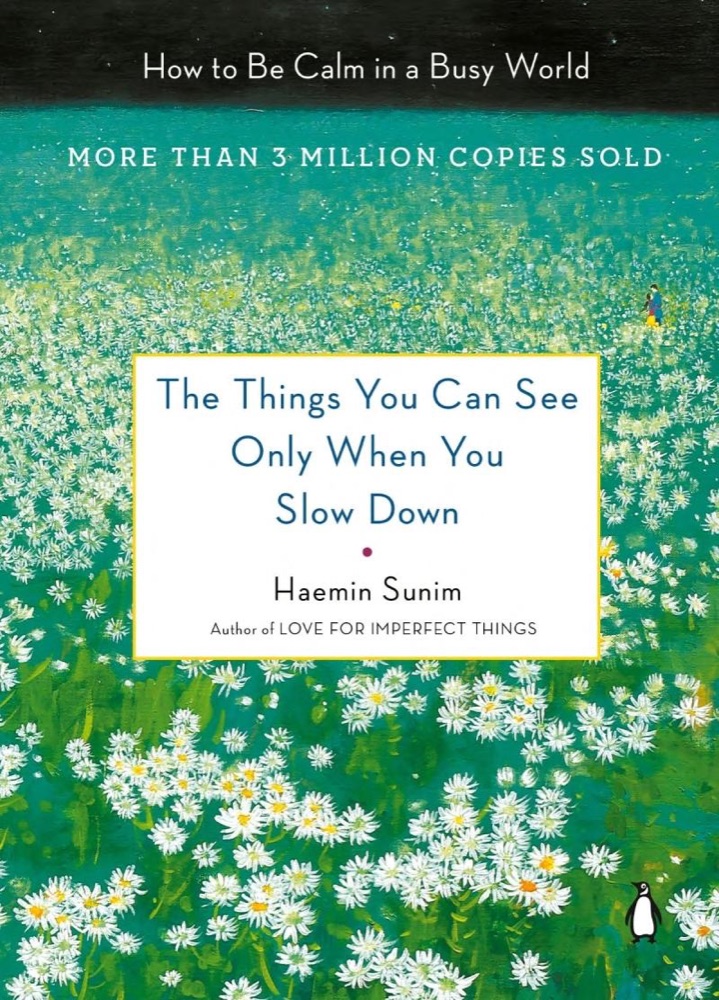 The Things You Can See Only When You Slow Down: How to Be Calm in a Busy World
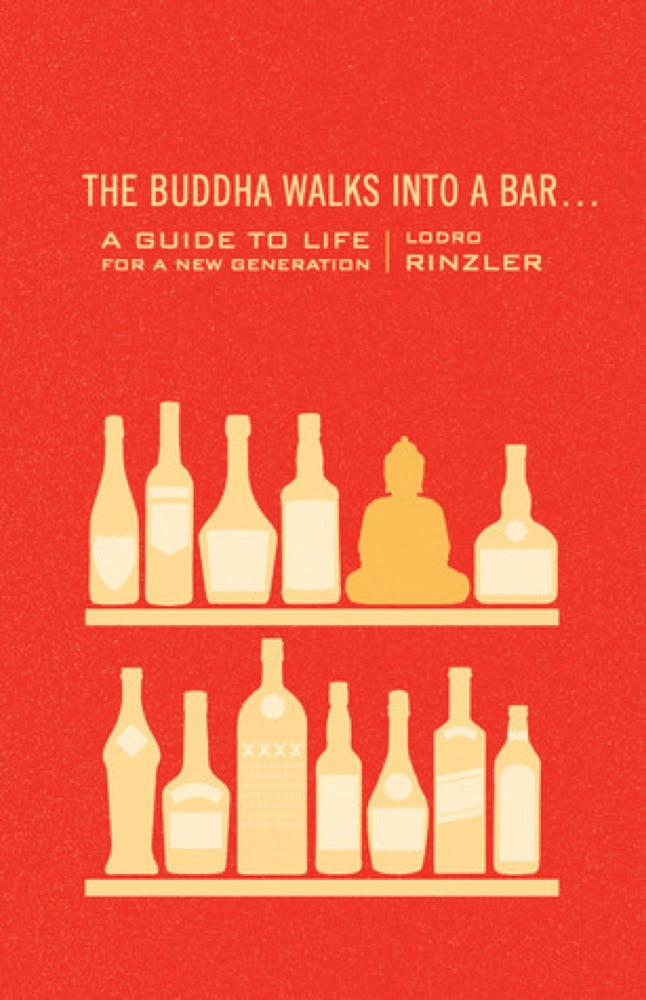 The Buddha Walks into a Bar . . .: A Guide to Life for a New Generation
 The Practicing Mind: Bringing Discipline and Focus into Your Life
 Be Water, My Friend: The Teachings of Bruce Lee
 Happiness: A Guide to Developing Life's Most Important Skill
 The Untethered Soul: The Journey Beyond Yourself
 365 Tao: A Study of Taoist Wisdom for Daily Life
 Awakening the Buddha Within
 The Yoga Sutras of Pantanjali
 Awareness: The Key to Living in Balance
 Stillness Is the Key
 101 Essays That Will Change The Way You Think
 The Art of Happiness
 Breaking the Habit of Being Yourself: How to Lose Your Mind and Create a New One
 Mastery
 Many Lives, Many Masters: The True Story of a Prominent Psychiatrist, His Young Patient, and the Past Life Therapy That Changed Both Their Lives
 Kitchen Table Wisdom: Stories that Heal
 The Seven Spiritual Laws of Success: A Practical Guide to the Fulfillment of Your Dreams