 Shambhala: The Sacred Path of the Warrior
Quotes from the Book
We do not have to be ashamed of what we are. As sentient beings we have wonderful backgrounds. These backgrounds may not be particularly enlightened or peaceful or intelligent. Nevertheless, we have soil good enough to cultivate; we can plant anything in it.
132
Are the great spiritual teachings really advocating that we fight evil because we are on the side of light, the side of peace? Are they telling us to fight against that other 'undesirable' side, the bad and the black. That is a big question. If there is wisdom in the sacred teachings, there should not be any war. As long as a person is involved with warfare, trying to defend or attack, then his action is not sacred; it is mundane, dualistic, a battlefield situation.
64
Q: Why do you think that people are so protective of their egos? Why is it so hard to let go of one’s ego? A: People are afraid of the emptiness of space, or the absence of company, the absence of a shadow. It could be a terrifying experience to have no one to relate to, nothing to relate with. The idea of it can be extremely frightening, though not the real experience. It is generally a fear of space, a fear that we will not be able to anchor ourselves to any solid ground, that we will lose our identity as a fixed and solid and definite thing. This could be very threatening.
40
This is not to say that the point of the hard way is that we must be heroic. The attitude of "heroism" is based upon the assumption that we are bad, impure, that we are not worthy, are not ready for spiritual understanding. We must reform ourselves, be different from what we are. For instance, if we are middle class Americans, we must give up our jobs or drop out of college, move out of our suburban homes, let our hair grow, perhaps try drugs. If we are hippies, we must give up drugs, cut our hair short, throw away our torn jeans. We think that we are special, heroic, that we are turning away from temptation. We become vegetarians and we become this and that. There are so many things to become. We think our path is spiritual because it is literally against the flow of what we used to be, but it is merely the way of false heroism, and the only one who is heroic in this way is ego.
35
There is a saying in the Tibetan scriptures: “Knowledge must be burned, hammered, and beaten like pure gold. Then one can wear it as an ornament.” So when you receive spiritual instruction from the hands of another, you do not take it uncritically, but you burn it, you hammer it, you beat it, until the bright, dignified color of gold appears. Then you craft it into an ornament, whatever design you like, and you put it on.
31
As long as a person is involved with warfare, trying to defend or attack, then his action is not sacred; it is mundane, dualistic, a battlefield situation.
29
No matter what the practice or teaching, ego loves to wait in ambush to appropriate spirituality for its own survival and gain.
28
As in music, when we hear the crescendo building, suddenly if the music stops, we begin to hear the silence as part of the music.
27
In the process of burning out these confusions, we discover enlightenment. If the process were otherwise, the awakened state of mind would be a product dependent upon cause and effect and therefore liable to dissolution. Anything which is created must, sooner or later, die. If enlightenment were created in such a way, there would always be a possibility of ego reasserting itself, causing a return to the confused state. Enlightenment is permanent because we have not produced it; we have merely discovered it.
25
As long as you regard yourself or any part of your experience as the "dream come true," then you are involved in self-deception. Self-deception seems always to depend upon the dream world, because you would like to see what you have not yet seen, rather that what you are now seeing. You will not accept that whatever is here now is what is, nor are you willing to go on with the situation as it is. Thus, self-deception always manifests itself in terms of trying to create or recreate a dream world, the nostalgia of the dream experience. And the opposite of self-deception is just working with the facts of life.
23
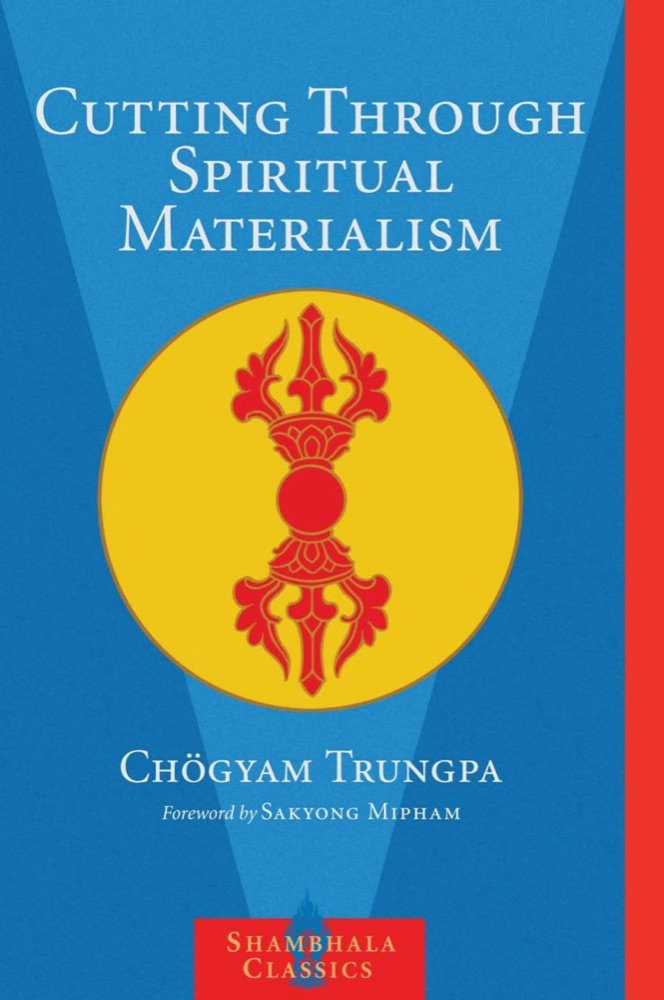
Walking the spiritual path properly is a very subtle process; it is not something to jump into naively. There are numerous sidetracks which lead to a distorted, ego-centered version of spirituality; we can deceive ourselves into thinking we are developing spiritually when instead we are strengthening our egocentricity through spiritual techniques. This fundamental distortion may be referred to as spiritual materialism.
22
Self-evaluation and self-criticism are, basically, neurotic tendencies which derive from our not having enough confidence in ourselves, confidence in the sense of seeing what we are, knowing what we are, knowing that we can afford to open. We can afford to surrender that raw and rugged neurotic quality of self and step out of fascination, step out of preconceived ideas.
20
According to the Buddhist tradition, the spiritual path is the process of cutting through our confusion, of uncovering the awakened state of mind. When the awakened state of mind is crowded in by ego and its attendant paranoia, it takes on the character of an underlying instinct. So it is not a matter of building up the awakened state of mind, but rather of burning out the confusions which obstruct it. In the process of burning out these confusions, we discover enlightenment.
18
If you are involved with the intensity of crescendo situations, with the intensity of tragedy, you might begin to see the humor of these situations as well. As in music, when we hear the crescendo building, suddenly if the music stops, we begin to hear the silence as part of the music.
16
Although we may hate ourselves, at the same time we find our self-hatred a kind of occupation. In spite of the fact that we may dislike what we are and find that self-condemnation painful, still we cannot give it up completely. If we begin to give up our self-criticism, then we may feel that we are losing our occupation, as though someone were taking away our job.
15
The path of truth is profound—and so are the obstacles and possibilities for self-deception.
11
IT WOULD BE interesting to examine this subject in terms of what is not a sense of humor. Lack of humor seems to come from the attitude of the “hard fact.” Things are very hard and deadly honest, deadly serious, like, to use an analogy, a living corpse. He lives in pain, has a continual expression of pain on his face. He has experienced some kind of hard fact—“reality”—he is deadly serious and has gone so far as to become a living corpse. The rigidity of this living corpse expresses the opposite of a sense of humor. It is as though somebody is standing behind you with a sharp sword. If you are not meditating properly, sitting still and upright, there will be someone behind you just about to strike. Or if you are not dealing with life properly, honestly, directly, someone is just about to hit you. This is the self-consciousness of watching yourself, observing yourself unnecessarily. Whatever we do is constantly being watched and censored. Actually it is not Big Brother who is watching; it is Big Me! Another aspect of me is watching me, behind me, just about to strike, just about to pinpoint my failure. There is no joy in this approach, no sense of humor at all.
8
The idea is not to regard the spiritual path as something very luxurious and pleasurable but to see it as just facing the facts of life.
8
Eventually we must give up trying to be something special.
7
Q: When emotions are transmuted, that doesn’t mean they disappear, does it? A: Not necessarily, but they are transmuted into other forms of energy. If we are trying to be good or peaceful, trying to suppress or subdue our emotions, that is the basic twist of ego in operation. We are being aggressive toward our emotions, trying forcefully to achieve peace or goodness. Once we cease being aggressive toward our emotions, cease trying to change them, once we experience them properly, then transmutation may take place. The irritating quality of the emotions is transmuted once you experience them as they are. Transmutation does not mean that the energy quality of the emotions is eliminated; in fact it is transformed into wisdom, which is very much needed.
7
We cannot be truly peaceful unless we have the invincible quality of peace within us; a feeble or temporary peacefulness could always be disturbed. If we try to be kind and peaceful in a naive way, encountering a different or unexpected situation might interfere with our awareness of peace because that peace has no strength in it, has no character. So peace must be stable, deeprooted, and solid.
6
The point of meditation is not merely to be an honest or good person in the conventional sense, trying only to maintain our security. We must begin to become compassionate and wise in the fundamental sense, open and relating to the world as it is.
6
You see, the whole point is that if we are speaking of a way out all the time, then we are dealing in fantasy, the dream of escape, salvation, enlightenment. We need to be practical. We must examine what is here, now, our neurotic mind. Once we are completely familiar with the negative aspects of the state of our being, then we know the “way out” automatically. But if we talk about how beautiful and joyous our attainment of the goal will be, then we become extremely sincere and romantic; and this approach becomes an obstacle.
6
In the story of the Buddha’s life we hear of the temptations of Mara, which are extremely subtle. The first temptation is fear of physical destruction. The last is the seduction by the daughters of Mara. This seduction, the seduction of spiritual materialism, is extremely powerful because it is the seduction of thinking that “I” have achieved something. If we think we have achieved something, that we have “made it,” then we have been seduced by Mara’s daughters, the seduction of spiritual materialism.
5
Sense of humor seems to come from all-pervading joy, joy which has room to expand into a completely open situation because it is not involved with the battle between “this” and “that.” Joy develops into the panoramic situation of seeing or feeling the whole ground, the open ground. This open situation has no hint of limitation, of imposed solemnity. And if you do try to treat life as a “serious business,” if you try to impose solemnity upon life as though everything is a big deal, then it is funny. Why such a big deal?
5
In order to establish a real teacher-student relationship it is necessary for us to give up all our preconceptions regarding that relationship and the condition of opening and surrender. Surrender means opening oneself completely, trying to get beyond fascination and expectation.
5
But, if we regard knowledge as an antique, as “ancient wisdom” to be collected, then we are on the wrong path.
5
Our vast collections of knowledge and experience are just part of ego’s display, part of the grandiose quality of ego. We display them to the world and, in so doing, reassure ourselves that we exist, safe and secure, as “spiritual” people.
5
Q: How do you take off your suit of armor? How do you open yourself? A: It is not a question of how you do it. There is no ritual or ceremony or formula for opening. The first obstacle is the question itself: “How?” If you don’t question yourself, don’t watch yourself, then you just do it. We do not consider how we are going to vomit; we just vomit. There is no time to think about it; it just happens. If we are very tense, then we will have tremendous pain and will not really be able to vomit properly. We will try to swallow it back, try to struggle with our illness. We have to learn to relax when we are sick.
4
WE HAVE COME here to learn about spirituality. I trust the genuine quality of this search but we must question its nature. The problem is that ego can convert anything to its own use, even spirituality. Ego is constantly attempting to acquire and apply the teachings of spirituality for its own benefit. The teachings are treated as an external thing, external to “me,” a philosophy which we try to imitate. We do not actually want to identify with or become the teachings. So if our teacher speaks of renunciation of ego, we attempt to mimic renunciation of ego. We go through the motions, make the appropriate gestures, but we really do not want to sacrifice any part of our way of life. We become skillful actors, and while playing deaf and dumb to the real meaning of the teachings, we find some comfort in pretending to follow the path.
4
Watch on YouTube
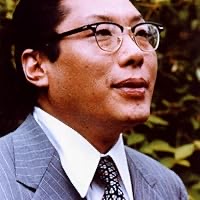
About Chögyam Trungpa
We have collected 54 quotes from 2 books by Chögyam Trungpa on BookQuoters.
More about the author →More by Chögyam Trungpa
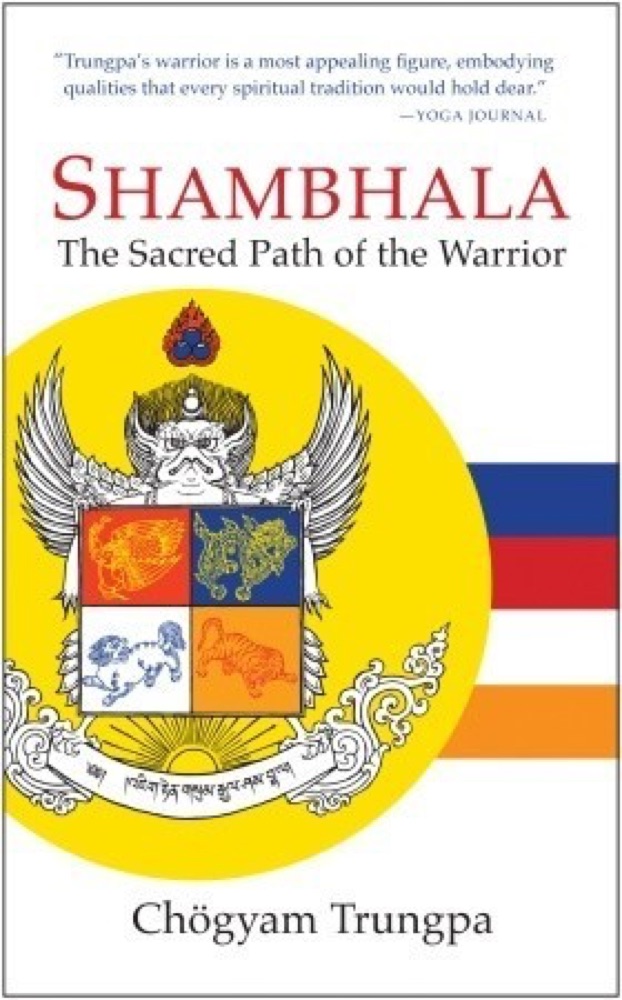
Shambhala: The Sacred Path of the Warrior
About the book
In this modern spiritual classic, the Tibetan meditation master Chögyam Trungpa highlights the commonest pitfall to which every aspirant on the spiritual path falls prey: what he calls spiritual materialism. The universal tendency, he shows, is to see spirituality as a process of self-improvement—the impulse to develop and refine the ego when the ego is, by nature, essentially empty. "The problem is that ego can convert anything to its own use," he said, "even spirituality." His incisive, compassionate teachings serve to wake us up from this trick we all play on ourselves, and to offer us a far brighter reality: the true and joyous liberation that inevitably involves letting go of the self rather than working to improve it. It is a message that has resonated with students for nearly thirty years, and remains fresh as ever today. This new edition includes a foreword by Chögyam Trungpa's s
Book details
- First published
- 1973
- Author
- Chögyam Trungpa
- Genre
- Nonfiction
- Goodreads rating
- 4.22 (9k ratings)
Keep reading
 The Wisdom of No Escape: How to Love Yourself and Your World
 Everyday Zen: Love & Work
 The Book of Secrets
 Advice Not Given: A Guide to Getting Over Yourself
 My Spiritual Journey: Personal Reflections, Teachings, and Talks
 In Love with the World: A Monk's Journey Through the Bardos of Living and Dying
 Buddhism Plain & Simple: The Practice of Being Aware, Right Now, Every Day
 The Tibetan Book of Living and Dying
 The Places That Scare You: A Guide to Fearlessness in Difficult Times
 Against the Stream: A Buddhist Manual for Spiritual Revolutionaries
 The Book of Wisdom
 Total Freedom: The Essential Krishnamurti
 Awakening the Buddha Within
 The Book: On the Taboo Against Knowing Who You Are
 Waking Up: A Guide to Spirituality Without Religion
 The Wise Heart: A Guide to the Universal Teachings of Buddhist Psychology
 Comfortable with Uncertainty: 108 Teachings on Cultivating Fearlessness and Compassion
 The Buddha Walks into a Bar . . .: A Guide to Life for a New Generation
 The Yoga Sutras of Patanjali
 Thoughts Without A Thinker: Psychotherapy From A Buddhist Perspective
 Going to Pieces without Falling Apart: A Buddhist Perspective on Wholeness
 Finding Meaning in the Second Half of Life: How to Finally, Really Grow Up
 Kitchen Table Wisdom: Stories that Heal
 The Way of Zen
 The Book of Secrets: Unlocking the Hidden Dimensions of Your Life
 Myths to Live By
 How to Know Higher Worlds: A Modern Path of Initiation
 Eastern Body, Western Mind: Psychology and the Chakra System as a Path to the Self
 Tibetan Book of the Dead
 Seth Speaks: The Eternal Validity of the Soul
 The Joy of Living: Unlocking the Secret and Science of Happiness
 Striking Thoughts: Bruce Lee's Wisdom for Daily Living
 The Perennial Philosophy
 The Yoga Sutras of Pantanjali
 The Art of Power
Shambhala: The Sacred Path of the Warrior
The Art of Power
Shambhala: The Sacred Path of the Warrior
 Freedom from the Known
 True Refuge: Finding Peace and Freedom in Your Own Awakened Heart
 Ego and Archetype: Individuation and the Religious Function of the Psyche
 Meditation
 The Varieties of Religious Experience
 Zen and the Art of Saving the Planet
 The Art of Being
 Nothing Special: A Zen Buddhist Guide to Awakening Through Daily Life's Feelings, Relationships, and Work
 The Heart of the Buddha's Teaching: Transforming Suffering into Peace, Joy, and Liberation
 Letting Go of the Person You Used to Be: Lessons on Change, Loss, and Spiritual Transformation
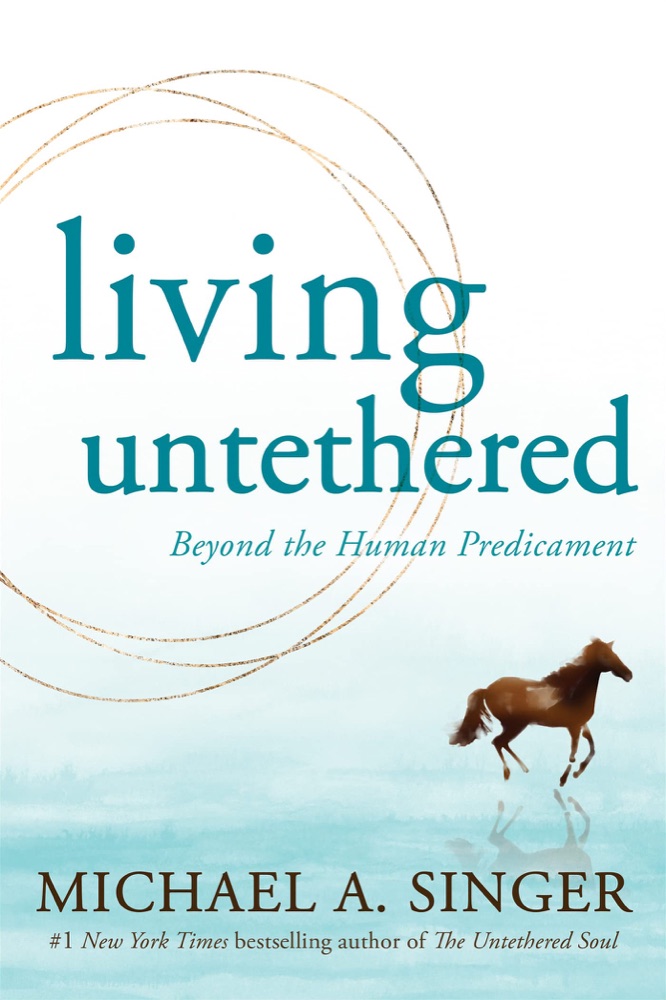 Living Untethered: Beyond the Human Predicament
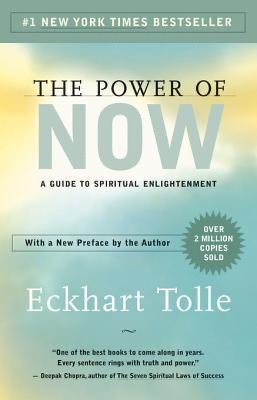 The Power of Now: A Guide to Spiritual Enlightenment
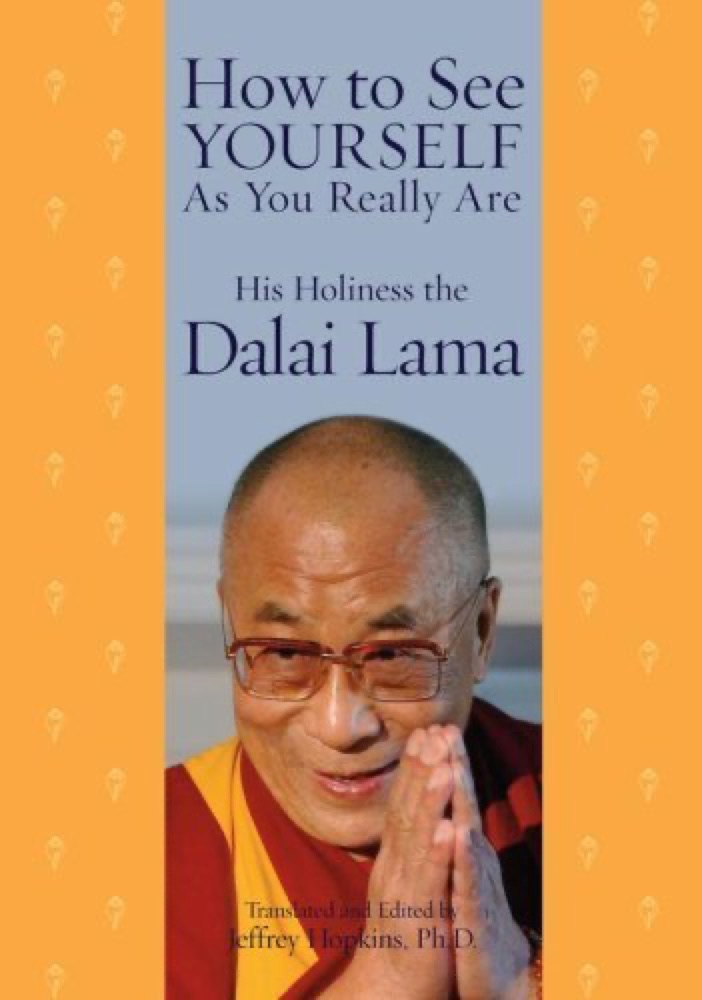 How to See Yourself As You Really Are
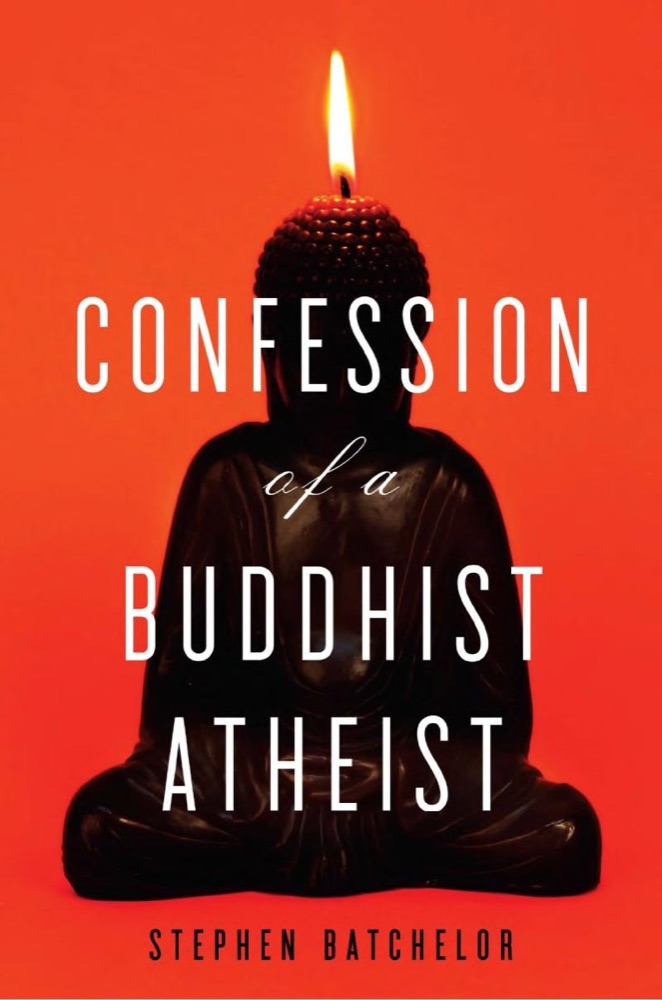 Confession of a Buddhist Atheist
 The Shift: Taking Your Life from Ambition to Meaning
 The Convoluted Universe, Book 1
 Happiness: A Guide to Developing Life's Most Important Skill
 A Return to Love: Reflections on the Principles of "A Course in Miracles"
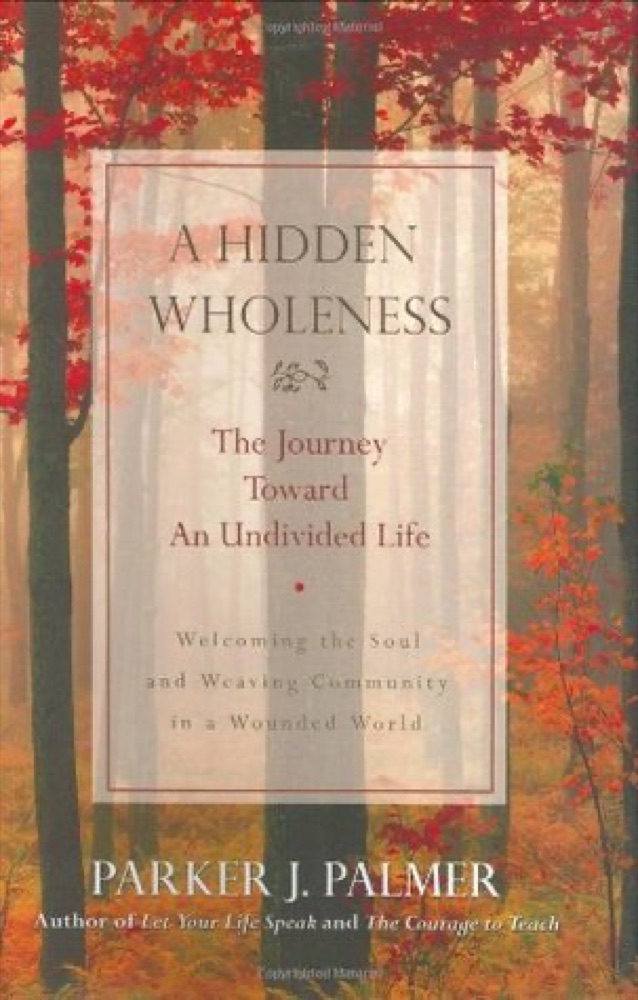 A Hidden Wholeness: The Journey Toward an Undivided Life : Welcoming the soul and weaving community in a wounded world
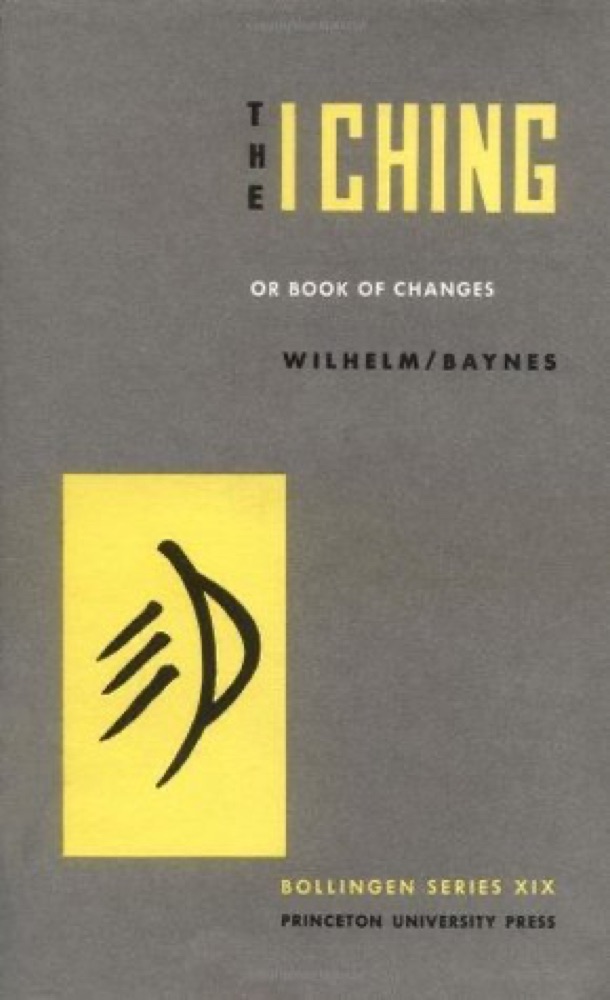 The I Ching or Book of Changes
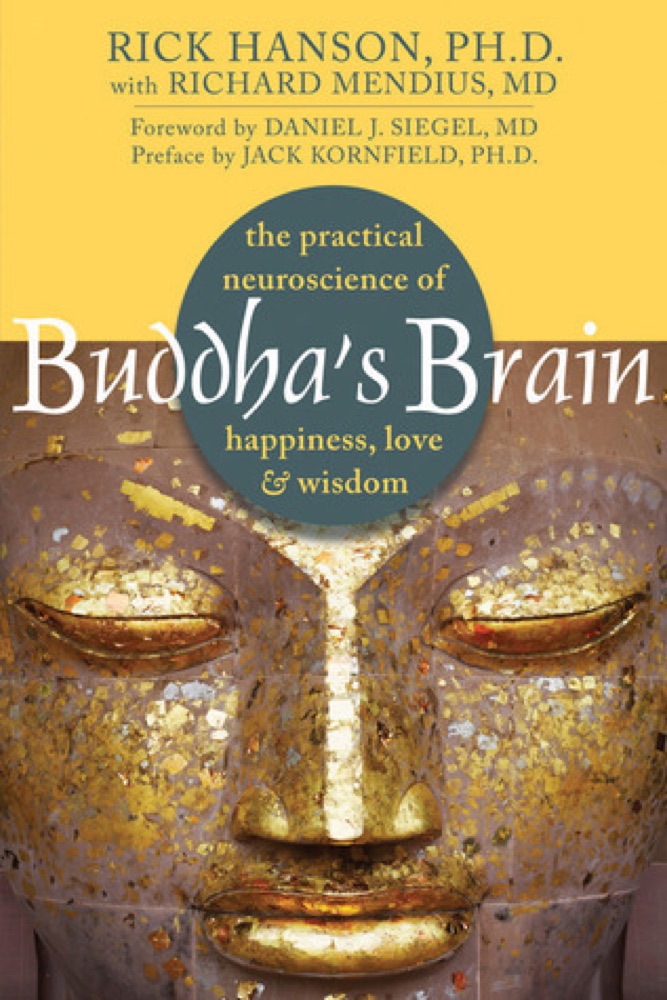 Buddha's Brain: The Practical Neuroscience of Happiness, Love, and Wisdom