

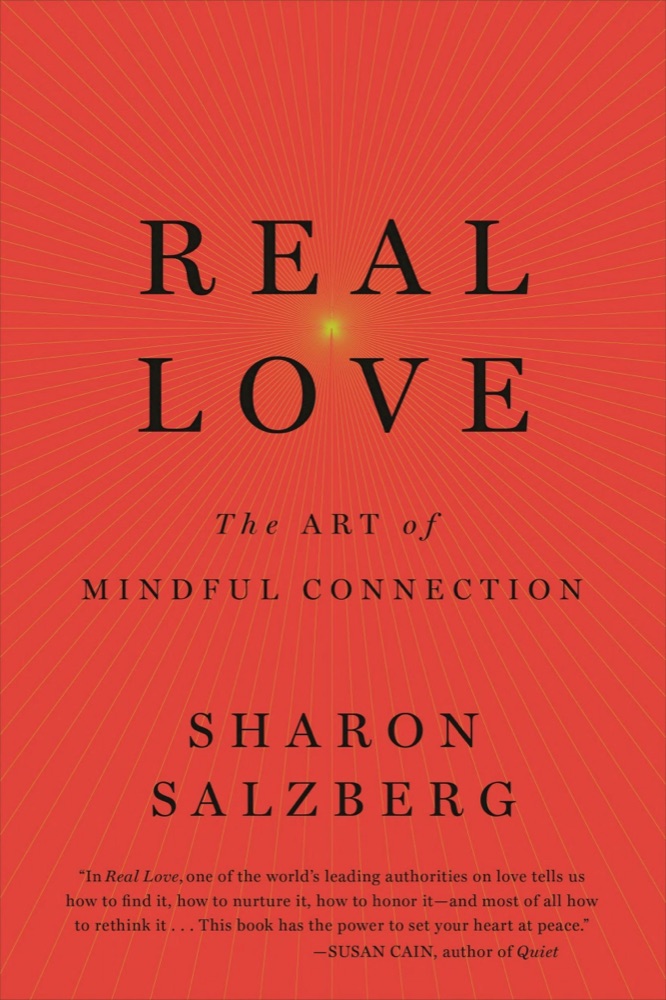
 Real Love: The Art of Mindful Connection
Quotes from the Book
Sometimes we think that to develop an open heart, to be truly loving and compassionate, means that we need to be passive, to allow others to abuse us, to smile and let anyone do what they want with us. Yet this is not what is meant by compassion. Quite the contrary. Compassion is not at all weak. It is the strength that arises out of seeing the true nature of suffering in the world. Compassion allows us to bear witness to that suffering, whether it is in ourselves or others, without fear; it allows us to name injustice without hesitation, and to act strongly, with all the skill at our disposal. To develop this mind state of compassion...is to learn to live, as the Buddha put it, with sympathy for all living beings, without exception.
114
The difference between misery and happiness depends on what we do with our attention.
56
Metta is the ability to embrace all parts of ourselves, as well as all parts of the world. Practicing metta illuminates our inner integrity because it relieves us of the need to deny different aspects of ourselves. We can open to everything with the healing force of love. When we feel love, our mind is expansive and open enough to include the entirety of life in full awareness, both its pleasures and its pains, we feel neither betrayed by pain or overcome by it, and thus we can contact that which is undamaged within us regardless of the situation. Metta sees truly that our integrity is inviolate, no matter what our life situation may be.
46
All beings want to be happy, yet so very few know how. It is out of ignorance that any of us cause suffering, for ourselves or for others
38
For all of us, love can be the natural state of our own being; naturally at peace, naturally connected, because this becomes the reflection of who we simply are.
24
To reteach a thing its loveliness is the nature of metta. Through lovingkindness, everyone & everything can flower again from within.
23
Metta sees truly that our integrity is inviolate, no matter what our life situation may be. We do not need to fear anything. We are whole: our deepest happiness is intrinsic to the nature of our minds, and it is not damaged through uncertainty and change.
12
By practicing meditation we establish love, compassion, sympathetic joy & equanimity as our home.
11
Seeking is endless. It never comes to a state of rest; it never ceases.
10
Like water poured from one vessel to another, metta flows freely, taking the shape of each situation without changing its essence.
9
Buddha first taught metta meditation as an antidote: as a way of surmounting terrible fear when it arises.
9
Can you revise your perceptions to see the world in terms of suffering and the end of suffering, instead of good and bad? To see the world in terms of suffering and the end of suffering is Buddha-mind, and will lead us away from righteousness and anger. Get in touch with your own Buddha-mind, and you will uncover a healing force of compassion.
8
To relinquish the futile effort to control change is one of the strengthening forces of true detachment & thus true love.
8
The foundation of metta practice is to know how to be our own friend. According to the Buddha, “You can search throughout the entire universe for someone who is more deserving of your love and affection than you are yourself, and that person is not to be found anywhere. You yourself, as much as anybody in the entire universe, deserve your love and affection.
7
The intentions or motives that underlie all of our words and actions plant seeds. Certain kinds of intentions will inevitably bear fruits of the same type. This also is an infallible law of nature. Wholesome intentions- like lovingkindness, compassion, honesty, and respect for the lives and property of others- if they manifest in action will sooner or later bear us the fruits of happiness. Unwholesome intentions - like hatred, cruelty, duplicity - will bear us the fruits of suffering if we express them in words or deeds. No action is without consequences.
6
The fulfillment we have in owning, in desiring, is temporary and illusory, because there is nothing at all we can have that we will not lose eventually. And so there is always fear.
6
Desire- grasping, clinging, greed, attachment - is a state of mind that defines what we think we need in order to be happy. We project all of our hopes and dreams of fulfillment onto some object of our attention. This may be a certain activity or outcome, a particular thing or person. Deluded by our temporary enchantment, we view the world with tunnel vision. That object, and that alone, will make us happy.
6
For a true spiritual transformation to flourish, we must see beyond this tendency to mental self-flagellation. Spirituality based on self-hatred can never sustain itself. Generosity coming from self-hatred becomes martyrdom. Morality born of self-hatred becomes rigid repression. Love for others without the foundation of love for ourselves becomes a loss of boundaries, codependency, and a painful and fruitless search for intimacy. But when we contact, through meditation, our true nature, we can allow others to also find theirs.
6
These four qualities are among the most beautiful and powerful states of consciousness we can experience. Together they are called in Pali, the language spoken by the Buddha, the brahma-viharas. Brahma means “heavenly.” Vihara means “abode” or “home.” By practicing these meditations, we establish love (Pali, metta), compassion (karuna), sympathetic joy (mudita), and equanimity (upekkha) as our home.
6
Love exists in itself, not relying on owning or being owned.
6
We can understand the inherent radiance & purity of our minds by understanding metta. Like the mind, metta is not distorted by what it encounters.
6
With attachment all that seems to exist is just me & that object I desire.
6
There is no reason for a feeling of separation from anything or anyone, because we have been it all and done it all. How then can we feel self-righteous or removed from anyone or any action? Ther is no spot on this earth where we have not laughed, cried, been born and died. So in some sense, every single place we go is home. Everyone we meet we know. Everything that is done we are capable of.
5
The Buddha actually described at some length what he meant by being a good friend in the world. He talked about a good friend as someone who is constant in our times of happiness and also in our times of adversity or unhappiness. A friend will not forsake us when we are in trouble nor rejoice in our misfortune. The Buddha described a true friend as being a helper, someone who will protect us when we are unable to take care of ourselves, who will be a refuge to us when we are afraid.
5
The man felt that she had not been a very good mother and was not a good person. At one point, Nisargadatta advised him to love his mother. The man replied, “She wouldn’t let me.” Nisargadatta responded, “She couldn’t stop you.” No external condition can prevent love; no one and no thing can stop it. The awakening of love is not bound up in things being a certain way. Metta, like the true nature of the mind, is not dependent; it is not conditioned.
5
The path to true happiness is one of integrating and fully accepting all aspects of our experience. This integration is represented in the Taoist symbol of yin/yang, a circle which is half dark and half light. In the midst of the dark area is a spot of light, and in the midst of the light area is a spot of darkness. Even in the depths of darkness, the light is implicit. Even in the heart of light, the dark is understood, acknowledged, and absorbed. If things are not going well for us in life and we are suffering, we are not defeated by the pain or closed off to the light. If things are going well and we are happy, we are not defensively trying to deny the possibility of suffering. This unity, this integration, comes from deeply accepting darkness and light, and therefore being able to be in both simultaneously.
5
This vision is always available to us; it doesn’t matter how long we may have been stuck in a sense of our limitations. If we go into a darkened room and turn on the light, it doesn’t matter if the room has been dark for a day, or a week, or ten thousand years—we turn on the light and it is illumined. Once we contact our capacity for love and happiness—the good—the light has been turned on. Practicing the brahma-viharas is a way of turning on the light and then tending it. It is a process of deep spiritual transformation.
5
The Dalai Lama has said: “My religion is kindness.” If we all adopted such a stance and embodied it in thought and action, inner and outer peace would be immediate, for in reality they are never not present, only obscured, waiting to be discovered. This is the work and the power of lovingkindness, the embrace that allows no separation between self, others, and events—the affirmation and honoring of a core goodness in others and in oneself.
5
Having' something makes us think we can control it.
4
When we have insight into our inner world and what brings us happiness, then wordlessly, intuitively, we understand others. As though there were no longer a barrier defining the boundaries of our caring, we can feel close to others’ experience of life. We see that when we are angry, there is an element of pain in the anger that is not different from the pain that others feel when they are angry. When we feel love, there is a distinct and special joy in that feeling. We come to know that this is the nature of love itself, and that other beings filled with love experience this same joy.
4
Watch on YouTube
About Sharon Salzberg
We have collected 88 quotes from 3 books by Sharon Salzberg on BookQuoters.
More about the author →More by Sharon Salzberg
Real Love: The Art of Mindful Connection
 Real Happiness: A 28-Day Program to Realize the Power of Meditation
About the book
Throughout our lives we long to love ourselves more deeply and find a greater sense of connection with others. Our fear of intimacy—both with others and with ourselves—creates feelings of pain and longing. But these feelings can also awaken in us the desire for freedom and the willingness to take up the spiritual path.
In this inspiring book, Sharon Salzberg, one of America's leading spiritual teachers, shows us how the Buddhist path of lovingkindness ( metta in Pali), can help us discover the radiant, joyful heart within each of us. This practice of lovingkindness is revolutionary because it has the power to radically change our lives, helping us create true happiness in ourselves and genuine compassion for others. The Buddha described the nature of such a spiritual path as "the liberation of the heart, which is love." The author draws on simple Buddhist teachings, wisdom stories from
Book details
- First published
- 1995
- Author
- Sharon Salzberg
- Genre
- Nonfiction
- Goodreads rating
- 4.21 (8k ratings)
Keep reading
 True Love: A Practice for Awakening the Heart
 How to Be an Adult in Relationships: The Five Keys to Mindful Loving
 The Wise Heart: A Guide to the Universal Teachings of Buddhist Psychology
 Comfortable with Uncertainty: 108 Teachings on Cultivating Fearlessness and Compassion
 How to Love
 My Spiritual Journey: Personal Reflections, Teachings, and Talks
 Awakening the Buddha Within
 The Book of Joy: Lasting Happiness in a Changing World
 Reconciliation: Healing the Inner Child
 The Places That Scare You: A Guide to Fearlessness in Difficult Times
 Love, Freedom, and Aloneness: The Koan of Relationships
 Against the Stream: A Buddhist Manual for Spiritual Revolutionaries
 The Wisdom of No Escape: How to Love Yourself and Your World
 Happiness: A Guide to Developing Life's Most Important Skill
 How to Practice: The Way to a Meaningful Life
 A Return to Love: Reflections on the Principles of "A Course in Miracles"
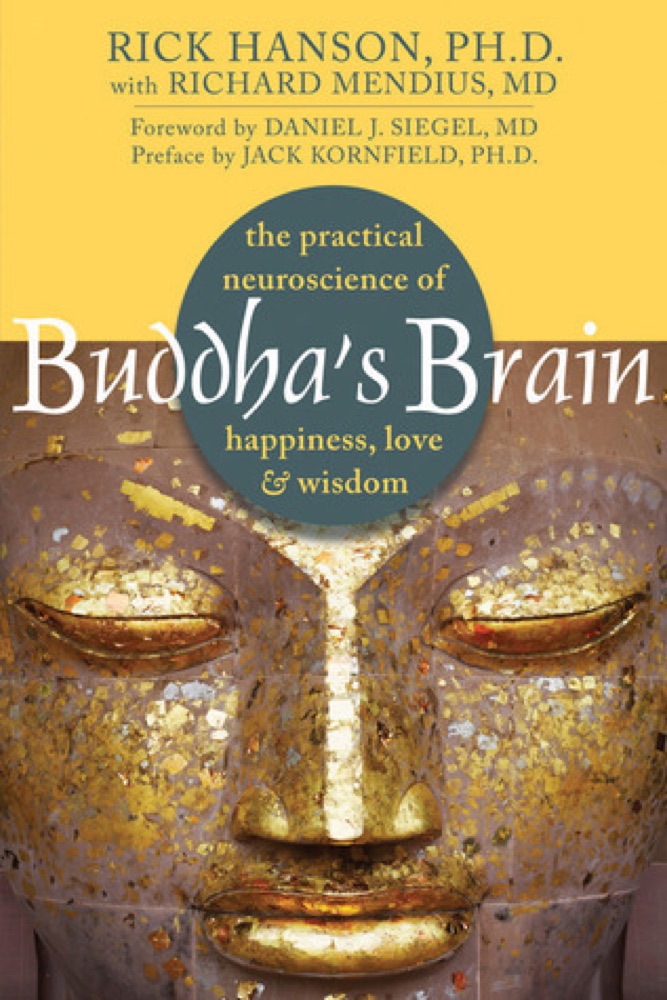 Buddha's Brain: The Practical Neuroscience of Happiness, Love, and Wisdom
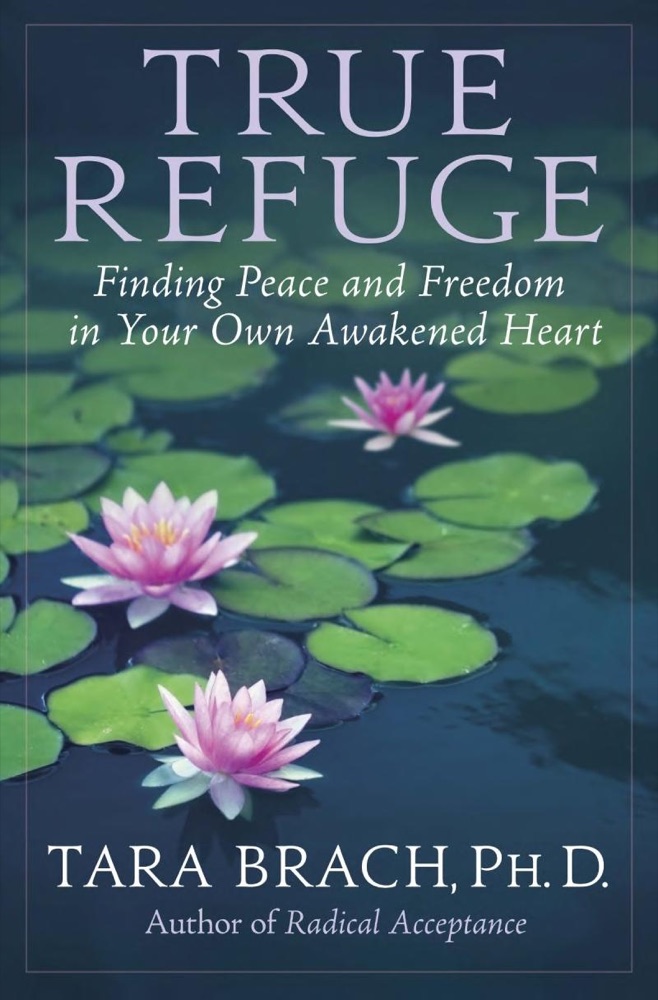 True Refuge: Finding Peace and Freedom in Your Own Awakened Heart
 The Dalai Lama's Cat and the Power of Meow
 Everyday Zen: Love & Work
 The Yoga Sutras of Patanjali
 The Way to Love: The Last Meditations of Anthony de Mello
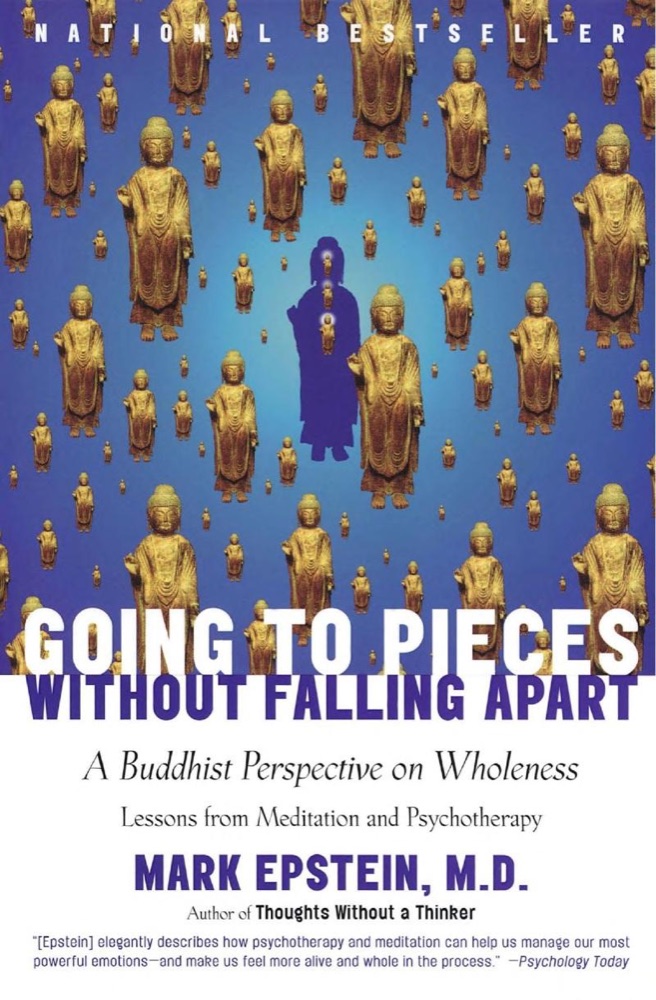 Going to Pieces without Falling Apart: A Buddhist Perspective on Wholeness
 Anam Cara: A Book of Celtic Wisdom
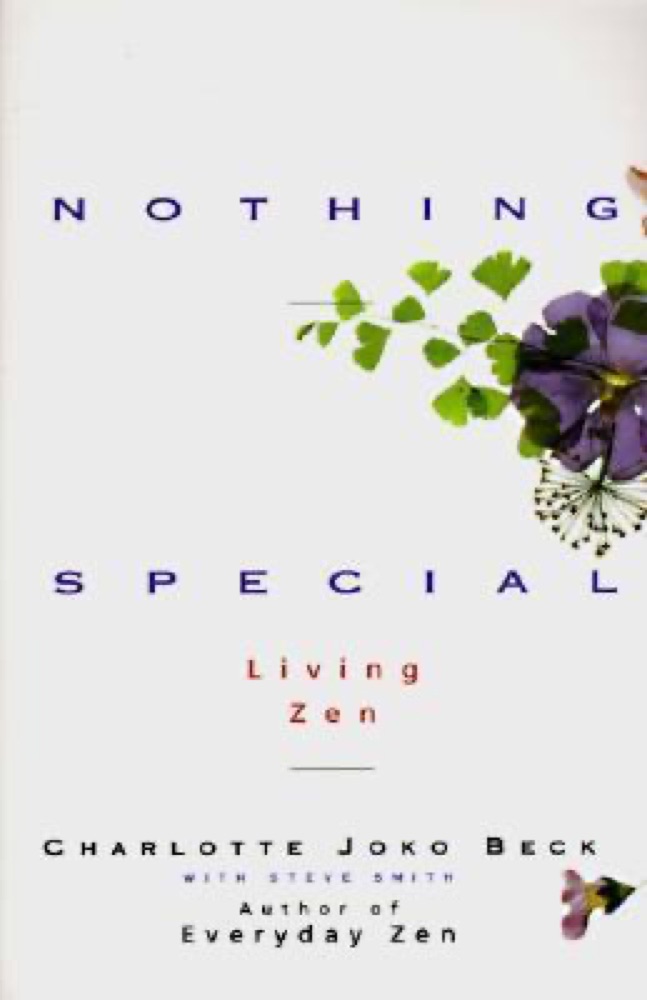 Nothing Special: A Zen Buddhist Guide to Awakening Through Daily Life's Feelings, Relationships, and Work
 If the Buddha Dated: A Handbook for Finding Love on a Spiritual Path
 Radical Acceptance: Embracing Your Life With the Heart of a Buddha
 In Love with the World: A Monk's Journey Through the Bardos of Living and Dying
 The Joy of Living: Unlocking the Secret and Science of Happiness
 The Book of Secrets: Unlocking the Hidden Dimensions of Your Life
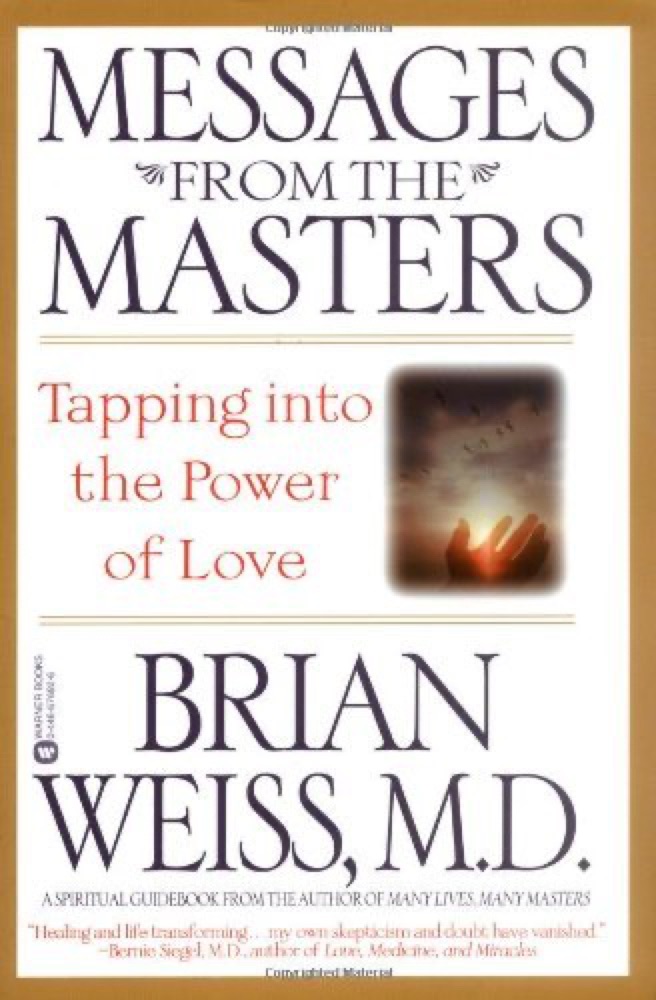 Messages from the Masters: Tapping into the Power of Love
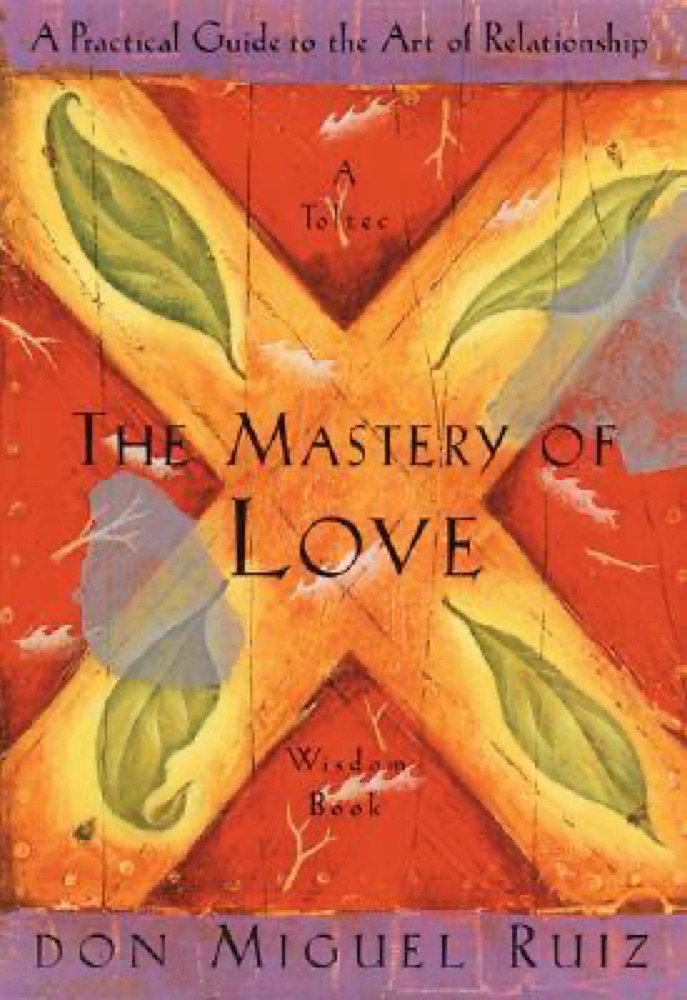 The Mastery of Love: A Practical Guide to the Art of Relationship: A Toltec Wisdom Book
 The Way of the Bodhisattva
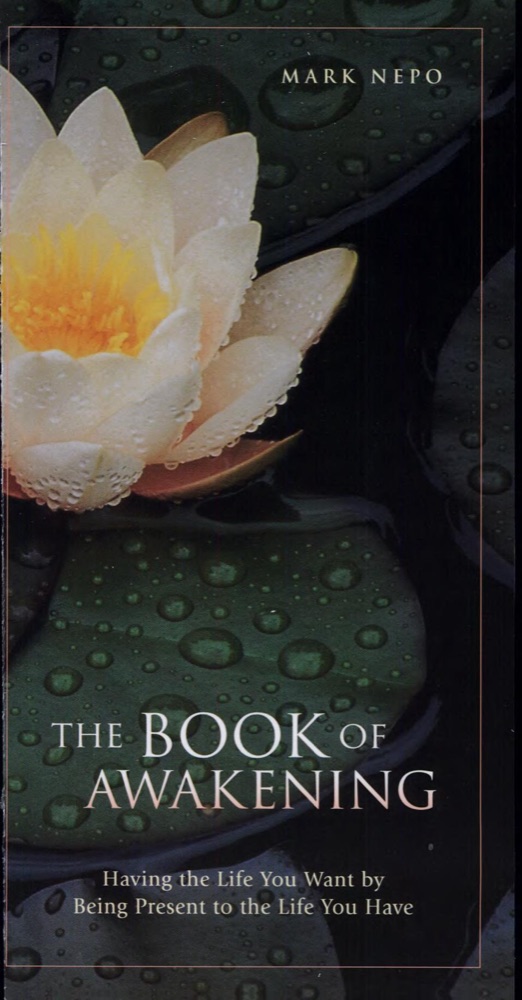 The Book of Awakening: Having the Life You Want by Being Present to the Life You Have
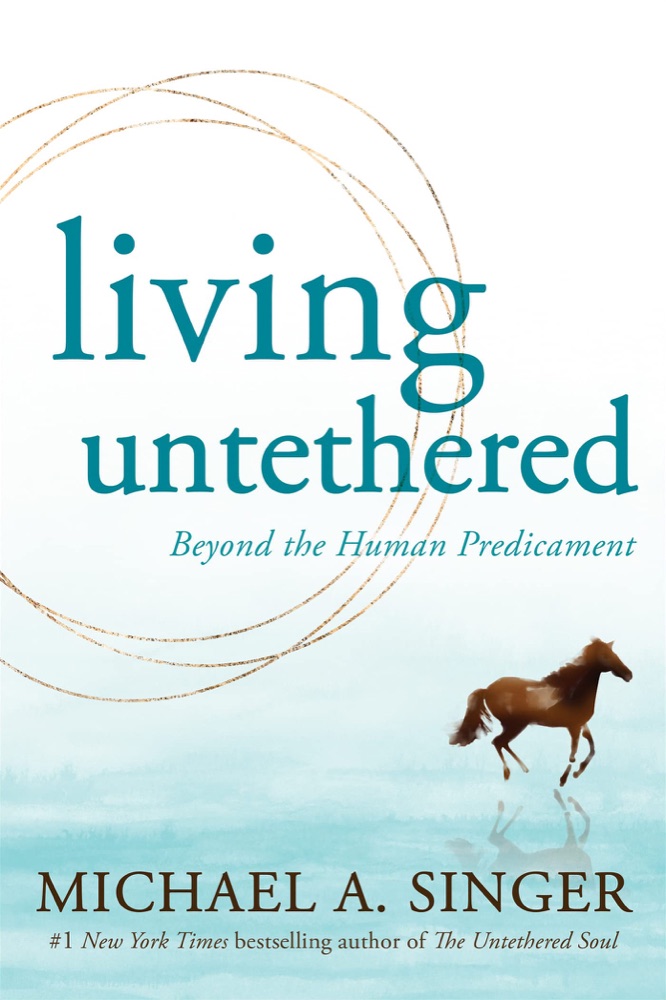 Living Untethered: Beyond the Human Predicament
 The Tibetan Book of Living and Dying
 The Journey Home
 Meditation for Beginners
 The Buddha Walks into a Bar . . .: A Guide to Life for a New Generation
 The Things You Can See Only When You Slow Down: How to Be Calm in a Busy World
 Nonviolence: The Transforming Power
 Advice Not Given: A Guide to Getting Over Yourself
 Love Is Letting Go of Fear
 The Yoga Sutras of Pantanjali
 Becoming Wise: An Inquiry into the Mystery and Art of Living
 Kitchen Table Wisdom: Stories that Heal
Real Love: The Art of Mindful Connection
Kitchen Table Wisdom: Stories that Heal
Real Love: The Art of Mindful Connection
 Full Catastrophe Living: Using the Wisdom of Your Body and Mind to Face Stress, Pain, and Illness
 The Art of Loving
 Awakening Inner Guru
 See No Stranger: A Memoir and Manifesto of Revolutionary Love
 Cutting Through Spiritual Materialism
 Letting Go of the Person You Used to Be: Lessons on Change, Loss, and Spiritual Transformation
 The Five Things We Cannot Change: And the Happiness We Find by Embracing Them
 The Gifts of Imperfection
 Shambhala: The Sacred Path of the Warrior
 Practicing the Power of Now: Essential Teachings, Meditations, and Exercises from the Power of Now
 The Upanishads
 Eastern Body, Western Mind: Psychology and the Chakra System as a Path to the Self