
 Kitchen Table Wisdom: Stories that Heal
Quotes from the Book
We waste so much energy trying to cover up who we are when beneath every attitude is the want to be loved, and beneath every anger is a wound to be healed and beneath every sadness is the fear that there will not be enough time. When we hesitate in being direct, we unknowingly slip something on, some added layer of protection that keeps us from feeling the world, and often that thin covering is the beginning of a loneliness which, if not put down, diminishes our chances of joy. It’s like wearing gloves every time we touch something, and then, forgetting we chose to put them on, we complain that nothing feels quite real. Our challenge each day is not to get dressed to face the world but to unglove ourselves so that the doorknob feels cold and the car handle feels wet and the kiss goodbye feels like the lips of another being, soft and unrepeatable.
277
…there are no wrong turns, only unexpected paths.
126
If peace comes from seeing the whole, then misery stems from a loss of perspective. We begin so aware and grateful. The sun somehow hangs there in the sky. The little bird sings. The miracle of life just happens. Then we stub our toe, and in that moment of pain, the whole world is reduced to our poor little toe. Now, for a day or two, it is difficult to walk. With every step, we are reminded of our poor little toe. Our vigilance becomes: Which defines our day—the pinch we feel in walking on a bruised toe, or the miracle still happening? It is the giving over to smallness that opens us to misery. In truth, we begin taking nothing for granted, grateful that we have enough to eat, that we are well enough to eat. But somehow, through the living of our days, our focus narrows like a camera that shutters down, cropping out the horizon, and one day we’re miffed at a diner because the eggs are runny or the hash isn’t seasoned just the way we like. When we narrow our focus, the problem seems everything. We forget when we were lonely, dreaming of a partner. We forget first beholding the beauty of another. We forget the comfort of first being seen and held and heard. When our view shuts down, we’re up in the night annoyed by the way our lover pulls the covers or leaves the dishes in the sink without soaking them first. In actuality, misery is a moment of suffering allowed to become everything. So, when feeling miserable, we must look wider than what hurts. When feeling a splinter, we must, while trying to remove it, remember there is a body that is not splinter, and a spirit that is not splinter, and a world that is not splinter.
111
The further I wake into this life, the more I realize that God is everywhere and the extraordinary is waiting quietly beneath the skin of all that is ordinary. Light is in both the broken bottle and the diamond, and music is in both the flowing violin and the water dripping from the drainage pipe. Yes, God is under the porch as well as on top of the mountain, and joy is in both the front row and the bleachers, if we are willing to be where we are.
109
Those who truly love us will never knowingly ask us to be other than we are
93
Whatever truth we feel compelled to withhold, no matter how unthinkable it is to imagine ourselves telling it, not to is a way of spiritually holding our breath. You can only do it for so long.
67
Light is in both the broken bottle and the diamond.
51
The glassblower knows: while in the heat of beginning, any shape is possible. Once hardened, the only way to change is to break.
46
Just as life is made up of day and night, and song is made up of music and silence, friendships, because they are of this world, are also made up of times of being in touch and spaces in-between. Being human, we sometimes fill these spaces with worry, or we imagine the silence is some form of punishment, or we internalize the time we are not in touch with a loved one as some unexpressed change of heart. Our minds work very hard to make something out of nothing. We can perceive silence as rejection in an instant, and then build a cold castle on that tiny imagined brick. The only release from the tensions we weave around nothing is to remain a creature of the heart. By giving voice to the river of feelings as they flow through and through, we can stay clear and open. In daily terms, we call this checking in with each other, though most of us reduce this to a grocery list: How are you today? Do you need any milk? Eggs? Juice? Toilet paper? Though we can help each other survive with such outer kindnesses, we help each other thrive when the checking in with each other comes from a list of inner kindnesses: How are you today? Do you need any affirmation? Clarity? Support? Understanding? When we ask these deeper questions directly, we wipe the mind clean of its misperceptions. Just as we must dust our belongings from time to time, we must wipe away what covers us when we are apart.
44
we think that accomplishing things will complete us, when it is experiencing life that will.
39
Anything or anyone that asks you to be other than yourself is not holy, but is trying only to fill its own need.
36
Sometimes the simplest and best use of our will is to drop it all and just walk out from under everything that is covering us, even if only for an hour or so—just walk out from under the webs we've spun, the tasks we've assumed, the problems we have to solve. They'll be there when we get back, and maybe some of them will fall apart without our worry to hold them up.
35
But compassion is a deeper thing that waits beyond the tension of choosing sides. Compassion, in practice, does not require us to give up the truth of what we feel or the truth of our reality. Nor does it allow us to minimize the humanity of those who hurt us. Rather, we are asked to know ourselves enough that we can stay open to the truth of others, even when their truth or their inability to live up to their truth has hurt us.
31
life is always where we are.
30
For though we stubbornly cling, believing in our moment of hunger that there is no other possibility of love, we only have to let go of what we want so badly and our life will unfold. For love is everywhere.
30
The pain of life is pure salt; no more, no less. The amount of pain in life remains the same, exactly the same. But the amount of bitterness we taste depends on the container we put the pain in. So when you are in pain, the only thing you can do is to enlarge your sense of things.... Stop being a glass. Become a lake.
25
My friends are the beings through whom God loves me.
22
Burying and Planting The culmination of one love, one dream, one self, is the anonymous seed of the next. There is very little difference between burying and planting. For often, we need to put dead things to rest, so that new life can grow. And further, the thing put to rest—whether it be a loved one, a dream, or a false way of seeing—becomes the fertilizer for the life about to form. As the well-used thing joins with the earth, the old love fertilizes the new; the broken dream fertilizes the dream yet conceived; the painful way of being that strapped us to the world fertilizes the freer inner stance about to unfold. This is very helpful when considering the many forms of self we inhabit over a lifetime. One self carries us to the extent of its usefulness and dies. We are then forced to put that once beloved skin to rest, to join it with the ground of spirit from which it came, so it may fertilize the next skin of self that will carry us into tomorrow. There is always grief for what is lost and always surprise at what is to be born. But much of our pain in living comes from wearing a dead and useless skin, refusing to put it to rest, or from burying such things with the intent of hiding them rather than relinquishing them. For every new way of being, there is a failed attempt mulching beneath the tongue. For every sprig that breaks surface, there is an old stick stirring underground. For every moment of joy sprouting, there is a new moment of struggle taking root. We live, embrace, and put to rest our dearest things, including how we see ourselves, so we can resurrect our lives anew.
22
Even if one glimpses God, there are cuts and splinters and burns along the way.
22
Every crack is also an opening. When in the midst of great change, it is helpful to remember how a chick is born. From the view of the chick, it is a terrifying struggle. Confined and curled in a dark shell, half-formed, the chick eats all its food and stretches to the contours of its shell. It begins to feel hungry and cramped. Eventually, the chick begins to starve and feels suffocated by the ever-shrinking space of its world. Finally, its own growth begins to crack the shell, and the world as the chick knows it is coming to an end. Its sky is falling. As the chick wriggles through the cracks, it begins to eat its shell. In that moment—growing but fragile, starving and cramped, its world breaking—the chick must feel like it is dying. Yet once everything it has relied on falls away, the chick is born. It doesn't die, but falls into the world.
21
Often we find it easier to think our way around things rather than to feel our way through them:
20
The only response to adversity or misunderstanding is to be more completely who we are—to share ourselves more.
20
We often move away from pain, which is helpful only before being hurt. Once in pain, it seems the only way out is through. Like someone falling off a boat, struggling to stay above the water only makes things worse. We must accept we are there and settle enough so we can be carried by the deep. The willingness to do this is the genesis of faith, the giving over to currents larger than us. Even fallen leaves float in lakes, demonstrating how surrender can hold us up.
20
The hard things break. The soft things bend. The stubborn ones batter themselves against all that is immovable. The flexible adapt to what is before them. Of course, we are all hard and soft, stubborn and flexible, and so we all break until we learn to bend and are battered until we accept what is before us. This brings to mind the Sumerian tale of Gilgamesh, the stubborn, hard king who sought to ask the Immortal One the secret of life. He was told that there would be stones on his path to guide him. But in his urgency and pride, Gilgamesh was annoyed to find his path blocked, and so smashed the very stones that would help him. In his blindness of heart, he broke everything he needed to discover his way. With the same confusion, we too break what we need, push away those we love, and isolate ourselves when we need to be held most. There have been many times in my life when I have been too proud to ask for help or too afraid to ask to be held, and in the frenzy of my own isolation, like Gilgamesh, I have smashed the window I was trying to open, have split the bench I was trying to hammer, and have made matters worse by bruising the one I meant to be tender with. The live bough bends. The dead twig snaps. We are humbled to soften from our griefs, or else, in brittle time, become the next thing grieved.
15
What it really comes down to is the clearness of heart to stop defining who I am by those who have hurt me and to take up the risk to love myself, to validate my own existence, pain and all, from the center out.
14
Being a Pilgrim To journey without being changed is to be a nomad. To change without journeying is to be a chameleon. To journey and to be transformed by the journey is to be a pilgrim. We all start out as pilgrims, wanting to journey and hoping to be transformed by the journey. But, just as it is impossible when listening to an orchestra to hear the whole of the symphony for very long before we are drawn to hear only the piano or the violin, in just this way, our attention to life slips and we experience people and places without being affected by their wholeness. And sometimes, feeling isolated and unsure, we change or hide what lives within in order to please or avoid others. The value of this insight is not to use it to judge or berate ourselves, but to help one another see that integrity is an unending process of letting our inner experience and our outer experience complete each other, in spite of our very human lapses. I understand these things so well, because I violate them so often. Yet I, as you, consider myself a pilgrim of the deepest kind, journeying beyond any one creed or tradition, into the compelling, recurring space in which we know the moment and are changed by it. Mysteriously, as elusive as it is, this moment—where the eye is what it sees, where the heart is what it feels—this moment shows us that what is real is sacred.
14
It takes six million grains of pollen to seed one peony, and salmon need a lifetime of swimming to find their way home, so we mustn't be alarmed or discouraged when it takes us years to find love or years to understand our calling in life. Everything in nature is given some form of resilience by which it can rehearse finding its way, so that, when it does, it is practiced and ready to seize its moment. This includes us. When things don't work out—when loves unexpectedly end or careers stop unfolding—it can be painful and sad, but refusing this larger picture keeps us from finding our resilience.
14
When we heal ourselves, we heal the world. For as the body is only as healthy as its individual cells, the world is only as healthy as its individual souls.
13
quiet pain that comes from not honoring what we know to be true, even if all we know to be true are the questions we are asking.
13
Memories are not images of loved ones returning to us. They are the spirits of loved ones visiting us.
10
Watch on YouTube
About Mark Nepo
We have collected 30 quotes from 1 book by Mark Nepo on BookQuoters.
More about the author →About the book
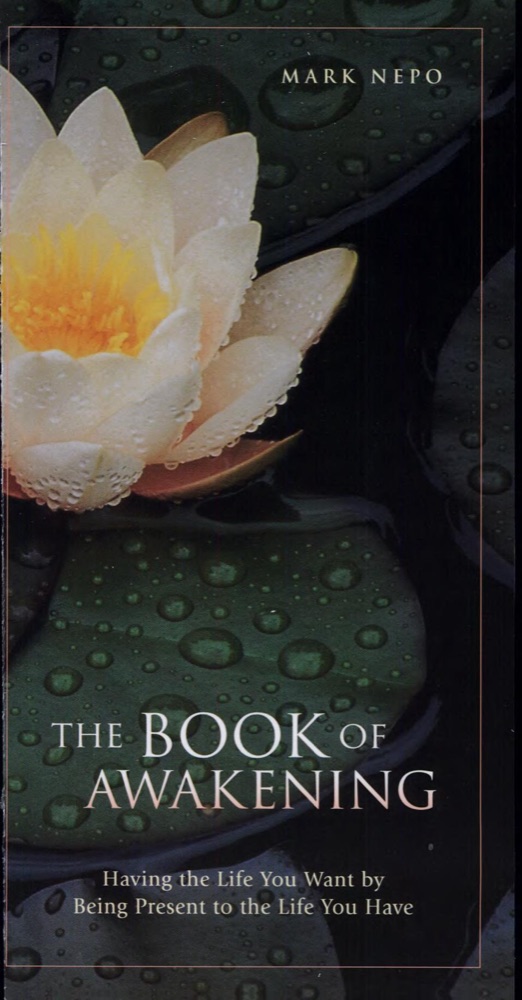
Philosopher-poet and cancer survivor, Mark Nepo opens a new season of freedom and joy--an escape from deadening, asleep-at-the wheel sameness--that is both profound and clarifying. His spiritual daybook is a summons to reclaim aliveness, liberate the self, take each day one at a time, and to savor the beauty offered by life's unfolding. Reading his poetic prose is like being given second sight, exposing the reader to life's multiple dimensions, each one drawn with awe and affection. The Book of Awakening is the result of his journey of the soul and will inspire others to embark on their own. Nepo speaks of spirit and friendship, urging readers to stay vital and in love with this life, no matter the hardships. Encompassing many traditions and voices, Nepo's words offer insight on pain, wonder, and love. Each entry is accompanied by an exercise that will surprise and delight the reader in
Book details
- First published
- 1999
- Author
- Mark Nepo
- Genre
- Nonfiction
- Goodreads rating
- 4.23 (11k ratings)
Keep reading
Kitchen Table Wisdom: Stories that Heal
 Like Streams to the Ocean: Notes on Ego, Love, and the Things That Make Us Who We Are
 Carry On, Warrior: Thoughts on Life Unarmed
 True Refuge: Finding Peace and Freedom in Your Own Awakened Heart
 Dusk, Night, Dawn: On Revival and Courage
 The Invitation
 A Return to Love: Reflections on the Principles of "A Course in Miracles"
 A Hidden Wholeness: The Journey Toward an Undivided Life : Welcoming the soul and weaving community in a wounded world
 Stitches: A Handbook on Meaning, Hope, and Repair
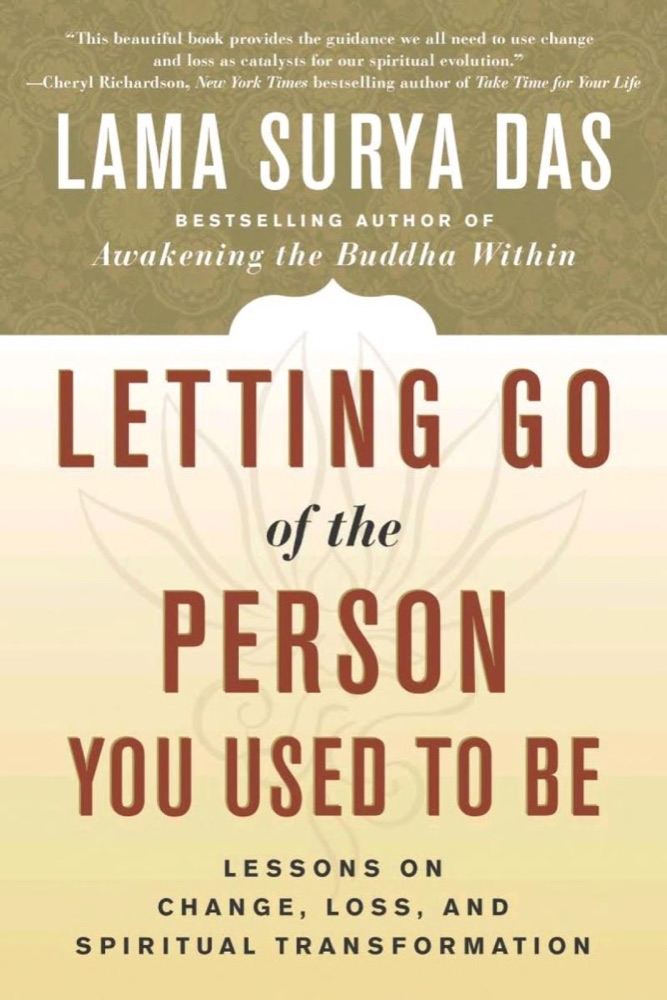 Letting Go of the Person You Used to Be: Lessons on Change, Loss, and Spiritual Transformation
 Let Your Life Speak: Listening for the Voice of Vocation
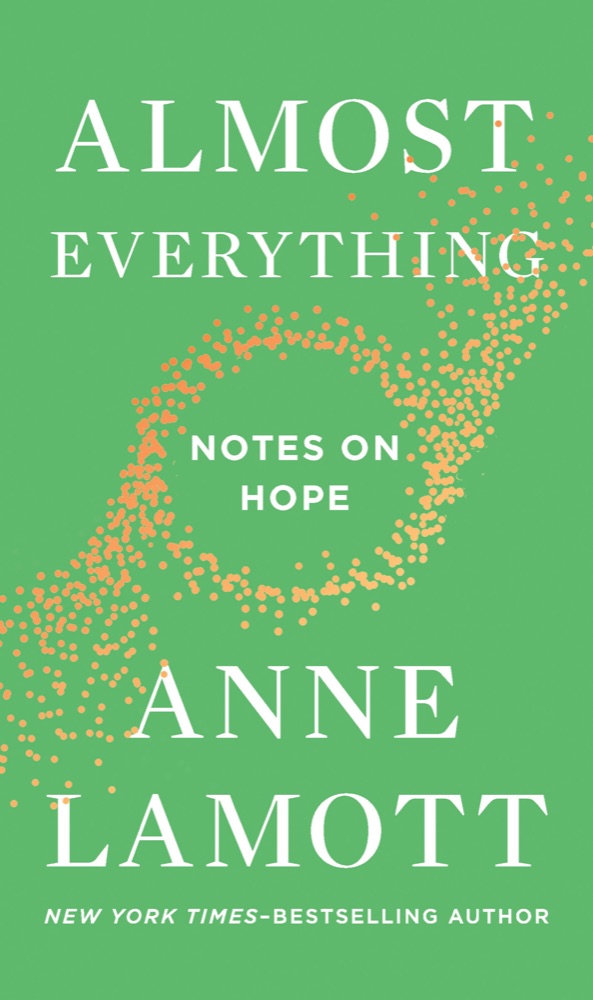 Almost Everything: Notes on Hope
 The Places That Scare You: A Guide to Fearlessness in Difficult Times
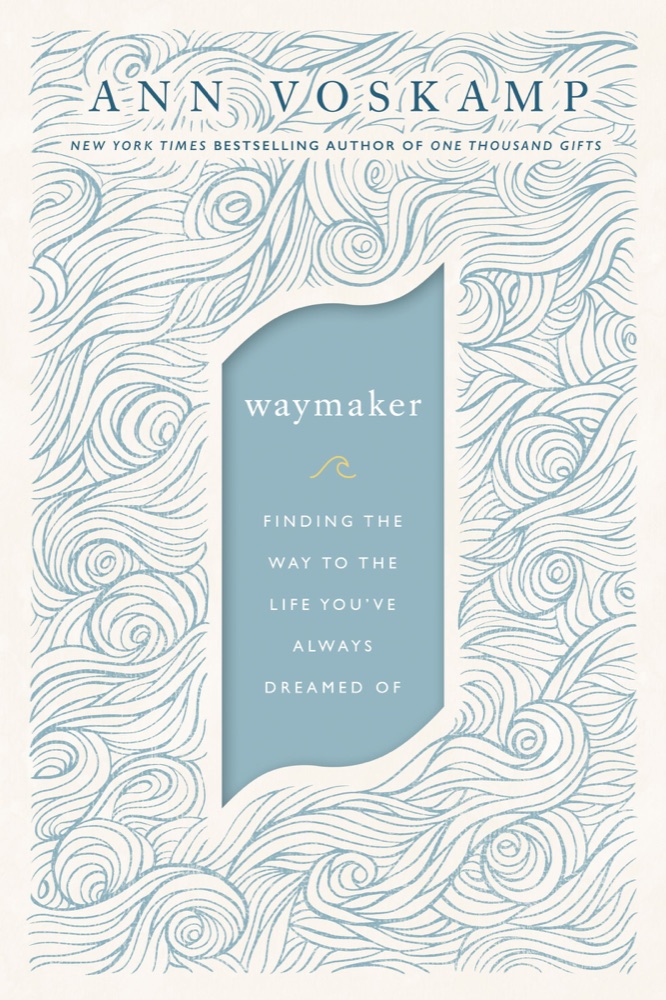 WayMaker: Finding the Way to the Life You’ve Always Dreamed Of
 A Joseph Campbell Companion: Reflections on the Art of Living
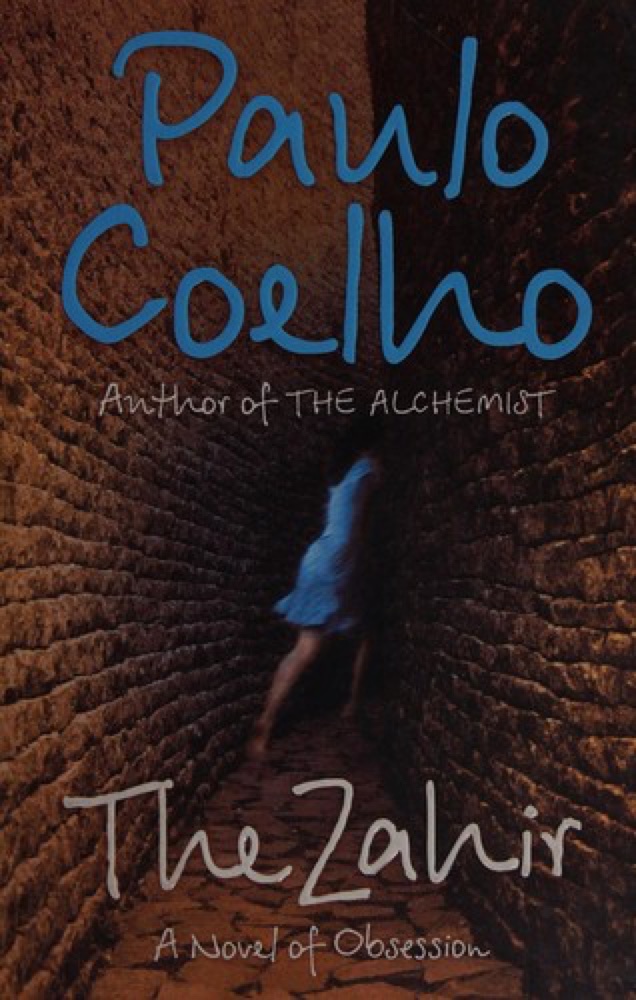 The Zahir
 Sacred Journey of the Peaceful Warrior
 Just as I Am
 The Wisdom of No Escape: How to Love Yourself and Your World
 The Mountain Shadow
 Loving What Is: Four Questions That Can Change Your Life
 When Things Fall Apart: Heart Advice for Difficult Times
 Consolations: The Solace, Nourishment and Underlying Meaning of Everyday Words
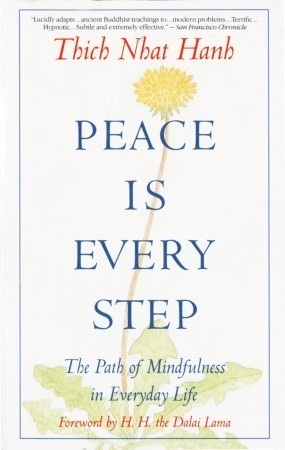 Peace Is Every Step: The Path of Mindfulness in Everyday Life
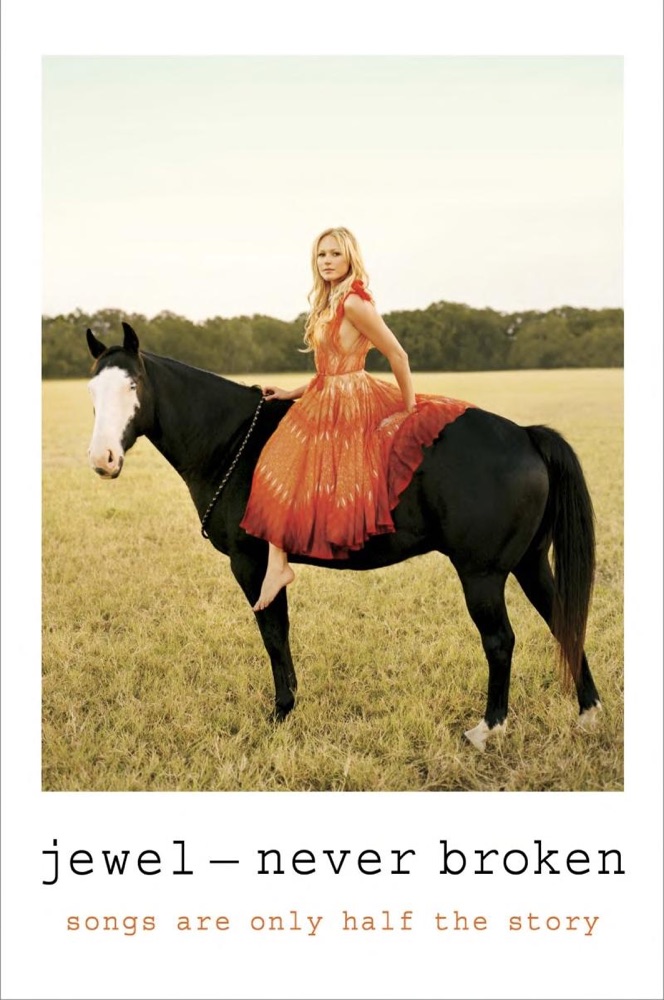 Never Broken: Songs Are Only Half the Story
 Brave Enough
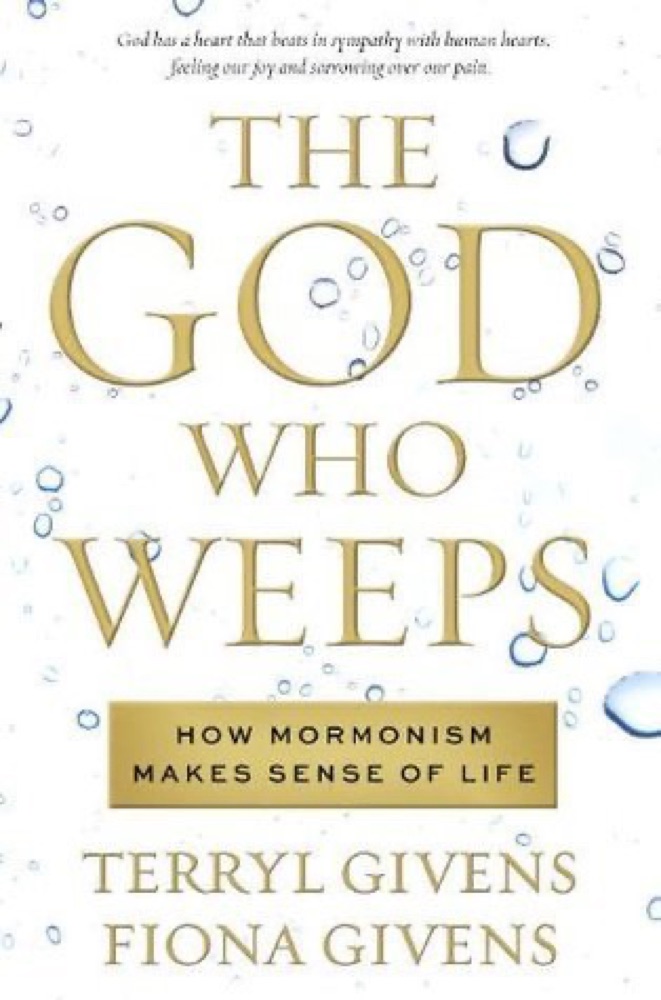 The God Who Weeps: How Mormonism Makes Sense of Life
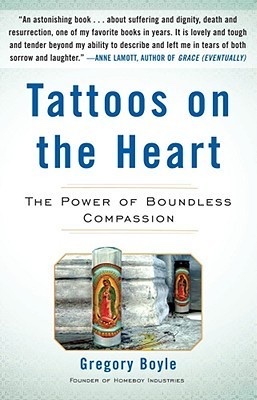 Tattoos on the Heart: The Power of Boundless Compassion
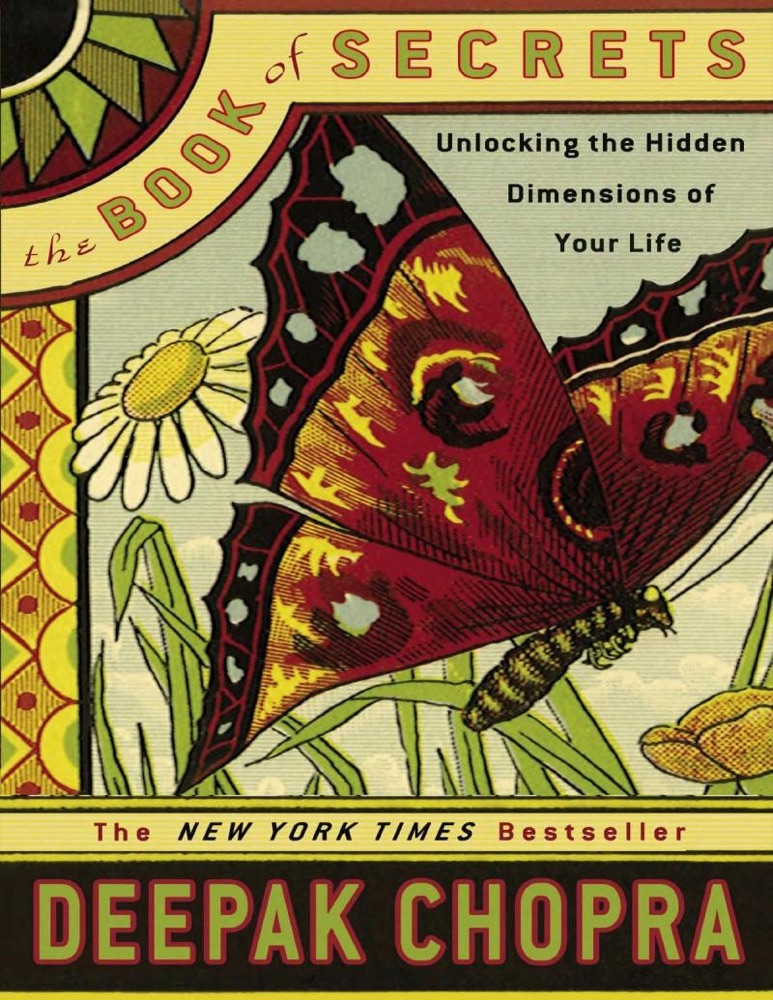 The Book of Secrets: Unlocking the Hidden Dimensions of Your Life
 The Road Less Travelled
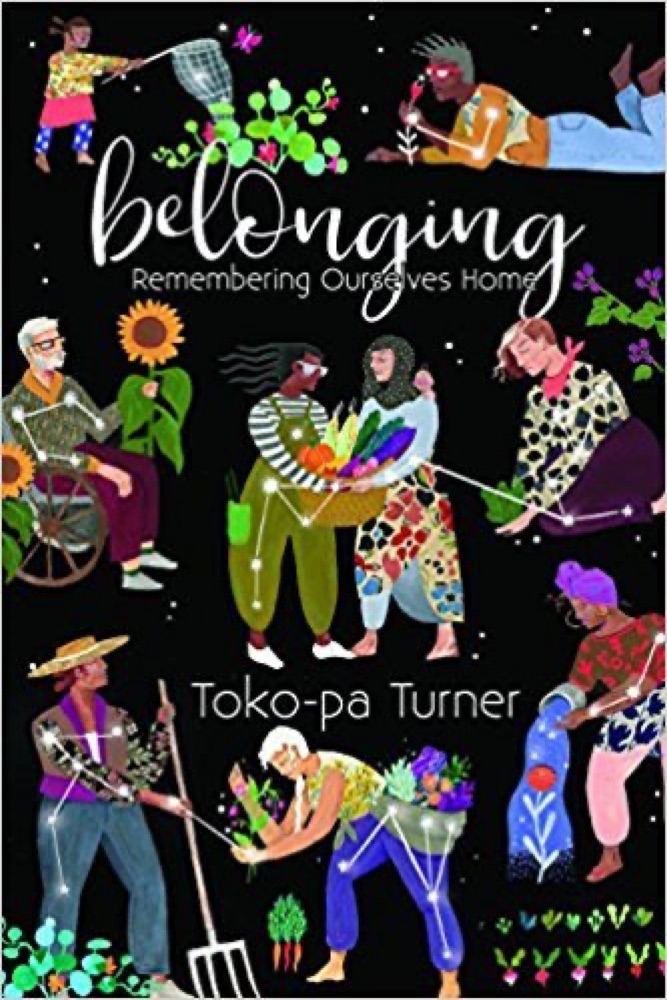 Belonging: Remembering Ourselves Home
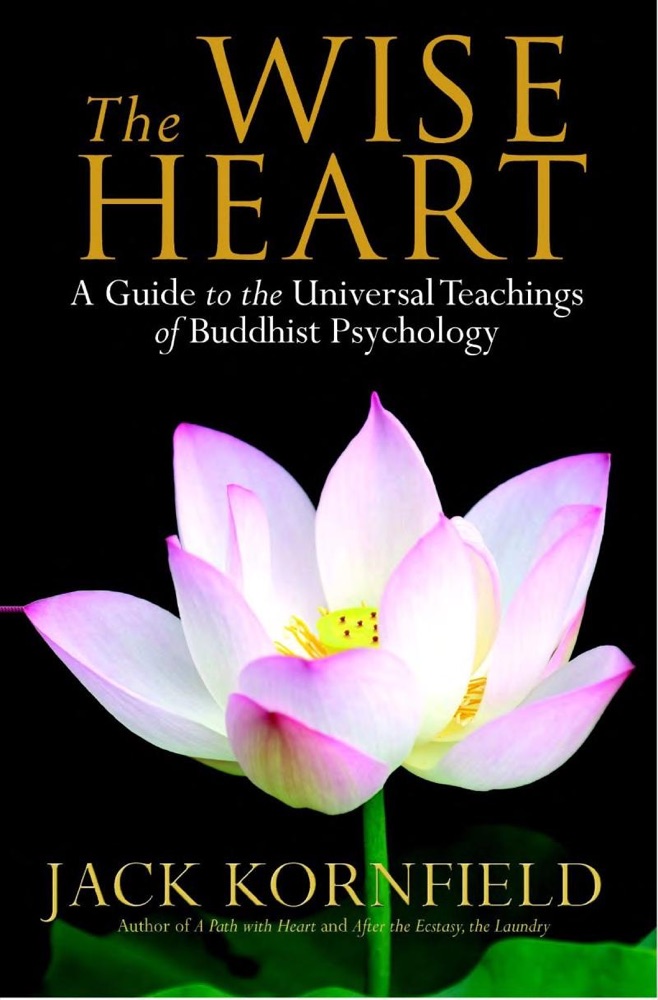 The Wise Heart: A Guide to the Universal Teachings of Buddhist Psychology
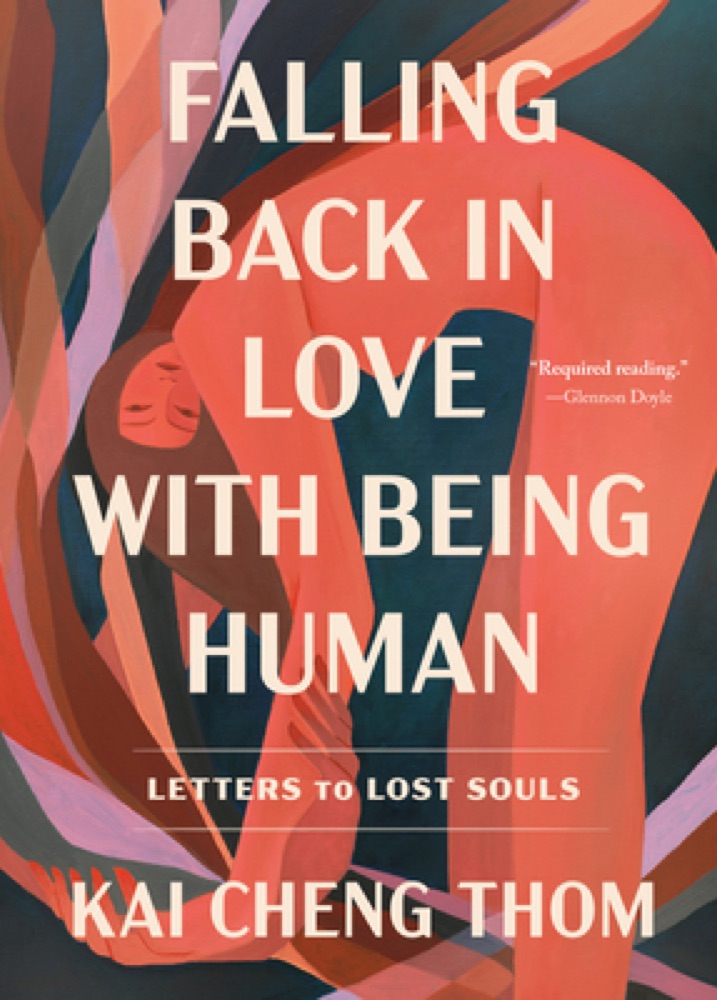 Falling Back in Love with Being Human: Letters to Lost Souls
 Journal of a Solitude
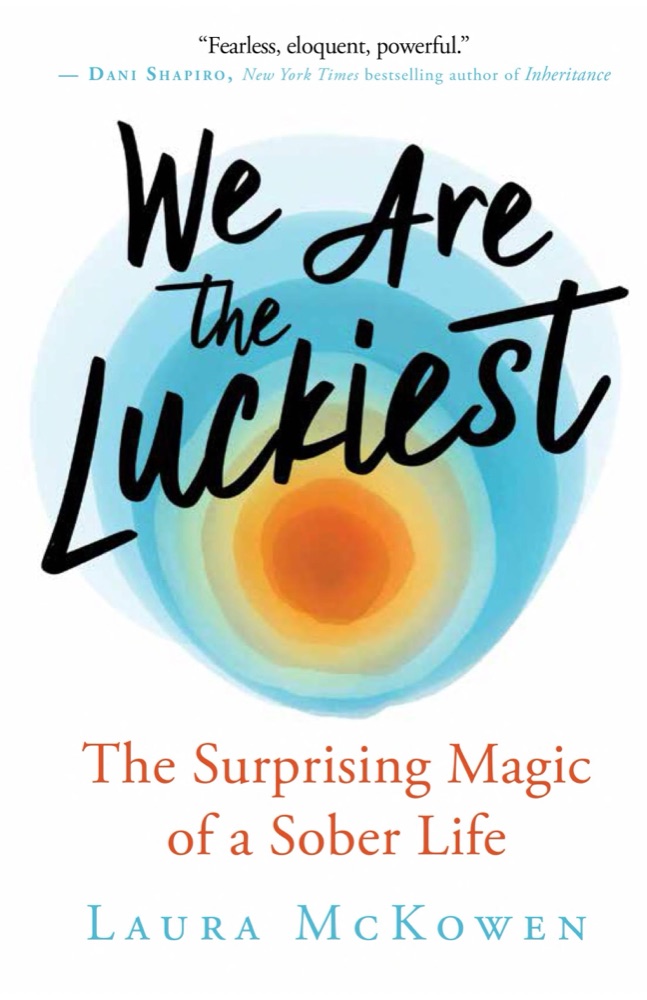 We Are the Luckiest: The Surprising Magic of a Sober Life
 Becoming Wise: An Inquiry into the Mystery and Art of Living
 Of Mess and Moxie: Wrangling Delight Out of This Wild and Glorious Life
 Hippie
 One Thousand Gifts: A Dare to Live Fully Right Where You Are
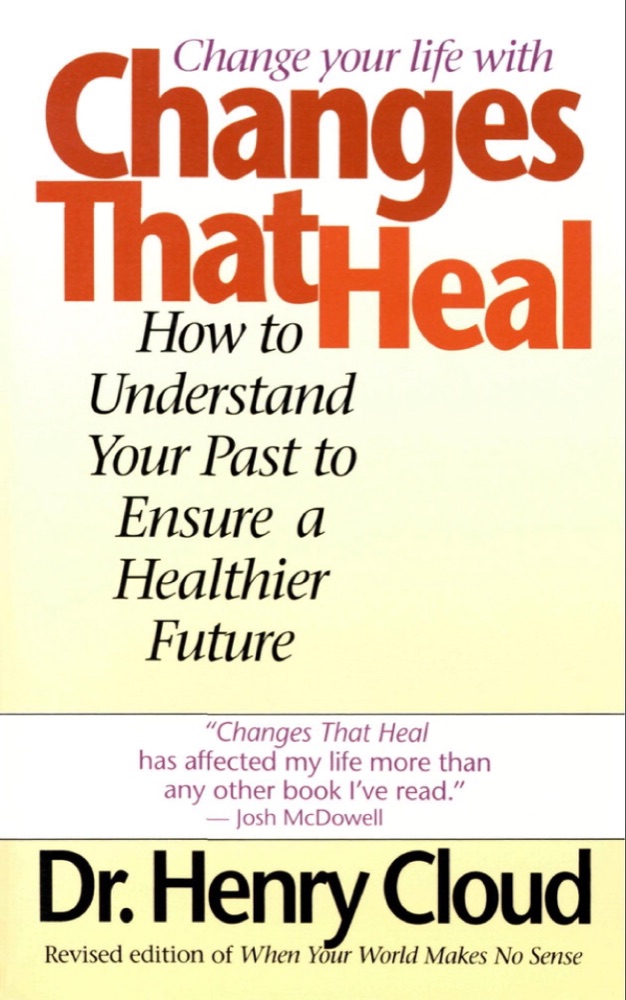 Changes That Heal: How to Understand the Past to Ensure a Healthier Future
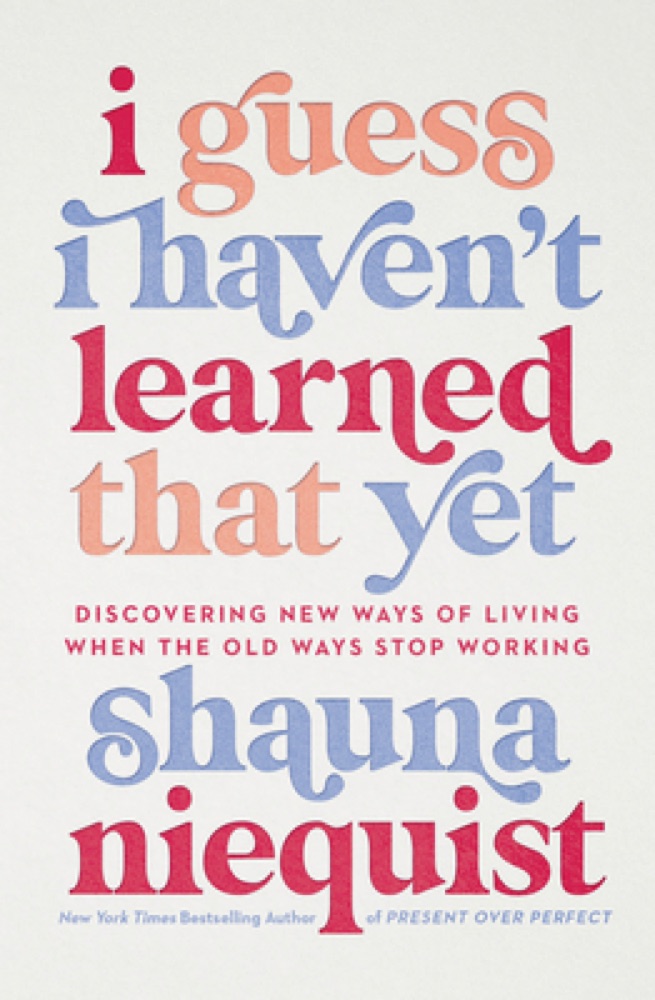 I Guess I Haven't Learned That Yet: Discovering New Ways of Living When the Old Ways Stop Working
 Buddhism Plain & Simple: The Practice of Being Aware, Right Now, Every Day
 This Here Flesh: Spirituality, Liberation, and the Stories That Make Us
 Against the Stream: A Buddhist Manual for Spiritual Revolutionaries
 The Stories We Tell: Every Piece of Your Story Matters
 The Book: On the Taboo Against Knowing Who You Are
 Present Over Perfect: Leaving Behind Frantic for a Simpler, More Soulful Way of Living
 Zen and the Art of Saving the Planet
 Anatomy of the Spirit: The Seven Stages of Power and Healing
 Bittersweet: Thoughts on Change, Grace, and Learning the Hard Way
 Everyday Zen: Love & Work
 The Things You Can See Only When You Slow Down: How to Be Calm in a Busy World
 Eat, Pray, Love
 The Journey Home
 The Comfort Book
 Letter to My Daughter
 101 Essays That Will Change The Way You Think
 Anam Cara: A Book of Celtic Wisdom