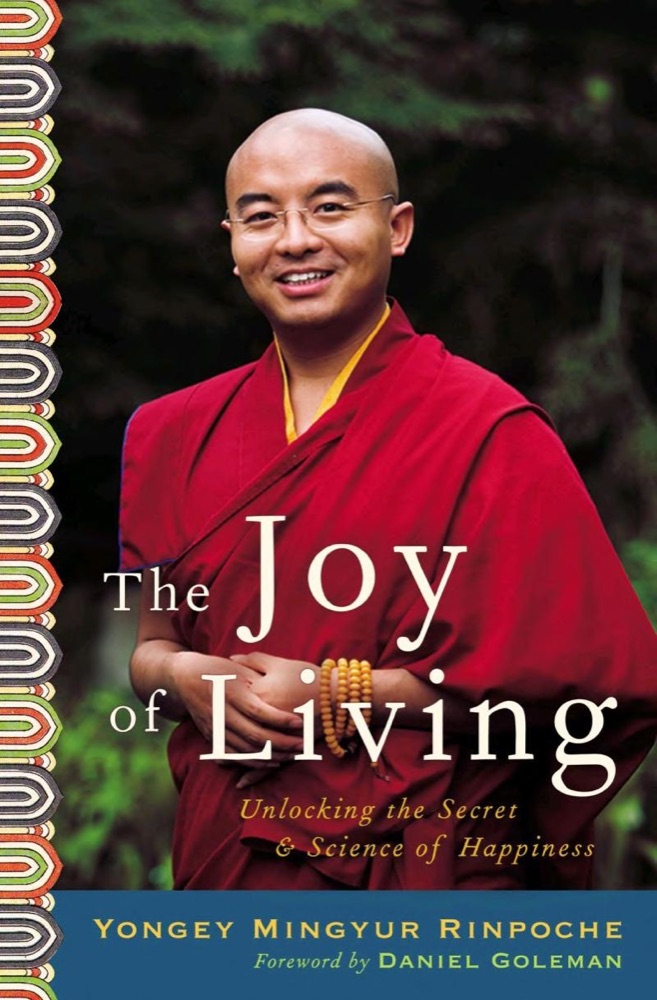
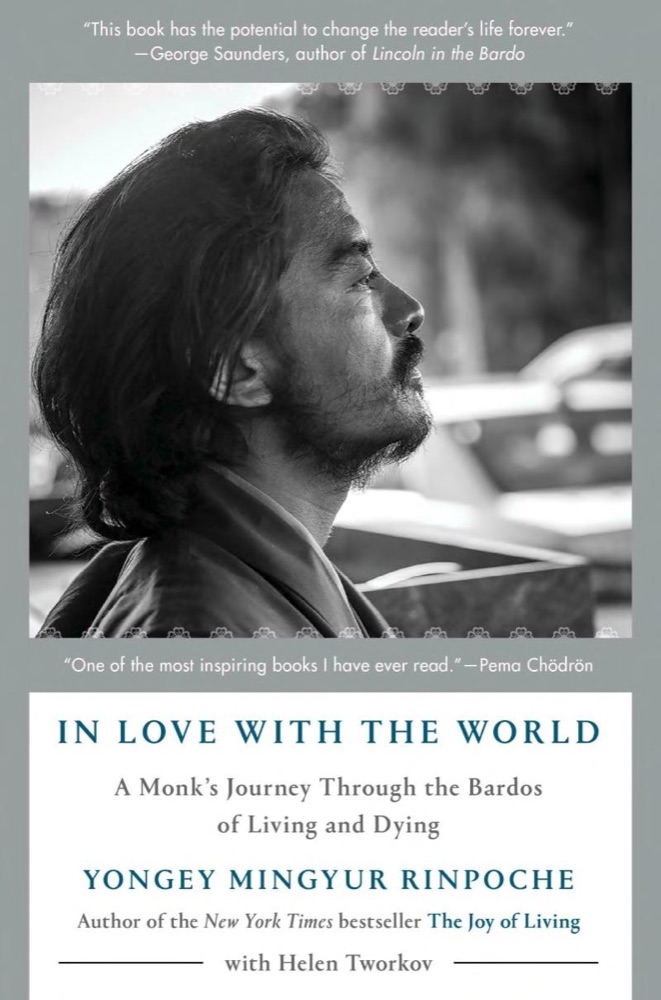
 In Love with the World: A Monk's Journey Through the Bardos of Living and Dying
Quotes from the Book
Ultimately, happiness comes down to choosing between the discomfort of becoming aware of your mental afflictions and the discomfort of being ruled by them.
56
We choose ignorance because we can. We choose awareness because we can. Samsara and nirvana are simply different points of view based on the choices we make in how to examine and understand our experience. There’s nothing magical about nirvana and nothing bad or wrong about samsara. If you’re determined to think of yourself as limited, fearful, vulnerable, or scarred by past experience, know only that you have chosen to do so, and that the opportunity to experience yourself differently is always available.
15
The funny thing about the mind is that if you ask a question and then listen quietly, the answer usually appears.
12
Confusion, I was taught, is the beginning of understanding,
11
The essence of Buddhist practice is not so much an effort at changing your thoughts or your behavior so that you can become a better person, but in realizing that no matter what you might think about the circumstances that define your life, you’re already good, whole, and complete. It’s about recognizing the inherent potential of your mind. In other words, Buddhism is not so much concerned with getting well as with recognizing that you are, right here, right now, as whole, as good, as essentially well as you could ever hope to be.
11
The teachings of the Buddha—and the lesson inherent in this exercise in non-meditation—is that if we allow ourselves to relax and take a mental step back, we can begin to recognize that all these different thoughts are simply coming and going within the context of an unlimited mind, which, like space, remains fundamentally unperturbed by whatever occurs within it.
8
...I began to see that when the pace of external of material progress exceeded the development of inner knowledge, people seemed to suffer deep emotional conflicts without any internal method of dealing with them. An abundance of material items provides such a variety of external distractions that peolpe lose the connection ito their inner lives.
8
All phenomena are expressions of the mind.
7
Let your own experience serve as your guide and inspiration. Let yourself enjoy the view as you travel along the path. The view is your own mind, and because your mind is already enlightened, if you take the opportunity to rest awhile along the journey, eventually you’ll realize that the place you want to reach is the place you already are.
5
After a few years of asking some very pointed questions in public teachings and in private counseling sessions, I began to see that when the pace of external or material progress exceeded the development of inner knowledge, people seemed to suffer deep emotional conflicts without any internal method of dealing with them.
4
limited by what is commonly referred to as dualism—the idea of a distinct and inherently real “self” that is separate from an apparently distinct and inherently real “other.” As we’ll explore later, dualism is not a “character flaw” or defect. It’s a complex survival mechanism deeply rooted in the structure and function of the brain—
4
The opportunity to experience yourself differently is always available.
3
Through applying intention as well as attention to an experience, a person is able to shift the meaning of an experience from a painful or intolerable context to one that is tolerable or pleasant. Over
3
For example, children who were regularly humiliated and criticized by their parents or other adults may experience inappropriately strong feelings of fear, resentment, or other unpleasant emotions when dealing with authority figures in adult life.
2
if, as the Buddha proposed in the first teachings he gave upon attaining enlightenment, the essence of ordinary life is suffering, then one of the most effective antidotes is laughter—particularly laughter at oneself. Every aspect of experience assumes a certain kind of brightness once you learn to laugh at yourself.
2
Nonconceptuality is an experience of the total openness of your mind. Your awareness is direct and unclouded by conceptual distinction such as “I” or “other,” subjects and objects, or any other form of limitation. It’s an experience of pure consciousness as infinite as space, without beginning, middle, or end. It’s like becoming awake within a dream and recognizing that everything experienced in the dream isn’t separate from the mind of the dreamer. – Mingyur Rinpoche
1
Whatever passes through your mind, don’t focus on it and don’t try to suppress it. Just observe it as it comes and goes.
1
One of the earliest lessons I was taught by my father was that Buddhists don’t see the mind as a discrete entity, but rather as a perpetually unfolding experience.
1
The opportunity to receive these transmissions also taught me, in an indirect way, the extremely valuable lesson that to whatever degree a person commits himself or herself to the welfare of others, he or she is repaid a thousandfold by opportunities for learning and advancement. Every kind word, every smile you offer someone who might be having a bad day, comes back to you in ways you'd never expect.
1
The habit of thinking that things exist “out there” in the world or “in here” is hard to give up, though. It means letting go of all the illusions you cherish, and recognizing that everything you project, everything you think of as “other,” is in fact a spontaneous expression of your own mind.
1
As in other exercises my father taught me, the way to begin is to sit up straight, breathe normally, and gradually allow your mind to relax. “With your mind at rest,” he instructed those of us in his little teaching room in Nepal, “just allow yourself to become aware of all the thoughts, feelings, and sensations passing through it. And as you watch them pass, simply ask yourself, ‘Is there a difference between the mind and the thoughts that pass through it? Is there any difference between the thinker and the thoughts perceived by the thinker?’ Continue watching your thoughts with these questions in mind for about three minutes or so, and then stop.
1
What is seen is no different from the mind that sees it.
Compassion is reciprocal. As you develop your own mental and emotional stability and extend that stability through a compassionate understanding of others and dealing with them in a kind, empathetic way, your own intentions or aspirations will be fulfilled more quickly and easily. Why? Because if you treat others compassionately—with the understanding that they have the same desire for happiness and the same desire to avoid unhappiness that you do—then the people around you feel a sense of attraction, a sense of wanting to help you as much as you help them. …In a sense, compassion practice demonstrates the truth of interdependence in action. The more openhearted you become toward others, the more openhearted they become toward you.
Don’t criticize or condemn yourself when you find yourself following after thoughts. The fact that you’ve caught yourself reliving a past event or projecting into the future is enough to bring you back to the present moment and strengthens your intention to meditate. Your intention to meditate as you engage in practice is the crucial factor. It’s also important to proceed slowly. My father was very careful to tell all his new students, including me, that the most effective approach in the beginning is to rest the mind for very short periods many times a day. Otherwise, he said, you run the risk of growing bored or becoming disappointed with your progress and eventually give up trying altogether. “Drip by drip,” the old texts say, “a cup gets filled.” (…) there is one very practical guideline, which my father emphasized again and again to all of his students in a way that would make it easy for us to remember: Short periods, many times. (…) Meditation is about learning to work with the mind as it is, not about trying to force it into some sort of Buddhist straitjacket.
…freedom rarely arrives in the form we think it should. In fact, for most of us, freedom feels not only unfamiliar but distinctly unpleasant. That’s because we’re used to our chains. They might chafe, they might make us bleed, but at least they’re familiar. Familiarity is just a thought, however, or sometimes a feeling.
The Buddha compared attachment to drinking salt water from an ocean. The more we drink, the thirstier we get. Likewise, when our mind is conditioned by attachment, however much we have, we never really experience contentment. We lose the ability to distinguish between the bare experience of happiness and whatever objects temporarily make us happy. As a result, we not only become dependent on the object, but we also reinforce the neuronal patterns that condition us to rely on an external source to give us happiness.
By this power, may all beings, Having accumulated strength and wisdom, Achieve the two clear states That arise from strength and wisdom.
This basic attitude of hopelessness sits like a layer of sludge on the bottom of a river, present but unseen.
Watch on YouTube
About Yongey Mingyur
We have collected 58 quotes from 2 books by Yongey Mingyur on BookQuoters.
More about the author →More by Yongey Mingyur
In Love with the World: A Monk's Journey Through the Bardos of Living and Dying
About the book
For millennia, Buddhists have enjoyed the limitless benefits of meditation. But how does it work? And why? The principles behind this ancient practice have long eluded some of the best minds in modern science. Until now.
In this groundbreaking work, world-renowned Buddhist teacher Yongey Mingyur Rinpoche invites us to join him in unlocking the secrets behind the practice of meditation. Working with neuroscientists at the Waisman Laboratory for Brain Imaging and Behavior, Yongey Mingyur provides clear insights into modern research indicating that systematic training in meditation can enhance activity in areas of the brain associated with happiness and compassion. He has also worked with physicists across the country to develop a fresh, scientifically based interpretation of the Buddhist understanding of the nature of reality.
With an infectious joy and insatiable curiosity, Yongey Mingy
Book details
- First published
- 2007
- Author
- Yongey Mingyur
- Genre
- Nonfiction
- Goodreads rating
- 4.27 (8k ratings)
Keep reading
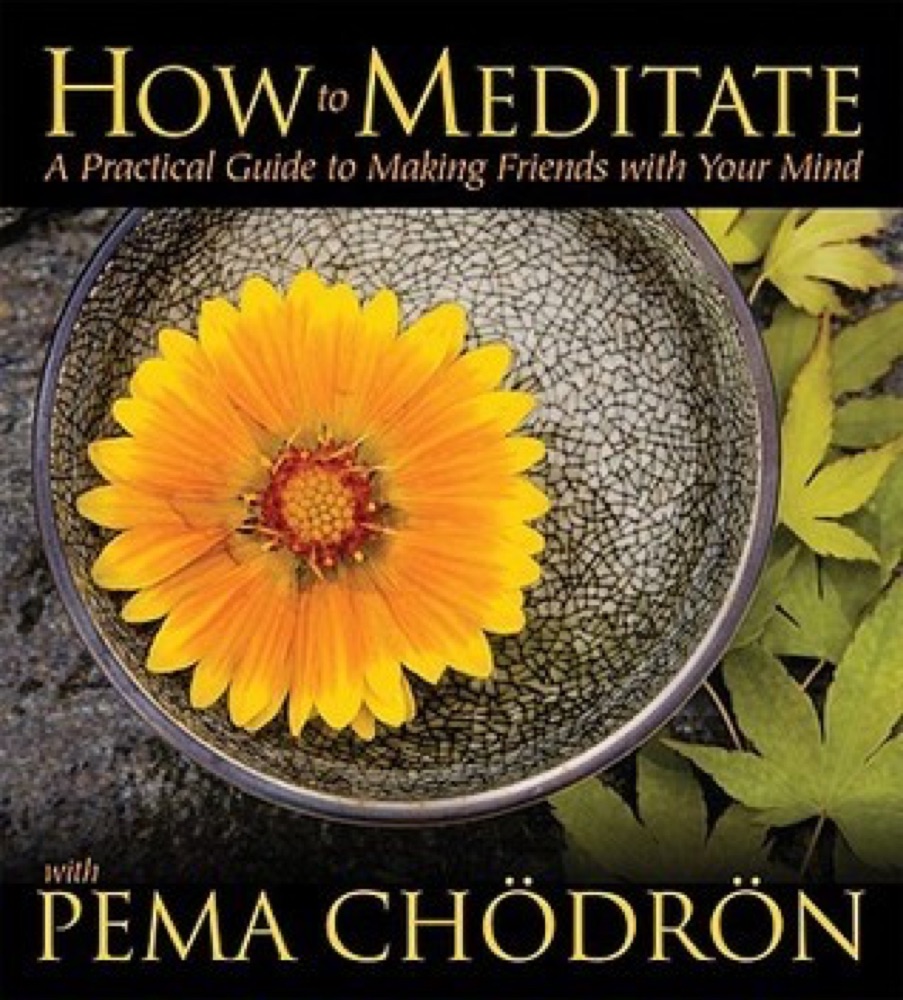 How to Meditate: A Practical Guide to Making Friends with Your Mind
 Mindfulness in Plain English
 The Wise Heart: A Guide to the Universal Teachings of Buddhist Psychology
 Waking Up: A Guide to Spirituality Without Religion
In Love with the World: A Monk's Journey Through the Bardos of Living and Dying
Waking Up: A Guide to Spirituality Without Religion
In Love with the World: A Monk's Journey Through the Bardos of Living and Dying
 Going to Pieces without Falling Apart: A Buddhist Perspective on Wholeness
 Living Beautifully with Uncertainty and Change
 No Self, No Problem: How Neuropsychology Is Catching Up to Buddhism
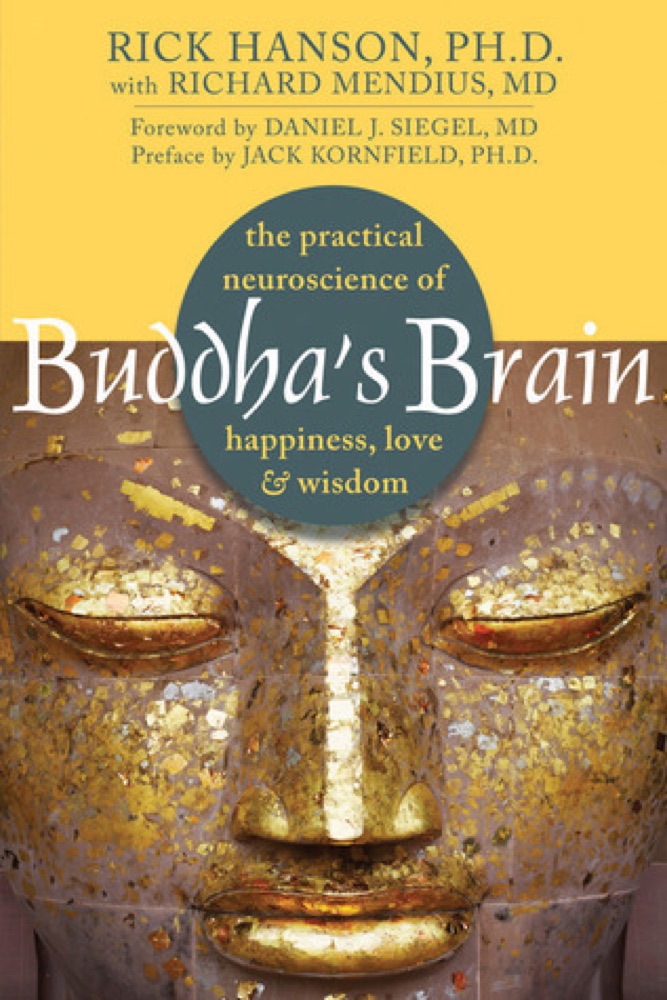 Buddha's Brain: The Practical Neuroscience of Happiness, Love, and Wisdom
 Advice Not Given: A Guide to Getting Over Yourself
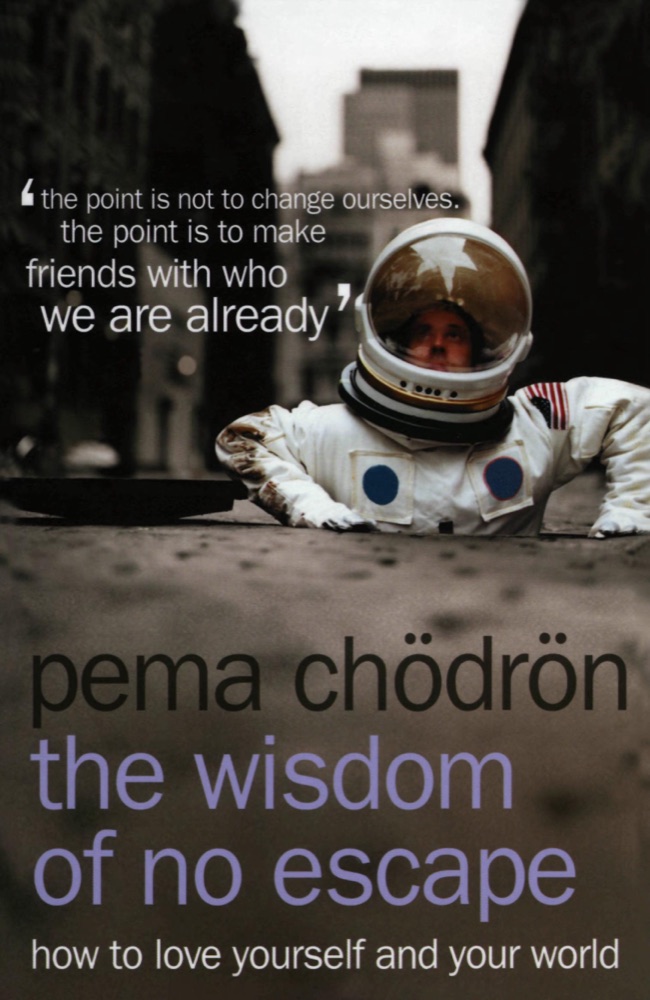 The Wisdom of No Escape: How to Love Yourself and Your World
 Meditation for Beginners
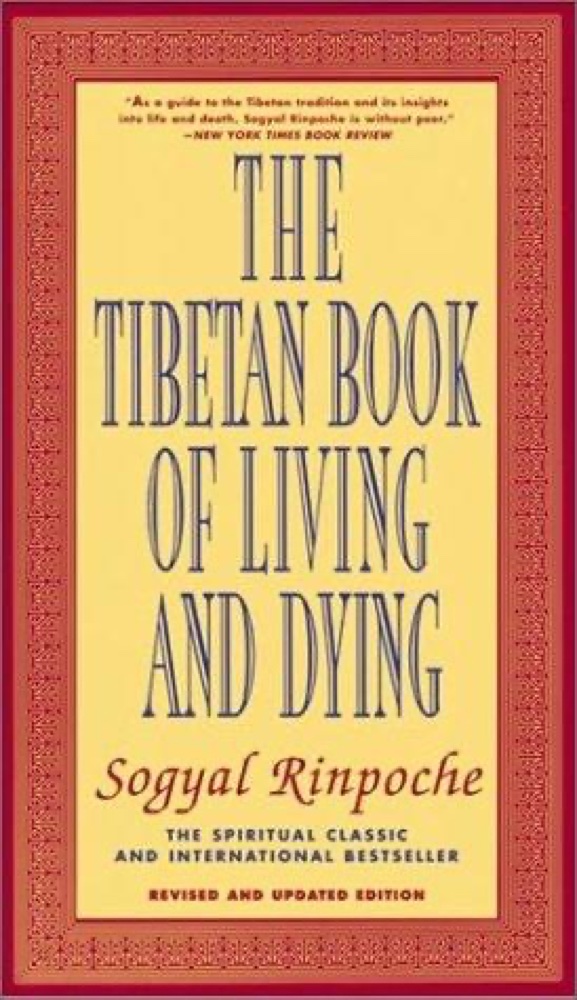 The Tibetan Book of Living and Dying
 The Dalai Lama's Cat and the Power of Meow
 Happiness: A Guide to Developing Life's Most Important Skill
 Everyday Zen: Love & Work
 Awakening the Buddha Within
 Full Catastrophe Living: Using the Wisdom of Your Body and Mind to Face Stress, Pain, and Illness
 Real Happiness: A 28-Day Program to Realize the Power of Meditation
 The Mind Illuminated: A Complete Meditation Guide Integrating Buddhist Wisdom and Brain Science
 Why Buddhism Is True: The Science and Philosophy of Meditation and Enlightenment
 How to See Yourself As You Really Are
 Buddhism Plain & Simple: The Practice of Being Aware, Right Now, Every Day
 The Book of Secrets: Unlocking the Hidden Dimensions of Your Life
 The Buddha Walks into a Bar . . .: A Guide to Life for a New Generation
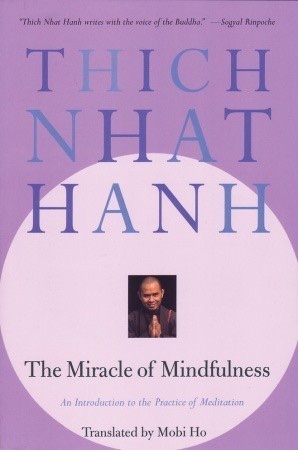 The Miracle of Mindfulness: An Introduction to the Practice of Meditation
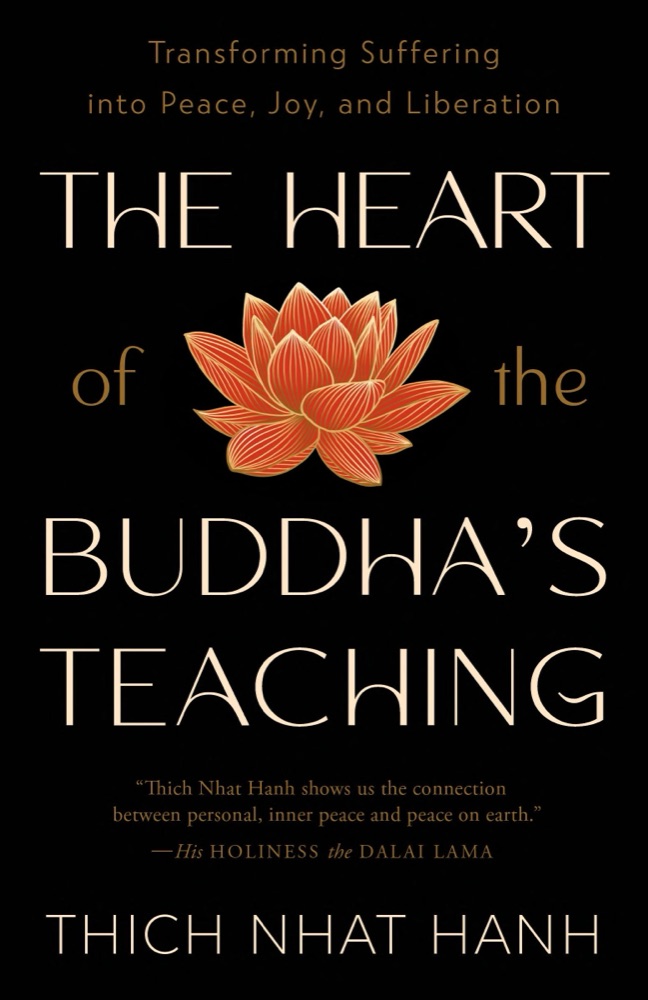 The Heart of the Buddha's Teaching: Transforming Suffering into Peace, Joy, and Liberation
 Meditation for Fidgety Skeptics: A 10% Happier How-To Book
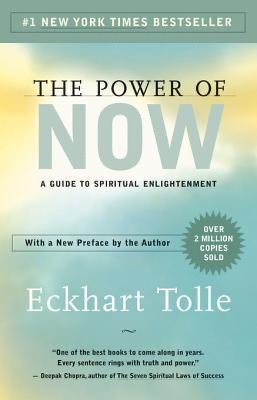 The Power of Now: A Guide to Spiritual Enlightenment
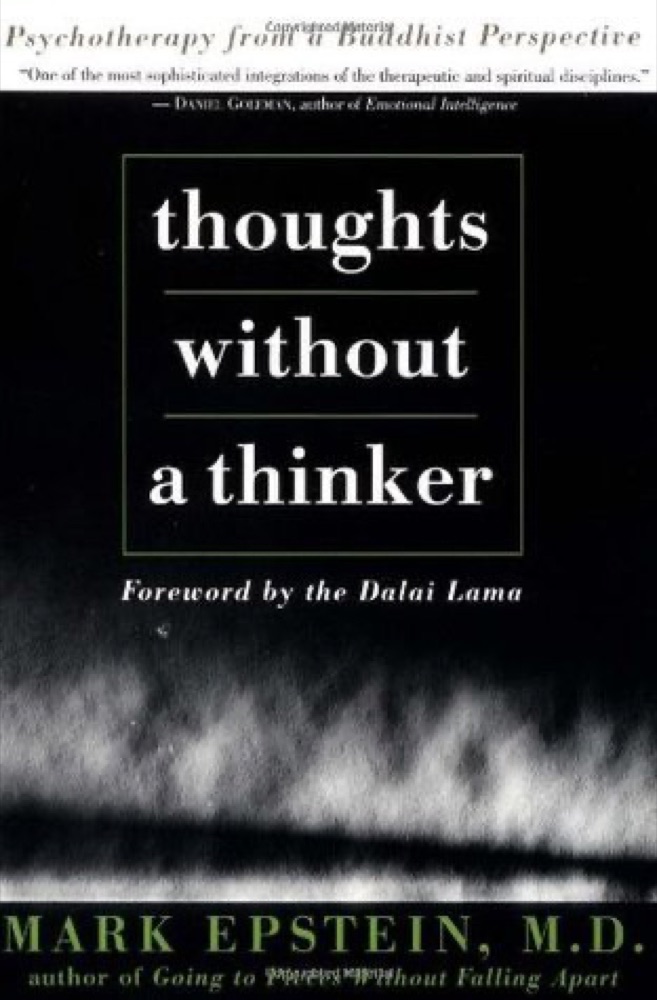 Thoughts Without A Thinker: Psychotherapy From A Buddhist Perspective
 Against the Stream: A Buddhist Manual for Spiritual Revolutionaries
 Nothing Special: A Zen Buddhist Guide to Awakening Through Daily Life's Feelings, Relationships, and Work
 The Book of Secrets
 Peace Is Every Breath: A Practice for Our Busy Lives
 Wherever You Go, There You Are: Mindfulness Meditation in Everyday Life
 True Refuge: Finding Peace and Freedom in Your Own Awakened Heart
 Practicing the Power of Now: Essential Teachings, Meditations, and Exercises from the Power of Now
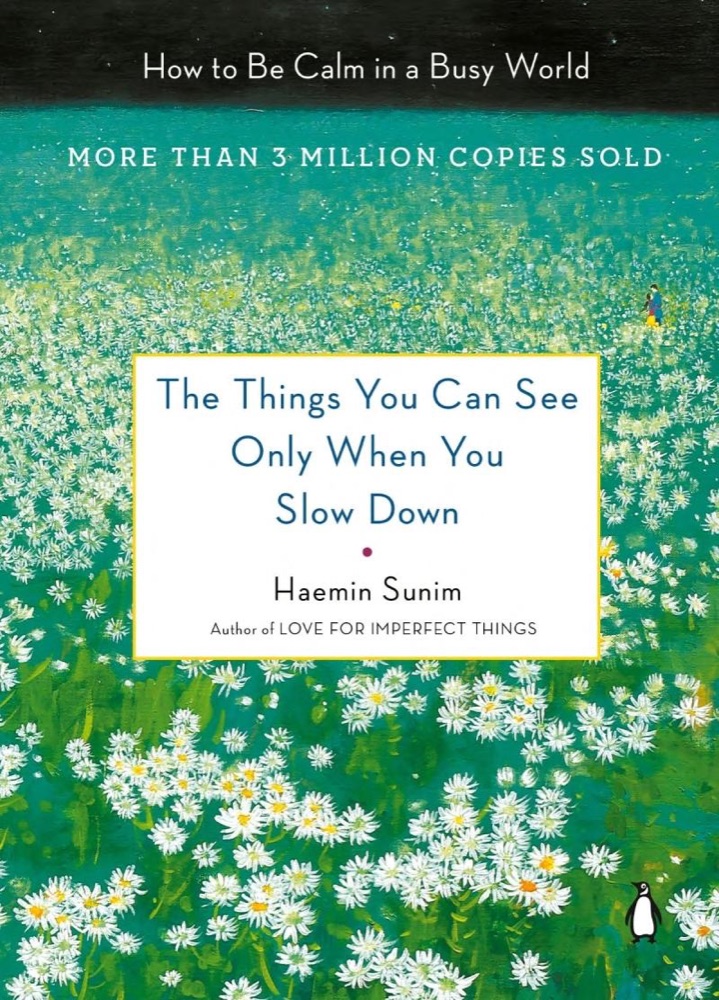 The Things You Can See Only When You Slow Down: How to Be Calm in a Busy World
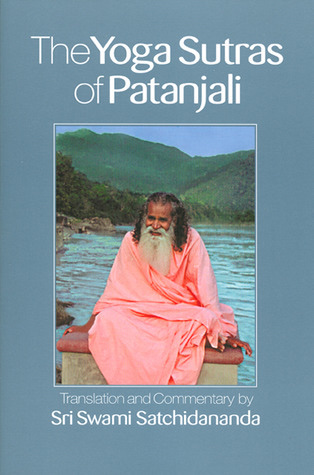 The Yoga Sutras of Pantanjali
 Total Freedom: The Essential Krishnamurti
 My Stroke of Insight: A Brain Scientist's Personal Journey
 Living Untethered: Beyond the Human Predicament
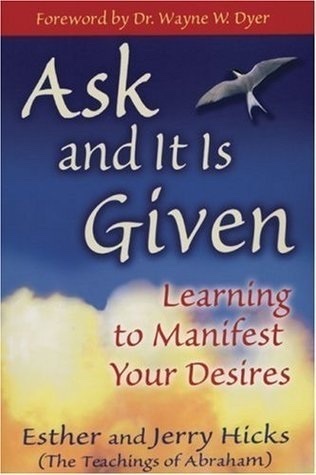 Ask and It Is Given: Learning to Manifest Your Desires
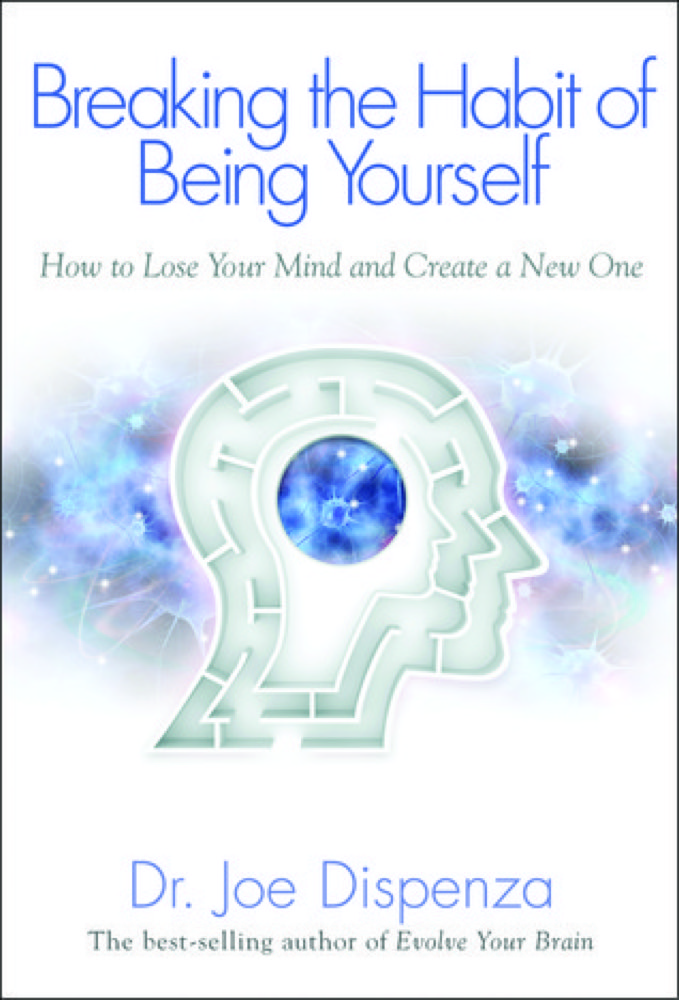 Breaking the Habit of Being Yourself: How to Lose Your Mind and Create a New One
 A New Earth: Awakening to Your Life's Purpose
 Becoming Supernatural: How Common People are Doing the Uncommon
 Letting Go: The Pathway To Surrender
 The Untethered Soul: The Journey Beyond Yourself
 Tibetan Book of the Dead
 Mastery
 Cutting Through Spiritual Materialism
 The Art of Happiness
 The Book: On the Taboo Against Knowing Who You Are
 My Spiritual Journey: Personal Reflections, Teachings, and Talks
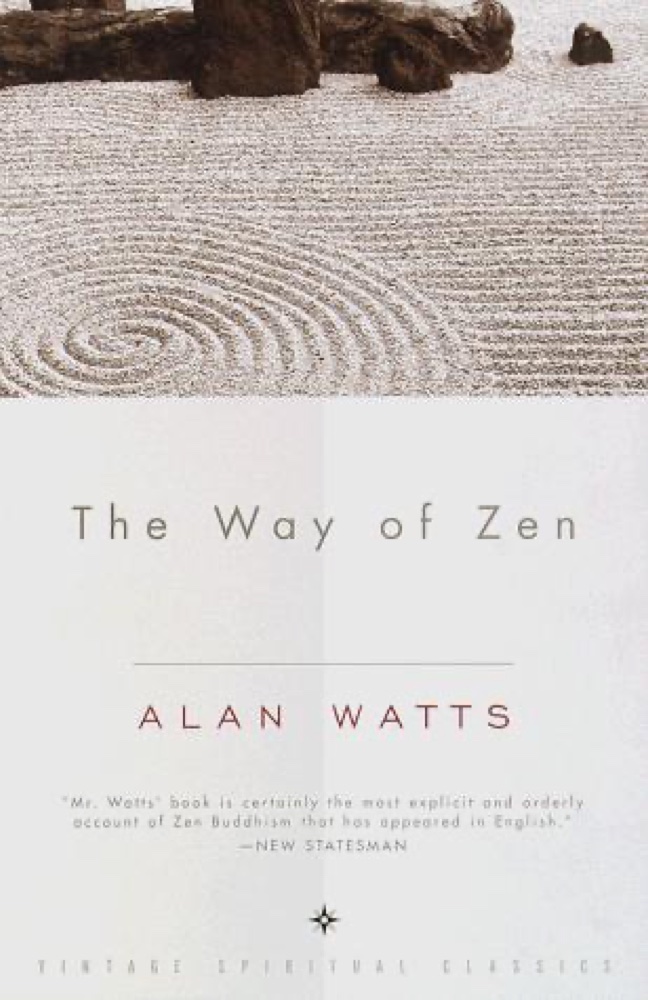 The Way of Zen
 Buddhist Boot Camp