
 A History of God: The 4,000-Year Quest of Judaism, Christianity, and Islam
Quotes from the Book
If it is not tempered by compassion, and empathy, reason can lead men and women into a moral void. (95)
90
We can either emphasize those aspects of our traditions, religious or secular, that speak of hatred, exclusion, and suspicion or work with those that stress the interdependence and equality of all human beings. The choice is yours. (22)
56
[T]he family is a school of compassion because it is here that we learn to live with other people. (68)
38
Saint Augustine … insisted that scripture taught nothing but charity. Whatever the biblical author may have intended, any passage that seemed to preach hatred and was not conducive to love must be interpreted allegorically and made to speak of charity.
12
Compassion impels us to work tirelessly to alleviate the suffering of our fellow creatures, to dethrone ourselves from the centre of our world and put another there, and to honour the inviolable sanctity of every single human being, treating everybody, without exception, with absolute justice, equity and respect.
8
As we develop our compassionate mind, we should feel an increasing sense of responsibility for the suffering of others and form a resolve to do everything we can to free them from their pain.
4
Compassion dervies from the Latin patiri and the Greek pathein, meaning "to suffer, undergo or experience." So "compassion" means "to endure [something] with another person," to put ourselves in somebody else's shoes, to feel her pain as though it were our own, and to enter generously into his point of view. That is why our hearts, discover what gives us pain, and then refuse, under any circumstance whatsoever, to inflict that pain on anybody else. Compassion can be defined, therefore, as an attitude of principled, consistent altruism.
4
We have a duty to get to know one another, and to cultivate a concern and responsibility for all our neighbors in the global village.
3
And before you embark on an argument or a debate, ask yourself honestly if you are ready to change your mind.
3
Remember that in a threatening environment, the human brain becomes permanently organized for aggression.
2
Remember that we can become twinned with an enemy and come to resemble him. Our hatred may become an alter ego, a part of our identity.
2
the anonymous Chinese author we know as Laozi pointed out that no matter how good his intentions, violence always recoils upon the perpetrator.
2
The people we hate haunt us; they inhabit our minds in a negative way as we brood in a deviant form of meditation on their bad qualities. The enemy thus becomes our twin, a shadow self whom we come to resemble.
2
People who have been taught to despise themselves cannot easily respect others.
2
Golden rule is not a notional doctrine that you either agree with, or make yourself believe in. It is a method and the only adequate test of any method is to put it into practice.
1
The Golden Rule requires self-knowledge; it asks that we use our own feelings as a guide to our behavior with others. If we treat ourselves harshly, this is the way we are likely to treat other people. So we need to acquire a healthier and more balanced knowledge of our strengths as well as our weaknesses. As
1
The implications for politics were immense. If instead of ruthlessly pursuing his own self-interest to the detriment of others, a ruler would "curb his ego and submit to li for a single day," Confucius believed, "everyone under Heaven would respond to his goodness!
1
A truly compassionate person touches a chord in us that resonates with some of our deepest yearnings. People flock to such individuals, because they seem to offer a haven of peace in a violent, angry world. This is the ideal to which we aspire, and it is not beyond our capacity. But even if we achieve only a fraction of this enlightenment and leave the world marginally better because we have lived in it, our lives will have been worthwhile.
1
A person who is impartial, fair, calm, gentle, serene, accepting, and openhearted is indeed a refuge.
1
the attempt to become a compassionate human being is a lifelong project.
1
our version of the same event is also likely to be a reflection upon our own situation and suffering rather than a dispassionate and wholly factual account. We
1
Martin Luther King Jr. believed that the highest point of Jesus’s life was the moment when he forgave his executioners,
1
true insight does not consist of the acquisition of information but comes from mastering our egotism and greed.
1
The good leader in war is not warlike The good fighter is not impetuous; The best conqueror of the enemy is he who never takes the offensive. The man who gets the most out of men is the one who treats them with humility.3 Tyrants
1
Everything that goes up must come down: that is a law of life, so to strengthen your enemy by yielding to him would actually hasten his decline. The
1
we sometimes fail to recognize the signs of poverty, loneliness, grief, fear, and desolation in our own city, our own village, or our own family.
1
what Tibetan Buddhists call “the inability to bear the sight of another’s sorrow,” so that we feel it almost as intensely as we feel our own. We
1
But Christina never forgot that “when I was a child, I needed only one person to understand my suffering and pain.… One is very important.
1
A double standard, albeit unintended, violates our integrity and damages our credibility. In a global society, conflict is rarely the fault of only one party.
1
Watch on YouTube
About Karen Armstrong
We have collected 127 quotes from 5 books by Karen Armstrong on BookQuoters.
More about the author →More by Karen Armstrong
A History of God: The 4,000-Year Quest of Judaism, Christianity, and Islam
 The Case for God
 The Spiral Staircase: My Climb Out of Darkness
 A Short History of Myth
About the book
One of the most original thinkers on the role of religion in the modern world—author of such acclaimed books as A History of God, Islam, and Buddha —now gives us an impassioned and practical book that can help us make the world a more compassionate place.
Karen Armstrong believes that while compassion is intrinsic in all human beings, each of us needs to work diligently to cultivate and expand our capacity for compassion. Here, in this straightforward, thoughtful, and thought-provoking book, she sets out a program that can lead us toward a more compassionate life.
The twelve steps Armstrong suggests begin with “Learn About Compassion” and close with “Love Your Enemies.” In between, she takes up “compassion for yourself,” mindfulness, suffering, sympathetic joy, the limits of our knowledge of others, and “concern for everybody.” She suggests concrete ways of enhancing our compassion
Book details
- First published
- 2010
- Author
- Karen Armstrong
- Genre
- Nonfiction
- Goodreads rating
- 3.81 (4k ratings)
Keep reading
 How to See Yourself As You Really Are
 How to Practice: The Way to a Meaningful Life
 Ethics for the New Millennium
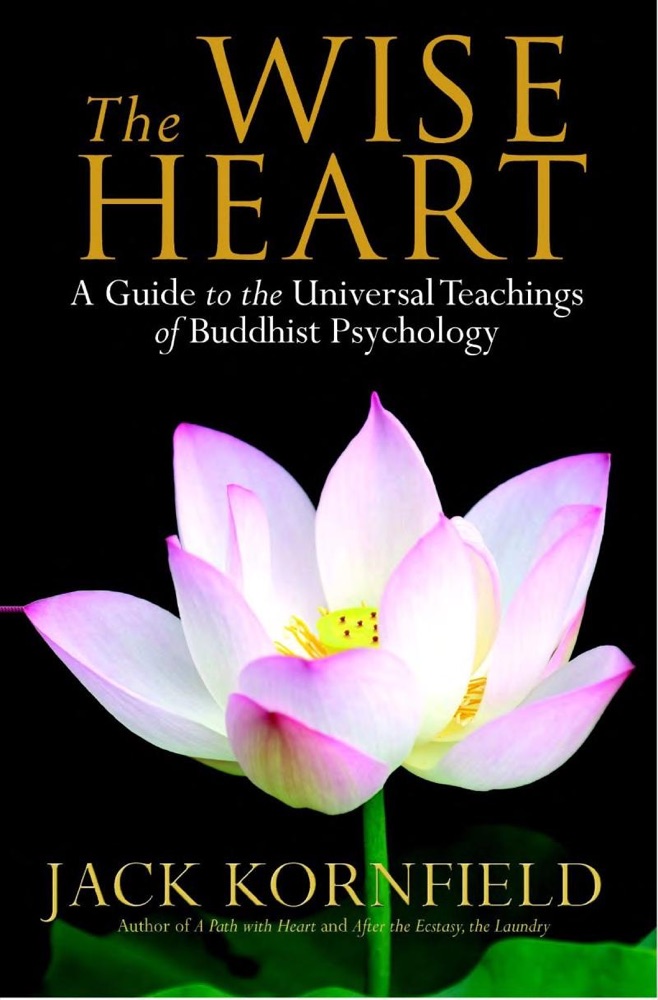 The Wise Heart: A Guide to the Universal Teachings of Buddhist Psychology
 Nonviolent Communication: A Language of Life
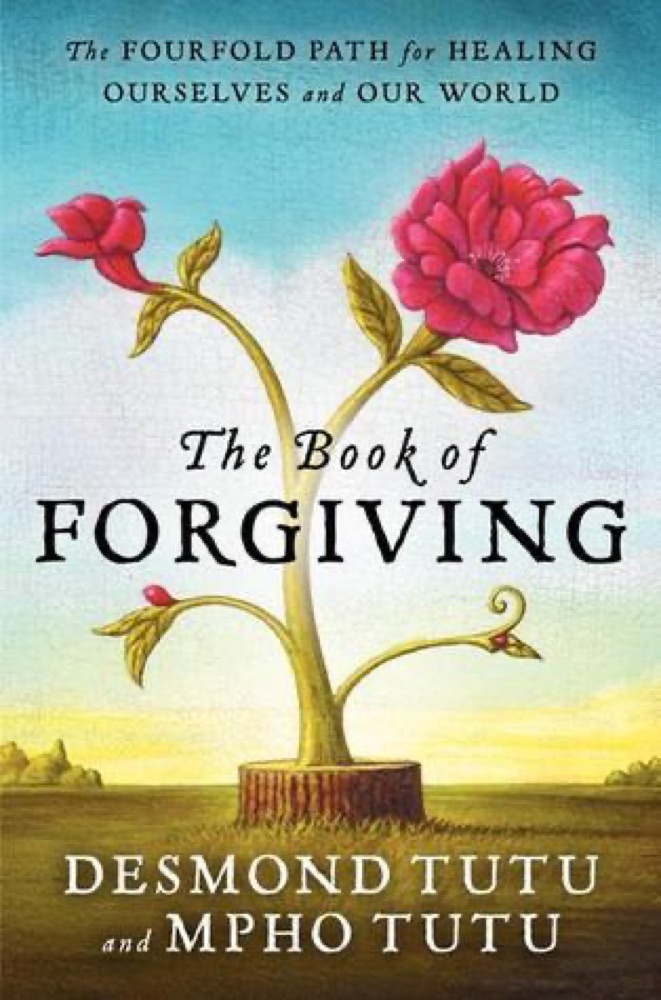 The Book of Forgiving: The Fourfold Path for Healing Ourselves and Our World
 Standing for Something: 10 Neglected Virtues That Will Heal Our Hearts and Homes
 Tattoos on the Heart: The Power of Boundless Compassion
 The School of Life: An Emotional Education
 The Measure of a Man: A Spiritual Autobiography
 See No Stranger: A Memoir and Manifesto of Revolutionary Love
 Across That Bridge: A Vision for Change and the Future of America
 Changes That Heal: How to Understand the Past to Ensure a Healthier Future
 Aphorisms on Love and Hate
 United: Thoughts on Finding Common Ground and Advancing the Common Good
 The Anatomy of Peace: Resolving the Heart of Conflict
 12 Rules for Life: An Antidote to Chaos
 Let Us Dream: The Path to a Better Future
 Buddha's Brain: The Practical Neuroscience of Happiness, Love, and Wisdom
 Strength to Love
 A Calendar of Wisdom: Daily Thoughts to Nourish the Soul
 The Source of Self-Regard: Selected Essays, Speeches, and Meditations
 The Lucifer Effect: Understanding How Good People Turn Evil
 Letters and Papers from Prison
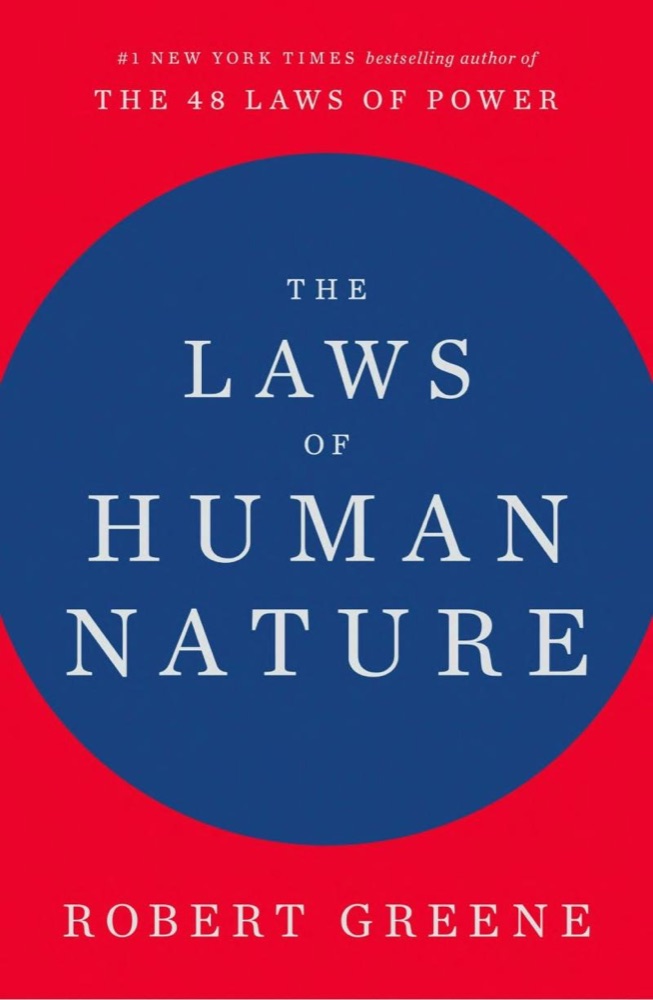 The Laws of Human Nature
 Against the Stream: A Buddhist Manual for Spiritual Revolutionaries
 Buddhist Boot Camp
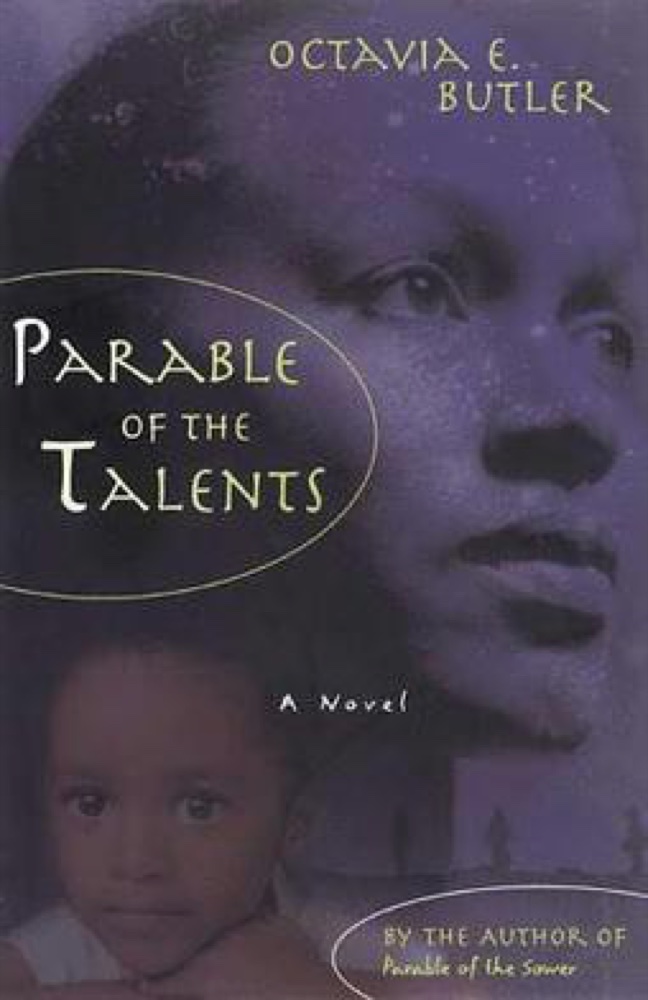 Parable of the Talents
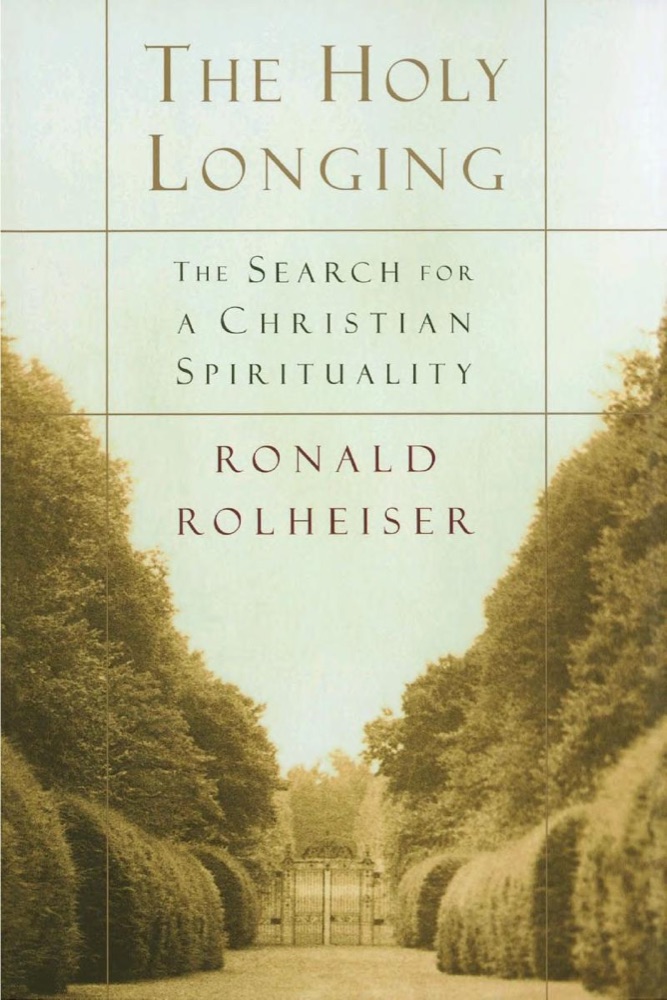 The Holy Longing: The Search for a Christian Spirituality
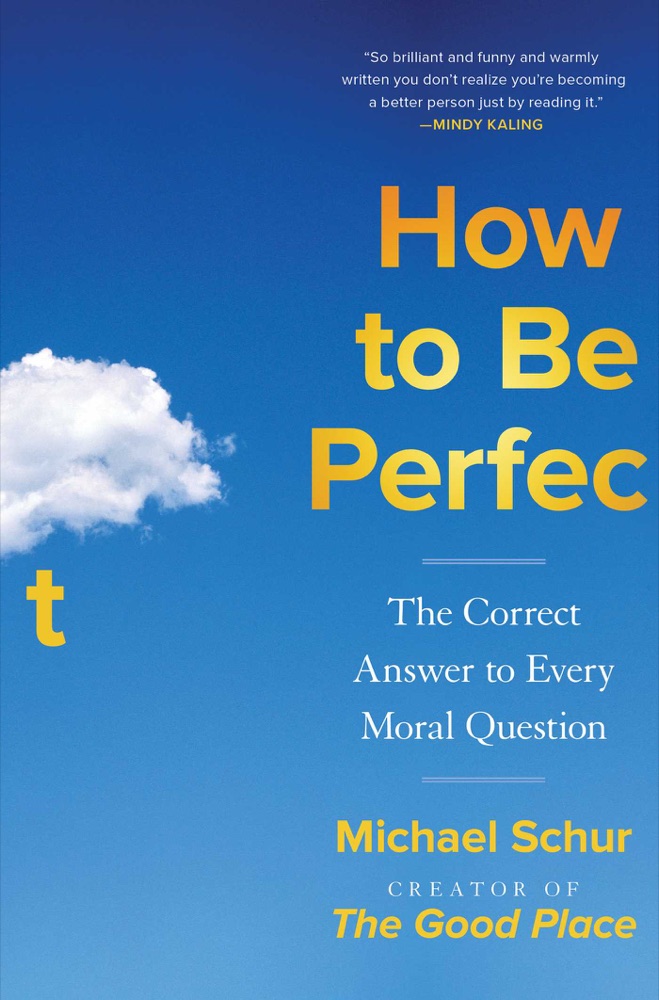 How to Be Perfect: The Correct Answer to Every Moral Question
 The Heart and the Fist: The Education of a Humanitarian, the Making of a Navy SEAL
 A Well-Tempered Heart
 Thank You for Being Such a Pain: Spiritual Guidance for Dealing with Difficult People
 The Autobiography of Martin Luther King, Jr.
 Be a People Person
 When Nietzsche Wept
 The Journey Home
 The Fire Next Time
 Confessor
 The Story of My Experiments With Truth
 Daybreak: Thoughts on the Prejudices of Morality
 Just Mercy
 Hallelujah Anyway: Rediscovering Mercy
 Becoming Human
 People of the Lie: The Hope for Healing Human Evil
 Reconciliation: Healing the Inner Child
 Self-Compassion: The Proven Power of Being Kind to Yourself
 Breathing Underwater: Spirituality and the 12 Steps
 The Way of the Bodhisattva
 Discourses and Selected Writings
 The Places That Scare You: A Guide to Fearlessness in Difficult Times
 The Dalai Lama's Cat and the Power of Meow
 The Art of Communicating
 The Autobiography of Eleanor Roosevelt
 The Art of Being
 Humankind: A Hopeful History
 Toward a Psychology of Being
 On the Genealogy of Morals/Ecce Homo