

 The Laws of Human Nature
Quotes from the Book
What I want in my life is compassion, a flow between myself and others based on a mutual giving from the heart.
575
All violence is the result of people tricking themselves into believing that their pain derives from other people and that consequently those people deserve to be punished.
194
At the core of all anger is a need that is not being fulfilled.
74
We are dangerous when we are not conscious of our responsibility for how we behave, think, and feel.
56
My theory is that we get depressed because we’re not getting what we want, and we’re not getting what we want because we have never been taught to get what we want. Instead, we’ve been taught to be good little boys and girls and good mothers and fathers. If we’re going to be one of those good things, better get used to being depressed. Depression is the reward we get for being “good.” But, if you want to feel better, I’d like you to clarify what you would like people to do to make life more wonderful for you.
54
We only feel dehumanized when we get trapped in the derogatory images of other people or thoughts of wrongness about ourselves. As author and mythologist Joseph Campbell suggested, "'What will they think of me?' must be put aside for bliss." We begin to feel this bliss when messages previously experienced as critical or blaming begin to be seen for the gifts they are: opportunities to give to people who are in pain.
49
As we’ve seen, all criticism, attack, insults, and judgments vanish when we focus attention on hearing the feelings and needs behind a message. The more we practice in this way, the more we realize a simple truth: behind all those messages we’ve allowed ourselves to be intimidated by are just individuals with unmet needs appealing to us to contribute to their well-being. When we receive messages with this awareness, we never feel dehumanized by what others have to say to us. We only feel dehumanized when we get trapped in derogatory images of other people or thoughts of wrongness about ourselves. As
28
peace cannot be built on the foundations of fear.
27
Analyses of others are actually expressions of our own needs and values.
26
Two Questions That Reveal the Limitations of Punishment Two questions help us see why we are unlikely to get what we want by using punishment to change people’s behavior. The first question is: What do I want this person to do that’s different from what he or she is currently doing? If we ask only this first question, punishment may seem effective, because the threat or exercise of punitive force may well influence someone’s behavior. However, with the second question, it becomes evident that punishment isn’t likely to work: What do I want this person’s reasons to be for doing what I’m asking?
24
When we are in contact with our feelings and needs, we humans no longer make good slaves and underlings.
23
In this stage, which I refer to as emotional slavery, we believe ourselves responsible for the feelings of others. We think we must constantly strive to keep everyone happy. If they don’t appear happy, we feel responsible and compelled to do something about it. This can easily lead us to see the very people who are closest to us as burdens.
21
focus on clarifying what is being observed, felt, and needed rather than on diagnosing and judging,
17
Anger is a result of life-alienating thinking that is disconnected from needs. It indicates that we have moved up to our head to analyze and judge somebody rather than focus on what we are needing and not getting.
15
Perhaps you are surprised that I regard praise and compliments to be life-alienating. Notice, however, that appreciation expressed in this form reveals little of what’s going on in the speaker; it establishes the speaker as someone who sits in judgment. I define judgments—both positive and negative—as life-alienating communication.
14
Advising: “I think you should … “ “How come you didn’t … ?” One-upping: “That’s nothing; wait’ll you hear what happened to me.” Educating: “This could turn into a very positive experience for you if you just … “ Consoling: “It wasn’t your fault; you did the best you could.” Story-telling: “That reminds me of the time … “ Shutting down: “Cheer up. Don’t feel so bad.” Sympathizing: “Oh, you poor thing … “ Interrogating: “When did this begin?” Explaining: “I would have called but … “ Correcting: “That’s not how it happened.
13
With every choice you make, be conscious of what need it serves.
12
the more you become a connoisseur of gratitude, the less you are a victim of resentment, depression, and despair. Gratitude will act as an elixir that will gradually dissolve the hard shell of your ego—your need to possess and control—and transform you into a generous being. The sense of gratitude produces true spiritual alchemy, makes us magnanimous—large souled. —Sam Keen, philosopher
12
when people hear anything that sounds like criticism, they tend to invest their energy in self-defense or counterattack. If we wish for a compassionate response from others, it is self-defeating to express our needs by interpreting or diagnosing their behavior. Instead, the more directly we can connect our feelings to our own needs, the easier it is for others to respond to us compassionately.
11
Don’t mix up that which is habitual with that which is natural.
11
Blaming and punishing others are superficial expressions of anger.
11
there is considerably less violence in cultures where people think in terms of human needs than in cultures where people label one another as “good” or “bad” and believe that the “bad” ones deserve to be punished. In
11
We were born to make manifest the glory of God that is within us. It’s not just in some of us, it is in everyone. And as we let our own light shine, we unconsciously give other people permission to do the same. As we are liberated from our fear, our presence automatically liberates others.
10
What some of us call lazy some call tired or easy-going, what some of us call stupid some just call a different knowing, so I’ve come to the conclusion, it will save us all confusion if we don’t mix up what we can see with what is our opinion. Because you may, I want to say also; I know that’s only my opinion. —Ruth Bebermeyer
10
This objective of getting what we want from other people—or getting them to do what we want them to do—threatens the autonomy of people, their right to choose what they want to do. And whenever people feel that they’re not free to choose what they want to do, they are likely to resist, even if they see the purpose in what we are asking and would ordinarily want to do it.
10
I am not easily frightened. Not because I am brave but because I know that I am dealing with human beings, and that I must try as hard as I can to understand everything that anyone ever does. And that was the real import of this morning: not that a disgruntled young Gestapo officer yelled at me, but that I felt no indignation, rather a real compassion,
10
Life-alienating communication both stems from and supports hierarchical or domination societies, where large populations are controlled by a small number of individuals to those individuals, own benefit. It would be in the interest of kings, czars, nobles, and so forth that the masses be educated in a way that renders them slavelike in mentality. The language of wrongness, should, and have to is perfectly suited for this purpose: the more people are trained to think in terms of moralistic judgments that imply wrongness and badness, the more they are being trained to look outside themselves—to outside authorities—for the definition of what constitutes right, wrong, good, and bad. When we are in contact with our feelings and needs, we humans no longer make good slaves and underlings.
9
Our attention is focused on classifying, analyzing, and determining levels of wrongness rather than on what we and others need and are not getting.
9
Let’s shine the light of consciousness on places where we can hope to find what we are seeking.
9
All criticism, attack, insults, and judgments vanish when we focus attention on hearing the feelings and needs behind a message. The more we practice in this way, the more we realize a simple truth: behind all those messages we've allowed ourselves to be intimidated by are just individuals with unmet needs appealing to us to contribute to their well-being.
8
Watch on YouTube
About Marshall B. Rosenberg
We have collected 30 quotes from 1 book by Marshall B. Rosenberg on BookQuoters.
More about the author →About the book
Do you hunger for skills to improve the quality of your relationships, to deepen your sense of personal empowerment or to simply communicate more effectively? Unfortunately, for centuries our culture has taught us to think and speak in ways that can actually perpetuate conflict, internal pain and even violence. Nonviolent Communication partners practical skills with a powerful consciousness and vocabulary to help you get what you want peacefully.
In this internationally acclaimed text, Marshall Rosenberg offers insightful stories, anecdotes, practical exercises and role-plays that will dramatically change your approach to communication for the better. Discover how the language you use can strengthen your relationships, build trust, prevent conflicts and heal pain. Revolutionary, yet simple, Nonviolent Communication offers you the most effective tools to reduce violence and create peace
Book details
- First published
- 1999
- Author
- Marshall B. Rosenberg
- Genre
- Nonfiction
- Goodreads rating
- 4.32 (51k ratings)
Keep reading
The Laws of Human Nature
 Atlas of the Heart: Mapping Meaningful Connection and the Language of Human Experience
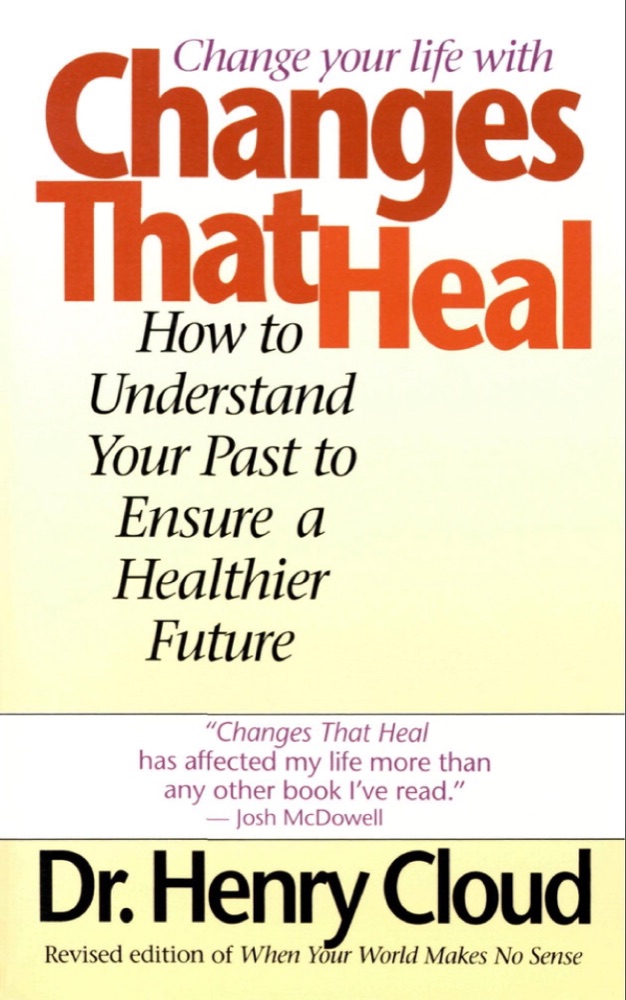 Changes That Heal: How to Understand the Past to Ensure a Healthier Future
 Ethics for the New Millennium
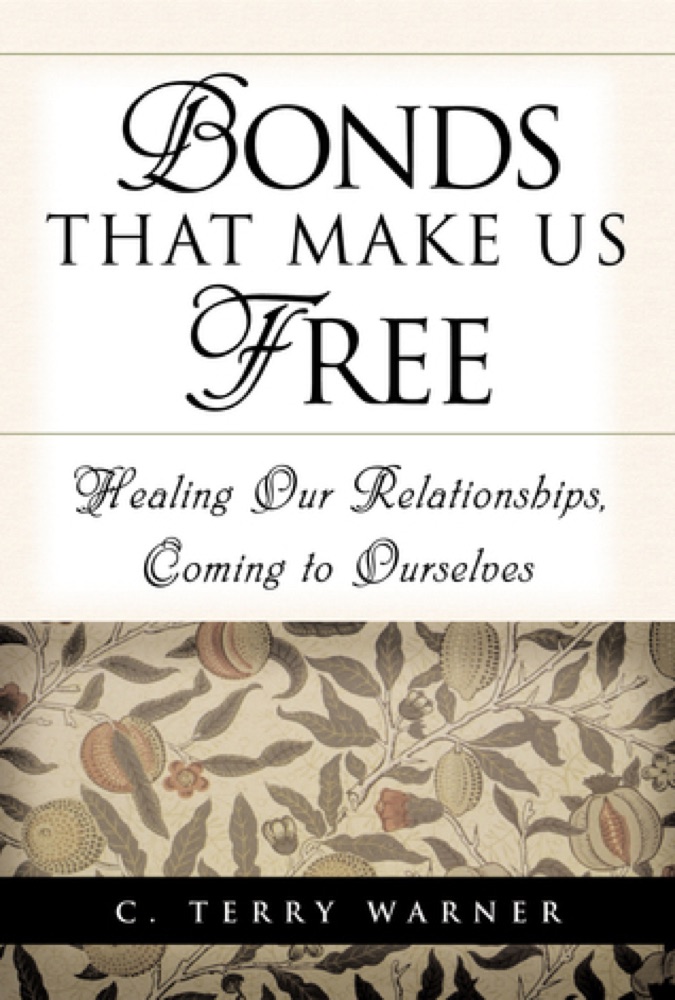 Bonds That Make Us Free: Healing Our Relationship, Coming to Ourselves
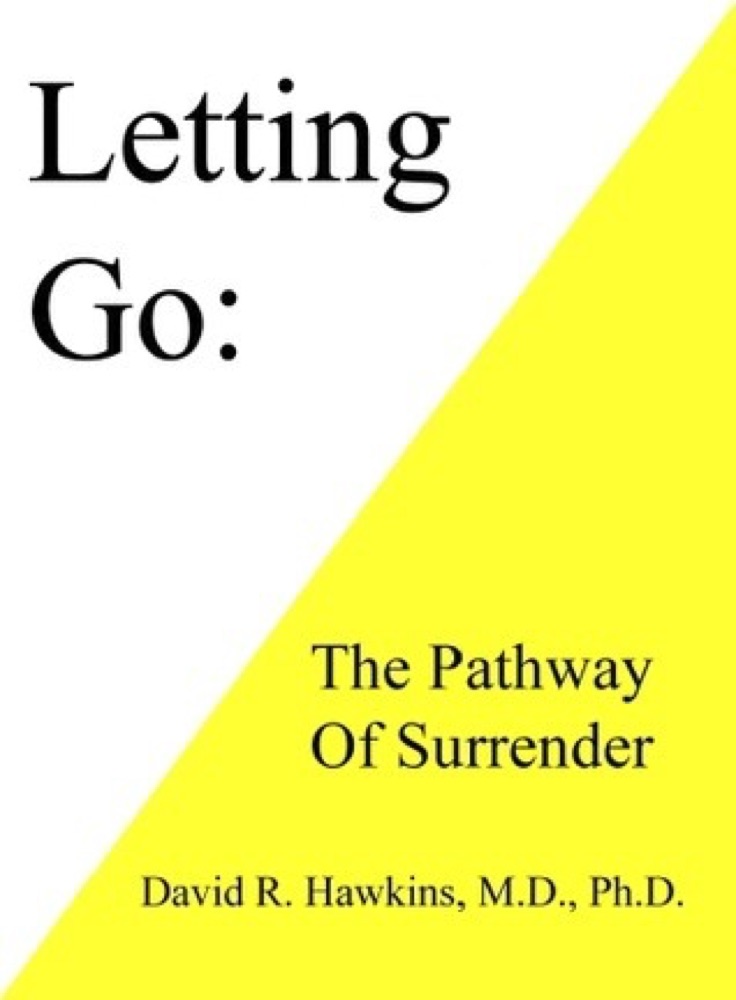 Letting Go: The Pathway To Surrender
 Be a People Person
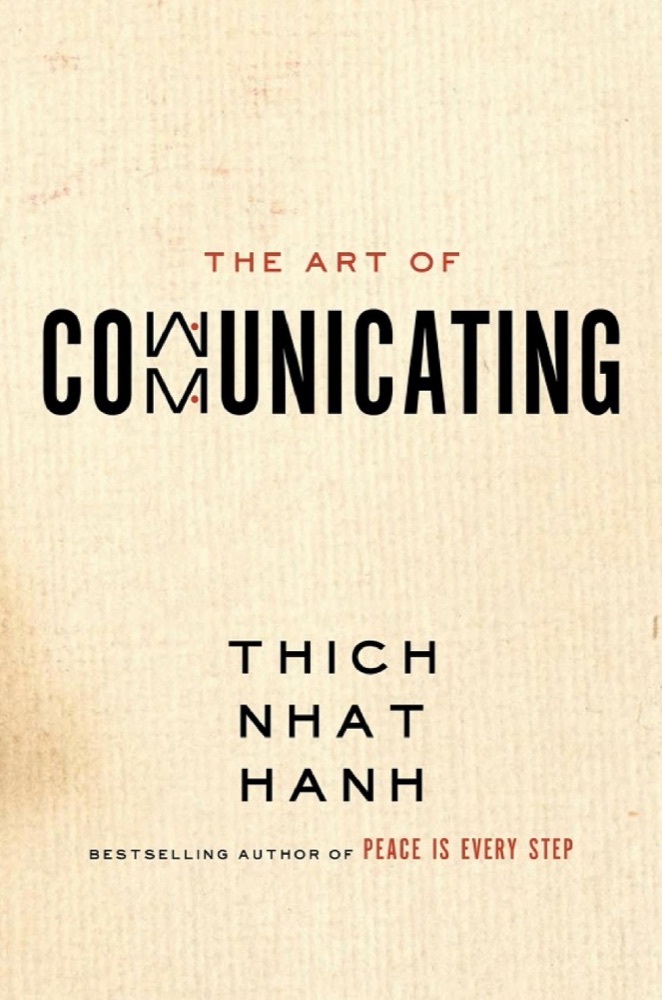 The Art of Communicating
 The Anatomy of Peace: Resolving the Heart of Conflict
 The School of Life: An Emotional Education
 Anger: Wisdom for Cooling the Flames
 Twelve Steps to a Compassionate Life
 Toward a Psychology of Being
 When Things Fall Apart: Heart Advice for Difficult Times
 Dare to Lead
 Buddha's Brain: The Practical Neuroscience of Happiness, Love, and Wisdom
 The Four Agreements: A Practical Guide to Personal Freedom
 The Subtle Art of Not Giving a F*ck: A Counterintuitive Approach to Living a Good Life
 Self-Compassion: The Proven Power of Being Kind to Yourself
 The Art of Being
 Everything Is F*cked: A Book About Hope
 The Wise Heart: A Guide to the Universal Teachings of Buddhist Psychology
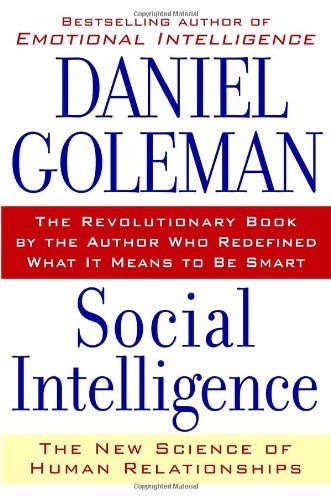 Social Intelligence: The New Science of Human Relationships
 The Art of Happiness
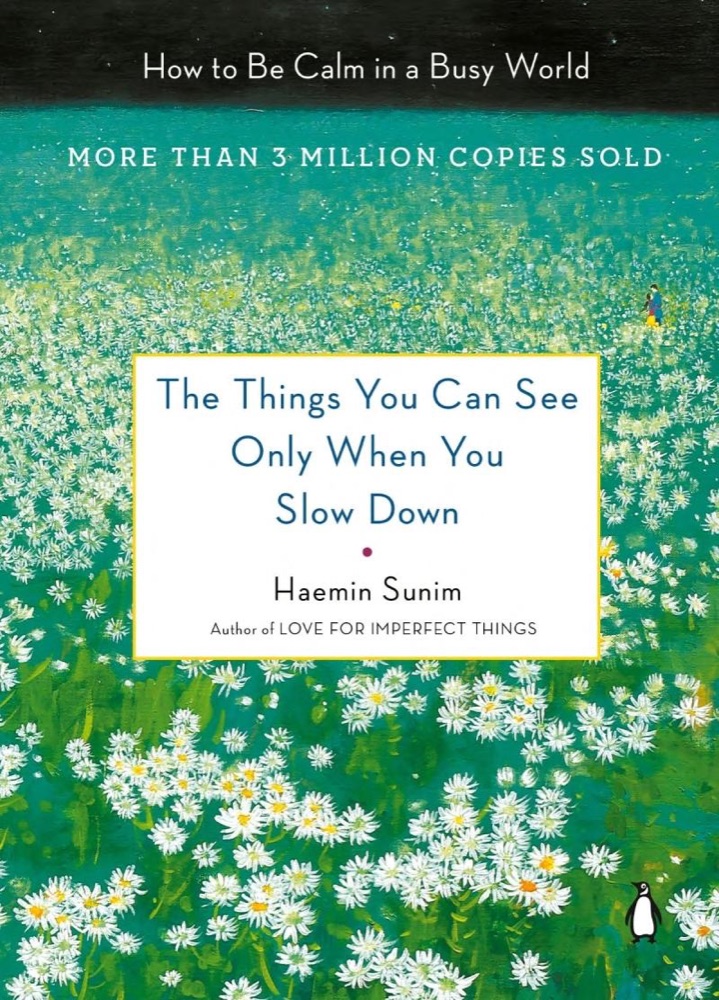 The Things You Can See Only When You Slow Down: How to Be Calm in a Busy World
 On Our Best Behavior: The Seven Deadly Sins and the Price Women Pay to Be Good
 See No Stranger: A Memoir and Manifesto of Revolutionary Love
 Six Pillars of Self-Esteem
 Us: Getting Past You and Me to Build a More Loving Relationship
 Conflict Is Not Abuse: Overstating Harm, Community Responsibility, and the Duty of Repair
 How to Fight
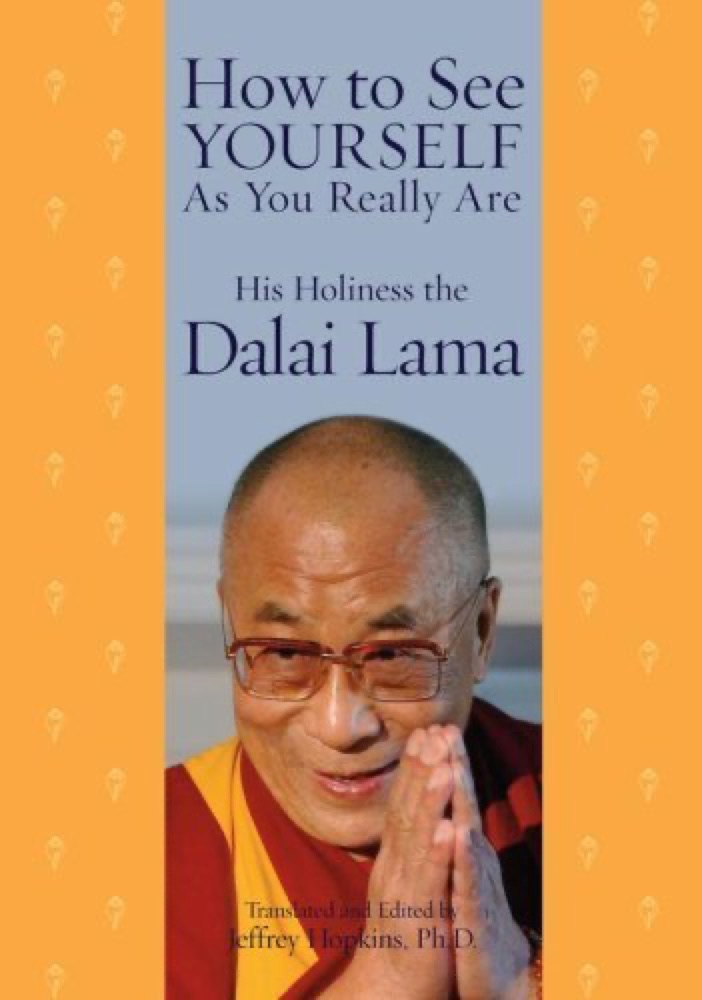 How to See Yourself As You Really Are
 Against the Stream: A Buddhist Manual for Spiritual Revolutionaries
 The Happiness Hypothesis: Finding Modern Truth in Ancient Wisdom
 The World According to Mister Rogers: Important Things to Remember
 On Connection
 A Complaint Free World: How to Stop Complaining and Start Enjoying the Life You Always Wanted
 Maybe You Should Talk to Someone: A Therapist, Her Therapist, and Our Lives Revealed
 Radical Honesty : How to Transform Your Life by Telling the Truth
 Letting Go of the Person You Used to Be: Lessons on Change, Loss, and Spiritual Transformation
 A Way of Being
 The Mastery of Love: A Practical Guide to the Art of Relationship: A Toltec Wisdom Book
 12 Rules for Life: An Antidote to Chaos
 True Refuge: Finding Peace and Freedom in Your Own Awakened Heart
 A Language Older Than Words
 How to Know a Person: The Art of Seeing Others Deeply and Being Deeply Seen
 The Lucifer Effect: Understanding How Good People Turn Evil
 The 7 Habits of Highly Effective People: Personal Workbook
 The Coddling of the American Mind: How Good Intentions and Bad Ideas Are Setting up a Generation for Failure
 Your Erroneous Zones: Step-By-Step Advice for Escaping the Trap of Negative Thinking and Taking Control of Your Life
 Advice Not Given: A Guide to Getting Over Yourself
 Difficult Conversations: How to Discuss What Matters Most
 The Dance of Connection: How to Talk to Someone When You're Mad, Hurt, Scared, Frustrated, Insulted, Betrayed, or Desperate
 The Gifts of Imperfection
 101 Essays That Will Change The Way You Think
 Loving What Is: Four Questions That Can Change Your Life
 How to Stay Sane in an Age of Division
 The Buddha Walks into a Bar . . .: A Guide to Life for a New Generation
 Kitchen Table Wisdom: Stories that Heal
 Discourses and Selected Writings