 The Perennial Philosophy
Quotes from the Book
Among the languages of American Indians there is no word for ‘art,’ because for Indians everything is art.
If it is possible to be homesick for the world, even places one has never been and knows one will never see, this book is the child of such homesickness.
Without attention, the human sense of wonder and the holy will stir occasionally, but to become a steady flame it must be tended.
If I were asked under what sky the human mind…has most deeply pondered over the greatest problems of life, and has found solutions to some of them which well deserve the attention even of those who have studied Plato and Kant—I should point to India. And if I were to ask myself from what literature we who have been nurtured almost exclusively on the thoughts of Greeks and Romans, and of one Semitic race, the Jewish, may draw the corrective which is most wanted in order to make our inner life more perfect, more comprehensive, more universal, in fact more truly human a life…again I should point to India. Max Müller
Science makes major contributions to minor needs, Justice Holmes was fond of saying, adding that religion, however small its successes, is at least at work on the things that matter most.
If I were asked under what sky the human mind…has most deeply pondered over the greatest problems of life, and has found solutions to some of them which well deserve the attention even of those who have studied Plato and Kant—I should point to India. And if I were to ask myself from what literature we who have been nurtured almost exclusively on the thoughts of Greeks and Romans, and of one Semitic race, the Jewish, may draw the corrective which is most wanted in order to make our inner life more perfect, more comprehensive, more universal, in fact more truly human a life…again I should point to India. Max Müller On
To try to extinguish the drive for riches with money is like trying to quench a fire by pouring butter over it.
To find meaning in the mystery of existence is life’s final and fascinating challenge.
The game can be won or lost, but not the player himself. If he has worked hard, he has improved his game and indeed his faculties; this happens in defeat fully as much as in victory. As the contestant is related to his total person, so is the finite self of any particular lifetime related to its underlying Atman.
Lincoln Steffens has a fable of a man who climbed to the top of a mountain and, standing on tiptoe, seized hold of the Truth. Satan, suspecting mischief from this upstart, had directed one of his underlings to tail him; but when the demon reported with alarm the man’s success—that he had seized hold of the Truth—Satan was unperturbed. “Don’t worry,” he yawned. “I’ll tempt him to institutionalize it.” That
A great anatomist used to close his opening lecture to beginning medical students with words that apply equally to our own undertaking. “In this course,” he would say, “we shall be dealing with flesh and bones and cells and sinews, and there are going to be times when it’s all going to seem terribly cold-blooded. But never forget. It’s alive!” II.
No individual is solely reflective, emotional, active, or experimental, and different life situations call for different resources to be brought into play. Most people will, on the whole, find travel on one road more satisfactory than on others and will consequently tend to keep close to it; but Hinduism encourages people to test all four and combine them as best suits their needs.
Detachment from the finite self or attachment to the whole of things—we can state the phenomenon either positively or negatively. When it occurs, life is lifted above the possibility of frustration and above ennui—the third threat to joy—as well, for the cosmic drama is too spectacular to permit boredom in the face of such vivid identification.
Hinduism advises such people not to try to think of God as the supreme instance of abstractions like being or consciousness, and instead to think of God as the archetype of the noblest reality they encounter in the natural world.
Everything I do for my private wellbeing adds another layer to my ego, and in thickening it insulates me more from God. Conversely, every act done without thought for myself diminishes my self-centeredness until finally no barrier remains to separate me from the Divine. The
Historical figures lose their center when they become anxious over the outcome of their actions.
Weapons are the tools of violence; all decent men detest them. Weapons are the tools of fear; a decent man will avoid them except in the direst necessity and, if compelled, will use them only with the utmost restraint. Peace is the highest value.… He enters a battle gravely, with sorrow and with great compassion, as if he were attending a funeral. (ch. 31) That
Heaven and earth are my inner and outer coffins. The sun, moon, and stars are my drapery, and the whole creation my funeral procession. What more do I want?
sharpened edge of a razor, hard to traverse, A difficult path is this—the poets declare!2 Science
A sharpened edge of a razor, hard to traverse, A difficult path is this—the poets declare!2 Science
Such power as I possess for working in the political field has derived from my experiments in the spiritual field.
III. Buddhism The Man Who Woke Up Buddhism begins with a man. In his later years, when India was afire with his message and kings themselves were bowing before him, people came to him even as they were to come to Jesus asking what he was.1 How many people have provoked this question—not “Who are you?” with respect to name, origin, or ancestry, but “What are you? What order of being do you belong to? What species do you represent?” Not Caesar, certainly. Not Napoleon, or even Socrates. Only two: Jesus and Buddha. When the people carried their puzzlement to the Buddha himself, the answer he gave provided an identity for his entire message. “Are you a god?” they asked. “No.” “An angel?” “No.” “A saint?” “No.” “Then what are you?” Buddha answered, “I am awake.” His answer became his title, for this is what Buddha means. The Sanskrit root budh denotes both to wake up and to know. Buddha, then, means the “Enlightened One,” or the “Awakened One.” While the rest of the world was wrapped in the womb of sleep, dreaming a dream known as the waking state of human life, one of their number roused himself. Buddhism begins with a man who shook off the daze, the doze, the dream-like vagaries of ordinary awareness. It begins with a man who woke up. His
He is admitting that he is trapped, which realization leads to his desperate cry that we have already quoted, “Who will rescue me from this body of death?” (Romans 14:24). In whatever words it is the cry that every alcoholic has repeated. If there is to be a liberation, it will have to come from without, or better, from above: a higher power.
And is it true? And is it true, This most tremendous tale of all… That God was Man in Palestine And lives today in Bread and Wine. (John Betjeman, Christman)
The point of the story is that the universe is one gigantic Wishing Tree, with branches that reach into every heart. The cosmic process decrees that sometime or other, in this life or another, each of these wishes will be granted—together, of course, with consequences.
The only thing that is unqualifiedly good is extended vision, the enlargement of one’s understanding of the ultimate nature of things.
Never during its pilgrimage is the human spirit completely adrift and alone. From start to finish its nucleus is the Atman, the god-within... underlying its whirlpool of transient feelings, emotions, and delusions is the self-luminous, abiding point of the transpersonal god. As the sun lights the world even when cloud-covered, “the Immutable is never seen but is the Witness; it is never heard but is the Hearer; it is never thought but is the Thinker; it is never known but is the Knower. There is no other witness but This, no other knower but This." from the Upanishad
17
What a strange fellowship this is, the God seekers in every land, lifting their voices in the most disparate ways imaginable to the God of all life. How does it sound from above? Like bedlam, or do the strains blend in strange ethereal harmony? Does one faith carry the lead or do the parts share in counterpoint and antiphony where not in full throated chorus? We cannot know. All we can do is to listen carefully and with full attention to each voice in turn as it addresses the divine.
11
The only power that can effect transformations of the order (of Jesus) is love. It remained for the 20th century to discover that locked within the atom is the energy of the sun itself. For this energy to be released, the atom must be bombarded from without. So too, locked in every human being is a store of love that partakes of the divine- the imago dei, image of god…And it too can be activated only through bombardment, in its case, love’s bombardment. The process begins in infancy, where a mother’s initially unilateral loving smile awakens love in her baby and as coordination develops, elicits its answering smile… A loving human being is not produced by exhortations, rules and threats. Love can only take root in children when it comes to them- initially and most importantly from nurturing parents. Ontogenetically speaking, love is an answering phenomenon. It is literally a response.
9
The disciples of Jesus “found themselves thinking that if divine goodness were to manifest itself in human form, this (he) is how it would behave… he invited people to see differently instead of telling them what to do or believe…he located the authority of his teaching in his hearer’s hearts, not in himself or God-as-removed.
6
This is why, in sharp contrast to Christians, who have translated their Bible into every known script, Muslims have preferred to teach others the language in which they believe God spoke finally with incomparable force and directness
2
When a wild elephant is to be tamed and trained, the best way to begin is by yoking it to one that has already been through the process... "When shall we come to recognize that health is as contagious as disease, virtue as contagious as vice, cheerfulness as contagious as moroseness?" One of the three things for which we should give thanks every day, according to Shankara, is the company of the holy; for as bees cannot make honey unless together, human beings cannot make progress on the Way [Buddhism] unless they are supported by a field of confidence and concern that Truthwinners generate. The Buddha agrees. We should associate with Truthwinners, converse with them, serve them, observe their ways, and imbibe by osmosis their spirit of love and compassion. p105
2
A second normal feature of religion is ritual, which was actually religion’s cradle, for anthropologists tell us that people danced out their religion before they thought it out. Religion arose out of celebration and its opposite, bereavement, both of which cry out for collective expression. When we are crushed by loss or when we are exuberant, we want not only to be with people; we want to interact with them in ways that make the interactions more than the sum of their parts—this relieves our isolation.
2
In samadhi, the mind continues to think, but of no thing. This does not mean that it is thinking of nothing, that it is a total blank. It has perfected the paradox of seeing the invisible. It is filled with that which is “separated from all qualities, neither this nor that, without form, without a name.
2
The motions of the average mind, say the Hindus, are about as orderly as those of a crazed monkey cavorting in its cage. Nay, more; like the prancings of a drunk, crazed monkey. Even so we have not conveyed its restlessness; the mind is like a drunken crazed monkey who has been stung by a wasp. What if the mind could be turned from a ping-pong ball into a lump of dough, which when thrown sticks to a all until deliberately removed? Would not its power increase if it could be thus held in focus? Would not its strength be compounded, like the strength of a light bulb when ringed by reflectors? A normal mind can be held to a reasonable extent by the world’s objects. A psychotic mind cannot; it slips at once into uncontrollable fantasy. What if a third condition of mind could be developed, as much above the normal mind as the psychotic mind is below it, a condition in which the mind could be induced to focus protractedly on an object to fathom it deeply? This concentration is the sixth step of raja yoga.
2
Raja yoga with asanas (poses and breathing) is a way of leading the inquirer to direct personal experience of the “beyond that is within.” Its method is willed introversion, one of the classic implements of creative genius in any line of endeavor. Its intent is to drive the psychic energy of the self to its deepest part to activate the last continent of the true self
2
The last is the worship of God in innumerable forms. Each is a symbol that points to something beyond; and as none exhausts God’s actual nature, the entire array is needed to complete the picture of God’s aspects and manifestations. But though the representations point equally to God, it s advisable for each devotee to form a lifelong attachment to one, so only then can its meaning deepen and its full power become accessible. The ideal form for most people will be one of God’s incarnations, for God can be loved most readily in human form because our hearts are already attuned to loving people. Many Hindus readily acknowledge Christ as an incarnation as well as Rama, Krishna, and the Buddha. Whenever the stability of the world is seriously threatened, God descends to address the imbalance.
2
The bhakta’s approach include repeating God’s name, as in praying without ceasing “keep the name of the Lord spinning in the midst of all your activities.” Washing or weaving, planting or shopping, imperceptibly but indelibly these verbal droplets of aspiration soak down into the subconscious, loading it with the divine.
2
All the basic principles of Bhakti yoga are richly exemplified in Christianity. From the Hindu point of view, Christianity is one great brilliantly lit highway toward God, not greater than other paths, but more clearly marked. On this path God is conceived differently than in jnana yoga, where the guiding image was of an infinite sea of being underlying the waves of our finite selves. This sea typified the all-pervading Self, which is a much within us as without.
2
How can such a love for Being be engendered? The things for the world clamor for our affection so incessantly that it may be marveled that Being who can neither be seen nor heard can ever become their rival. Enter Hinduism’s myths, her magnificent symbols, her several hundred images of God, her rituals that keep turning night and day like never ending prayer wheels. It is obtuse to confused Hinduism’s images with idolatry, and their multiplicity with polytheism. They are runways from which the sense-laden human spirit can rise for its “flight of the alone to the Alone.
2
We have seen that psychology has accustomed us to the fact there is more to ourselves than we suspect. Like the eighteenth century European view of the earth, our minds have their own darkest Africas, their unmapped Borneos, their Amazonian basins. Their bulk continues to await exploration. Hinduism sees the mind’s hidden continents as stretching to infinity. Infinite in being, infinite in awareness, there is nothing beyond them that remains unknown. Infinite in joy, too, for there is nothing alien in them to mar their beatitude.
2
We need to approach this question of being not only spatially, but also in terms of time. Our everyday experience provides a wedge for doing so. Strictly speaking, every moment of our lives is a dying; the I of that moment dies, never to be reborn. I endure through the moments-experiencing them, without being identical with any of them in it singularity. Hinduism carries this notion a step further. It posits an extensive self that lives successive lives in the way a single life lives successive moments.
2
Watch on YouTube
About Huston Smith
We have collected 42 quotes from 1 book by Huston Smith on BookQuoters.
More about the author →About the book
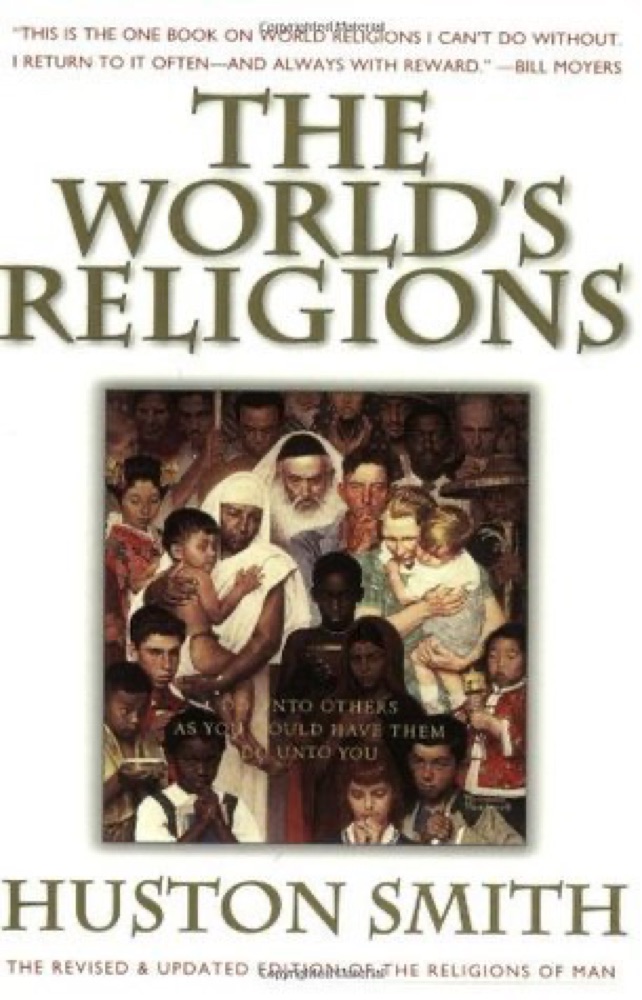
Originally titled The Religions of Man, this completely revised and updated edition of Smith′s masterpiece, now with an engaging new foreword, explores the essential elements and teachings of the world′s predominant faiths, including:
Hinduism,
Buddhism,
Confucianism,
Taoism,
Islam,
Judaism,
Christianity,
and the native traditions of the Americas, Australia, Africa, and Oceania.
Emphasising the inner -- rather than institutional -- dimensions of these religions, Smith devotes special attention to Zen and Tibetan Buddhism, Sufism, and the teachings of Jesus. He convincingly conveys the unique appeal and gifts of each of the traditions and reveals their hold on the human heart and imagination.
Book details
- First published
- 1958
- Author
- Huston Smith
- Genre
- History
- Goodreads rating
- 4.04 (14k ratings)
Keep reading
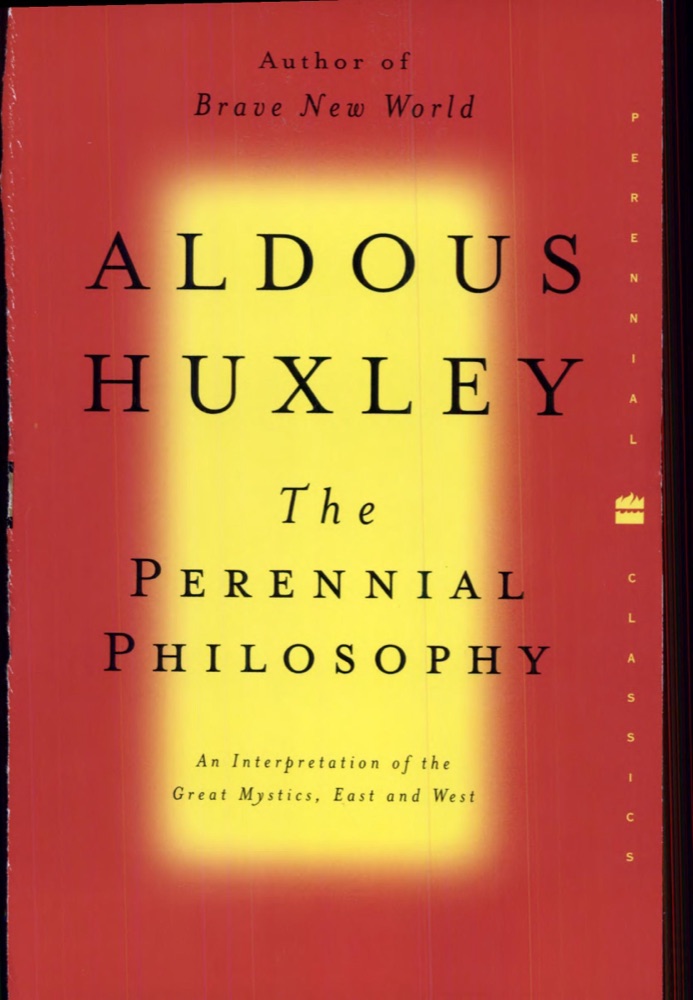
The Perennial Philosophy
 Myths to Live By
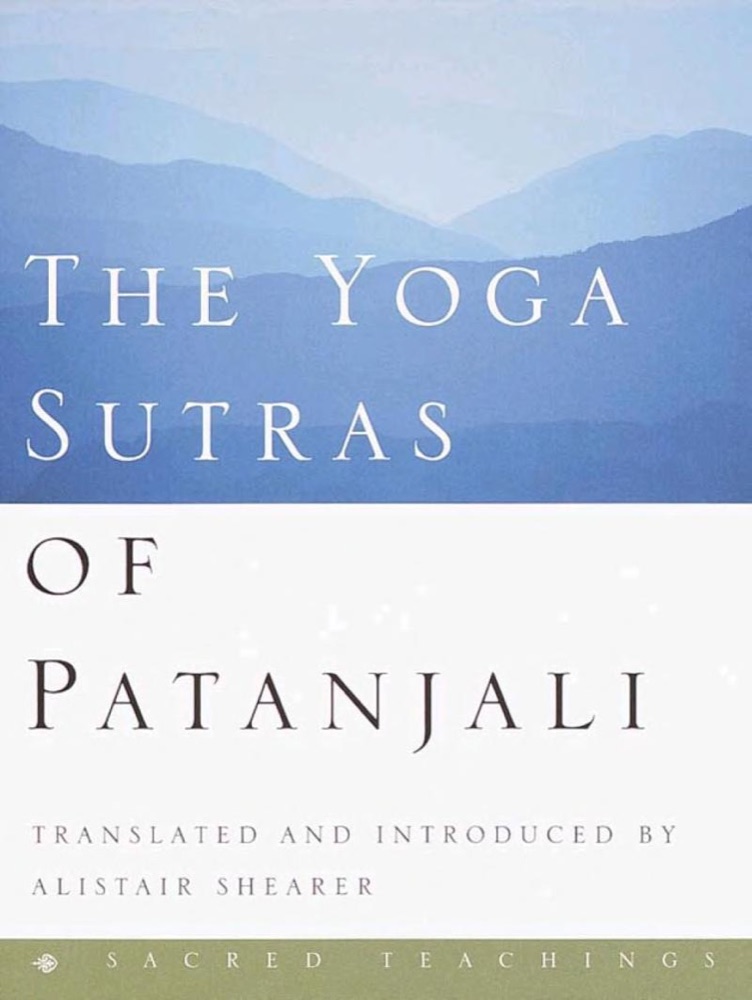 The Yoga Sutras of Patanjali
 Complete Works of Swami Vivekananda, 9 Vols.
 The Journey Home
 Bhagavad-Gita As It Is
 The Varieties of Religious Experience
 The Upanishads
 God in Search of Man: A Philosophy of Judaism
 Raja-Yoga
 We Who Wrestle with God: Perceptions of the Divine
 The God Who Weeps: How Mormonism Makes Sense of Life
 Breaking the Spell: Religion as a Natural Phenomenon
 Confession of a Buddhist Atheist
 Autobiography of a Yogi
 The Gay Science
 The Everlasting Man
 What the Buddha Taught
 My Bright Abyss: Meditation of a Modern Believer
 Tibetan Book of the Dead
 Everything Belongs: The Gift of Contemplative Prayer
 The Convoluted Universe, Book 1
 Maps of Meaning: The Architecture of Belief
 New Seeds of Contemplation
 A History of God: The 4,000-Year Quest of Judaism, Christianity, and Islam
 The Mind of the Maker: Dorothy L. Sayers' Witty Classic on the Trinity, Christianity, and Human Creativity
 The Seven Storey Mountain
 The Occult
 The Intellectual Life: Its Spirit, Conditions, Methods
 The Yoga Sutras of Pantanjali
 Twilight of the Idols/The Anti-Christ
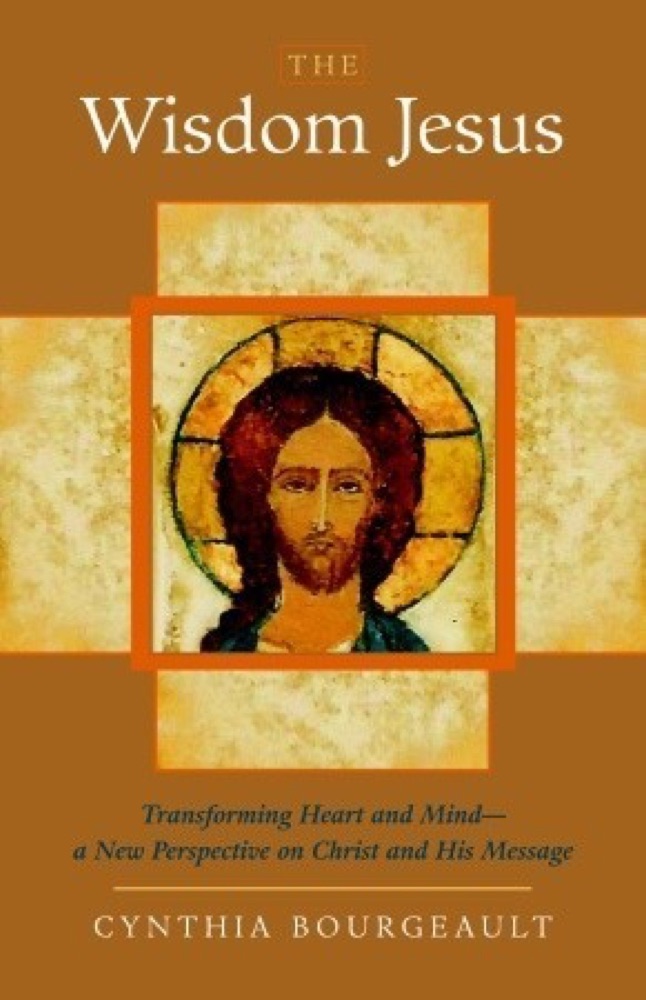 The Wisdom Jesus: Transforming Heart and Mind
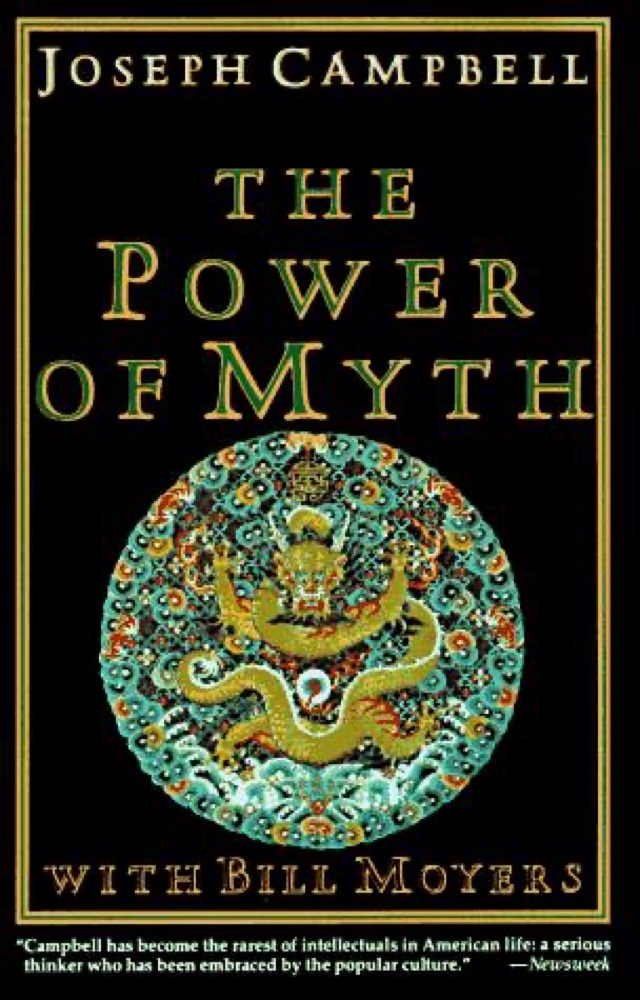 The Power of Myth
 Daybreak: Thoughts on the Prejudices of Morality
 Orthodoxy
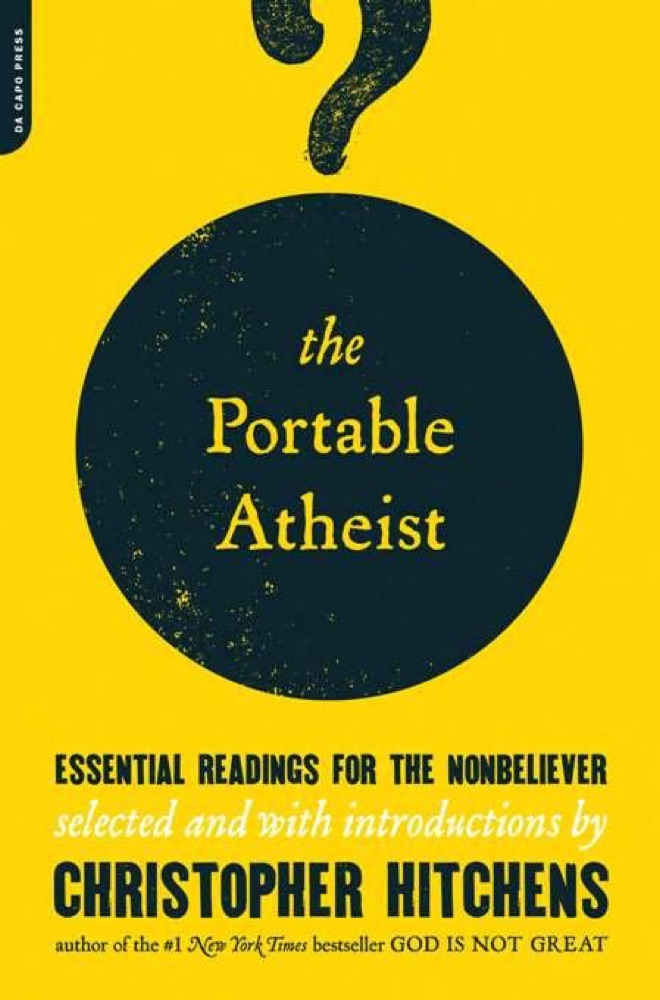 The Portable Atheist: Essential Readings for the Nonbeliever
 The Divine Dance: The Trinity and Your Transformation
 The Wise Heart: A Guide to the Universal Teachings of Buddhist Psychology
 Thou Art That: Transforming Religious Metaphor
 Man and His Symbols
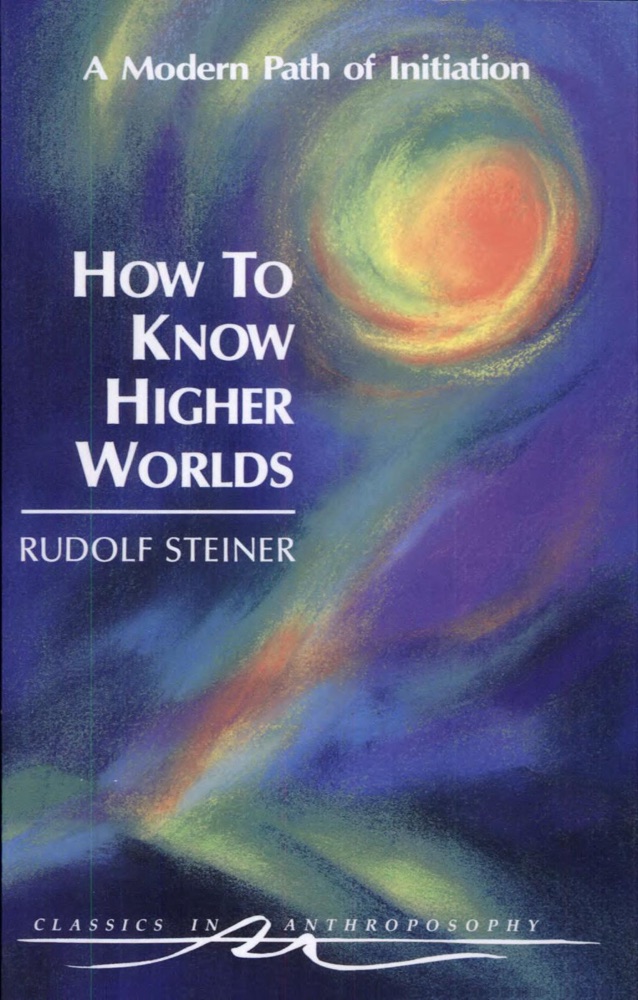 How to Know Higher Worlds: A Modern Path of Initiation
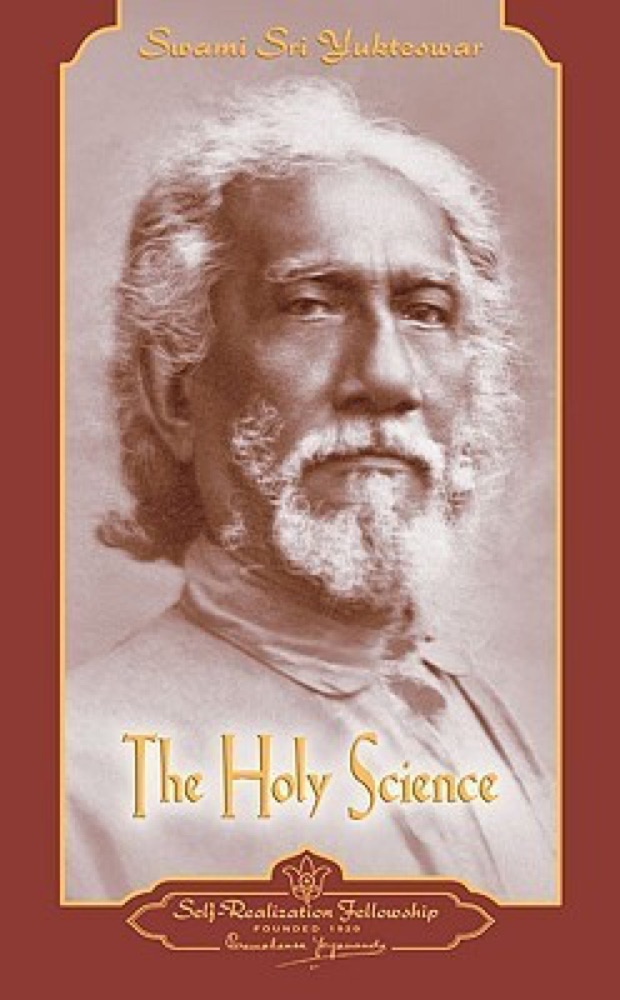 The Holy Science
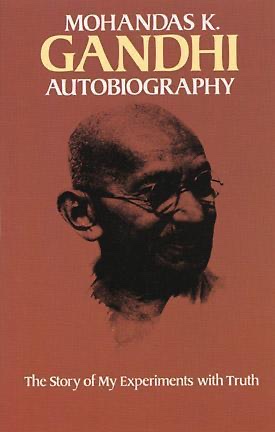 The Story of My Experiments With Truth
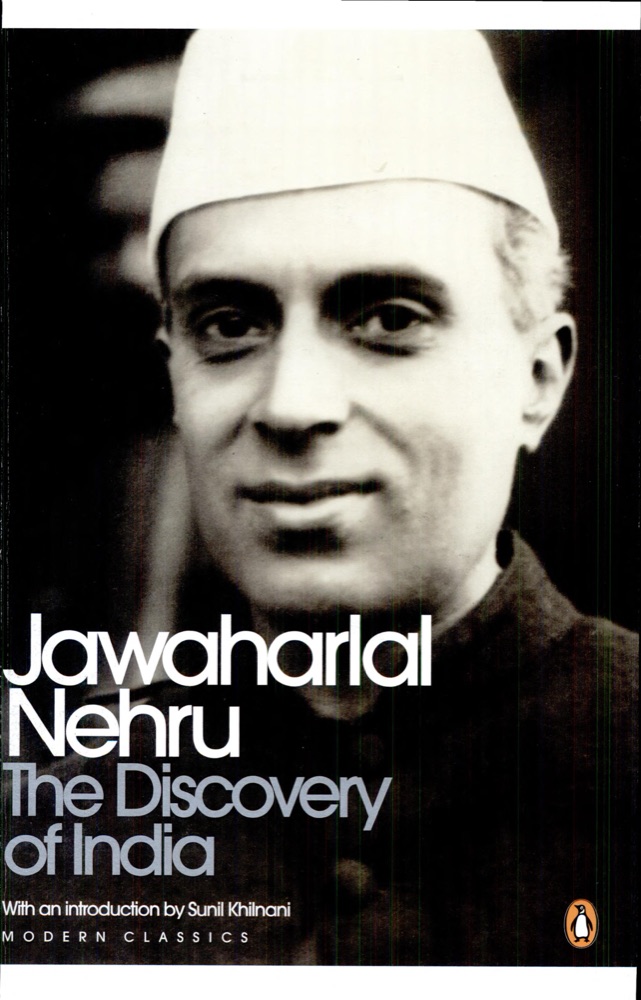 The Discovery of India
 The Glass Bead Game
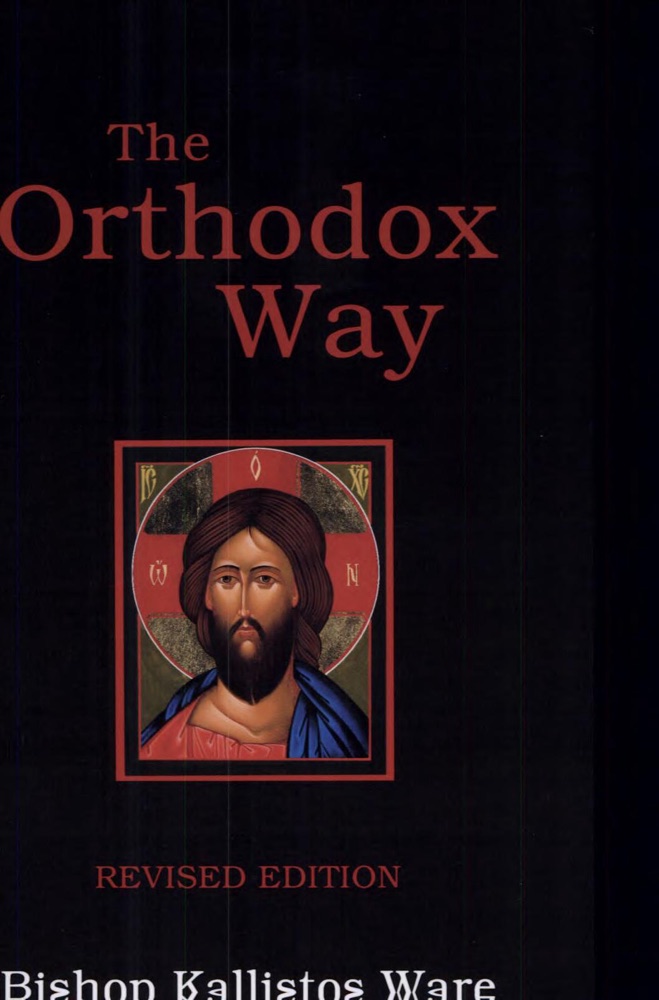 The Orthodox Way
 Father Joe: The Man Who Saved My Soul
 The Book of Wisdom
 The Secret Magdalene
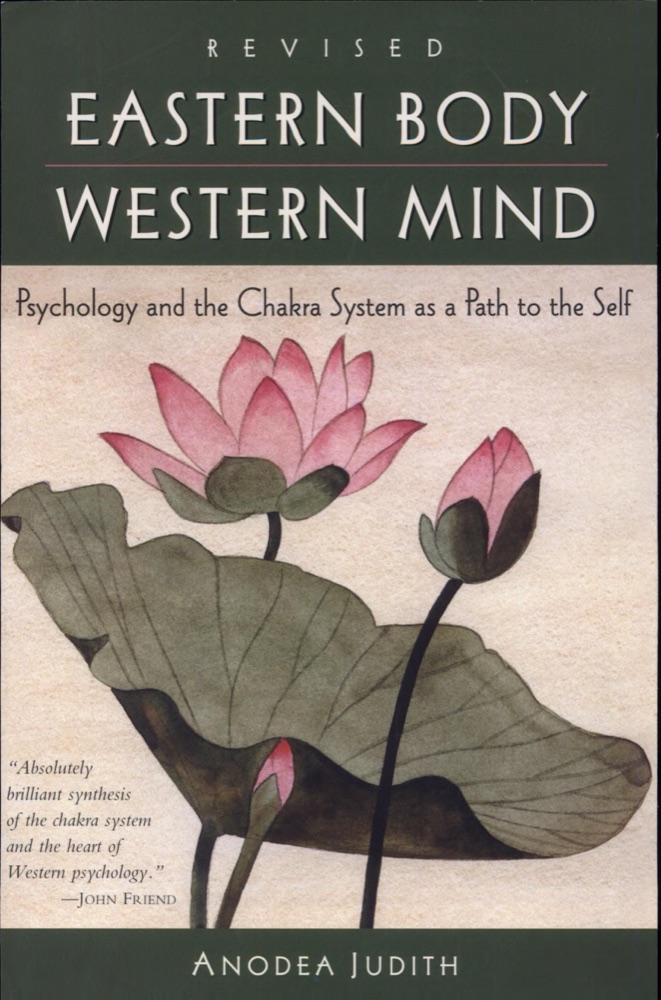 Eastern Body, Western Mind: Psychology and the Chakra System as a Path to the Self
 The Source Field Investigations: The Hidden Science and Lost Civilizations Behind the 2012 Prophecies
 The Spiral Dance: A Rebirth of the Ancient Religion of the Great Goddess
 The Spiral Staircase: My Climb Out of Darkness
 The Weight of Glory
 Living Buddha, Living Christ
 The Immortals of Meluha
 Purification of the Heart: Signs, Symptoms and Cures of the Spiritual Diseases of the Heart