
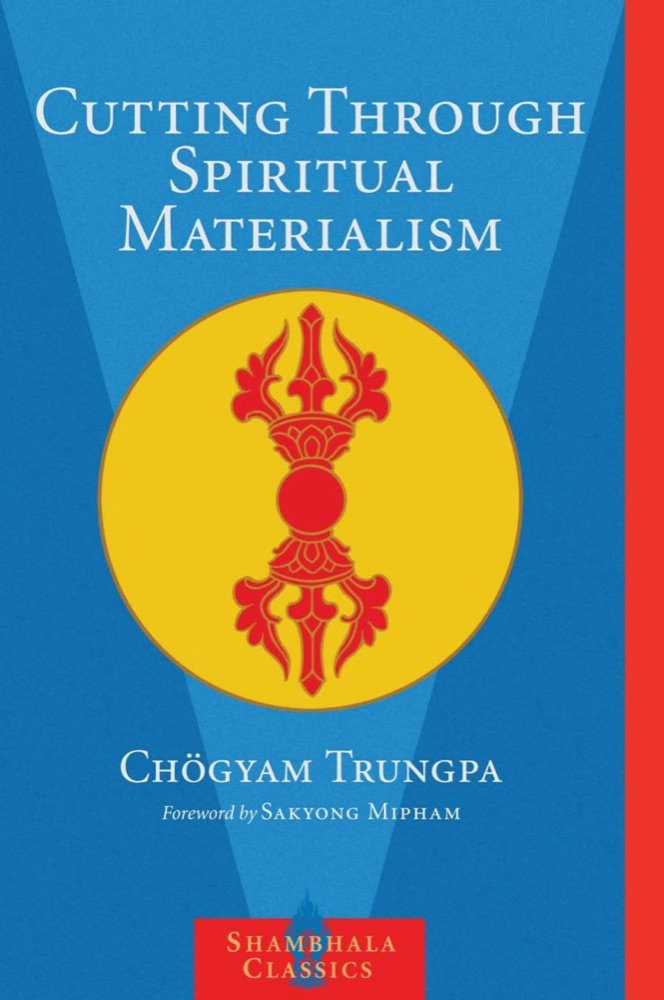
 Cutting Through Spiritual Materialism
Quotes from the Book
The essence of warriorship, or the essence of human bravery, is refusing to give up on anyone or anything.
105
A great deal of the chaos in the world occurs because people don't appreciate themselves.
89
You don’t have to rush out to become the mayor of your city or the president of the United States in order to help others, but you can begin with your relatives and friends and the people around you. In fact, you can start with yourself. The important point is to realize that you are never off duty.
12
When we are afraid of ourselves and afraid of the seeming threat the world presents, then we become extremely selfish. We want to build our own little nests, our own cocoons, so that we can live by ourselves in a secure way.
12
The key to warriorship and the first principle of Shambhala vision is not being afraid of who you are. Ultimately, that is the definition of bravery: not being afraid of yourself.
9
We must try to think beyond our homes, beyond the fire burning in the fireplace, beyond sending our children to school or getting to work in the morning. We must try to think how we can help this world. If we don’t help, nobody will. It is our turn to help the world.
7
True fearlessness is not the reduction of fear, but going beyond fear.
5
Warriorship is a continual journey. To be a warrior is to learn to be genuine in every moment of your life.
5
Shambhala vision teaches that in the face of the world’s great problems, we can be heroic and kind at the same time.
4
When human beings lose their connection to nature, to heaven and earth, then they do not know how to nurture their environment or how to rule their world - which is saying the same thing. Human beings destroy their ecology at the same time that they destroy each other. From that perspective, healing our society goes hand in hand with healing our personal, elemental connection with the phenomenal world.
3
On the other hand, acknowledging fear is not a cause for depression or discouragement. Because we possess such fear, we also are potentially entitled to experience fearlessness. True fearlessness is not the reduction of fear, but going beyond fear.
2
when we appreciate reality, it can actually work on us.
2
The situations of fear that exist in our lives provide us with stepping stones to step over our fear. On the other side of cowardice is bravery. If we step over properly, we can cross the boundary from being cowardly to being brave.
2
So, when you sit in the saddle on your fickle horse, you feel completely exposed and gentle. If you feel aggressive, you don’t have a good seat. In fact, you are probably not even riding the horse.
1
You can appreciate your life, even if it is an imperfect situation. Perhaps your apartment is run down and your furniture is old and inexpensive. You do not have to live in a palace. You can relax and let go wherever you are. Wherever you are, it is a palace.
1
The Shambhala understanding of bravery is quite different. Here bravery is the courage to be – to live in the world without any deception and with tremendous kindness and caring for others. You might wonder how this can bring magic into your life. The ordinary idea of magic is that you can conquer the elements, so that you can turn earth into fire or fire into water or ignore the law of gravity and fly. But true magic is the magic of reality, as it is: the earth of earth, the water of water – communicating with the elements so that, in some sense, they become one with you. When you develop bravery, you make a connection with the elemental quality of existence. Bravery begins to heighten your existence, that is, to bring out the brilliant and genuine qualities of your environment and of your own being. So you begin to contact the magic of reality – which is already there in some sense. You actually can attract the power and strength and the primordial wisdom that arise from the cosmic mirror.
1
If you search for awakened heart, if you put your hand through your rib cage and feel for it, there is nothing there except for tenderness. You feel sore and soft, and if you open your eyes to the rest of the world, you feel tremendous sadness.
1
When the environment is stuffy and full of arrogant, self-styled men and women, the dralas are repelled. But then, what happens if a warrior, someone who embodies nonaggression, freedom from arrogance, and humbleness, walks into that room? When such a person enters an intense situation full of arrogance and pollution, quite possibly the occupants of the room begin to feel funny. They feel that they can’t have any fun and games anymore, because someone who won’t collaborate in their deception has walked in. They can’t continue to crack setting-sun jokes or indulge and sprawl on the floor, so usually they will leave. The warrior is left alone, sitting in that room. But then, after a while, a different group of people may walk in, looking for a fresh room, a clean atmosphere. They begin to assemble—gentle people who smile without arrogance or aggression. The atmosphere is quite different from the previous setting-sun gathering. It may be slightly more rowdy than in the opium den, but the air is cheerful and fresh. Then there is the possibility that the dralas will begin to peek through the doors and the windows. They become interested, and soon they want to come in, and one by one they enter. They accept food and drink, and they relax in that atmosphere, because it is pure and clean. Because that atmosphere is without arrogance, the dralas begin to join in and share their greater sanity.
By relaxing the mind, you can reconnect with that primordial, original ground, which is completely pure and simple. Out of that, through the medium of your perceptions, you can discover magic, or drala. You actually can connect your own intrinsic wisdom with a sense of greater wisdom or vision beyond you.
When you begin to enjoy the discipline of warriorship, when it begins to feel natural, even though it may still feel very imperfect, that is the time to let go.
Refusing to Give Up The essence of human bravery is refusing to give up on anyone or anything. We can never say that we are simply falling to pieces or that anyone else is, and we can never say that about the world either. We can save the world from destruction, to begin with. That is why the Shambhala vision exists. It is a centuries-old idea: by serving the world we can save it.
„The Shambhala understanding of bravery is quite different. Here bravery is the courage to be – to live in the world without any deception and with tremendous kindness and caring for others. You might wonder how this can bring magic into your life. The ordinary idea of magic is that you can conquer the elements, so that you can turn earth into fire or fire into water or ignore the law of gravity and fly. But true magic is the magic of reality, as it is: the earth of earth, the water of water – communicating with the elements so that, in some sense, they become one with you. When you develop bravery, you make a connection with the elemental quality of existence. Bravery begins to heighten your existence, that is, to bring out the brilliant and genuine qualities of your environment and of your own being. So you begin to contact the magic of reality – which is already there in some sense. You actually can attract the power and strength and the primordial wisdom that arise from the cosmic mirror.“ (The Sacred Path of the Warrior)
That is one definition of the setting-sun mentality: trying to conquer the earth so that you can ward off reality
Ludzka godność nie ma nic wspólnego z materialnym bogactwem. Zamożni ludzie mogą wydawać mnóstwo pieniędzy na wyposażenie domu, ale w ten sposób powstaje jedynie sztuczny luksus. Ludzka godność wyrasta z używania wrodzonych zdolności i używania własnych rąk - tu i teraz. Wymaga to zręczności i wyczucia piękna. Nawet w najgorszej sytuacji nasze życie nie musi być pozbawione elegancji.
Watch on YouTube
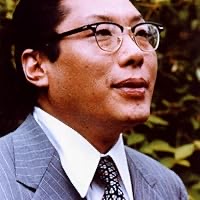
About Chögyam Trungpa
We have collected 54 quotes from 2 books by Chögyam Trungpa on BookQuoters.
More about the author →More by Chögyam Trungpa
Cutting Through Spiritual Materialism
About the book
In this practical guide to enlightened living, Chögyam Trungpa offers an inspiring vision for our time, based on the figure of the sacred warrior. In ancient times, the warrior learned to master the challenges of life, both on and off the battlefield. He acquired a sense of personal freedom and power—not through violence or aggression, but through gentleness, courage, and self-knowledge. The Japanese samurai, the warrior-kings of Tibet, the knights of medieval Europe, and the warriors of the Native American tribes are a few examples of this universal tradition of wisdom. With this book the warrior's path is opened to contemporary men and women in search of self-mastery and greater fulfillment. Interpreting the warrior's journey in modern terms, Trungpa discusses such skills as synchronizing mind and body, overcoming habitual behaviors, relaxing within discipline, facing the world with op
Book details
- First published
- 1984
- Author
- Chögyam Trungpa
- Genre
- Nonfiction
- Goodreads rating
- 4.14 (7k ratings)
Keep reading
 The Places That Scare You: A Guide to Fearlessness in Difficult Times
 Comfortable with Uncertainty: 108 Teachings on Cultivating Fearlessness and Compassion
 The Wise Heart: A Guide to the Universal Teachings of Buddhist Psychology
 The Wisdom of No Escape: How to Love Yourself and Your World
 Zen and the Art of Saving the Planet
Cutting Through Spiritual Materialism
Zen and the Art of Saving the Planet
Cutting Through Spiritual Materialism
 Courage: The Joy of Living Dangerously
 The Art of Power
 Fear: Essential Wisdom for Getting Through the Storm
 True Refuge: Finding Peace and Freedom in Your Own Awakened Heart
 How to Practice: The Way to a Meaningful Life
 Dare to Lead
 The Things You Can See Only When You Slow Down: How to Be Calm in a Busy World
 Rising Strong
 Be Water, My Friend: The Teachings of Bruce Lee
 Awakening the Buddha Within
 Buddha's Brain: The Practical Neuroscience of Happiness, Love, and Wisdom
 Warrior of the Light
 My Spiritual Journey: Personal Reflections, Teachings, and Talks
 The Book of Joy: Lasting Happiness in a Changing World
 Letting Go of the Person You Used to Be: Lessons on Change, Loss, and Spiritual Transformation
 The Gifts of Imperfection
 A Joseph Campbell Companion: Reflections on the Art of Living
 The 50th Law
 Nonviolence: The Transforming Power
 The Tools: Transform Your Problems into Courage, Confidence, and Creativity
 Striking Thoughts: Bruce Lee's Wisdom for Daily Living
 Buddhist Boot Camp
 Resilience: Hard-Won Wisdom for Living a Better Life
 The Heart and the Fist: The Education of a Humanitarian, the Making of a Navy SEAL
 The Art of Peace
 Against the Stream: A Buddhist Manual for Spiritual Revolutionaries
 365 Tao: A Study of Taoist Wisdom for Daily Life
 Letting Go: The Pathway To Surrender
 The Buddha Walks into a Bar . . .: A Guide to Life for a New Generation
 Full Catastrophe Living: Using the Wisdom of Your Body and Mind to Face Stress, Pain, and Illness
 Carry On, Warrior: Thoughts on Life Unarmed
 Kitchen Table Wisdom: Stories that Heal
 Advice Not Given: A Guide to Getting Over Yourself
 Everyday Zen: Love & Work
 On Fire: The 7 Choices to Ignite a Radically Inspired Life
 Lovingkindness: The Revolutionary Art of Happiness
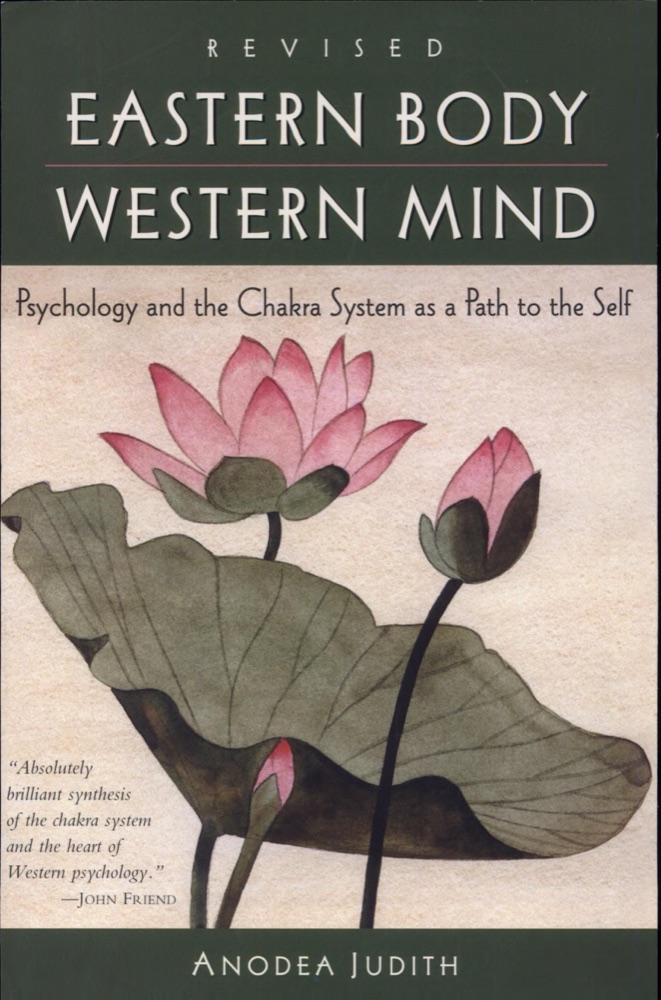 Eastern Body, Western Mind: Psychology and the Chakra System as a Path to the Self
 The Dalai Lama's Cat and the Power of Meow
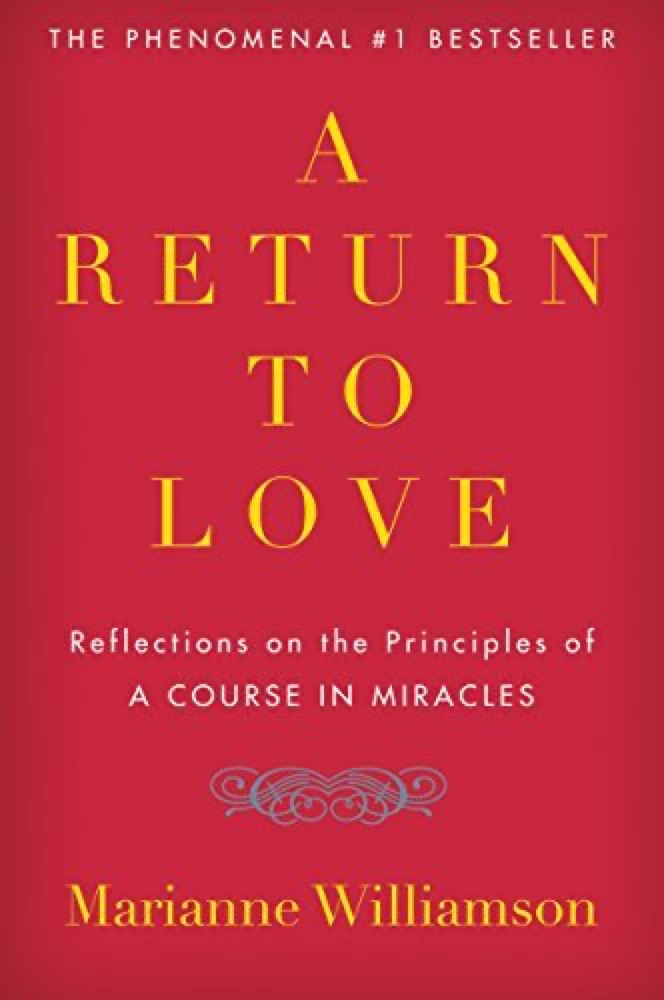 A Return to Love: Reflections on the Principles of "A Course in Miracles"
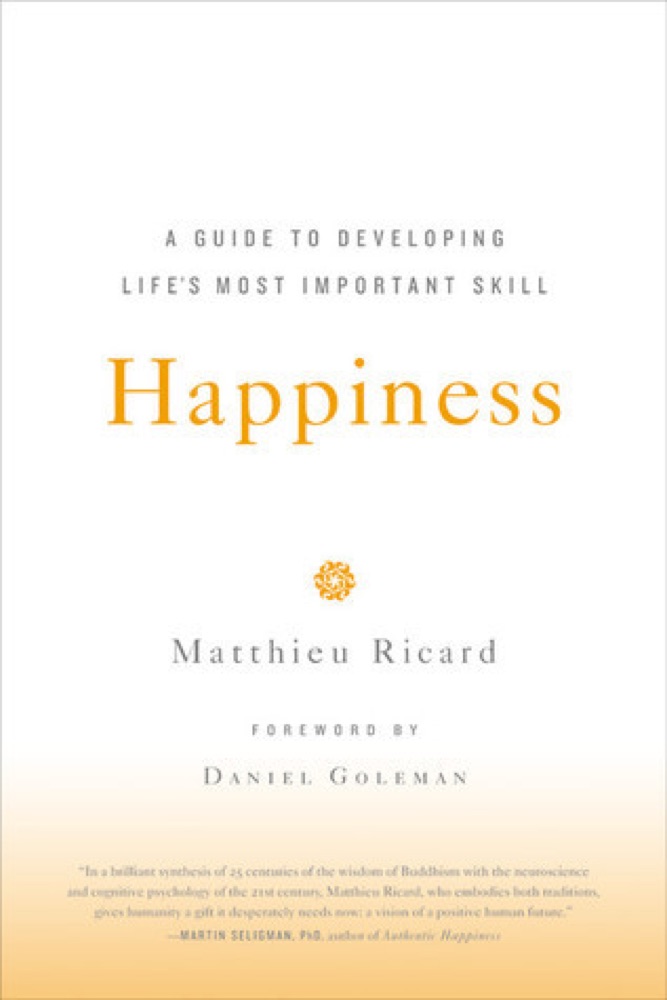 Happiness: A Guide to Developing Life's Most Important Skill
 The Light We Carry: Overcoming in Uncertain Times
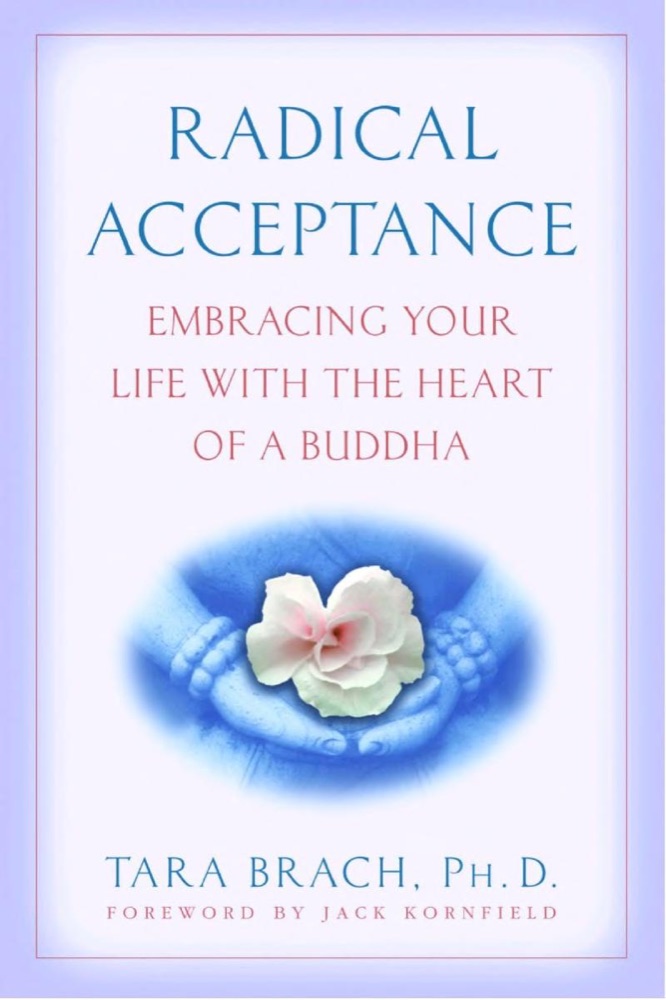 Radical Acceptance: Embracing Your Life With the Heart of a Buddha
 Happiness Becomes You: A Guide to Changing Your Life for Good
 The Dance of Fear: Rising Above Anxiety, Fear, and Shame to Be Your Best and Bravest Self
 Brave Enough
 Sacred Journey of the Peaceful Warrior
 The Book of Secrets: Unlocking the Hidden Dimensions of Your Life
 The Book of Awakening: Having the Life You Want by Being Present to the Life You Have
 A Hidden Wholeness: The Journey Toward an Undivided Life : Welcoming the soul and weaving community in a wounded world
 Love for Imperfect Things: How to Accept Yourself in a World Striving for Perfection
 The Book of Secrets
 Living Untethered: Beyond the Human Predicament
 How Do You Live?