
 When Things Fall Apart: Heart Advice for Difficult Times
Quotes from the Book
We have two alternatives: either we question our beliefs - or we don't. Either we accept our fixed versions of reality- or we begin to challenge them. In Buddha's opinion, to train in staying open and curious - to train in dissolving our assumptions and beliefs - is the best use of our human lives.
99
In a nutshell, when life is pleasant, think of others. When life is a burden, think of others.
21
LIFE’S work is to wake up, to let the things that enter into your life wake you up rather than put you to sleep. The only way to do this is to open, be curious, and develop some sense of sympathy for everything that comes along, to get to know its nature and let it teach you what it will.
20
The more we make friends with ourselves, the more we can see that our ways of shutting down and closing off are rooted in the mistaken thinking that the way to get happy is to blame somebody else.
17
What causes misery is always trying to get away from the facts of life, always trying to avoid pain and seek happiness—this sense of ours that there could be lasting security and happiness available to us if we could only do the right thing.
14
It helps to remember that our spiritual practice is not about accomplishing anything—not about winning or losing—but about ceasing to struggle and relaxing as it is.
13
If you can live with the sadness of human life (what Rinpoche often called the tender heart or the genuine heart of sadness), if you can be willing to feel fully and acknowledge continually your own sadness and the sadness of life, but at the same time not be drowned in it, because you also remember the vision and power of the Great Eastern Sun, you experience balance and completeness, joining heaven and earth, joining vision and practicality.
11
LIFE is a good teacher and a good friend.
11
What we call obstacles are really the way the world and our entire experience teach us where we’re stuck.
10
The way to dissolve our resistance to life is to meet it face-to-face.
10
Meditation practice is not about later, when you get it all together and you’re this person you really respect.
10
PATIENCE is the antidote to anger, a way to learn to love and care for whatever we meet on the path.
9
The essence of life is that it’s challenging.
9
The more you just try to get it your way, the less you feel at home.
9
WE can learn to rejoice in even the smallest blessings our life holds. It is easy to miss our own good fortune; often happiness comes in ways we don’t even notice.
9
A much more interesting, kind, adventurous, and joyful approach to life is to begin to develop our curiosity, not caring whether the object of our inquisitiveness is bitter or sweet. To lead a life that goes beyond pettiness and prejudice and always wanting to make sure that everything turns out on our own terms, to lead a more passionate, full, and delightful life than that, we must realize that we can endure a lot of pain and pleasure for the sake of finding out who we are and what this world is, how we tick and how our world ticks, how the whole thing just is.
9
Meditation takes us just as we are, with our confusion and our sanity. This complete acceptance of ourselves as we are is called maitri, or unconditional friendliness, a simple, direct relationship with the way we are.
8
If you stay in bed all day with the covers over your head, if you overeat for the millionth time in your life, if you get drunk, if you get stoned, if it’s just this habitual thing that you think is going to make you feel better, you know that’s going to depress you and make you more discouraged.
7
The essence of this practice is that when we encounter pain in our life we breathe into our heart with the recognition that others also feel this. It’s a way of acknowledging when we are closing down and of training to open up. When we encounter any pleasure or tenderness in our life, we cherish that and rejoice.
7
IMPERMANENCE means that the essence of life is fleeting. Some people are so skillful at their mindfulness practice that they can actually see each and every little movement of mind—changing, changing, changing.
6
You want it your own way. You’d just like to have a little peace; you’d like to have a little happiness, you know, just “gimme a break!” But the more you think that way, the more you try to get life to come out so that it will always suit you, the more your fear of other people and what’s outside your room grows.
6
Meditation is a totally nonviolent, nonaggressive occupation.
5
MY teacher Trungpa Rinpoche encouraged us to lead our lives as an experiment, a suggestion that has been very important to me.
4
The opposite of patience is aggression—the desire to jump and move, to push against our lives, to try to fill up space.
4
The calligraphy reads, “Pointing directly at your own heart, you find Buddha.” Listening to talks about the dharma, or the teachings of Buddha, or practicing meditation is nothing other than studying ourselves.
4
IN practicing meditation, we’re not trying to live up to some kind of ideal—quite the opposite.
4
We can learn to act and think in ways that sow seeds of our future well-being, gradually becoming more aware of what causes happiness as well as what causes distress.
4
HOW are we going to spend this brief lifetime? Are we going to strengthen our well-perfected ability to struggle against uncertainty, or are we going to train in letting go? Are we going to hold on stubbornly to “I’m like this and you’re like that”? Or are we going to move beyond that narrow mind? Could we start to train as a warrior, aspiring to reconnect with the natural flexibility of our being and to help others do the same? If we start to move in this direction, limitless possibilities will begin to open up.
3
Knowing pain is a very important ingredient of being there for another person. When you are feeling a lot of grief, you can look right into somebody’s eyes because you feel you haven’t got anything to lose—you’re just there.
2
Watch on YouTube
About Pema Chödrön
We have collected 206 quotes from 8 books by Pema Chödrön on BookQuoters.
More about the author →More by Pema Chödrön
When Things Fall Apart: Heart Advice for Difficult Times
 Living Beautifully with Uncertainty and Change
 The Places That Scare You: A Guide to Fearlessness in Difficult Times
 The Wisdom of No Escape: How to Love Yourself and Your World
About the book
Here is a treasury of 108 short selections from the best-selling books of Pema Chödrön, the beloved Buddhist nun. Designed for on-the-go inspiration, this collection offers teachings on: • becoming fearless • breaking free of destructive patterns • developing patience, kindness, and joy amid our everyday struggles • unlocking our natural warmth, intelligence, and goodness
Book details
- First published
- 2008
- Author
- Pema Chödrön
- Genre
- Nonfiction
- Goodreads rating
- 4.36 (3k ratings)
Keep reading
The Wisdom of No Escape: How to Love Yourself and Your World
The Places That Scare You: A Guide to Fearlessness in Difficult Times
 Comfortable with Uncertainty: 108 Teachings on Cultivating Fearlessness and Compassion
 Everyday Zen: Love & Work
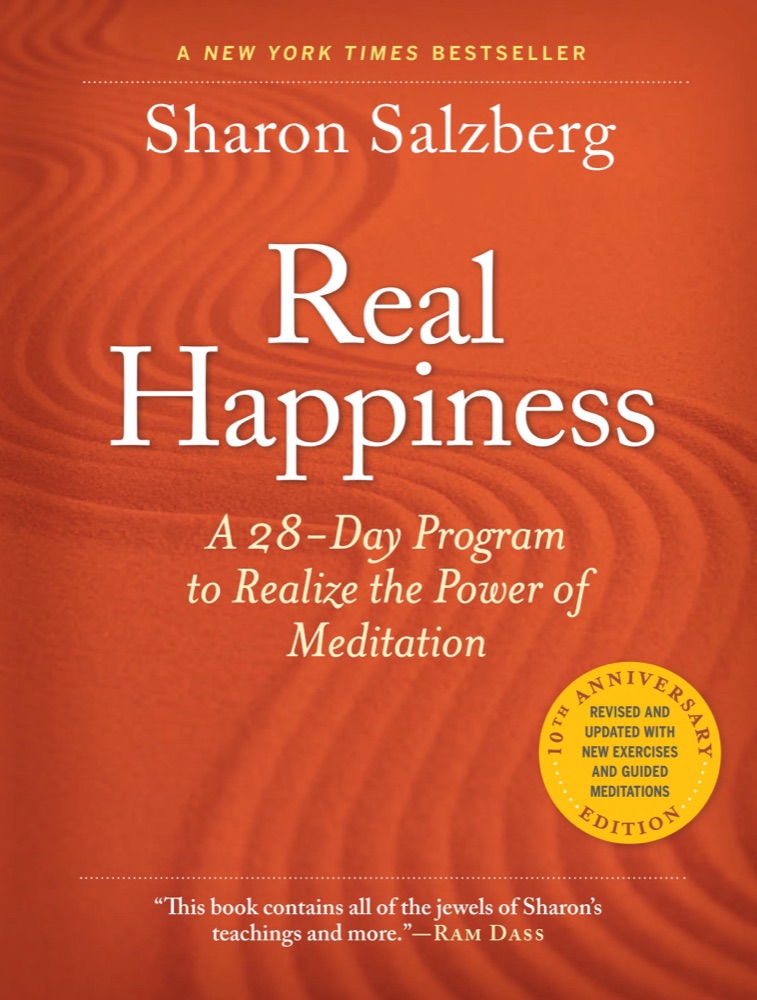 Real Happiness: A 28-Day Program to Realize the Power of Meditation
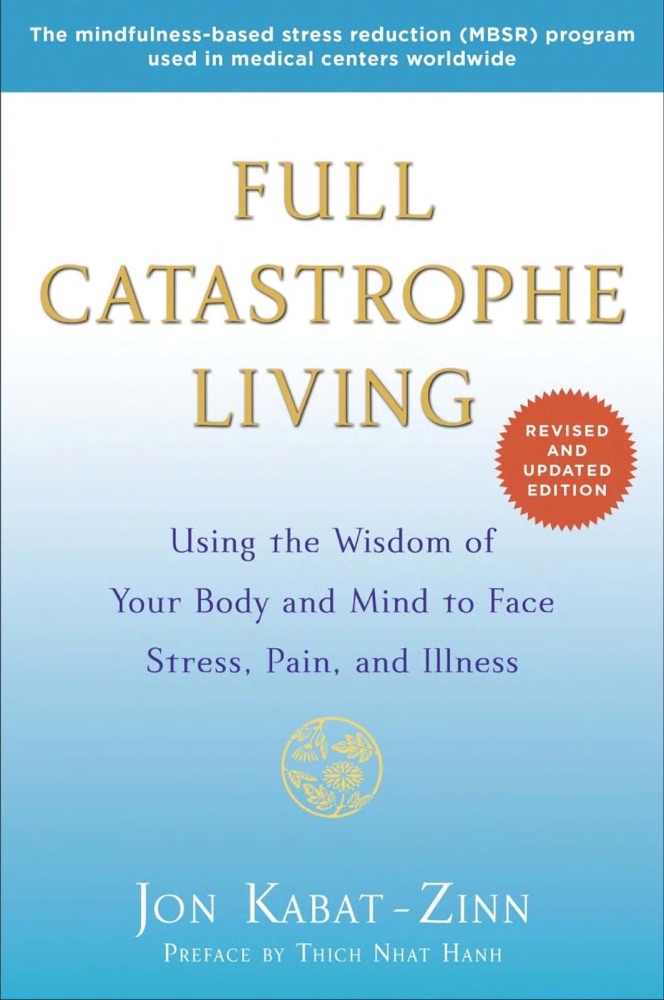 Full Catastrophe Living: Using the Wisdom of Your Body and Mind to Face Stress, Pain, and Illness
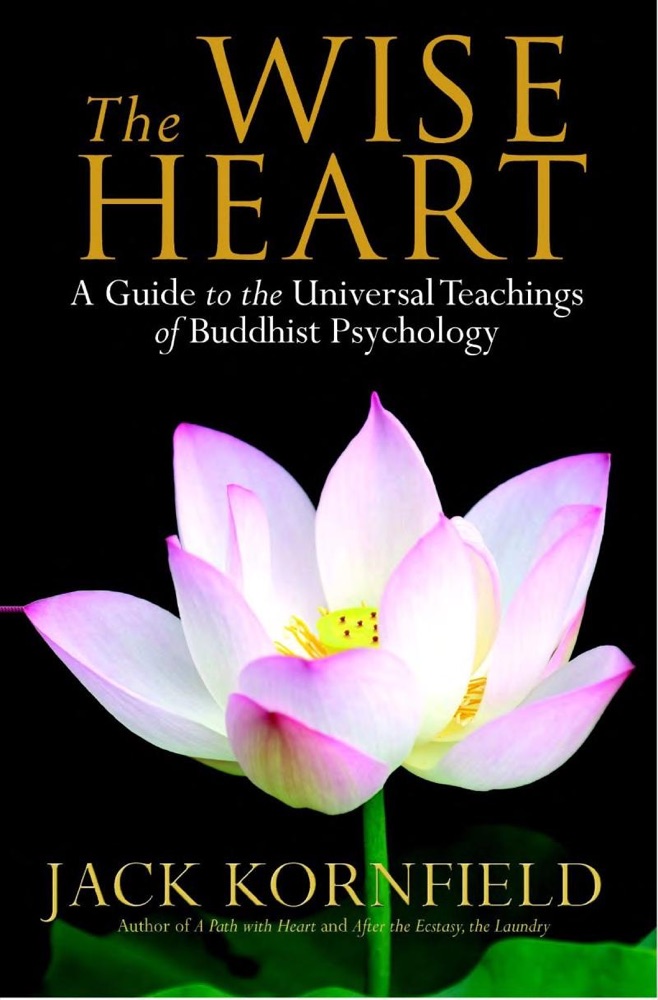 The Wise Heart: A Guide to the Universal Teachings of Buddhist Psychology
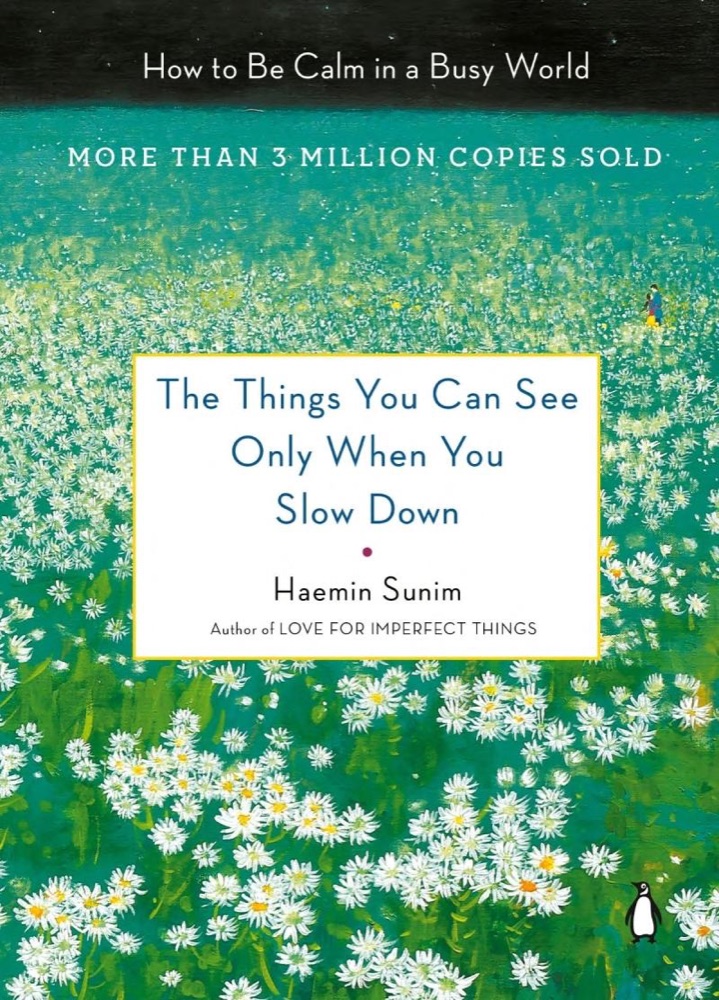 The Things You Can See Only When You Slow Down: How to Be Calm in a Busy World
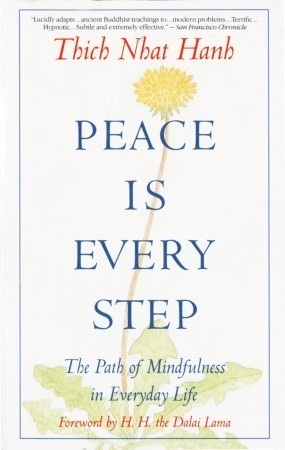 Peace Is Every Step: The Path of Mindfulness in Everyday Life
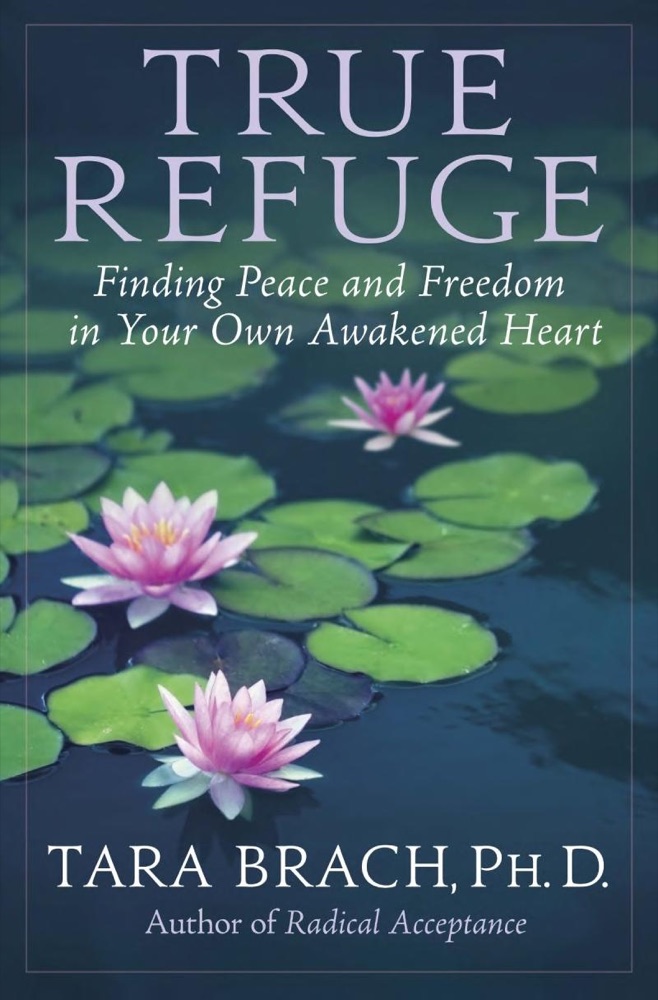 True Refuge: Finding Peace and Freedom in Your Own Awakened Heart
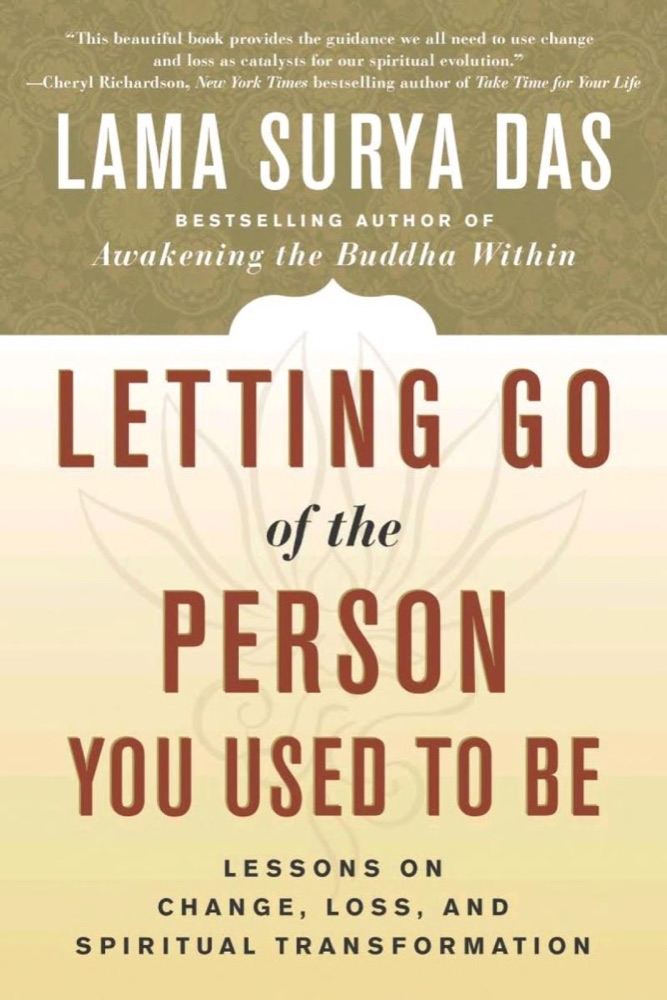 Letting Go of the Person You Used to Be: Lessons on Change, Loss, and Spiritual Transformation
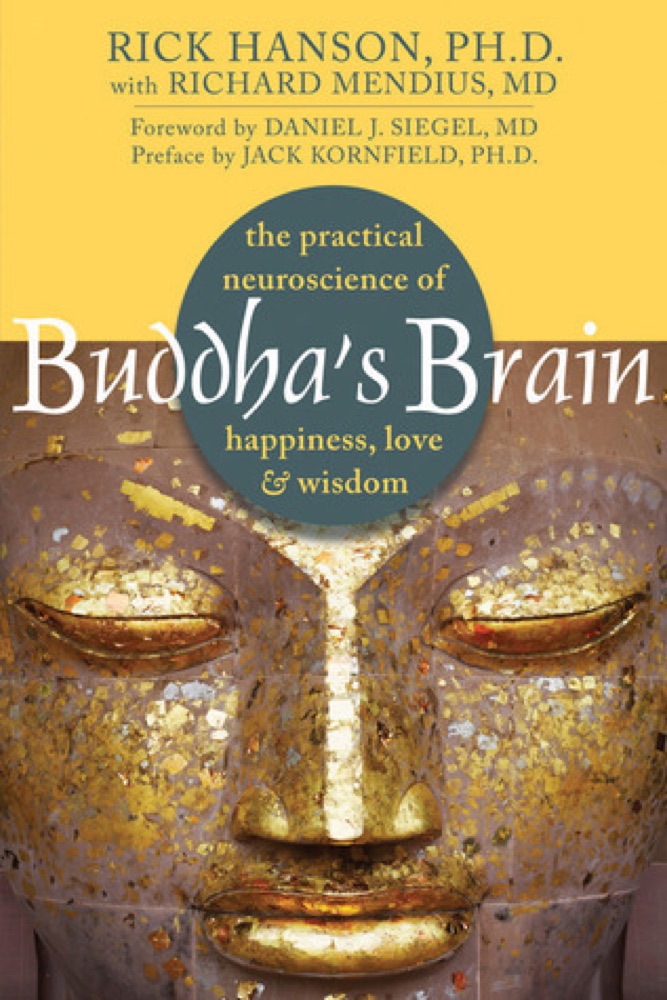 Buddha's Brain: The Practical Neuroscience of Happiness, Love, and Wisdom
 Against the Stream: A Buddhist Manual for Spiritual Revolutionaries
 How to See Yourself As You Really Are
 Buddhist Boot Camp
 Advice Not Given: A Guide to Getting Over Yourself
 Wherever You Go, There You Are: Mindfulness Meditation in Everyday Life
 Meditation for Beginners
 The Joy of Living: Unlocking the Secret and Science of Happiness
 Reconciliation: Healing the Inner Child
 Mindfulness in Plain English
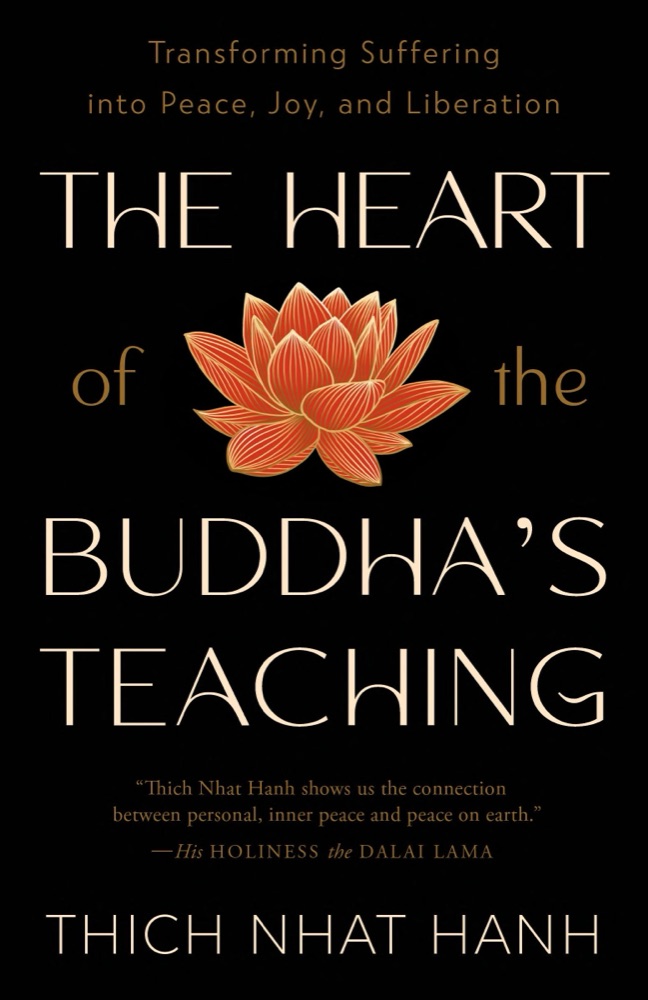 The Heart of the Buddha's Teaching: Transforming Suffering into Peace, Joy, and Liberation
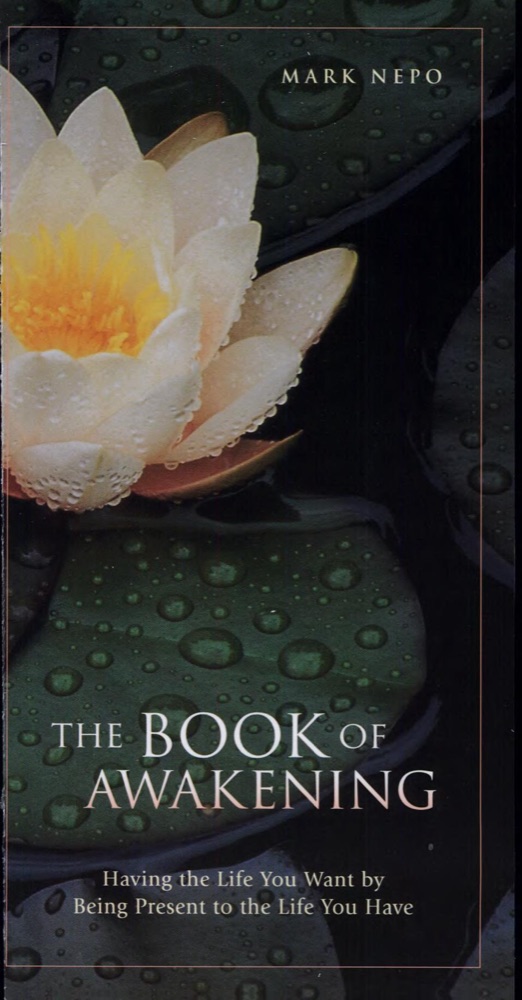 The Book of Awakening: Having the Life You Want by Being Present to the Life You Have
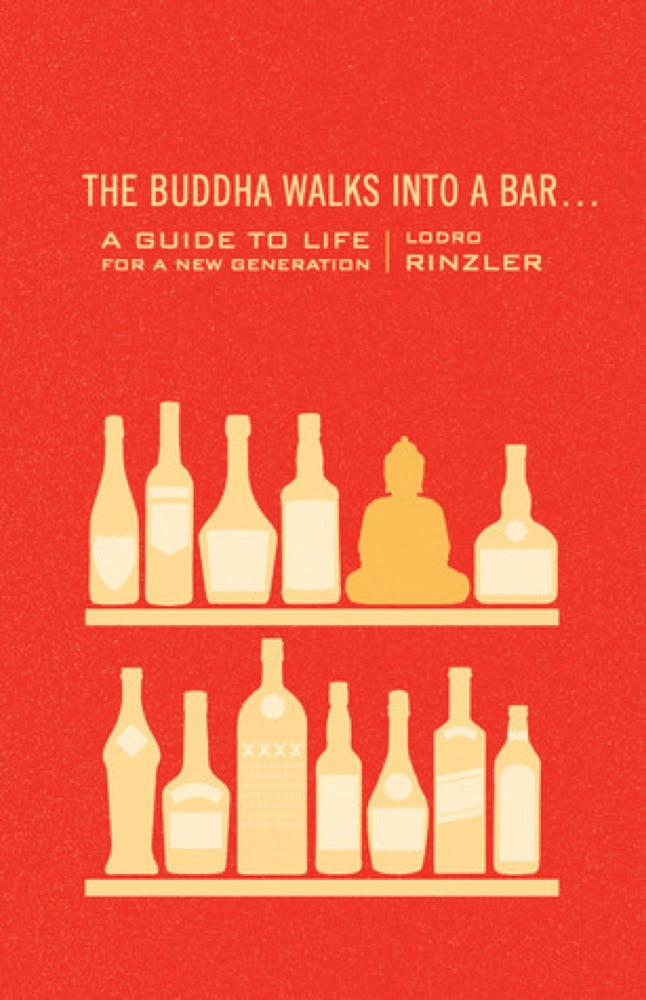 The Buddha Walks into a Bar . . .: A Guide to Life for a New Generation
 The Book of Joy: Lasting Happiness in a Changing World
 The Art of Happiness
 Radical Acceptance: Embracing Your Life With the Heart of a Buddha
 The Tibetan Book of Living and Dying
 Happiness: A Guide to Developing Life's Most Important Skill
 Waking Up: A Guide to Spirituality Without Religion
 365 Tao: A Study of Taoist Wisdom for Daily Life
 Awakening the Buddha Within
 Nothing Special: A Zen Buddhist Guide to Awakening Through Daily Life's Feelings, Relationships, and Work
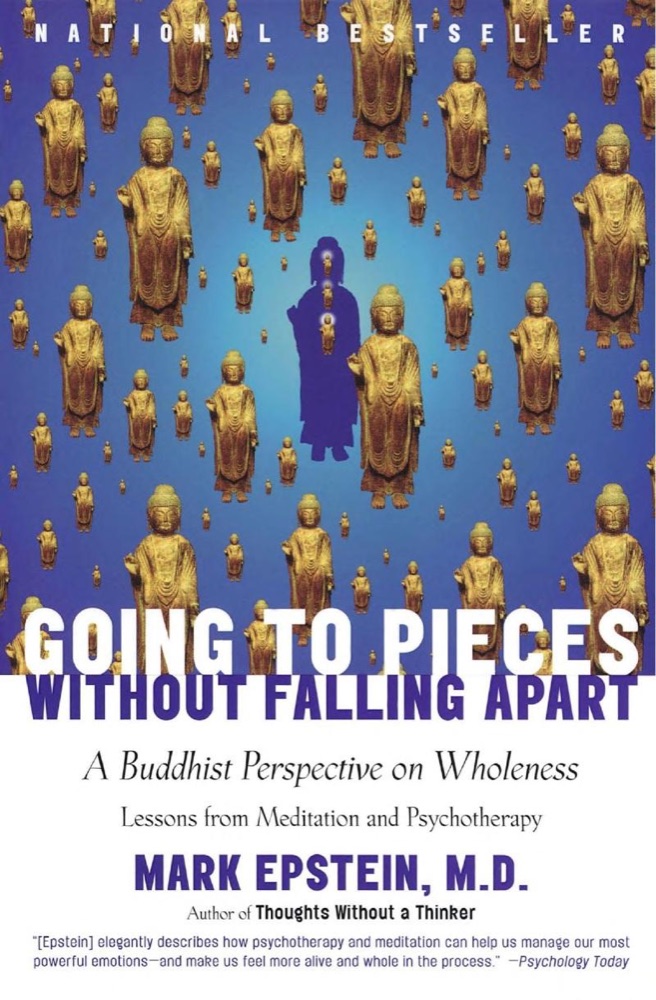 Going to Pieces without Falling Apart: A Buddhist Perspective on Wholeness
 The Dalai Lama's Cat and the Power of Meow
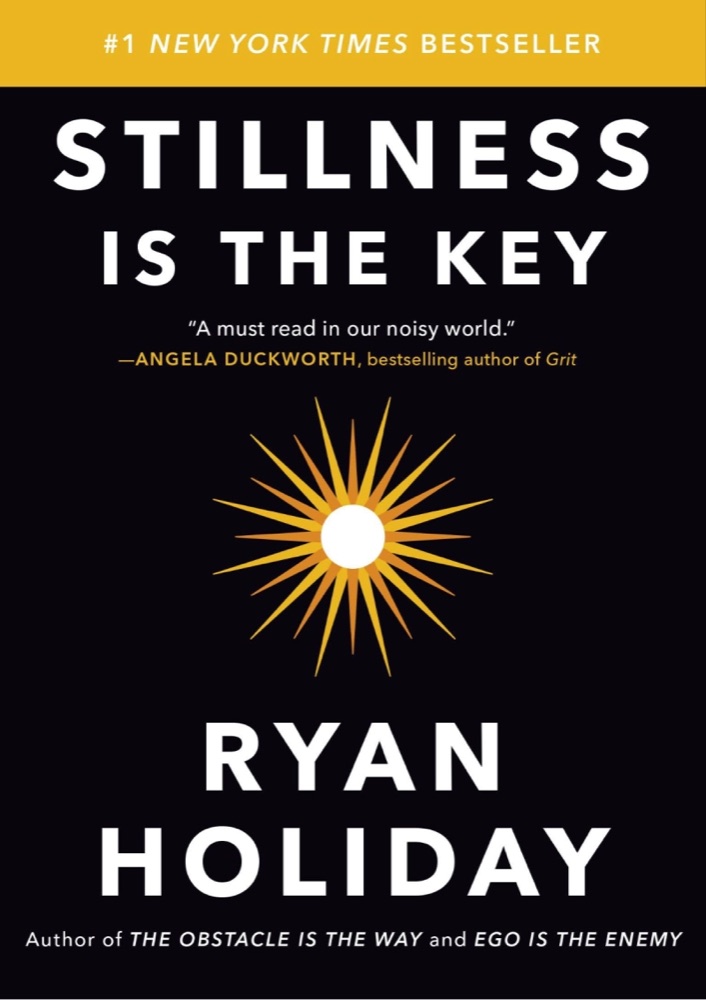 Stillness Is the Key
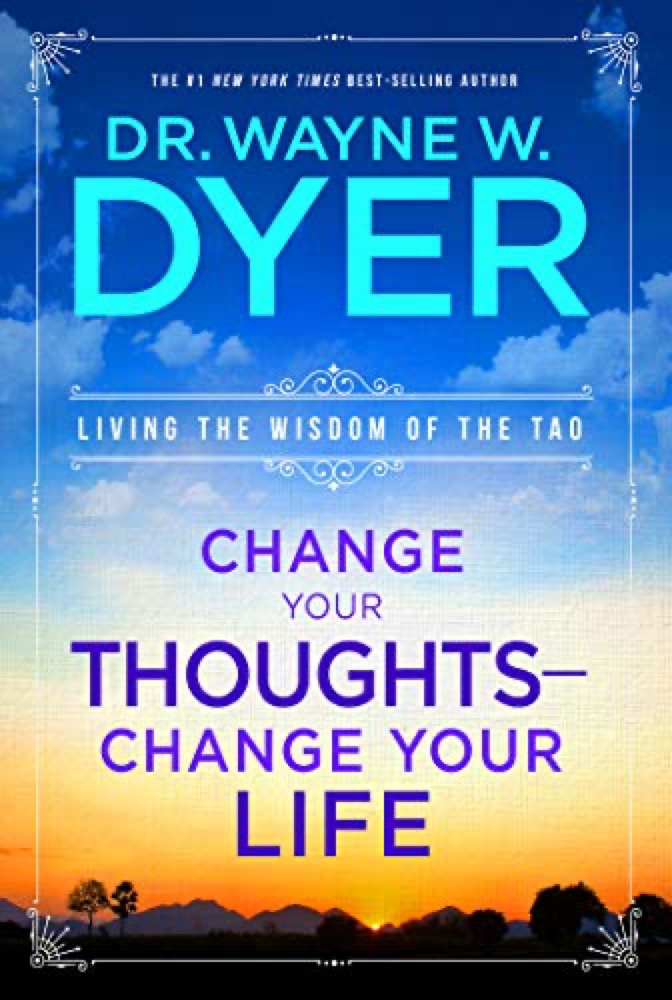 Change Your Thoughts - Change Your Life: Living the Wisdom of the Tao
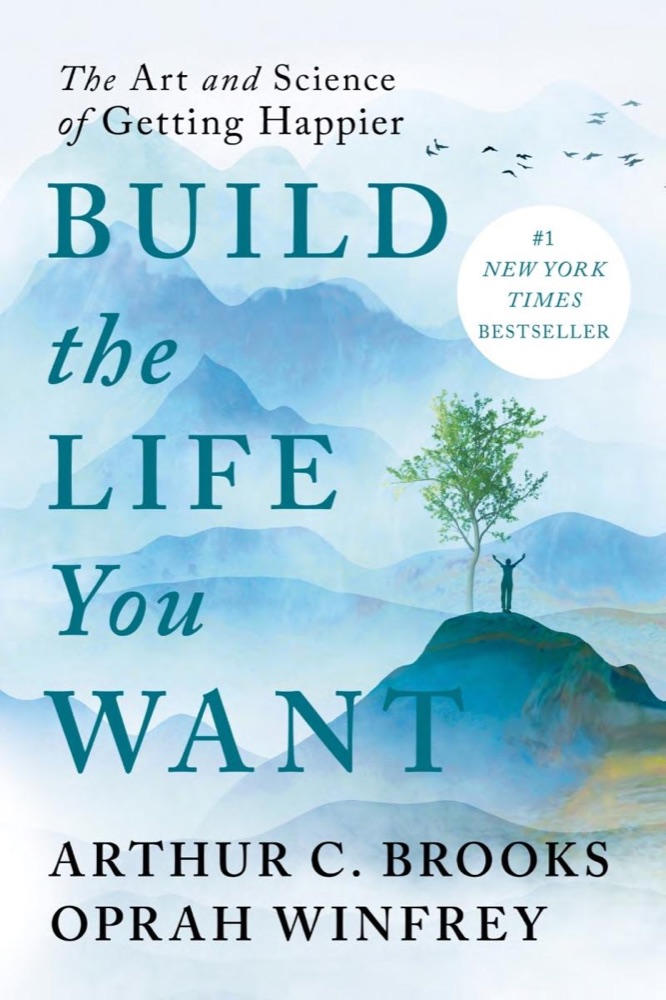 Build the Life You Want: The Art and Science of Getting Happier
 You Can Heal Your Life
 Lovingkindness: The Revolutionary Art of Happiness
 Thrive: The Third Metric to Redefining Success and Creating a Life of Well-Being, Wisdom, and Wonder
 Don't Sweat the Small Stuff ... and it's all small stuff: Simple Ways to Keep the Little Things from Taking Over Your Life
 Be Water, My Friend: The Teachings of Bruce Lee
 Real Love: The Art of Mindful Connection
 101 Essays That Will Change The Way You Think
 Meditations from the Mat: Daily Reflections on the Path of Yoga
 Simple Abundance: A Daybook of Comfort of Joy
 Loving What Is: Four Questions That Can Change Your Life
 How to Be an Adult in Relationships: The Five Keys to Mindful Loving
 Carry On, Warrior: Thoughts on Life Unarmed
 Living Untethered: Beyond the Human Predicament
 Way of the Peaceful Warrior: A Book That Changes Lives
 Heart Talk: Poetic Wisdom for a Better Life
 How to Be Here: A Guide to Creating a Life Worth Living
 How to Stop Worrying and Start Living
 Self-Compassion: The Proven Power of Being Kind to Yourself
 Meditation for Fidgety Skeptics: A 10% Happier How-To Book