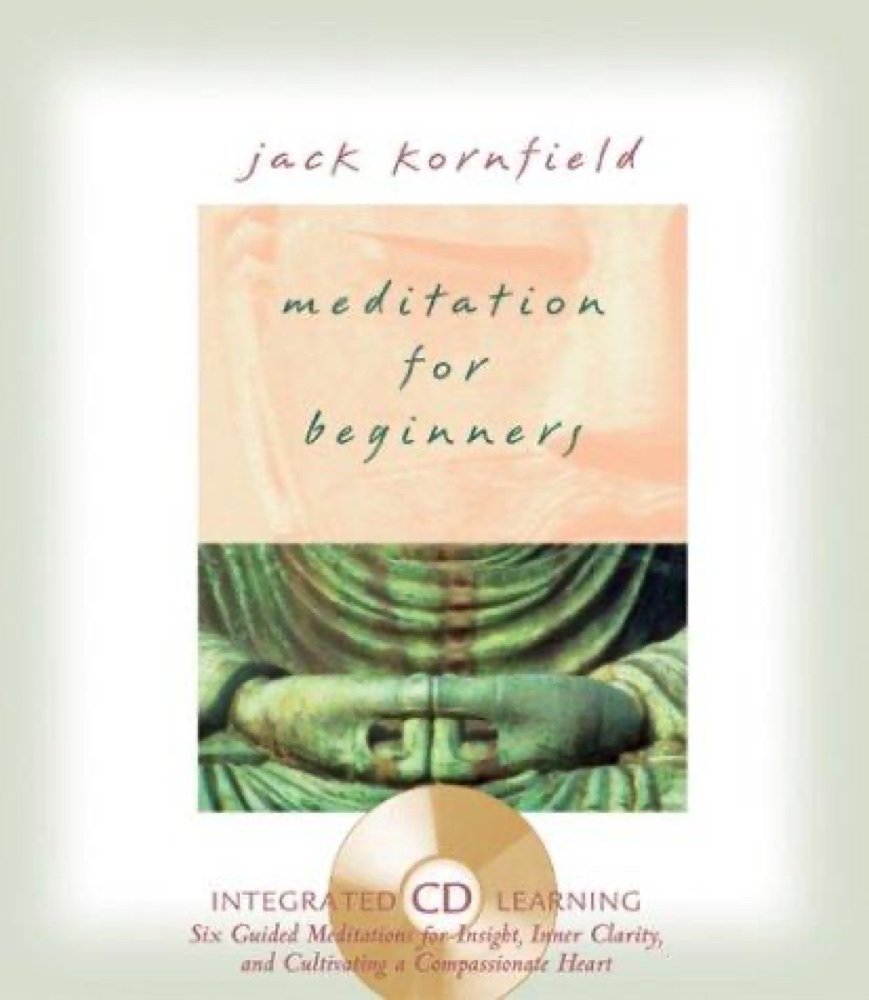
 Meditation for Beginners
Quotes from the Book
Let go of the battle. Breathe quietly and let it be. Let your body relax and your heart soften. Open to whatever you experience without fighting.
93
This life is a test-it is only a test. If it had been an actual life, you would have received further instructions on where to go and what to do. Remember, this life is only a test.
55
When we let go of our battles and open our heart to things as they are, then we come to rest in the present moment. This is the beginning and the end of spiritual practice. Only in this moment can we discover that which is timeless. Only here can we find the love that we seek. Love in the past is simply memory, and love in the future is fantasy. Only in the reality of the present can we love, can we awaken, can we find peace and understanding and connection with ourselves and the world.
54
As we encounter new experiences with a mindful and wise attention, we discover that one of three things will happen to our new experience: it will go away, it will stay the same, or it will get more intense. whatever happens does not really matter.
52
When the stories of our life no longer bind us, we discover within them something greater. We discover that within the very limitations of form, of our maleness and femaleness, of our parenthood and our childhood, of gravity on the earth and the changing of the seasons, is the freedom and harmony we have sought for so long. Our individual life is an expression of the whole mystery, and in it we can rest in the center of the movement, the center of all worlds.
44
We must look at ourselves over and over again in order to learn to love, to discover what has kept our hearts closed, and what it means to allow our hearts to open.
42
True emptiness is not empty, but contains all things. The mysterious and pregnant void creates and reflects all possibilities. From it arises our individuality, which can be discovered and developed, although never possessed or fixed.
32
As the Buddha said, “People with opinions just go around bothering one another.
30
Much of spiritual life is self-acceptance, maybe all of it.
25
In our charade with ourselves we pretend that our war is not really war. We have changed the name of the War Department to the Defense Department and call a whole class of nuclear missiles Peace Keepers!
24
The unawakened mind tends to make war against the way things are. To follow a path with heart, we must understand the whole process of making war within ourselves and without, how it begins and how it ends. War’s roots are in ignorance. Without understanding we can easily become frightened by life’s fleeting changes, the inevitable losses, disappointments, the insecurity of our aging and death. Misunderstanding leads us to fight against life, running from pain or grasping at security and pleasures that by their nature can never be satisfying.
22
To open deeply, as genuine spiritual life requires, we need tremendous courage and strength, a kind of warrior spirit.
19
When we struggle to change ourselves we, in fact, only continue the patterns of self-judgement and aggression. We keep the war against ourselves alive.
17
As we follow a genuine path of practice, our sufferings may seem to increase because we no longer hide from them or from ourselves. When we do not follow the old habits of fantasy and escape, we are left facing the actual problems and contradictions of our life.
15
In this there is no judgment and no blame, for we seek not to perfect the world but to perfect our love for what is on this earth.
10
We need a warrior’s heart that lets us face our lives directly, our pains and limitations, our joys and possibilities.
10
We are rarely lazy—we are simply afraid.
9
The way I treat my body is not disconnected from the way I treat my family or the commitment I have to peace on our earth.
8
There are many ways up the mountain and each of us must choose a practice that feels true to our heart.
8
We need energy, commitment, and courage not to run from our life nor to cover it over with any philosophy—material or spiritual.
7
When we ask it about our current path, we must look at the values we have chosen to live by. Where do we put our time, our strength, our creativity, our love? We must look at our life without sentimentality, exaggeration, or idealism. Does what we are choosing reflect what we most deeply value?
6
ESTABLISHING A DAILY MEDITATION First select a suitable space for your regular meditation. It can be wherever you can sit easily with minimal disturbance: a corner of your bedroom or any other quiet spot in your home. Place a meditation cushion or chair there for your use. Arrange what is around so that you are reminded of your meditative purpose, so that it feels like a sacred and peaceful space. You may wish to make a simple altar with a flower or sacred image, or place your favorite spiritual books there for a few moments of inspiring reading. Let yourself enjoy creating this space for yourself. Then select a regular time for practice that suits your schedule and temperament. If you are a morning person, experiment with a sitting before breakfast. If evening fits your temperament or schedule better, try that first. Begin with sitting ten or twenty minutes at a time. Later you can sit longer or more frequently. Daily meditation can become like bathing or toothbrushing. It can bring a regular cleansing and calming to your heart and mind. Find a posture on the chair or cushion in which you can easily sit erect without being rigid. Let your body be firmly planted on the earth, your hands resting easily, your heart soft, your eyes closed gently. At first feel your body and consciously soften any obvious tension. Let go of any habitual thoughts or plans. Bring your attention to feel the sensations of your breathing. Take a few deep breaths to sense where you can feel the breath most easily, as coolness or tingling in the nostrils or throat, as movement of the chest, or rise and fall of the belly. Then let your breath be natural. Feel the sensations of your natural breathing very carefully, relaxing into each breath as you feel it, noticing how the soft sensations of breathing come and go with the changing breath. After a few breaths your mind will probably wander. When you notice this, no matter how long or short a time you have been away, simply come back to the next breath. Before you return, you can mindfully acknowledge where you have gone with a soft word in the back of your mind, such as “thinking,” “wandering,” “hearing,” “itching.” After softly and silently naming to yourself where your attention has been, gently and directly return to feel the next breath. Later on in your meditation you will be able to work with the places your mind wanders to, but for initial training, one word of acknowledgment and a simple return to the breath is best. As you sit, let the breath change rhythms naturally, allowing it to be short, long, fast, slow, rough, or easy. Calm yourself by relaxing into the breath. When your breath becomes soft, let your attention become gentle and careful, as soft as the breath itself. Like training a puppy, gently bring yourself back a thousand times. Over weeks and months of this practice you will gradually learn to calm and center yourself using the breath. There will be many cycles in this process, stormy days alternating with clear days. Just stay with it. As you do, listening deeply, you will find the breath helping to connect and quiet your whole body and mind. Working with the breath is an excellent foundation for the other meditations presented in this book. After developing some calm and skills, and connecting with your breath, you can then extend your range of meditation to include healing and awareness of all the levels of your body and mind. You will discover how awareness of your breath can serve as a steady basis for all you do.
6
Anger shows us precisely where we are stuck, where our limits are, where we cling to beliefs and fears.
6
One famous Zen master actually described spiritual practice as “one mistake after another,” which is to say, one opportunity after another to learn. It is from “difficulties, mistakes, and errors” that we actually learn. To live life is to make a succession of errors. Understanding this can bring us great ease and forgiveness for ourselves and others—we are at ease with the difficulties of life.
5
When we let ourselves feel the fear, the discontent, the difficulties we have always avoided, our heart softens. Just as it is a courageous act to face all the difficulties from which we have always run, it is also an act of compassion.
4
We are taught in this culture that if we can grasp enough pleasurable experiences quickly, one after another, our life will be happy. By following a good game of tennis with a delicious dinner, a fine movie, then wonderful sex and sleep, a good morning jog, a fine hour of meditation, an excellent breakfast, and off to an exciting morning of work, over and over, our happiness will last. Our driven society is masterful at perpetuating this ruse. But will this satisfy the heart?
3
Picture or imagine that this earth is filled with Buddhas, that every single being you encounter is enlightened, except one—yourself! Imagine that they are all here to teach you. Whoever you encounter is acting as they do solely for your benefit, to provide just the teachings and difficulties you need in order to awaken. Sense what lessons they offer to you. Inwardly thank them for this. Throughout a day or a week continue to develop the image of enlightened teachers all around you. Notice how it changes your whole perspective on life.
3
If we gain something, it was there from the beginning. If we lose anything, it is hidden nearby.
3
To live in this precious animal body on this earth is as great a part of spiritual life as anything else.
3
The purpose of spiritual life is not to create some special state of mind. A state of mind is always temporary. The purpose is to work directly with the most primary elements of our body and our mind, to see the ways we get trapped by our fears, desires and anger, and to learn directly our capacity for freedom.
2
Watch on YouTube
About Jack Kornfield
We have collected 78 quotes from 3 books by Jack Kornfield on BookQuoters.
More about the author →More by Jack Kornfield
Meditation for Beginners
 The Wise Heart: A Guide to the Universal Teachings of Buddhist Psychology
About the book
“This important guidebook shows in detail and with great humor and insight the way to practice the Buddha’s universal teachings here in the West. Jack Kornfield is a wonderful storyteller and a great teacher.”—Thich Nhat Hanh
“Jack is helping to pave the path for American Buddhism, bringing essential basics into our crazy modern lives. And the language he uses is as simple and as lovely as our breath.”—Natalie Goldberg
Perhaps the most important book yet written on meditation, the process of inner transformation, and the integration of spiritual practice into our American way of life, A Path with Heart brings alive one by one the challenges of spiritual living in the modern world. Written by a teacher, psychologist, and meditation master of international renown, this warm, inspiring, and expert book touches on a wide range of essential issues including many rarely addressed in s
Book details
- First published
- 1993
- Author
- Jack Kornfield
- Genre
- Nonfiction
- Goodreads rating
- 4.24 (12k ratings)
Keep reading
 The Places That Scare You: A Guide to Fearlessness in Difficult Times
The Wise Heart: A Guide to the Universal Teachings of Buddhist Psychology
The Places That Scare You: A Guide to Fearlessness in Difficult Times
The Wise Heart: A Guide to the Universal Teachings of Buddhist Psychology
 The Pocket Pema Chodron
 True Refuge: Finding Peace and Freedom in Your Own Awakened Heart
 Everyday Zen: Love & Work
 The Wisdom of No Escape: How to Love Yourself and Your World
 The Book of Awakening: Having the Life You Want by Being Present to the Life You Have
 Fear: Essential Wisdom for Getting Through the Storm
 Against the Stream: A Buddhist Manual for Spiritual Revolutionaries
 Peace Is Every Step: The Path of Mindfulness in Everyday Life
 Zen and the Art of Saving the Planet
 Letting Go of the Person You Used to Be: Lessons on Change, Loss, and Spiritual Transformation
 Full Catastrophe Living: Using the Wisdom of Your Body and Mind to Face Stress, Pain, and Illness
 365 Tao: A Study of Taoist Wisdom for Daily Life
 A Return to Love: Reflections on the Principles of "A Course in Miracles"
 The Tibetan Book of Living and Dying
 Radical Acceptance: Embracing Your Life With the Heart of a Buddha
 Waking Up: A Guide to Spirituality Without Religion
 Nothing Special: A Zen Buddhist Guide to Awakening Through Daily Life's Feelings, Relationships, and Work
 The Book of Secrets: Unlocking the Hidden Dimensions of Your Life
 Kitchen Table Wisdom: Stories that Heal
 The Buddha Walks into a Bar . . .: A Guide to Life for a New Generation
 Awakening the Buddha Within
 Cutting Through Spiritual Materialism
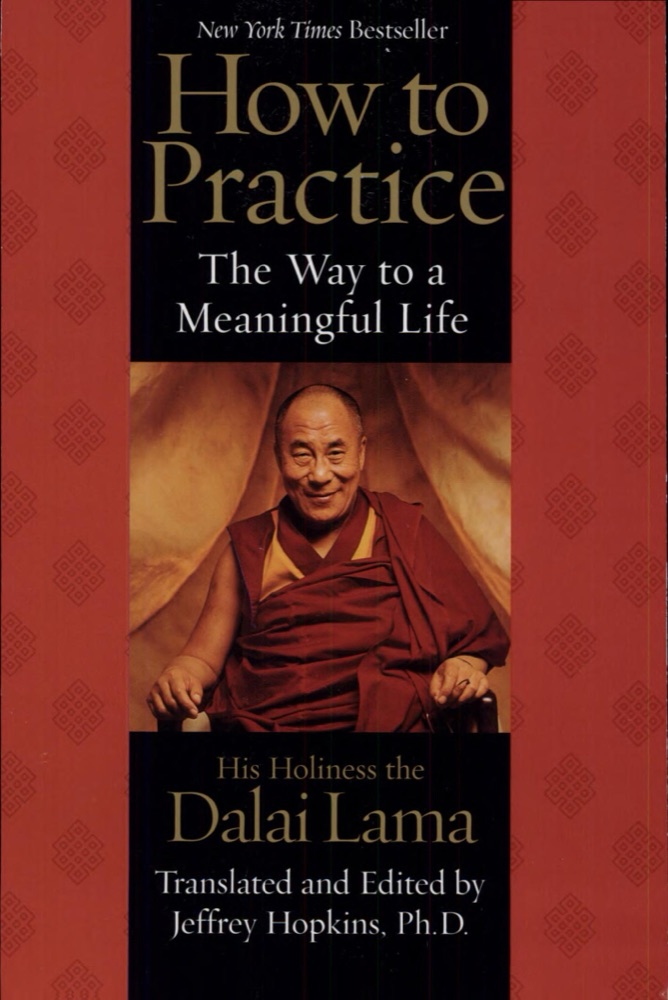 How to Practice: The Way to a Meaningful Life
Meditation for Beginners
How to Practice: The Way to a Meaningful Life
Meditation for Beginners
 How to See Yourself As You Really Are
 Advice Not Given: A Guide to Getting Over Yourself
 Let Your Life Speak: Listening for the Voice of Vocation
 My Spiritual Journey: Personal Reflections, Teachings, and Talks
 Buddhism Plain & Simple: The Practice of Being Aware, Right Now, Every Day
 A Joseph Campbell Companion: Reflections on the Art of Living
 The Journey Home
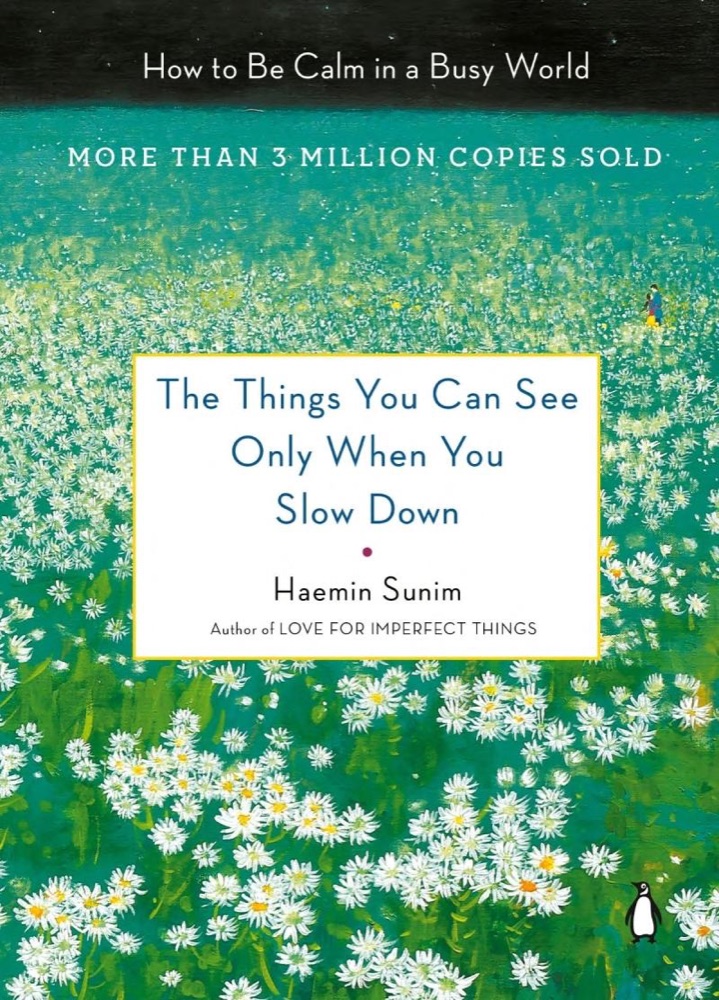 The Things You Can See Only When You Slow Down: How to Be Calm in a Busy World
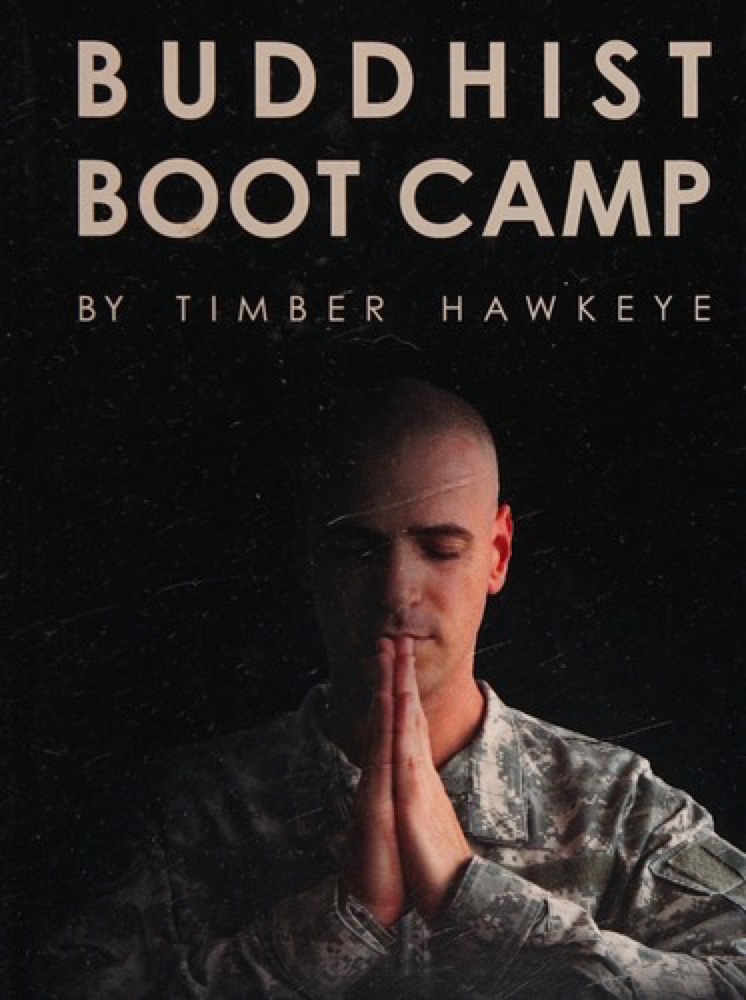 Buddhist Boot Camp
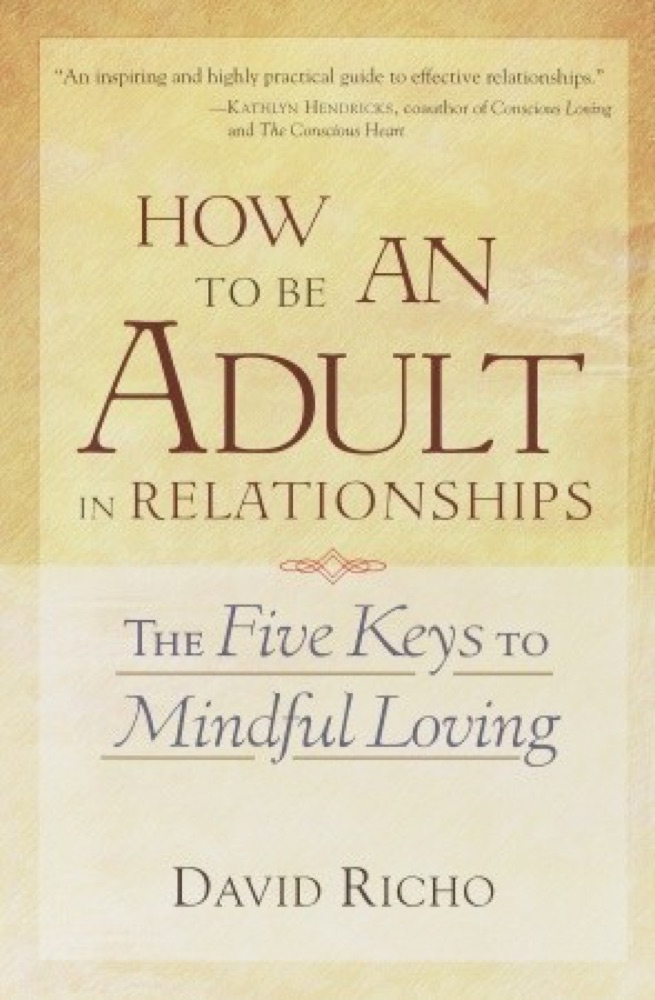 How to Be an Adult in Relationships: The Five Keys to Mindful Loving
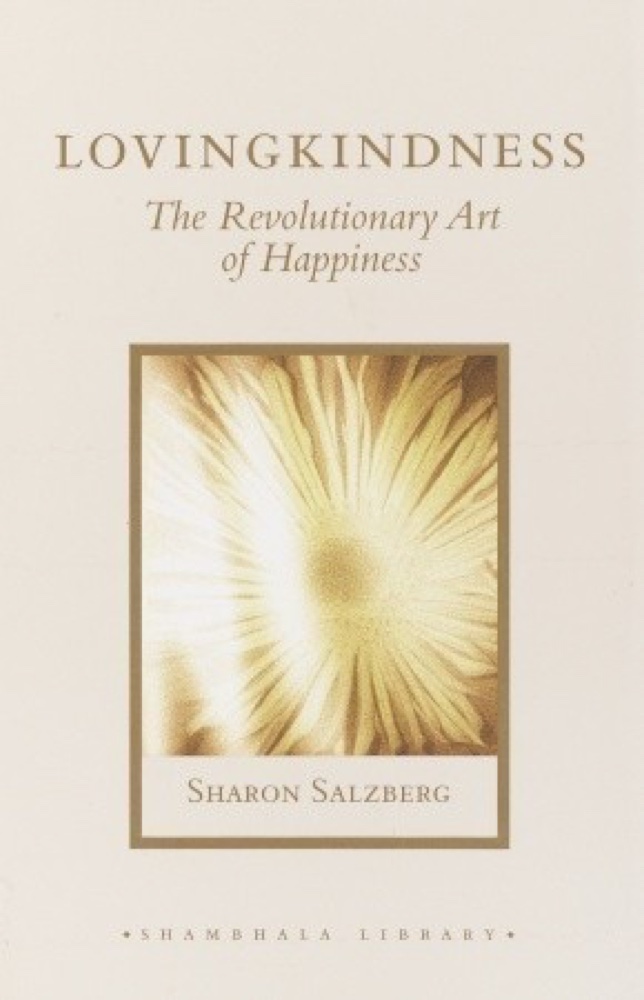 Lovingkindness: The Revolutionary Art of Happiness
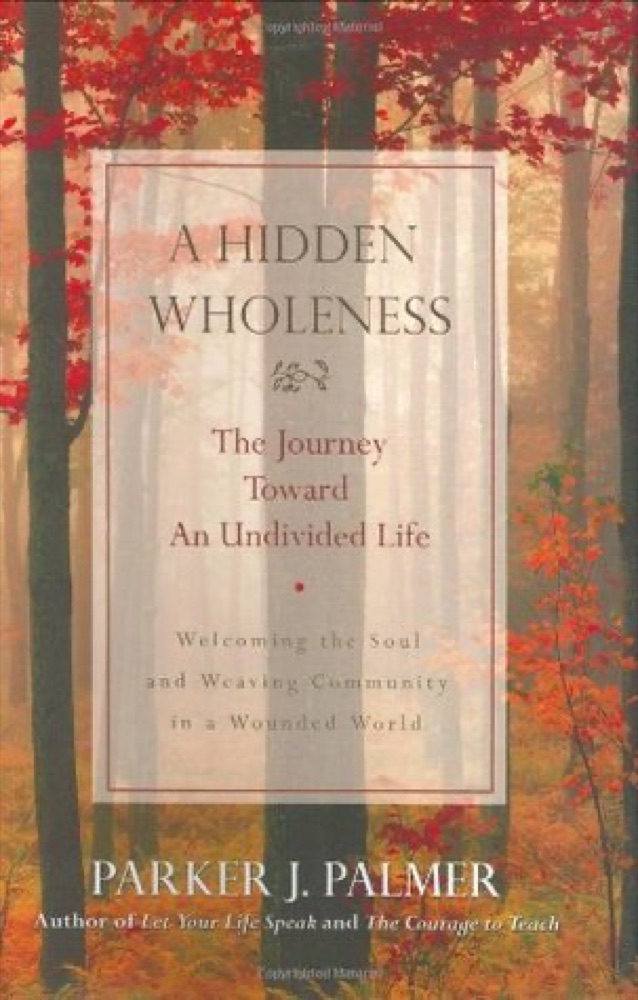 A Hidden Wholeness: The Journey Toward an Undivided Life : Welcoming the soul and weaving community in a wounded world
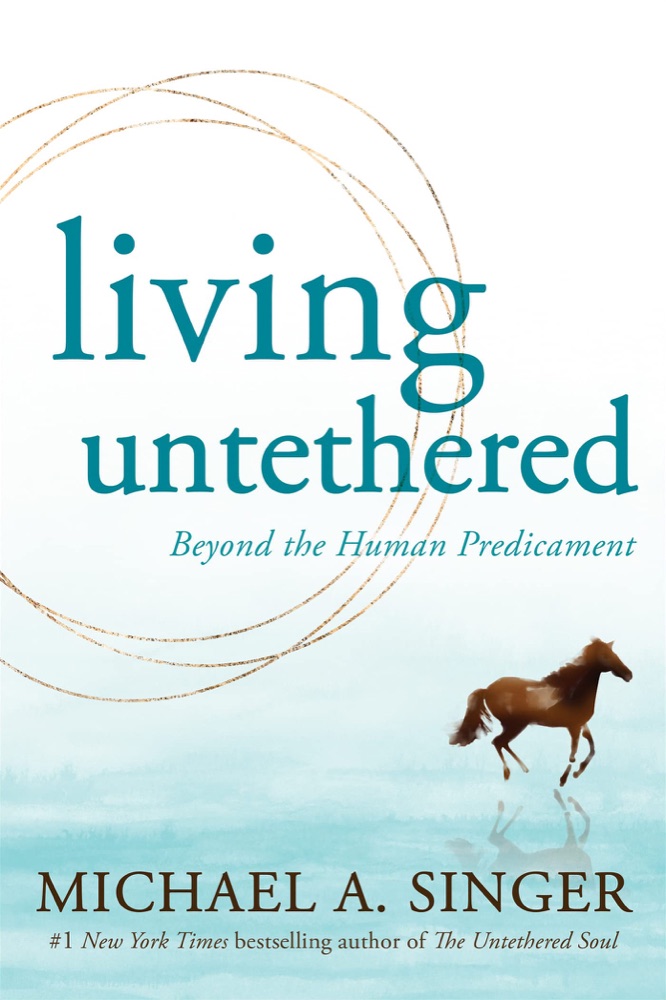 Living Untethered: Beyond the Human Predicament
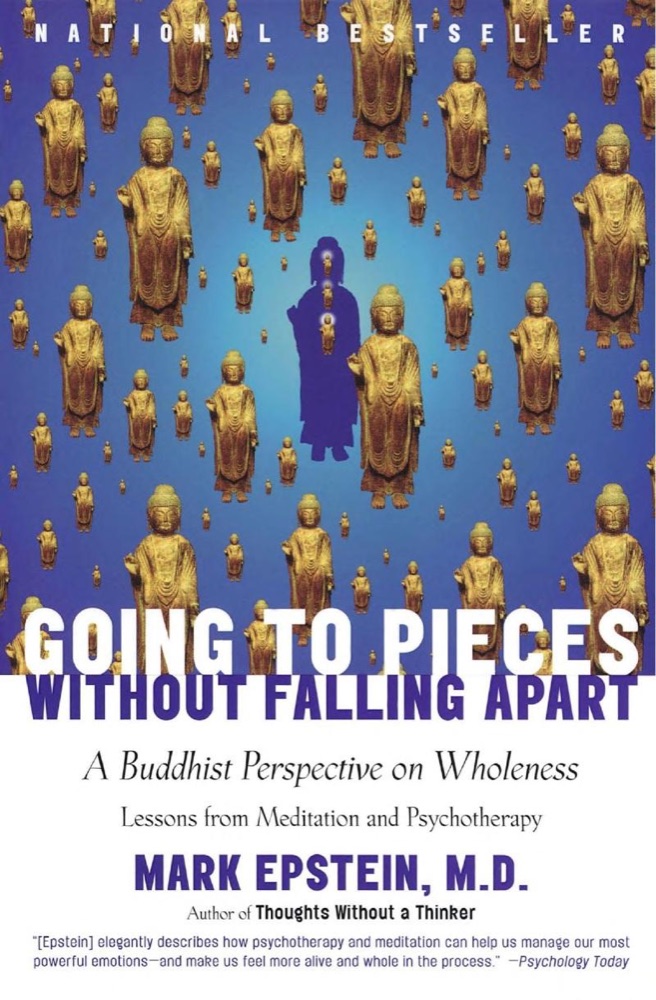 Going to Pieces without Falling Apart: A Buddhist Perspective on Wholeness
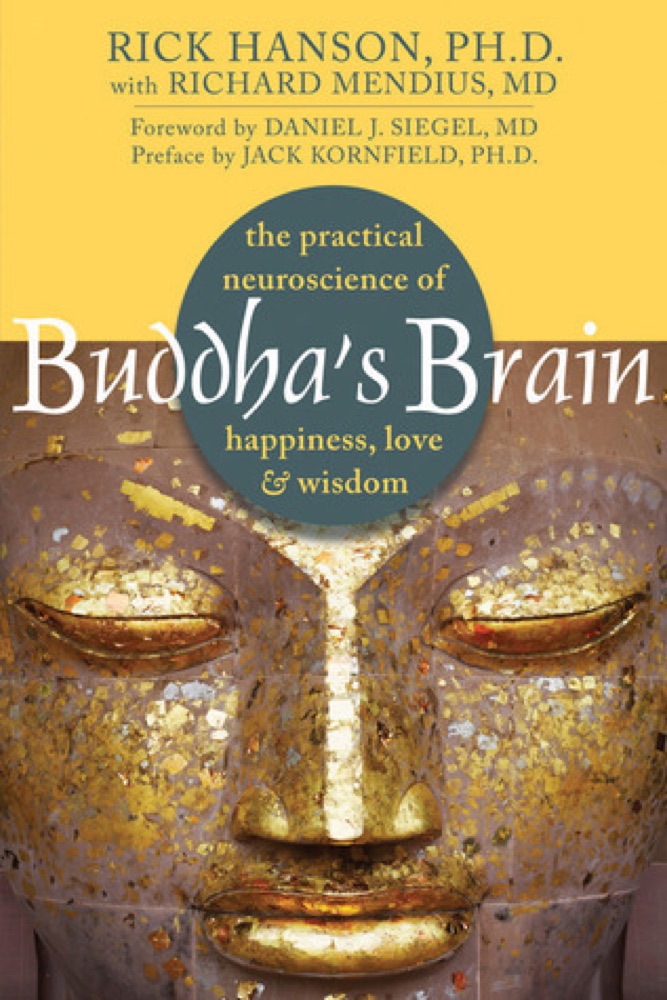 Buddha's Brain: The Practical Neuroscience of Happiness, Love, and Wisdom
 The Yoga Sutras of Pantanjali
 Stillness Is the Key
 Shambhala: The Sacred Path of the Warrior
 Real Happiness: A 28-Day Program to Realize the Power of Meditation
 Everything Belongs: The Gift of Contemplative Prayer
 Wild Mercy: Living the Fierce and Tender Wisdom of the Women Mystics
 Anatomy of the Spirit: The Seven Stages of Power and Healing
 Eastern Body, Western Mind: Psychology and the Chakra System as a Path to the Self
 Heart Talk: Poetic Wisdom for a Better Life
 Becoming Wise: An Inquiry into the Mystery and Art of Living
 The Joy of Living: Unlocking the Secret and Science of Happiness
 The Dalai Lama's Cat and the Power of Meow
 Total Freedom: The Essential Krishnamurti
 The Invitation
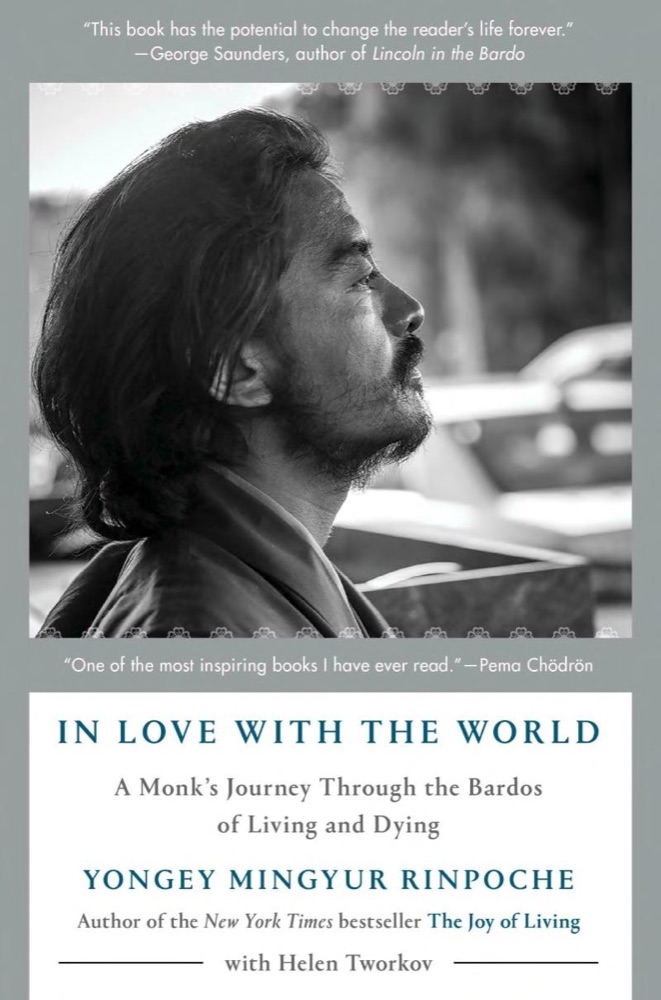 In Love with the World: A Monk's Journey Through the Bardos of Living and Dying
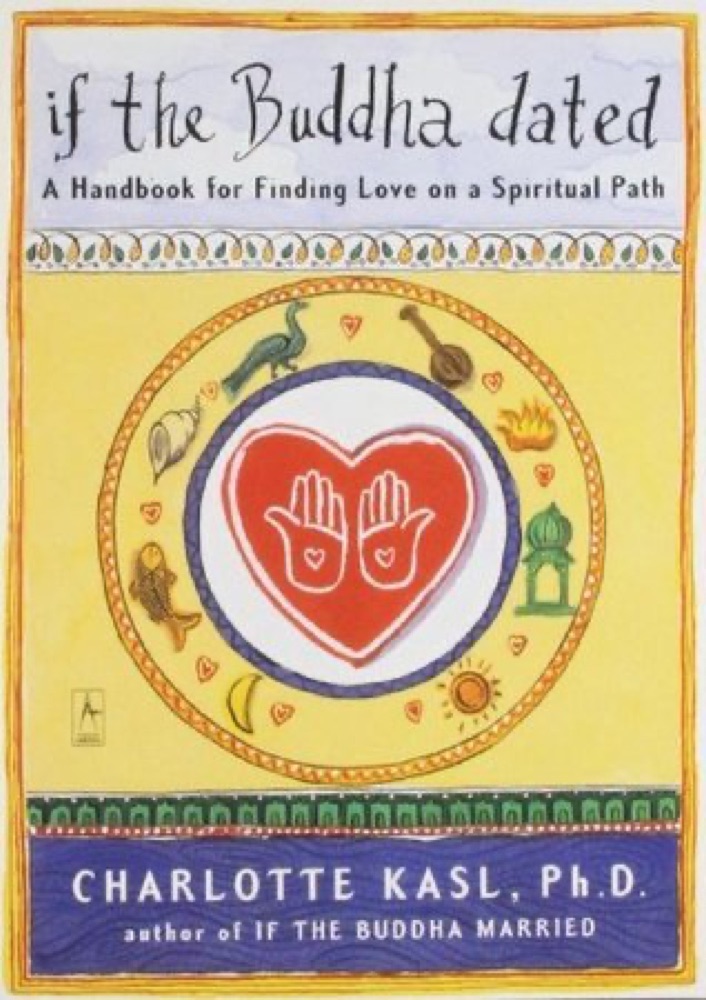 If the Buddha Dated: A Handbook for Finding Love on a Spiritual Path
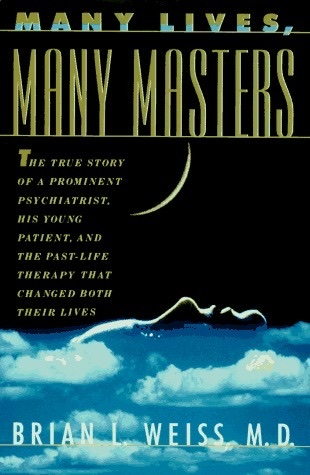 Many Lives, Many Masters: The True Story of a Prominent Psychiatrist, His Young Patient, and the Past Life Therapy That Changed Both Their Lives
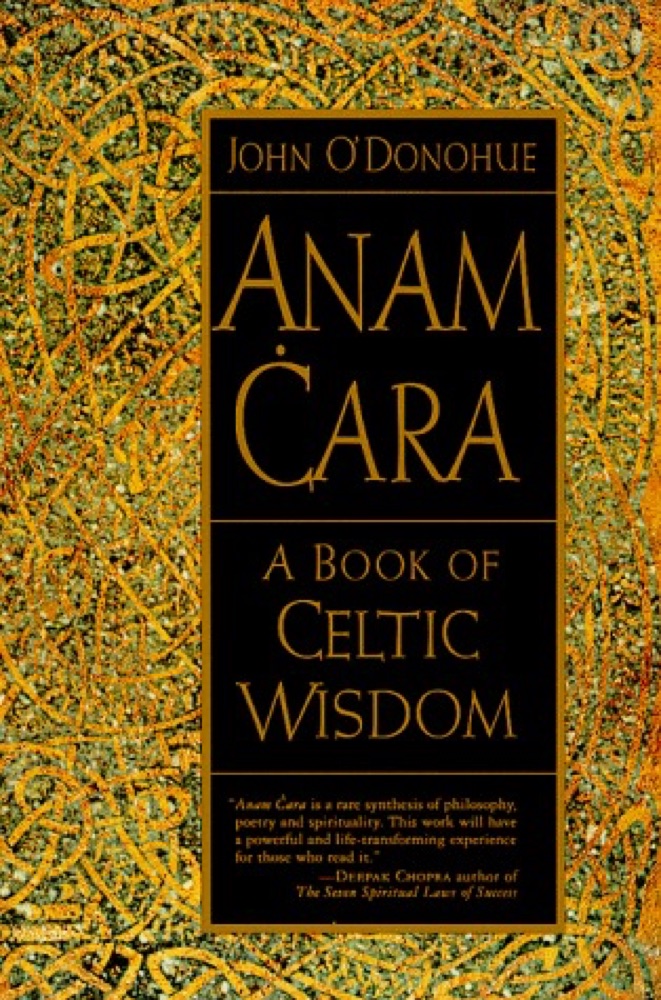 Anam Cara: A Book of Celtic Wisdom