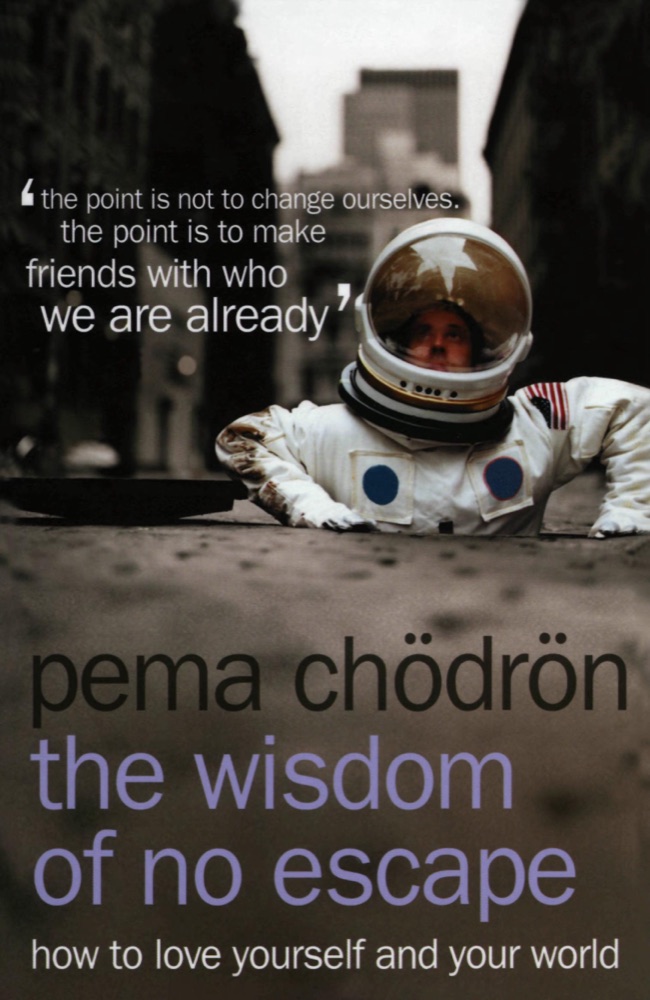
 When Things Fall Apart: Heart Advice for Difficult Times
Quotes from the Book
There is a story of a woman running away from tigers. She runs and runs and the tigers are getting closer and closer. When she comes to the edge of a cliff, she sees some vines there, so she climbs down and holds on to the vines. Looking down, she sees that there are tigers below her as well. She then notices that a mouse is gnawing away at the vine to which she is clinging. She also sees a beautiful little bunch of strawberries close to her, growing out of a clump of grass. She looks up and she looks down. She looks at the mouse. Then she just takes a strawberry, puts it in her mouth, and enjoys it thoroughly. Tigers above, tigers below. This is actually the predicament that we are always in, in terms of our birth and death. Each moment is just what it is. It might be the only moment of our life; it might be the only strawberry we’ll ever eat. We could get depressed about it, or we could finally appreciate it and delight in the preciousness of every single moment of our life.
435
Meditation practice isn't about trying to throw ourselves away and become something better. It's about befriending who we are already.
43
The truth you believe in and cling to makes you unavailable to hear anything new.
21
The problem is that the desire to change is fundamentally a form of aggression toward yourself. The other problem is that our hangups, unfortunately or fortunately, contain our wealth. Our neurosis and our wisdom are made out of the same material. If you throw out your neurosis, you also throw out your wisdom. Someone who is very angry also has a lot of energy; that energy is what’s so juicy about him or her. That’s the reason people love that person. The idea isn’t to try to get rid of your anger, but to make friends with it, to see it clearly with precision and honesty, and also to see it with gentleness. That means not judging yourself as a bad person, but also not bolstering yourself up by saying, “It’s good that I’m this way, it’s right that I’m this way. Other people are terrible, and I’m right to be so angry at them all the time.” The gentleness involves not repressing the anger but also not acting it out. It is something much softer and more openhearted than any of that. It involves learning how, once you have fully acknowledged the feeling of anger and the knowledge of who you are and what you do, to let it go. You can let go of the usual pitiful little story line that accompanies anger and begin to see clearly how you keep the whole thing going. So whether it’s anger or craving or jealousy or fear or depression—whatever it might be—the notion is not to try to get rid of it, but to make friends with it. That means getting to know it completely, with some kind of softness, and learning how, once you’ve experienced it fully, to let go. The
17
People find it quite easy to have beliefs and to hold on to them and to let their whole world be a product of their belief system. They also find it quite easy to attack those who disagree. The harder, more courageous thing, which the hero and the heroine, the warrior, and the mystic do, is continually to look one’s beliefs straight in the face, honestly and clearly, and then step beyond them. That requires a lot of heart and kindness. It requires being able to touch and know completely, to the core, your own experience, without harshness, without making any judgment.
14
A much more interesting, kind, adventurous, and joyful approach to life is to begin to develop curiosity, not caring whether the object of our inquisitiviness is bitter or sweet.
14
Life’s work is to wake up, to let the things that enter into the circle wake you up rather than put you to sleep. The only way to do this is to open, be curious, and develop some sense of sympathy for everything that comes along, to get to know its nature and let it teach you what it will. It’s going to stick around until you learn your lesson, at any rate.
12
One of the main discoveries of meditation is seeing how we continually run away from the present moment, how we avoid being here just as we are.
11
you’re never going to get your act together, fully, completely.
9
Resentment, bitterness, and holding a grudge prevent us from seeing and hearing and tasting and delighting.
8
nobody but yourself can tell you what to accept and what to reject.
8
loving-kindness—maitri—toward ourselves doesn’t mean getting rid of anything. Maitri means that we can still be crazy after all these years. We can still be angry after all these years. We can still be timid or jealous or full of feelings of unworthiness. The point is not to try to change ourselves. Meditation practice isn’t about trying to throw ourselves away and become something better. It’s about befriending who we are already. The ground of practice is you or me or whoever we are right now, just as we are. That’s the ground, that’s what we study, that’s what we come to know with tremendous curiosity and interest. Sometimes
6
It's very helpful to realize that being here, sitting in meditation, doing simple everyday things like working, walking outside, talking with people, bathing, using the toilet, and eating, is actually all that we need to be fully awake, fully alive, fully human.
6
We can't escape from our problems, but we can learn to live with them in a way that is peaceful and joyful.
5
When thoughts come up, touch them very lightly, like a feather touching a bubble. Let the whole thing be soft and gentle, but at the same time precise.
5
There's a common misunderstanding among all the human beings who have ever been born on the earth that the best way to live is to try to avoid pain and just try to get comfortable.
5
Our neurosis and our wisdom are made out of the same material.
4
In his talk, Suzuki Roshi says that meditation and the whole process of finding your own true nature is one continuous mistake, and that rather than that being a reason for depression or discouragement, it's actually the motivation.
4
While we are sitting in meditation, we are simply exploring humanity and all of creation in the form of ourselves.
4
We who are living in the lap of luxury with our pitiful little psychological problems have a tremendous responsibility to let our clarity and our heart, our warmth, and our ability ripen, to open up and let go, because it’s so contagious
3
The whole journey of renunciation, or starting to say yes to life, is first of all realizing that you've come up against your edge, that everything in you is saying no, and then at that point, softening. This is yet another opportunity to develop loving-kindness of yourself, which results in playfulness--learning to play like a raven in the wind.
3
I N TAOISM there’s a famous saying that goes, “The Tao that can be spoken is not the ultimate Tao.” Another way you could say that, although I’ve never seen it translated this way, is, “As soon as you begin to believe in something, then you can no longer see anything else.” The truth you believe in and cling to makes you unavailable to hear anything new.
3
When you meet the Buddha, kill the Buddha” means that when you see that you’re grasping or clinging to anything, whether conventionally it’s called good or bad, make friends with that. Look into it. Get to know it completely and utterly. In that way it will let go of itself.
3
Even though there are so many teachings, so many meditations, so many instructions, the basic point of it all is just to learn to be extremely honest and also wholehearted about what exists in your mind - thoughts, emotions bodily sensations, the whole thing that adds up to what we call "me" or "I".
3
the same old demons will always come up until finally you have learned your lesson, the lesson they came to teach you.
2
The point is that our true nature is not some ideal that we have to live up to. It’s who we are right now, and that’s what we can make friends with and celebrate.
2
a psychotic person is drowning in the very same things that a mystic swims in.
2
Whatever you’re given can wake you up or put you to sleep. That’s the challenge of now: What are you going to do with what you have already—your body, your speech, your mind?
2
Once I had an opportunity to talk with Chogyam Trungpa, Rinpoche, about the fact that I was not able to do my practice properly. I had just started the vajrayana practices and I was supposed to be visualizing. I couldn't visualize anything. I tried and tried but there was just nothing at all; I felt like a fraud doing the practice because it didn't feel natural to me. (...). So he encouraged me by saying that as long as you have these kinds of doubts, your practice will be good.
2
Watch on YouTube
About Pema Chödrön
We have collected 206 quotes from 8 books by Pema Chödrön on BookQuoters.
More about the author →More by Pema Chödrön
When Things Fall Apart: Heart Advice for Difficult Times
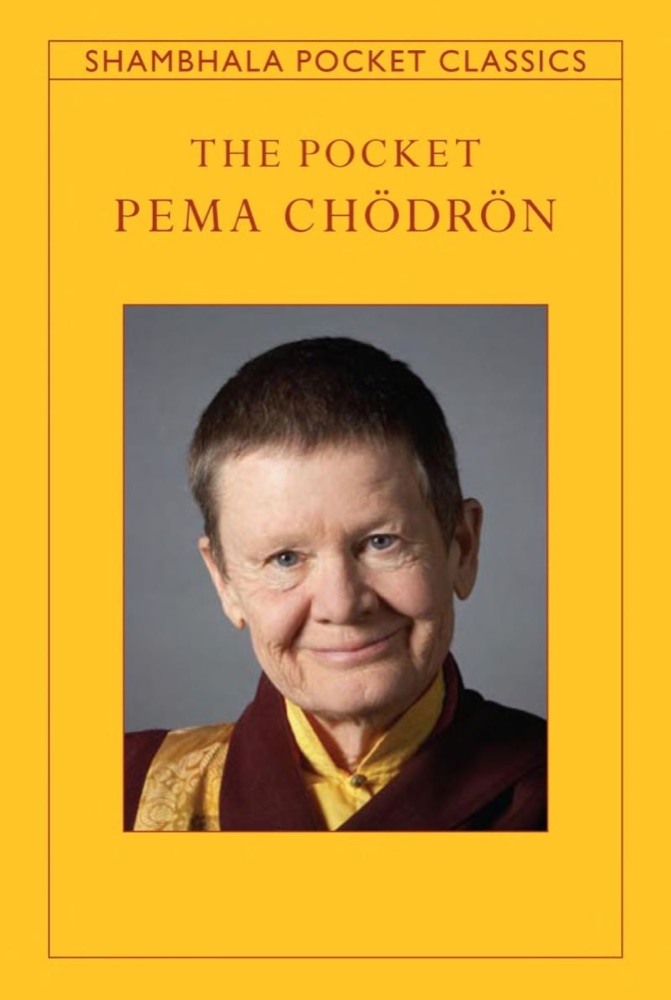 The Pocket Pema Chodron
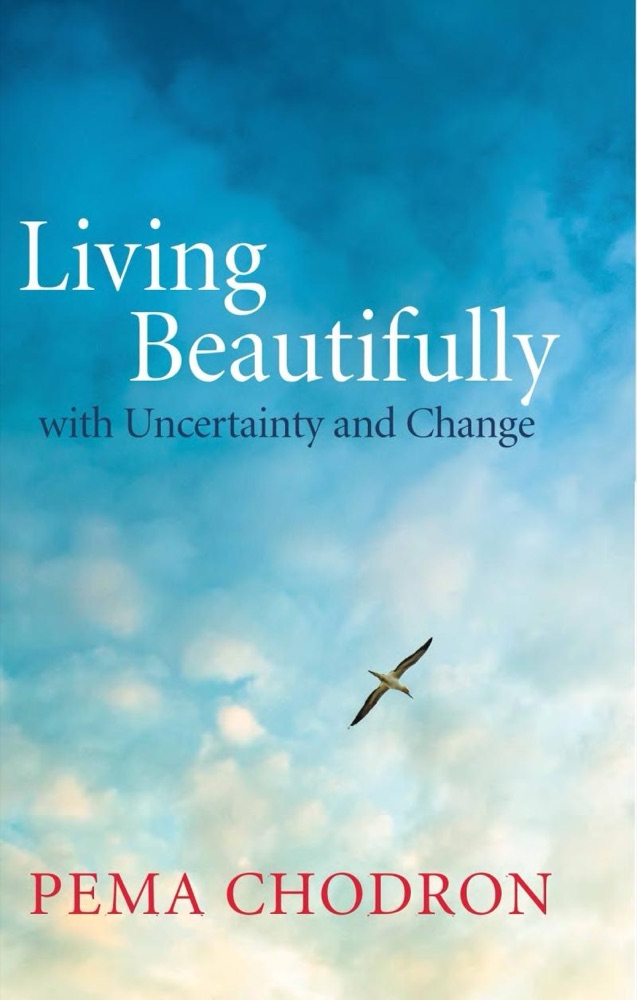 Living Beautifully with Uncertainty and Change
 The Places That Scare You: A Guide to Fearlessness in Difficult Times
About the book
It's true, as they say, that we can only love others when we first love ourselves and we can only experience real joy when we stop running from pain. The key to understanding these truisms lies in remaining open to life in all circumstances, and here Pema Chödrön shows us how. Because when we embrace the happiness and suffering, intelligence and confusion that are a natural part of life, we can begin to discover a wellspring of courageous love within our hearts.
Book details
- First published
- 1991
- Author
- Pema Chödrön
- Genre
- Nonfiction
- Goodreads rating
- 4.28 (8k ratings)
Keep reading
The Pocket Pema Chodron
The Places That Scare You: A Guide to Fearlessness in Difficult Times
Living Beautifully with Uncertainty and Change
 Everyday Zen: Love & Work
 Buddha's Brain: The Practical Neuroscience of Happiness, Love, and Wisdom
 The Wise Heart: A Guide to the Universal Teachings of Buddhist Psychology
 Zen and the Art of Saving the Planet
 True Refuge: Finding Peace and Freedom in Your Own Awakened Heart
 Buddhist Boot Camp
 The Tibetan Book of Living and Dying
 The Buddha Walks into a Bar . . .: A Guide to Life for a New Generation
 Advice Not Given: A Guide to Getting Over Yourself
 Awakening the Buddha Within
 The Joy of Living: Unlocking the Secret and Science of Happiness
 How to See Yourself As You Really Are
 Buddhism Plain & Simple: The Practice of Being Aware, Right Now, Every Day
 The Heart of the Buddha's Teaching: Transforming Suffering into Peace, Joy, and Liberation
 Full Catastrophe Living: Using the Wisdom of Your Body and Mind to Face Stress, Pain, and Illness
 Meditation for Beginners
 The Book of Awakening: Having the Life You Want by Being Present to the Life You Have
 Against the Stream: A Buddhist Manual for Spiritual Revolutionaries
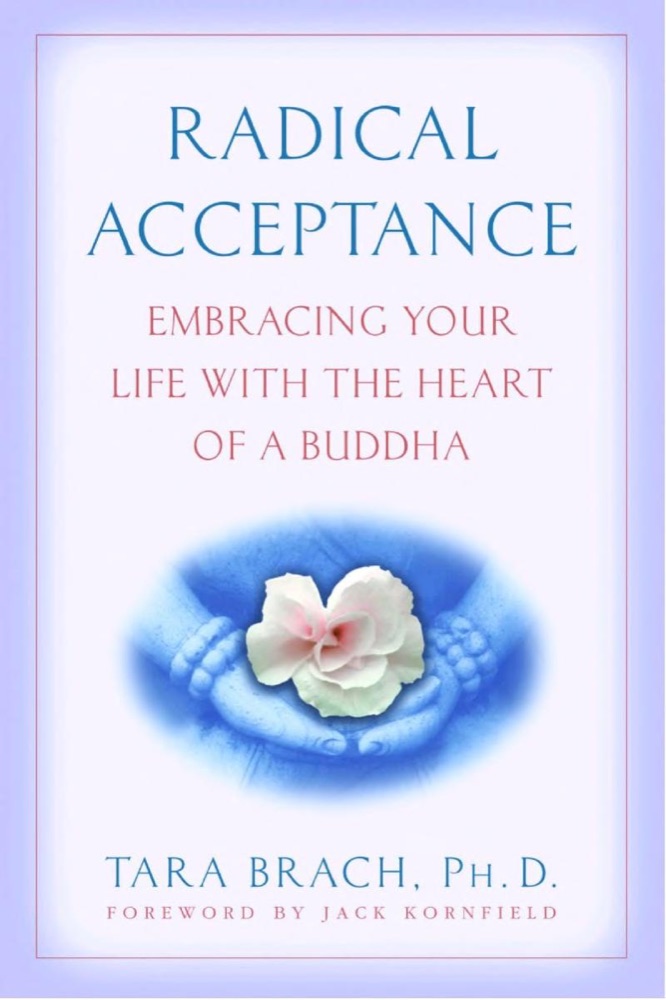 Radical Acceptance: Embracing Your Life With the Heart of a Buddha
 Mindfulness in Plain English
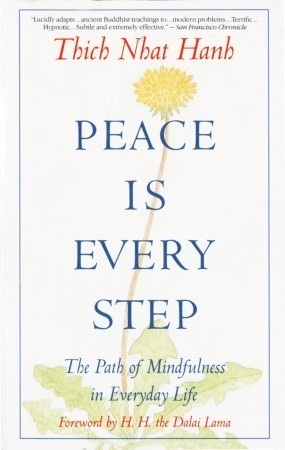 Peace Is Every Step: The Path of Mindfulness in Everyday Life
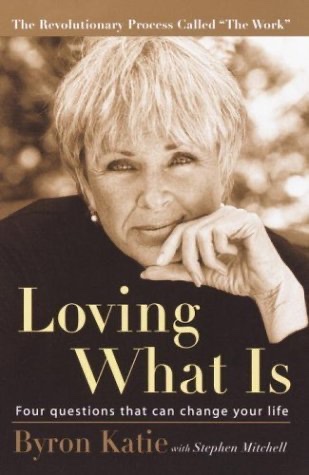 Loving What Is: Four Questions That Can Change Your Life
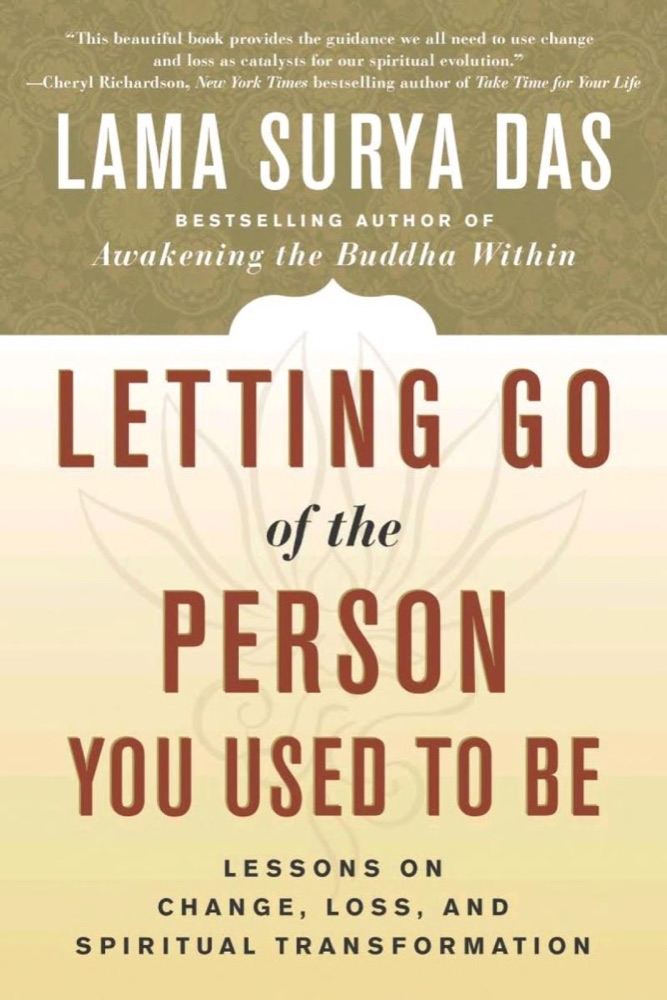 Letting Go of the Person You Used to Be: Lessons on Change, Loss, and Spiritual Transformation
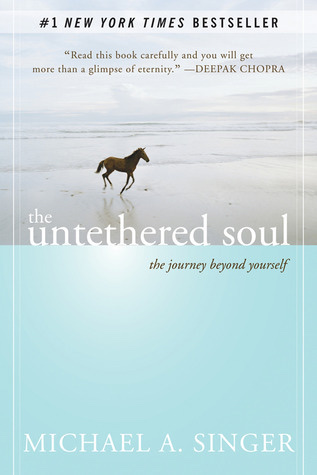 The Untethered Soul: The Journey Beyond Yourself
 The Dalai Lama's Cat and the Power of Meow
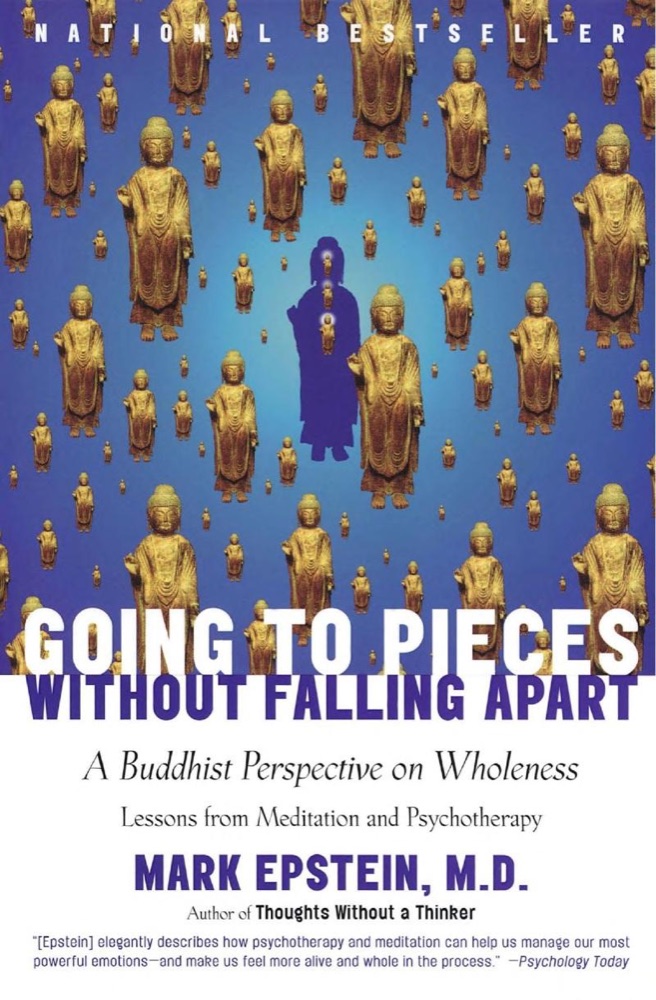 Going to Pieces without Falling Apart: A Buddhist Perspective on Wholeness
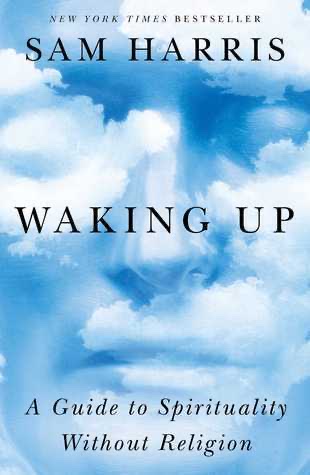 Waking Up: A Guide to Spirituality Without Religion
 365 Tao: A Study of Taoist Wisdom for Daily Life
 The Things You Can See Only When You Slow Down: How to Be Calm in a Busy World
 The Way to Love: The Last Meditations of Anthony de Mello
 Change Your Thoughts - Change Your Life: Living the Wisdom of the Tao
 Cutting Through Spiritual Materialism
 You Can Heal Your Life
 Wherever You Go, There You Are: Mindfulness Meditation in Everyday Life
 Nothing Special: A Zen Buddhist Guide to Awakening Through Daily Life's Feelings, Relationships, and Work
 Living Untethered: Beyond the Human Predicament
 The Book: On the Taboo Against Knowing Who You Are
 Way of the Peaceful Warrior: A Book That Changes Lives
 In Love with the World: A Monk's Journey Through the Bardos of Living and Dying
 The Book of Secrets: Unlocking the Hidden Dimensions of Your Life
 A Joseph Campbell Companion: Reflections on the Art of Living
 101 Essays That Will Change The Way You Think
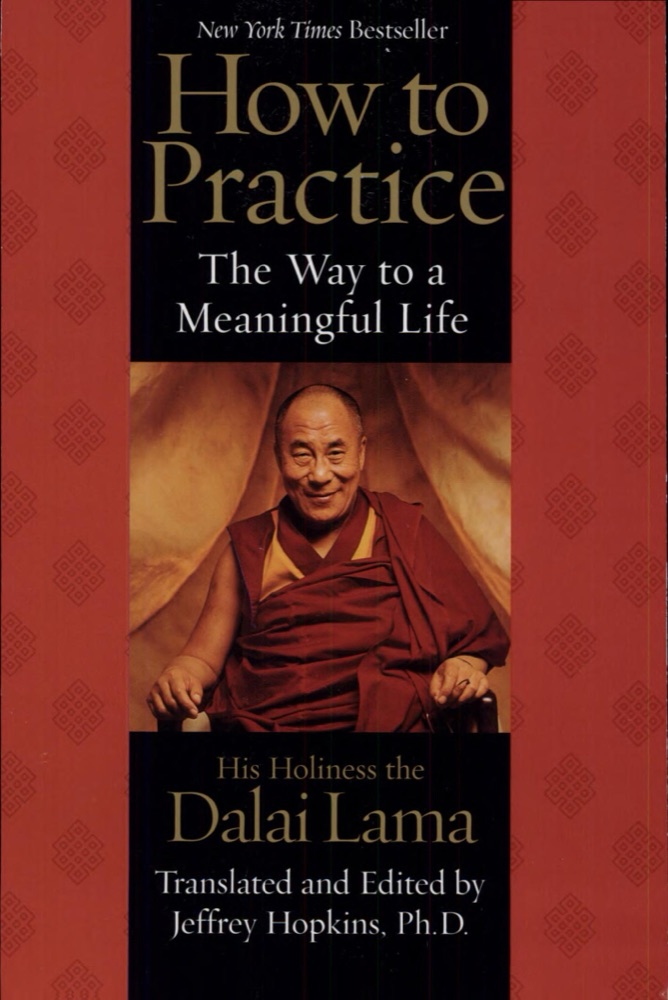 How to Practice: The Way to a Meaningful Life
 Heart Talk: Poetic Wisdom for a Better Life
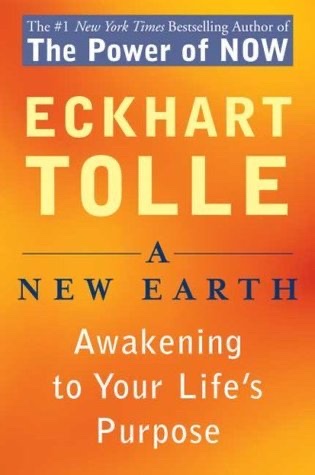 A New Earth: Awakening to Your Life's Purpose
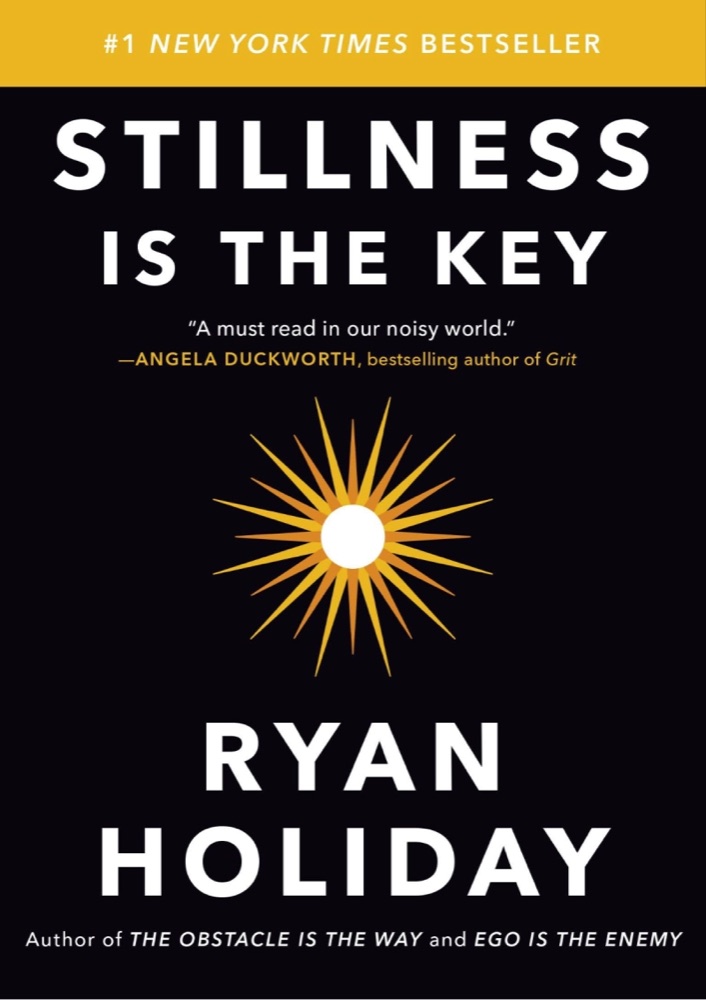 Stillness Is the Key
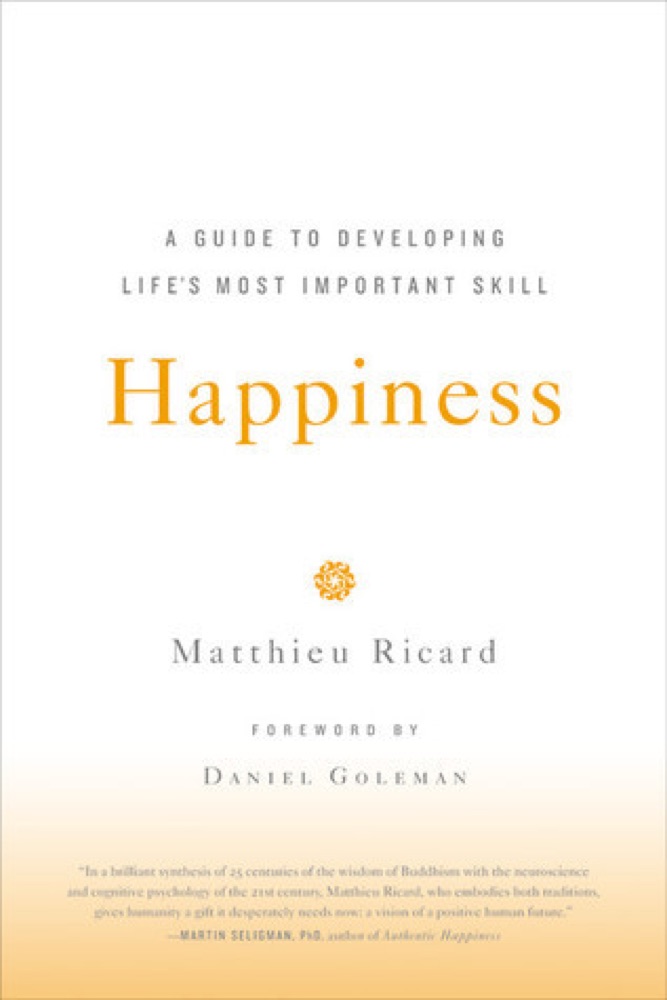 Happiness: A Guide to Developing Life's Most Important Skill
 Real Happiness: A 28-Day Program to Realize the Power of Meditation
 How to Stop Worrying and Start Living
 The Art of Being
 The Power of Now: A Guide to Spiritual Enlightenment
 Kitchen Table Wisdom: Stories that Heal
 Be Water, My Friend: The Teachings of Bruce Lee