
 Real Love: The Art of Mindful Connection
Quotes from the Book
It is never too late to turn on the light. Your ability to break an unhealthy habit or turn off an old tape doesn't depend on how long it has been running; a shift in perspective doesn't depend on how long you've held on to the old view. When you flip the switch in that attic, it doesn't matter whether its been dark for ten minutes, ten years or ten decades. The light still illuminates the room and banishes the murkiness, letting you see the things you couldn't see before. Its never too late to take a moment to look.
132
Mindfulness helps us get better at seeing the difference between what’s happening and the stories we tell ourselves about what’s happening, stories that get in the way of direct experience. Often such stories treat a fleeting state of mind as if it were our entire and permanent self.
78
Restore your attention or bring it to a new level by dramatically slowing down whatever you're doing.
59
Meditation is the ultimate mobile device; you can use it anywhere, anytime, unobtrusively.
55
Mindfulness isn't difficult, we just need to remember to do it.
45
If you’re reading these words, perhaps it’s because something has kicked open the door for you, and you’re ready to embrace change. It isn’t enough to appreciate change from afar, or only in the abstract, or as something that can happen to other people but not to you. We need to create change for ourselves, in a workable way, as part of our everyday lives.
44
Mindfulness, also called wise attention, helps us see what we’re adding to our experiences, not only during meditation sessions but also elsewhere.
24
Loving kindness is a form of love that truly is an ability, and, as research scientists have show, it can be learned. It is the ability to take some risks with our awareness-to look at ourselves and others with kindness instead of reflexive criticism; to include in our concern those to whom we normally pay no attention; to care for ourselves unconditionally instead of thinking, "I will love myself as long as I never make a mistake." It is the ability to gather our attention and really listen to others, even those we've written off as not worth our time. It is the ability to see the humanity in people we don't know and the pain in people we find difficult.
22
We long for permanence but everything in the known universe is transient. That’s a fact but one we fight.
21
We use mindfulness to observe the way we cling to pleasant experiences & push away unpleasant ones.
17
Let the breath lead the way.
16
Because the development of inner calm & energy happens completely within & isn’t dependent on another person or a particular situation, we begin to feel a resourcefulness and independence that is quite beautiful—and a huge relief.
15
People turn to meditation because they want to make good decisions, break bad habits & bounce back better from disappointments.
12
Meditation is a microcosm, a model, a mirror. The skills we practice when we sit are transferable to the rest of our lives.
9
You may have heard the old story, usually attributed to a Native American elder, meant to illuminate the power of attention. A grandfather (occasionally it’s a grandmother) imparting a life lesson to his grandson tells him, "I have two wolves fighting in my heart. One wolf is vengeful, fearful, envious, resentful, deceitful. The other wolf is loving, compassionate, generous, truthful, and serene." The grandson asks which wolf will win the fight. The grandfather answers, "The one I feed.
8
Meditation may be done in silence & stillness, by using voice & sound, or by engaging the body in movement. All forms emphasize the training of attention.
8
Meditation is essentially training our attention so that we can be more aware— not only of our own inner workings but also of what’s happening around us in the here & now.
7
All forms of meditation strengthen & direct our attention through the cultivation of three key skills: concentration, mindfulness & compassion or lovingkindness.
6
Mindfulness can play a big role in transforming our experience with pain & other difficulties; it allows us to recognize the authenticity of the distress & yet not be overwhelmed by it.
5
look at the world with quiet eyes.
4
Everything is impermanent: happiness, sorrow, a great meal, a powerful empire, what we’re feeling, the people around us, ourselves.
3
I’ve been through some terrible things in my life, some of which actually happened,” Mark Twain once said.
3
Albert Einstein goes, “The problems we face cannot be solved by the same level of thinking that created them.
2
When our lives feel like an interminable chain of longing - when nothing satisfies us the way we thought it might - often the first link in the chain is not being fully present. Here's how it works: imagine eating an apple. If you do so paying very little attention to the sight of it, the feel, the smell and the taste, then eating the apple isn't likely to be a fulfilling experience. Becoming aware of a mild discontent, you're likely to blame the apple for being boring and commonplace...You may begin to think, 'If only I could have a banana, then I'd be happy!' You find a banana, but you eat it in the same distracted or inattentive way, so again you end up feeling unsatisfied. But instead of realizing that you weren't paying attention to the experience of eating the banana, you start to think, 'My life is just too prosaic; how could anybody be happy with apples and bananas? What I need is something exotic. I need a mango. Then I'd be happy.' With some effort, you find your mango. The first few bites are wonderful; this is a fresh sensation...Soon, however, you're finishing off the exotic mango in just the same distracted, preoccupied way you ate the prosaic apple and the banana, and once again you're left with a feeling of dissatisfaction, of yearning...That's how an 'interminable chain of longing' gets forged. Concentration is what breaks the chain.
2
Connecting to your breath when thoughts or images arise is like spotting a friend in a crowd: you don't have to shove everyone else aside or order them to go away; you just direct your attention, your enthusiasm, your interest toward your friend. 'Oh,' you think, 'there's my friend in that crowd. Oh, there's my breath, among those thoughts and feelings and sensations.
2
We know that people who consistently meditate have a singular ability to cultivate positive emotions, retain emotional stability, and engage in mindful behavior,
2
What arises in our experience is much less important than how we relate to what arises in our experience.
1
May I be safe. May I be happy. May I be healthy. May I live with ease.
1
Throughout history, wise observers of human behavior have pinpointed over and over again a core group of unhealthy human tendencies that are obstacles to happiness. They're the states of mind that distract us in meditation practice, and trip us up in the rest of our lives. Broadly speaking, they are: desire, aversion, sloth, restlessness, and doubt. And they manifest in a variety of ways - many of which you'll recognize. Desire includes grasping, clinging, wanting, or attachment. Aversion can appear as hatred, anger, fear, or impatience. Sloth is not just laziness, but also numbing out, switching off, disconnecting, and the sluggishness that comes with denial or feeling overwhelmed: This is going to be difficult; I think I'll take a nap. Restlessness shows itself as anxiety, worry, fretfulness, or agitation. The kind of doubt we're talking about is not healthy questioning but rather the inability to make a decision or commitment. Doubt keeps us feeling stuck; we don't know what to do next. Doubt undermines wholehearted involvement (in relationships, in our meditation practice) and robs us of in-depth experience.
1
Watch on YouTube
About Sharon Salzberg
We have collected 88 quotes from 3 books by Sharon Salzberg on BookQuoters.
More about the author →More by Sharon Salzberg
Real Love: The Art of Mindful Connection
 Lovingkindness: The Revolutionary Art of Happiness
About the book
A New York Times best seller—now revised and updated with new exercises and guided meditations.“An inviting gateway to the interior territory of profound well-being and wisdom.”—Jon Kabat-Zinn, author of Wherever You Go, There You Are From Sharon Salzberg, a pioneer in the field of meditation and world-renowned teacher acclaimed for her down-to-earth style, Real Happiness is a complete guide to starting and maintaining a meditation practice. Beginning with the simplest breathing and sitting techniques, and based on three key skills—concentration, mindfulness, and lovingkindness—it’s a practice anyone can do and that can transform our lives by bringing us greater resiliency, creativity, peace, clarity, and balance. This updated 10th anniversary edition includes exercises, journal prompts, and ten guided meditations available for download online and through scannable QR codes.
Book details
- First published
- 2011
- Author
- Sharon Salzberg
- Genre
- Nonfiction
- Goodreads rating
- 3.99 (7k ratings)
Keep reading
 Full Catastrophe Living: Using the Wisdom of Your Body and Mind to Face Stress, Pain, and Illness
 How to Meditate: A Practical Guide to Making Friends with Your Mind
 Wherever You Go, There You Are: Mindfulness Meditation in Everyday Life
 Meditation for Fidgety Skeptics: A 10% Happier How-To Book
 How to Sit
 Peace Is Every Breath: A Practice for Our Busy Lives
 Mindfulness in Plain English
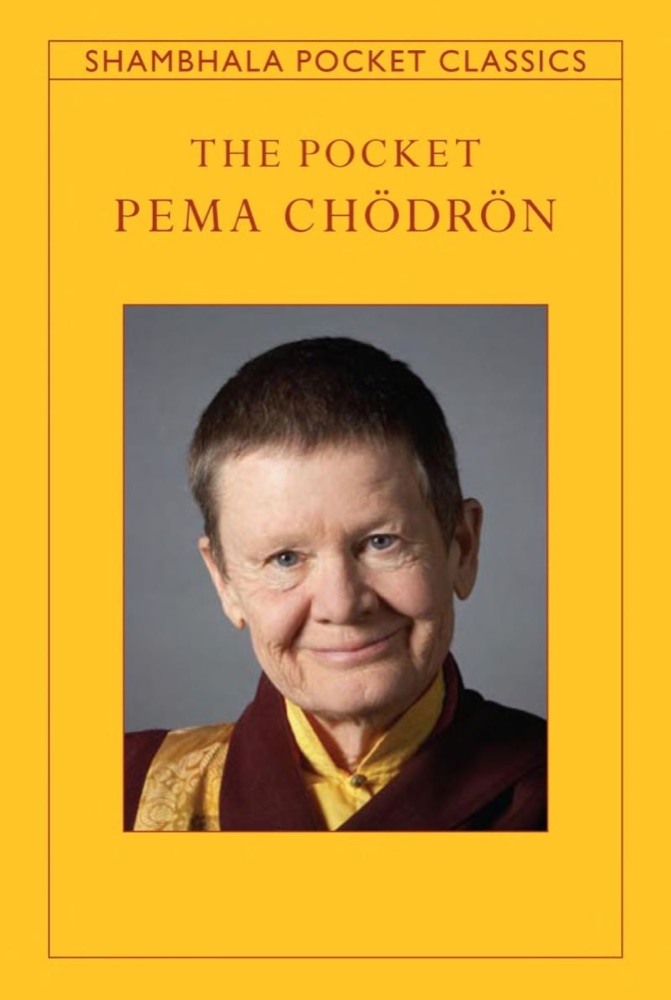 The Pocket Pema Chodron
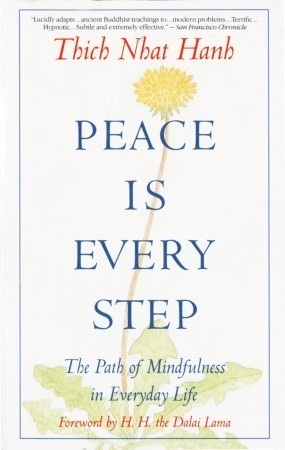 Peace Is Every Step: The Path of Mindfulness in Everyday Life
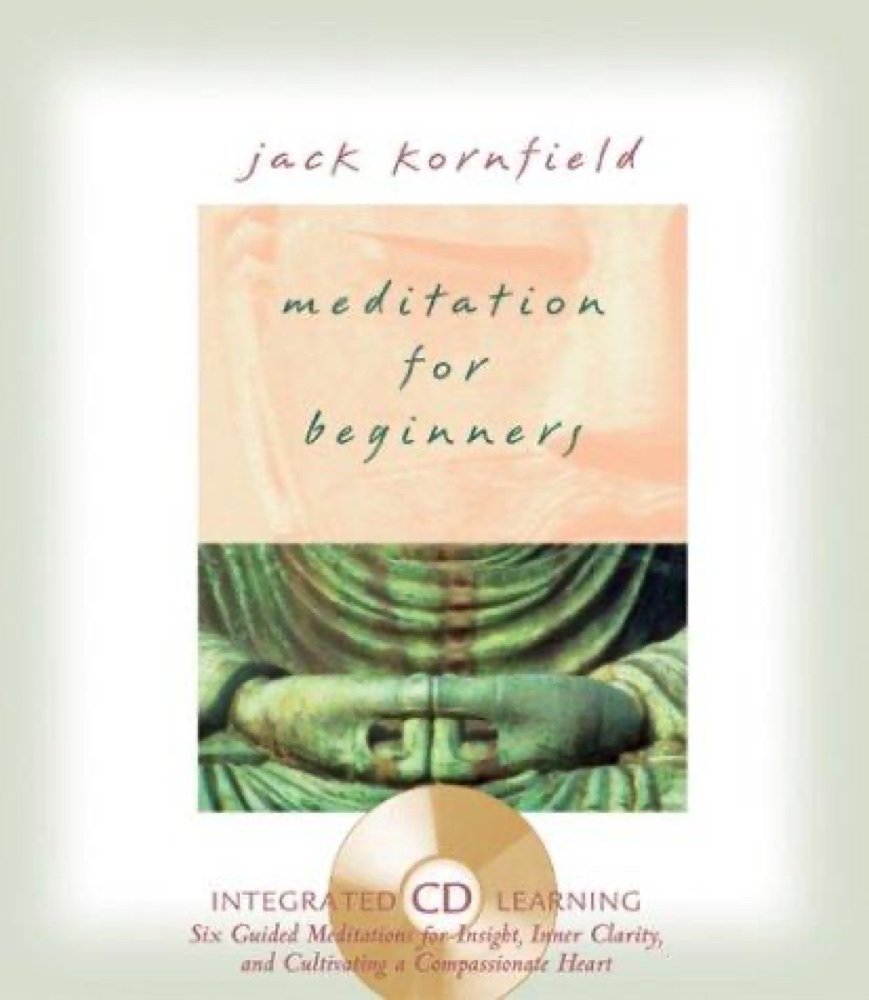 Meditation for Beginners
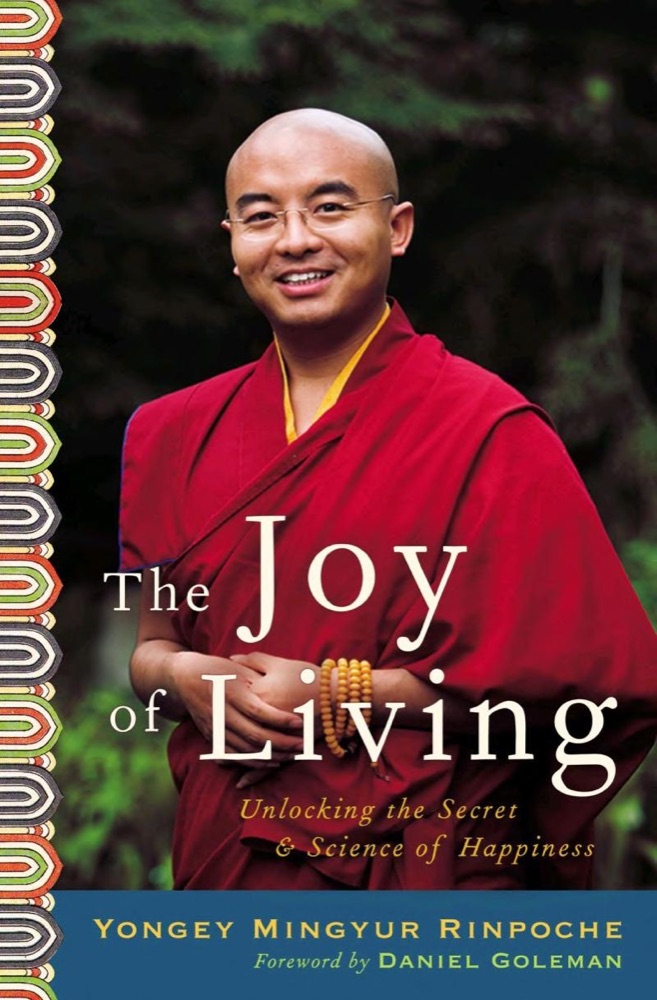 The Joy of Living: Unlocking the Secret and Science of Happiness
 Living Beautifully with Uncertainty and Change
 The Mind Illuminated: A Complete Meditation Guide Integrating Buddhist Wisdom and Brain Science
 Waking Up: A Guide to Spirituality Without Religion
 True Refuge: Finding Peace and Freedom in Your Own Awakened Heart
 Mindfulness Living in the Moment - Living in the Breath
 Everyday Zen: Love & Work
 Advice Not Given: A Guide to Getting Over Yourself
 The Dalai Lama's Cat and the Power of Meow
 Buddha's Brain: The Practical Neuroscience of Happiness, Love, and Wisdom
 The Wise Heart: A Guide to the Universal Teachings of Buddhist Psychology
 Happiness: A Guide to Developing Life's Most Important Skill
 Stillness Is the Key
 Awakening the Buddha Within
 The Art of Happiness
 Nothing Special: A Zen Buddhist Guide to Awakening Through Daily Life's Feelings, Relationships, and Work
 The Things You Can See Only When You Slow Down: How to Be Calm in a Busy World
 Meditation: Insights and Inspirations
 Light on Life
 Meditation
 Thrive: The Third Metric to Redefining Success and Creating a Life of Well-Being, Wisdom, and Wonder
 Radical Acceptance: Embracing Your Life With the Heart of a Buddha
 Going to Pieces without Falling Apart: A Buddhist Perspective on Wholeness
 The Tibetan Book of Living and Dying
 You Can Heal Your Life
 The Practicing Mind: Bringing Discipline and Focus into Your Life
 How to See Yourself As You Really Are
 Practicing the Power of Now: Essential Teachings, Meditations, and Exercises from the Power of Now
 Meditations from the Mat: Daily Reflections on the Path of Yoga
 The Book of Joy: Lasting Happiness in a Changing World
 Against the Stream: A Buddhist Manual for Spiritual Revolutionaries
 Living Untethered: Beyond the Human Predicament
 The Buddha Walks into a Bar . . .: A Guide to Life for a New Generation
 Letting Go of the Person You Used to Be: Lessons on Change, Loss, and Spiritual Transformation
 Buddhist Boot Camp
 Ask and It Is Given: Learning to Manifest Your Desires
 Becoming Supernatural: How Common People are Doing the Uncommon
 Change Your Thoughts - Change Your Life: Living the Wisdom of the Tao
Real Love: The Art of Mindful Connection
Change Your Thoughts - Change Your Life: Living the Wisdom of the Tao
Real Love: The Art of Mindful Connection
 Way of the Peaceful Warrior: A Book That Changes Lives
 Don't Sweat the Small Stuff ... and it's all small stuff: Simple Ways to Keep the Little Things from Taking Over Your Life
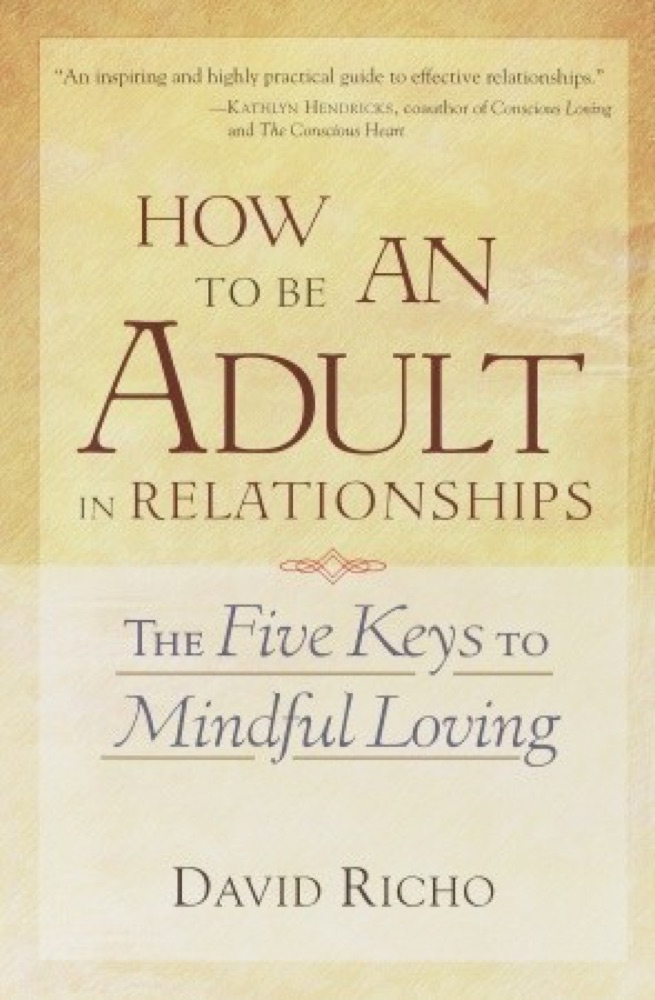 How to Be an Adult in Relationships: The Five Keys to Mindful Loving
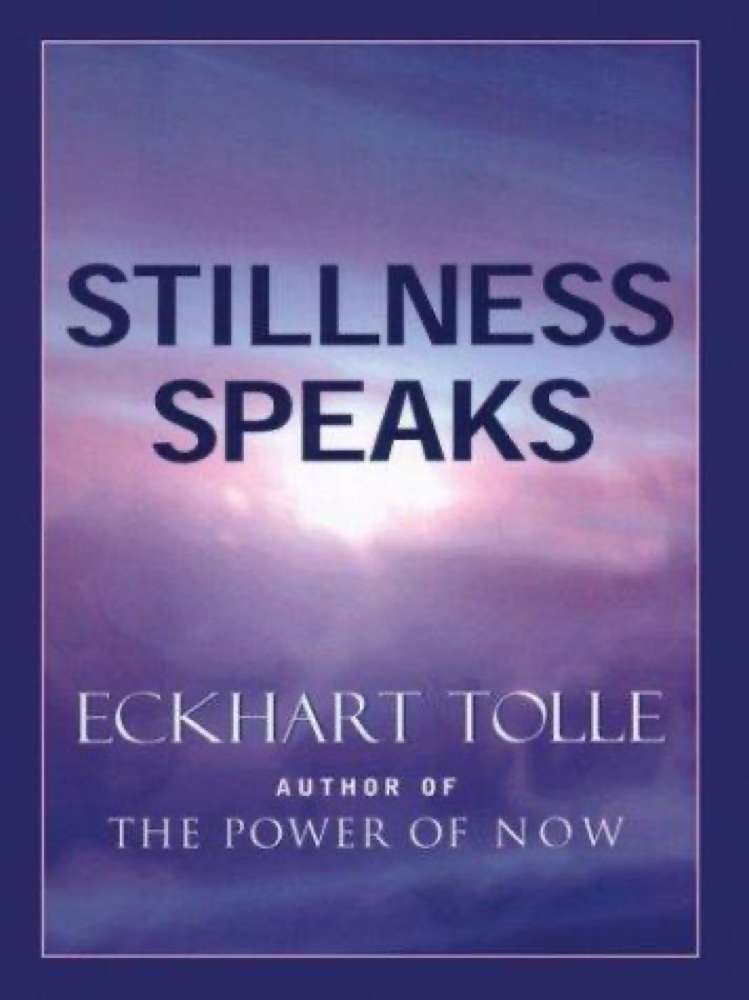 Stillness Speaks
 Simple Abundance: A Daybook of Comfort of Joy
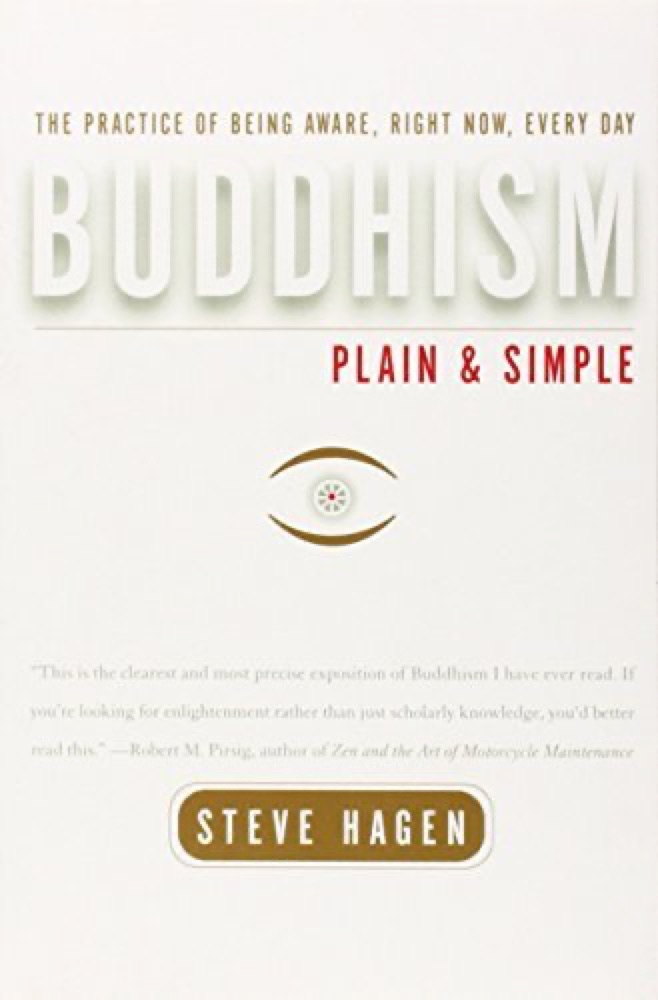 Buddhism Plain & Simple: The Practice of Being Aware, Right Now, Every Day
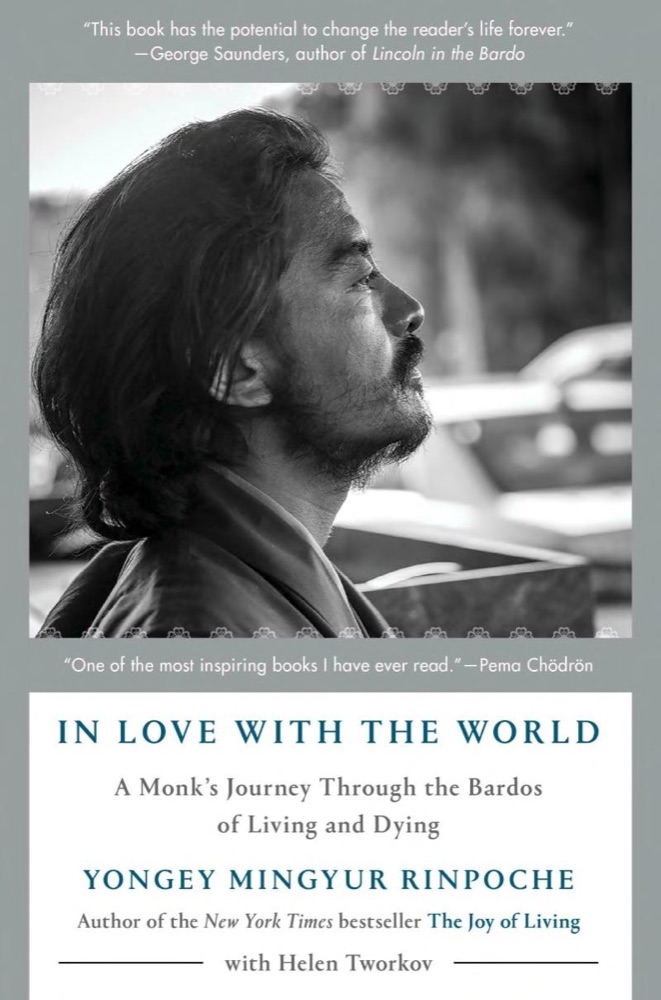 In Love with the World: A Monk's Journey Through the Bardos of Living and Dying
 How to Be Here: A Guide to Creating a Life Worth Living