
 Escape from Freedom
Quotes from the Book
Love is a decision, it is a judgment, it is a promise. If love were only a feeling, there would be no basis for the promise to love each other forever. A feeling comes and it may go. How can I judge that it will stay forever, when my act does not involve judgment and decision.
Love isn't something natural. Rather it requires discipline, concentration, patience, faith, and the overcoming of narcissism. It isn't a feeling, it is a practice.
Paradoxically, the ability to be alone is the condition for the ability to love.
The main condition for the achievement of love is the overcoming of one's narcissism. The narcissistic orientation is one in which one experiences as real only that which exists within oneself, while the phenomena in the outside world have no reality in themselves, but are experienced only from the viewpoint of their being useful or dangerous to one. The opposite pole to narcissism is objectivity; it is the faculty to see other people and things as they are, objectively, and to be able to separate this objective picture from a picture which is formed by one's desires and fears.
Infantile love follows the principle: "I love because I am loved." Mature love follows the principle: "I am loved because I love." Immature love says: "I love you because I need you." Mature love says: "I need you because I love you.
Modern man has transformed himself into a commodity; he experiences his life energy as an investment with which he should make the highest profit, considering his position and the situation on the personality market. He is alienated from himself, from his fellow men and from nature. His main aim is profitable exchange of his skills, knowledge, and of himself, his "personality package" with others who are equally intent on a fair and profitable exchange. Life has no goal except the one to move, no principle except the one of fair exchange, no satisfaction except the one to consume.p97.
The faculty to think objectively is reason; the emotional attitude behind reason is that of humility. To be objective, to use one's reason, is possible only if one has achieved an attitude of humility, if one has emerged from the dreams of omniscience and omnipotence which one has as a child. Love, being dependent on the relative absence of narcissism, requires the developement of humility, objectivity and reason. I must try to see the difference between my picture of a person and his behavior, as it is narcissistically distorted, and the person's reality as it exists regardless of my interests, needs and fears.
Giving is the highest expression of potency. In the very act of giving, I experience my strength, my wealth, my power. This experience of heightened vitality and potency fills me with joy. I experience myself as overflowing, spending, alive, hence as joyous. Giving is more joyous than receiving, not because it is a deprivation, but because in the act of giving lies the expression of my aliveness.
The mature response to the problem of existence is love.
Modern man thinks he loses something - time - when he does not do things quickly. Yet he does not know what to do with the time he gains, except kill it.
To have faith requires courage, the ability to take a risk, the readiness even to accept pain and disappointment. Whoever insists on safety and security as primary conditions of life cannot have faith; whoever shuts himself off in a system of defense, where distance and possession are his means of security, makes himself a prisoner. To be loved, and to love, need courage, the courage to judge certain values as of ultimate concern – and to take the jump and to stake everything on these values.
The task we must set for ourselves is not to feel secure, but to be able to tolerate insecurity.
Love is not primarily a relationship to a specific person; it is an attitude, an orientation of character which determines the relatedness of a person to the world as a whole, not toward one “object” of love. If a person loves only one other person and is indifferent to the rest of his fellow men, his love is not love but a symbiotic attachment, or an enlarged egotism. Yet, most people believe that love is constituted by the object, not by the faculty.
Most people are not even aware of their need to conform. They live under the illusion that they follow their own ideas and inclinations, that they are individualists, that they have arrived at their opinion as the result of their own thinking - and that it just happens that their ideas are the same as this of the majority. (p.11)
Immature love says: 'I love you because I need you.' Mature love say: 'i need you because I love you.
Modern capitalism needs men who cooperate smoothly and in large numbers; who want to consume more and more; and whose tastes are standardized and can be easily influenced and anticipated. It needs men who feel free and independent, not subject to any authority or principle or conscience-- yet willing to be commanded, to do what is expected of them, to fit into the social machine without friction; who can be guided without force, led without leaders, prompted without aim-- except the one to make good, to be on the move, to function, to go ahead.
Education is identical with helping the child realize his potentialities. The opposite of education is manipulation, which is based on the absence of faith in the growth of potentialities and the connection that a child will be right only if the adults put into him what is desirable and suppress what seems to be undesirable.
Most people see the problem of love primarily as that of being loved , rather than that of loving , of one's capacity to love. Hence the problem to them is how to be loved, how to be lovable. In pursuit of this aim they follow several paths. One, which is especially used by men, is to be successful, to be as powerful and rich as the social margin of one's position permits. Another, used especially by women, is to make oneself attractive, by cultivating one's body, dress, etc. .... Many of the ways to make oneself lovable are the same as those used to make oneself successful, to 'win friends and influence people'. As a matter of fact, what most people in our culture mean by being lovable is essentially a mixture between being popular and having sex appeal.
Man’s happiness today consists in “having fun.” Having fun lies in the satisfaction of consuming and “taking in” commodities, sights, food, drinks, cigarettes, people, lectures, books, movies—all are consumed, swallowed. The world is one great object for our appetite, a big apple, a big bottle, a big breast; we are the sucklers, the eternally expectant ones, the hopeful ones—and the eternally disappointed ones.
We may know ourselves, and yet even with all the efforts we make, we do not know ourselves. We know our fellowman, and yet we do not know him, because we are not a thing, and our fellowman is not a thing. The further we reach into the depths of our being, on someone else's being, the more the goal of knowledge eludes us.
To be loved because of one's merit, because one deserves it, always leaves doubt; maybe I did not please the person whom I want to love me, maybe this, or that - there is always a fear that love could disappear.
Love is possible only if two persons communicate with each other from the center of their existence, hence if each one of them experiences himself from the center of his existence. Only in this 'central experience" is human reality, only here is aliveness, only here is the basis for love. Love, experienced thus is a constant challenge; it is not a resting place, but a moving, growing, working together...they are one with each other by being one with themselves.
Love is an activity, not a passive affect; it is a “standing in,” not a “falling for.” In the most general way, the active character of love can be described by stating that love is primarily giving, not receiving.
Wenn ich zu einem anderen sagen kann: "Ich liebe dich", muss ich auch sagen können: "Ich liebe in dir auch alle anderen, ich liebe durch dich die ganze Welt, ich liebe in dir auch mich selbst.
Mature love is union under the condition of preserving one's integrity, one's individuality; a power which breaks through the walls which separate man from his fellow men, which unites him with others; love makes him overcome the sense of isolation and separateness, yet it permits him to be himself, to retain his integrity.
Love, experienced thus, is a constant challenge; it is not a resting place, but moving, growing, working together; even when there is harmony or conflict, joy or sadness, is secondary to the fundamental fact that two people experience themselves, rather than by fleeing from themselves. There is only one proof for the presence of love: the depth of the relationship, and the aliveness and strength in each person concerned; this is the fruit by which love is recognized.
Love is possible only if two persons communicate with each other from the center of their existence, hence if each one of them experiences himself from the center of his existence. Only in this “central experience” is human reality, only here is aliveness, only here is the basis for love. Love, experienced thus, is a constant challenge; it is not a resting place, but a moving, growing, working together; even whether there is harmony or conflict, joy or sadness, is secondary to the fundamental fact that two people experience themselves from the essence of their existence, that they are one with each other by being one with themselves, rather than by fleeing from themselves. There is only one proof for the presence of love: the depth of the relationship, and the aliveness and strength in each person concerned; this is the fruit by which love is recognized.
Love is a power which produces love.
If I perceive in another person mainly the surface, I perceive mainly the differences,that which separates us. If I penetrate to the core, i perceive our identity, the fact of our brotherhood. This relatedness from center to center - instead of that from periphery to periphery - is 'central relatedness'.
Watch on YouTube
About Erich Fromm
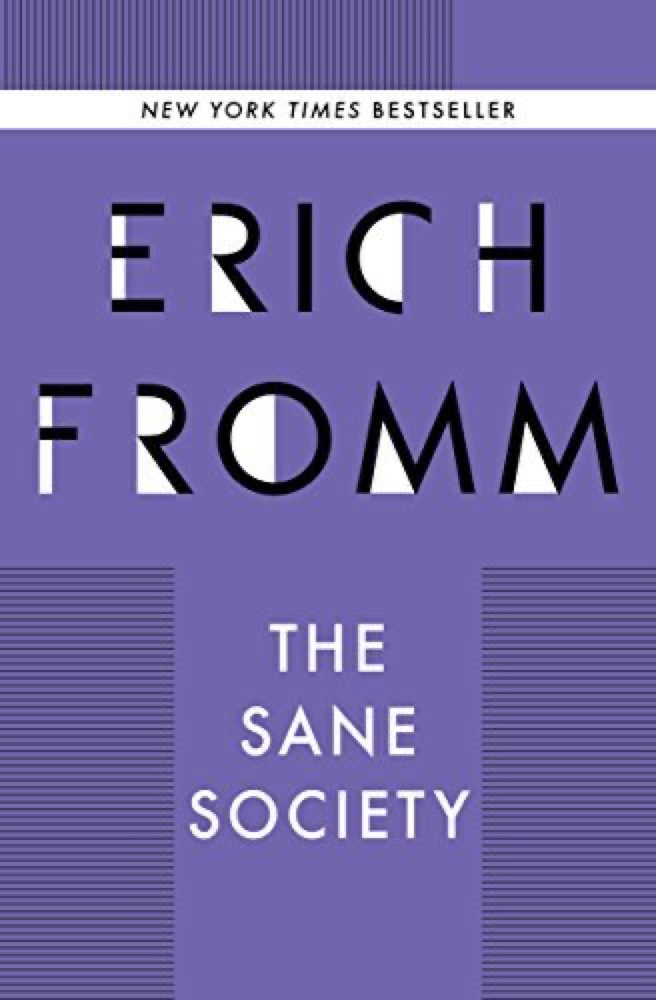
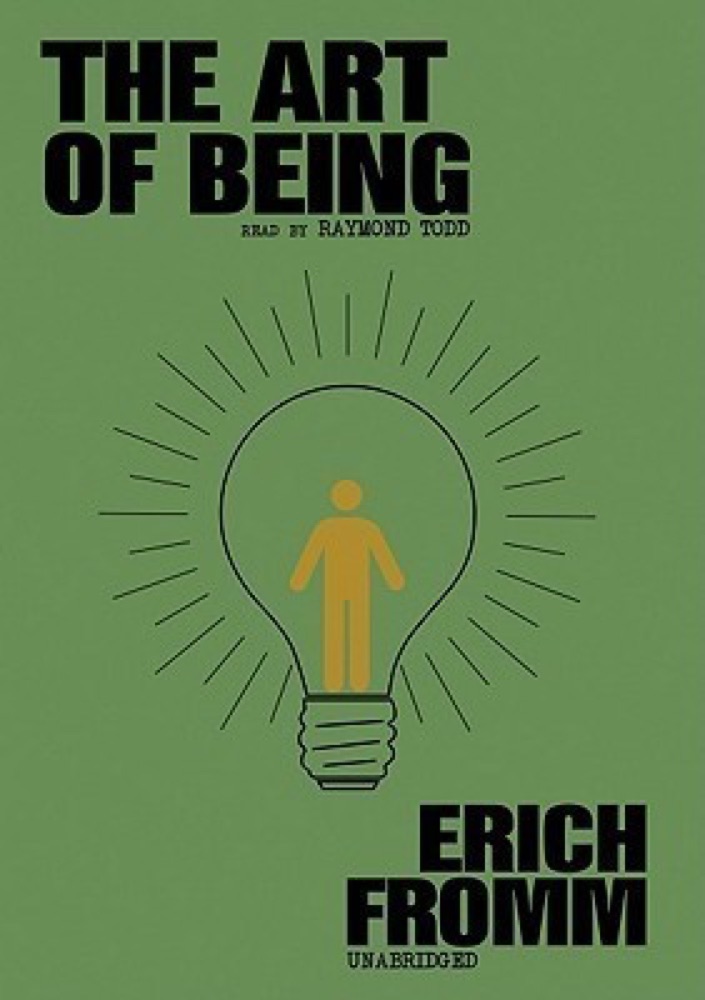
We have collected 125 quotes from 6 books by Erich Fromm on BookQuoters.
More about the author →More by Erich Fromm
All books by Erich Fromm →
Book details
- Author
- Erich Fromm
- Genre
- Classics
- Goodreads rating
- 4.00 (99k ratings) →
Keep reading
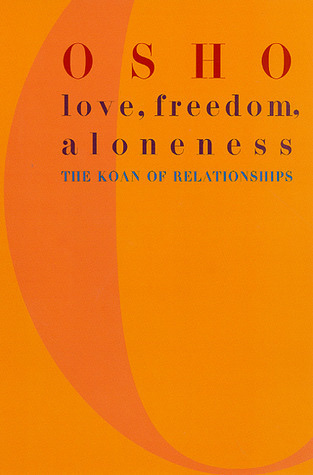 Love, Freedom, and Aloneness: The Koan of Relationships
 All About Love: New Visions
 The Five Love Languages for Singles
 How to Be an Adult in Relationships: The Five Keys to Mindful Loving
 The 5 Love Languages: The Secret to Love that Lasts
 The Mastery of Love: A Practical Guide to the Art of Relationship: A Toltec Wisdom Book
 The Road Less Travelled
 How to Love
 Works of Love
 Love and Responsibility
 A Return to Love: Reflections on the Principles of "A Course in Miracles"
 Conversations on Love
 True Love: A Practice for Awakening the Heart
 8 Rules of Love: How to Find It, Keep It, and Let It Go
 Messages from the Masters: Tapping into the Power of Love
 Intimacy: Trusting Oneself and the Other
 Love and Will
 The Way to Love: The Last Meditations of Anthony de Mello
 On Love
 The Course of Love
 The Truth: An Uncomfortable Book About Relationships
 If the Buddha Dated: A Handbook for Finding Love on a Spiritual Path
 The Symposium
 Mating in Captivity: Reconciling the Erotic and the Domestic
 The Love Dare
 Shantaram
 The World According to Mister Rogers: Important Things to Remember
 Changes That Heal: How to Understand the Past to Ensure a Healthier Future
 The Four Loves
 De Profundis
 A General Theory of Love
 The Forty Rules of Love
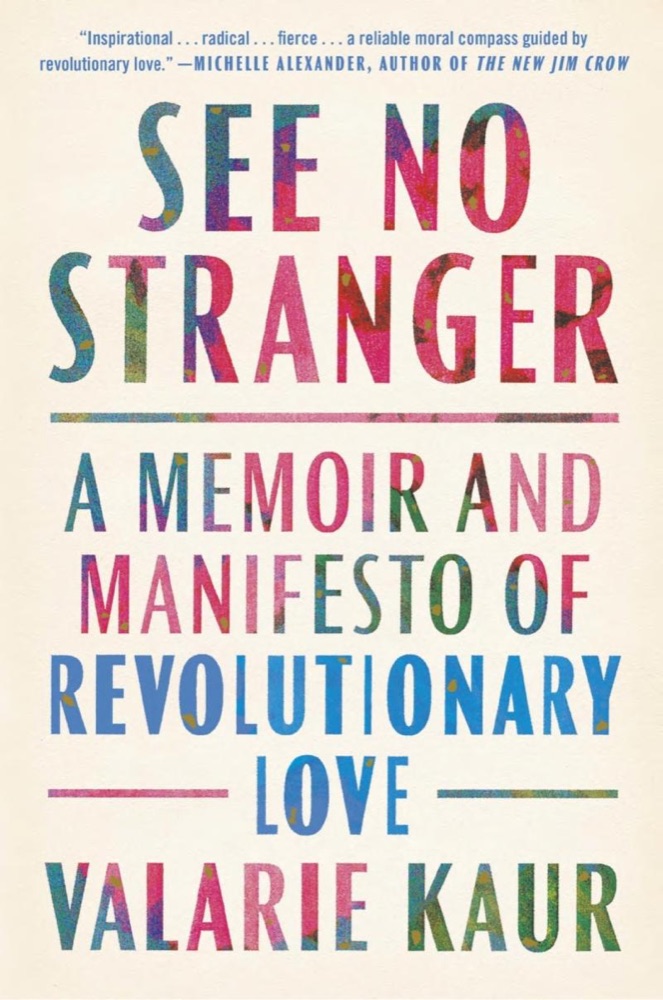 See No Stranger: A Memoir and Manifesto of Revolutionary Love
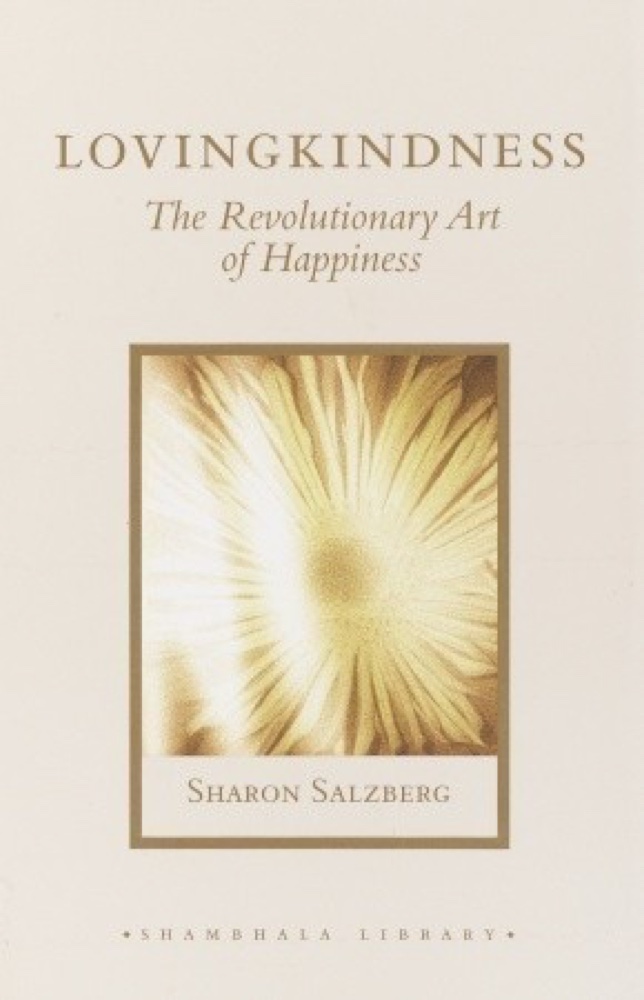 Lovingkindness: The Revolutionary Art of Happiness
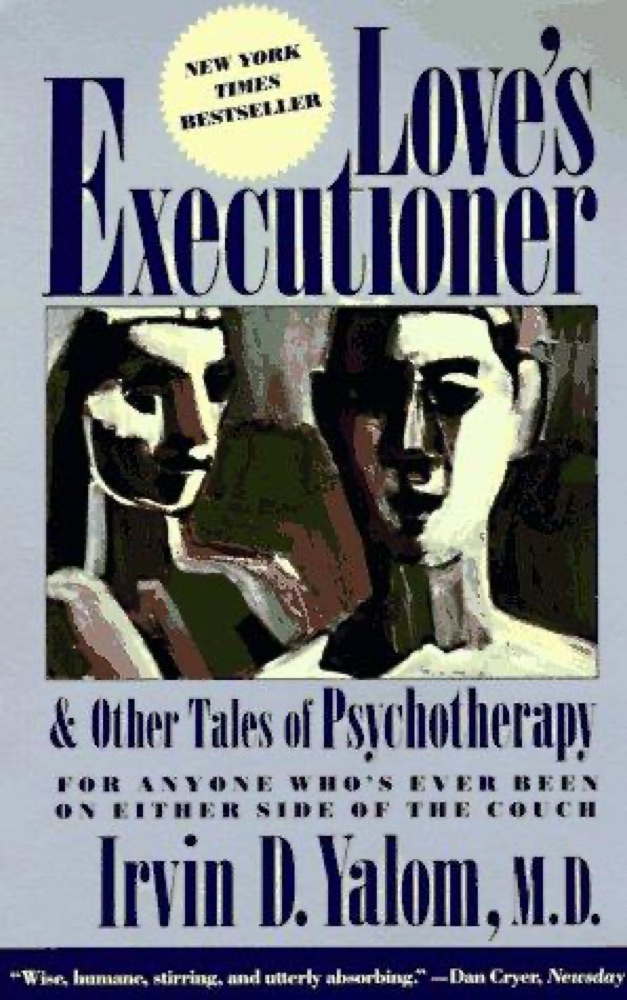 Love's Executioner and Other Tales of Psychotherapy
 The Unbearable Lightness of Being
 Corelli's Mandolin
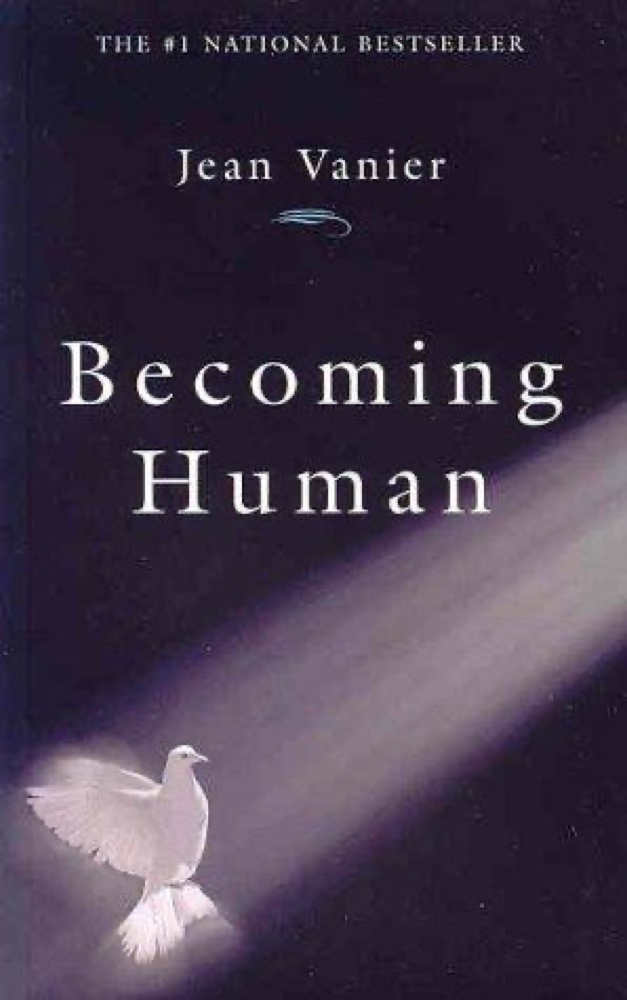 Becoming Human
 Conversations with God: An Uncommon Dialogue, Book 1
 The Art of Seduction
 So Much More
 The Ethical Slut: A Guide to Infinite Sexual Possibilities
 The Meaning of Marriage: Facing the Complexities of Commitment with the Wisdom of God
 Sex God: Exploring the Endless Connections Between Sexuality and Spirituality
 Love Stories
 No Man Is an Island
 The Art of Communicating
 The Passion
 Love
Love
 Gravity and Grace
 A Lover's Discourse: Fragments
 Aphorisms on Love and Hate
 Becoming Wise: An Inquiry into the Mystery and Art of Living
 The School of Life: An Emotional Education
 The Mountain Shadow
 The Gifts of Imperfection
 A Joseph Campbell Companion: Reflections on the Art of Living
 The Second Mountain
 Why We Love: The Nature and Chemistry of Romantic Love
 Eat, Pray, Love