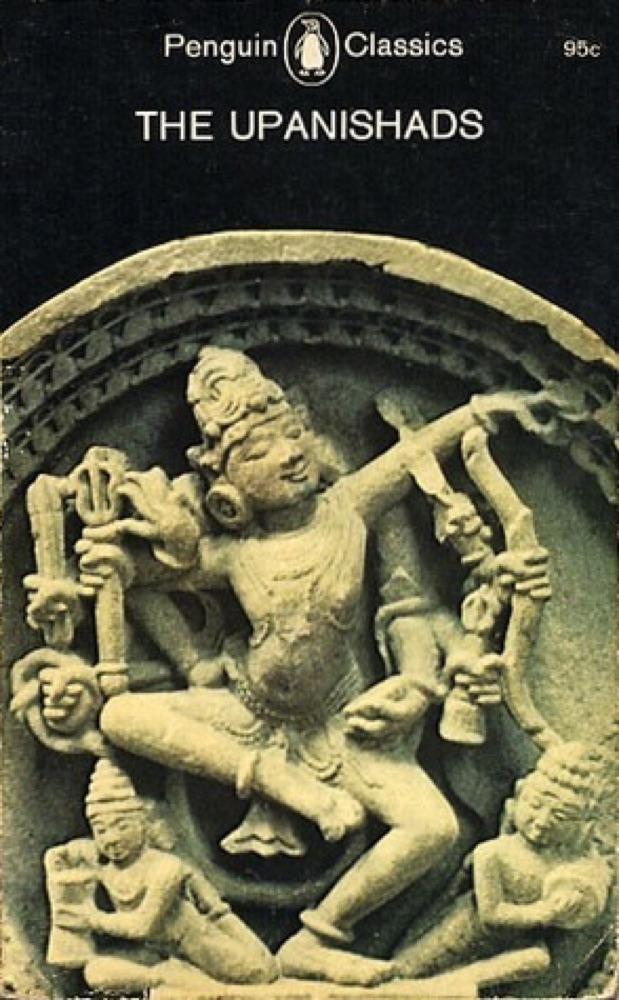
 The Arabian Nights
Quotes from the Book
The little space within the heart is as great as the vast universe. The heavens and the earth are there, and the sun and the moon and the stars. Fire and lightening and winds are there, and all that now is and all that is not.
You are what your deep, driving desire is. As your desire is, so is your will. As your will is, so is your deed. As your deed is, so is your destiny. [ Brihadaranyaka IV.4.5 ]
He who sees all beings in his Self and his Self in all beings, he never suffers; because when he sees all creatures within his true Self, then jealousy, grief and hatred vanish.
Fire is His head, the sun and moon His eyes, space His ears, the Vedas His speech, the wind His breath, the universe His heart. From His feet the Earth has originated. Verily, He is the inner self of all beings.
Meditation here is not reflection or any other kind of discursive thinking. It is pure concentration: training the mind to dwell on an interior focus without wandering, until it becomes absorbed in the object of its contemplation. But absorption does not mean unconsciousness. The outside world may be forgotten, but meditation is a state of intense inner wakefulness.
Dreams are real as long as they last. Can we say more of life?
Human beings cannot live without challenge. We cannot live without meaning. Everything ever achieved we owe to this inexplicable urge to reach beyond our grasp, do the impossible, know the unknown. The Upanishads would say this urge is part of our evolutionary heritage, given to us for the ultimate adventure: to discover for certain who we are, what the universe is, and what is the significance of the brief drama of life and death we play out against the backdrop of eternity.
Place this salt in water and bring it here tomorrow morning". The boy did. "Where is that salt?" his father asked? "I do not see it." "Sip here. How does it taste?" "Salty, father." "And here? And there?" "I taste salt everywhere." "It is everywhere, though we see it not. Just so, dear one, the Self is everywhere, within all things, although we see it not. There is nothing that does not come from it. It is the truth; it is the Self supreme. You are that, Shvetaketu. You Are That.
There is no joy in the finite; there is joy only in the Infinite.
He who is rich in the knowledge of the Self does not covet external power or possession.
As long as man is overpowered by the darkness of ignorance, he is the slave of Nature and must accept whatever comes as the fruit of his thoughts and deeds. When he strays into the path of unreality, the Sages declare that he destroys himself; because he who clings to the perishable body and regards it as his true Self must experience death many times.
The fifth-century Greek writer we know as Dionysius the Areopagite once said that as he grew older and wiser his books got shorter and shorter.
That which is not comprehended by the mind but by which the mind comprehends—know that...
Who is better able to know God than I myself, since He resides in my heart and is the very essence of my being? Such should be the attitude of one who is seeking.
There is enough in the world for everyone’s need; there is not enough for everyone’s greed.
To darkness are they doomed who worship only the body, and to greater darkness they who worship only the spirit.
As the sun, revealer of all objects to the seer, is not harmed by the sinful eye, nor by the impurities of the objects it gazes on, so the one Self, dwelling in all, is not touched by the evils of the world. (The Upanishads: Breath of the Eternal, pg. 35)
The general teaching of the Upanishads is that works alone, even the highest, can bring only temporary happiness and must inevitably bind a man unless through them he gains knowledge of his real Self.
As a person acts, so he becomes in life. Those who do good become good; those who do harm become bad. Good deeds make one pure; bad deeds make one impure. You are what your deep, driving desire is. As your desire is, so is your will. As your will is, so is your deed. As your deed is, so is your destiny.
God is, in truth, the whole universe: what was, what is and what beyond shall ever be. He is the God of life immortal and of all life that lives by food. His hands and feet are everywhere. He has heads and mouths everywhere. He sees all, He hears all. He is in all, and He Is.
The desire for liberation arises in human beings at the end of many births, through the ripening of their past virtuous conduct.
What exactly is the difference between a dream and waking experience? What happens to the sense of “I” in dreamless sleep? And they sought invariants: in the constantly changing flow of human experience, is there anything that remains the same? In the constantly changing flow of thought, is there an observer who remains the same? Is there any thread of continuity, some level of reality higher than waking, in which these states of mind cohere?
The sages would say similarly, “Just for the heaven of it.” Just to reach for the highest. Human beings cannot live without challenge. We cannot live without meaning. Everything ever achieved we owe to this inexplicable urge to reach beyond our grasp, do the impossible, know the unknown. The Upanishads would say this urge is part of our evolutionary heritage, given to us for the ultimate adventure: to discover for certain who we are, what the universe is, and what is the significance of the brief drama of life and death we play out against the backdrop of eternity. In haunting words, the Brihadaranyaka declares: You are what your deep, driving desire is. As your desire is, so is your will. As your will is, so is your deed. As your deed is, so is your destiny.
As by knowing one tool of iron, dear one, We come to know all things made out of iron - That they differ only in name and form, While the stuff of which all are made is iron - So through spiritual wisdom, dear one, We come to know that all of life is one.
Birth is but the beginning of a trajectory to death; for all their love, parents cannot halt it and in a sense have “given us to death” merely by giving us birth.
materialism leads us to lose awareness of our inner life, which is bad enough; but to be hypnotized by our own feelings and sensations and forget about others and the world around us is worse.
As by knowing one tool of iron, dear one, we come to know all things made out of iron: that they differ only in name and form, while the stuff of which all are made is iron- so through that spiritual wisdom, dear one, we come to know that ll of life is one.
Only he who has a co-ordinated understanding of both the visible and the invisible, of matter and spirit, of activity and that which is behind activity, conquers Nature and thus overcomes death.
You are what your deep, driving desire is. As your desire is, so is your will. As your will is, so is your deed. As your deed is, so is your destiny.
Not everyone who attains Self-realization can make a reliable guide. I have been saying “he,” but this is not a role for men alone. My own teacher is my mother’s mother.
Until our mind is withdrawn from the varied distractions and agitations of worldly affairs, we cannot enter into the spirit of higher religious study.
9
That which comes out of the Infinite Whole must also be infinite; hence the Self is infinite. That is the ocean, we are the drops. So long as the drop remains separate from the ocean, it is small and weak; but when it is one with the ocean, then it has all the strength of the ocean. Similarly, so long as man believes himself to be separate from the Whole, he is helpless; but when he identifies himself with It, then he transcends all weakness and partakes of Its omnipotent qualities.
8
The infinite – free, unbounded, full of joy – is our native state.
7
As fire, though one, takes the shape of every object which it consumes, so the Self, though one, takes the shape of every object in which it dwells. (The Upanishads: Breath of the Eternal, pg. 35)
7
Watch on YouTube
About Anonymous
More by Anonymous
The Arabian Nights
 The I Ching or Book of Changes
 Njal's Saga
 A Woman in Berlin: Eight Weeks in the Conquered City: A Diary
Keep reading
 The Yoga Sutras of Patanjali
 The Bhagavad Gita
 Bhagavad-Gita As It Is
 Complete Works of Swami Vivekananda, 9 Vols.
 Autobiography of a Yogi
 The World's Religions
 What the Buddha Taught
 The Mustard Seed: The Gnostic Teachings of Jesus The Mystic
 The Perennial Philosophy
 Awakening the Buddha Within
 The Book of Wisdom
 Siddhartha
 The Book: On the Taboo Against Knowing Who You Are
 The Journey Home
 Myths to Live By
 Tibetan Book of the Dead
 Total Freedom: The Essential Krishnamurti
 Buddhism Plain & Simple: The Practice of Being Aware, Right Now, Every Day
 My Gita
 How to Know Higher Worlds: A Modern Path of Initiation
 The Yoga Sutras of Pantanjali
 The Way of the Bodhisattva
 The Intellectual Life: Its Spirit, Conditions, Methods
 Raja-Yoga
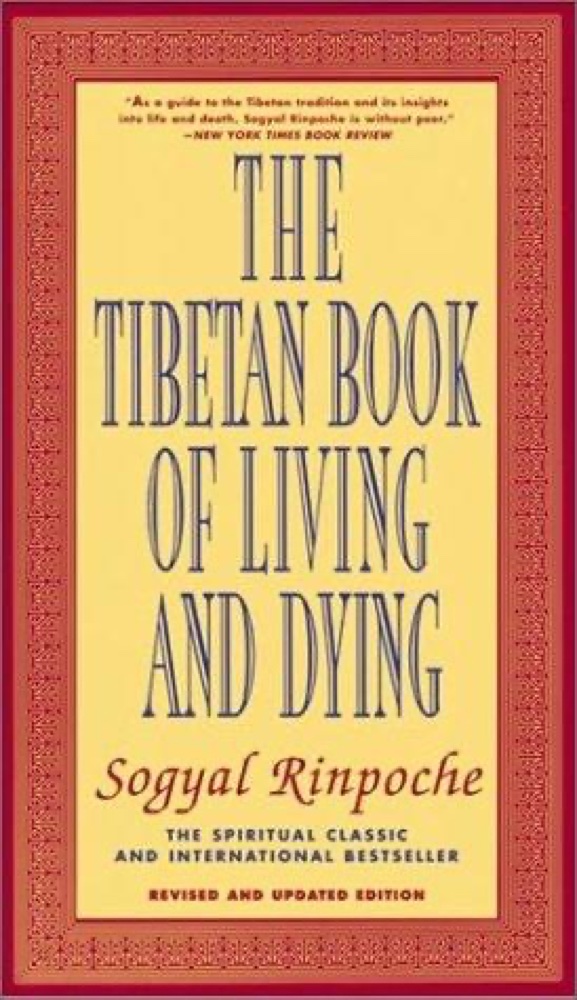 The Tibetan Book of Living and Dying
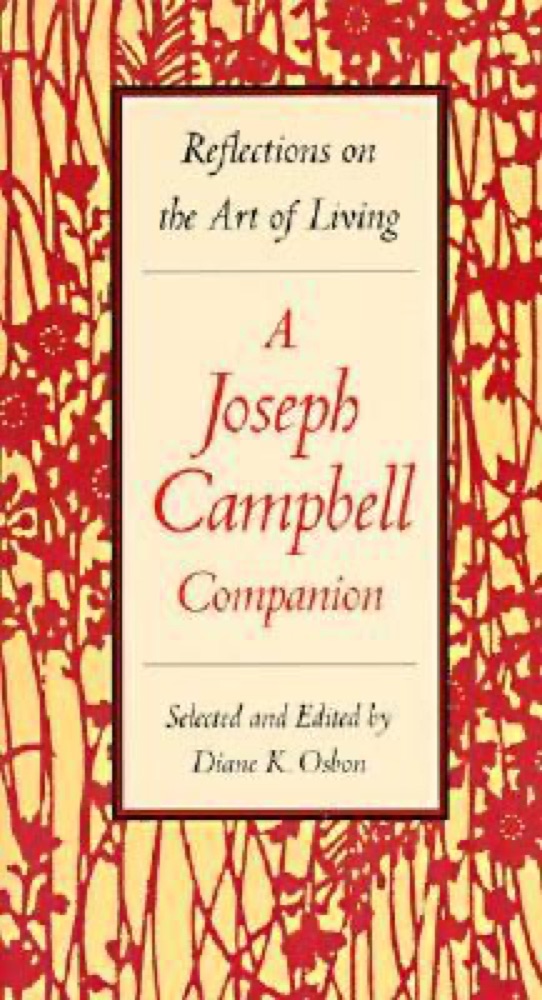 A Joseph Campbell Companion: Reflections on the Art of Living
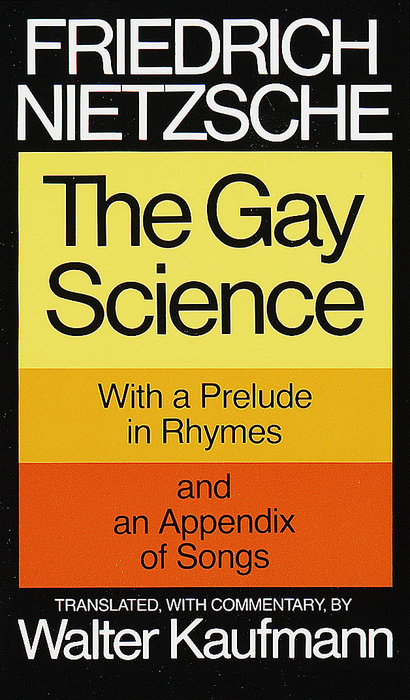 The Gay Science
 Conversations with God: An Uncommon Dialogue, Book 1
 Fragments
 Mahabharata
 The Wise Heart: A Guide to the Universal Teachings of Buddhist Psychology
 The Power of Myth
 Tao Te Ching
 The Dhammapada
 The World as Will and Representation, Vol 1
 The Glass Bead Game
 The Convoluted Universe, Book 1
 The Book of Secrets
 The Varieties of Religious Experience
 The Book of Secrets: Unlocking the Hidden Dimensions of Your Life
 365 Tao: A Study of Taoist Wisdom for Daily Life
 The God Who Weeps: How Mormonism Makes Sense of Life
 The Book of Chuang Tzu
The I Ching or Book of Changes
The Book of Chuang Tzu
The I Ching or Book of Changes
 Demian
 Seth Speaks: The Eternal Validity of the Soul
 The Essential Writings of Ralph Waldo Emerson
 Yayati: A Classic Tale of Lust
 The Art Of Living
 The Doors of Perception & Heaven and Hell
 Freedom from the Known
 The Science of Mind
 Striking Thoughts: Bruce Lee's Wisdom for Daily Living
 The Myth of Sisyphus
 The Way of Zen
 Gravity and Grace
 The Red Book: Liber Novus
 The Portable Nietzsche
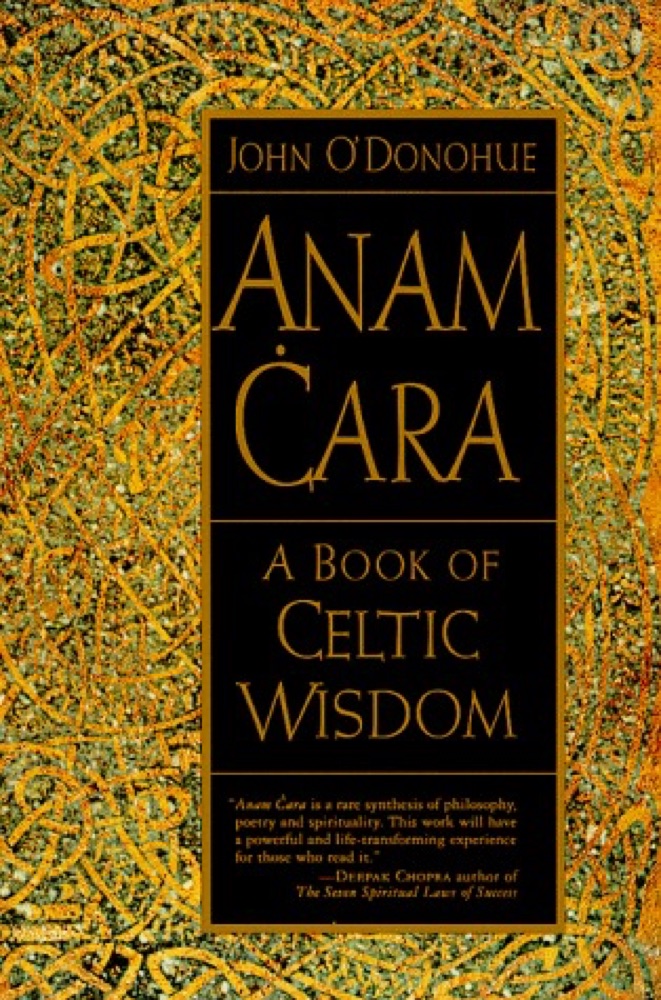 Anam Cara: A Book of Celtic Wisdom