
 Advice Not Given: A Guide to Getting Over Yourself
Quotes from the Book
The spiritual path means making a path rather than following one.
12
The only way to find out where I was was to get out of the way and let myself happen.
8
Stillness does not mean the elimination of disturbances as much as a different way of viewing them.
5
The mind that realizes its own Buddha nature is said to be like clear space—it is empty and all-pervasive but also vividly aware.
4
In building a path through the self to the far shore of awareness, we have to carefully pick our way through our own wilderness. If we can put our minds into a place of surrender, we will have an easier time feeling the contours of the land. We do not have to break our way through as much as we have to find our way around the major obstacles. We do not have to cure every neurosis, we just have to learn how not to be caught by them.
4
With some gratitude, I realized that my awareness was now stronger than my neurosis. This did not mean that things would never go to pieces, only that I did not have to fall apart when they did. In fact, my own ability to go to pieces was protecting me in this situation. I did not have to let my identity as an efficient and together person imprison me.
3
We do not get lots of realizations in our lives as much as we get the same ones over and over.
3
Love is the revelation of the other person’s freedom,
3
I began to think that there was something awesome about my timing. How was it that, at the exact moment of my stopping, such incredible things were happening? It took me longer than I am prepared to admit to realize that such things were always happening. It was only that I was finally paying attention.
2
What I had learned from Buddhism was that I did not have to know myself analytically as much as I had to tolerate not knowing.
2
Completion comes not from adding another piece to ourselves but from surrendering our ideas of perfection.
2
We are afraid to venture into the unknown because to do so would remind us of how unsafe we once felt.
2
Intimacy puts us in touch with fragility, he realized, and the acceptance of fragility opens us to intimacy.
2
Buddhism teaches us that we are not so much isolated individuals as we are overlapping environments, and that we have the capacity to know ourselves in this way.
2
The more we come to terms with our own separateness, taught the Buddha, the more we can feel the connections that are already there.
2
Delusion is the mind’s tendency to seek premature closure about something. It is the quality of mind that imposes a definition on things and then mistakes the definition for the actual experience.
1
In coping with the world, we come to identify only with our compensatory selves and our reactive minds. We build up our selves out of our defenses but then come to be imprisoned by them.
1
Just as mind rises up and rebels at un unskillful attempt to subdue it in meditation, a relationship will fall apart if the partners are not respectful of each other's differences. <...> Separateness and connection make each other possible; they are not mutually exclusive.
1
In making a path like the Buddha, we discover our own capacities for relationship. Doing this is like feeling our way in the dark. We need a healthy appreciation for what kind of obstacles we are facing within ourselves, and we need a method for working our way around those obstacles. It is in this sense that the path is the goal - opening leads to further opening. The Buddha's meditative teachings are about finding and incorporating a method around our obstacles.
1
Separate and together cease to be mutually exclusive and instead become, in psychoanalyst Christopher Bolla's phrase, "reciprocally enhancing and mutually informative.
1
Joseph made clear, it is not just the mother that has to be released from perfection. It is everything.
1
I felt silly to be falling into such an obvious trap of letting my expectations interfere with what was actually happening, but I also felt an all-too-familiar sadness creeping up from my chest to my eyes. In the stillness of the retreat I saw how I did this a lot: envisioning how something, or someone, had to be perfect, and then being disappointed when they failed, pulling myself back into a sullen remove.
1
As the Buddhist traditions always insist, if we look outside of ourselves for relief from our own predicament, we are sure to come up short. Only by learning how to touch the ground of our own emptiness can we feel whole again.
Don’t try to control the breath,” they counselled. “Breathing happens on its own. Let the breath breathe you. Pay attention to whatever sensation, or lack of sensation, you can find.
Implicit and explicit throughout the text is the understanding that meditative wisdom does not have to be isolated from daily life. Our need to expand awareness beyond our isolated egos is as necessary in relationships as it is in meditation.
... everything had changed but nothing was altered.
Like meditation, psychotherapy has the potential to reveal how much of our thinking is an artificial construaction designed to help us cope with an unpredictable world.
Form is emptiness", the Buddhists teach, but form is also form. I would never be able to approach the emptiness of form if I continued to deny myself the experience of it.
The antidote to hatred in the heart, the source of violence, is tolerance. Tolerance is an important virtue of bodhisattvas (enlightened heroes and heroines)—it enables you to refrain from reacting angrily to the harm inflicted on you by others. You could call this practice “inner disarmament,” in that a well-developed tolerance makes you free from the compulsion to counterattack. For the same reason, we also call tolerance the “best armor,” since it protects you from being conquered by hatred itself. THE DALAI LAMA
Watch on YouTube
About Mark Epstein
We have collected 85 quotes from 3 books by Mark Epstein on BookQuoters.
More about the author →More by Mark Epstein
Advice Not Given: A Guide to Getting Over Yourself
 Thoughts Without A Thinker: Psychotherapy From A Buddhist Perspective
About the book
For decades, Western psychology has promised fulfillment through building and strengthening the ego. We are taught that the ideal is a strong, individuated self, constructed and reinforced over a lifetime. But Buddhist psychiatrist Mark Epstein has found a different way. Going to Pieces Without Falling Apart shows us that happiness doesn't come from any kind of acquisitiveness, be it material or psychological. Happiness comes from letting go. Weaving together the accumulated wisdom of his two worlds--Buddhism and Western psychotherapy--Epstein shows how "the happiness that we seek depends on our ability to balance the ego's need to do with our inherent capacity to be." He encourages us to relax the ever-vigilant mind in order to experience the freedom that comes only from relinquishing control. Drawing on events in his own life and stories from his patients, Going to Pieces Without Fall
Book details
- First published
- 1998
- Author
- Mark Epstein
- Genre
- Nonfiction
- Goodreads rating
- 3.87 (7k ratings)
Keep reading
Advice Not Given: A Guide to Getting Over Yourself
 In Love with the World: A Monk's Journey Through the Bardos of Living and Dying
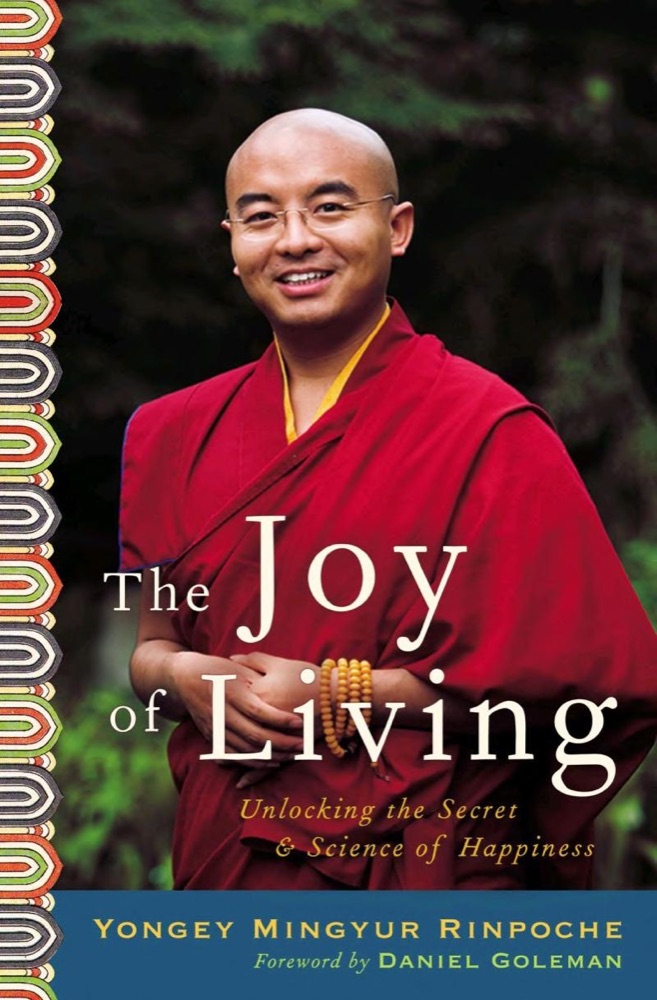 The Joy of Living: Unlocking the Secret and Science of Happiness
Thoughts Without A Thinker: Psychotherapy From A Buddhist Perspective
The Joy of Living: Unlocking the Secret and Science of Happiness
Thoughts Without A Thinker: Psychotherapy From A Buddhist Perspective
 Living Beautifully with Uncertainty and Change
 The Wisdom of No Escape: How to Love Yourself and Your World
 True Refuge: Finding Peace and Freedom in Your Own Awakened Heart
 Awakening the Buddha Within
 Comfortable with Uncertainty: 108 Teachings on Cultivating Fearlessness and Compassion
 Waking Up: A Guide to Spirituality Without Religion
 The Wise Heart: A Guide to the Universal Teachings of Buddhist Psychology
 The Dalai Lama's Cat and the Power of Meow
 Full Catastrophe Living: Using the Wisdom of Your Body and Mind to Face Stress, Pain, and Illness
 Radical Acceptance: Embracing Your Life With the Heart of a Buddha
 The Tibetan Book of Living and Dying
 Buddhism Plain & Simple: The Practice of Being Aware, Right Now, Every Day
 Everyday Zen: Love & Work
 The Book of Awakening: Having the Life You Want by Being Present to the Life You Have
 A New Earth: Awakening to Your Life's Purpose
 The Buddha Walks into a Bar . . .: A Guide to Life for a New Generation
 Stillness Speaks
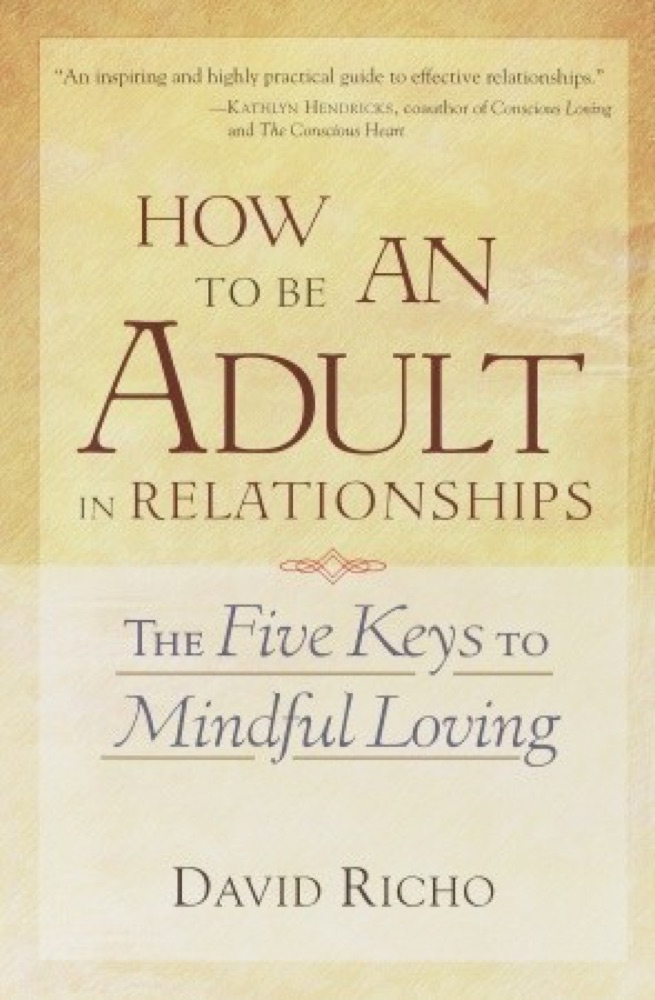 How to Be an Adult in Relationships: The Five Keys to Mindful Loving
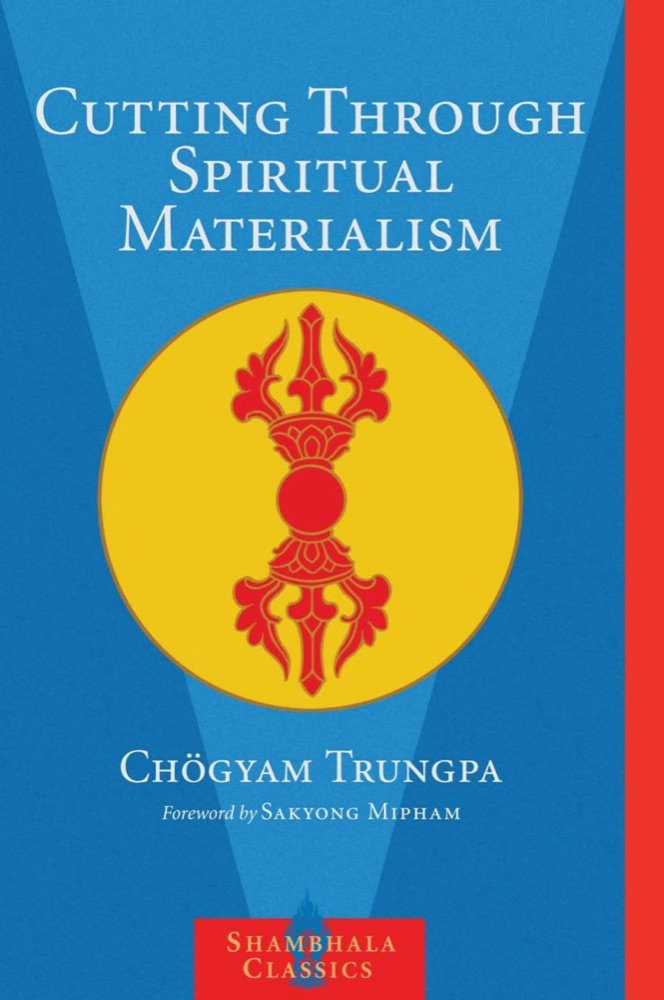 Cutting Through Spiritual Materialism
 Against the Stream: A Buddhist Manual for Spiritual Revolutionaries
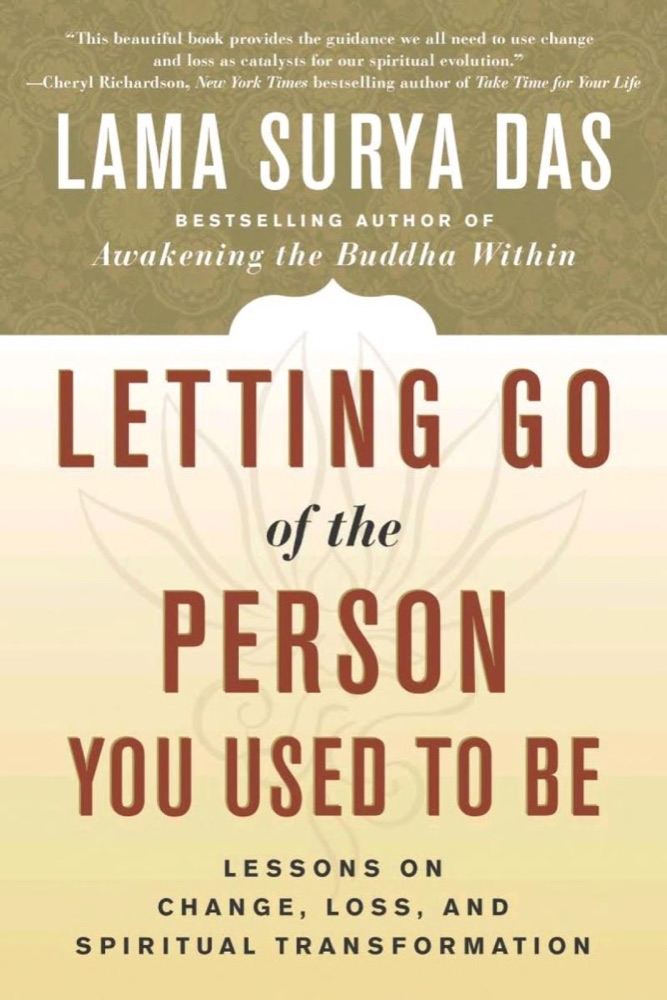 Letting Go of the Person You Used to Be: Lessons on Change, Loss, and Spiritual Transformation
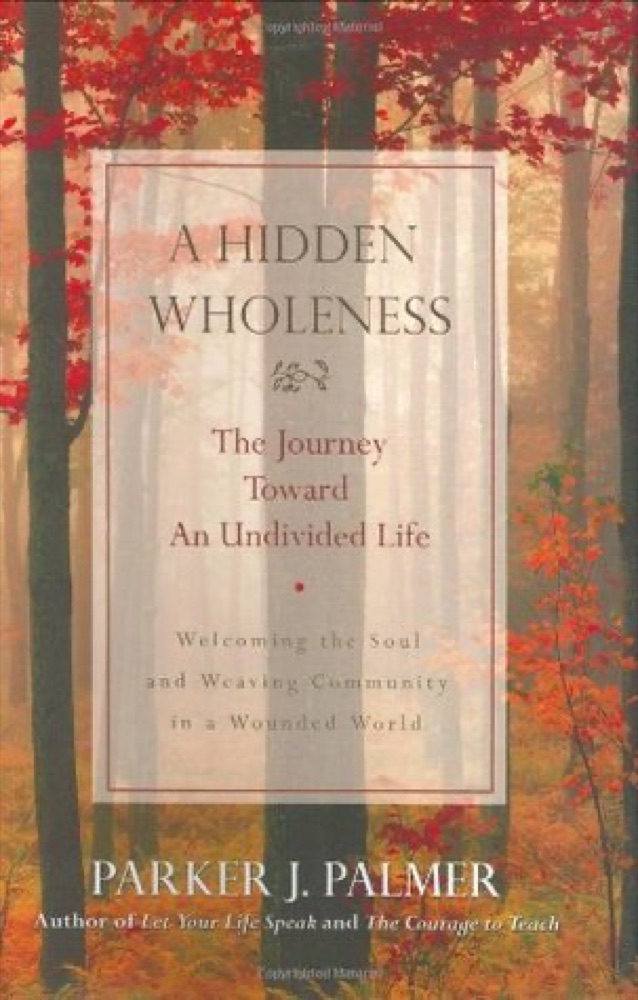 A Hidden Wholeness: The Journey Toward an Undivided Life : Welcoming the soul and weaving community in a wounded world
 Mindfulness in Plain English
 Light on Life
 Eastern Body, Western Mind: Psychology and the Chakra System as a Path to the Self
 Finding Meaning in the Second Half of Life: How to Finally, Really Grow Up
 Wherever You Go, There You Are: Mindfulness Meditation in Everyday Life
 The Way of Zen
 Meditation for Beginners
 The Untethered Soul: The Journey Beyond Yourself
 No Self, No Problem: How Neuropsychology Is Catching Up to Buddhism
 Zen and the Art of Saving the Planet
 Buddhist Boot Camp
 How to See Yourself As You Really Are
 Letting Go: The Pathway To Surrender
 Why Buddhism Is True: The Science and Philosophy of Meditation and Enlightenment
 The Surrender Experiment: My Journey into Life's Perfection
 Lovingkindness: The Revolutionary Art of Happiness
 On Becoming a Person: A Therapist's View of Psychotherapy
 Dying to Be Me: My Journey from Cancer, to Near Death, to True Healing
 Buddha's Brain: The Practical Neuroscience of Happiness, Love, and Wisdom
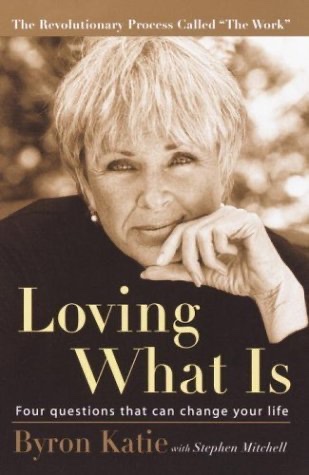 Loving What Is: Four Questions That Can Change Your Life
 The Art of Being
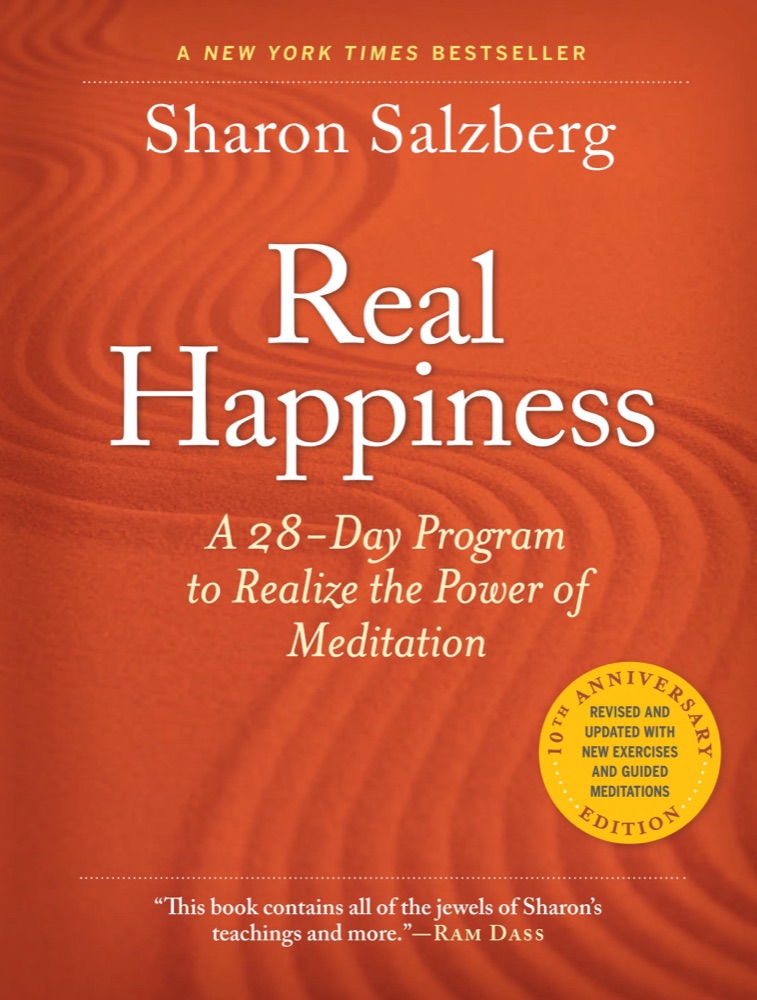 Real Happiness: A 28-Day Program to Realize the Power of Meditation
 Happiness: A Guide to Developing Life's Most Important Skill
 Reconciliation: Healing the Inner Child
 Maybe You Should Talk to Someone: A Therapist, Her Therapist, and Our Lives Revealed
 Dharma Punx: A Memoir
 Kitchen Table Wisdom: Stories that Heal
 The Book: On the Taboo Against Knowing Who You Are
 Total Freedom: The Essential Krishnamurti
 Peace Is Every Step: The Path of Mindfulness in Everyday Life