
 Daring Greatly: How the Courage to Be Vulnerable Transforms the Way We Live, Love, Parent, and Lead
Quotes from the Book
Shame corrodes the very part of us that believes we are capable of change.
429
If you want to make a difference, the next time you see someone being cruel to another human being, take it personally. Take it personally because it is personal!
252
Courage is a heart word. The root of the word courage is cor - the Latin word for heart. In one of its earliest forms, the word courage meant "To speak one's mind by telling all one's heart." Over time, this definition has changed, and today, we typically associate courage with heroic and brave deeds. But in my opinion, this definition fails to recognize the inner strength and level of commitment required for us to actually speak honestly and openly about who we are and about our experiences -- good and bad. Speaking from our hearts is what I think of as "ordinary courage.
246
Compassion is not a virtue -- it is a commitment. It's not something we have or don't have -- it's something we choose to practice.
126
The biggest potential for helping us overcome shame is this: We are “those people.” The truth is…we are the others. Most of us are one paycheck, one divorce, one drug-addicted kid, one mental health illness, one sexual assault, one drinking binge, one night of unprotected sex, or one affair away from being “those people”–the ones we don’t trust, the ones we pity, the ones we don’t let our kids play with, the ones bad things happen to, the ones we don’t want living next door.
105
We cannot grow when we are in shame, and we can't use shame to change ourselves or others.
85
Compassion is not a relationship between the healer and the wounded. It’s a relationship between equals. Only when we know our own darkness well can we be present with the darkness of others. Compassion becomes real when we recognize our shared humanity.
32
Our deepest fear is not that we are inadequate. Our deepest fear is that we are powerful beyond measure. It is our Light, not our Darkness, that most frightens us. We ask ourselves, who am I to be brilliant, gorgeous, talented, fabulous? Actually, who are you NOT to be? You are a child of God. Your playing small does not serve the world. There is nothing enlightening about shrinking so that other people won’t feel unsure around you. We were born to make manifest the glory of God that is within us. It is not just in some of us; it is in everyone. As we let our own Light shine, we unconsciously give other people permission to do the same. As we are liberated from our own fear, our presence automatically liberates others.
22
We put so much of our time and energy into making sure that we meet everyone’s expectations and into caring about what other people think of us, that we are often left feeling angry, resentful and fearful.
19
This is the shame of the woman whose hand hides her smile because her teeth are so bad, not the grand self-hate that leads some to razors or pills or swan dives off beautiful bridges however tragic that is. This is the shame of seeing yourself, of being ashamed of where you live and what your father’s paycheck lets you eat and wear. This is the shame of the fat and the bald, the unbearable blush of acne, the shame of having no lunch money and pretending you’re not hungry. This is the shame of concealed sickness—diseases too expensive to afford that offer only their cold one-way ticket out. This is the shame of being ashamed, the self-disgust of the cheap wine drunk, the lassitude that makes junk accumulate, the shame that tells you there is another way to live but you are too dumb to find it. This is the real shame, the damned shame, the crying shame, the shame that’s criminal, the shame of knowing words like glory are not in your vocabulary though they litter the Bibles you’re still paying for. This is the shame of not knowing how to read and pretending you do. This is the shame that makes you afraid to leave your house, the shame of food stamps at the supermarket when the clerk shows impatience as you fumble with the change. This is the shame of dirty underwear, the shame of pretending your father works in an office as God intended all men to do. This is the shame of asking friends to let you off in front of the one nice house in the neighborhood and waiting in the shadows until they drive away before walking to the gloom of your house. This is the shame at the end of the mania for owning things, the shame of no heat in winter, the shame of eating cat food, the unholy shame of dreaming of a new house and car and the shame of knowing how cheap such dreams are. © Vern Rutsala
17
If empathy is the skill or ability to tap into our own experiences in order to connect with an experience someone is relating to us, compassion is the willingness to be open to this process.
13
Shame is the intensely painful feeling or experience of believing we are flawed and therefore unworthy of acceptance and belonging.
12
Trying to escape media influences in today’s culture is as feasible as trying to protect ourselves from air pollution by not breathing.
9
Until both men and women are allowed to be who we are rather than who we are supposed to be, it will be impossible to achieve freedom and equality.
8
that imposter or phony feeling at work or school rarely has anything to do with our abilities, but has more to do with that fearful voice inside of us that scolds and asks, “Who do you think you are?
8
There are times we will miss the opportunity to be empathic. Mental health professionals often call these “empathic failures.” There are also times when the people around us will not be able to give us what we need. When this happens on occasion, most of our relationships can survive (and even thrive) if we work to repair the empathic failures. However, most relationships can’t withstand repeated failed attempts at empathy. This is especially true if we find ourselves constantly rationalizing and justifying why we can’t be empathic with someone or why someone is not offering us the empathy we need.
8
Our culture teaches us about shame—it dictates what is acceptable and what is not. We weren’t born craving perfect bodies. We weren’t born afraid to tell our stories. We weren’t born with a fear of getting too old to feel valuable. We weren’t born with a Pottery Barn catalog in one hand and heartbreaking debt in the other. Shame comes from outside of us—from the messages and expectations of our culture. What comes from the inside of us is a very human need to belong, to relate.
7
One of the greatest barriers to going back is related to empathy. If our goal is perfection rather than growth, it is unlikely that we are willing to go back, because it requires a level of self-empathy—the ability to look at our own actions with understanding and compassion; to understand our experiences in the context in which they happened and to do all this without judgment.
7
When we are experience shame we are often thrown into crisis mode... In this mode, the neocortex is bypassed and our acess to advanced, rational, calm thinking and processing of emotion all but disappears...we find ourselves becoming aggressive, wanting to run and hide and feeling paralyzed...
6
One woman said, "Shame is hating yourself and understanding why other people hate you too.
5
Real power is basically the ability to change something if you want to change it. It’s the ability to make change happen. Real power is unlimited—we don’t need to fight over it because there is plenty to go around. And the great thing about real power is our ability to create it. Real power doesn’t force us to take it away from others—it’s something we create and build with others.
5
Guilt and shame are both emotions of self-evaluation; however, that is where the similarities end. The majority of shame researchers agree that the difference between shame and guilt is best understood as the differences between “I am bad” (shame) and “I did something bad” (guilt). Shame is about who we are and guilt is about our behaviors. If I feel guilty for cheating on a test, my self-talk might sound something like “I should not have done that. That was really stupid. Cheating is not something I believe in or want to do.” If I feel shame about cheating on a test, my self-talk is more likely to sound like “I’m a liar and a cheat. I’m so stupid. I’m a bad person.
5
If our goal is perfection rather than growth, it is unlikely that we are willing to go back, because it requires a level of self-empathy—the ability to look at our own actions with understanding and compassion; to understand our experiences in the context in which they happened and to do all this without judgment. I call this ability to reflect on our own actions with empathy “grounding.
5
Courage gives us a voice and compassion gives us an ear. Without both, there is no opportunity for empathy and connection.
5
Laughter is the evidence that the chokehold of shame has been loosened. Knowing laughter is the moment we feel proof that our shame has been transformed. Like empathy, it strips shame to the bone, robs it of its power and forces it from the closet.
5
The goal is to learn to recognize when we are experiencing shame quickly enough to prevent ourselves from lashing out at those around us.
5
The majority of shame researchers agree that the difference between shame and guilt is best understood as the differences between “I am bad” (shame) and “I did something bad” (guilt). Shame is about who we are and guilt is about our behaviors.
4
When we choose growth over perfecton, we immediately increase our shame resilience. Improvement is a far more realistic goal than perfection. Merely letting go of unattainable goals makes us less susceptible to shame.
3
Personally, I have learned that when I'm experiencing shame, I often act out in ways that are inconsistent with who I want to be.
3
Watch on YouTube
About Brené Brown
We have collected 220 quotes from 9 books by Brené Brown on BookQuoters.
More about the author →More by Brené Brown
Daring Greatly: How the Courage to Be Vulnerable Transforms the Way We Live, Love, Parent, and Lead
 Rising Strong
 The Gifts of Imperfection
 The Power of Vulnerability: Teachings of Authenticity, Connections and Courage
About the book
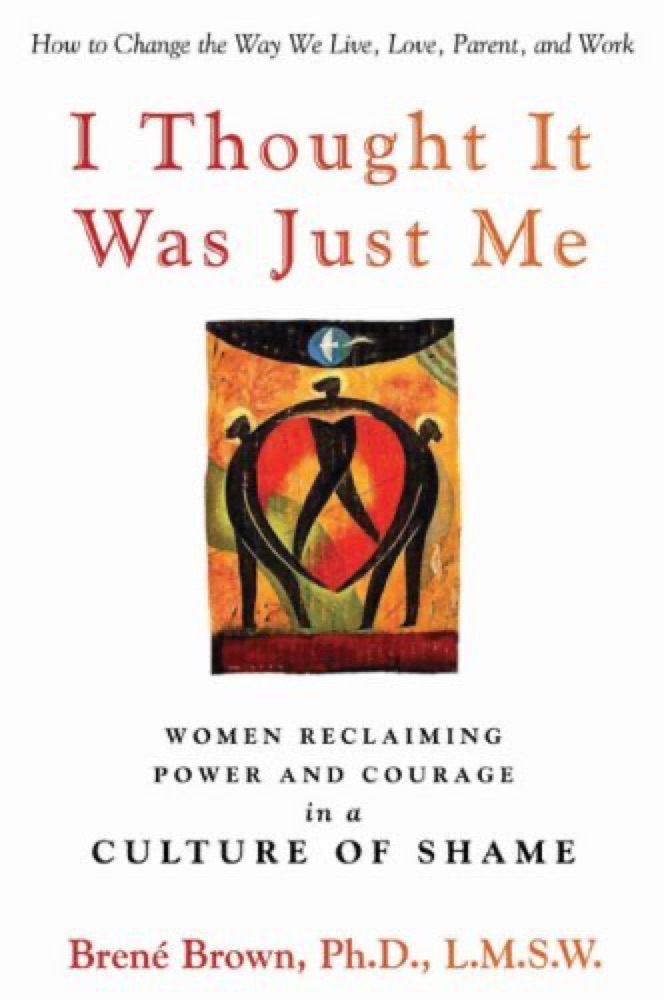
An affirming, revealing examination of the painful effects of shame—with new, powerful strategies that promise to transform a woman’s ability to love, parent, work, and build relationships.
Shame manifests itself in many ways. Addiction, perfectionism, fear and blame are just a few of the outward signs that Dr. Brené Brown discovered in her 6-year study of shame’s effects on women. While shame is generally thought of as an emotion sequestered in the shadows of our psyches, I Thought It Was Just Me demonstrates the ways in which it is actually present in the most mundane and visible aspects of our lives—from our mental and physical health and body image to our relationships with our partners, our kids, our friends, our money, and our work.
After talking to hundreds of women and therapists, Dr. Brown is able to illuminate the myriad shaming influences that dominate our culture and e
Book details
- First published
- 2007
- Author
- Brené Brown
- Genre
- Nonfiction
- Goodreads rating
- 4.19 (27k ratings)
Keep reading
 Men, Women, and Worthiness: The Experience of Shame and the Power of Being Enough
 You Are Your Best Thing: Vulnerability, Shame Resilience, and the Black Experience
 Healing the Shame that Binds You
The Gifts of Imperfection
Healing the Shame that Binds You
The Gifts of Imperfection
 Atlas of the Heart: Mapping Meaningful Connection and the Language of Human Experience
 The Dance of Fear: Rising Above Anxiety, Fear, and Shame to Be Your Best and Bravest Self
 Self-Compassion: The Proven Power of Being Kind to Yourself
 Letting Go: The Pathway To Surrender
 Changes That Heal: How to Understand the Past to Ensure a Healthier Future
 Nonviolent Communication: A Language of Life
 Be Not Afraid of Love: Lessons on Fear, Intimacy, and Connection
 Good Morning, Monster: A Therapist Shares Five Heroic Stories of Emotional Recovery
 On Our Best Behavior: The Seven Deadly Sins and the Price Women Pay to Be Good
 Six Pillars of Self-Esteem
 The Wisdom of Your Body: Finding Healing, Wholeness, and Connection through Embodied Living
 When Things Fall Apart: Heart Advice for Difficult Times
 The Laws of Human Nature
 The Book of Forgiving: The Fourfold Path for Healing Ourselves and Our World
 Bonds That Make Us Free: Healing Our Relationship, Coming to Ourselves
 Untamed
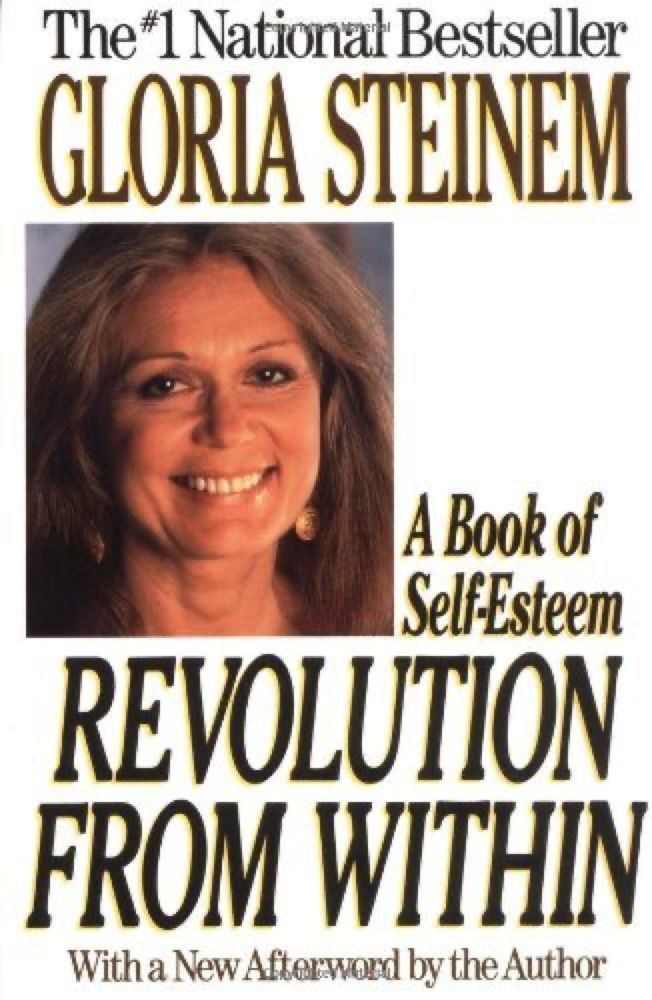 Revolution from Within: A Book of Self-Esteem
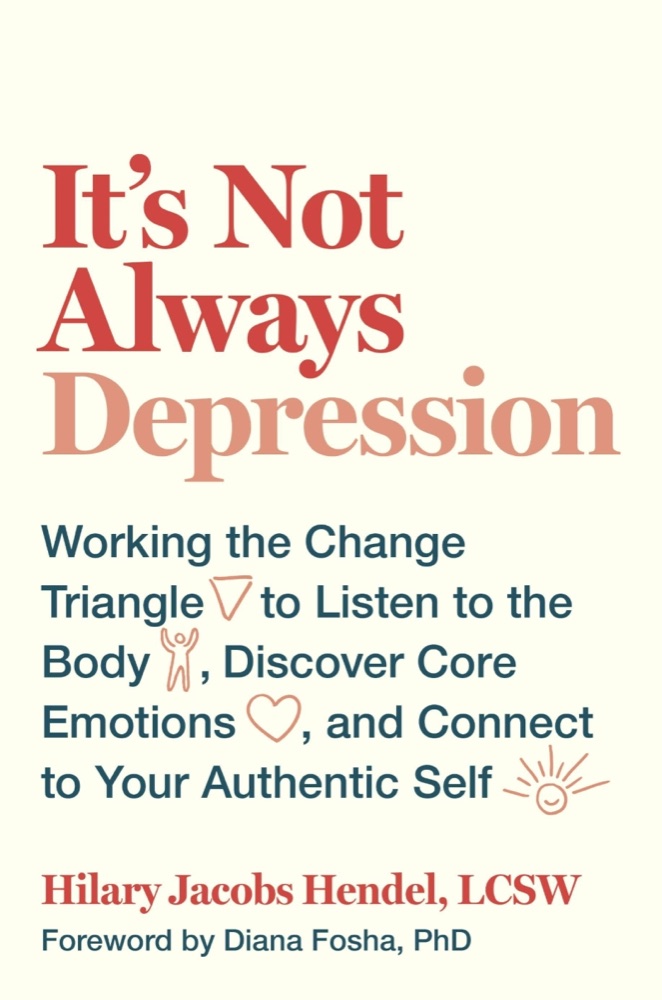 It's Not Always Depression: Working the Change Triangle to Listen to the Body, Discover Core Emotions, and Connect to Your Authentic Self
 The School of Life: An Emotional Education
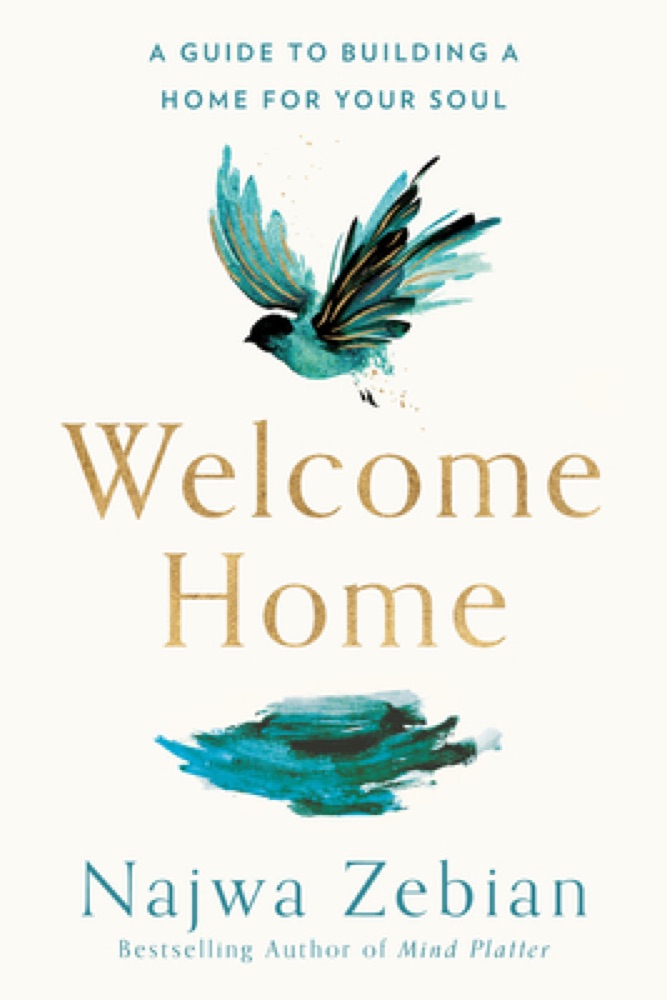 Welcome Home: A Guide to Building a Home for Your Soul
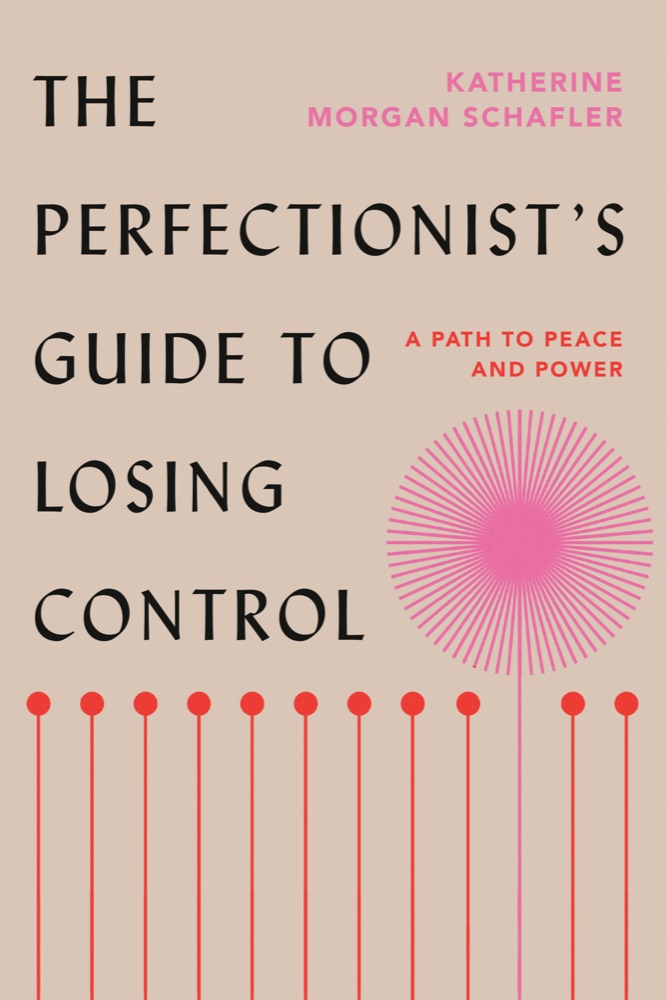 The Perfectionist's Guide to Losing Control: A Path to Peace and Power
 Untangle Your Emotions: Naming What You Feel and Knowing What to Do About It
 Option B: Facing Adversity, Building Resilience, and Finding Joy
 Kitchen Table Wisdom: Stories that Heal
 Maybe You Should Talk to Someone: A Therapist, Her Therapist, and Our Lives Revealed
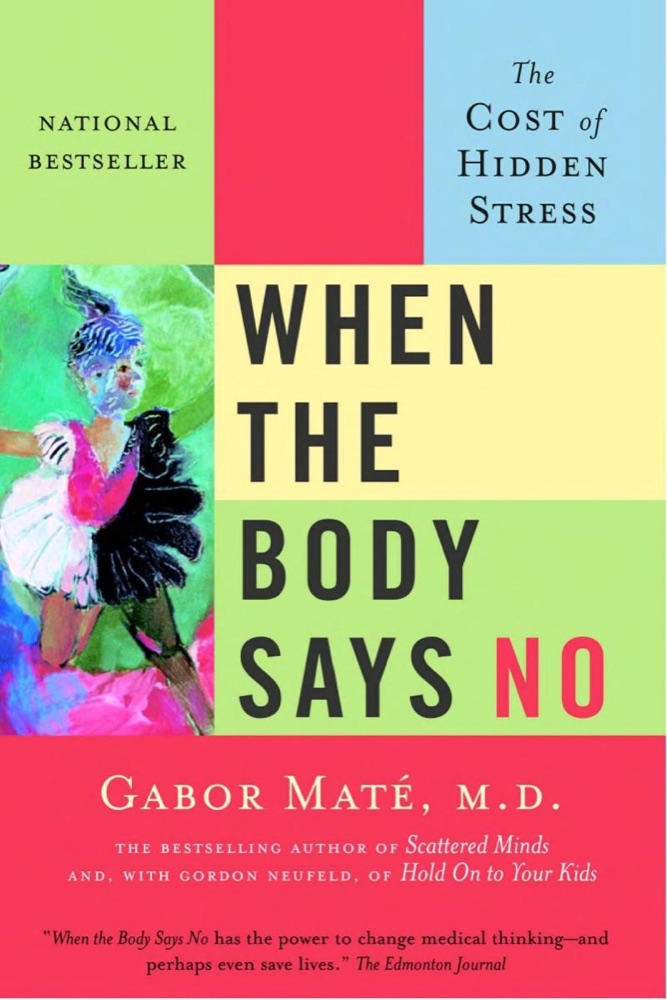 When the Body Says No: The Cost of Hidden Stress
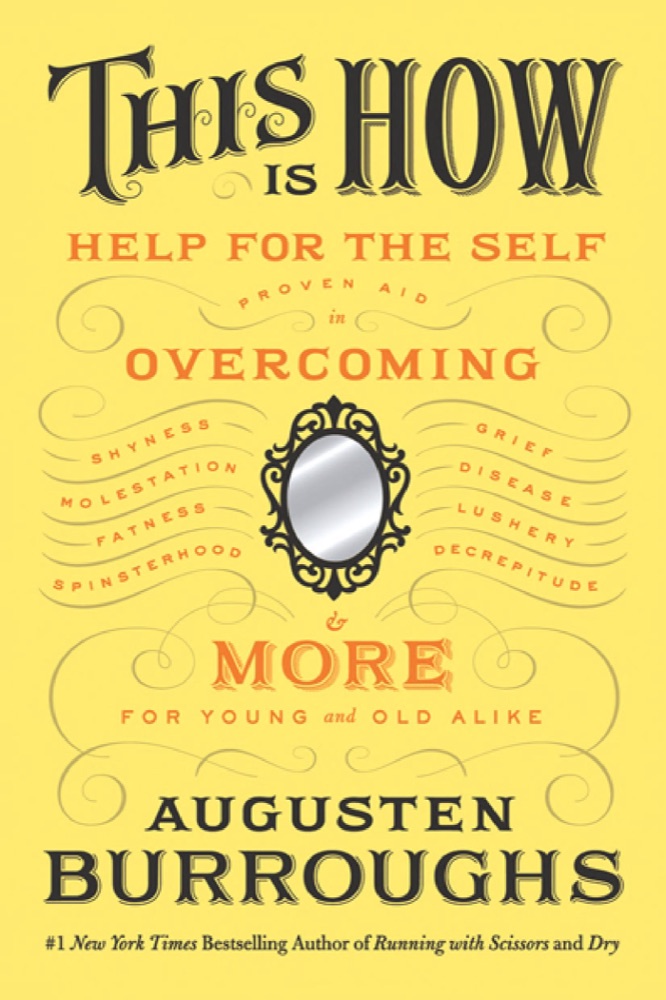 This Is How: Proven Aid in Overcoming Shyness, Molestation, Fatness, Spinsterhood, Grief, Disease, Lushery, Decrepitude & More. For Young and Old Alike.
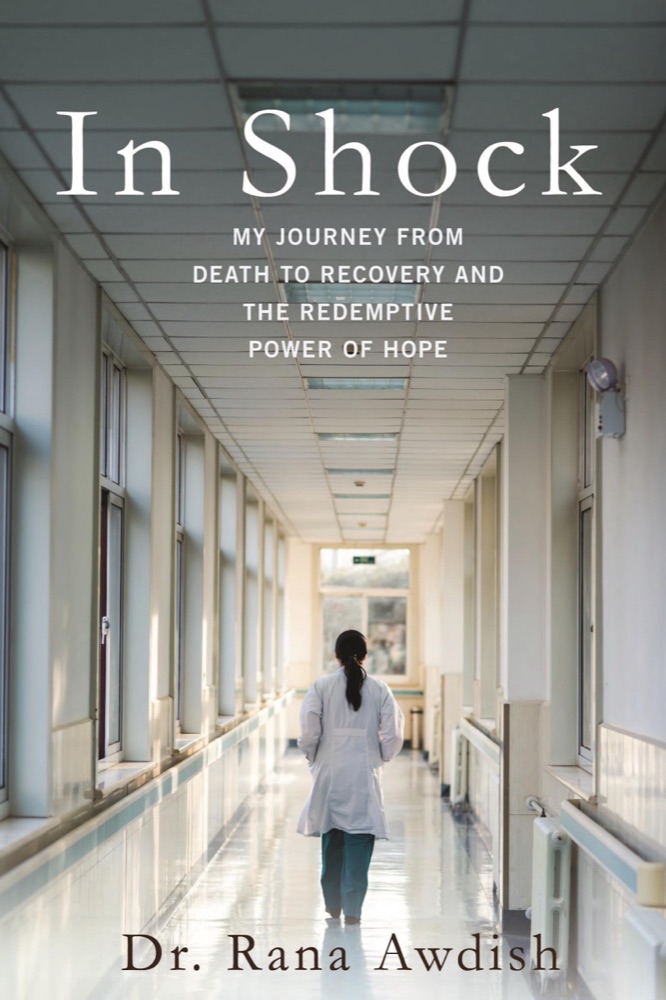 In Shock: My Journey from Death to Recovery and the Redemptive Power of Hope
 Radical Love: Learning to Accept Yourself and Others
 Social Intelligence: The New Science of Human Relationships
 Us: Getting Past You and Me to Build a More Loving Relationship
 Man's Search for Himself
 In the Realm of Hungry Ghosts: Close Encounters with Addiction
 Selfie: How the West Became Self-Obsessed
 We Can Do Hard Things: Answers to Life's 20 Questions
 Burnout: The Secret to Unlocking the Stress Cycle
 All Is Not Forgotten
 Paris: A Memoir for Young Women in the Age of Influencers
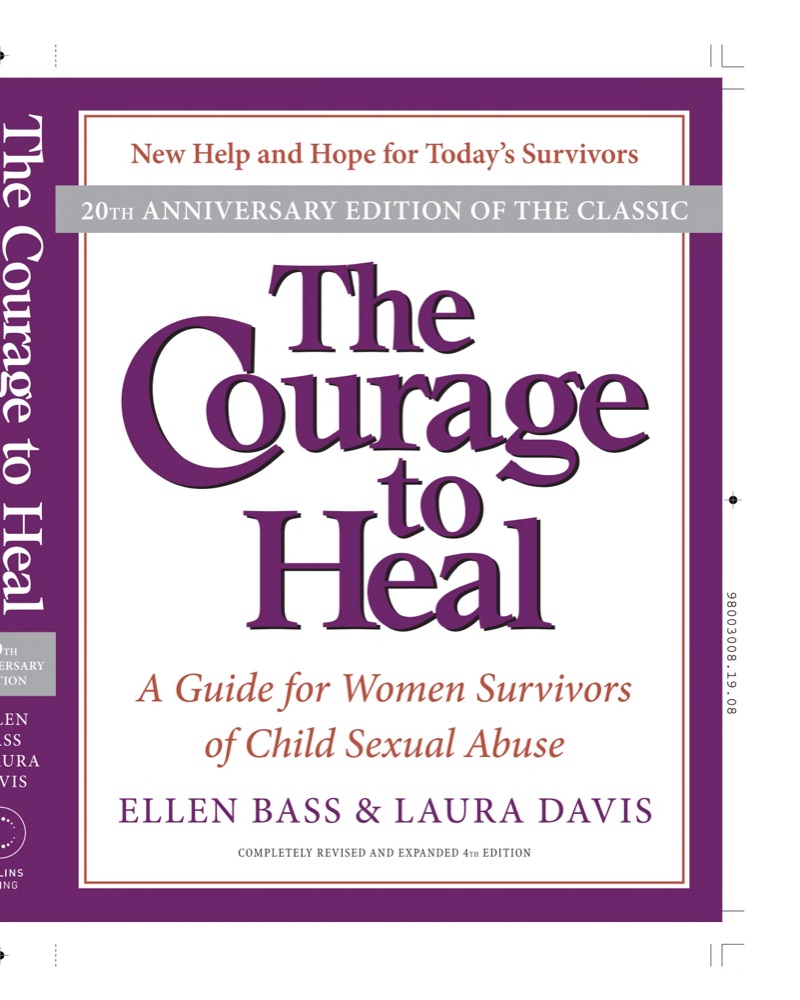 The Courage to Heal: A Guide for Women Survivors of Child Sexual Abuse
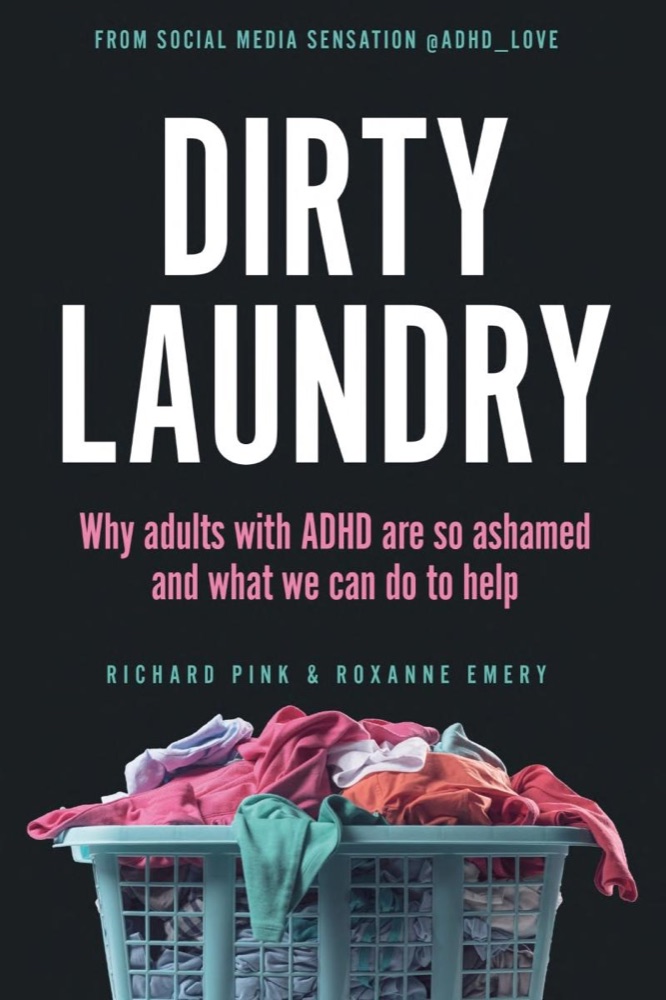 Dirty Laundry: Why Adults with ADHD Are So Ashamed and What We Can Do to Help
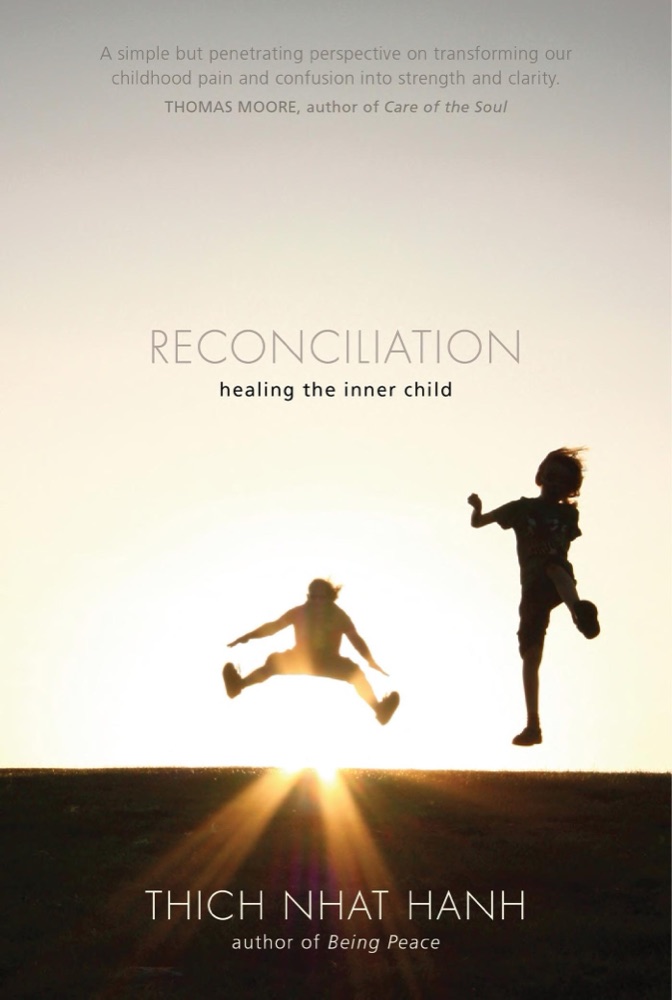 Reconciliation: Healing the Inner Child
 Unbearable Lightness: A Story of Loss and Gain
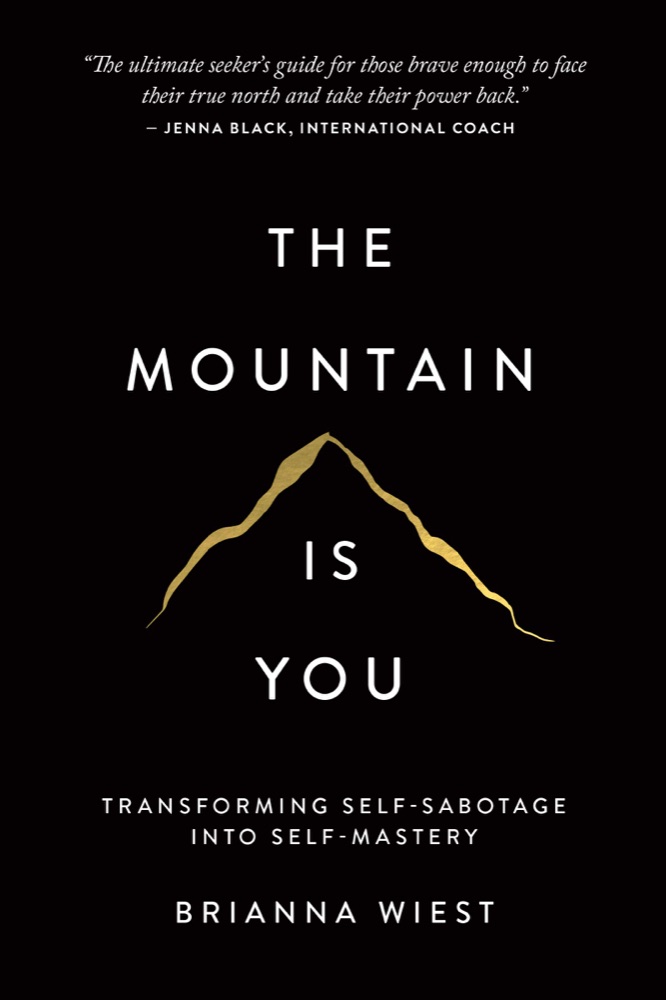 The Mountain Is You: Transforming Self-Sabotage Into Self-Mastery
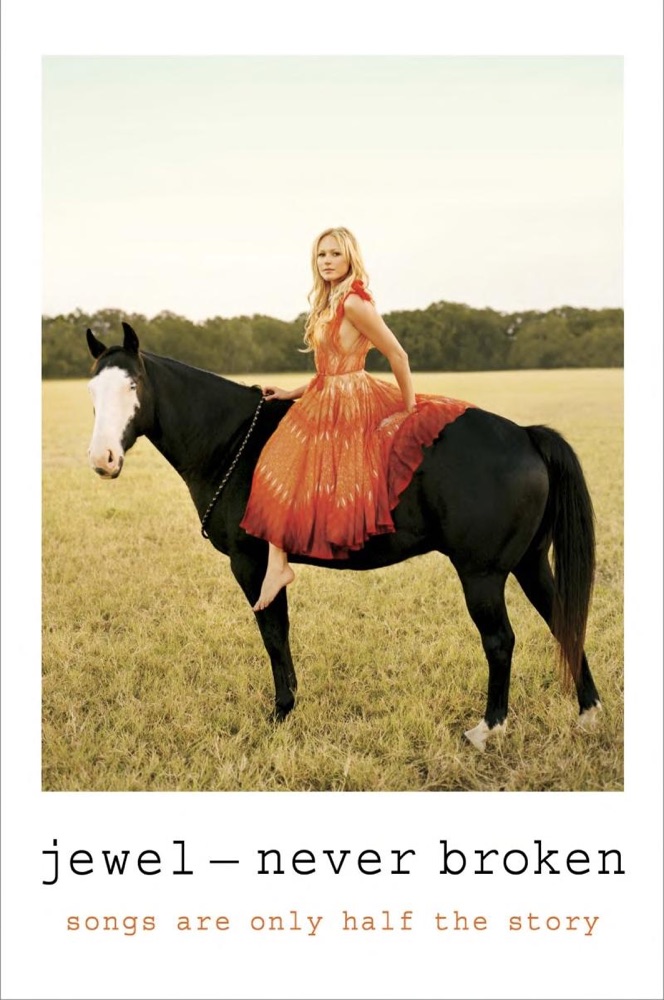 Never Broken: Songs Are Only Half the Story
 Why Has Nobody Told Me This Before?
 Brave, Not Perfect: Fear Less, Fail More, and Live Bolder
 Codependent No More: How to Stop Controlling Others and Start Caring for Yourself
![It's Not OK to Feel Blue [and other lies]](/i/book/g/ed/its-not-ok-to-feel-blue-and-other-lies.jpg) It's Not OK to Feel Blue [and other lies]
It's Not OK to Feel Blue [and other lies]
 The Places That Scare You: A Guide to Fearlessness in Difficult Times
 The Dance of Connection: How to Talk to Someone When You're Mad, Hurt, Scared, Frustrated, Insulted, Betrayed, or Desperate
 The Tools: Transform Your Problems into Courage, Confidence, and Creativity
 The Light We Carry: Overcoming in Uncertain Times
 Twelve Steps to a Compassionate Life
 101 Essays That Will Change The Way You Think
 The Courage to Be Disliked: How to Free Yourself, Change Your Life and Achieve Real Happiness