
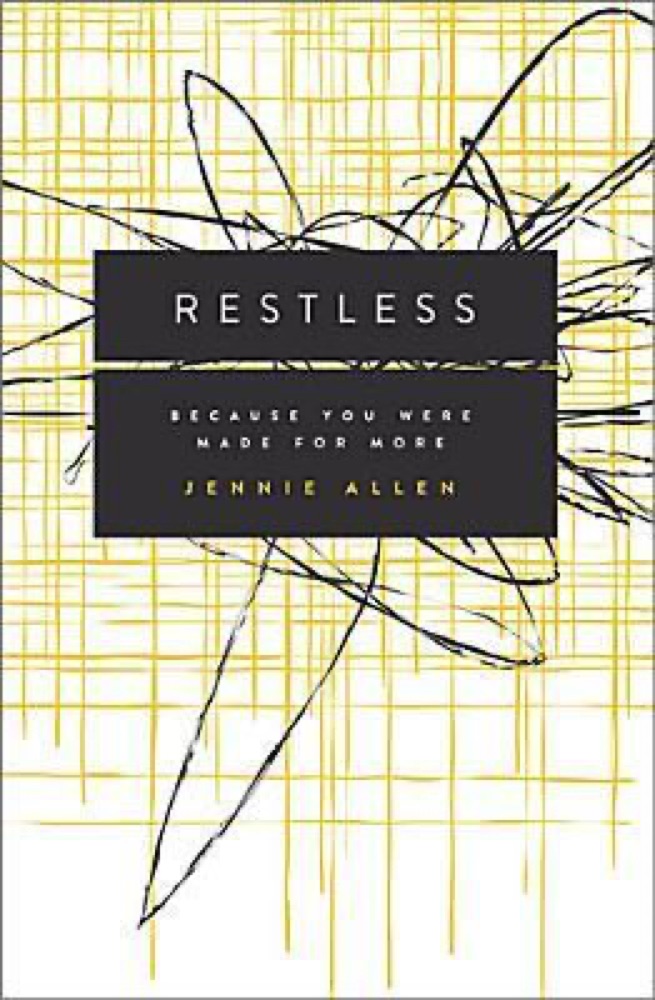
 Restless: Because You Were Made for More
Quotes from the Book
We think God is waiting for us to pull ourselves together, but actually He is waiting for us to come to Him and fall apart.
3
When we deny our pain, losses, and feelings year after year, we become less and less human. We transform slowly into empty shells with smiley faces painted on them.”[3]
2
Feelings aren’t meant to be fixed. Feelings are meant to be felt.
1
I’ve learned the secret in life: Never do anything alone. The scarier something is
Life is complex. It is messy. It is marked by confusion and curiosity and pain. On way too many occasions
You have heard it before that the boost you get from exercise in your serotonin is similar to that of medicine. Whenever you feel like you are getting tangled up emotionally
The ones who love Jesus are zealots. The ones who love Jesus really love Jesus. They throw off their sin and struggles faster than anyone I have seen so they can follow Jesus with reckless abandon. They want God. And it isn’t even complicated for them. They just want more of Him.
And before I fully understood what was happening
I asked everyone in attendance to set down the burden they’d been carrying
once we notice what we feel
After you go through the paces of noticing
In a Psychology Today interview
What is the biggest challenge you are facing right now
Emotional granularity is the ability to describe your emotional state using nuanced words and phrases instead of generic ones. Here’s what’s fascinating about emotional granularity: Feelings experts have shown that there is a direct proportional connection between a person’s emotional granularity and their mental health
I think of how long I misunderstood all the “Fear not” language throughout the Bible. I’ve heard a hundred sermons telling us how much God does not want us to fear
But imagine if we let our anger draw us to God instead of to sin
Emotional maturity is the ability to feel what we feel without judgment and without being controlled by our emotions. Emotional wholeness begins by noticing and naming what we feel and then deciding what to do with it
Psychology confirms that emotions are intricately connected to our motivational system
Step one of connection through feelings? It’s to notice how we feel. I asked myself a simple question: How am I feeling?
Emotions are best healed in community. They are best healed there because they were given to us to connect us to others. Crying alone is cathartic; crying together heals us.
Emotions always enter in a three-phase approach: Inciting event: You encounter an event as trivial as picking up your dry cleaning or as devastating as receiving a cancer diagnosis. Prediction: Your mind (usually subconsciously) makes a prediction as to whether this is a positive or negative event. Effect: Your body and mind react
I know you think ignoring these emotions is not costing you anything. But it is. According to a study by the Harvard School of Public Health and the University of Rochester
Did you know?
- The book centers on a five-part framework Allen summarizes as Notice, Name, Feel, Share, and Choose.
- It was written by the author of the New York Times bestseller Get Out of Your Head.
- Jennie Allen is the founder of IF:Gathering, a women's ministry that reaches nearly two hundred countries.
- The book combines biblical reflection with psychological and therapeutic research on emotions.
- It was released with companion resources including a Bible study and a podcast season.
- Allen holds a master's degree in biblical studies from Dallas Theological Seminary.
About Jennie Allen
Jennie Allen is a Bible teacher, speaker, podcaster, and the founder of IF:Gathering, a ministry that reaches women in nearly two hundred countries. She holds a master's degree in biblical studies from Dallas Theological Seminary and is the New York Times bestselling author of books including Get Out of Your Head; she lives in Dallas, Texas.
More about the author →More by Jennie Allen
Restless: Because You Were Made for More
About the book
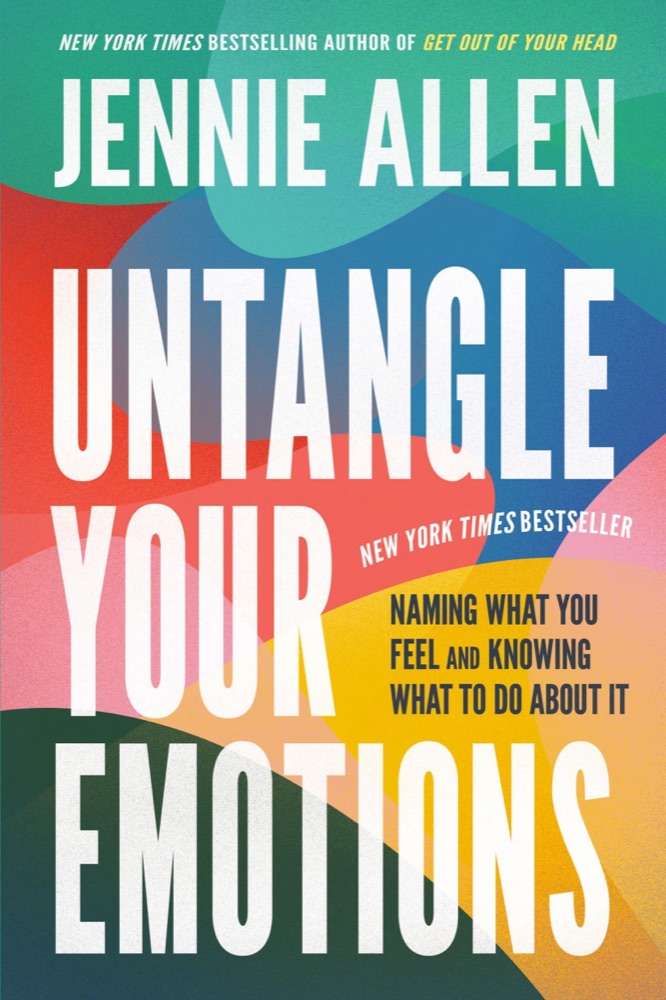
Untangle Your Emotions is a Christian self-help book by Bible teacher and IF:Gathering founder Jennie Allen, offering a framework for people who tend to stuff, dismiss, or minimize what they feel. Drawing on Scripture, psychological research, and her own story, Allen argues that emotions are not something to fix but something to feel, and she lays out a process for noticing, naming, feeling, sharing, and choosing how to respond to them.
At its heart the book pushes back against the idea, common in some Christian settings, that feelings are untrustworthy or sinful. Allen contends that God created emotions on purpose and even expresses them throughout the Bible, so that emotional maturity becomes a path to deeper connection with God and with others rather than a threat to faith. The book blends therapeutic insight with biblical reflection to encourage readers toward honesty about their inner lives.
Written by the New York Times bestselling author of Get Out of Your Head, the book was published by WaterBrook in 2024 alongside a Bible study and podcast season. Reviews were generally warm but mixed: outlets such as Premier Christianity praised its readable weaving of anecdote, Scripture, and science as a corrective to the church's discomfort with feelings, while some readers found its advice sound yet familiar and less fresh than Allen's earlier work.
Book details
- First published
- 2024
- Length
- 256 pages
- Reading time
- 3 hours
- Author
- Jennie Allen
- Genre
- Nonfiction
- Goodreads rating
- 4.17 (9k ratings)
Critical reception
- Premier Christianity's Emma Fowle gave the book a positive four-star review, praising how it weaves personal anecdote, Scripture, and scientific thought into a readable book.
- Reviewers highlighted the book's argument that God created emotions for a reason and that believers should acknowledge rather than suppress them.
- Some readers found the advice sound but familiar, viewing it as less fresh than Allen's earlier book Get Out of Your Head.
The buzz
- Premier ChristianityUntangle Your Emotions - Jennie Allen2024Four-star review framing the book as a corrective to the church's discomfort with feelings
Keep reading
 Clarity & Connection
 Unglued: Making Wise Choices in the Midst of Raw Emotions
 When Things Fall Apart: Heart Advice for Difficult Times
 Atlas of the Heart: Mapping Meaningful Connection and the Language of Human Experience
 We Can Do Hard Things: Answers to Life's 20 Questions
 Letting Go: The Pathway To Surrender
![It's Not OK to Feel Blue [and other lies]](/i/book/g/ed/its-not-ok-to-feel-blue-and-other-lies.jpg) It's Not OK to Feel Blue [and other lies]
It's Not OK to Feel Blue [and other lies]
 Why Has Nobody Told Me This Before?
 Maybe You Should Talk to Someone: A Therapist, Her Therapist, and Our Lives Revealed
 Feeling Good: The New Mood Therapy
 The Wisdom of Your Body: Finding Healing, Wholeness, and Connection through Embodied Living
 Unfuck Your Brain: Using Science to Get Over Anxiety, Depression, Anger, Freak-Outs, and Triggers
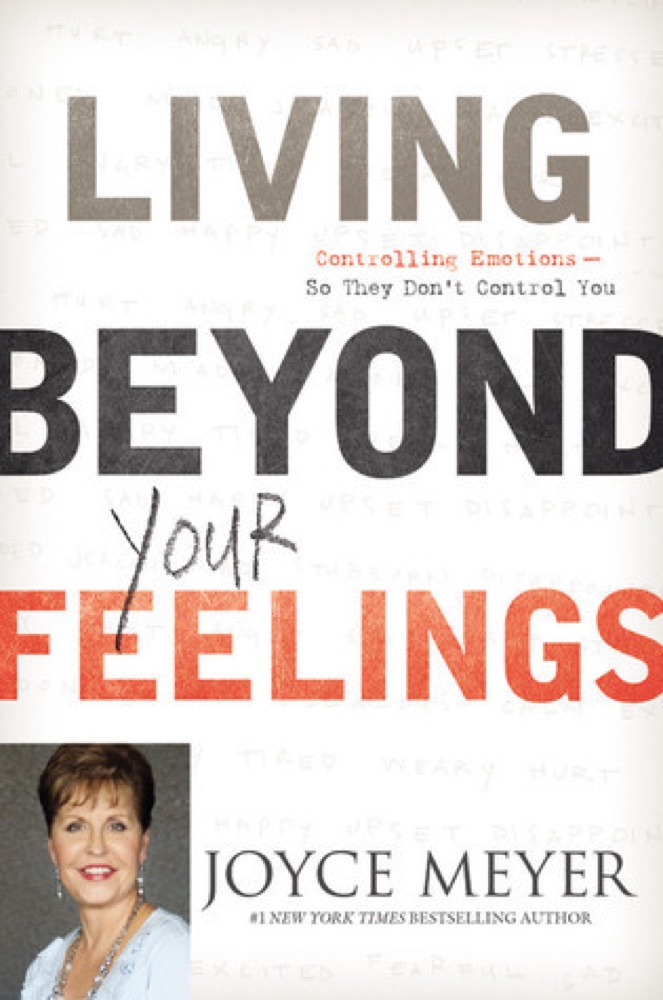 Living Beyond Your Feelings: Controlling Emotions So They Don't Control You
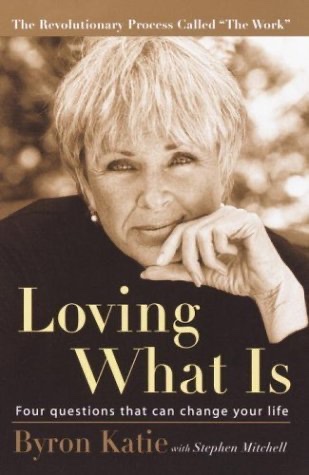 Loving What Is: Four Questions That Can Change Your Life
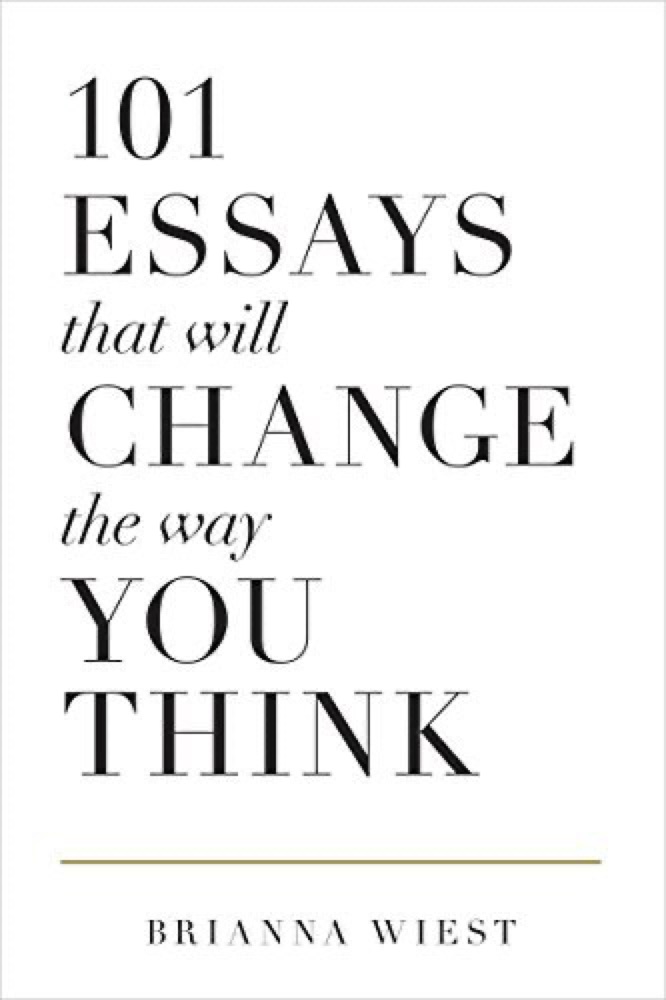 101 Essays That Will Change The Way You Think
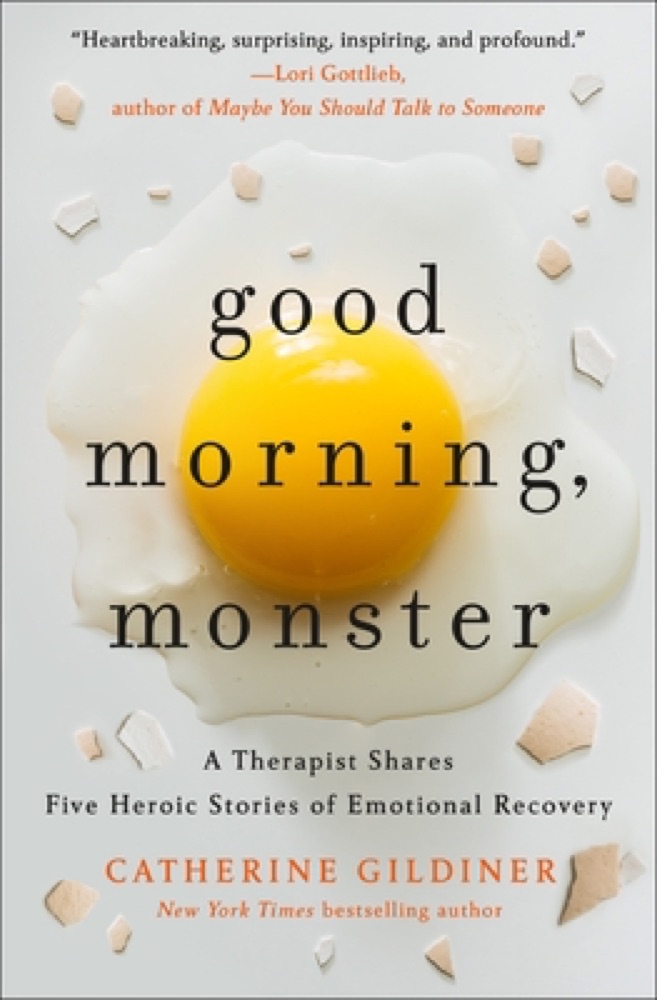 Good Morning, Monster: A Therapist Shares Five Heroic Stories of Emotional Recovery
 Us: Getting Past You and Me to Build a More Loving Relationship
 All Is Not Forgotten
 Welcome Home: A Guide to Building a Home for Your Soul
 True Refuge: Finding Peace and Freedom in Your Own Awakened Heart
 The Examined Life: How We Lose and Find Ourselves
 Living Beautifully with Uncertainty and Change
 Letting Go of the Person You Used to Be: Lessons on Change, Loss, and Spiritual Transformation
 In an Unspoken Voice: How the Body Releases Trauma and Restores Goodness
 On Connection
 Buffering: Unshared Tales of a Life Fully Loaded
 Stitches: A Handbook on Meaning, Hope, and Repair
 Reconciliation: Healing the Inner Child
 Dusk, Night, Dawn: On Revival and Courage
 Be Not Afraid of Love: Lessons on Fear, Intimacy, and Connection
 When the Body Says No: The Cost of Hidden Stress
 Carry On, Warrior: Thoughts on Life Unarmed
 Anger: Wisdom for Cooling the Flames
 Nonviolent Communication: A Language of Life
 Mending the Mind
 A Return to Love: Reflections on the Principles of "A Course in Miracles"
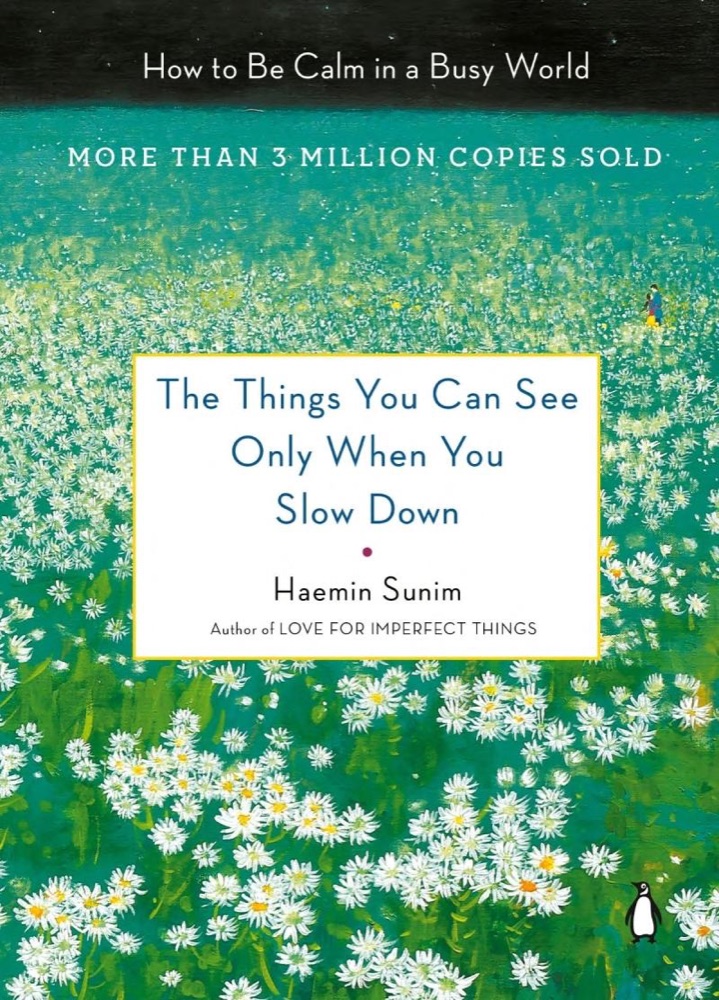 The Things You Can See Only When You Slow Down: How to Be Calm in a Busy World
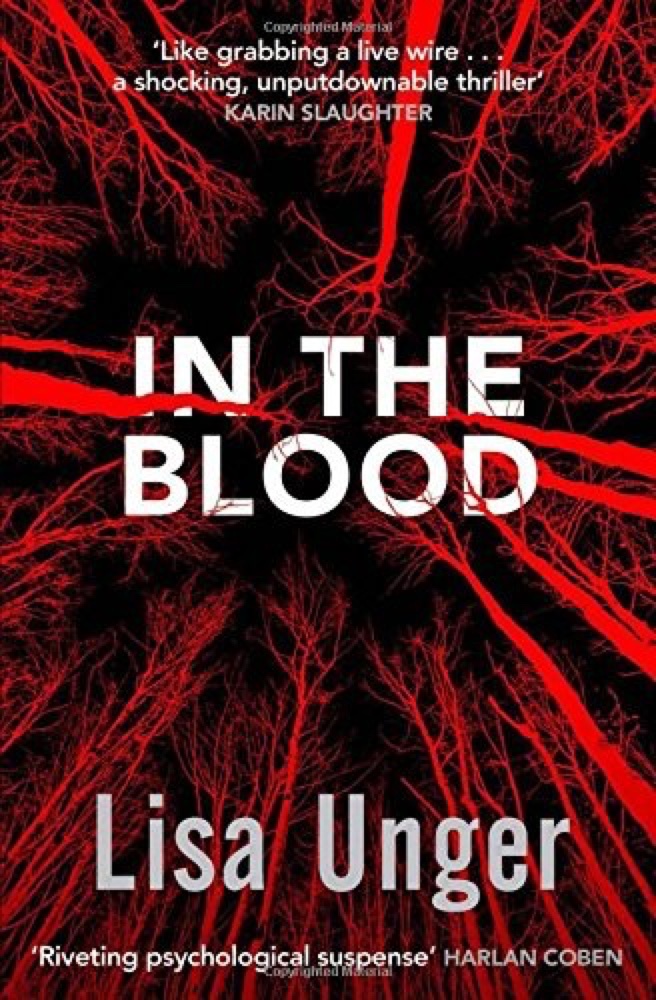 In The Blood
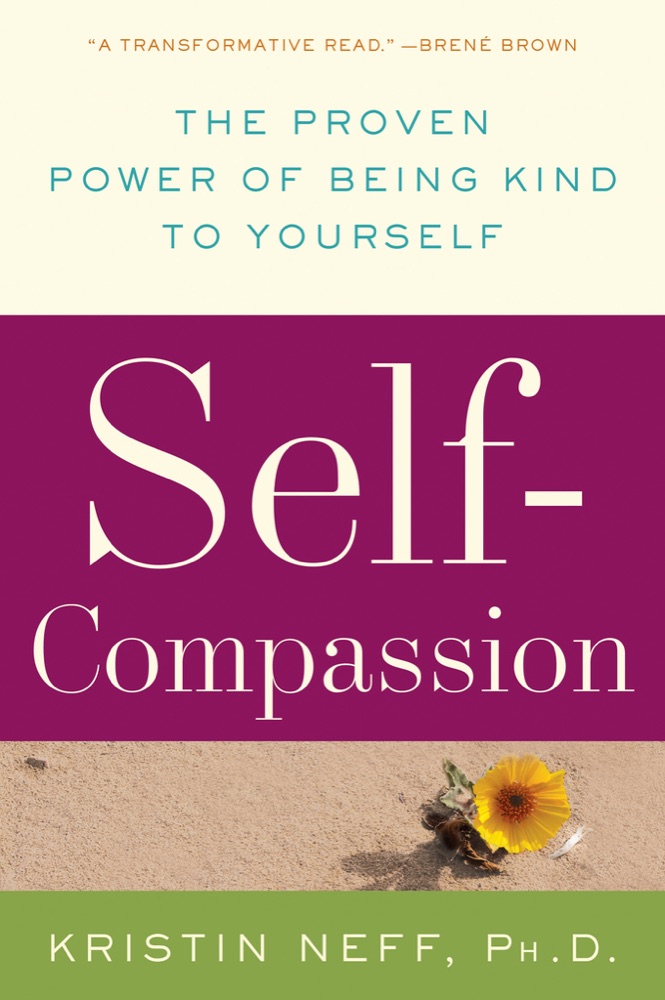 Self-Compassion: The Proven Power of Being Kind to Yourself
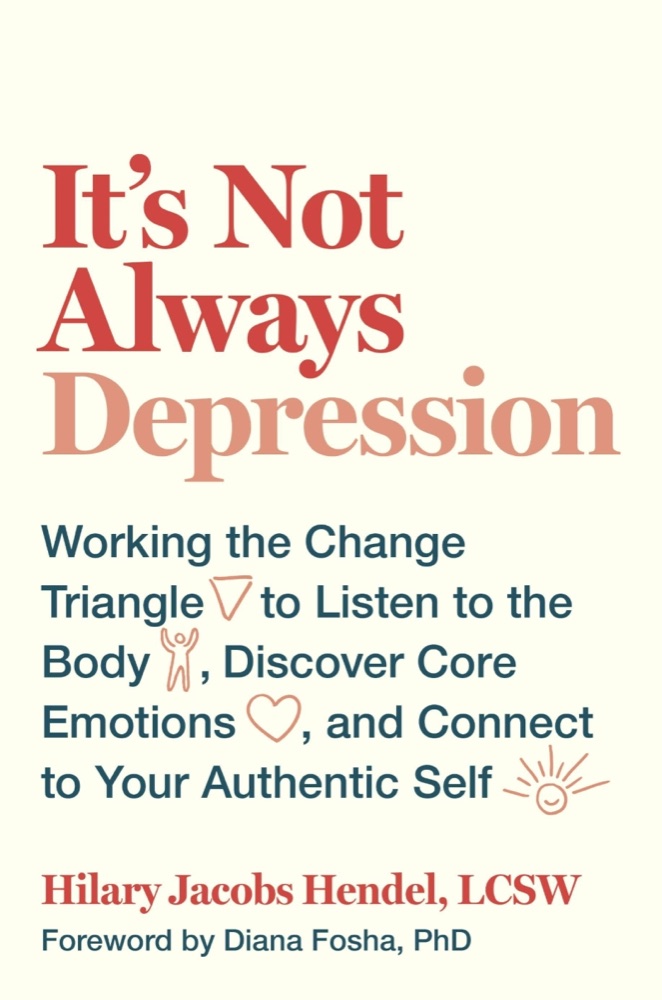 It's Not Always Depression: Working the Change Triangle to Listen to the Body, Discover Core Emotions, and Connect to Your Authentic Self
 Life Will Be the Death of Me: . . . and you too!
 Heart Talk: Poetic Wisdom for a Better Life
 Bonds That Make Us Free: Healing Our Relationship, Coming to Ourselves
 Buddha's Brain: The Practical Neuroscience of Happiness, Love, and Wisdom
 Burnout: The Secret to Unlocking the Stress Cycle
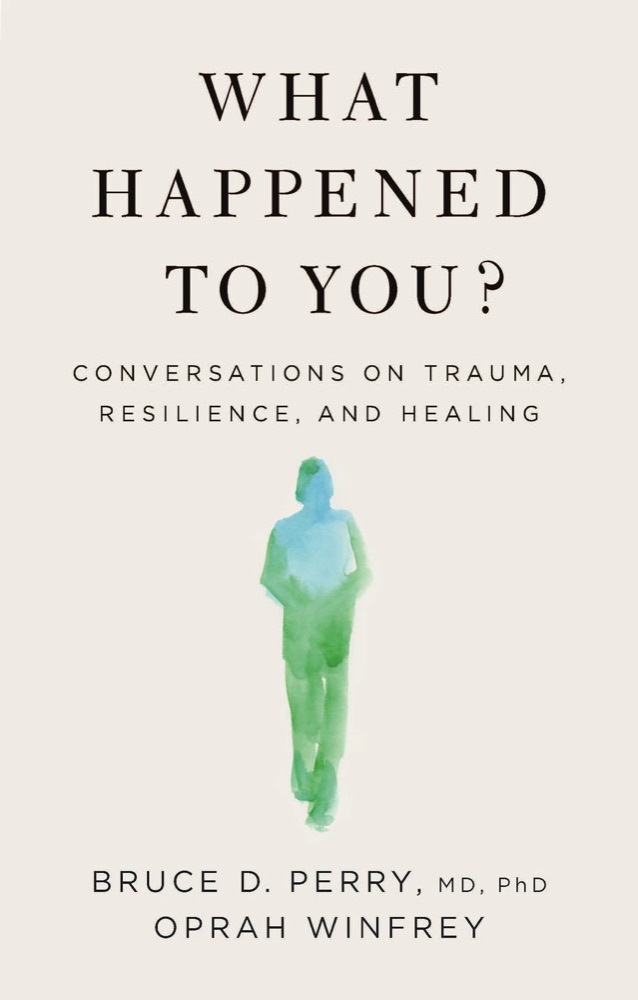 What Happened To You?: Conversations on Trauma, Resilience, and Healing
 First, We Make the Beast Beautiful: A New Story About Anxiety
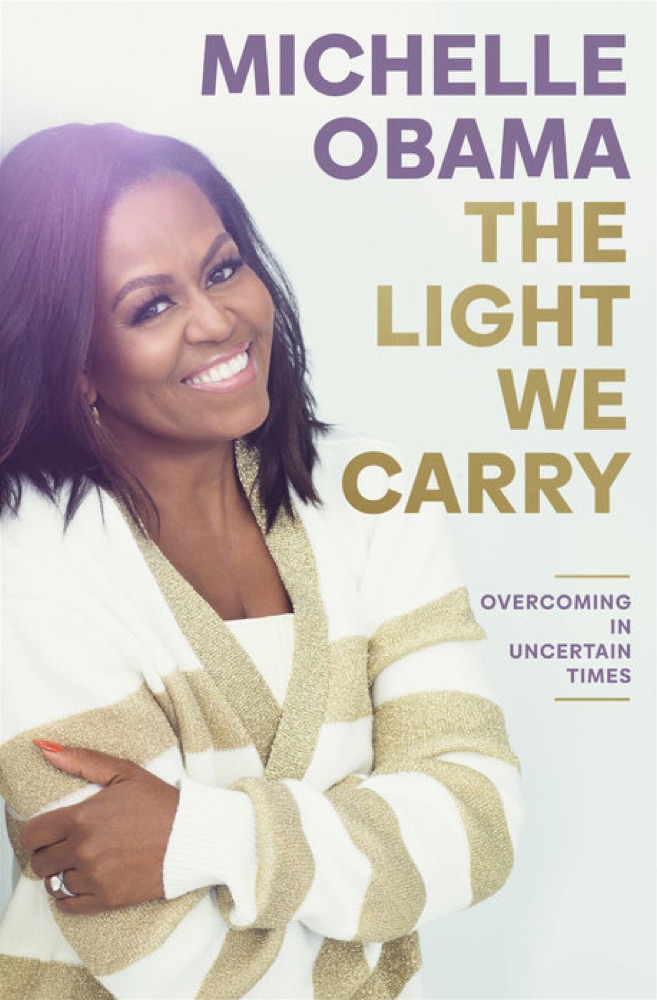 The Light We Carry: Overcoming in Uncertain Times
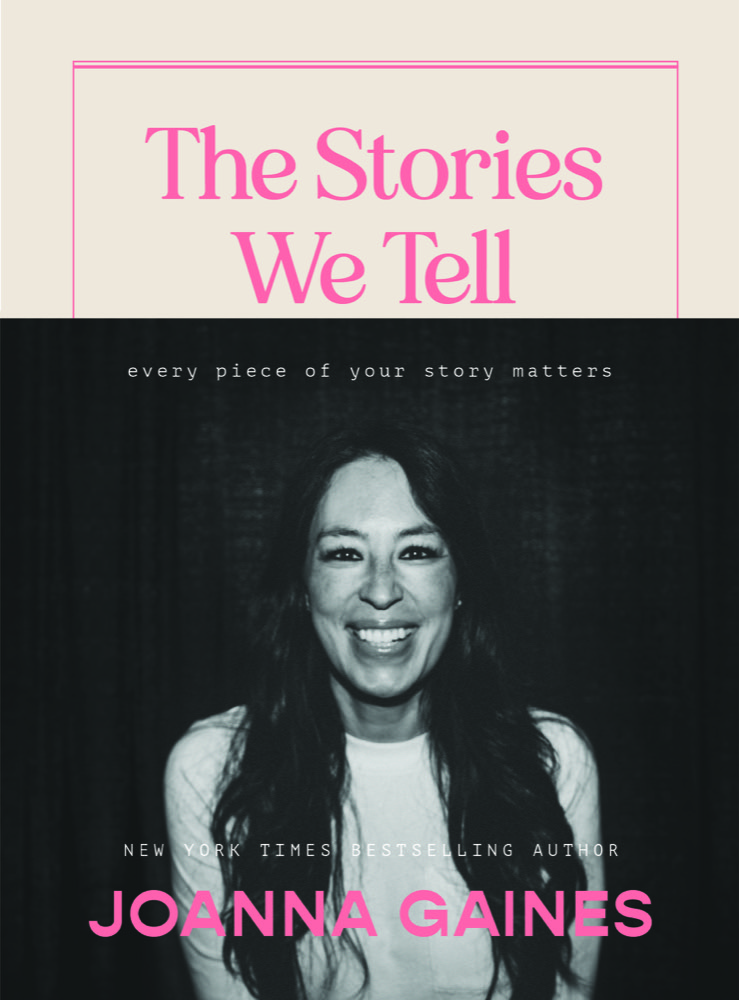 The Stories We Tell: Every Piece of Your Story Matters
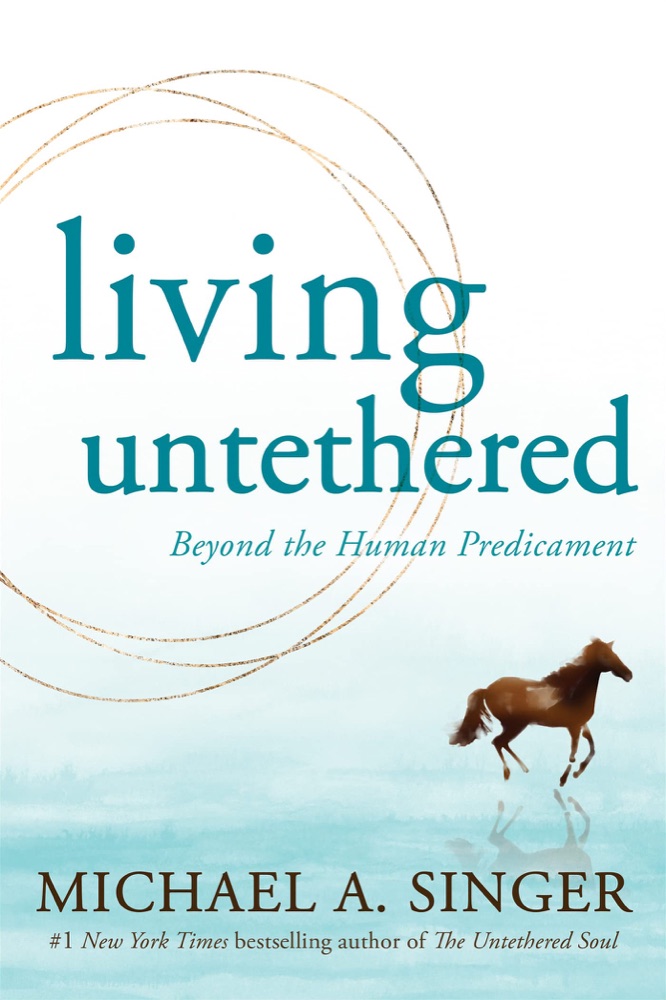 Living Untethered: Beyond the Human Predicament
 Anatomy of the Spirit: The Seven Stages of Power and Healing
 Adultery
 Self Love Poetry: For Thinkers & Feelers
 See No Stranger: A Memoir and Manifesto of Revolutionary Love
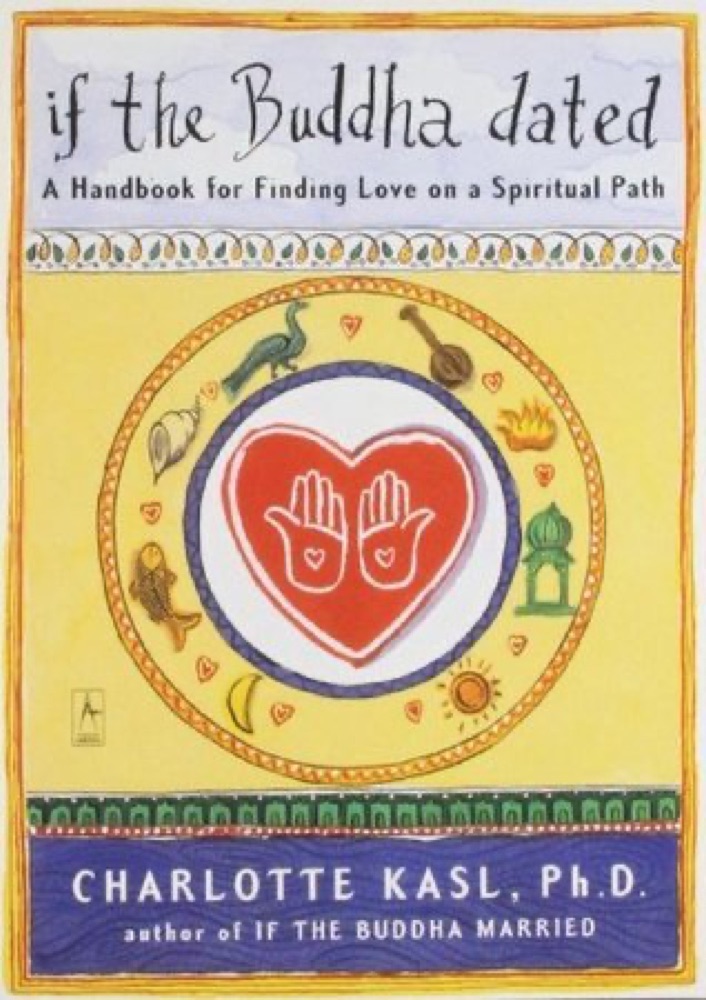 If the Buddha Dated: A Handbook for Finding Love on a Spiritual Path
 Inward
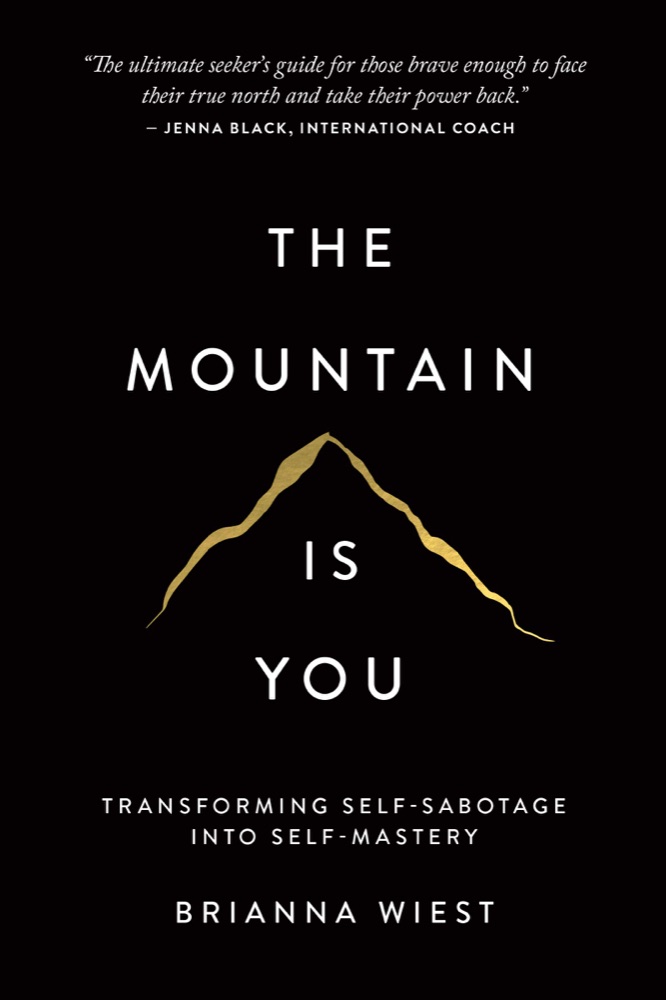 The Mountain Is You: Transforming Self-Sabotage Into Self-Mastery
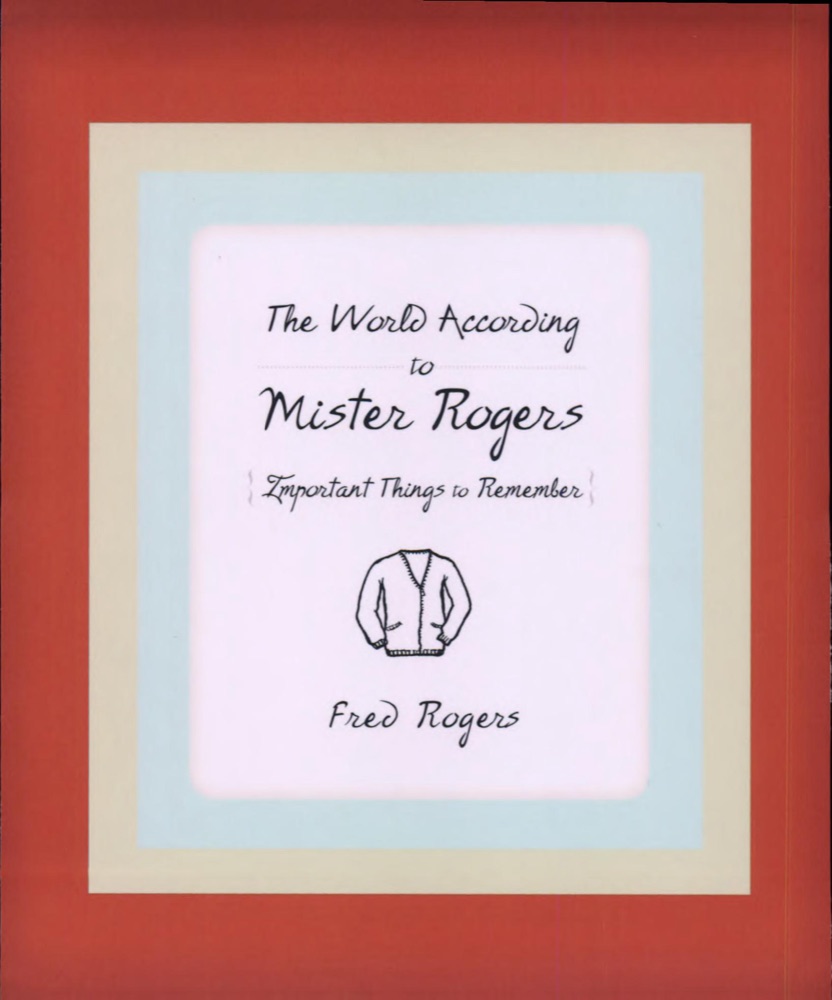 The World According to Mister Rogers: Important Things to Remember
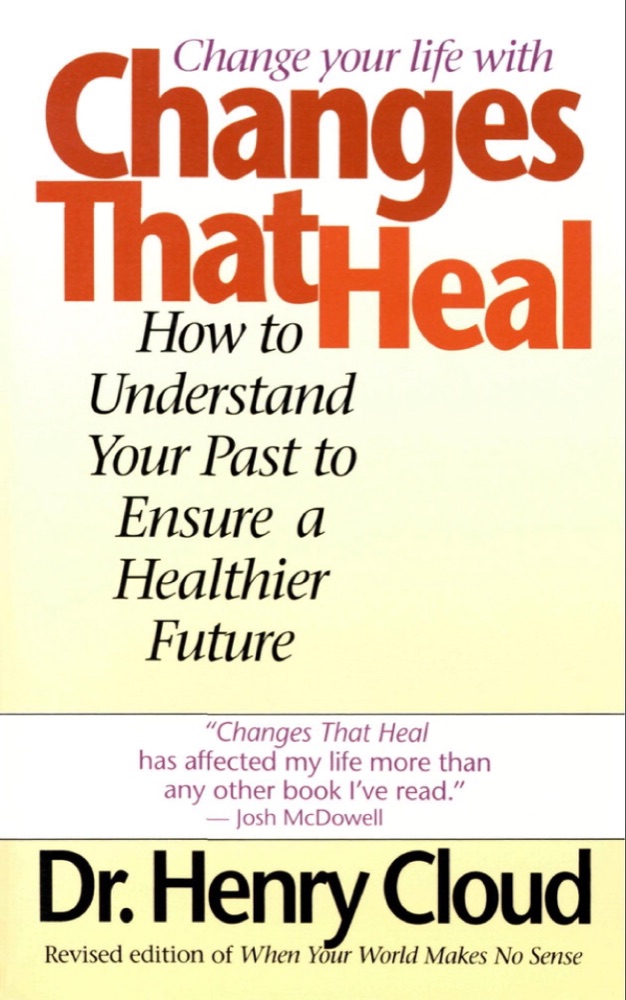 Changes That Heal: How to Understand the Past to Ensure a Healthier Future