
 Between Two Kingdoms: A Memoir of a Life Interrupted
Quotes from the Book
It is entirely possible to feel someone’s pain, acknowledge their suffering, hold it in our hands and support them with our presence without depleting ourselves, without clouding our judgment. But only if we are honest about our own feelings.
6
The traits we revile in others are often the ones that remind us most of our worst selves. And we react most strongly to the faults and flaws we see in others that we are most ashamed of in ourselves.
4
We cannot define success as beating death because death cannot be beaten. The undeniable fact of death remains, imposing and impending regardless of our temporary victories. How we care for each other during life is the true restoration—the definition of agency. That is the win, the success we must look for and mark and define ourselves by. Our ability to be present with each other through our suffering is what we are meant to do. It is what feeds us when the darkness inevitably looms. We cannot avoid the darkness, just as we cannot evade suffering. Loving each other through the darkness is the thing to look for and to mark. It’s there, in the shadows, where we find meaning and purpose.
3
It seemed a terrible blind spot that we did not discuss the toll those errors exacted on us. Medicine is not oriented to recognize trauma in its own. We do not debrief our team or even ourselves after a code. We do not pause and assess the emotional well-being of our colleagues after they lose a patient, the way we pause to assess the root cause of errors. We were trained to leave the thin veneer covering our colleagues’ emotions undisturbed. We have utterly no idea what to do with shame. We have built no confessionals.
1
Oppression, by its nature, breeds the power necessary to mount a resistance and to overthrow itself
1
The trouble with not having a safe space within medicine is that for those outside of medicine, our stories are almost too much to bear.
1
It’s just that I want you to know, it never gets any easier, you know? But it will be fine. One way or another, it will be fine.
1
Learning to listen had made me able to hear.
1
Who we are when everything is stripped away, in our barest moments, is something we don’t routinely examine. When a horrific loss uproots us, we leave pieces of ourselves behind in the soil, the structure on which we built our identity reduced to nothing more than an absent appendage, left behind to rot.
1
I identified with the life cycle of tulips and other perennials. Their hopeful rebirth each year, enabled by a graceful return to the ground. Rotting as a means to transform.
1
We subconsciously construct a narrative in which the doctor-patient relationship is somehow antagonistic.
1
We aren’t trained to see our patients. We are trained to see pathology.
1
Hope was an orientation, a way of being in the face of a reality that was not of their choosing. Hope was a destination they had arrived at when the situation had been wrestled to the ground and stared at, bravely.
1
you have a really hard job'... There was no judgement and no attribution of blame, only acceptance. It was such a simple validation, and yet for us, in those moments of risk and exposure, it was what we needed.
1
It is possible to be both broken and incredibly strong. We can be wounded and in that space find more cohesion and wholeness than we knew possible. But only if we are willing to acknowledge and confront the cracks.
1
Emotion demands to be acknowledged and appeased before it will disengage its controlling grip on the higher centers of cognition.
My heart remained in the patient realm. I felt my patients’ fear, I felt the weight of fluid heaviness in their lungs when I studied their chest X-rays, I knew their pain. And far from being the distraction I’d been cautioned against, it felt very right to feel with them.
Even as I approached the emergency room that first night, my thoughts were the measured, structured thoughts of a physician. I was unable to relate to myself as a patient. Presented with the problem of pain, I responded by listing differential diagnoses and prognosticating for myself. When I found myself dizzy and unable to stand in OB triage, the physician in me perversely enjoyed experiencing shock firsthand. The intensity of my focus on medicine was such that I felt fortunate to have the learning opportunity, to personally engage with the pathophysiology I had studied for so long. I knew I was dying, and I was still awestruck by the science of my decline.
Difficult” was a shorthand for “The patient is not going along with the plan. I have a good solid plan, and they aren’t on board.” I wondered why we ever presumed that our plan should be the barometer by which we measure compliance. Why our agenda was preformulated and not collaborative. Why we insisted on creating a dynamic in which one person wins and the other loses.
We cannot change that which is true and sad. But we can acknowledge it. We can humbly witness suffering and offer support.
They are doing their best to believe that they are worthy of the compassion and humility of a stranger. A humility that dictates that while we cannot possibly understand every patient’s story perfectly, we can trust them to tell it, without imbuing it with our own biases. And when they tell their story, we can receive it, and bear witness to it. And in return for their willingness, however tenuous, to put their faith in us, we can do our best.
I had subscribed to the paradigm of medicine set forth by my mentors, one that advised me to cultivate space, to be sparing of myself. I was taught that connection begets loss, which in turn begets disillusionment and burnout.
When we are sick, we are humbled by our dependency on others, the loss of control, the uncertainty of the ending. This change opens channels for communication we are hardwired not to tune into during the monotonous routines and spaces of normal life. Recognizing those open channels and fostering connection in full view of the knowledge is what heals. Making the choice to be present for someone else’s suffering requires a kind of anticipatory resolve. Because it does get hard, sometimes even unbearably so. The choice to be present means deciding at the outset that you will be there for the duration.
While the rooms our patients inhabited were the sites of shared trauma, they could not assume the connotation of a consecrated space; they had to be reused.
There was a range of distress expressed that went from compassion fatigue to addiction to full-fledged burnout
I am not sure I understood what was motivating my behavior. I know I didn’t recognize that an emotion was driving my compulsive research. I would not have characterized myself as particularly anxious. In fact, I would have labeled it something else entirely if asked. I was advocating for myself. I was educating myself. I was taking an active role in my care. In retrospect, I can recognize that I was also completely terrified and, not knowing how to quiet my fear, took the only option I thought available to me: to attempt to bludgeon the feeling into submission with data. The problem with responding to emotion with data is that emotion doesn’t recognize it. Ironically, I was making the same mistake with myself that physicians make with their patients. I was not naming or tending to my own emotion.
Hope was not, as I had believed, an unrealistic, unfettered optimistic emotion. Hope was an orientation, a way of being in the face of a reality that was not of their choosing.
The emotions of patients are encoded in their behavior. It’s an easy task to recognize a crying person as sad. But a compulsively attentive patient, documenting every lab result and asking well-formulated questions about antibiotic choices, is less easy to decode as anxious. I myself didn’t recognize my own anxiety at the time. I believed I was appropriately adapted to my environment. An environment that required intense vigilance and anticipation of some impending cataclysm. The casual complacency I observed in others struck me as horribly naïve. Every solicitation to “just rest” filled me with contempt. I knew what would happen if I left the watchtower untended. I would die. I believed it was entirely up to me to ensure my own safety.
No matter what happens to a person, he or she will always be who they were meant to be.
Watch on YouTube
About Rana Awdish
We have collected 29 quotes from 1 book by Rana Awdish on BookQuoters.
More about the author →About the book
A first-person account from a young critical care physician describes how toward the end of her medical training she suddenly became a patient fighting for her own life, revealing how her experiences exposed her to flaws in today's care standards and how to better embrace the emotional bond between doctor and patient.
A first-person account from a young critical care physician describes how toward the end of her medical training she suddenly became a patient fighting for her own life, revealing how her experiences exposed her to flaws in today's care standards.
A riveting first-hand account of a physician who's suddenly a dying patient and her revelation of the horribly misguided standard of care in the medical world
Dr. Rana Awdish never imagined that an emergency trip to the hospital would result in hemorrhaging nearly all of her blood volume and losing her unborn first child.
Book details
- First published
- 2017
- Author
- Rana Awdish
- Genre
- Nonfiction
- Goodreads rating
- 4.33 (8k ratings)
Keep reading
Between Two Kingdoms: A Memoir of a Life Interrupted
 Option B: Facing Adversity, Building Resilience, and Finding Joy
 When Breath Becomes Air
 Atlas of the Heart: Mapping Meaningful Connection and the Language of Human Experience
 Any Ordinary Day
 In The Blood
 When Things Fall Apart: Heart Advice for Difficult Times
 Do No Harm: Stories of Life, Death and Brain Surgery
 In an Unspoken Voice: How the Body Releases Trauma and Restores Goodness
 Be Not Afraid of Love: Lessons on Fear, Intimacy, and Connection
 Kitchen Table Wisdom: Stories that Heal
 The Empathy Exams
 The Invisible Kingdom: Reimagining Chronic Illness
 Imagine Me Gone
 The Gift of Therapy: An Open Letter to a New Generation of Therapists and Their Patients
 All Is Not Forgotten
 The Cancer Journals
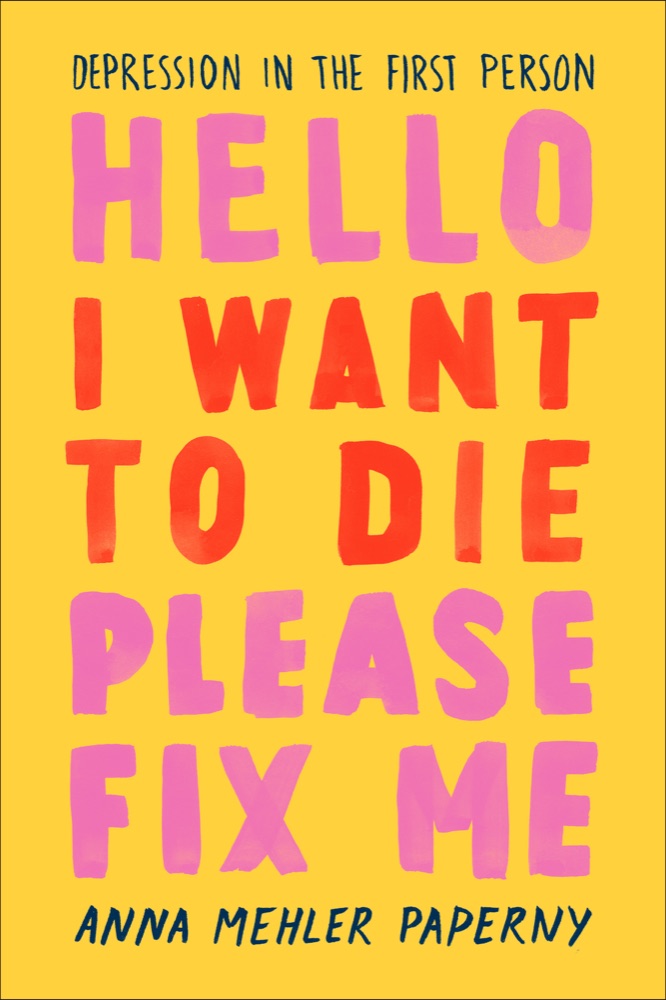 Hello I Want to Die Please Fix Me: Depression in the First Person
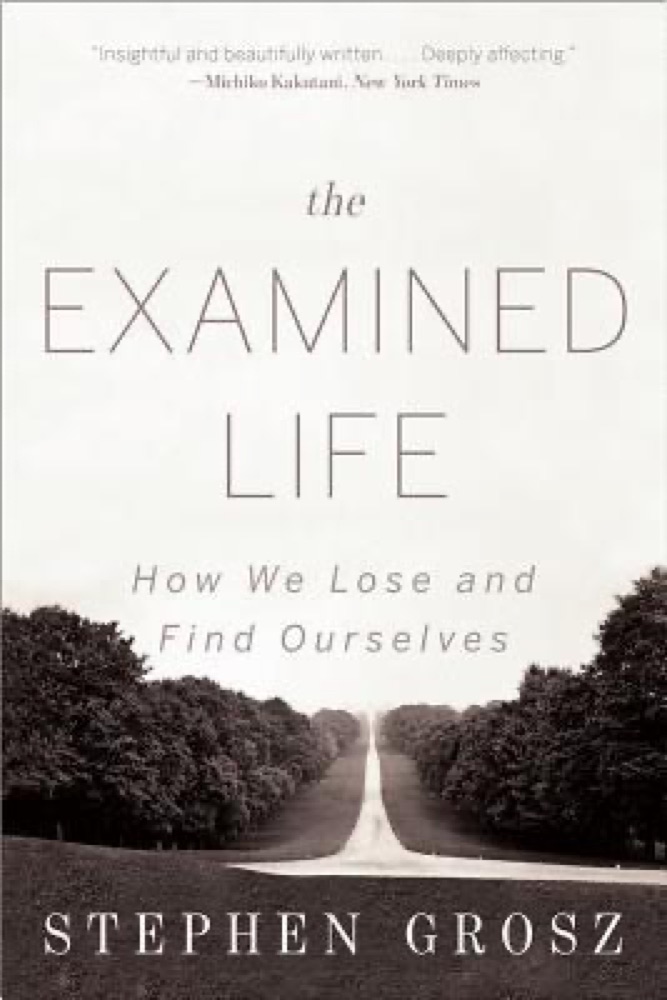 The Examined Life: How We Lose and Find Ourselves
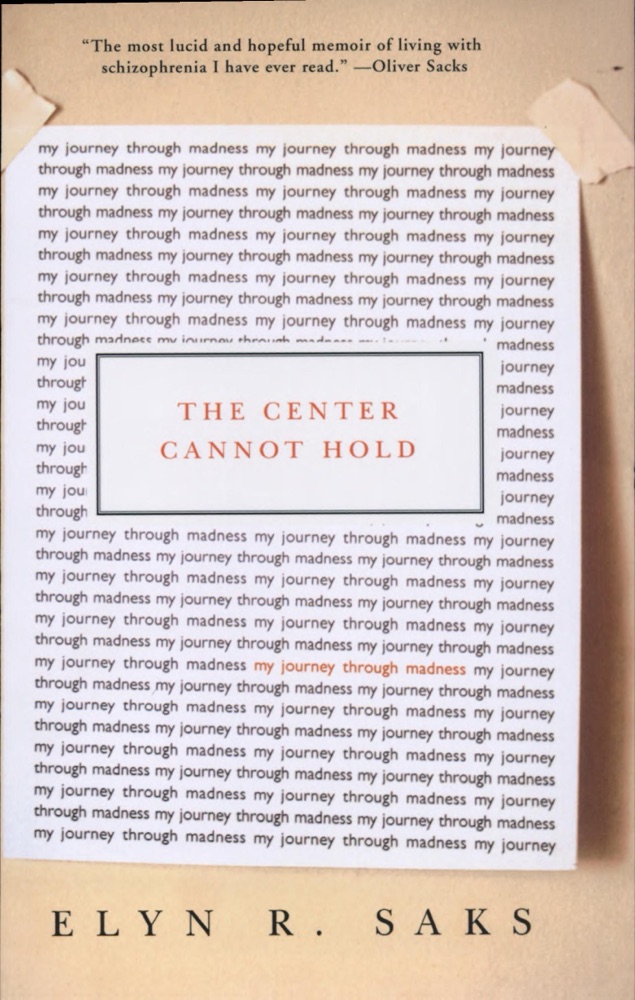 The Center Cannot Hold: My Journey Through Madness
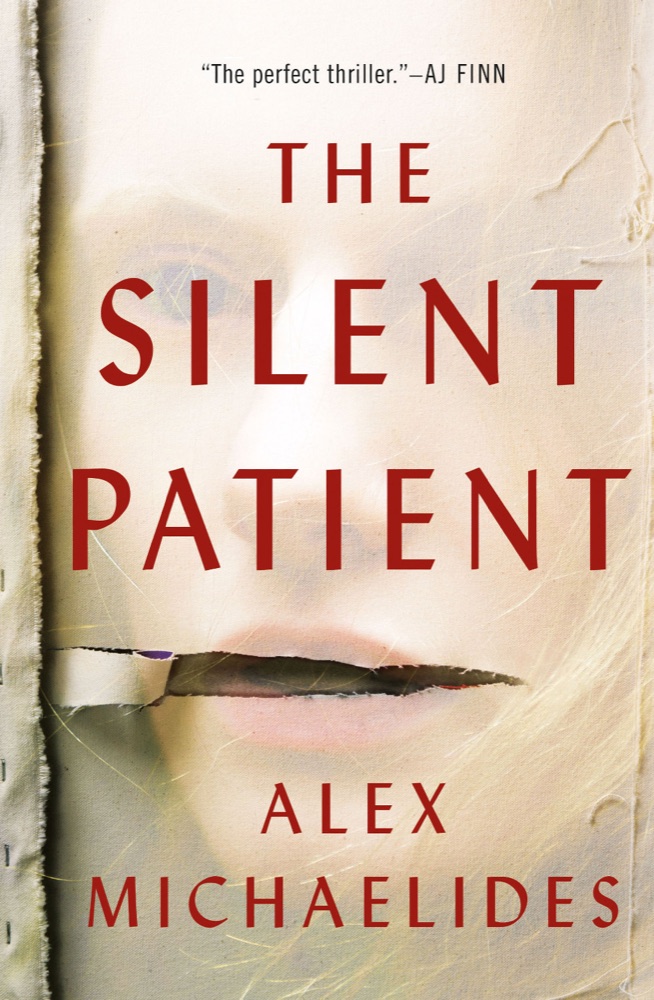 The Silent Patient
 Good Morning, Monster: A Therapist Shares Five Heroic Stories of Emotional Recovery
 Maybe You Should Talk to Someone: A Therapist, Her Therapist, and Our Lives Revealed
 We Can Do Hard Things: Answers to Life's 20 Questions
 The Collected Schizophrenias: Essays
 It's Not about the Bike: My Journey Back to Life
 The Year of Magical Thinking
 Heart Berries
 Inheritance: A Memoir of Genealogy, Paternity, and Love
 The Quiet Room: A Journey Out of the Torment of Madness
 Why Religion? A Personal Story
 Life Will Be the Death of Me: . . . and you too!
 Paperweight
 The Tell: A Memoir
 What Happened To You?: Conversations on Trauma, Resilience, and Healing
 Change of Heart
 Get Me Out of Here: My Recovery from Borderline Personality Disorder
 Dear Senthuran: A Black Spirit Memoir
 What My Bones Know
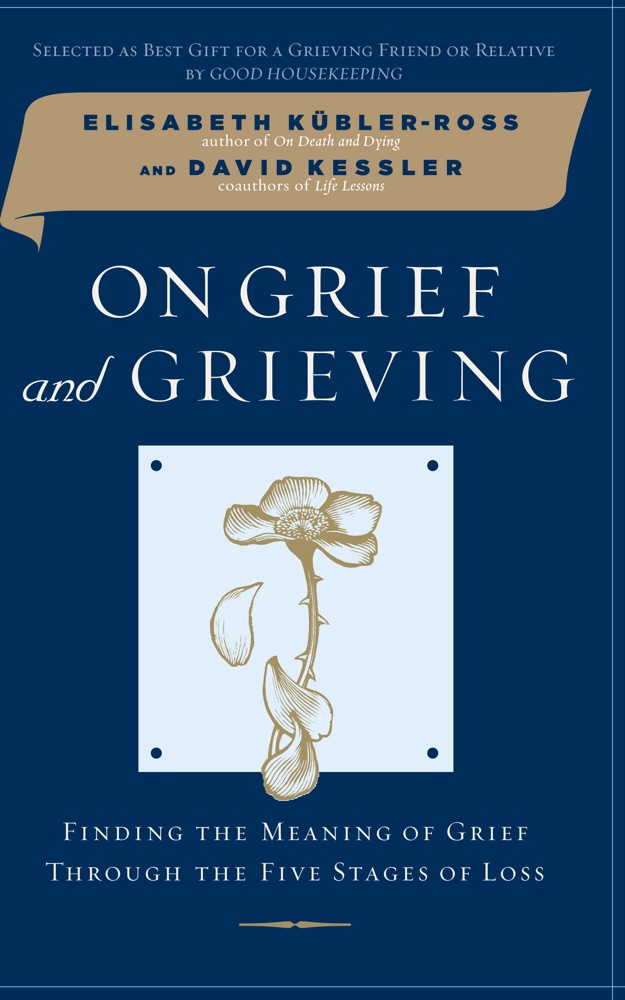 On Grief and Grieving: Finding the Meaning of Grief Through the Five Stages of Loss
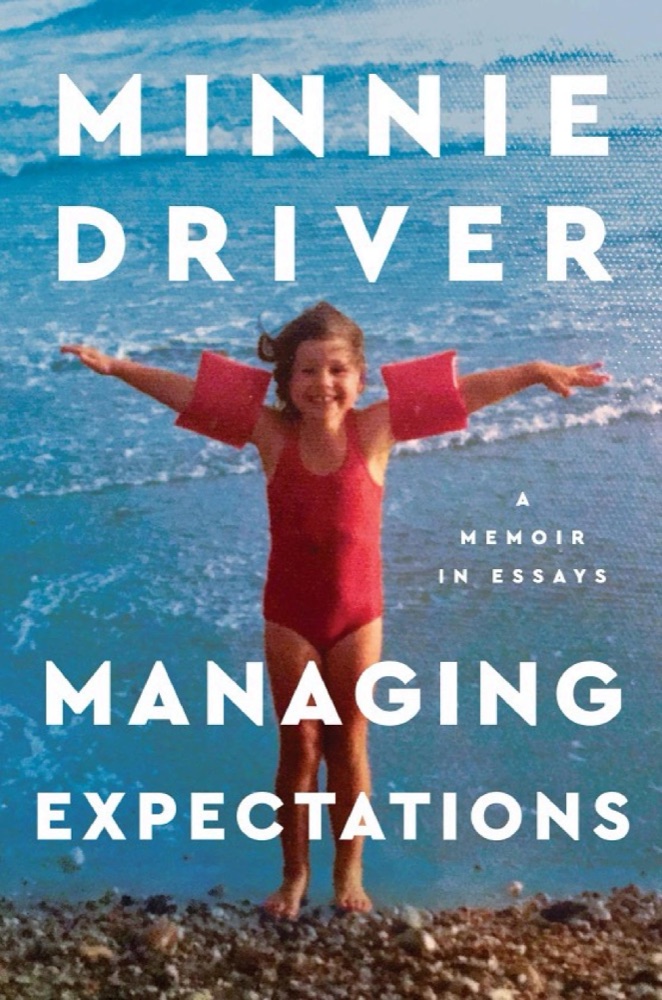 Managing Expectations: A Memoir in Essays – A Poignant Collection of Personal Stories on Acting, Failure, and Motherhood's Joy
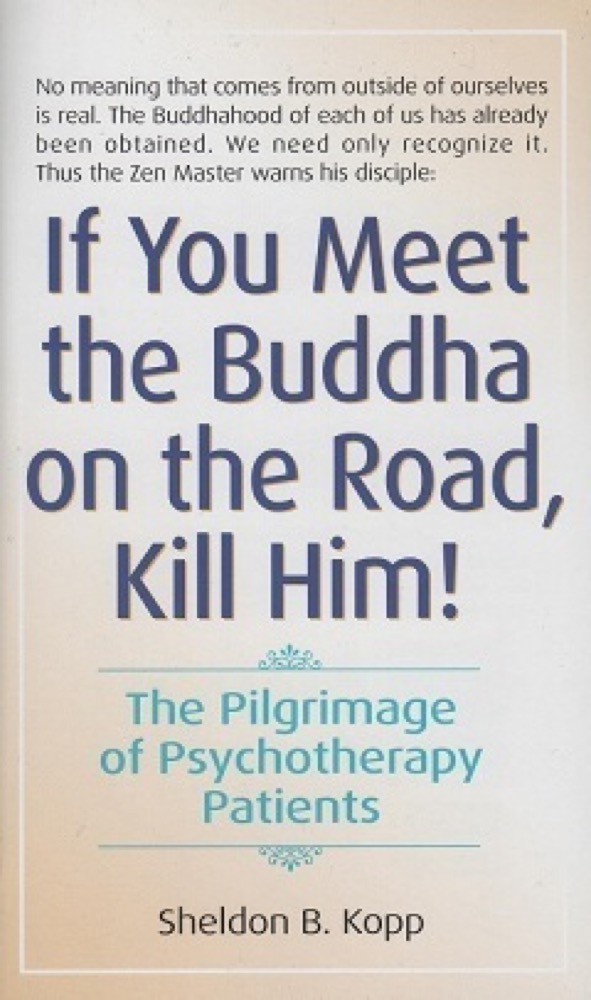 If You Meet the Buddha on the Road, Kill Him! The Pilgrimage of Psychotherapy Patients
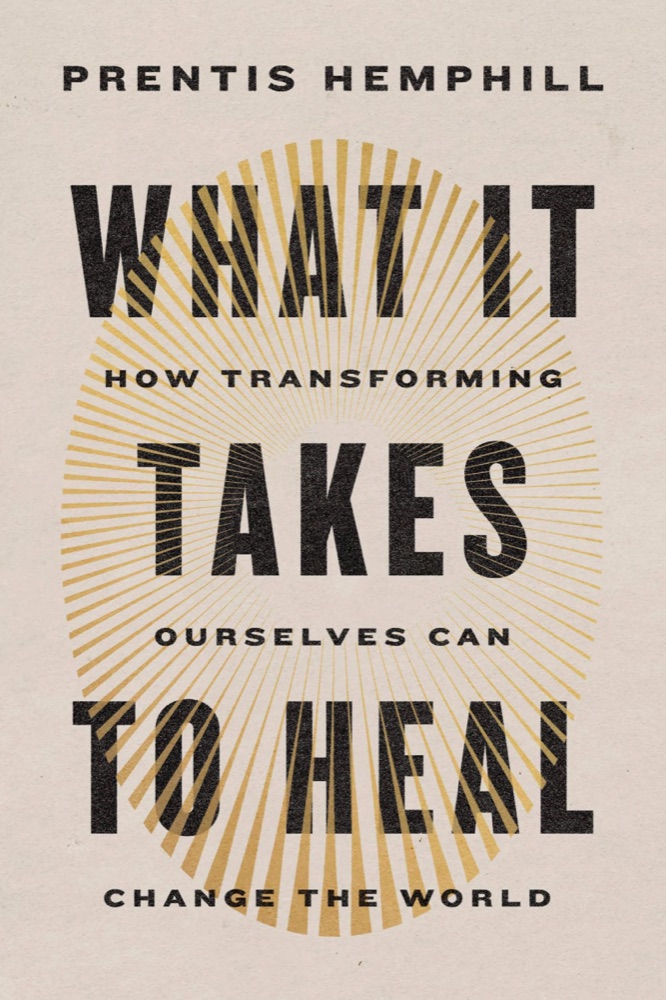 What It Takes to Heal: How Transforming Ourselves Can Change the World
 Dyscalculia: A Love Story of Epic Miscalculation
 Tell Me More: Stories About the 12 Hardest Things I'm Learning to Say
 Dare to Lead
 Confessions of a Funeral Director: How the Business of Death Saved My Life
 A Burst of Light
 Natural Causes: An Epidemic of Wellness, the Certainty of Dying, and Killing Ourselves to Live Longer
 Stitches: A Handbook on Meaning, Hope, and Repair
 Heartbreak: A Personal and Scientific Journey
 Creatures of a Day: And Other Tales of Psychotherapy
 The House of God
 Committed: On Meaning and Madwomen
 Untamed
 The Trauma Cleaner: One Woman's Extraordinary Life in the Business of Death, Decay, and Disaster
 Anthropology of an American Girl
 Being Mortal: Medicine and What Matters in the End
 Complex PTSD: From Surviving to Thriving