
 Rising Strong
Quotes from the Book
Courage starts with showing up and letting ourselves be seen.
Because true belonging only happens when we present our authentic, imperfect selves to the world, our sense of belonging can never be greater than our level of self-acceptance.
Vulnerability sounds like truth and feels like courage. Truth and courage aren't always comfortable, but they're never weakness.
If we can share our story with someone who responds with empathy and understanding, shame can't survive.
Vulnerability is the birthplace of love, belonging, joy, courage, empathy, and creativity. It is the source of hope, empathy, accountability, and authenticity. If we want greater clarity in our purpose or deeper and more meaningful spiritual lives, vulnerability is the path.
When I look at narcissism through the vulnerability lens, I see the shame-based fear of being ordinary. I see the fear of never feeling extraordinary enough to be noticed, to be lovable, to belong, or to cultivate a sense of purpose.
What we know matters but who we are matters more.
Numb the dark and you numb the light.
The willingness to show up changes us, It makes us a little braver each time.
Connection is why we're here; it is what gives purpose and meaning to our lives. The power that connection holds in our lives was confirmed when the main concern about connection emerged as the fear of disconnection; the fear that something we have done or failed to do, something about who we are or where we come from, has made us unlovable and unworthy of connection.
Even to me the issue of "stay small, sweet, quiet, and modest" sounds like an outdated problem, but the truth is that women still run into those demands whenever we find and use our voices.
I only share when I have no unmet needs that I'm trying to fill. I firmly believe that being vulnerable with a larger audience is only a good idea if the healing is tied to the sharing, not to the expectations I might have for the response I get.
The real questions for parents should be: "Are you engaged? Are you paying attention?" If so, plan to make lots of mistakes and bad decisions. Imperfect parenting moments turn into gifts as our children watch us try to figure out what went wrong and how we can do better next time. The mandate is not to be perfect and raise happy children. Perfection doesn't exist, and I've found what makes children happy doesn't always prepare them to be courageous, engaged adults.
I've found what makes children happy doesn't always prepare them to be courageous, engaged adults.
Wholeheartedness. There are many tenets of Wholeheartedness, but at its very core is vulnerability and worthiness; facing uncertainty, exposure, and emotional risks, and knowing that I am enough.
Vulnerability is not weakness, and the uncertainty, risk, and emotional exposure we face every day are not optional. Our only choice is a question of engagement. Our willingness to own and engage with our vulnerability determines the depth of our courage and the clarity of our purpose; the level to which we protect ourselves from being vulnerable is a measure of our fear and disconnection.
Nothing has transformed my life more than realizing that it’s a waste of time to evaluate my worthiness by weighing the reaction of the people in the stands.
Worrying about scarcity is our culture's version of post-traumatic stress. It happens when we've been through too much, and rather than coming together to heal (which requires vulnerability) we're angry and scared and at each other's throats.
Who we are and how we engage with the world are much stronger predictors of how our children will do than what we know about parenting.
We live in a world where most people still subscribe to the belief that shame is a good tool for keeping people in line. Not only is this wrong, but it’s dangerous. Shame is highly correlated with addiction, violence, aggression, depression, eating disorders, and bullying.
I define vulnerability as uncertainty, risk and emotional exposure. With that definition in mind, let’s think about love. Waking up every day and loving someone who may or may not love us back, whose safety we can’t ensure, who may stay in our lives or may leave without a moment’s notice, who may be loyal to the day they die or betray us tomorrow—that’s vulnerability.
Hope is a function of struggle.
To love ourselves and support each other in the process of becoming real is perhaps the greatest single act of daring greatly.
I believe that owning our worthiness is the act of acknowledging that we are sacred. Perhaps embracing vulnerability and overcoming numbing is ultimately about the care and feeding of our spirits.
Spirituality emerged as a fundamental guidepost in Wholeheartedness. Not religiosity but the deeply held belief that we are inextricably connected to one another by a force greater than ourselves--a force grounded in love and compassion. For some of us that's God, for others it's nature, art, or even human soulfulness. I believe that owning our worthiness is the act of acknowledging that we are sacred. Perhaps embracing vulnerability and overcoming numbing is ultimately about the care and feeding of our spirits.
Everyone wants to know why customer service has gone to hell in a handbasket. I want to know why customer behavior has gone to hell in a handbasket.
Those who feel lovable, who love, and who experience belonging simply believe they are worthy of love and belonging. I often say that Wholeheartedness is like the North Star: We never really arrive, but we certainly know if we're headed in the right direction.
Vulnerability is not knowing victory or defeat, it’s understanding the necessity of both; it’s engaging. It’s being all in.
Did you know?
- The book's title comes from Theodore Roosevelt's 1910 "Citizenship in a Republic" speech, popularly known as "The Man in the Arena."
- It builds directly on Brown's 2010 TEDxHouston talk "The Power of Vulnerability," one of the most-watched TED talks.
- Brown defines vulnerability in the book as "exposure, uncertainty, and emotional risk."
- The work draws on more than a decade of Brown's qualitative research on shame and human connection.
- Daring Greatly was a New York Times bestseller.
- Brown earned her PhD in social work from the University of Houston in 2002.
About Brené Brown
Brené Brown is an American research professor at the University of Houston Graduate College of Social Work who has spent decades studying courage, vulnerability, shame, and empathy. She is the author of multiple #1 New York Times bestsellers and delivered one of the most-viewed TED talks, "The Power of Vulnerability."
More about the author →
About the book
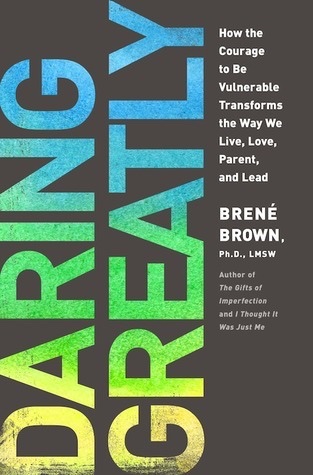
Daring Greatly is a work of nonfiction by researcher Brené Brown that draws on more than a decade of study to make one central argument: vulnerability is not weakness but the most accurate measure of courage. Defining vulnerability as "exposure, uncertainty, and emotional risk," Brown contends that the willingness to show up and be seen, without any guarantee of the outcome, is the foundation of meaningful connection, creativity, and a wholehearted life.
Building on her earlier work on shame, Brown examines the cultural forces she calls the "never enough" problem, and the armor people use to protect themselves, including perfectionism, numbing, and foreboding joy. She argues that shame thrives in secrecy and that empathy and self-compassion are its antidotes, and she extends these ideas into practical arenas such as parenting, relationships, education, and leadership, describing how to build cultures where people can risk being imperfect.
The book takes its title from Theodore Roosevelt's 1910 "Man in the Arena" speech, and it channels that image throughout: the person whose face is marred by dust and sweat and blood, who dares greatly rather than sitting on the sidelines in judgment. A New York Times bestseller that expanded on Brown's widely viewed TED talk on vulnerability, Daring Greatly helped bring the language of shame, courage, and wholeheartedness into mainstream conversations about work, family, and personal growth.
Book details
- First published
- 2012
- Length
- 256 pages
- Reading time
- 5 hours
- Author
- Brené Brown
- Genre
- Nonfiction
- Goodreads rating
- 4.29 (248k ratings) →
If you liked this, read…
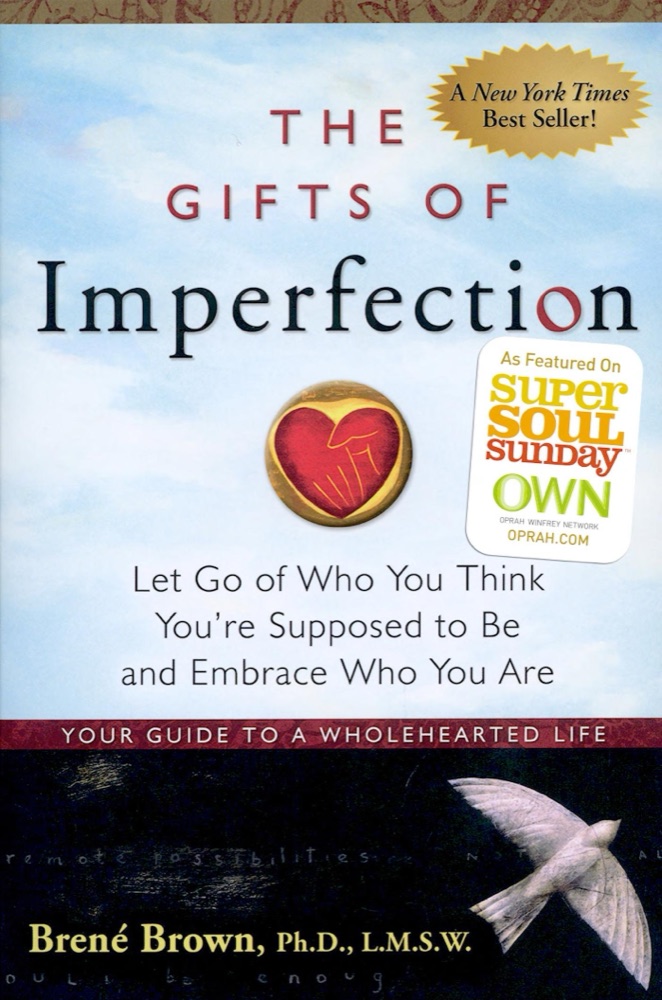
- 1The Gifts of ImperfectionBrown's earlier book laying the groundwork on wholehearted living and letting go of who we think we should be.
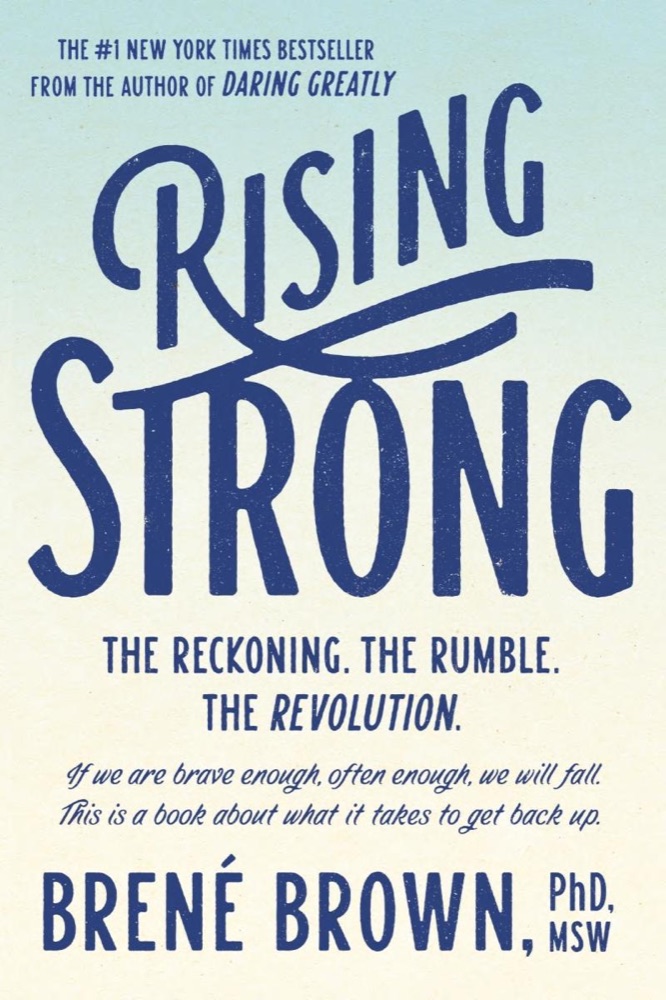
- 2Rising StrongBrown's follow-up on getting back up after failure and vulnerability.
- 3MindsetCarol Dweck's research-based look at how beliefs about ability shape resilience and growth.
Keep reading
Rising Strong
 The Gifts of Imperfection
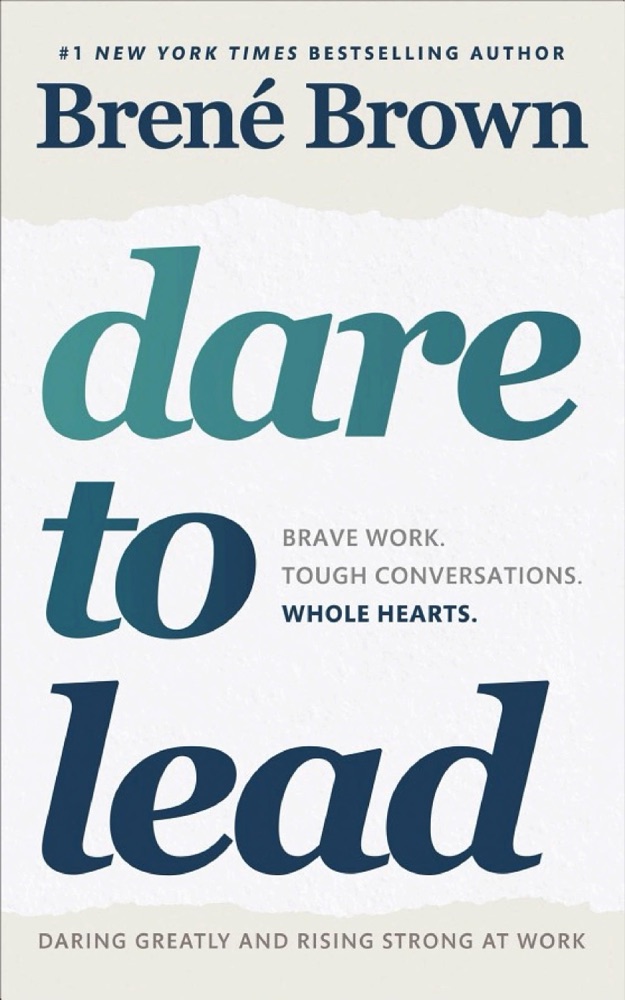 Dare to Lead
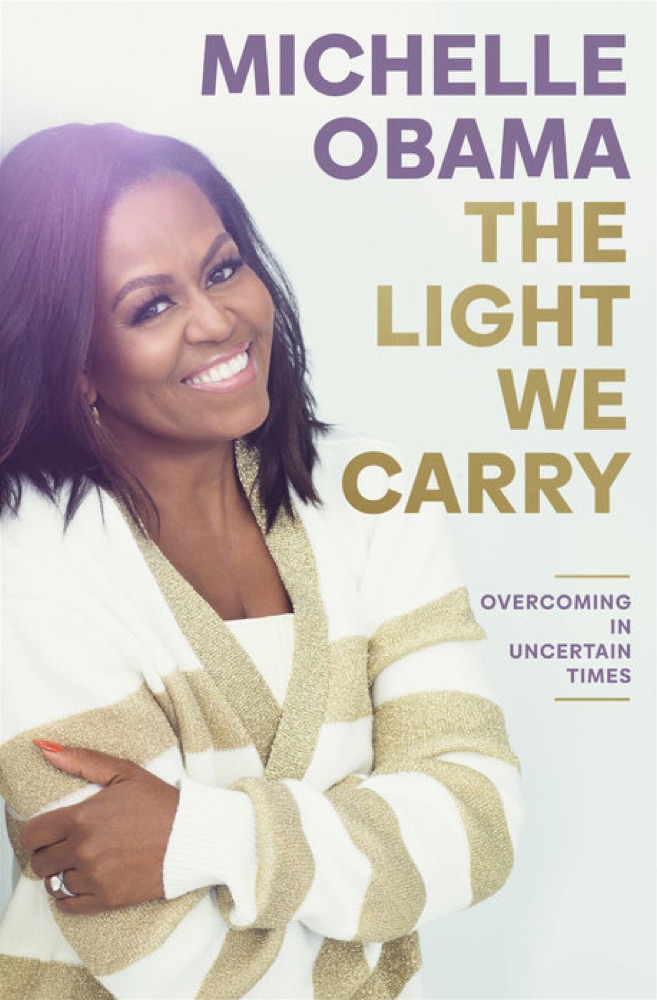 The Light We Carry: Overcoming in Uncertain Times
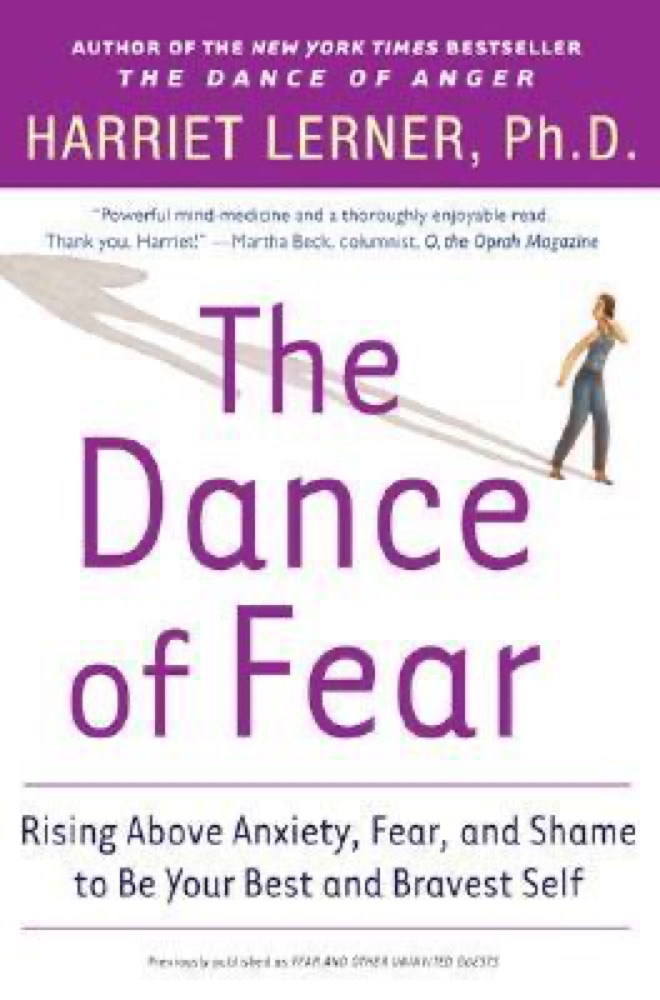 The Dance of Fear: Rising Above Anxiety, Fear, and Shame to Be Your Best and Bravest Self
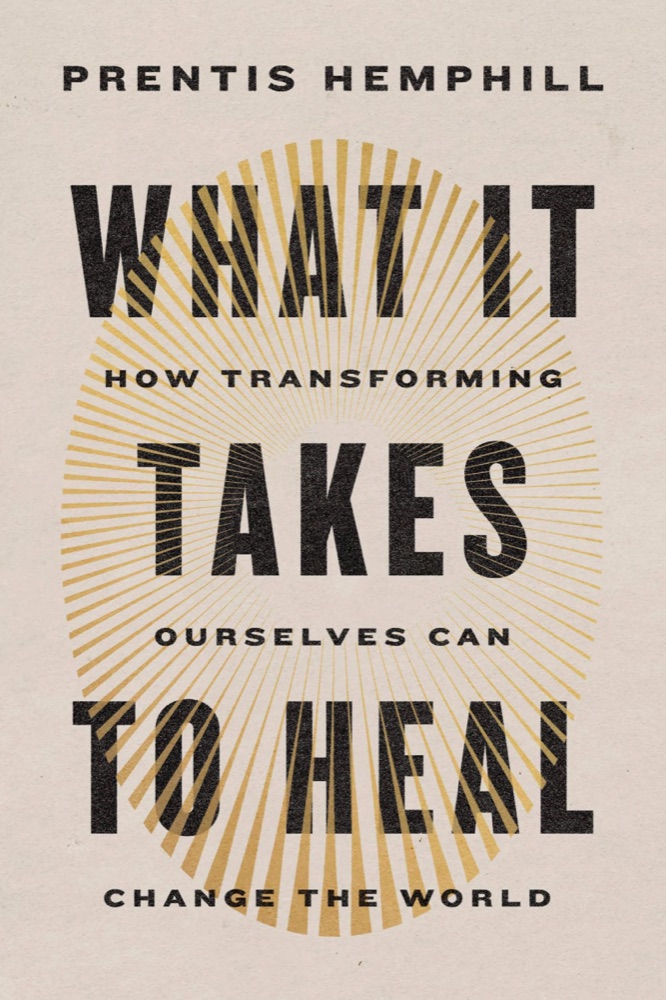 What It Takes to Heal: How Transforming Ourselves Can Change the World
 Untamed
 When Things Fall Apart: Heart Advice for Difficult Times
 Like Streams to the Ocean: Notes on Ego, Love, and the Things That Make Us Who We Are
 A Return to Love: Reflections on the Principles of "A Course in Miracles"
 Six Pillars of Self-Esteem
 You Are Your Best Thing: Vulnerability, Shame Resilience, and the Black Experience
 Changes That Heal: How to Understand the Past to Ensure a Healthier Future
 I Guess I Haven't Learned That Yet: Discovering New Ways of Living When the Old Ways Stop Working
 Heart Talk: Poetic Wisdom for a Better Life
 The Stories We Tell: Every Piece of Your Story Matters
 Option B: Facing Adversity, Building Resilience, and Finding Joy
 Present Over Perfect: Leaving Behind Frantic for a Simpler, More Soulful Way of Living
 Carry On, Warrior: Thoughts on Life Unarmed
 Becoming Human
 Brave Enough
 The World According to Mister Rogers: Important Things to Remember
 Kitchen Table Wisdom: Stories that Heal
 Dusk, Night, Dawn: On Revival and Courage
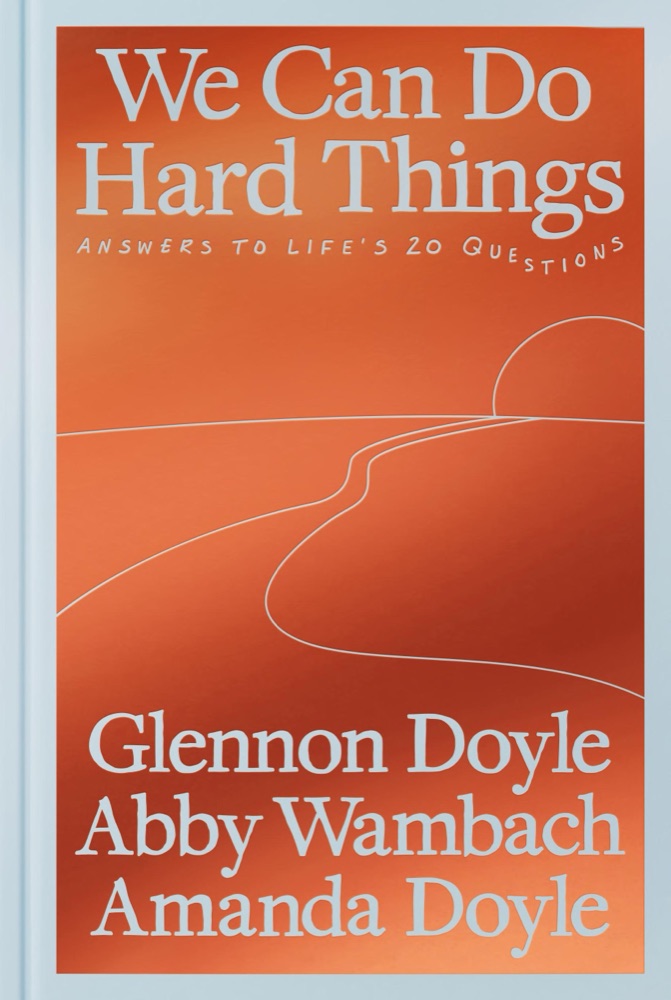 We Can Do Hard Things: Answers to Life's 20 Questions
 More Than Enough: Claiming Space for Who You Are
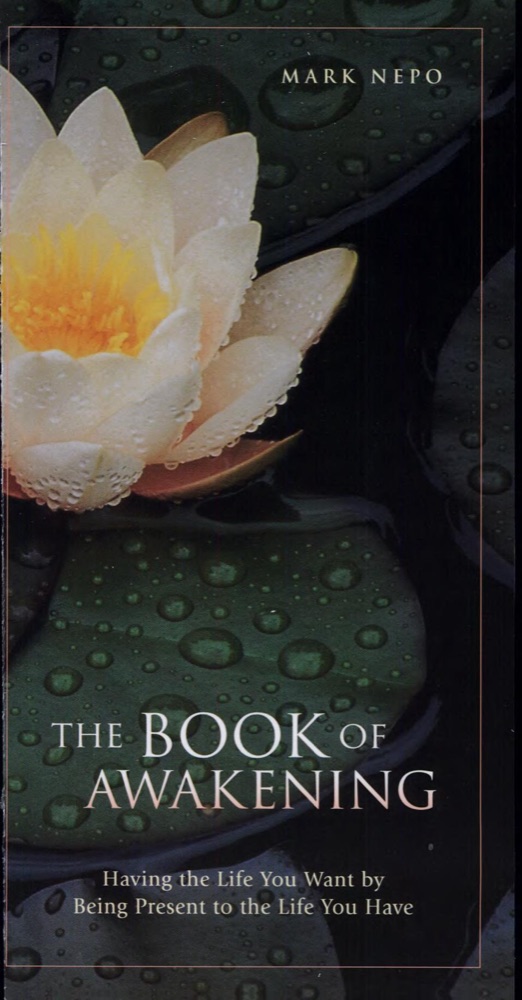 The Book of Awakening: Having the Life You Want by Being Present to the Life You Have
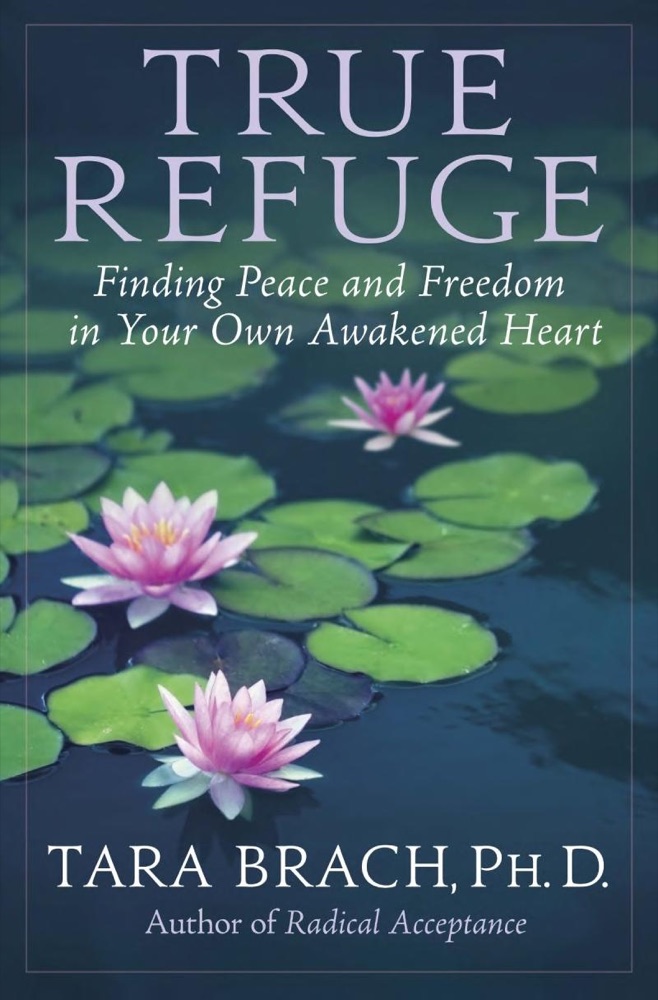 True Refuge: Finding Peace and Freedom in Your Own Awakened Heart
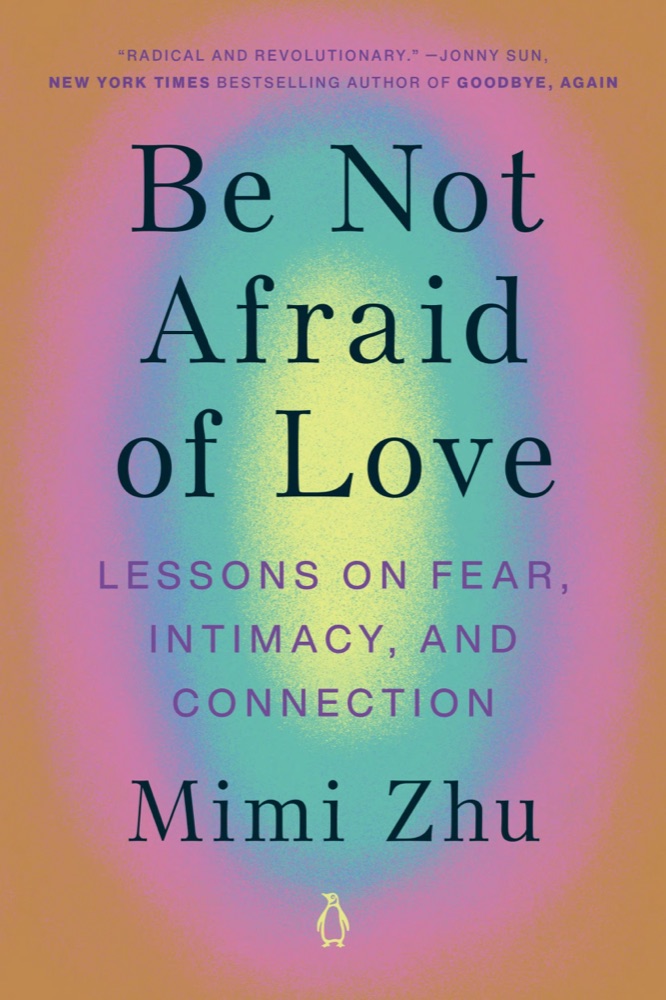 Be Not Afraid of Love: Lessons on Fear, Intimacy, and Connection
 Belonging: Remembering Ourselves Home
 On Fire: The 7 Choices to Ignite a Radically Inspired Life
 The School of Life: An Emotional Education
 The Places That Scare You: A Guide to Fearlessness in Difficult Times
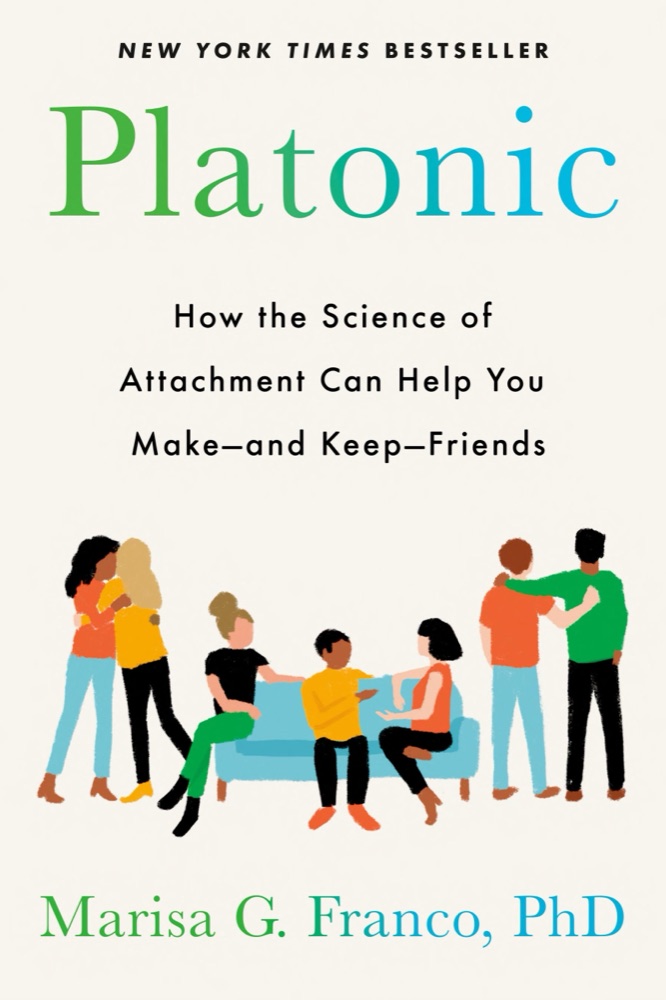 Platonic: How the Science of Attachment Can Help You Make—and Keep—Friends
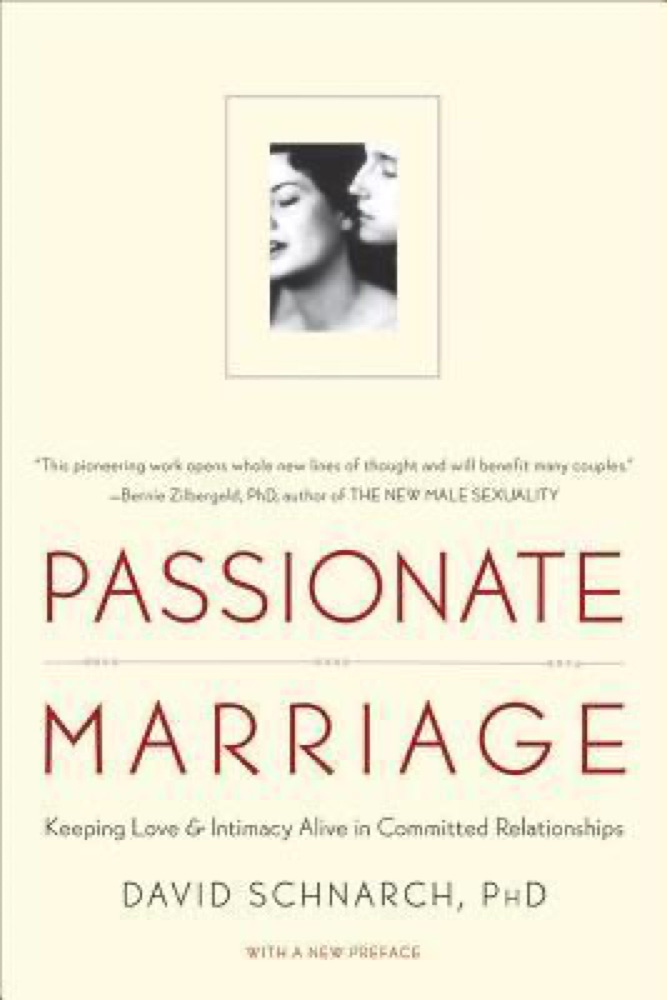 Passionate Marriage: Keeping Love and Intimacy Alive in Committed Relationships
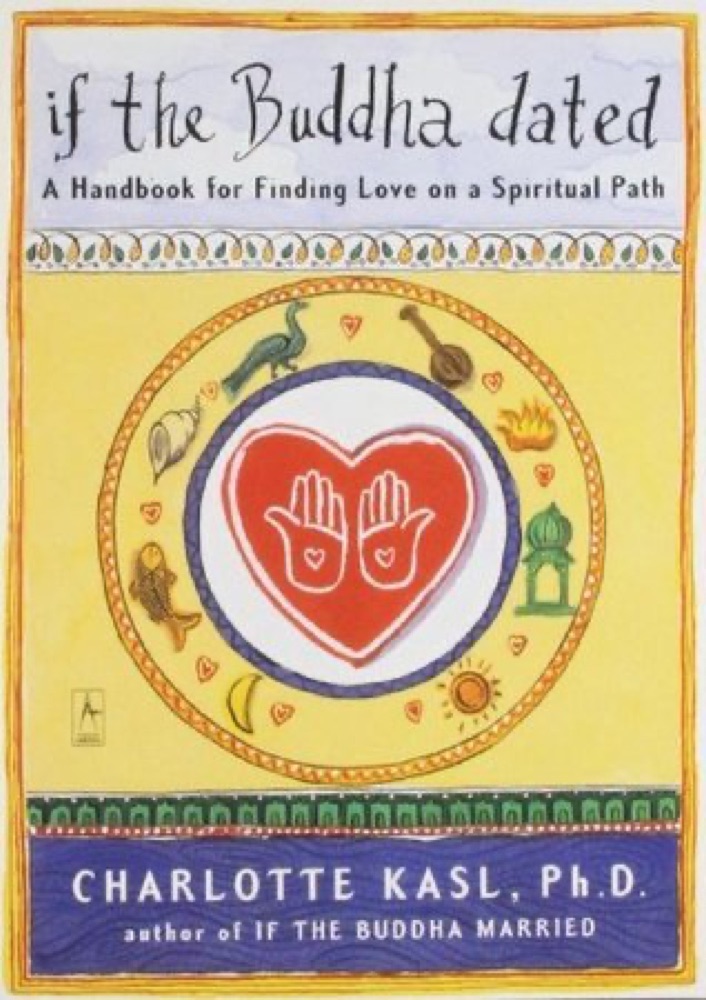 If the Buddha Dated: A Handbook for Finding Love on a Spiritual Path
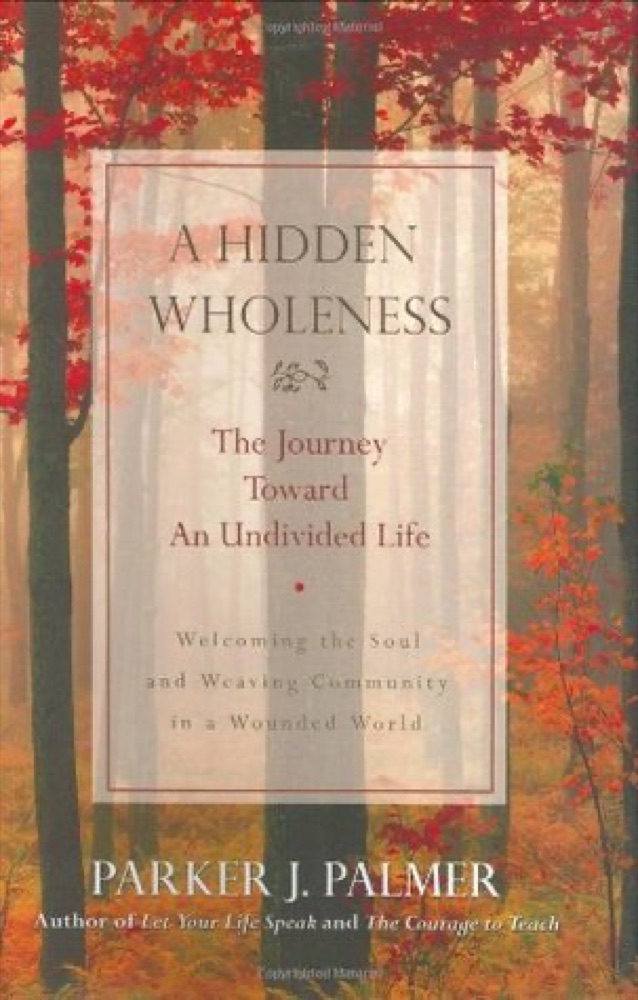 A Hidden Wholeness: The Journey Toward an Undivided Life : Welcoming the soul and weaving community in a wounded world
 Consolations: The Solace, Nourishment and Underlying Meaning of Everyday Words
 Let Your Life Speak: Listening for the Voice of Vocation
 Letter to My Daughter
 How to Be an Adult in Relationships: The Five Keys to Mindful Loving
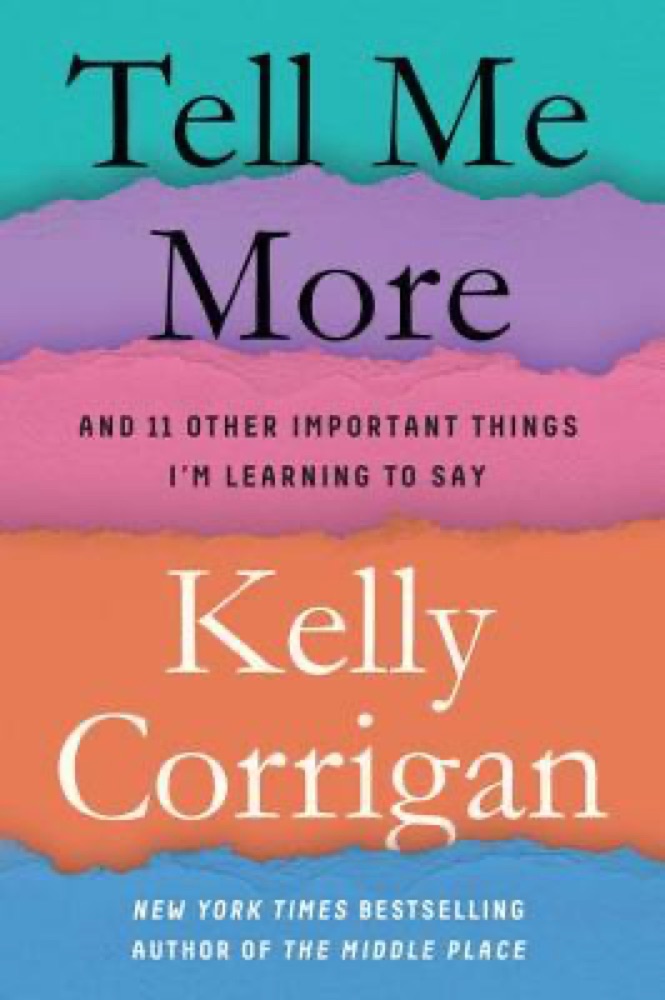 Tell Me More: Stories About the 12 Hardest Things I'm Learning to Say
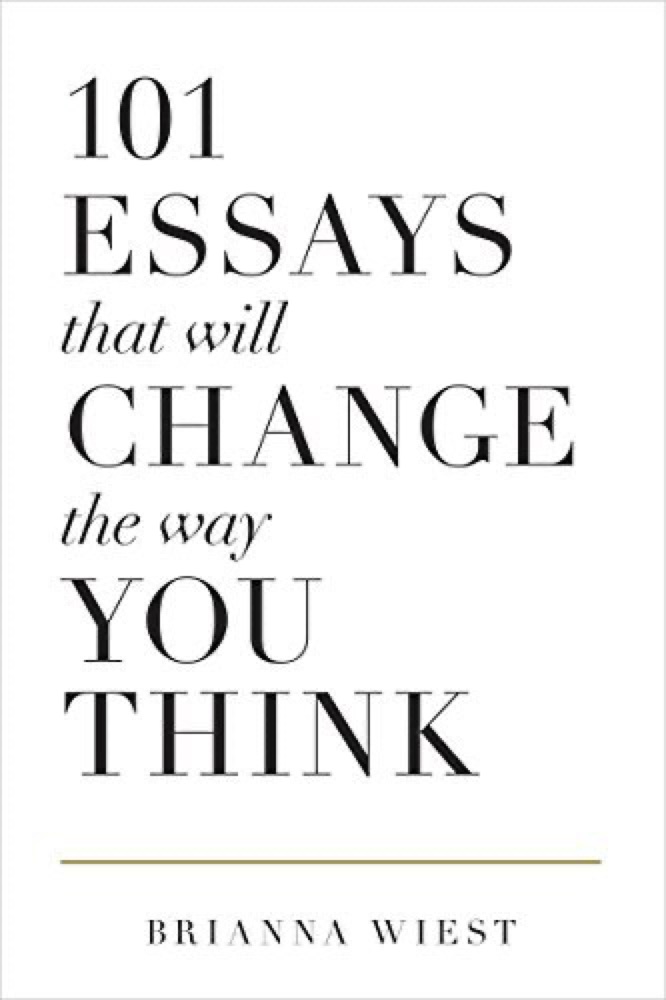 101 Essays That Will Change The Way You Think
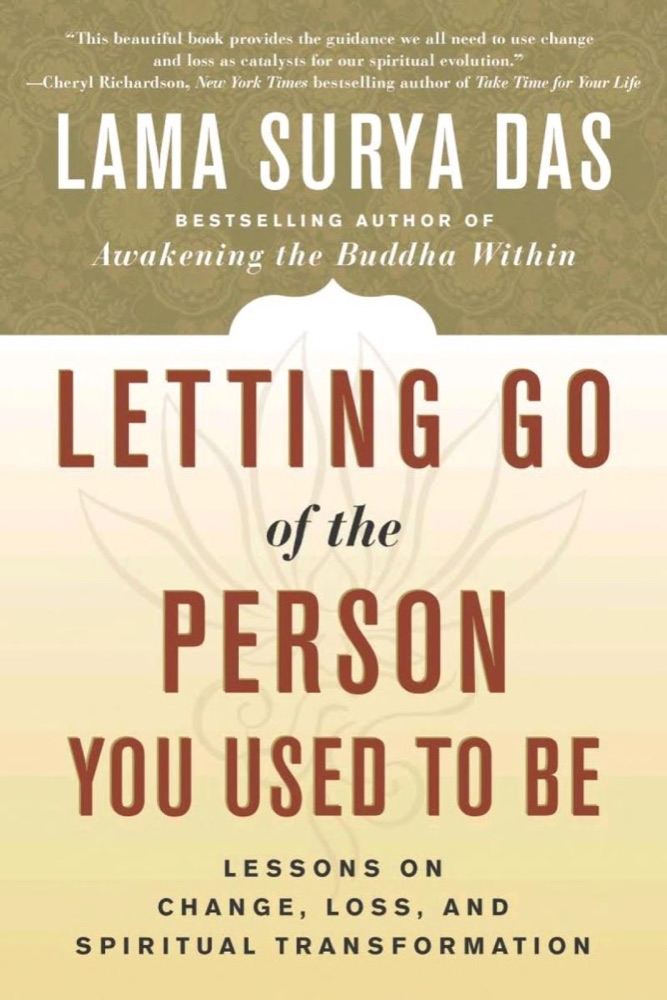 Letting Go of the Person You Used to Be: Lessons on Change, Loss, and Spiritual Transformation
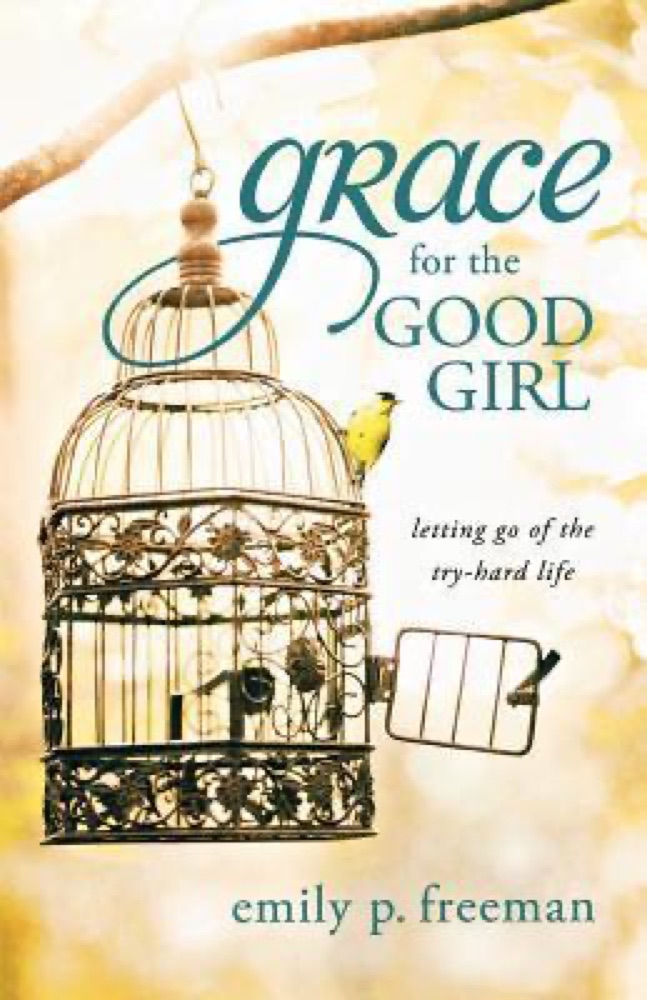 Grace for the Good Girl: Letting Go of the Try-Hard Life
 Brave, Not Perfect: Fear Less, Fail More, and Live Bolder
 Becoming Better Grownups: Rediscovering What Matters and Remembering How to Fly
 On Connection
 Almost Everything: Notes on Hope
 Self-Compassion: The Proven Power of Being Kind to Yourself
 Professional Troublemaker: The Fear-Fighter Manual
 Letting Go: The Pathway To Surrender
 Never Broken: Songs Are Only Half the Story
 See No Stranger: A Memoir and Manifesto of Revolutionary Love
 Surrender: 40 Songs, One Story
 Over the Top: A Raw Journey to Self-Love
 Radical Acceptance: Embracing Your Life With the Heart of a Buddha
 Love Warrior