
 The Laws of Human Nature
Quotes from the Book
Except in a very few matches, usually with world-class performers, there is a point in every match (and in some cases it's right at the beginning) when the loser decides he's going to lose. And after that, everything he does will be aimed at providing an explanation of why he will have lost. He may throw himself at the ball (so he will be able to say he's done his best against a superior opponent). He may dispute calls (so he will be able to say he's been robbed). He may swear at himself and throw his racket (so he can say it was apparent all along he wasn't in top form). His energies go not into winning but into producing an explanation, an excuse, a justification for losing.
47
Some things are only real because they represent what we think. When we learn the truth and think it, the old reality is no longer real to us and loses its hold on us. The truth sets us free.
29
Did I love what I was doing, or did I love myself in doing it?
23
It takes real feelings to create the illusion that others have power to offend and anger us. Projecting such interpretations upon everything around us is in many ways like living in a box of our own making... you might think of these walls as a falsification of reality-- a distorted way of seeing, feeling, and thinking about other people that makes them seem offensive or malicious or otherwise untrustworthy. Remember, the people are really there, but we all ourselves off from the truth about them by the false way we picture them... Living in a box means being convinced that other people and our circumstances are responsible for our feelings and our helplessness to overcome them. What we can't see when we're in the box is that the way the world appears to us is a projection, and that we are making this projection to justify ourselves in self-betrayal. We cannot see that it's not others' actions but our accusations that result in our feeling offended.
14
Who we are is how we are in relation to others
11
Personal growth is not like the development of a skill. It does not take place in observable increments that can be measured and charted. Indeed, as we have seen, when we're growing in sensitivity, generosity, and compassion, we're not aware of it, because we're not focusing on ourselves. The recovery of emotional freedom simply does not have the quality, for most of us, of a controllable sequence of transformations. It's more a career of discovering futher and further weaknesses and shedding them in turn.
8
When it comes to seeking a change of heart, our starting place must include our present situation, with the people we live with right here and now. It is with these very people that we must learn to forgo all taking of offense.
7
If we do not suspect ourselves of having been in the wrong, our search for what is right won't be completely sincere. Sincerely asked, the question, "What is right to do?" includes the question, "Might I be in the wrong?" With either of these questions we ask the other; we pull ourselves up short and start over. This is the key: Even in asking this question, if we ask it sincerely, we begin to change in our way of being; we begin to become the kind of person capable of doing the right thing without counterfeiting it.
7
Living in the box means being convinced that other people and our circumstances are responsible for our feelings and our helplessness to overcome them.
6
Still is just the right way to be. You rise in the morning to go about your day. You remember a friend who has troubles. You don't quibble with yourself about whether to call her; you don't write a reminder on your Palm Pilot or in your planner to make the call tomorrow. You just call. Simple.
6
Fable: When we're stuck in troubled feelings we believe that all our feelings are true-- that is to say, we believe that by our emotions at that moment we are making accurate judgments about what's happening. If I'm angry with you, I'm certain that you are making me angry. Fact: Though we truly have these feelings, they are not necessarily true feelings. More likely I'm angry because I'm misusing you, not because you are misusing me.
6
. . . we dedicate ourselves to finding evidence that we're acceptable and worthwhile. Whatever our particular outward style, from self-disparaging or fawning to arrogant or angry, we live as if we were defendants in a trial. The jury is composed of all of the people whose opinions we think are important; they're the ones we've got to convince. Unsettled by our insecurities, we await their judgement. But the jury members never come back with a final verdict. They forever hold us in suspense. Every hour or so, it seems, the foreman of the jury returns with a demand for more evidence. So we try again to win the jury's favor or at least to be found acceptable in their eyes, but nothing we can do will satisfy them once and for all. Why? Because from their individual points of view, THEY are the ones on trial. They are as concerned to have us validate their self-image as we are to have them validate ours. WE sit on THEIR jury. Therefore what they want from us is not evidence that will establish our acceptability but evidence that will establish theirs. They can't give us their final stamp of approval because they never fell completely approved of themselves.
4
In a self-betraying condition, how we present ourselves unavoidably becomes of the focus of our concern, and we mistakenly confuse it with how we really are.
4
Who we are is who we are with others. How they seem to us is a revelation of ourselves.
4
No se puede hallar una justificación para no hacer el bien a los demás a menos que encontremos, o inventemos, alguna razón por la que se lo merecen (un defecto o una característica despreciable que nos obligue a ignorarlos, corregirlos, humillarlos o castigarlos).
La autotraición se produce cuando actuamos en contra de esos sentimientos que acabamos de describir, cuando hacemos a los demás lo contrario de lo que sentimos que debemos hacer o cuando no hacemos lo que sentimos que debemos hacer.
Watch on YouTube
About C. Terry Warner
We have collected 16 quotes from 1 book by C. Terry Warner on BookQuoters.
More about the author →About the book
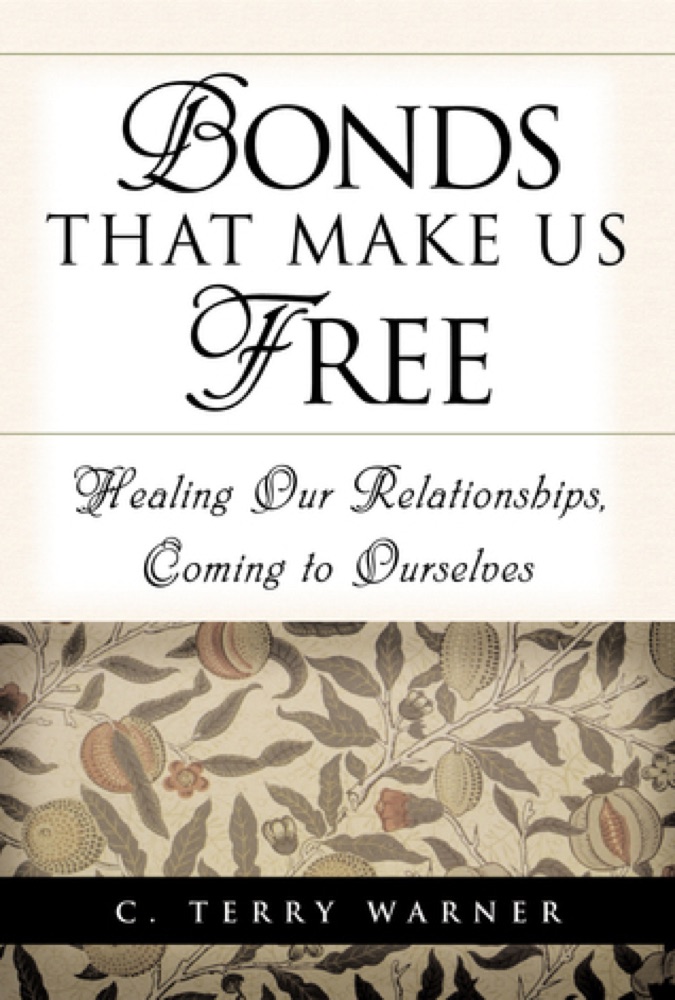
Life can be sweet. Our relationships with friends, spouses, colleagues, and family members can be wonderfully rewarding. They can also bring heartache, frustration, anxiety, and anger. We all know the difference between times when we feel open, generous and at ease with people versus times when we are guarded, defensive, and on edge.
Why do we get trapped in negative emotions when it's clear that life is so much fuller and richer when we are free of them?
Bonds That Make Us Free is a ground-breaking book that suggests the remedy for our troubling emotions by addressing their root causes. You'll learn how, in ways we scarcely suspect, we are responsible for feelings like anger, envy, and insecurity that we have blamed on others. (How many times have you said, "You're making me mad?")
Even though we fear to admit this, it is good news. If we produce these emotions, it falls within our
Book details
- First published
- 2001
- Author
- C. Terry Warner
- Genre
- Nonfiction
- Goodreads rating
- 4.30 (5k ratings)
Keep reading
The Laws of Human Nature
 Changes That Heal: How to Understand the Past to Ensure a Healthier Future
 Atlas of the Heart: Mapping Meaningful Connection and the Language of Human Experience
 The Four Agreements: A Practical Guide to Personal Freedom
 Nonviolent Communication: A Language of Life
 Radical Honesty : How to Transform Your Life by Telling the Truth
 Loving What Is: Four Questions That Can Change Your Life
 When Things Fall Apart: Heart Advice for Difficult Times
 101 Essays That Will Change The Way You Think
 The Art of Being
 Letting Go: The Pathway To Surrender
 A Return to Love: Reflections on the Principles of "A Course in Miracles"
 Welcome Home: A Guide to Building a Home for Your Soul
 Six Pillars of Self-Esteem
 The Mastery of Love: A Practical Guide to the Art of Relationship: A Toltec Wisdom Book
 On Connection
 Your Erroneous Zones: Step-By-Step Advice for Escaping the Trap of Negative Thinking and Taking Control of Your Life
 Us: Getting Past You and Me to Build a More Loving Relationship
 The World According to Mister Rogers: Important Things to Remember
 Selfie: How the West Became Self-Obsessed
 How to Stay Sane
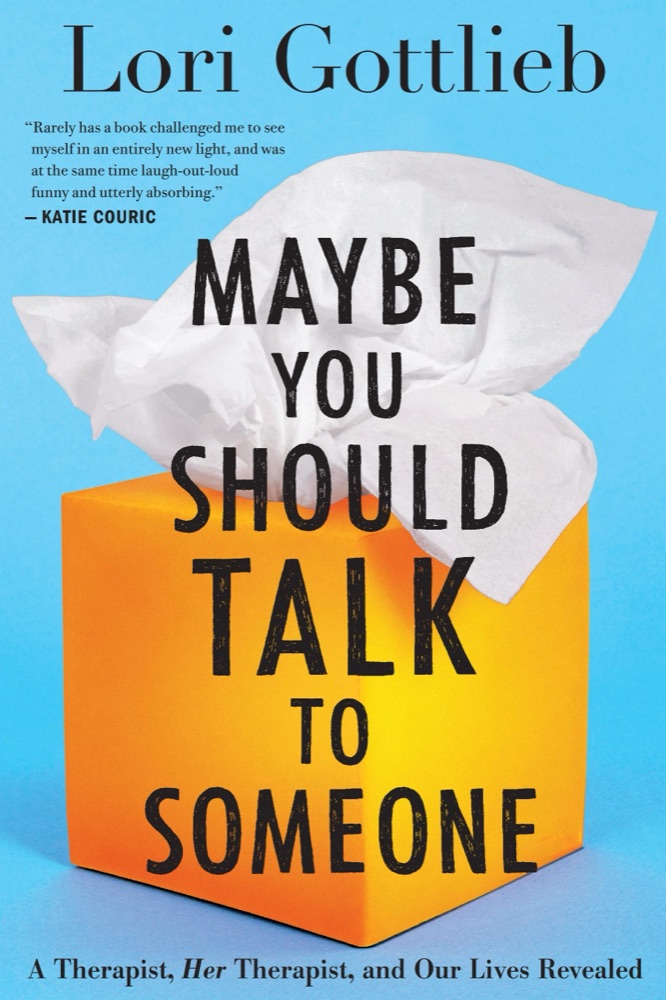 Maybe You Should Talk to Someone: A Therapist, Her Therapist, and Our Lives Revealed
 Kitchen Table Wisdom: Stories that Heal
 Like Streams to the Ocean: Notes on Ego, Love, and the Things That Make Us Who We Are
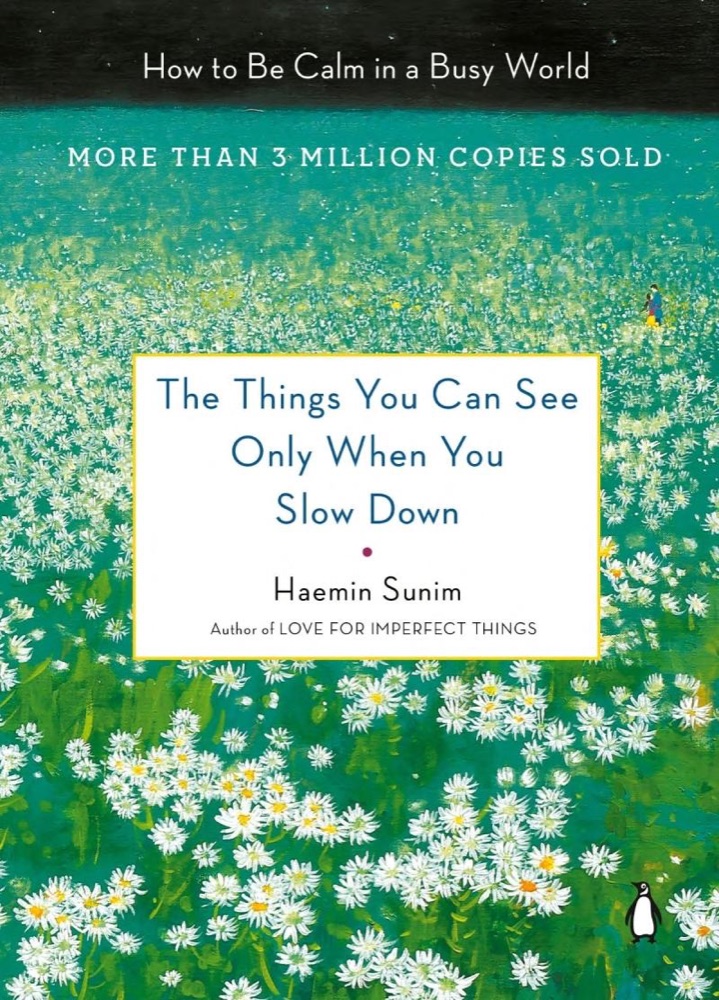 The Things You Can See Only When You Slow Down: How to Be Calm in a Busy World
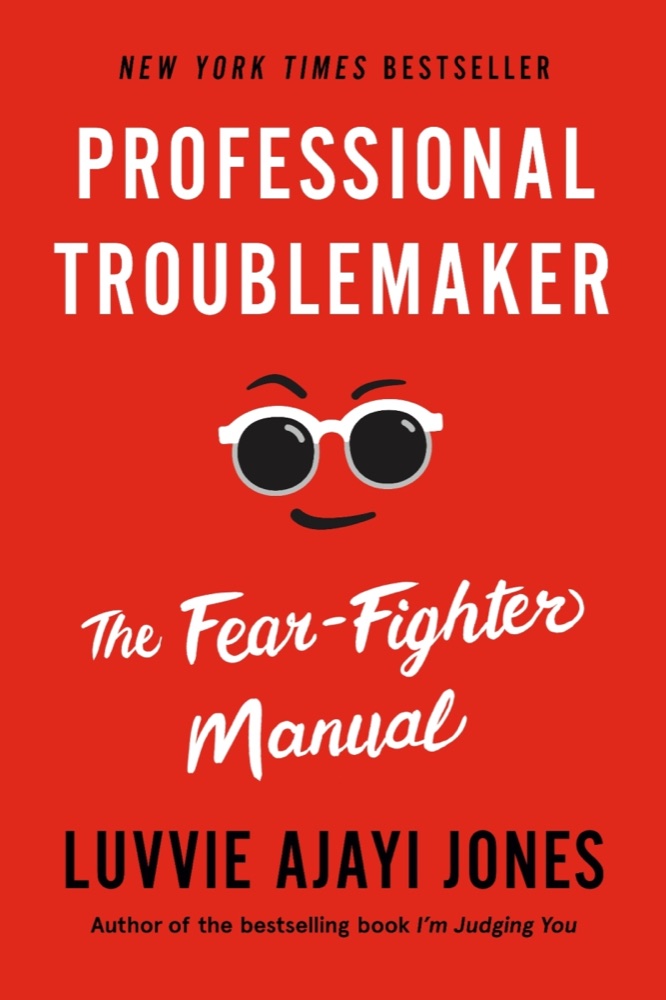 Professional Troublemaker: The Fear-Fighter Manual
 The Buddha Walks into a Bar . . .: A Guide to Life for a New Generation
 Codependent No More: How to Stop Controlling Others and Start Caring for Yourself
 The Light We Carry: Overcoming in Uncertain Times
 Never Broken: Songs Are Only Half the Story
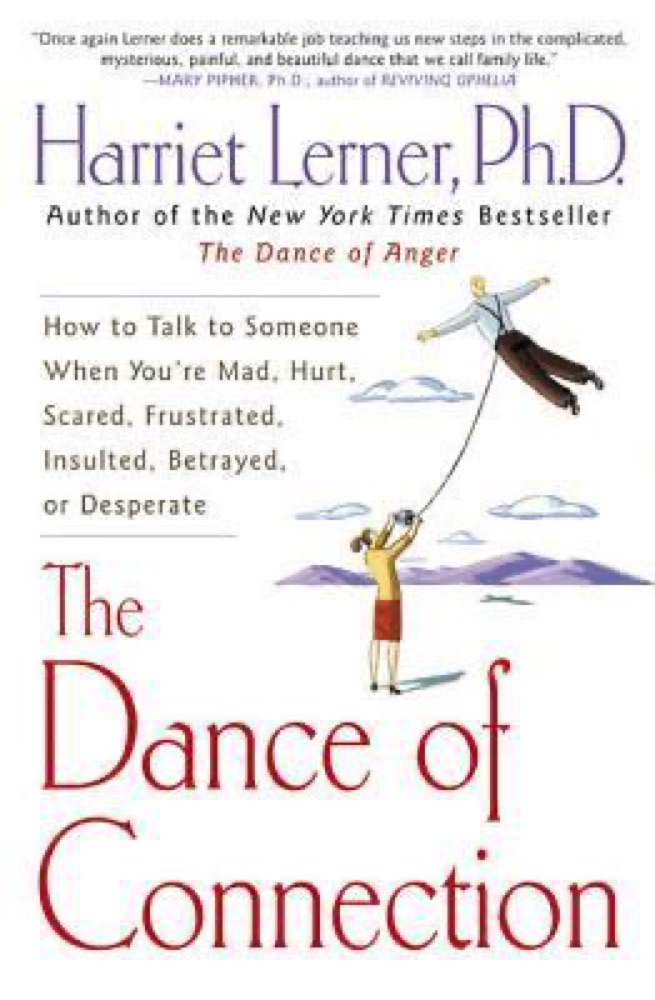 The Dance of Connection: How to Talk to Someone When You're Mad, Hurt, Scared, Frustrated, Insulted, Betrayed, or Desperate
 All Is Not Forgotten
 The Examined Life: How We Lose and Find Ourselves
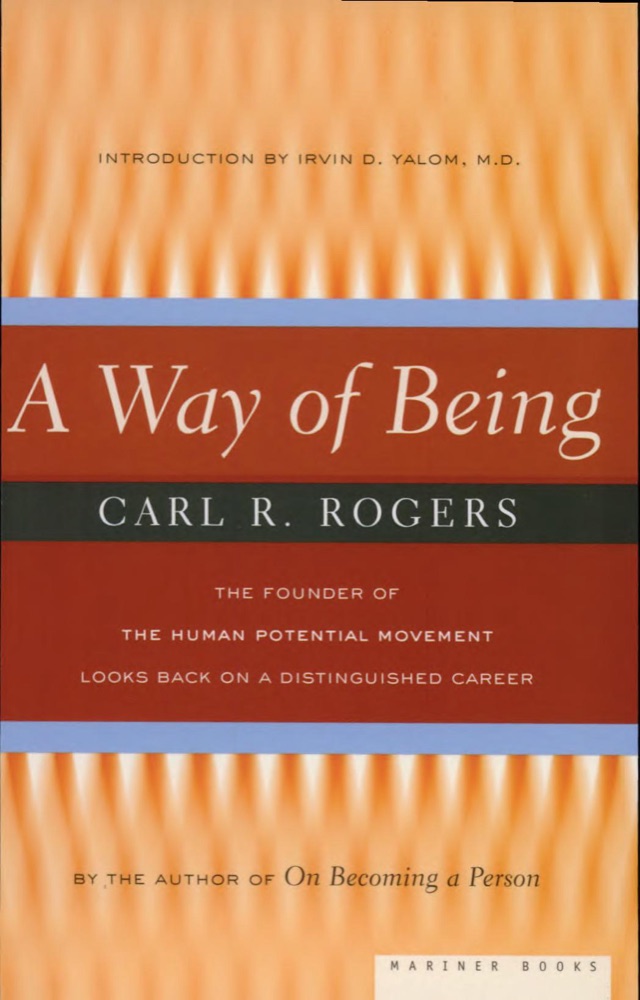 A Way of Being
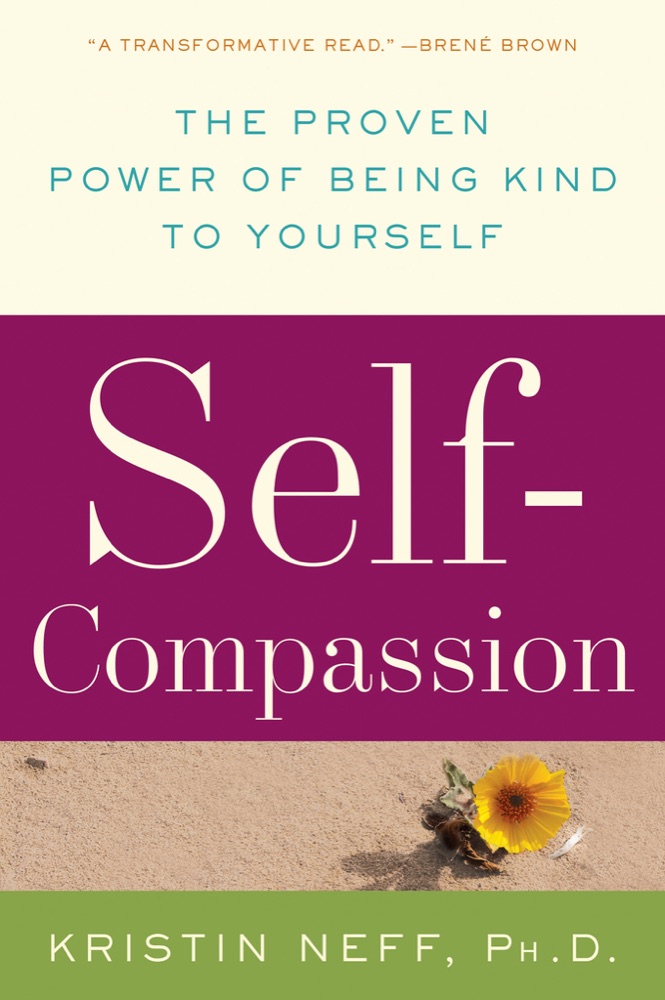 Self-Compassion: The Proven Power of Being Kind to Yourself
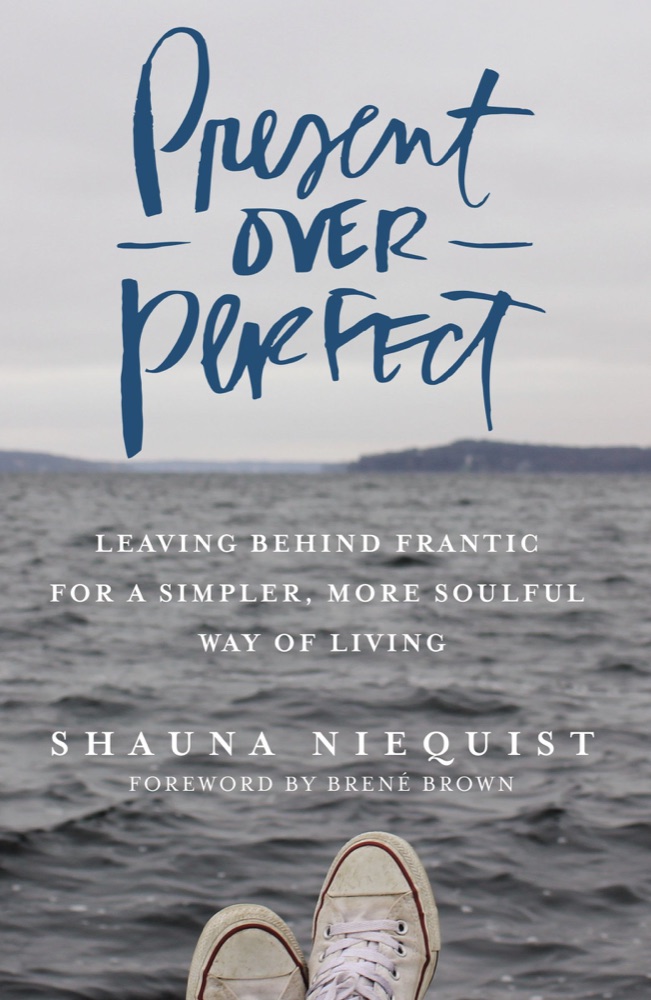 Present Over Perfect: Leaving Behind Frantic for a Simpler, More Soulful Way of Living
 Messages from the Masters: Tapping into the Power of Love
 Mind Platter
 The Courage to Be Disliked: How to Free Yourself, Change Your Life and Achieve Real Happiness
 We Learn Nothing
 Letting Go of the Person You Used to Be: Lessons on Change, Loss, and Spiritual Transformation
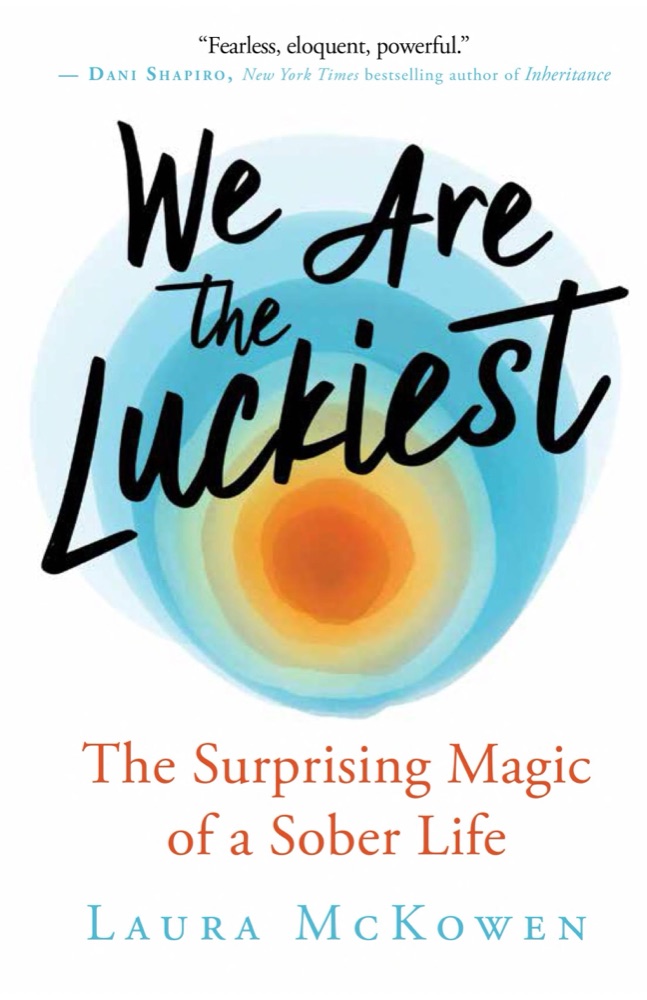 We Are the Luckiest: The Surprising Magic of a Sober Life
 In The Blood
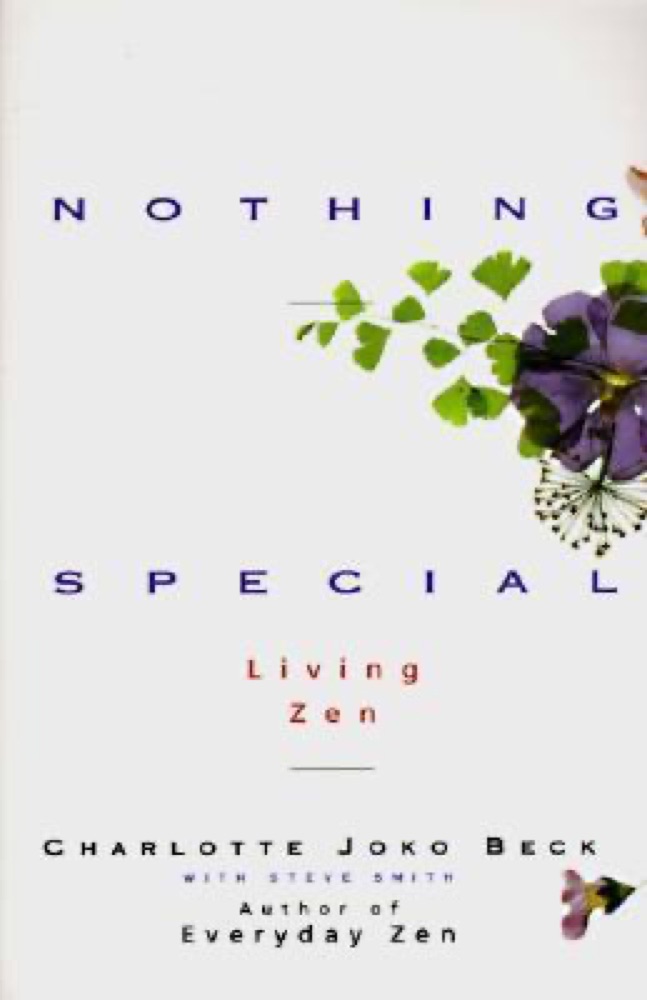 Nothing Special: A Zen Buddhist Guide to Awakening Through Daily Life's Feelings, Relationships, and Work
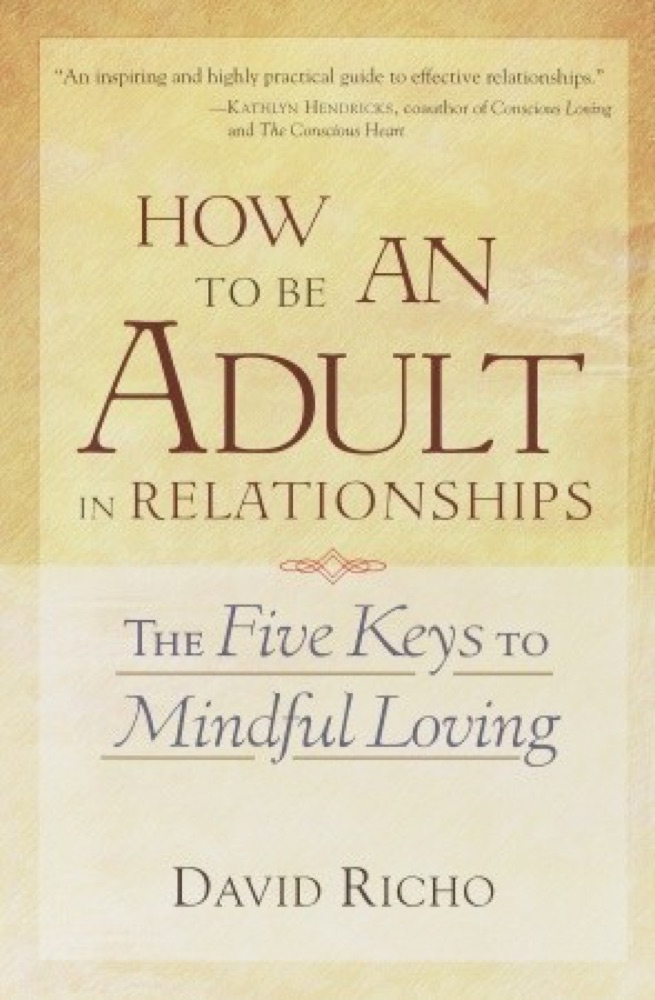 How to Be an Adult in Relationships: The Five Keys to Mindful Loving
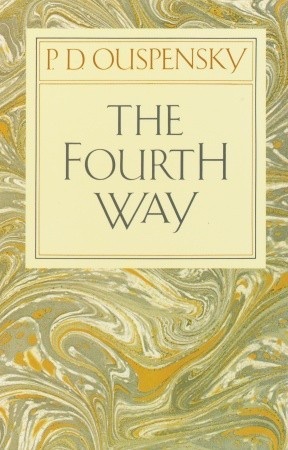 The Fourth Way
 Be a People Person
 Marcelo in the Real World
 Dare to Lead
 This Is How: Proven Aid in Overcoming Shyness, Molestation, Fatness, Spinsterhood, Grief, Disease, Lushery, Decrepitude & More. For Young and Old Alike.
 Feeling Good: The New Mood Therapy
 The Anatomy of Peace: Resolving the Heart of Conflict
 The Mountain Is You: Transforming Self-Sabotage Into Self-Mastery
 The Happiness Hypothesis: Finding Modern Truth in Ancient Wisdom
 Buy Yourself the Damn Flowers: The Self-Love Guide to Growing, Healing and Learning to Put Yourself First
 How to Be Free: An Ancient Guide to the Stoic Life
 The Art of Living: The Classical Manual on Virtue, Happiness and Effectiveness
 How to Stay Sane in an Age of Division
 The Subtle Art of Not Giving a F*ck: A Counterintuitive Approach to Living a Good Life