
 Trick Mirror: Reflections on Self-Delusion
Quotes from the Book
We are coached, above all, to prioritize our likability as the surest path to safety and survival.
13
We have been trained for goodness. Men, meanwhile, have been trained for power.
13
There is no greater lever for keeping women in poverty, in subservience, than to deny them the ability to determine their procreative future.
8
How many of us are spending our good anger on what everyone else is doing wrong—the blaming and shaming—rather than figuring out how to bring peace and change, first to ourselves, then to the world?
8
Women who have succeeded too well at becoming visible have always been penalized vigilantly and forcefully, and turned into spectacles.
7
We are not pawns in a battle between the dark and the light. We are human, a bridge between matter and spirit; we can find the middle and hold the line. We can sense that we are on a seesaw that’s bending out of control and that unless each of us comes into balance we will struggle to survive.
6
I was trying to be good. I had always been trying to be good. I ran myself ragged; cared dutifully for my family, friends, and colleagues; punished my body so that it stayed a certain size; kept my temper in check. What would happen if I just…stopped?
5
We are so used to functioning in this structure that it’s only when we attempt to break free that we can feel just how tightly we’ve been restrained.
5
We can denounce religion and reject its beliefs at a literal level, but its traditions, these tenets of “good” and “bad,” are woven into the fabric of society. They don’t need our approval or subscription to hold us captive. They operate in us on a subconscious level.
4
This denial prevents us from crediting ourselves (pride), pleasuring ourselves (lust), feeding and securing ourselves (gluttony, greed), releasing our emotions and asserting our needs (anger), relaxing (sloth), and desiring…really anything at all (envy). This denial keeps us from celebrating abundance, personal accomplishment, and fulfillment.
3
How many of us are compelled in our daily lives by what we think we should do? By what we have to do? In all this caretaking, we backburner our own needs, never lending them any heat, hoping, perhaps, that someone will notice our selflessness and reciprocate by taking care of us. This is often futile: It’s impossible not to feel resentful, to take that anger and turn it toward ourselves.
3
One study confirmed that women’s influence is so pegged to warmth and appearing caring and prosocial that the “performance plus confidence equals power and influence” formula that’s so effective for men blows up in women’s faces. The study’s author concludes: “Self-confidence is gender-neutral, the consequences of appearing self-confident are not.” Portraying confidence does not work for women, so telling women to simply be more confident is twisted.
3
Women are always deemed less essential, less important than men, even when these men are abusers.
3
Our culture has little tolerance for or interest in women past their procreative prime, and certainly we have no reverence for them. While we have sanctified old men and propped them up as the ultimate authorities—the priests, lawmakers, judges—we have exiled their counterparts.
3
When we overlimit ourselves, we become complicit in denying ourselves a full existence. We force ourselves to lead narrow lives. We fear crossing a line we can’t see. We don’t want to be perceived as wanting too much, or being too much; we equate “self-control” with worthiness.
2
One of Samantha’s best lines: “If I worried what every bitch in New York was saying about me, I’d never leave the house.” Too many of us continue to abide in that opinion prison.
2
They acknowledge that they know they’re better prepared and more competent than most of the men with whom they work; they just know better than to show it.
2
Its famous—and wildly wealthy—televangelists promise that “Wealth and Health” are God’s rewards to good people. If you don’t have either, it’s because of your own moral failing
2
In worrying about everything we do not want to be, in suppressing our instincts and impulses out of fear or shame, in attempting to be “good,” we’ve forgotten who we are—all special, all “divine” in our own individual ways. We’ve gone unconscious and, oddly, unnatural. We are so consumed with the doing—and the not doing—that we have forgotten how to be. We are so fixated on an authority “out there,” we’re missing the miracles inside, all the moments that illuminate our connection to something bigger within ourselves.
1
Misogyny should not be understood as a monolithic, deep-seated psychological hatred of girls and women. Instead, it’s best conceptualized as the ‘law enforcement’ branch of patriarchy—a system that functions to police and enforce gendered norms and expectations, and involves girls and women facing disproportionately or distinctively hostile treatment because of their gender, among other factors.
1
anger stems from our overlooked needs; instead of determining which needs are going unmet, we immediately begin analyzing and judging.
1
We live on a globe of abundance, though we are spending down its resources fast, racking up ecological debt. If we were to halt the excess, the frenzy, and bring it into balance, there would be plenty for us all. We are laboring under the misapprehension that we will run dry—that if we do not shore up a year’s supply of toilet paper, we will be left foraging for leaves, and that if we don’t have pantries lined with canned food we’ll never crack open, we’ll starve. These are lies, a function of a market that mediates between us and supply. We need to stop wasting one of the only nonreplenishable sources—our time—trying to control the future and steer our attention back to this moment. We’re here, what do we need?
1
Speaking our truth, honoring our stories, saying what we feel and want, is a relatively new experience, and we’re still learning how to share and receive other women’s stories without judgment.
1
We are at the mercy of other people—obligated to prove our value and worth to them, while simultaneously perceiving everyone beside and behind us as a threat.
1
I would be lying if I didn’t say there was an element of wanting to be liked that influenced my decision to close the deal without a real fight. I didn’t want to seem ‘difficult’ or ‘spoiled.’ At the time, that seemed like a fine idea, until I saw the payroll on the Internet and realized every man I was working with definitely didn’t worry about being ‘difficult’ or ‘spoiled.
1
She’s not concerned with fitting in or staying one with the group, a group defined by its reliance on not being all that. Her power doesn’t come from indirect sources: It’s based on herself, not the approval of others.
1
When you don't stop, you don't have to feel.
1
himpathy,” a term coined by philosophy professor Kate Manne to describe the ways in which we prioritize the emotions, health, and happiness of men over their female victims.
1
patriarchy’s dominance depends on the complicity and compliance of women and on the way we enforce these rules with each other, training our children to be obedient to this system as well. As they point out, children come to insert the word don’t before critical words: For boys, it becomes I don’t care; for girls, it is I don’t know.
1
Sometimes this human stuff is slimy and pathetic…but better to feel it and talk about it and walk through it than to spend a lifetime being silently poisoned.
Watch on YouTube
About Elise Loehnen
We have collected 30 quotes from 1 book by Elise Loehnen on BookQuoters.
More about the author →About the book
A groundbreaking exploration of the ancient rules women unwittingly follow in order to be considered "good," revealing how the Seven Deadly Sins still control and distort their lives and illuminating a path toward a more balanced, spiritually complete way to live
Women congratulate themselves when they resist the doughnut in the office break-room. They celebrate their restraint when they hold back from sending an e-mail in anger. They feel virtuous when they wake up at dawn to get a jump on the day. They put others' needs ahead of their own and believe this makes them exemplary. In On Our Best Behavior, journalist Elise Loehnen explains that these impulses--often lauded as unselfish, distinctly feminine instincts--are actually ingrained in women by a culture that reaps the benefits, via an extraordinarily effective collection of mores known as the Seven Deadly Sins.
Since being cod
Book details
- First published
- 2023
- Author
- Elise Loehnen
- Genre
- Nonfiction
- Goodreads rating
- 3.77 (11k ratings)
Keep reading
Trick Mirror: Reflections on Self-Delusion
 More Than Enough: Claiming Space for Who You Are
 A Woman's Worth
 The Truth Will Set You Free, But First It Will Piss You Off!: Thoughts on Life, Love, and Rebellion
 Dare to Lead
 Untamed
 Nonviolent Communication: A Language of Life
 Becoming
 Shrill: Notes from a Loud Woman
 The Master's Tools Will Never Dismantle the Master's House
 The Laws of Human Nature
 Sister Outsider: Essays and Speeches
 The Change
 Lean In: Women, Work, and the Will to Lead
 In The Blood
 Lead from the Outside: How to Build Your Future and Make Real Change
 12 Rules for Life: An Antidote to Chaos
 We Learn Nothing
 The Lucifer Effect: Understanding How Good People Turn Evil
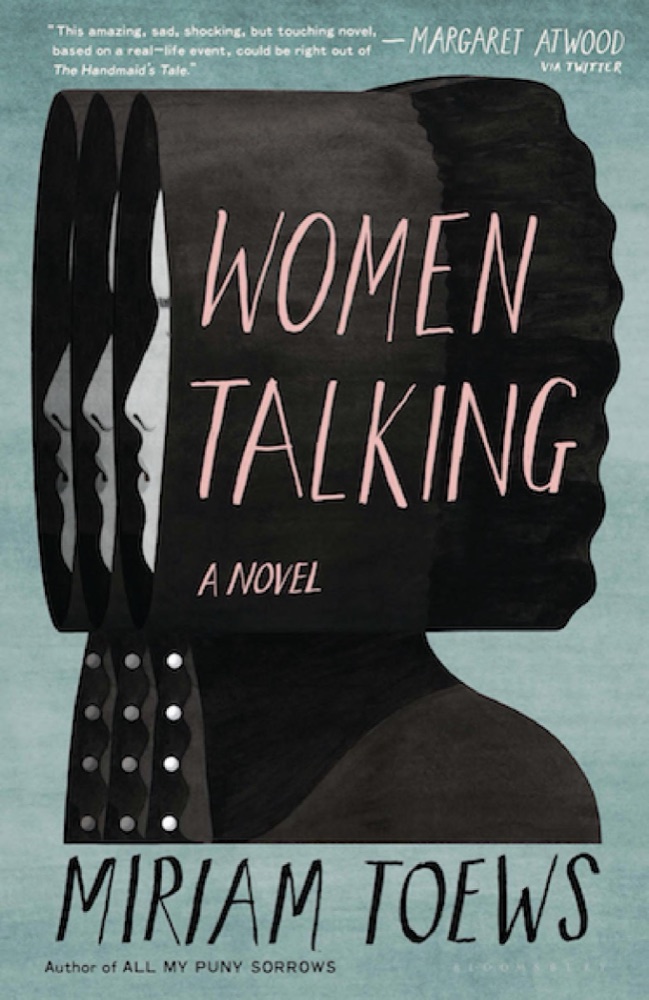 Women Talking
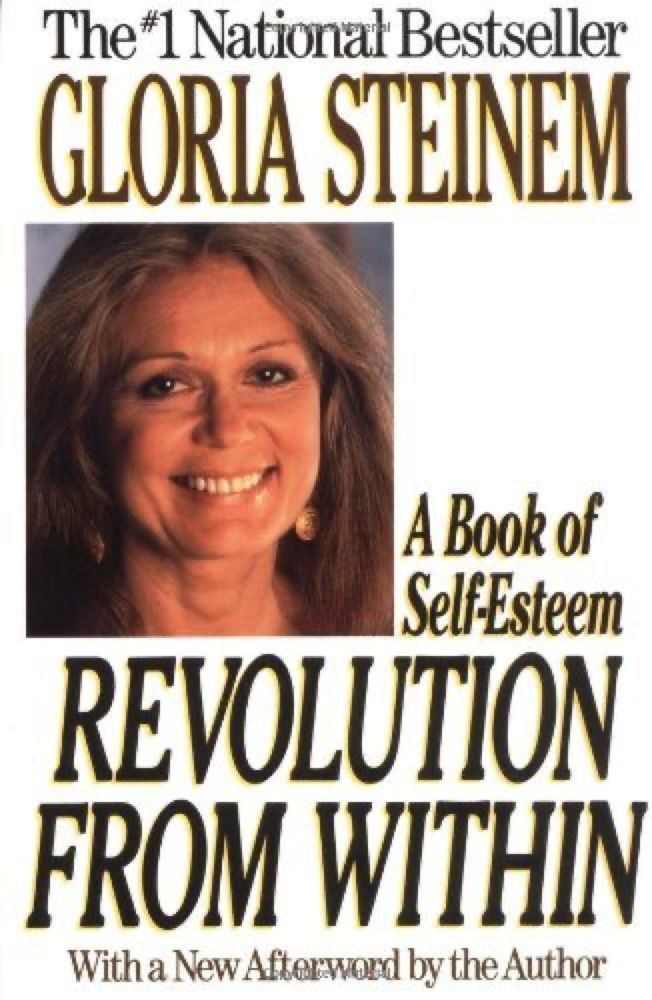 Revolution from Within: A Book of Self-Esteem
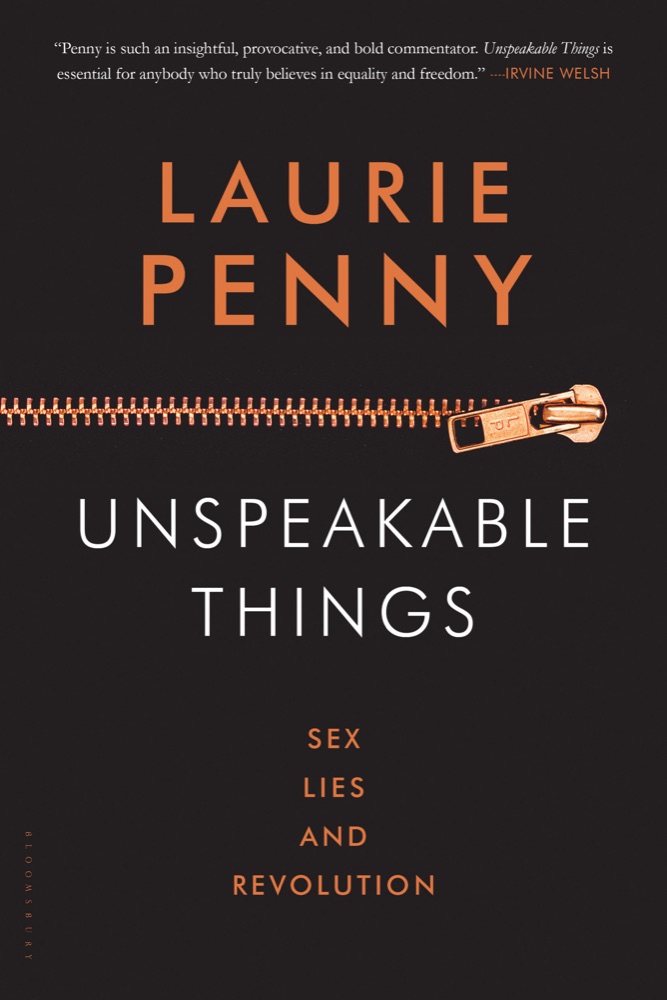 Unspeakable Things: Sex, Lies and Revolution
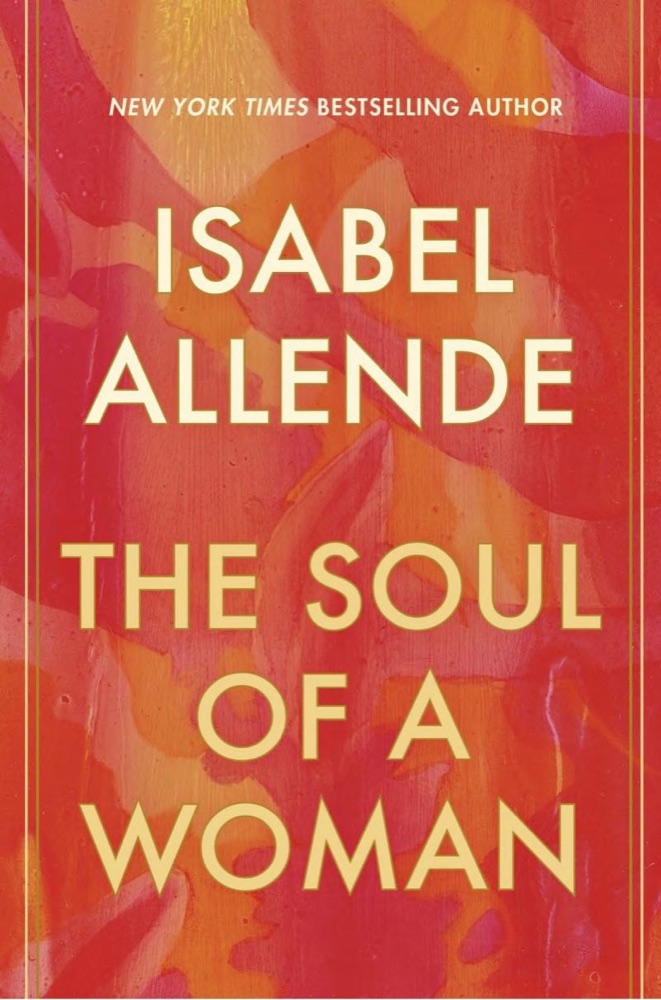 The Soul of a Woman
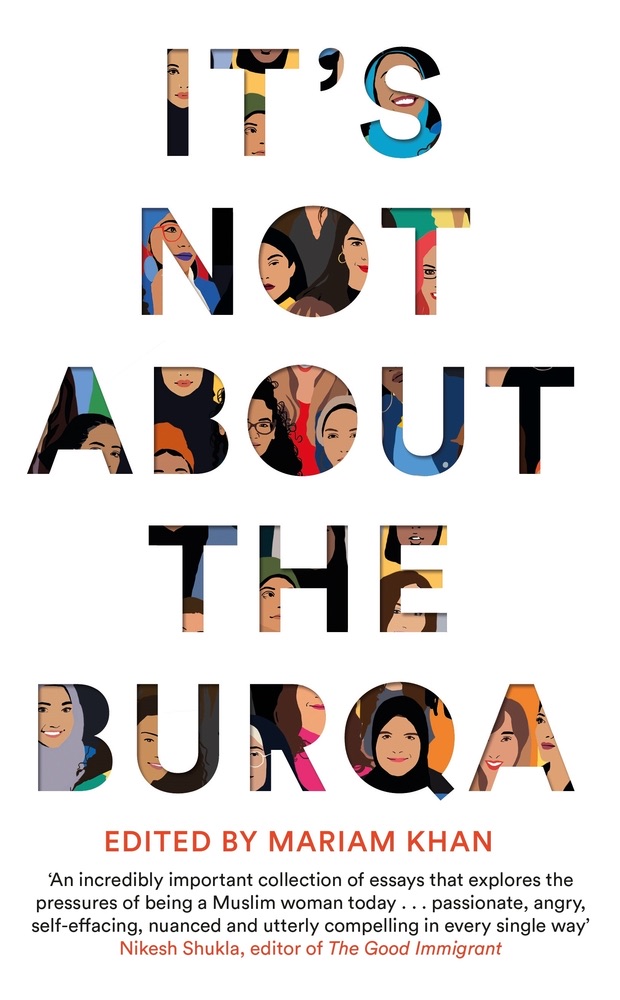 It's Not About the Burqa
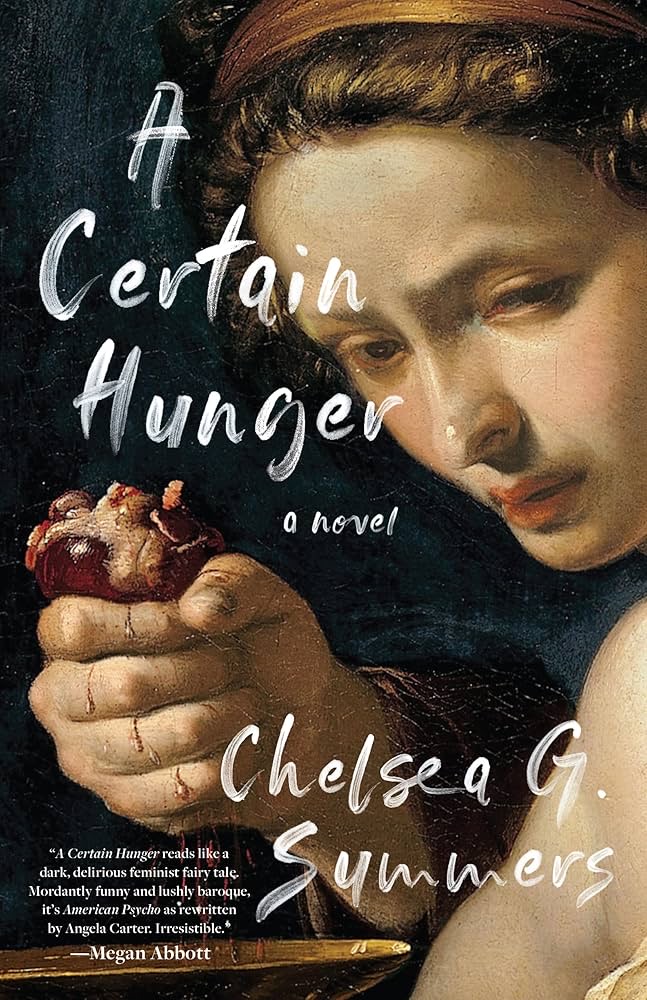 A Certain Hunger
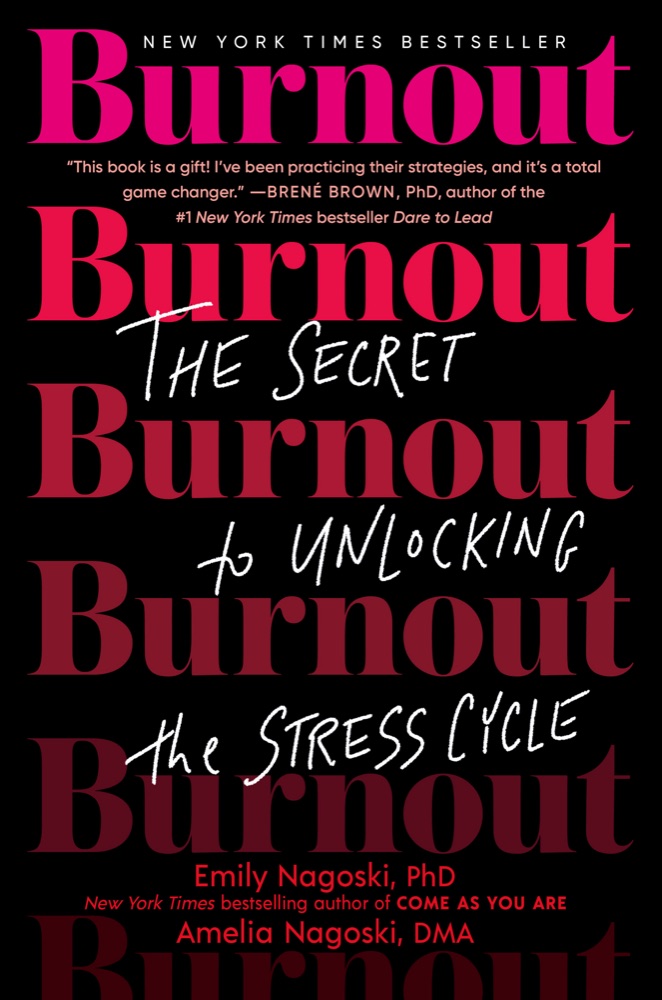 Burnout: The Secret to Unlocking the Stress Cycle
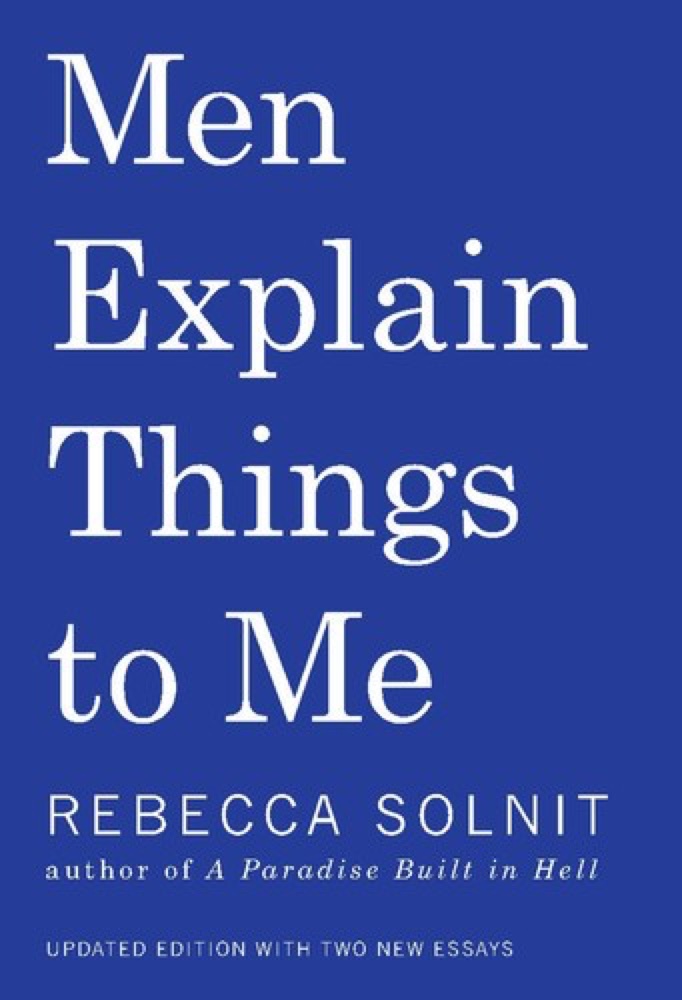 Men Explain Things to Me
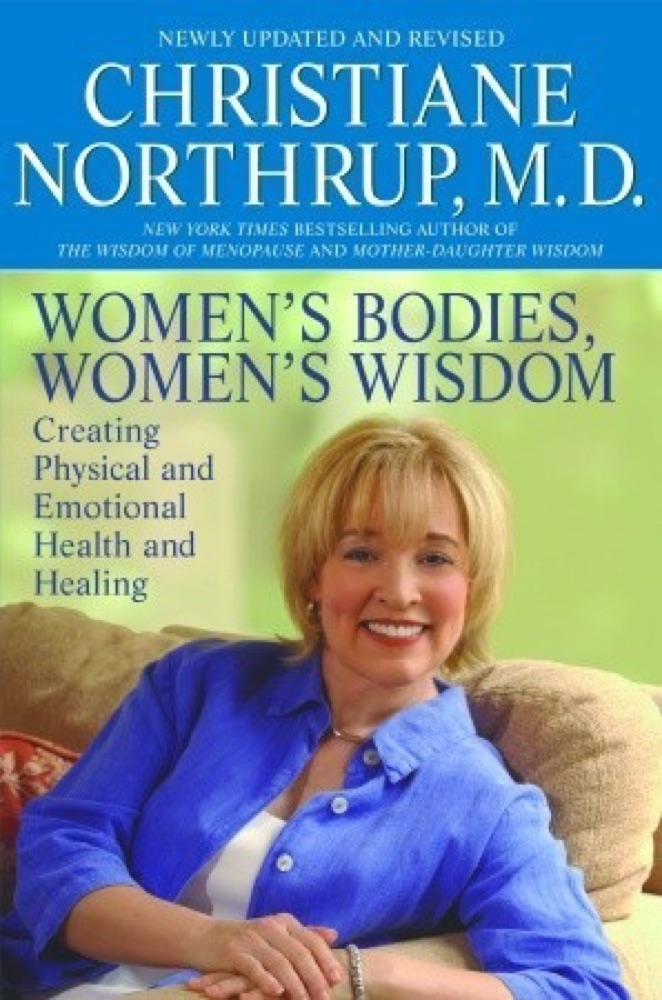 Women's Bodies, Women's Wisdom: Creating Physical and Emotional Health and Healing
 Selfie: How the West Became Self-Obsessed
 My Life on the Road
 Cunt: A Declaration of Independence
 Changes That Heal: How to Understand the Past to Ensure a Healthier Future
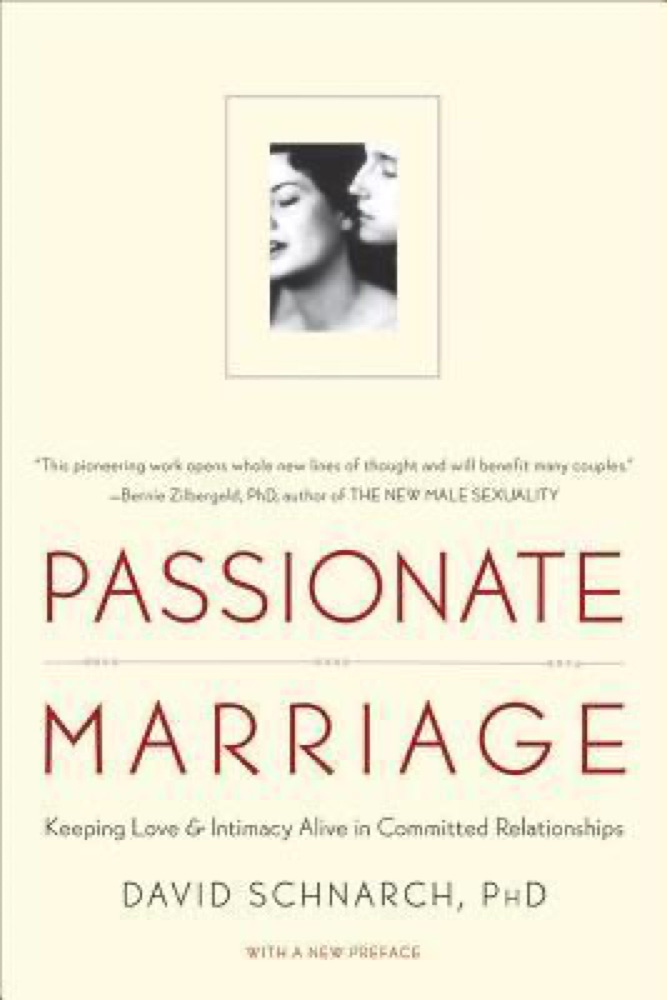 Passionate Marriage: Keeping Love and Intimacy Alive in Committed Relationships
 Status Anxiety
 The Witches Are Coming
 The Gift of Fear: Survival Signals That Protect Us from Violence
 Women Don't Owe You Pretty
 Paris: A Memoir for Young Women in the Age of Influencers
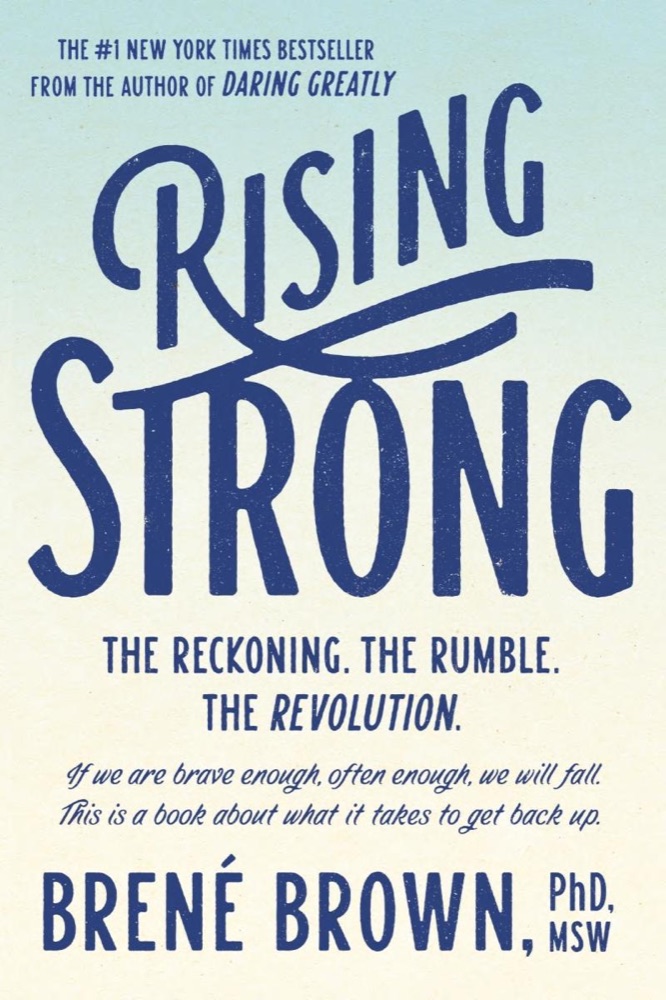 Rising Strong
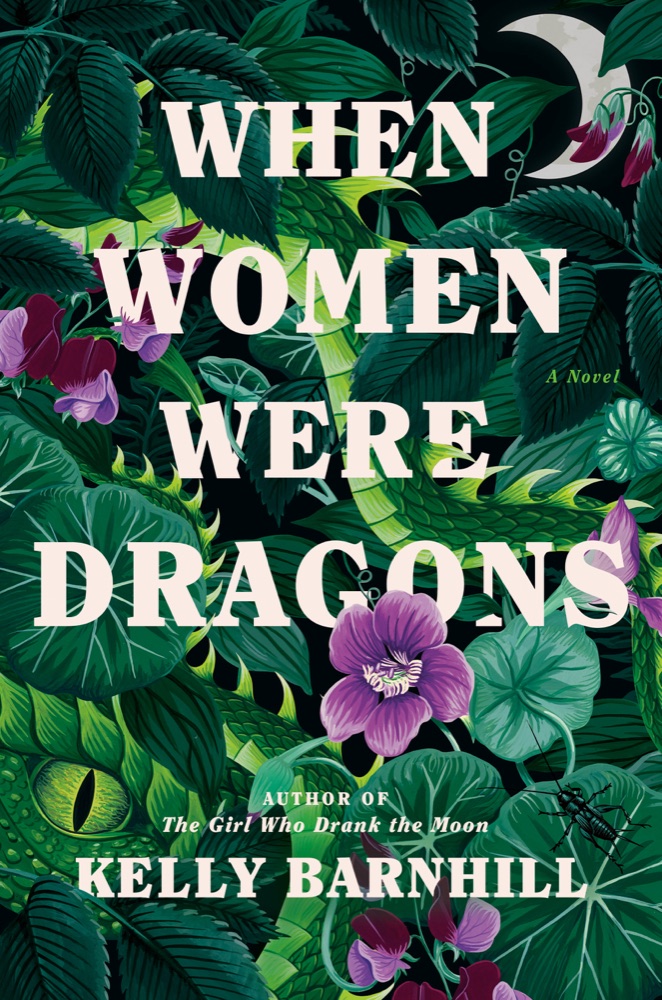 When Women Were Dragons
 The School of Life: An Emotional Education
 Six Pillars of Self-Esteem
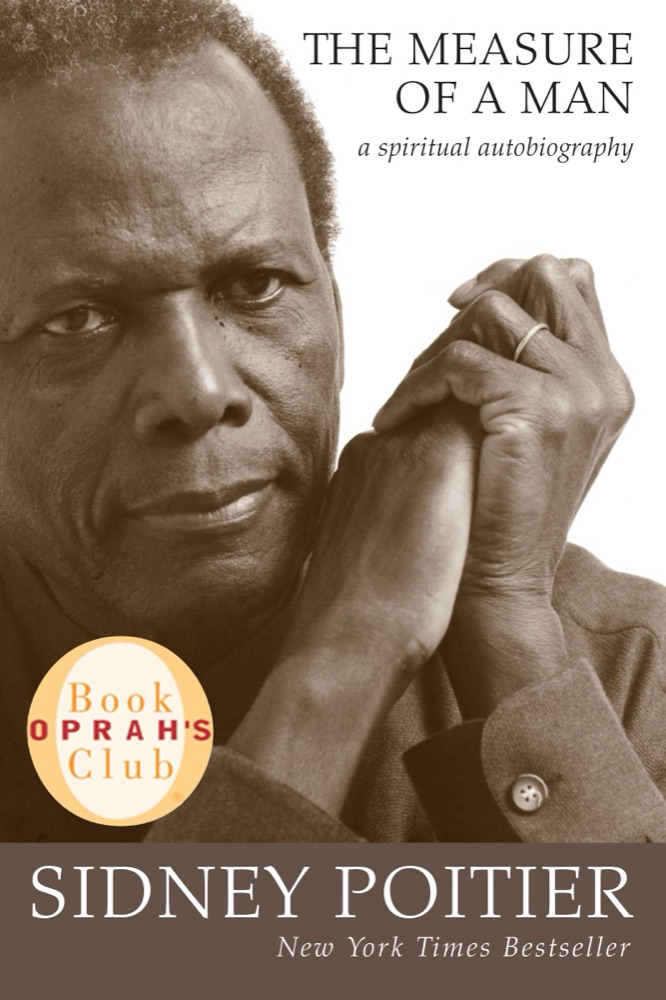 The Measure of a Man: A Spiritual Autobiography
 The Moment of Lift: How Empowering Women Changes the World
 Bright-Sided: How the Relentless Promotion of Positive Thinking Has Undermined America
 The Favorite Sister
 Seven Deadly Sins: Settling the Argument Between Born Bad and Damaged Good
 This Bridge Called My Back: Writings by Radical Women of Color
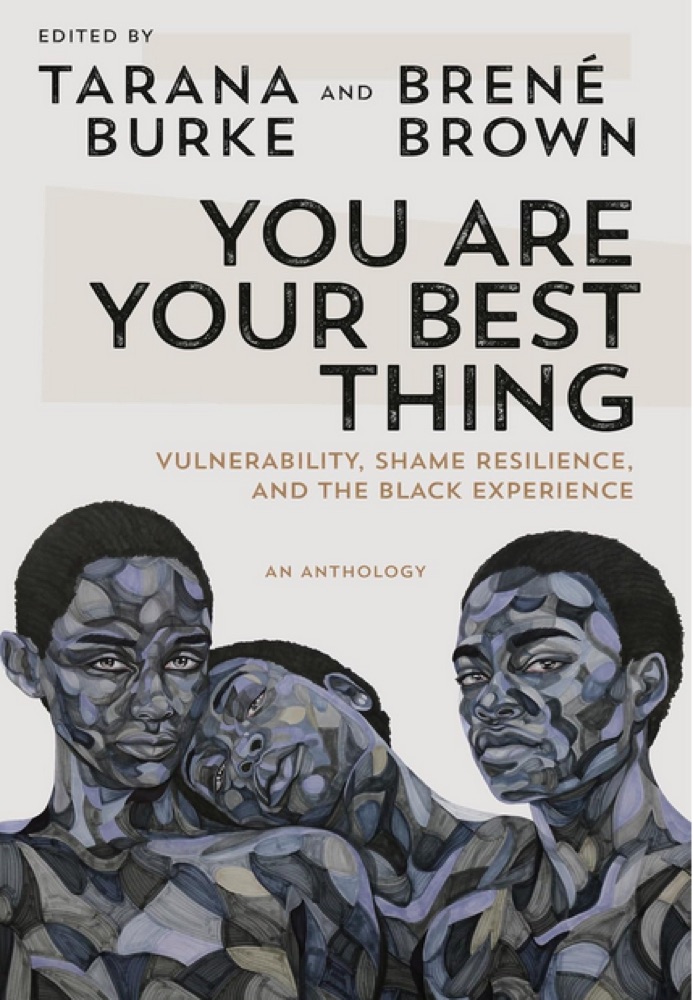 You Are Your Best Thing: Vulnerability, Shame Resilience, and the Black Experience
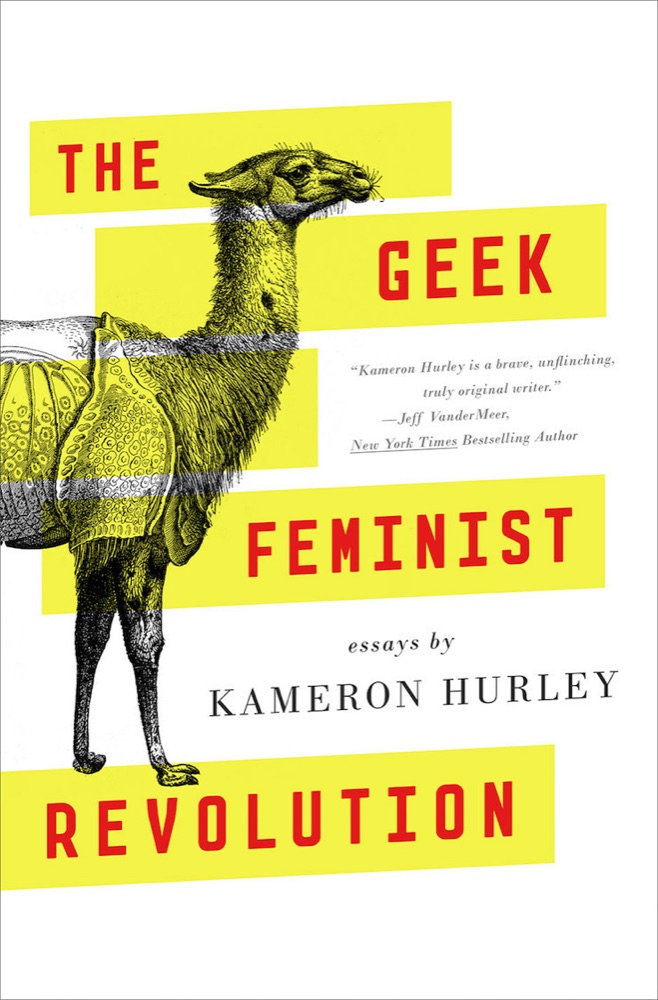 The Geek Feminist Revolution
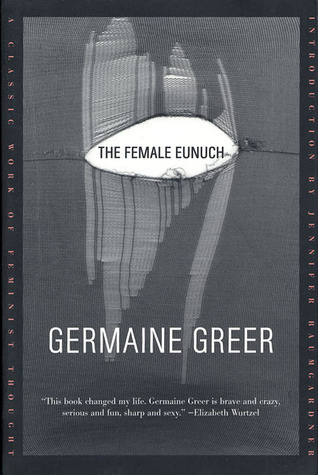 The Female Eunuch
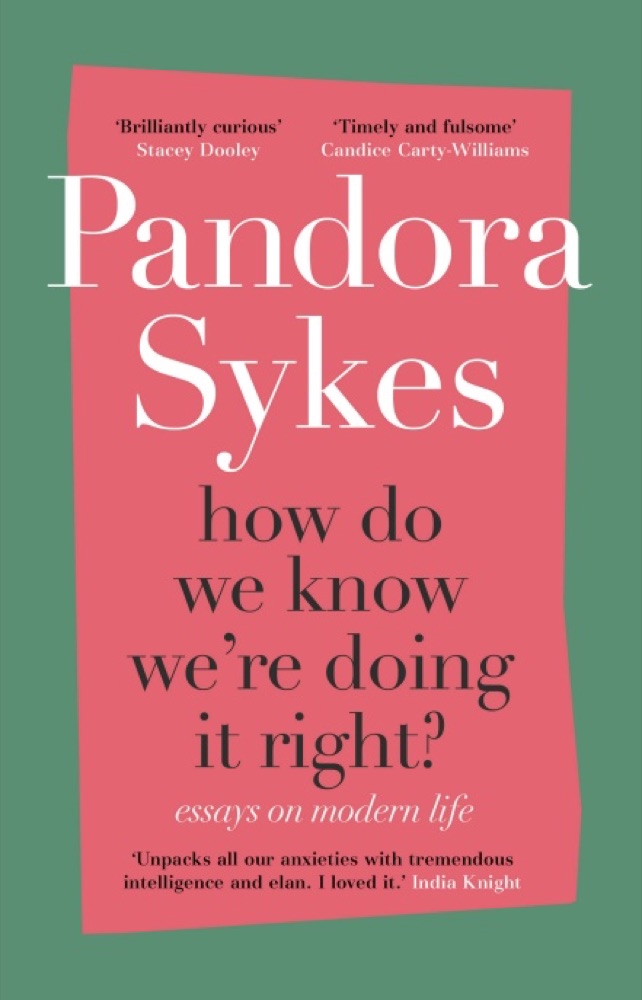 How Do We Know We're Doing It Right: & Other Essays on Modern Life
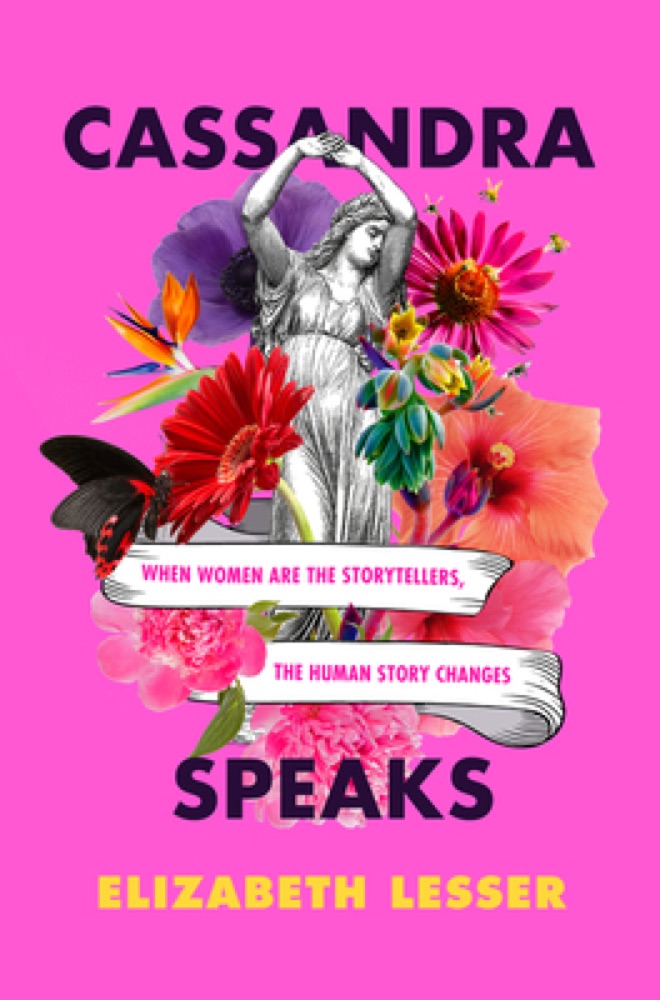 Cassandra Speaks: When Women Are the Storytellers, the Human Story Changes
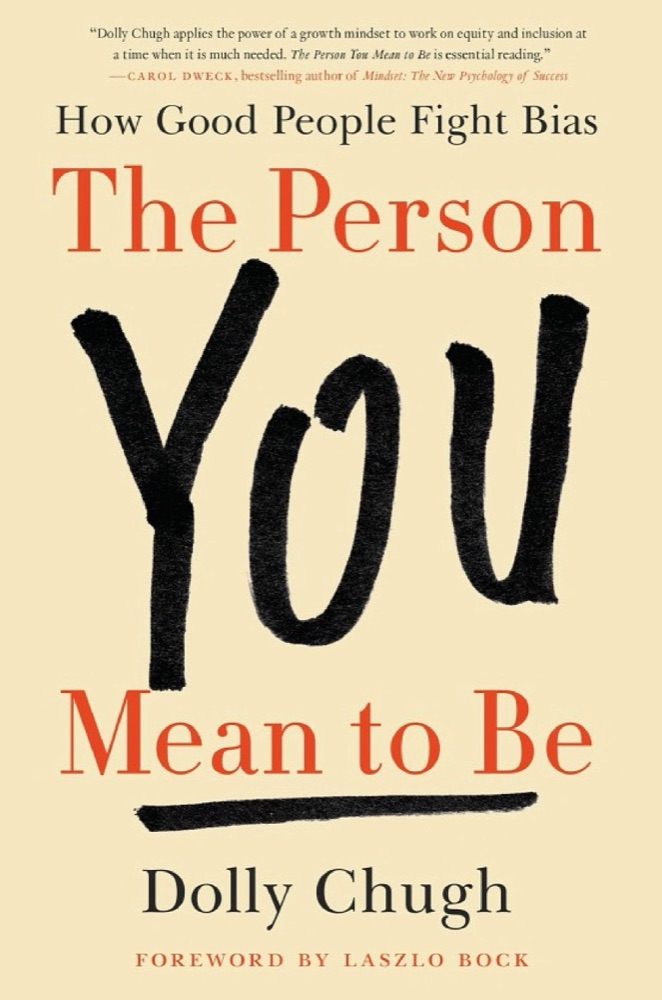 The Person You Mean to Be: How Good People Fight Bias
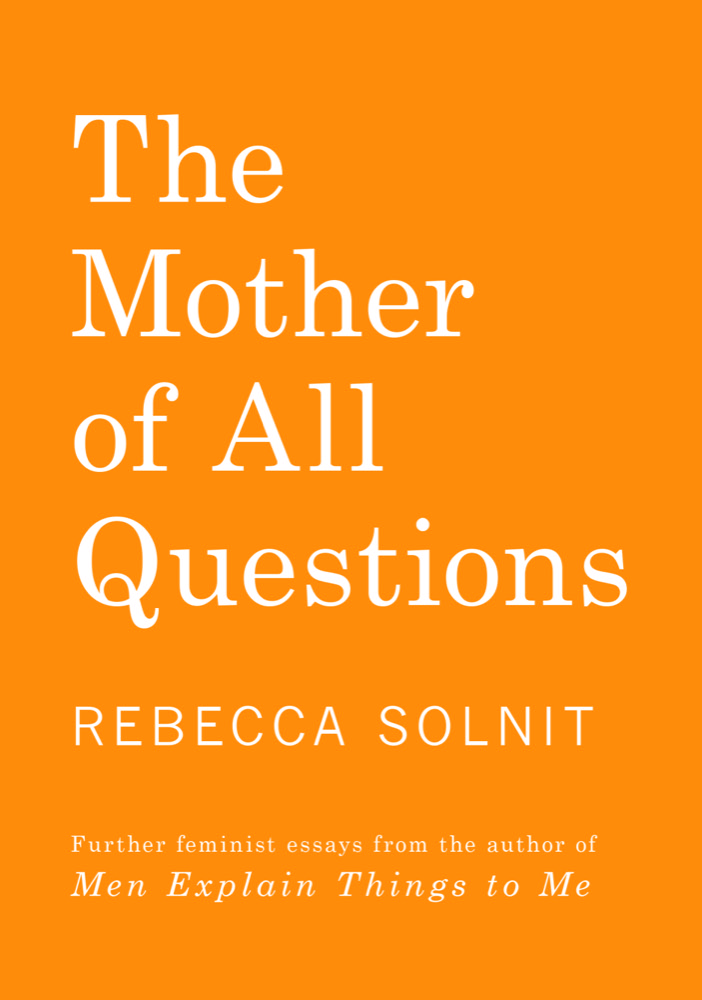 The Mother of All Questions
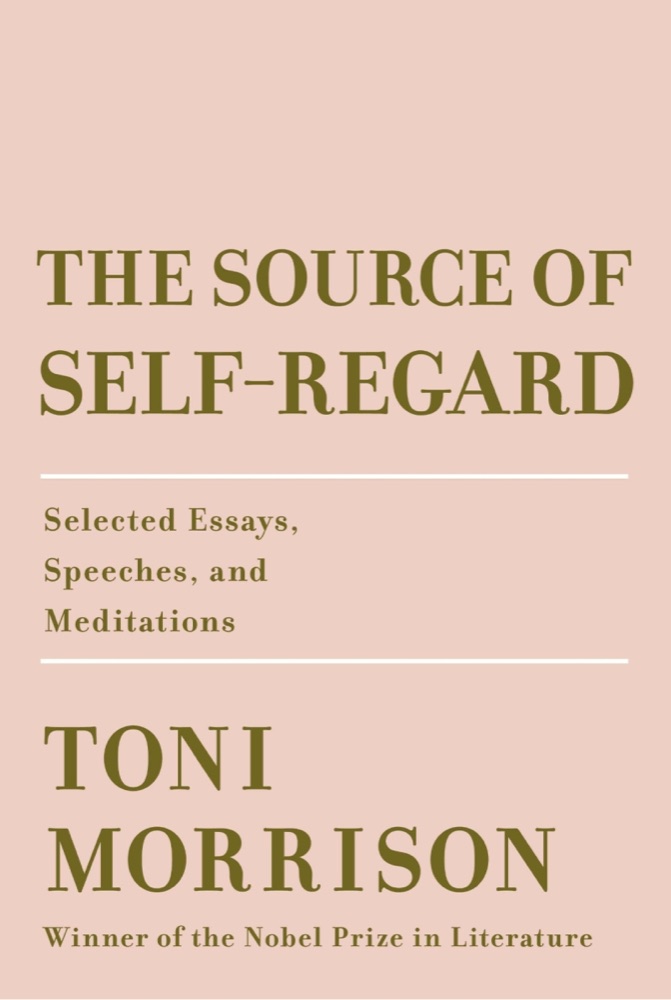 The Source of Self-Regard: Selected Essays, Speeches, and Meditations
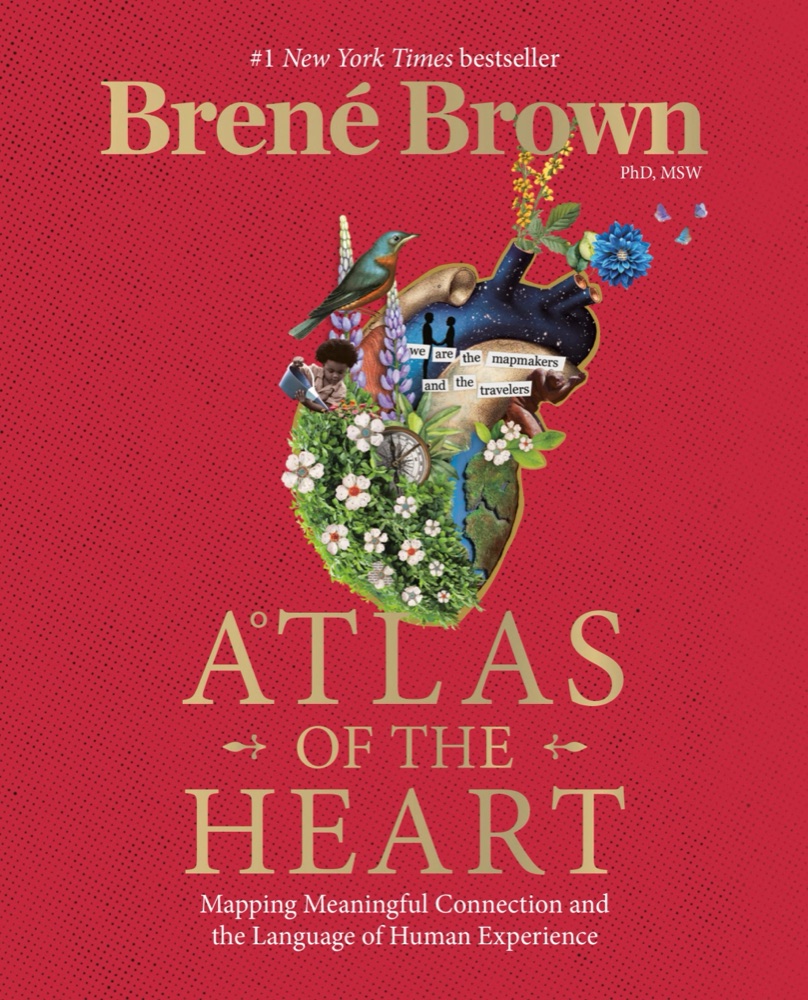 Atlas of the Heart: Mapping Meaningful Connection and the Language of Human Experience
 Bright Young Women
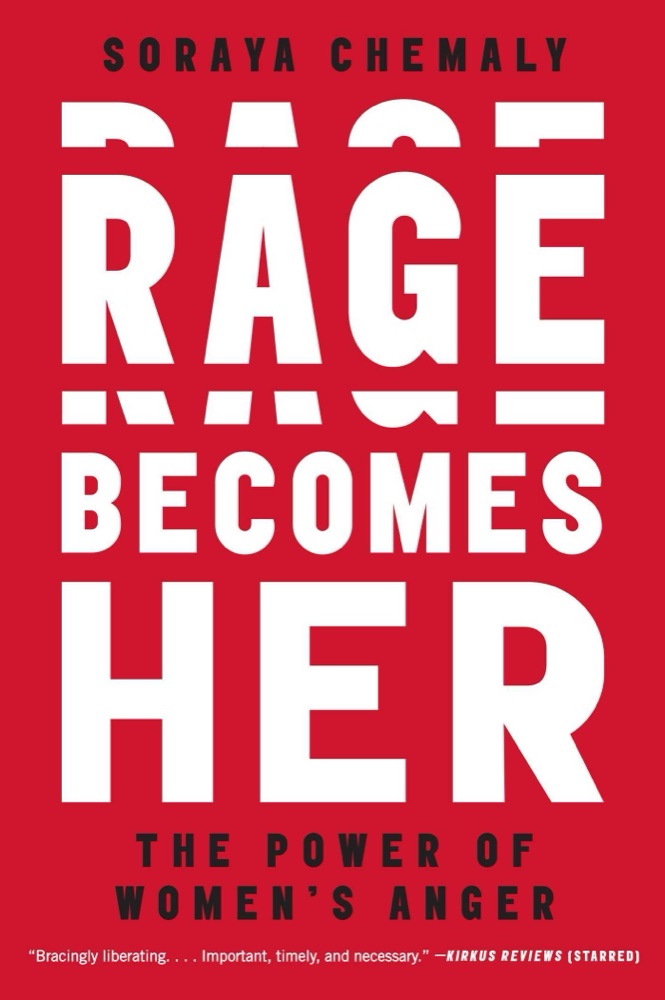 Rage Becomes Her: The Power of Women's Anger
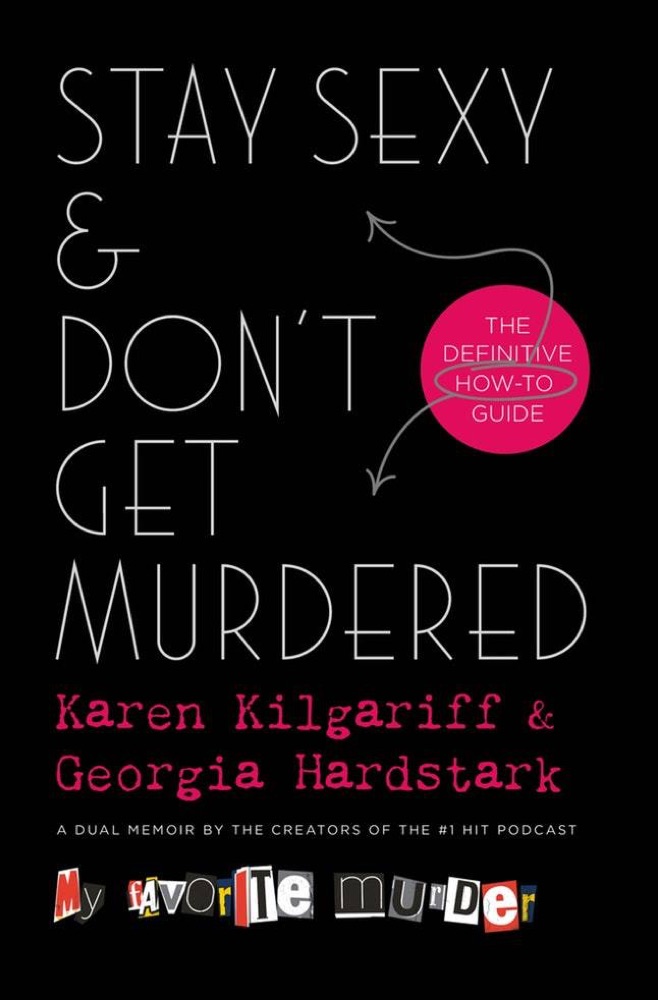 Stay Sexy & Don't Get Murdered: The Definitive How-To Guide