

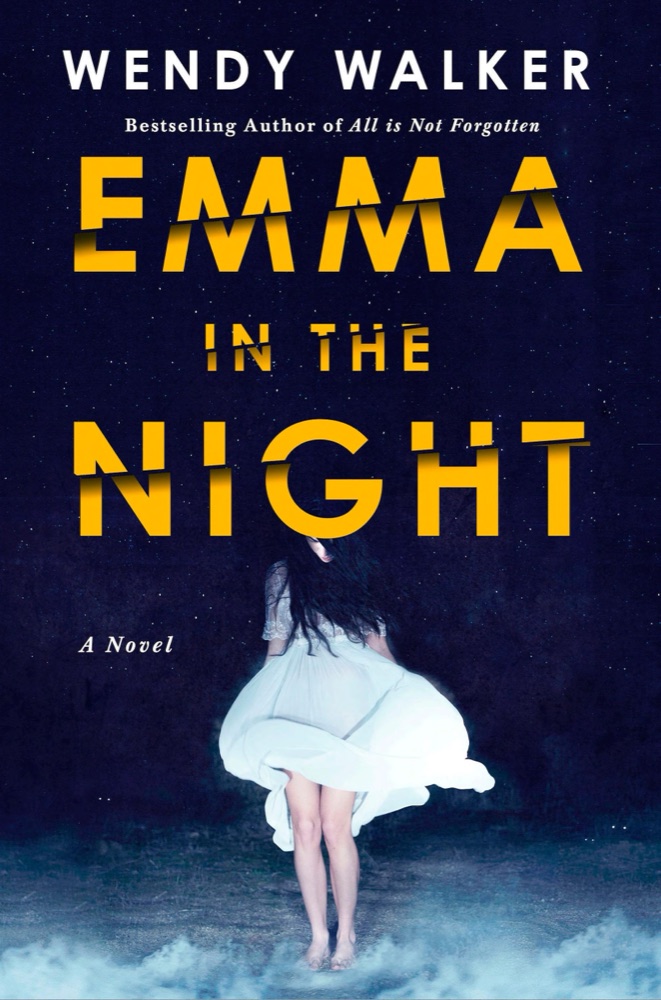
 Emma in the Night
Quotes from the Book
Sitting on my bed with all these things I used to love but not loving them anymore, I just wanted to set them on fire. That's when I knew I was never going to be all right again.
18
We are small, inconsequential beings. It is only our place in the hearts of others that fills us up, that gives us our purpose, our pride, and our sense of self. We need our parents to love us without condition, without logic, and beyond reason. We need them to see us through lenses warped by this love and to tell us in every way that just having us walk this earth fills them with joy.
12
I wanted to peel myself off of me.
8
He was that driven, that smart. But he could not sit still within himself.
7
Every brain is different. And so must be every course of therapy.
5
I tell my young patients, and my own children, that this is not their life. Not yet. What they are doing now is building a house. It is a house they will have to live in for the rest of their lives, so they’d better get it right. They will be able to remodel, redecorate, and repair. But they can never rebuild. Everything they put into this house, every emotional scar from a bad relationship, every sexual perversion they give in to, every opportunity they secure for themselves, every drug they allow to interrupt the maturing of their growing brains, will be forever in the foundation of that house.
4
But sometimes it becomes more than that. Sometimes the weaker loves, the lust-driven loves, the filling holes, turn into more. And sometimes those momentary connections, the ones that catch us off guard like a cold wind coming around the corner of a building, sometimes those stay put and then become an anchor for a more permanent connection.
3
It requires far more strength to experience emotion than to suppress it.
3
Things may need to be said, but not necessarily heard by the other.
2
Feelings do not require justification.
2
White lies, black lies, a million lies a million times every day, everywhere, by every one of us. We are all hiding something from someone. This
2
We have more than enough people to remind us of that, to give us dispassionate evaluations of our mediocrity.
2
Tengo muy claro que los hombres tienen una responsabilidad, y que es necesario que se den cuenta de que en cuestiones sexuales no estamos en igualdad de condiciones. Y no solo por fisiología. Por psicología también, porque las chicas todavía se sienten presionadas a hacer cosas que no quieren, y los chicos, los hombres, entienden muy poco cómo lo viven ellas
1
An instinct may explain a reaction. But that does not mean the reaction
1
How is it we can do those things, things that feel permanent, like even if the relationship ended, those feelings would still be there? It makes me not believe in anything, in any feeling, in any profession, in any love at all. It's all just bullshit. Just hormones and lust and needs and filling people's gaps, the holes in their souls. We all just use each other, don't we? Nothing is what it seems.
1
The seeds of doubt grow like weeds when given enough sun. Enough water. Enough nurturing.
1
Empathy is defined this way: “the ability to share and understand the feelings of another.” Women talking for hours at a lunch. Men walking the golf course together every Sunday morning. Teenage girls glued to their phones. This is when we tell our stories, sometimes in meticulous detail, watch the expressions in others as they take in the words. We extract from them their sympathy, their joy, their understanding. We do this so we are not alone as we walk slowly toward our death. Empathy is at the very core of our humanity. Life is pain without it.
1
Reading parenting books—and all self-help books, as far as I’m concerned—is the equivalent of learning math from a dog.
1
years: You. Your spouse. Your child. Your friends. The people who love you. The people who hate you. Terrorists in the Middle East. The politicians raising your taxes and making bad policies. The teacher who gave your son a bad grade. The couple who didn’t invite you to a dinner. I have gone down this mental path when things have upset me. I find it puts life in perspective. It can be a good thing, to remember that there is very little that truly matters. A bad grade. A dumb politician. A social slight. Unfortunately, there are things that do matter. Things that can ruin what little time we have here. Things that cannot be done over or remedied. These are the things that we regret. And regret is more devious than guilt. It is more corrosive than envy. And it is more powerful than fear.
1
There is one kind of love that is not amorphous, and that is the love of one’s own child. I spoke about this when discussing Tom Kramer’s childhood, if you recall. Both from an experiential standpoint as well as a clinical one, I know—it’s not just a belief—that we are genetically designed to die for our children. And if we are willing to die for them, we must feel in our bones that they are worthy of our death. And by the course of reason, we must see them as more worthy than everyone else we are not willing to die for. For most of us, with the exception of soldiers who are trained to die for others, that “everyone else” is truly everyone else in the world. We say we would die for our spouses, or at least some people say this, but I do not believe it is true. I do not believe, in that moment of truth, there is any husband who would throw himself in front of that proverbial bus to save his wife. Nor is there a wife who would jump out to spare her husband. Only for a child. Only for a child.
I know I belabor this analogy, but I have come to see these teenage years as a construction project. I tell my young patients, and my own children, that this is not their life. Not yet. What they are doing now is building a house. It is a house they will have to live in for the rest of their lives, so they’d better get it right. They will be able to remodel, redecorate, and repair. But they can never rebuild. Everything they put into this house, every emotional scar from a bad relationship, every sexual perversion they give in to, every opportunity they secure for themselves, every drug they allow to interrupt the maturing of their growing brains, will be forever in the foundation of that house. The neuroscientists keep moving their conclusion, but the human brain winds down its developing around age twenty-five. What happens between puberty and the midtwenties in the brain, while it is finishing its development—its hardwiring—involves increased risk taking and peer influence. The reward center is trying to sort out what behaviors lead to rewards so it can lay down some wires, some bricks. Those bricks become part of the foundation, and they are there to stay. If those bricks tell you to like alcohol or cocaine or deviant sex acts, you will be fighting those cravings for the rest of your life. And of course, a child who blows off her grades and winds up at a subpar college will have to move to the back of the line when it comes to finding a job. It all matters.
Tenemos tantas ganas de odiar a alguien, de asignarle una culpa e imponerle un castigo, que lo vemos a la peor luz posible, y le imponemos los peores rasgos.
A las personas las queremos por cómo son, y por cómo nos hacen sentir. Normalmente toleramos sus defectos, y hasta nos los guardamos, pero en cuanto nos vemos reflejados en sus ojos de algún modo que no responda a lo que deseamos ver, a lo que necesitamos ver para sentirnos bien, se rompe la columna vertebral de ese amor.
Watch on YouTube
About Wendy Walker
We have collected 49 quotes from 2 books by Wendy Walker on BookQuoters.
More about the author →More by Wendy Walker
Emma in the Night
About the book
In the small, affluent town of Fairview, Connecticut everything seems picture perfect.
Until one night when young Jenny Kramer is attacked at a local party. In the hours immediately after, she is given a controversial drug to medically erase her memory of the violent assault. But, in the weeks and months that follow, as she heals from her physical wounds, and with no factual recall of the attack, Jenny struggles with her raging emotional memory. Her father, Tom, becomes obsessed with his inability to find her attacker and seek justice while her mother, Charlotte, prefers to pretend this horrific event did not touch her perfect country club world.
As they seek help for their daughter, the fault lines within their marriage and their close-knit community emerge from the shadows where they have been hidden for years, and the relentless quest to find the monster who invaded their town
Book details
- First published
- 2016
- Author
- Wendy Walker
- Genre
- Thriller
- Goodreads rating
- 3.65 (33k ratings)
Keep reading
 In The Blood
 Children of the Mind
 The Silent Patient
 Beartown
 Defending Jacob
 Maybe You Should Talk to Someone: A Therapist, Her Therapist, and Our Lives Revealed
 Say Goodbye for Now
 A Well-Tempered Heart
 Tell Me More: Stories About the 12 Hardest Things I'm Learning to Say
 Here I Am
 Hold Tight
 Oranges Are Not the Only Fruit
Emma in the Night
Oranges Are Not the Only Fruit
Emma in the Night
 The Shock of the Fall
 Good Dirt
 Every Exquisite Thing
 Stay
Stay
 Embers
 Adultery
 When Women Were Dragons
 The Golden Notebook
 The Human Stain
 The Chalk Man
 The Examined Life: How We Lose and Find Ourselves
 In the Dream House
 Marrow
 Anthropology of an American Girl
 Seven Types of Ambiguity
 Infinite Jest
 The Truth: An Uncomfortable Book About Relationships
 A Small Indiscretion
 The Trauma Cleaner: One Woman's Extraordinary Life in the Business of Death, Decay, and Disaster
 The Apocalypse of Elena Mendoza
 A Luminous Republic
 Some Assembly Required: A Journal of My Son's First Son
 The Color of Everything: A Journey to Quiet the Chaos Within
 The Handmaid's Tale
 Trust: Betrayed
 Change of Heart
 False Memory
 The Tsar of Love and Techno
 Middlesex
 Think of a Number
 Seven Deadly Sins: Settling the Argument Between Born Bad and Damaged Good
 What I Loved
 The Rescue
 A Fraction of the Whole
 Like Streams to the Ocean: Notes on Ego, Love, and the Things That Make Us Who We Are
 Colorless Tsukuru Tazaki and His Years of Pilgrimage
 Good Morning, Monster: A Therapist Shares Five Heroic Stories of Emotional Recovery
 The Summer Children
 Without Merit
 The Burning Girls
 Make It Scream, Make It Burn
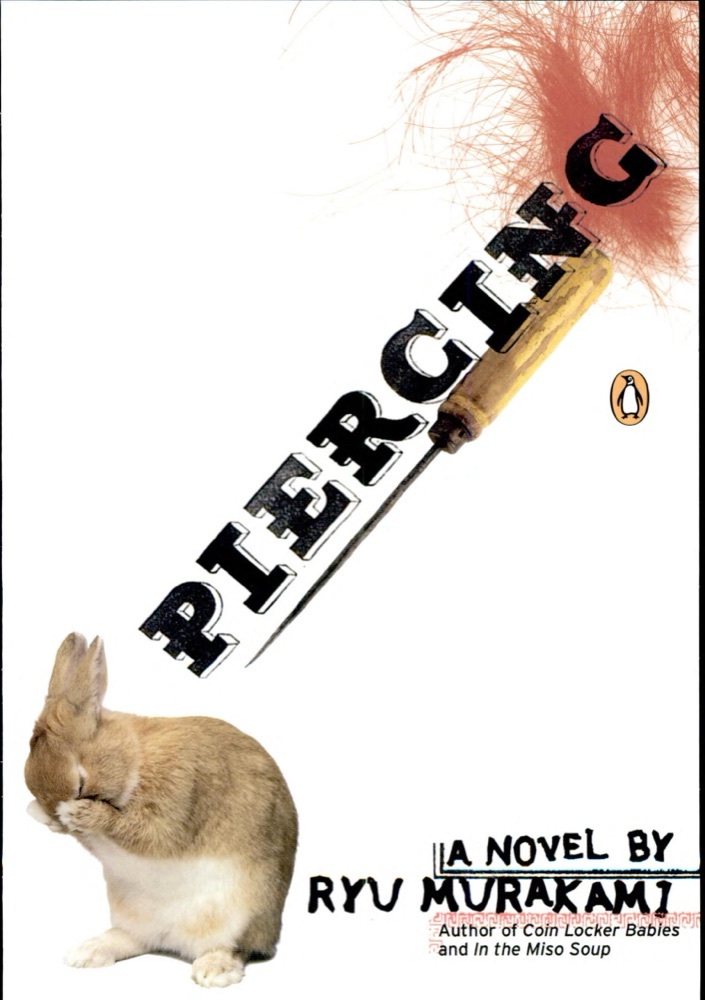 Piercing: A Novel
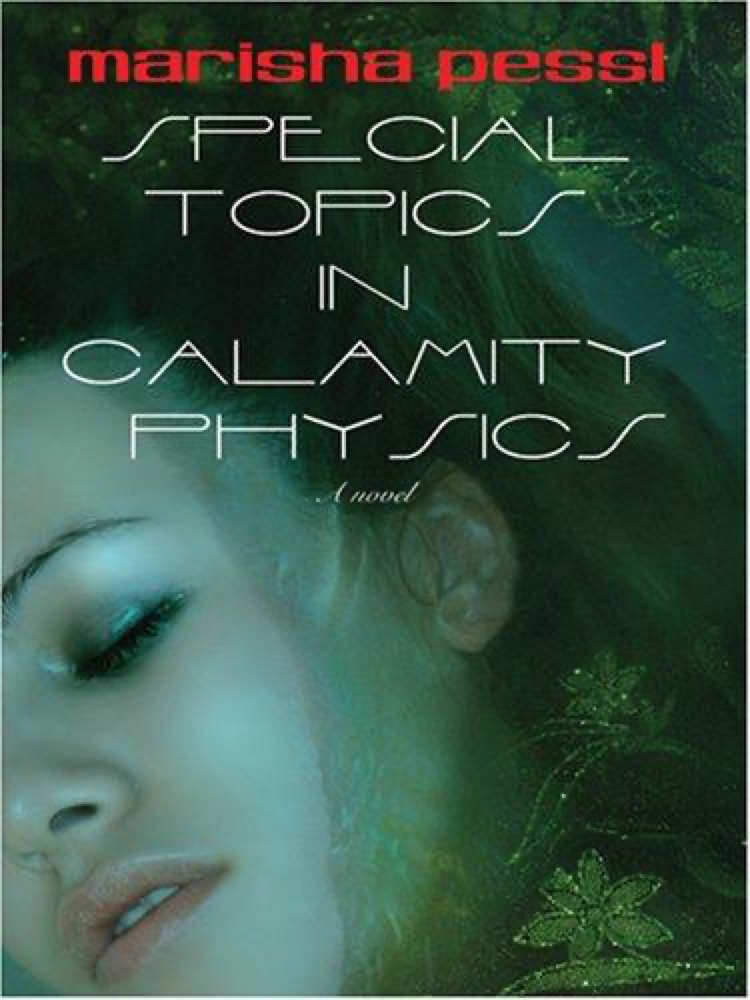 Special Topics in Calamity Physics
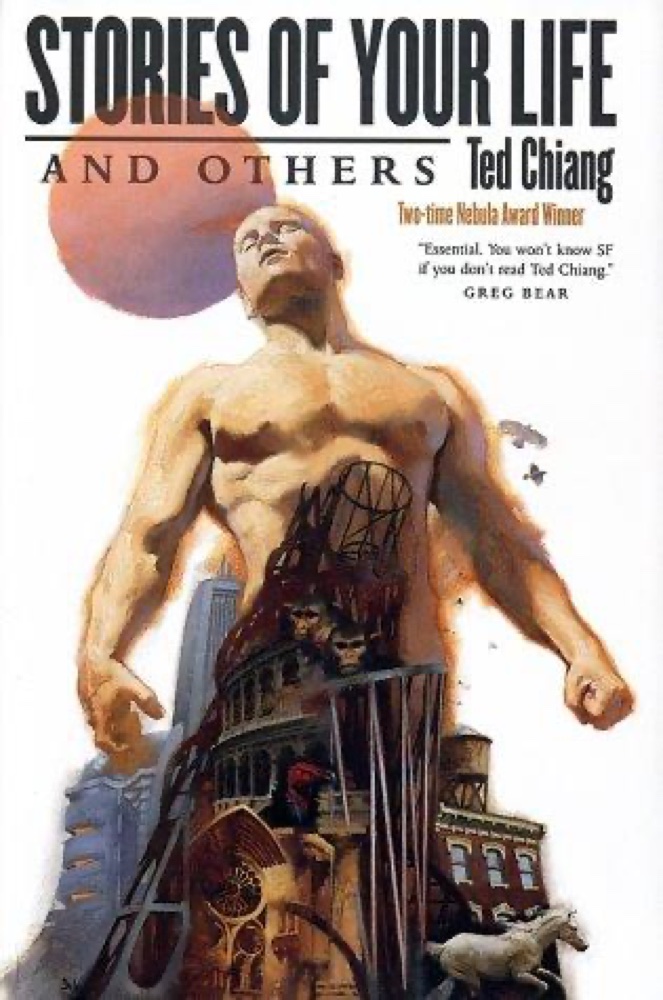 Stories of Your Life and Others
 The Hundred Secret Senses
 What Is the What
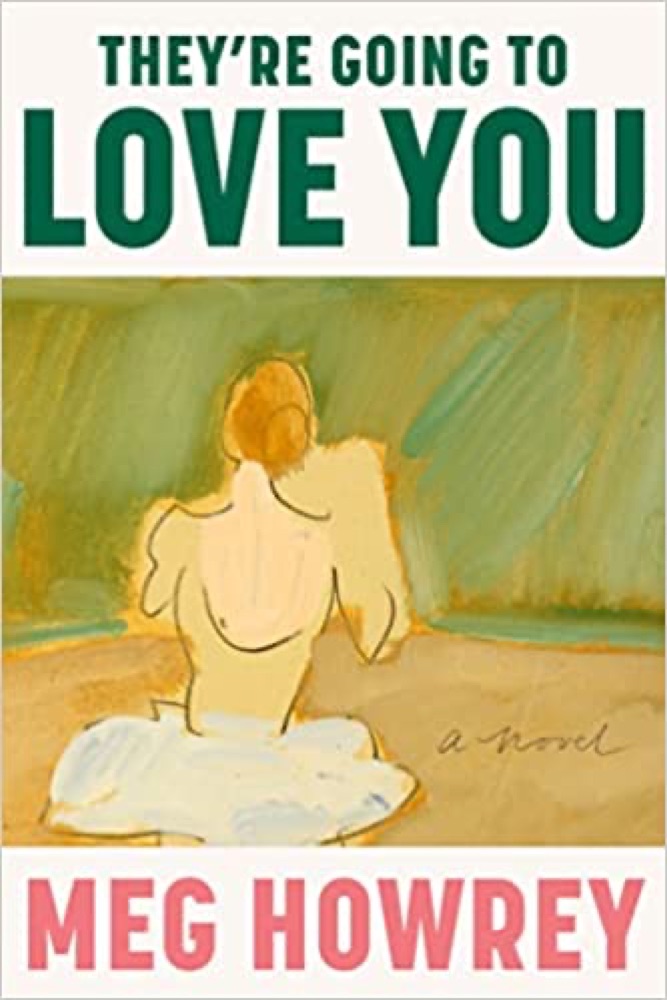 They're Going to Love You