
 The Courage to Be Disliked: How to Free Yourself, Change Your Life and Achieve Real Happiness
Quotes from the Book
The greater a child’s terror, and the earlier it is experienced, the harder it becomes to develop a strong and healthy sense of self.
151
Self-esteem is the reputation we acquire with ourselves.
65
Some people stand and move as if they have no right to the space they occupy. They wonder why others often fail to treat them with respect--not realizing that they have signalled others that it is not necessary to treat them with respect.
62
We must become what we wish to teach.
54
If my aim is to prove I am “enough,” the project goes on to infinity—because the battle was already lost on the day I conceded the issue was debatable.
50
No one is coming to save you; no one is coming to make life right for you; no one is coming to solve your problems. If you don’t do something, nothing is going to get better. The dream of a rescuer who will deliver us may offer a kind of comfort, but it leaves us passive and powerless. We may feel if only I suffer long enough, if only I yearn desperately enough, somehow a miracle will happen, but this is the kind of self-deception one pays for with one’s life as it drains away into the abyss of unredeemable possibilities and irretrievable days, months, decades.
37
When we learn how to be in an intimate relationship without abandoning our sense of self, when we learn how to be kind without being self-sacrificing, when we learn how to cooperate with others without betraying our standards and convictions, we are practicing self-assertiveness.
36
Regardless of what we think we're teaching, we teach what we are.
32
What is required for many of us, paradoxical though it may sound, is the courage to tolerate happiness without self-sabotage.
25
When we have unconflicted self-esteem, joy is our motor, not fear. It is happiness that we wish to experience, not suffering that we wish to avoid. Our purpose is self-expression, not self-avoidance or self-justification. Our motive is not to “prove” our worth but to live our possibilities.
24
Your life is important. Honor it. Fight for your highest possibilities.
23
In the inner courtroom of my mind, mine is the only judgment that counts.
21
In addition, if a person makes the error of identifying self with his work (rather than with the internal virtues that make the work possible), if self-esteem is tied primarily to accomplishments, success, income, or being a good family provider, the danger is that economic circumstances beyond the individual’s control may lead to the failure of the business or the loss of a job, flinging him into depression or acute demoralization.
20
A mind that trusts itself is light on its feet.
19
But if I lack respect for and enjoyment of who I am, I have very little to give—except my unfilled needs. In my emotional impoverishment, I tend to see other people essentially as sources of approval or disapproval. I do not appreciate them for who they are in their own right. I see only what they can or cannot do for me. I am not looking for people whom I can admire and with whom I can share the excitement and adventure of life. I am looking for people who will not condemn me—and perhaps will be impressed by my persona, the face I present to the world. My ability to love remains undeveloped. This is one of the reasons why attempts at relationships so often fail—not because the vision of passionate or romantic love is intrinsically irrational, but because the self-esteem needed to support it is absent.
18
I am responsible for my personal happiness. One of the characteristics of immaturity is the belief that it is someone else’s job to make me happy—much as it was once my parents’ job to keep me alive. If only someone would love me, then I would love myself. If only someone would take care of me, then I would be contented. If only someone would spare me the necessity of making decisions, then I would be carefree. If only someone would make me happy. Here’s a simple but powerful stem to wake one up to reality: If I take full responsibility for my personal happiness—. Taking responsibility for my happiness is empowering. It places my life back in my own hands. Ahead of taking this responsibility, I may imagine it will be a burden. What I discover is that it sets me free.
17
The willingness to experience and accept our feelings carries no implication that emotions are to have the last word on what we do. I may not be in the mood to work today; I can acknowledge my feelings, experience them, accept them—and then go to work. I will work with a clearer mind because I have not begun the day with self-deception.
16
I accept my aloneness. That is, I accept that no one is coming to make my life right, or save me, or redeem my childhood, or rescue me from the consequences of my choices and actions.
14
My life does not belong to others and I am not here on earth to live up to someone else’s expectations.
13
To live consciously means to seek to be aware of everything that bears on our actions, purposes, values, and goals—to the best of our ability, whatever that ability may be—and to behave in accordance with that which we see and know.
13
To be flexible is to be able to respond to change without inappropriate attachments binding one to the past. A clinging to the past in the face of new and changing circumstances is itself a product of insecurity, a lack of self-trust. Rigidity is what animals sometimes manifest when they are frightened: they freeze.
12
If I am unwilling to take responsibility for the attainment of my desires, they are not really desires—they are merely daydreams.
12
As a psychotherapist I see that nothing does as much for an individual’s self-esteem as becoming aware of and accepting disowned parts of the self. The, first steps of healing and growth are awareness and acceptance—consciousness and integration. They are the fountainhead of personal development.
11
The idea of Original Sin—of guilt where there is no possibility of innocence, no freedom of choice, no alternatives available—is anti-self-esteem by its very nature. The very notion of guilt without volition or responsibility is an assault on reason as well as on morality.
10
For the optimal realization of our possibilities, we need to trust ourselves and we need to admire ourselves, and the trust and admiration need to be grounded in reality, not generated out of fantasy and self-delusion.
10
I recall my sometimes acutely painful feelings of loneliness and of longing for someone with whom I could share thoughts, interests, and feelings. By sixteen I had accepted the idea that loneliness was a weakness and longing for human intimacy represented a failure of independence. I did not hold this view consistently, but I held it some of the time, and when I did, I had no answer to the pain except to tense my body against it, contract my breathing, reproach myself, and look for a distraction. I tried to convince myself I did not care. In effect, I clung to alienation as a virtue.
10
Fear and pain should be treated as signals not to close our eyes but to open them wider.
9
I cannot organize my behaviour optimally if my goal is merely "to do my best." The assignment is too vague.
9
self-esteem is: 1. confidence in our ability to think, confidence in our ability to cope with the basic challenges of life; and 2. confidence in our right to be successful and happy, the feeling of being worthy, deserving, entitled to assert our needs and wants, achieve our values, and enjoy the fruits of our efforts.
8
Most of us are capable of more than we believe.
8
Watch on YouTube
About Nathaniel Branden
We have collected 30 quotes from 1 book by Nathaniel Branden on BookQuoters.
More about the author →About the book
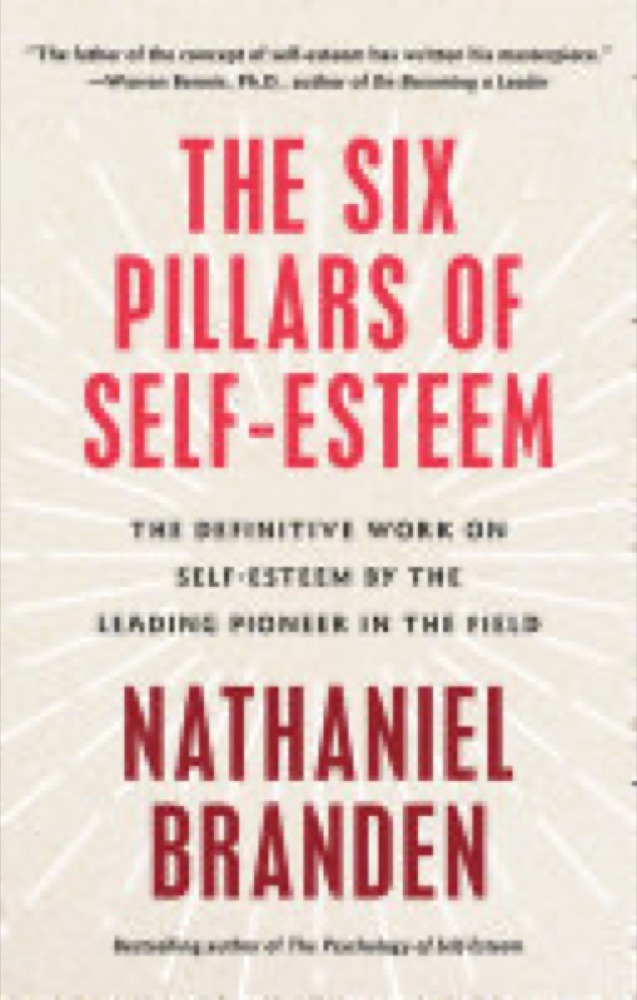
Nathaniel Branden's book is the culmination of a lifetime of clinical practice and study, already hailed in its hardcover edition as a classic and the most significant work on the topic. Immense in scope and vision and filled with insight into human motivation and behavior, The Six Pillars Of Self-Esteem is essential reading for anyone with a personal or professional interest in self-esteem. The book demonstrates compellingly why self-esteem is basic to psychological health, achievement, personal happiness, and positive relationships. Branden introduces the six pillars—six action-based practices for daily living that provide the foundation for self-esteem—and explores the central importance of self-esteem in five areas: the workplace, parenting, education, psychotherapy, and the culture at large. The work provides concrete guidelines for teachers, parents, managers, and therapists who
Book details
- First published
- 1994
- Author
- Nathaniel Branden
- Genre
- Nonfiction
- Goodreads rating
- 4.11 (13k ratings)
Keep reading
The Courage to Be Disliked: How to Free Yourself, Change Your Life and Achieve Real Happiness
 Toward a Psychology of Being
 The Art of Being
 Your Erroneous Zones: Step-By-Step Advice for Escaping the Trap of Negative Thinking and Taking Control of Your Life
 Changes That Heal: How to Understand the Past to Ensure a Healthier Future
 Self-Compassion: The Proven Power of Being Kind to Yourself
 The School of Life: An Emotional Education
 On Becoming a Person: A Therapist's View of Psychotherapy
 The Gifts of Imperfection
 Revolution from Within: A Book of Self-Esteem
 Be a People Person
 The Four Agreements: A Practical Guide to Personal Freedom
 The 7 Habits of Highly Effective People: Personal Workbook
 Selfie: How the West Became Self-Obsessed
 Buy Yourself the Damn Flowers: The Self-Love Guide to Growing, Healing and Learning to Put Yourself First
 The Mountain Is You: Transforming Self-Sabotage Into Self-Mastery
 Heart Talk: Poetic Wisdom for a Better Life
 Self Love Poetry: For Thinkers & Feelers
 101 Essays That Will Change The Way You Think
 Let Your Life Speak: Listening for the Voice of Vocation
 Like Streams to the Ocean: Notes on Ego, Love, and the Things That Make Us Who We Are
 Dare to Lead
 Psycho-Cybernetics
 You Learn by Living: Eleven Keys for a More Fulfilling Life
 Untamed
 Bonds That Make Us Free: Healing Our Relationship, Coming to Ourselves
 Advice Not Given: A Guide to Getting Over Yourself
 Feeling Good: The New Mood Therapy
 Letting Go: The Pathway To Surrender
 Nonviolent Communication: A Language of Life
 The Perfectionist's Guide to Losing Control: A Path to Peace and Power
 The Subtle Art of Not Giving a F*ck: A Counterintuitive Approach to Living a Good Life
 Rising Strong
 A Way of Being
 The Light We Carry: Overcoming in Uncertain Times
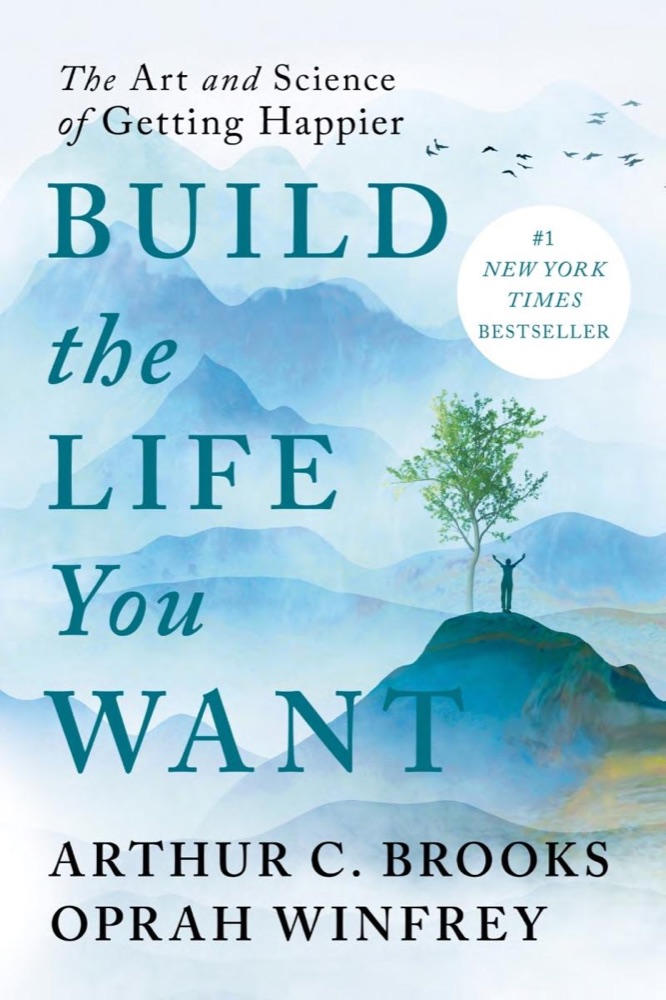 Build the Life You Want: The Art and Science of Getting Happier
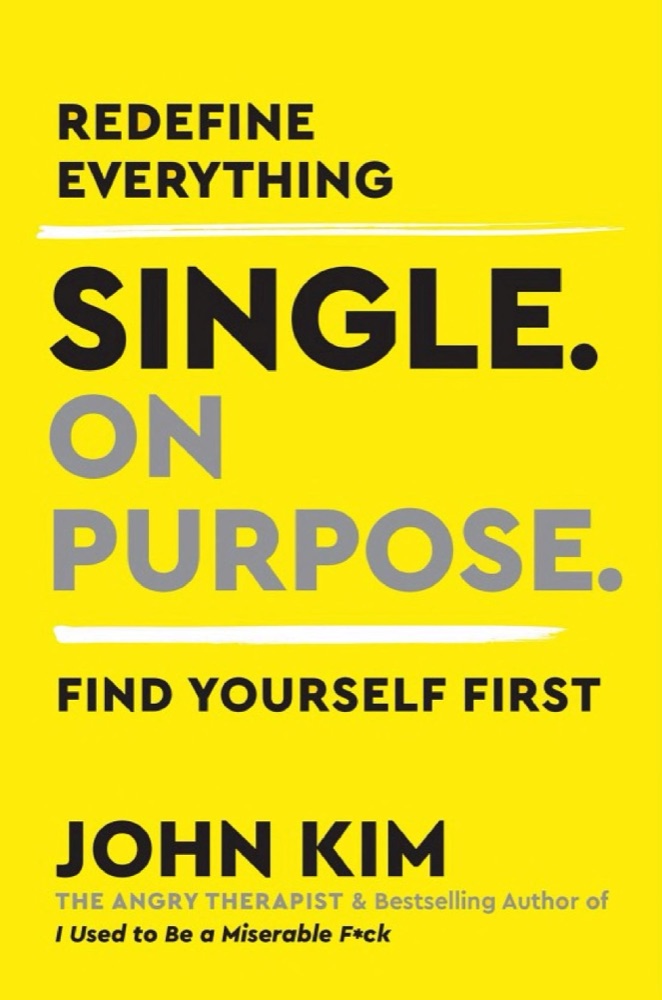 Single On Purpose: Redefine Everything. Find Yourself First.
 The Art of Living: The Classical Manual on Virtue, Happiness and Effectiveness
 Brave Enough
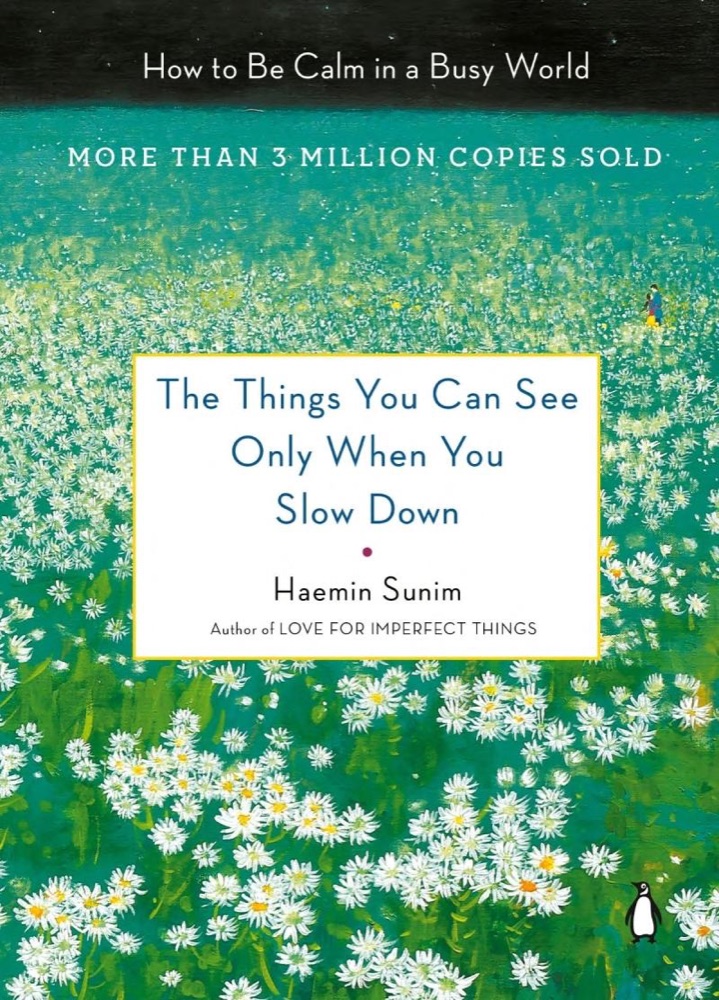 The Things You Can See Only When You Slow Down: How to Be Calm in a Busy World
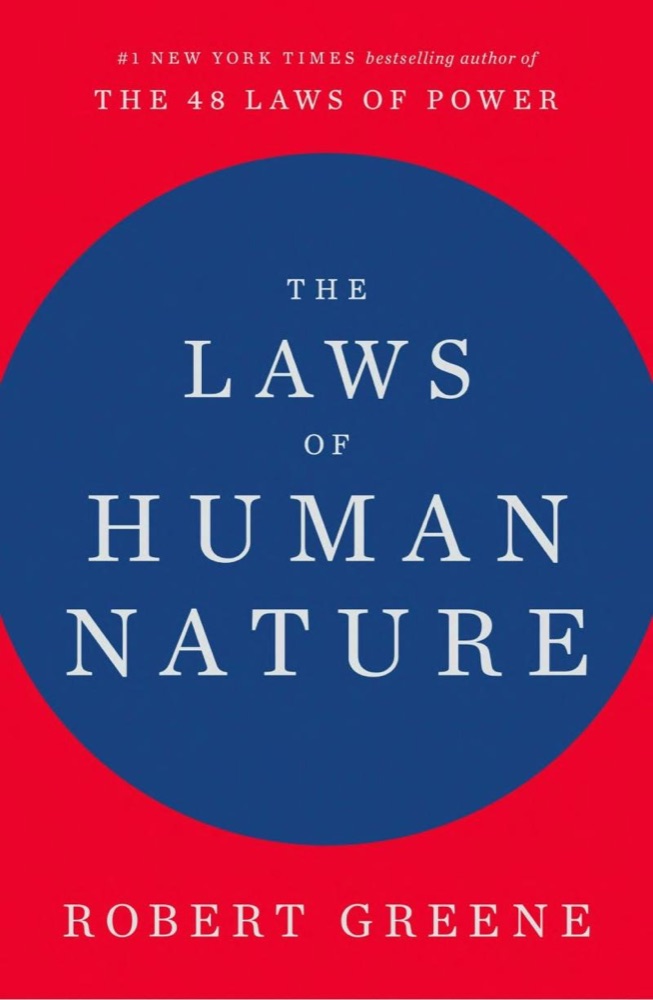 The Laws of Human Nature
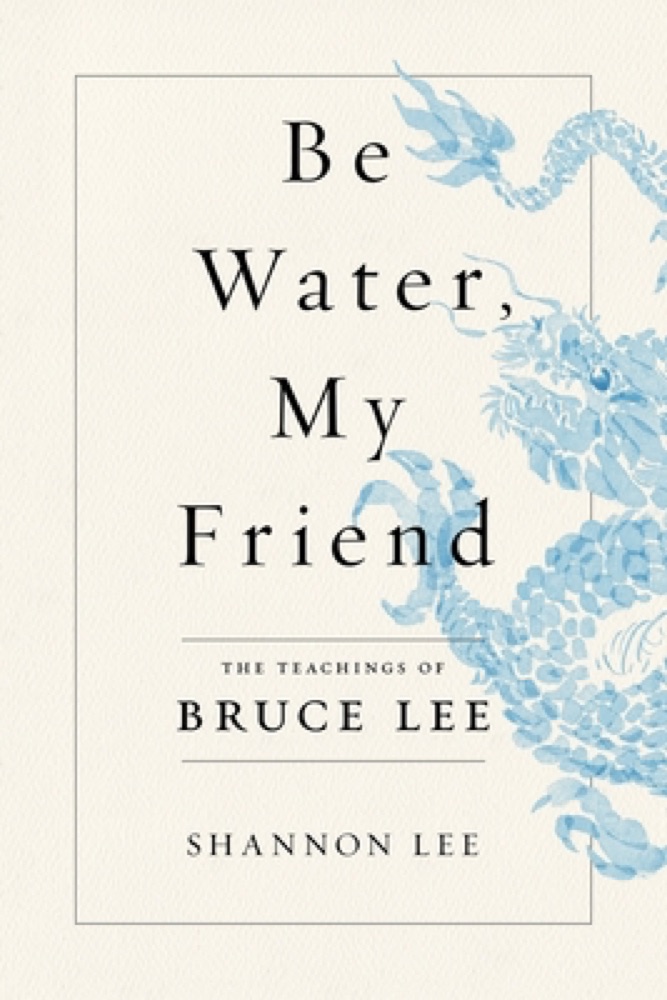 Be Water, My Friend: The Teachings of Bruce Lee
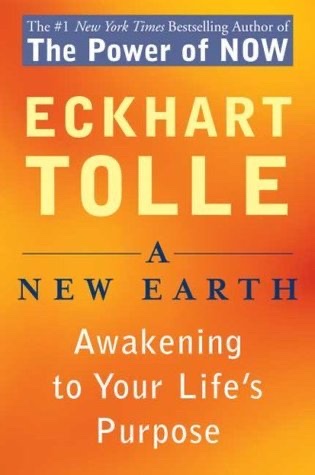 A New Earth: Awakening to Your Life's Purpose
 Maybe You Should Talk to Someone: A Therapist, Her Therapist, and Our Lives Revealed
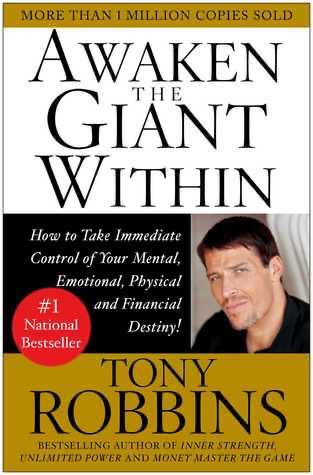 Awaken The Giant Within
 The Complete Enneagram: 27 Paths to Greater Self-Knowledge
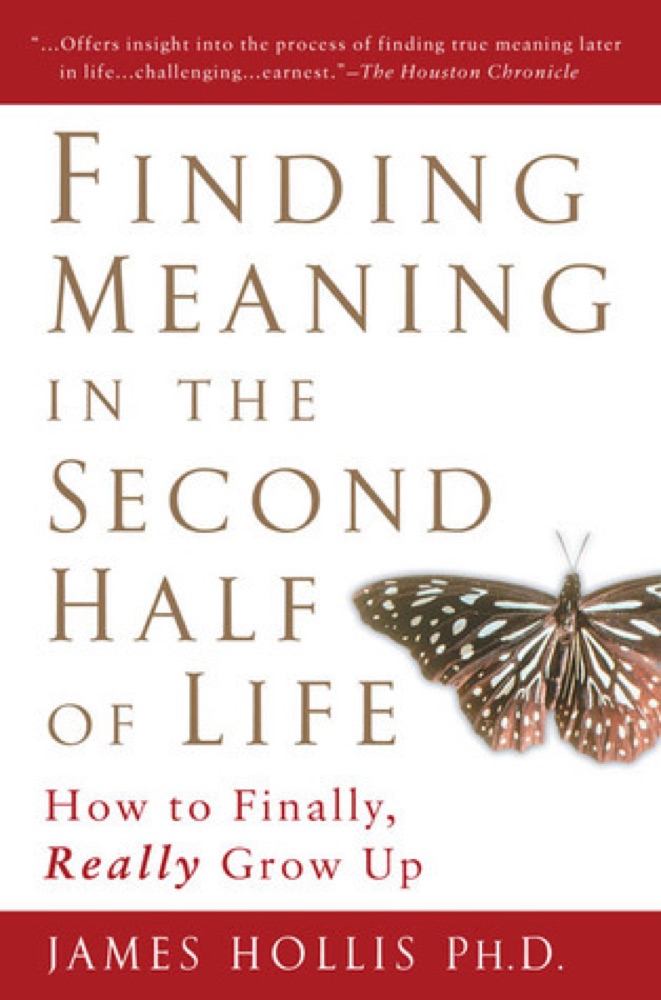 Finding Meaning in the Second Half of Life: How to Finally, Really Grow Up
 When Nietzsche Wept
 Orbiting the Giant Hairball: A Corporate Fool's Guide to Surviving with Grace
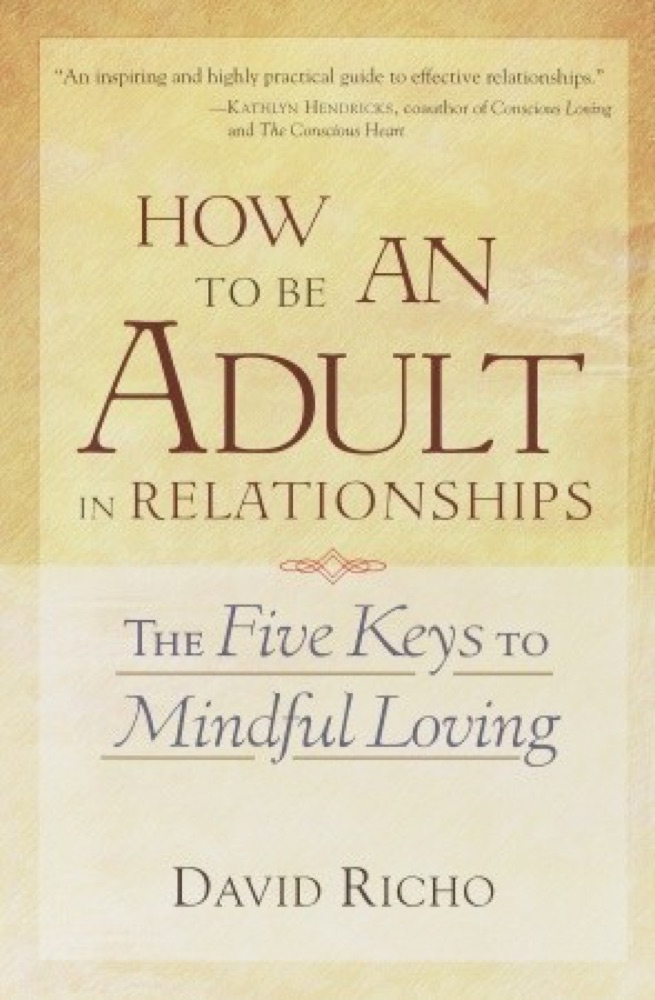 How to Be an Adult in Relationships: The Five Keys to Mindful Loving
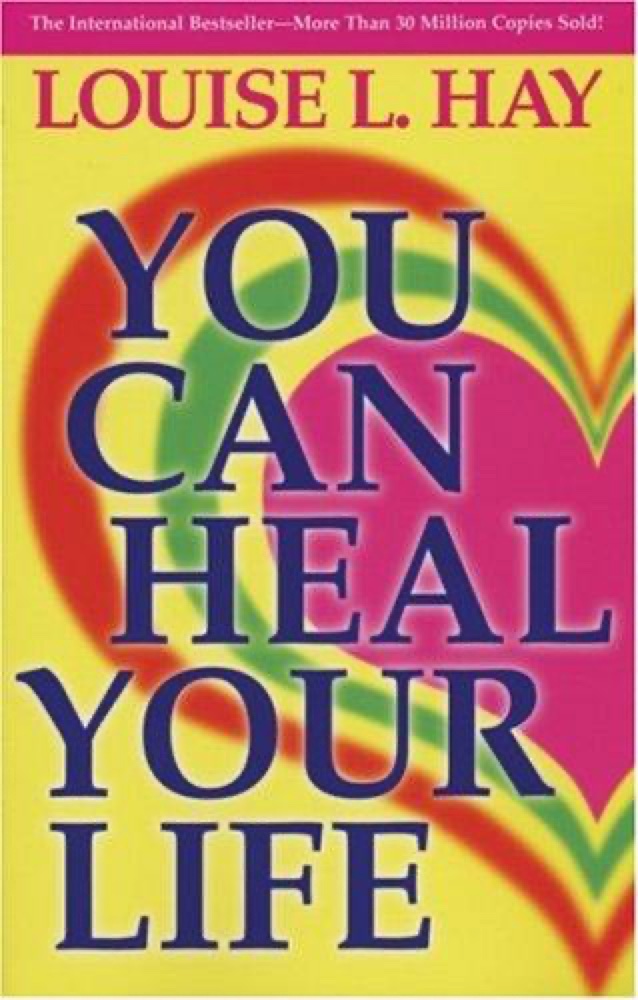 You Can Heal Your Life
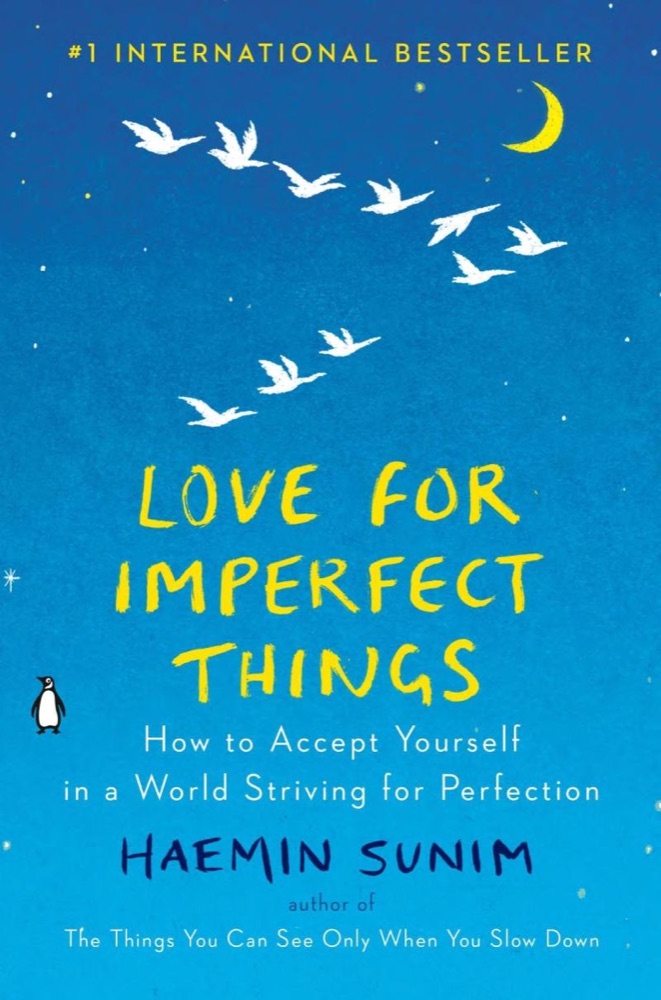 Love for Imperfect Things: How to Accept Yourself in a World Striving for Perfection
 Will
Will
 The Road Less Travelled
 The Tools: Transform Your Problems into Courage, Confidence, and Creativity
 On Connection
 Flow: The Psychology of Optimal Experience