
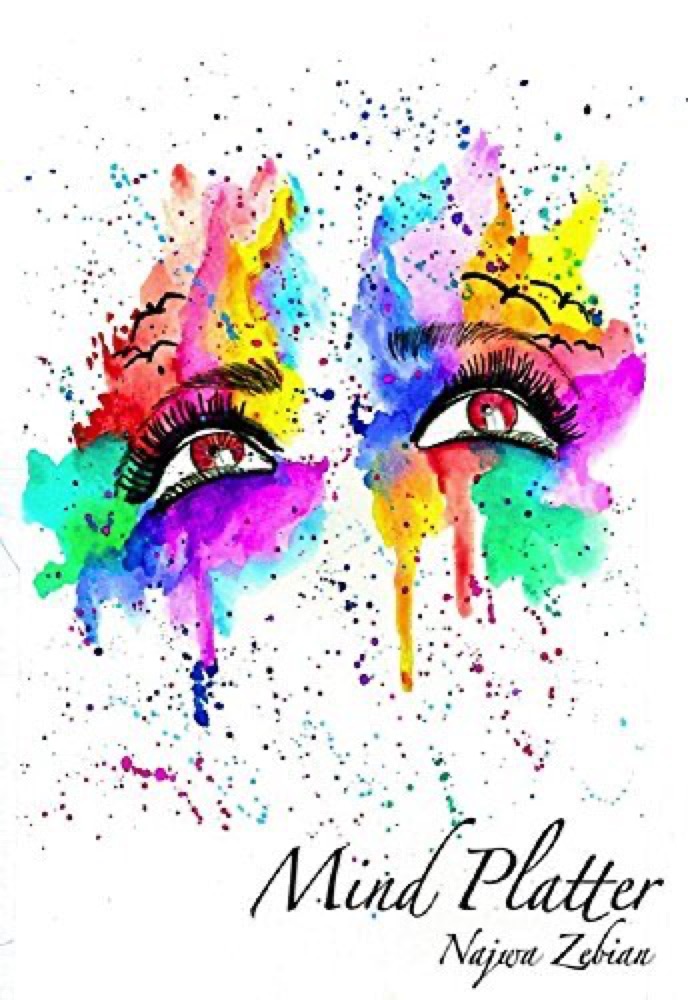
 Mind Platter
Quotes from the Book
The biggest mistake we make is that we build our homes in other people. We build those homes and we decorate them with the love and care and respect that makes us feel safe at the end of the day. We invest in other people, and we evaluate our self-worth based on how much those homes welcome us. But what many don’t realize is that when you build your home in other people, you give them the power to make you homeless. When those people walk away, those homes walk away with them, and all of a sudden, we feel empty because everything that we had within us, we put into them. We trusted someone else with pieces of us. The emptiness we feel doesn’t mean we have nothing to give, or that we have nothing within us. It’s just that we built our home in the wrong place.
22
The mistake most of us make is that we build our homes in other people in the hope that they will deem us worthy of being welcomed inside. We feel so abandoned and empty when people leave, because we’ve invested so much of ourselves in them.
20
When pain knocks on your door, welcome it. Let it in. Sit with it. Have tea with it. Understand it. Then let it leave.
15
Self-love is loving yourself exactly as you’d love the person you love the most. And that love actually feels like love and looks like meeting your own needs.
9
Stop waiting for something to happen. Stop waiting for someone to save you. Stop waiting for answers. Stop waiting for love. Stop waiting for the right moment, for the right situation. Stop waiting for relief. Stop waiting for clarity. To bring this to a practical level, how many times do you find yourself scrolling through your phone aimlessly, waiting for something to happen? Or spending every moment you’re not working, studying, or doing whatever it is that you do, in texting, calling others, watching a show, and so forth? And it all feels like the feeling you get when you’re continuously eating but not getting nourished. You’re ingesting so much that it overwhelms you, but you still feel empty. This happens when you’re subconsciously waiting for something to happen that will take you out of the situation you’re in, whatever that situation is.
7
You are not confused. You are experiencing a confusing situation. Separate the confusing situation from who you are. If you say “I am confused,” you are implying the confusing situation is part of you. It is not. It is part of what you are experiencing. The answer to the confusion does not lie in the confusion itself. Rather it lies in the ability to step outside of it and see that you are experiencing it instead of it being you. The answer lies in you.
5
To all the people I pushed away while I was healing: Forgive me for not being able to welcome you when I really wanted to. I was scared. I was scared you’d judge me. I was scared you wouldn’t understand. I was scared you’d ask me how I couldn’t have known better. I was scared you’d push me away and remind me of all the reasons I don’t deserve to be loved. I was scared. Everyone I welcomed before you either lied or left or took more than what I had to give. Everyone I welcomed before you only stayed as long as I was who they wanted me to be instead of who I actually am. I’m sorry I made you feel I couldn’t trust you when the truth was I couldn’t even trust myself.
5
Instead of saying “How could he have lied to me?” you say, “I feel hurt when someone lies to me, because it makes me feel like I’m not worthy of being told the truth.” Instead of saying “He’s not even explaining why!” you say, “I feel sad when someone doesn’t try to resolve an issue, because it makes me feel like I’m not worthy of being fought for.” The “I” statement has three elements: I felt/feel ________ (insert emotion) when ________ (recount the event that happened) because ________ (insert what it made you think of)
4
Do not focus your healing on making sense of why someone would want to cause you pain. You will never know their true intentions or whether they actually intended to hurt you or not. It’s better to aim to accept instead of to decode, dissect, or justify what happened. Getting stuck on trying to make sense of it is a form of resistance to feeling it or an escape from it. And all that is a distraction from doing the real work. From going back to the root and extracting the pain from the source.
4
Here is an example I’m sure you can relate to on some level. Say you really liked someone who doesn’t like you back. Maybe you were in a relationship with this person and maybe not. The focus of your whole being might be on their unwillingness to give you love. If their love is the only source of love you see, you won’t see the love that might be coming to you from family, friends, colleagues, and even potential love interests. Because you’re not looking for that love. You’re not seeing it as a source of love. So, indirectly, you are blinding yourself to the love around you. You might believe you’re not worthy of love, and you’ve supported that belief with evidence from your past, plus evidence from your current situation. If that’s the case, your mind is going to search for every piece of evidence that further proves the story you believe about yourself, or what you make something that happened mean about you. You might see that story referred to as the “ego,” which is simply the Latin word for “I.” From the moment you wake up to the moment you fall asleep, your ego is looking for proof that reinforces what you believe about yourself. You walk around constantly trying to make everything mean something about you.
4
The late Syrian poet Nizar Qabbani wrote: “The female doesn’t want a rich man or a handsome man or even a poet, she wants a man who understands her eyes if she gets sad, and points to his chest and says ‘Here is your home country.’
3
My biggest moments of confusion led me to the best decisions of my life in terms of doing what honors building a home within myself. Being unable to decipher people’s behavior—one day welcoming me into their lives and the next day making me feel like a stranger—led me to feel confused. Because, let’s be honest, confusing behavior in others makes you question yourself. You question your own sanity, your own recollection of events…your own understanding of the events…of the person…of yourself…
3
I was no longer me. I was in transition between who I was and who I needed to become. And my body couldn’t accept either version of myself, so I just became an empty shell, desperately gasping for any ray of life to inhabit me. I was homeless.
3
According to this theory, there are are four major styles of attachment that people form early in life and carry into adulthood: secure, anxious, avoidant, and anxious-avoidant. A secure person is an at-home person; they’re comfortable with connection and don’t base their worthiness on external sources of validation. An anxious person is the complete opposite; they’re in constant need of validation and come from a place of fear of abandonment. An avoidant person may come across as secure, but they avoid connection out of fear of abandonment. And an anxious-avoidant is a combination of the previous two.
3
You are highly sensitive and you take on people’s emotions as if they’re your own,
3
The foundation is built from two things: self-acceptance (you must feel worthy of the foundation) and self-awareness (knowing who you are).
3
As I attempt to describe this pain, words crumble before they can be written on paper. It felt like someone had walked me all the way up to the top of a mountain and pushed me off with all their force. At the same time, I felt numb. Perhaps it was denial. Shock. Disbelief. Or maybe the pain was so deep I couldn’t feel its intensity anymore. I felt a tingling sensation all over my body. Like I wanted to cry, but I couldn’t cry. I wanted to yell, but I couldn’t yell. I guess what I really wanted was to change this ending. But I couldn’t. This was the end of the fight. I felt so helpless.
3
The people you welcome into your home, who you allow to sit at your table, are those who will listen without judgment, without the immediate need to respond, criticize, or analyze. Those who practice, not just show, compassion. Those who, even when they disapprove of your actions or what led you here, will tell you “It must be so hard. I can’t begin to imagine feeling what you’re feeling.” Not people who will say things like “But how did you not see this or that?” or any statement that makes you feel your problem is nothing compared to what they or others are going through.
2
You enter the Forgiveness room for your own sake, not for anyone else. No one else is allowed in this room but you. Do not seek a cure from the person who caused you pain. Do not wait for their apology to give yourself permission to feel the pain.
2
Never settle for just existing. The world is full of stories. Create your own.
1
All my heart could say then was Why can’t I have that? That wasn’t the gifts. It wasn’t the clothes or the candy. That was the love. The warmth. The connection. The feeling of relevance, worth, and importance. . . . Like I actually belonged somewhere. At such a young age, I wasn’t able to label my feelings with these words. The only word I could put to what I was missing, to what I wanted, was that.
1
Whatever your brain is looking for, your eyes will see. If you are looking for the positive, you’ll see it. And if you’re looking for the negative, you’ll see it. It’s a matter of what you choose to see.
1
Women are often conditioned to believe that motherhood is the mark of womanhood... that it's the most important achievement a woman could ever accomplish. While it's okay to believe that, it's also okay not to.
1
You’ve already accomplished the hardest part. So keep building. Keep working on yourself.
1
I was waiting for someone to unveil me. To save me. But the hardest, yet most liberating truth, was that I needed to unveil myself. I could easily hide behind my words and hope that someone out there would understand me. But I knew I couldn’t hide anymore.
1
Sometimes forgiving yourself takes the form of you telling the story as you experienced it, not as someone else wrote it. Instead of “He first did this, then this, then that,” you are saying “I did, I felt, I…” And this is not to lay blame on you…it’s to make you the narrator of your own story.
1
If someone chooses to take advantage of your vulnerability and not honor the promise that they made to keep a safe space for your vulnerability, that’s on them. It’s not on you. And it doesn’t mean you are powerless. Your power is like a well that never runs out of water. People may drink from it. People may take way too much at a time. But you are the source of that power.
1
The feeling of home is the feeling of I’m together with myself. This togetherness includes all the elements of your being. In order for you to achieve this togetherness, the foundation of your home is the most important part, because it necessitates your self-acceptance and self-awareness.
1
The worst part was when I realized I had wings, when I’d realized my power but was still choosing not to fly. To not be free. That is one of the most defeating forms of self-oppression—to know you have power, but not use it.
Part of respecting others is respecting their boundaries. Part of respecting yourself is building your own boundaries.
Watch on YouTube
About Najwa Zebian
We have collected 60 quotes from 2 books by Najwa Zebian on BookQuoters.
More about the author →More by Najwa Zebian
Mind Platter
About the book
From the celebrated poet, speaker, and educator comes a powerful blueprint for healing by building a home within yourself.
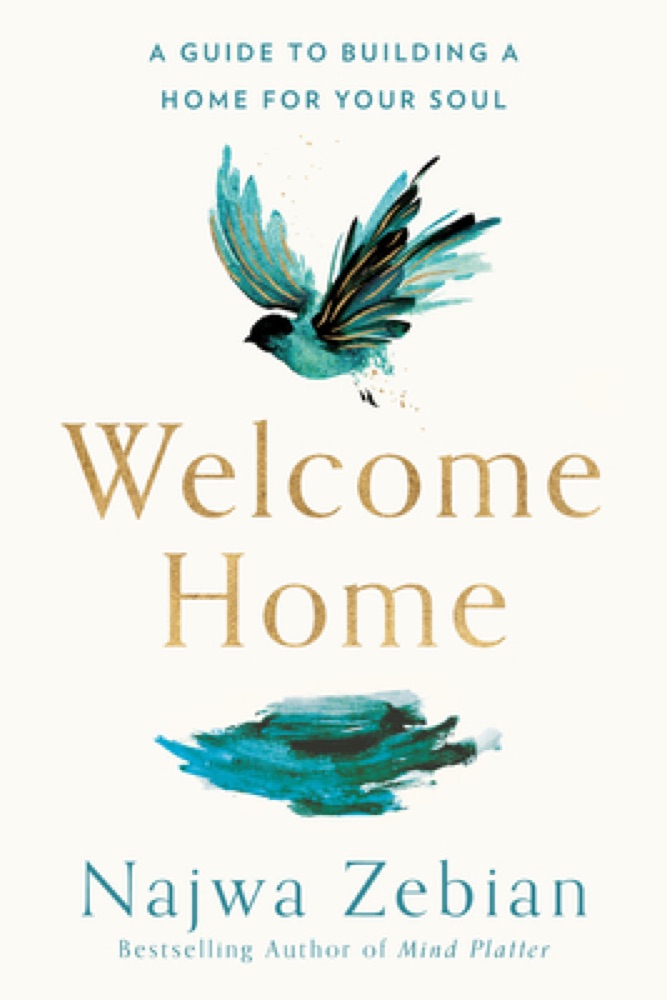
In her debut book of inspiration, poet Najwa Zebian shares her revolutionary concept of home--the place of safety where you can embrace your vulnerability and discover your self-worth. It's the place where your soul feels like it belongs, where you are loved for who you are. Too many of us build our homes in other people in the hope that they will deem us worthy of being welcomed inside, and then we feel abandoned and empty when those people leave. Building your home inside yourself--and never experiencing inner homelessness again--begins here.
In Welcome Home, Zebian shares her personal story for the first time, powerfully weaving memoir, poetry, and deeply resonant teachings into her storytelling, from leaving Lebanon at sixteen, to coming of age as a young M
Book details
- First published
- 2021
- Author
- Najwa Zebian
- Genre
- Nonfiction
- Goodreads rating
- 4.15 (3k ratings)
Keep reading
 We Can Do Hard Things: Answers to Life's 20 Questions
 Buy Yourself the Damn Flowers: The Self-Love Guide to Growing, Healing and Learning to Put Yourself First
Mind Platter
Buy Yourself the Damn Flowers: The Self-Love Guide to Growing, Healing and Learning to Put Yourself First
Mind Platter
 101 Essays That Will Change The Way You Think
 The Light We Carry: Overcoming in Uncertain Times
 Heart Talk: Poetic Wisdom for a Better Life
 Carry On, Warrior: Thoughts on Life Unarmed
 Self Love Poetry: For Thinkers & Feelers
 Never Broken: Songs Are Only Half the Story
 We Are the Luckiest: The Surprising Magic of a Sober Life
 This Is How: Proven Aid in Overcoming Shyness, Molestation, Fatness, Spinsterhood, Grief, Disease, Lushery, Decrepitude & More. For Young and Old Alike.
 The Mountain Is You: Transforming Self-Sabotage Into Self-Mastery
 Brave Enough
 Like Streams to the Ocean: Notes on Ego, Love, and the Things That Make Us Who We Are
 The Stories We Tell: Every Piece of Your Story Matters
 Present Over Perfect: Leaving Behind Frantic for a Simpler, More Soulful Way of Living
 Love for Imperfect Things: How to Accept Yourself in a World Striving for Perfection
 The Strength In Our Scars
 Radical Love: Learning to Accept Yourself and Others
 Inward
 You Could Make This Place Beautiful
 Single On Purpose: Redefine Everything. Find Yourself First.
 I Guess I Haven't Learned That Yet: Discovering New Ways of Living When the Old Ways Stop Working
 Feeding the Soul (Because It's My Business): Finding Our Way to Joy, Love, and Freedom
 A Gentle Reminder
 Braving the Wilderness
 Mending the Mind
![It's Not OK to Feel Blue [and other lies]](/i/book/g/ed/its-not-ok-to-feel-blue-and-other-lies.jpg) It's Not OK to Feel Blue [and other lies]
It's Not OK to Feel Blue [and other lies]
 Life Will Be the Death of Me: . . . and you too!
 Keep Moving: Notes on Loss, Creativity, and Change
 Love Looks Pretty on You
 Bonds That Make Us Free: Healing Our Relationship, Coming to Ourselves
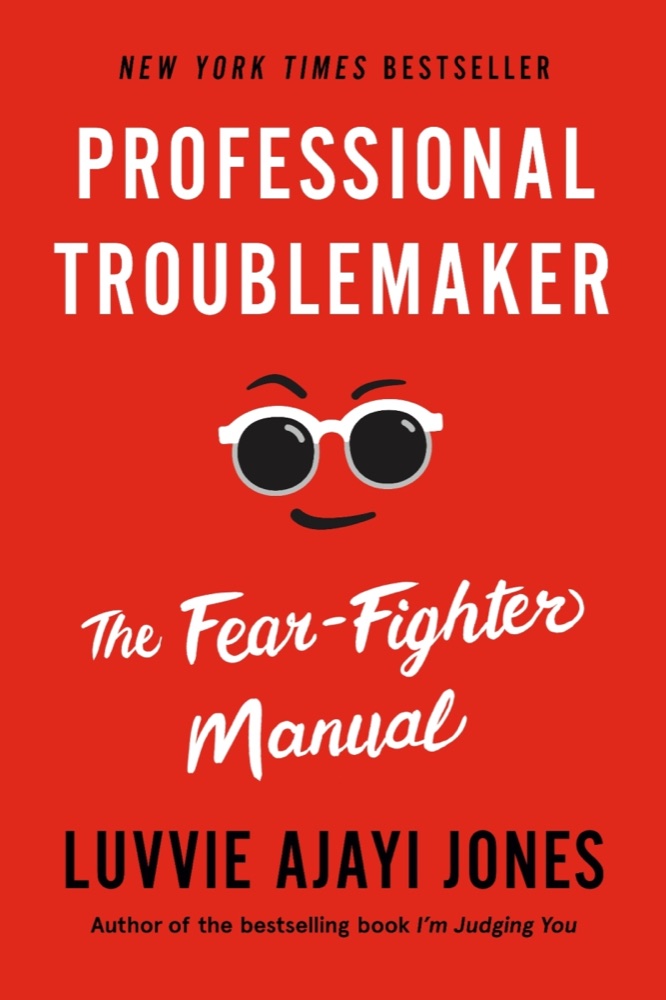 Professional Troublemaker: The Fear-Fighter Manual
 Anthropology of an American Girl
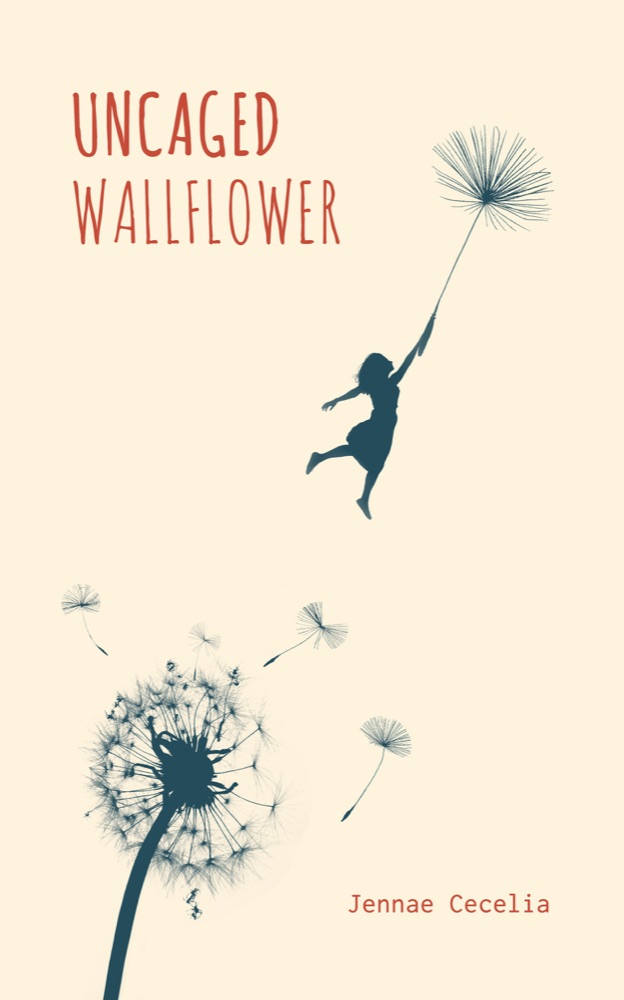 Uncaged Wallflower
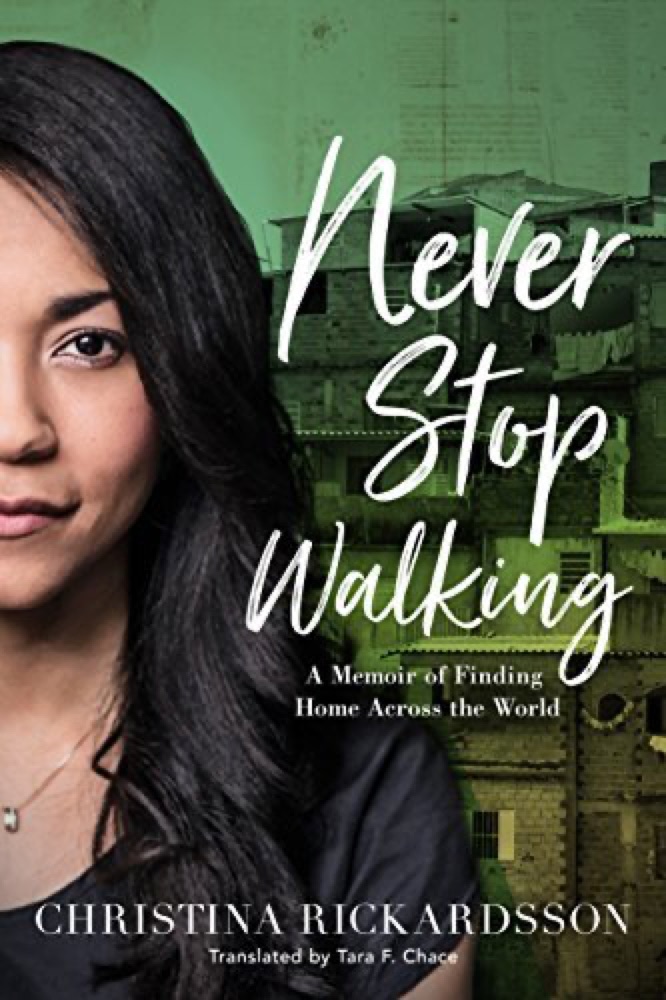 Never Stop Walking: A Memoir of Finding Home Across the World
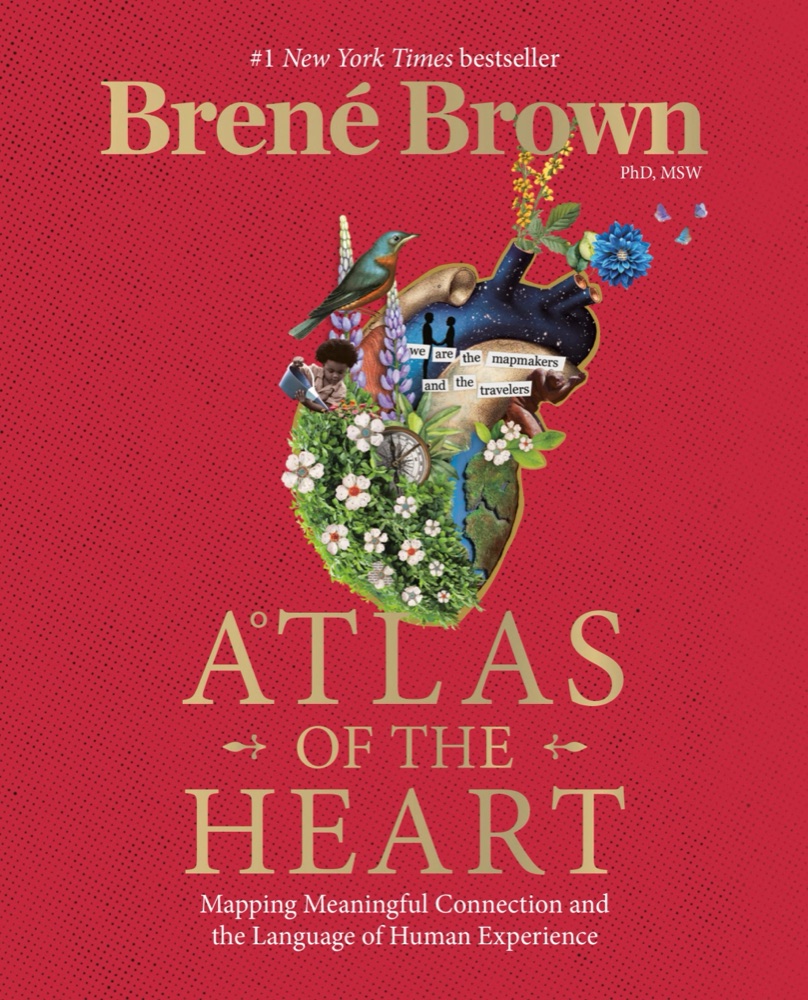 Atlas of the Heart: Mapping Meaningful Connection and the Language of Human Experience
 Clarity & Connection
 Tiny Beautiful Things: Advice on Love and Life from Dear Sugar
 Broken People
 The House of Hidden Meanings
 If You Have to Cry, Go Outside: And Other Things Your Mother Never Told You
 The Wisdom of Your Body: Finding Healing, Wholeness, and Connection through Embodied Living
 Self-Compassion: The Proven Power of Being Kind to Yourself
 Maybe You Should Talk to Someone: A Therapist, Her Therapist, and Our Lives Revealed
 Untamed
 Falling Back in Love with Being Human: Letters to Lost Souls
 On Being Human: A Memoir of Waking Up, Living Real, and Listening Hard
 Love Warrior
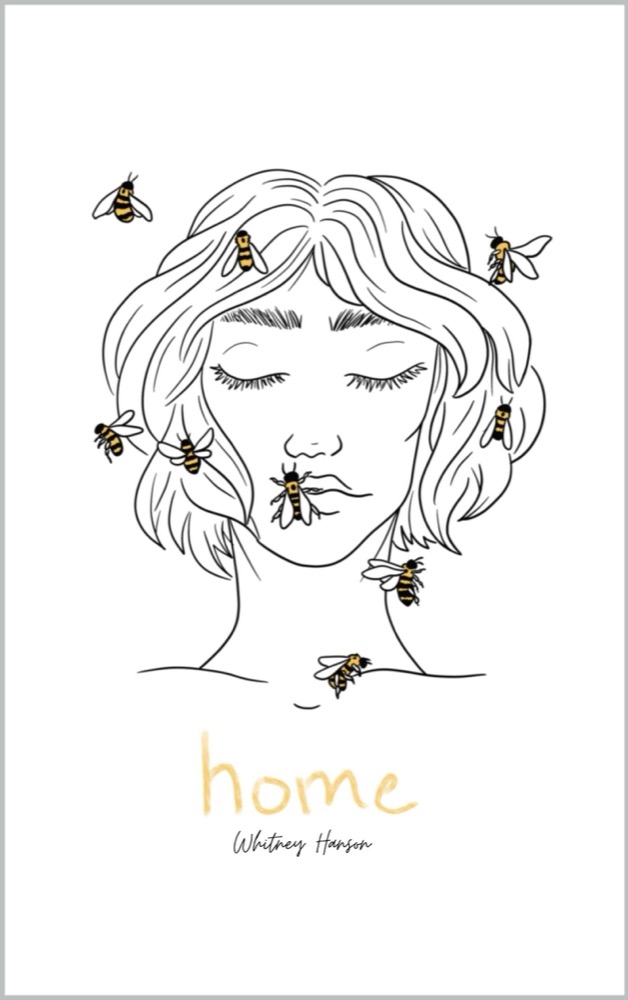 Home
Home
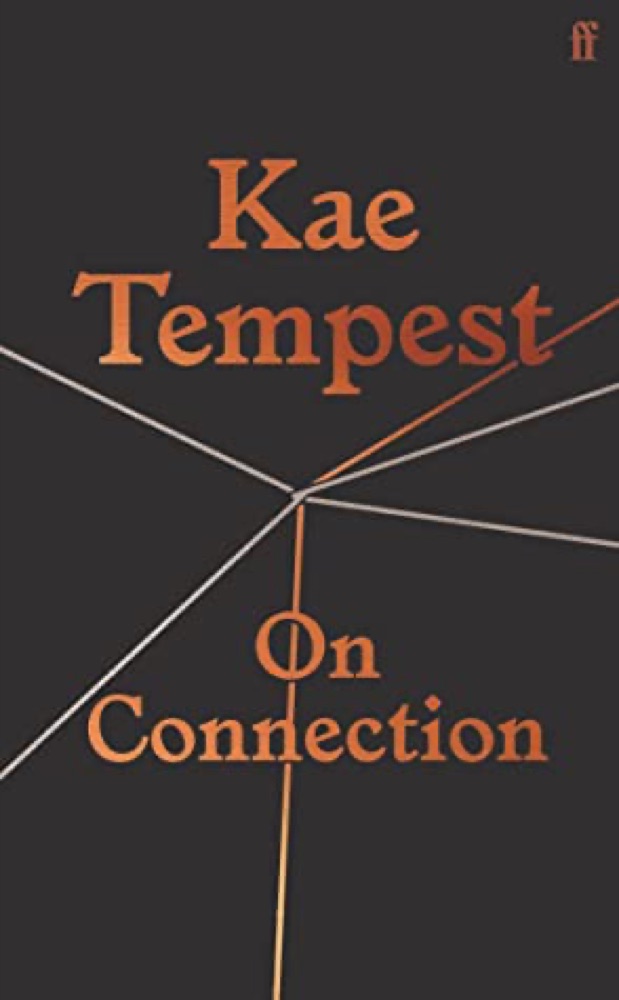 On Connection
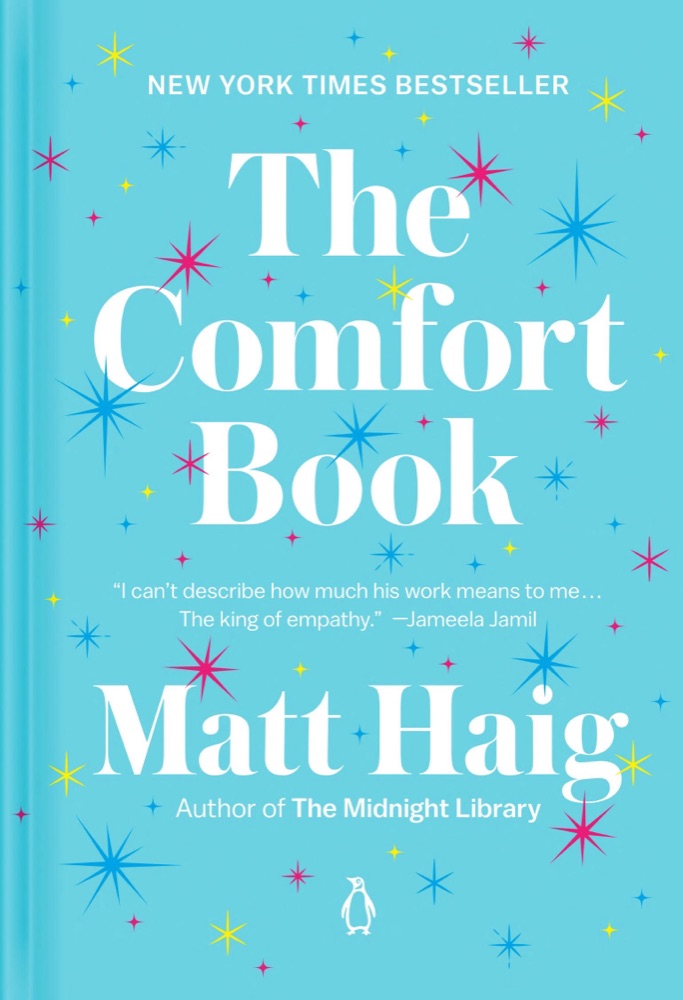 The Comfort Book
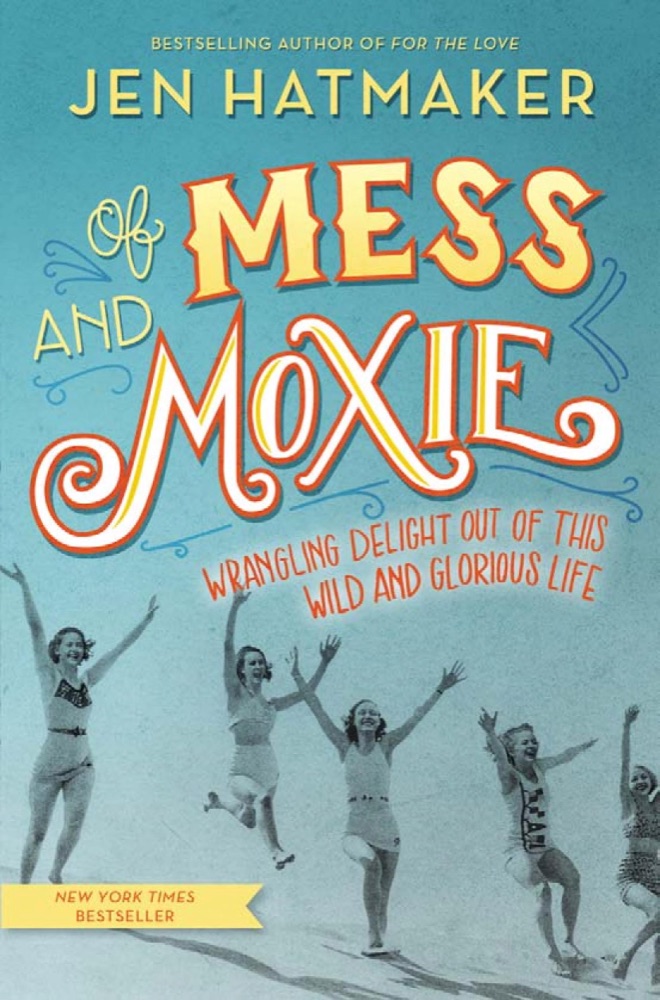 Of Mess and Moxie: Wrangling Delight Out of This Wild and Glorious Life
 Changes That Heal: How to Understand the Past to Ensure a Healthier Future
 Light Filters in: Poems
 The Things You Can See Only When You Slow Down: How to Be Calm in a Busy World
 When Things Fall Apart: Heart Advice for Difficult Times
 Conversations on Love