
 Come as You Are: The Surprising New Science that Will Transform Your Sex Life
Quotes from the Book
The moral of the story is: We thrive when we have a positive goal to move toward, not just a negative state we’re trying to move away from.
36
The good news is that stress is not the problem. The problem is that the strategies that deal with stressors have almost no relationship to the strategies that deal with the physiological reactions our bodies have to those stressors. To be “well” is not to live in a state of perpetual safety and calm, but to move fluidly from a state of adversity, risk, adventure, or excitement, back to safety and calm, and out again. Stress is not bad for you; being stuck is bad for you.
31
Most of us have spent our whole lives being taught to believe everyone else's opinions about our bodies, rather than to believe what our own bodies are trying to tell us. For some of us, it's been so long since we listened to our bodies, we hardly know how to start understanding what they're trying to tell us, much less how to trust and believe what they're saying. To make matters worse, the more exhausted we are, the noisier the signal is, and the harder it is to hear the message.
26
So how much rest is “adequate”? Science says: 42 percent. That’s the percentage of time your body and brain need you to spend resting. It’s about ten hours out of every twenty-four. It doesn’t have to be every day; it can average out over a week or a month or more. But yeah. That much. “That’s ridiculous! I don’t have that kind of time!” you might protest—and we remind you that we predicted you might feel that way, back at the start of the chapter. We’re not saying you should take 42 percent of your time to rest; we’re saying if you don’t take the 42 percent, the 42 percent will take you. It will grab you by the face, shove you to the ground, put its foot on your chest, and declare itself the victor.
25
It’s true that rest makes us more productive, ultimately, and if that’s an argument that helps you persuade your boss to give you more flexibility, awesome. But we think rest matters not because it makes you more productive, but because it makes you happier and healthier, less grumpy, and more creative. We think rest matters because you matter. You are not here to be “productive.” You are here to be you, to engage with your Something Larger, to move through the world with confidence and joy. And to do that, you require rest.
21
The belief that the people around us will reciprocate in proportion to what we give them is called "trust.
19
The problem is not that women don’t try. On the contrary, we’re trying all the time, to do and be all the things everyone demands from us.
17
Not knowing why is, itself, a profound type of suffering.
17
All your body requires of you is that you turn toward it with kindness and compassion, with nonjudgment and plain-vanilla acceptance of all your contradictory emotions, beliefs, and longings.
16
Relax your belly. It’s supposed to be round. The Bikini Industrial Complex has been gaslighting you.
13
Rest is, quite simply, when you stop using a part of you that’s used up, worn out, damaged, or inflamed, so that it has a chance to renew itself.
12
Turn toward that self-critical part of you with kindness and compassion. Thank her for the hard work she has done to help you survive
12
If you’re hiding from your life, you’re past your threshold. You aren’t dealing with either the stress or the stressor. Deal with the stress so you can be well enough to deal with the stressor.
11
No one is “complete” without other people—and we mean this literally. To be complete without social connection is to be nourished without food. It doesn’t happen. We get hungry. We get lonely. We must feed ourselves or die. We don’t mean you “need a man” or any kind of romantic partner. We mean you need connection in any or all of its varied forms. And it is also true that the lifelong development of autonomy is as innate to human nature as the drive to connect. We need both connection and autonomy. That’s not a contradiction. Humans are built to oscillate from connection to autonomy and back again.
11
Science is often expensive, and who pays for it can influence the outcome and whether or not the results are published. As enthusiastic as we are about evidence-based practices, it’s important to remember where that evidence comes from and why we might not see contrary evidence.
11
Bodies are imperfect, and sometimes they let us down. They are susceptible to disease and breakage and entropy. Our bodies can disappoint us, and the world can punish us when our bodies aren’t what they “should” be. So we are not suggesting that you “love your body,” like that’s an easy fix. We’re suggesting you be patient with your body and with your feelings about your body.
11
White men grow on an open, level field. White women grow on far steeper and rougher terrain because the field wasn't made for them. Women of color grow not just on a hill, but on a cliffside over the ocean, battered by wind and waves. None of us chooses the landscape in which we're planted. If you find yourself on an ocean-battered cliff, your only choice is to grow there, or fall into the ocean. So if we transplant a survivor of the steep hill and cliff to the level field, natives of the field may look at that survivor and wonder why she has so much trouble trusting people, systems, and even her own bodily sensations. Why is this tree so bent and gnarled? It's because that is what it took to survive in the place where she grew. A tree that's fought wind and gravity and erosion to grow strong and green on a steep cliff is going to look strange and out of place when moved to the level playing field. The gnarled, wind-blown tree from an oceanside cliff might not conform with our ideas of what a tree should look like, but it works well in the context where it grew. And that tall straight tree wouldn't stand a chance if it was transplanted to the cliffside.
11
Human givers must, at all times, be pretty, happy, calm, generous, and attentive to the needs of others, which means they must never be ugly, angry, upset, ambitious, or attentive to their own needs.
10
Raise your hand if you've asked yourself, How much more do I have to do before I've done enough? How much of myself do I have to give? How smoothly do I have to polish myself before I can move through the world without friction?
10
For instance, feeling helpless and hopeless after watching news about the state of international politics? Don’t distract yourself or numb out; do a thing. Do yard work or gardening, to care for your small patch of the world. Take food to somebody who needs a little boost. Take your dog to the park. Show up at a Black Lives Matter march. You might even call your government representative. That’s great. That’s participation. You’re not helpless. Your goal is not to stabilize the government—that’s not your job (unless you happen to be a person whose job that is, in which case you still need to deal with the stress, as well as the stressor!)—your goal is to stabilize you, so that you can maintain a sense of efficacy, so that you can do the important stuff your family and your community need from you. As the saying goes, “Nobody can do everything, but everybody can do something.” And “something” is anything that isn’t nothing.
9
Human Giver Syndrome - the contagious belief that you have a moral obligation to give every drop of your humanity in support of others, no matter the cost to you - thrives in the patriarchy, the way mold thrives in damp basements.
9
Nietzsche (ugh) told us, "What doesn't kill you makes you stronger." You've been hearing this for years, in one form or another, but let's be specific. Like, if you're hit by a car and don't die, does the car make you stronger? No. Does injury or disease make you stronger? No. Does suffering alone build character? No. These things leave you more vulnerable to further injury. What makes you stronger is whatever happens to you after you survive the thing that didn't kill you. What makes you stronger is rest.
8
If you’re feeling not just frustrated and challenged, but helpless, isolated, and trapped, like you want to hide in a cave, or like you’d rather put your hand in a toilet full of tadpoles than spend one more day doing the thing, you should definitely quit whatever it is.
8
The quality of our lives is not measured by the amount of time we spend in a state of perfection.
8
....there was always a way to get through a difficulty. If you just keep swimming, you’ll find your way. And when your brain wants to give up because there’s no land in sight, you keep swimming, not because you’re certain swimming will take you where you want to go, but to prove to yourself that you can still swim.
8
If you're trying to do something where you will inevitably fail and be rejected repeatedly before you achieve your goal, then you will need a nonstandard relationship with winning, focusing on incremental goals.
8
You might notice yourself checking things, picking at things, thinking obsessive thoughts, or fiddling with your own body in a routinized kind of way. These are signs that the stress has overwhelmed your brain’s ability to cope rationally with the stressor.
7
Being grateful for good things doesn’t erase the difficult things.
6
You may do all the things you’re supposed to do, without getting where you’re trying to go, only to end up somewhere else pretty amazing.
6
A Long-Term Gratitude Lifter is gratitude-for-how-things-happen. At the end of each day, think of some event or circumstance for which you feel grateful, and write about it: 1. Give the event or circumstance a title, like “Finished Writing Chapter 8” or “Made It Through That Meeting Without Crying or Yelling.” 2. Write down what happened, including details about what anyone involved, including you, did or said. 3. Describe how it made you feel at the time, and how you feel now, as you think about it. 4. Explain how the event or circumstance came to be. What was the cause? What confluence of circumstances came together to create this moment? If, as you write, you feel yourself being drawn into negative, critical thoughts and feelings, gently set them to one side and return your attention to the thing you’re being grateful for.
6
Watch on YouTube
About Emily Nagoski
We have collected 60 quotes from 2 books by Emily Nagoski on BookQuoters.
More about the author →More by Emily Nagoski
Come as You Are: The Surprising New Science that Will Transform Your Sex Life
About the book
This groundbreaking book explains why women experience burnout differently than men—and provides a simple, science-based plan to help women minimize stress, manage emotions, and live a more joyful life.
Burnout. Many women in America have experienced it. What’s expected of women and what it’s really like to be a woman in today’s world are two very different things—and women exhaust themselves trying to close the gap between them. How can you “love your body” when every magazine cover has ten diet tips for becoming “your best self”? How do you “lean in” at work when you’re already operating at 110 percent and aren’t recognized for it? How can you live happily and healthily in a sexist world that is constantly telling you you’re too fat, too needy, too noisy, and too selfish?
Sisters Emily Nagoski, PhD, and Amelia Nagoski, DMA, are here to help end the cycle of feeling overwhelmed an
Book details
- First published
- 2019
- Author
- Emily Nagoski
- Genre
- Nonfiction
- Goodreads rating
- 3.91 (67k ratings)
Keep reading
Come as You Are: The Surprising New Science that Will Transform Your Sex Life
 The Mountain Is You: Transforming Self-Sabotage Into Self-Mastery
 The Perfectionist's Guide to Losing Control: A Path to Peace and Power
 101 Essays That Will Change The Way You Think
 How to Keep House While Drowning
 When Things Fall Apart: Heart Advice for Difficult Times
 Brave Enough
 First, We Make the Beast Beautiful: A New Story About Anxiety
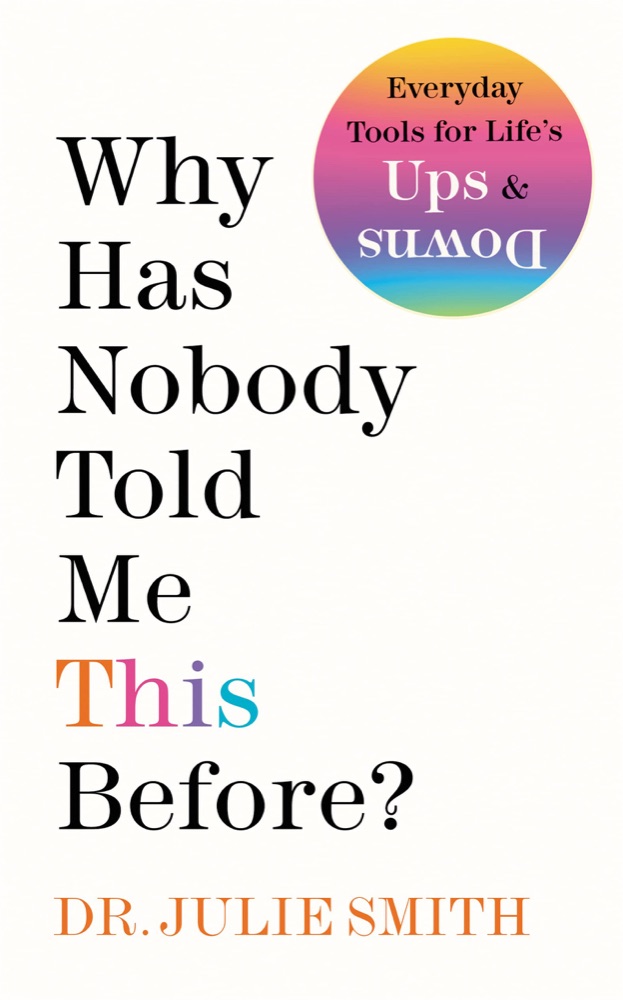 Why Has Nobody Told Me This Before?
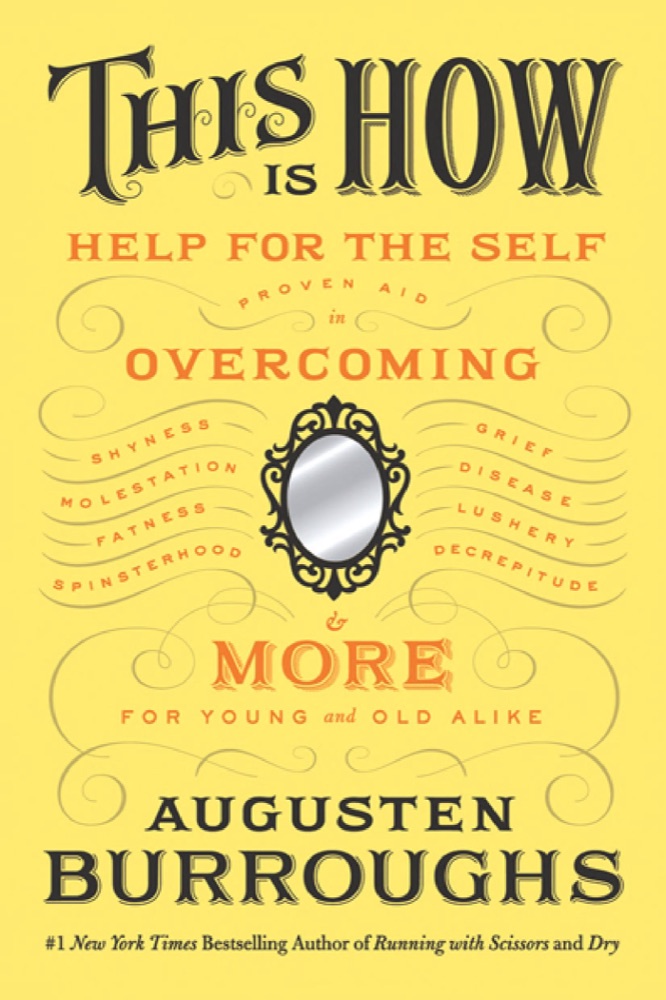 This Is How: Proven Aid in Overcoming Shyness, Molestation, Fatness, Spinsterhood, Grief, Disease, Lushery, Decrepitude & More. For Young and Old Alike.
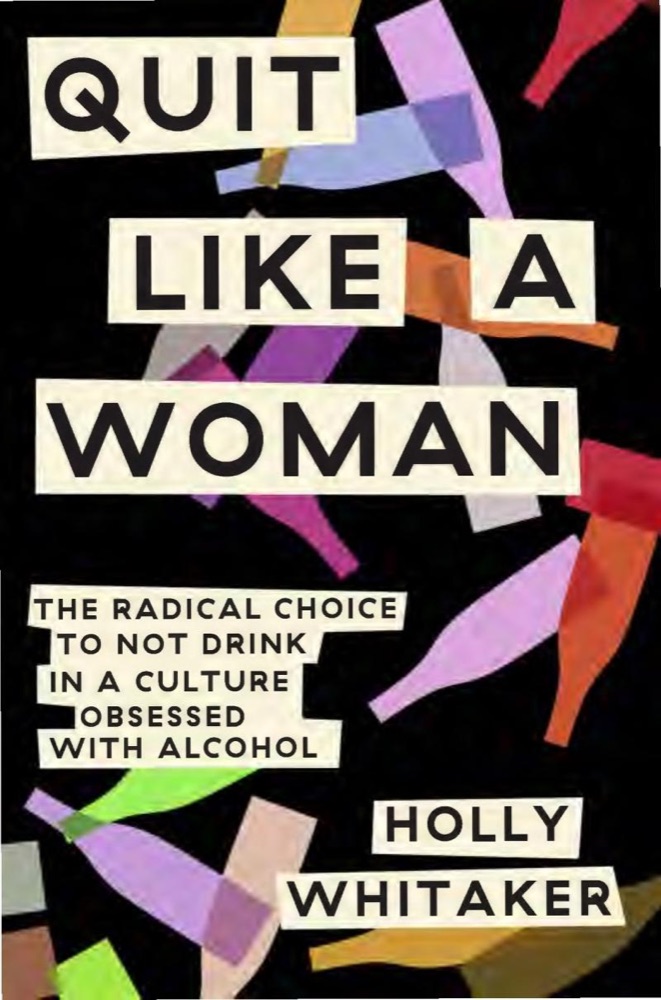 Quit Like a Woman: The Radical Choice to Not Drink in a Culture Obsessed with Alcohol
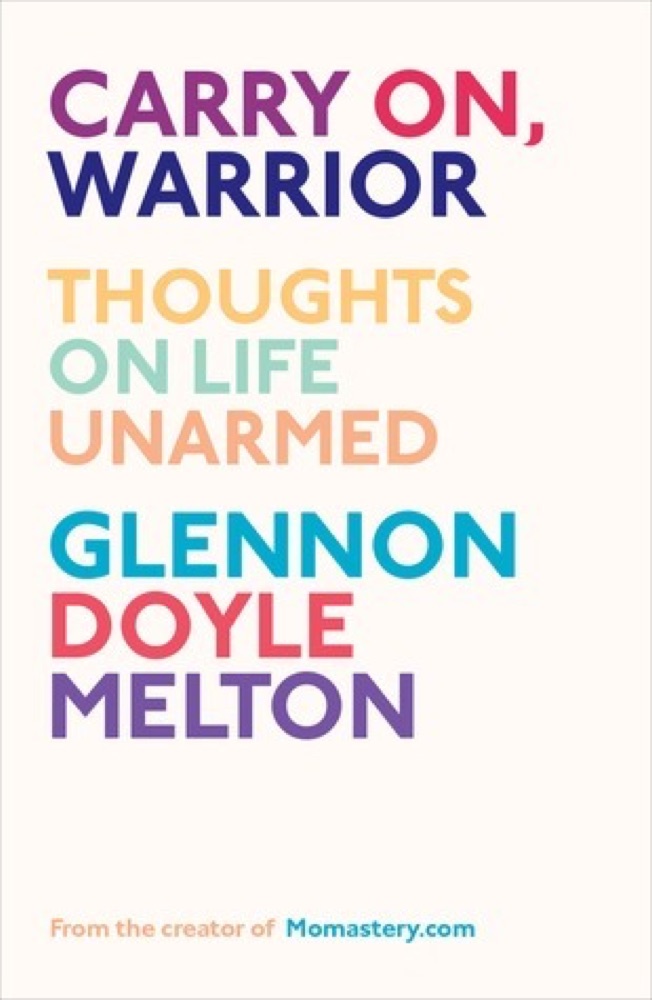 Carry On, Warrior: Thoughts on Life Unarmed
 Notes on a Nervous Planet
 Never Finished: Unshackle Your Mind and Win the War Within
 Self Love Poetry: For Thinkers & Feelers
 Girl Wash your Face
 Unfuck Your Brain: Using Science to Get Over Anxiety, Depression, Anger, Freak-Outs, and Triggers
 The Light We Carry: Overcoming in Uncertain Times
 Self-Compassion: The Proven Power of Being Kind to Yourself
 Can't Hurt Me: Master Your Mind and Defy the Odds
 Tribe Of Mentors: Transformative Wisdom From Icons and Innovators to Help You Navigate Life's Challenges
 The Tools: Transform Your Problems into Courage, Confidence, and Creativity
 Feeding the Soul (Because It's My Business): Finding Our Way to Joy, Love, and Freedom
 Maybe You Should Talk to Someone: A Therapist, Her Therapist, and Our Lives Revealed
 The Comfort Book
 The Things You Can See Only When You Slow Down: How to Be Calm in a Busy World
 Full Catastrophe Living: Using the Wisdom of Your Body and Mind to Face Stress, Pain, and Illness
 I Really Didn't Think This Through: Tales from My So-Called Adult Life
 The Wisdom of Your Body: Finding Healing, Wholeness, and Connection through Embodied Living
 Mastering Your Mean Girl: The No-BS Guide to Silencing Your Inner Critic and Becoming Wildly Wealthy, Fabulously Healthy, and Bursting with Love
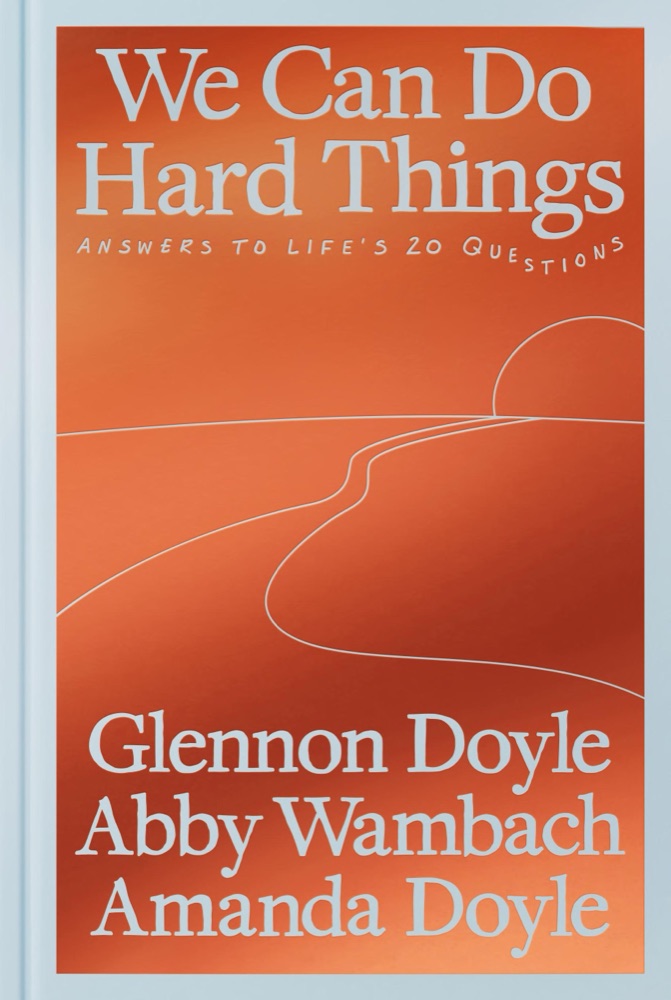 We Can Do Hard Things: Answers to Life's 20 Questions
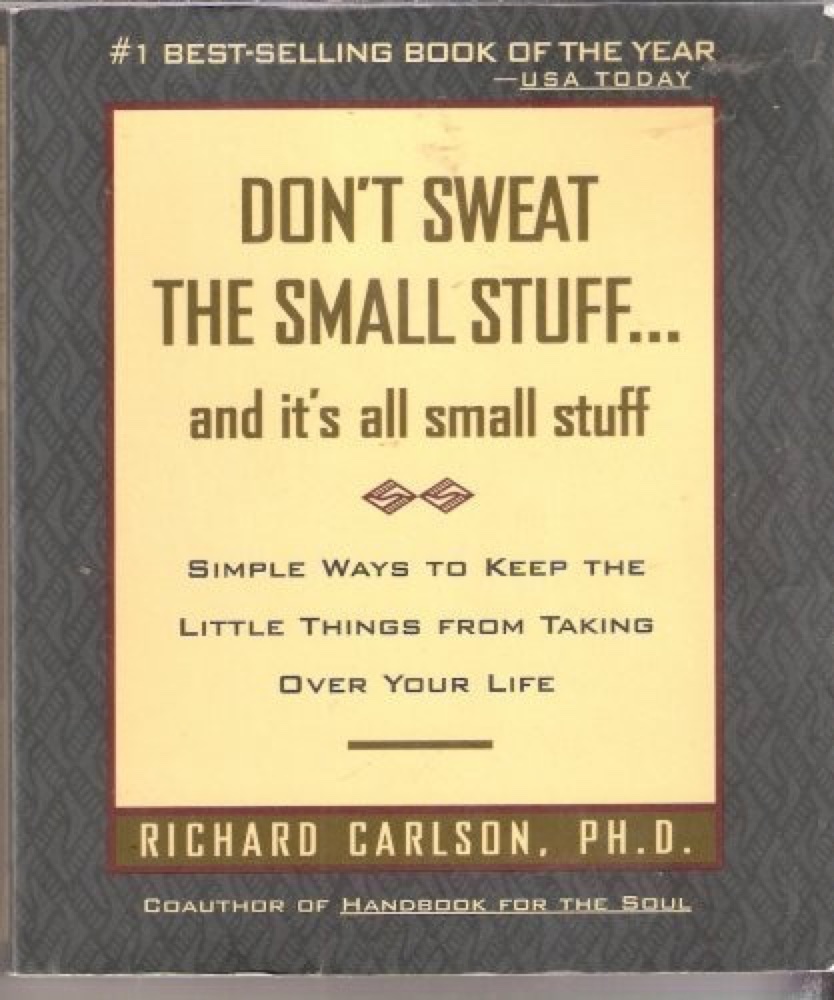 Don't Sweat the Small Stuff ... and it's all small stuff: Simple Ways to Keep the Little Things from Taking Over Your Life
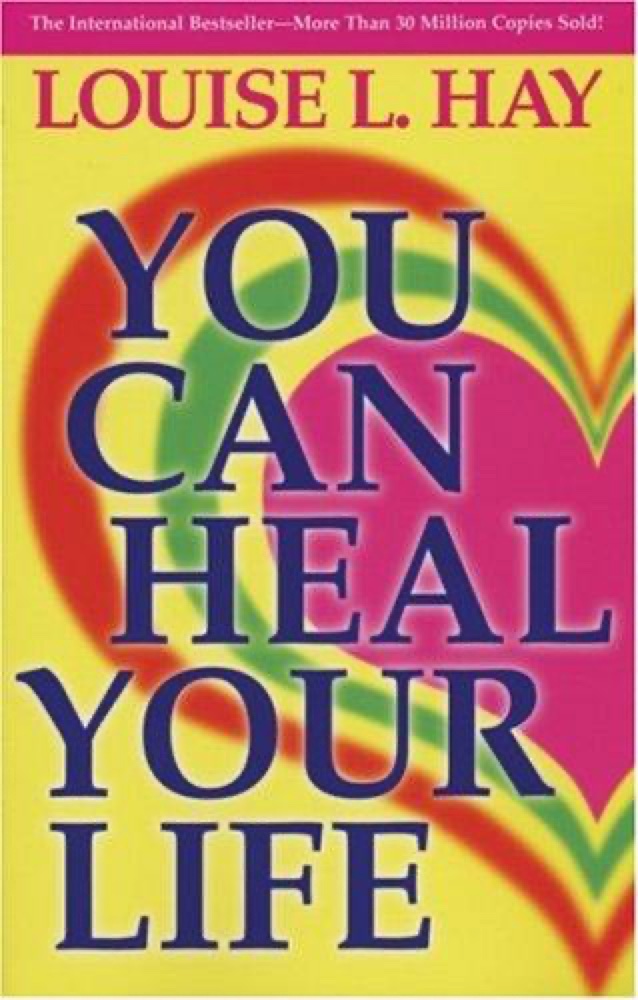 You Can Heal Your Life
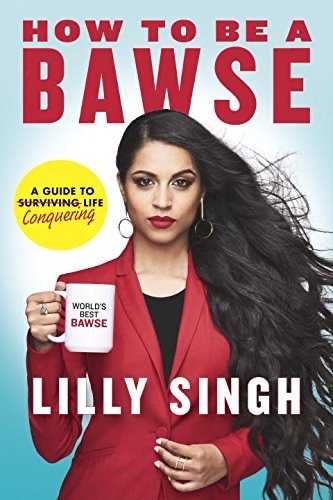 How to Be a Bawse: A Guide to Conquering Life
 How to Be Here: A Guide to Creating a Life Worth Living
 The Subtle Art of Not Giving a F*ck: A Counterintuitive Approach to Living a Good Life
 The Gifts of Imperfection
 Girl, Stop Apologizing: A Shame-Free Plan for Embracing and Achieving Your Goals
 Women, Food and God: An Unexpected Path to Almost Everything
 Buddha's Brain: The Practical Neuroscience of Happiness, Love, and Wisdom
 Present Over Perfect: Leaving Behind Frantic for a Simpler, More Soulful Way of Living
 Love for Imperfect Things: How to Accept Yourself in a World Striving for Perfection
 Your Erroneous Zones: Step-By-Step Advice for Escaping the Trap of Negative Thinking and Taking Control of Your Life
 F**k It: The Ultimate Spiritual Way
 Buy Yourself the F*cking Lilies: And Other Rituals to Fix Your Life, from Someone Who's Been There
 Build the Life You Want: The Art and Science of Getting Happier
 I Guess I Haven't Learned That Yet: Discovering New Ways of Living When the Old Ways Stop Working
 Broken
 Mind Platter
 God Never Blinks: 50 Lessons for Life's Little Detours
 Into the Magic Shop: A Neurosurgeon's Quest to Discover the Mysteries of the Brain and the Secrets of the Heart
 Feeling Good: The New Mood Therapy
 F*ck Feelings: One Shrink's Practical Advice for Managing All Life's Impossible Problems
 The 7 Habits Of Highly Effective Teens
 Discipline Equals Freedom: Field Manual