
 Integrity: The Courage to Meet the Demands of Reality
Quotes from the Book
The sad thing is that many of us come to Christ because we are sinners, and then spend the rest of our lives trying to pretend that we are not!
50
fruit of passive-aggressive people. These people resist demands by indirect tactics. They will not take responsibility for their own choices; instead, they turn around and blame someone else for making them do it. Or they will agree to do things that they don’t really want to do, and then gripe about the person behind her back.
26
Victims declare,“The world is responsible for me,” and never do anything to better their quality of life.
20
It is extremely important to be able to make negative assertions. We must be able to say what is ‘not me’ in order to have a ‘me’. What we like has no meaning unless we know what we don’t like. Our yes has no meaning if we never say no. My chosen profession has no passion if ‘just anyone would do’. Our opinions and thoughts mean very little if there is nothing we disagree with.
15
Denial of one's need for others is the most common type of defense against bonding. If people come from a situation, whether growing up or later in life, where good, safe relationships were not available to them, they learn to deny that they even want them. Why want what you can't have? They slowly get rid of their awareness of the need.
14
Grace is the first ingredient necessary for growing up in the image of God. Grace is unbroken, uninterrupted, unearned, accepting relationship. It is the kind of relationship humanity had with God in the Garden of Eden. Adam and Eve were loved and provided for. They knew God’s truth, and they had perfect freedom to do God’s will. In short, they were secure; they had no shame and anxiety. They could be who they truly were. Perhaps you have experienced this kind of love and grace with someone. You can be exactly who you are. You do not need to hide your thoughts or feelings; you do not need to perform; you do not need to do anything to be loved. Someone knows the real you, and loves you anyway.
12
Many people will not be honest because they fear loss of intimacy and togetherness. In reality, honesty brings people closer together, for it will strengthen their identities. The more you realize your separate identities, the closer you can become. Telling loved ones what is really on your mind and telling others what you really think is the foundation of love.
11
When people are vulnerable to control, they feel that they are selfish for deciding what to do with their own property. In reality, deciding for ourselves is the only way we can ever have true love, for then we are giving freely.
11
If we demand perfection from ourselves we are not living in the real world...The inherent problem in the relationship between the ideal & the real is that the ideal judges the real as unacceptable and brings down condemnation and wrath on the real. This sets up an adversarial relationship between the two and like all adversaries, they move further and further apart.
9
Time is an important ingredient for growth, but sometimes we pass through time and get better; at other times we pass through time and do not get better. Why? That’s because of what I call “good time” and “bad time.” From our vantage point, time is present experience. The only time we have is whatever we are experiencing at the present moment. Going forward or back in time is impossible. Right this instant is the only place where we can ever live. When we truly live in time, which is where we are now, we are present with our experience. We are present in the “here and now.” We are aware of our experience. If we are not aware of our experience, or are not experiencing some aspect of ourselves, that part is removed from time and is not affected by it. Change only takes place in “good time.” Good time is time in which we and our experiences can be affected by grace and truth. If we have removed some aspect of ourselves from time, grace and truth cannot transform it. Whatever aspect of ourselves that we leave outside of experience, that we leave in “bad time,”goes unchanged. Grace and truth cannot affect the part of ourselves we won’t bring into experience.
9
Sometimes we represent our weakness as if it were bad. We don’t think it’s okay to be weak…We have been injured in many ways and our real self houses all of the evidence of those injuries. The pain, the brokenness and the emotional underdevelopment we all possess is part of who we really are.
8
There is no simple theological answer to pain; the answer is a relationship with God in the midst of pain. Those who need things in neat little black-and-white packages cannot tolerate such a faith.
8
Freedom comes from taking responsibility; bondage comes from giving it away.
6
A despairing person should have kindness from his friend, said Job, “lest he forsake the fear of the Almighty” (Job 6:14 NASB). Job recognized, as only a person in pain can do, that simple answers not only fail to relieve pain, they can literally drive a person further away from God. The hurting person who takes this sort of advice to heart often has two problems instead of one: the pain she originally had, plus the guilt over not being able to apply the answers she was given.
5
It is easy to say we love others, but difficult to allow them the freedom inherent in love.
5
Other Christians may try to tell you what your values should be, but they are not perfect. You must take responsibility for your own choices.
4
WHAT I WAS TALKING ABOUT WAS BONDING. Bonding is one of the most basic and foundational ideas in life and the universe. It is a basic human need. God created us with a hunger for relationship—for relationship with him and with our fellow people. At our very core we are relational beings. Without a solid, bonded relationship, the human soul will become mired in psychological and emotional problems. The soul cannot prosper without being connected to others. No matter what characteristics we possess, or what accomplishments we amass, without solid emotional connectedness, without bonding to God and other humans, we, like Joan and Robbie, will suffer sickness of the soul.
4
Feelings signal our state of being. Feelings tell us how we are doing, what matters to us, what needs changing, what is going well, and what is going badly.
3
(re: Grace and Truth + Time = Growth) "Grace is the first ingredient necessary for growing up in the image of God. Grace is unbroken, uninterrupted, unearned, accepting relationship...Grace, then, is the relational aspect of God's character. [...] Truth is the second ingredient necessary...truth is the structural aspect of [God's] character. Truth is the skeleton life hangs upon; it adds shape to everything in the universe. God's truth leads us to what is real, to what is accurate. [...] Time is not just an act of God's grace, to us, 'giving us some space.' God is much too loving to allow us to continue in sin for one moment longer than necessary. Time is not a luxury, but a necessity.
3
The law of sowing and reaping is the most trustworthy law of behavior.
2
Many people do not think very often about what they think about. They just let their thoughts live inside their head, without observing or questioning them.
2
No real and deep change occurs outside of relationship and trust, for that is the place where the heart lives. People often say, “I know that in my head, not in my heart.” For the heart to know it, the heart must return to the vulnerable place where the rules were first written on it. Through this sort of vulnerability, it can learn new rules.
1
Just as there is good time and bad time, there is good endurance and bad endurance. When we suffer, is the true self growing or is the false self just enduring pain? If we are on God’s surgery table in grace-giving relationships with our real self, time spent suffering will produce completeness; we will grow up, and we will experience changes that heal.
1
It is one thing to have safety in relationship; it is quite another to be truly known and accepted in this relationship.
1
Fear gets us in touch with our very real vulnerability, and it gets us in touch with our need for others and God. Many times people treat others very insensitively because they are warding off their fears of being vulnerable.
1
We are in a constant position of being loved.
1
real healing and spiritual power can be found if one can get into a confessing, safe relationship, where the darkness can be made light and the “dark parts” can find forgiveness and acceptance.
1
Deep down inside, we all realize the difference between our ideal self, the imagined perfection, and our real self, the one that truly is. If these two battle each other, we will be in constant conflict. What we wish were true and what really is true will war with one another.
1
The Bible teaches two themes throughout: the first is that we are created in the image of God and that we have incredible value. The second is that we are sinful and broken. There is the ideal, and there is the real. Both are true, and both need to be reconciled into a grace-giving relationship with God and others.
1
This is the true selfishness: self-centeredness.
1
Watch on YouTube
About Henry Cloud
We have collected 189 quotes from 7 books by Henry Cloud on BookQuoters.
More about the author →More by Henry Cloud
Integrity: The Courage to Meet the Demands of Reality
 Necessary Endings: The Employees, Businesses, and Relationships That All of Us Have to Give Up in Order to Move Forward
 Boundaries: When to Say Yes, How to Say No to Take Control of Your Life
 Boundaries with Kids: How Healthy Choices Grow Healthy Children
About the book
This book focuses on four developmental tasks -- bonding to others, separating from others, integrating good and bad in our lives, and taking charge of our lives -- that all of us must accomplish to heal our inner pain and enable us to function and grow emotionally and spiritually.
Book details
- First published
- 1992
- Author
- Henry Cloud
- Genre
- Nonfiction
- Goodreads rating
- 4.37 (5k ratings)
Keep reading
 A Return to Love: Reflections on the Principles of "A Course in Miracles"
 The Mastery of Love: A Practical Guide to the Art of Relationship: A Toltec Wisdom Book
 The Four Agreements: A Practical Guide to Personal Freedom
 How to Be an Adult in Relationships: The Five Keys to Mindful Loving
 The Gifts of Imperfection
 Bonds That Make Us Free: Healing Our Relationship, Coming to Ourselves
 Becoming Human
Boundaries: When to Say Yes, How to Say No to Take Control of Your Life
Becoming Human
Boundaries: When to Say Yes, How to Say No to Take Control of Your Life
 Kitchen Table Wisdom: Stories that Heal
 Emotionally Healthy Spirituality: Unleash A Revolution In Your Life in Christ
 Messages from the Masters: Tapping into the Power of Love
 The Book of Awakening: Having the Life You Want by Being Present to the Life You Have
 Letting Go: The Pathway To Surrender
 The Road Less Travelled
 Of Mess and Moxie: Wrangling Delight Out of This Wild and Glorious Life
 Unglued: Making Wise Choices in the Midst of Raw Emotions
 The Truth: An Uncomfortable Book About Relationships
 All About Love: New Visions
 Nonviolent Communication: A Language of Life
 When Things Fall Apart: Heart Advice for Difficult Times
 The Purpose Driven Life: What on Earth Am I Here for?
 Buddha's Brain: The Practical Neuroscience of Happiness, Love, and Wisdom
 You're Not Enough (and That's Ok): Escaping the Toxic Culture of Self-Love
 Reconciliation: Healing the Inner Child
 Never Broken: Songs Are Only Half the Story
 Atlas of the Heart: Mapping Meaningful Connection and the Language of Human Experience
 101 Essays That Will Change The Way You Think
 The World According to Mister Rogers: Important Things to Remember
 Six Pillars of Self-Esteem
 Radical Love: Learning to Accept Yourself and Others
 Us: Getting Past You and Me to Build a More Loving Relationship
 If the Buddha Dated: A Handbook for Finding Love on a Spiritual Path
 The Things You Can See Only When You Slow Down: How to Be Calm in a Busy World
 For the Love: Fighting for Grace in a World of Impossible Standards
 The Art of Communicating
 Living Fearless: Exchanging the Lies of the World for the Liberating Truth of God
 The Shack
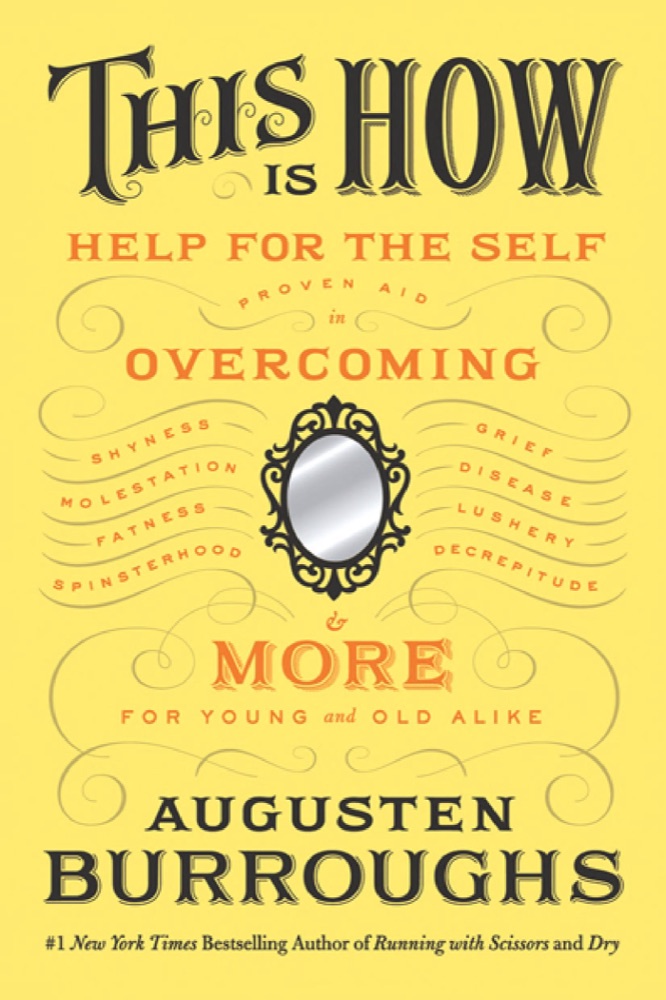 This Is How: Proven Aid in Overcoming Shyness, Molestation, Fatness, Spinsterhood, Grief, Disease, Lushery, Decrepitude & More. For Young and Old Alike.
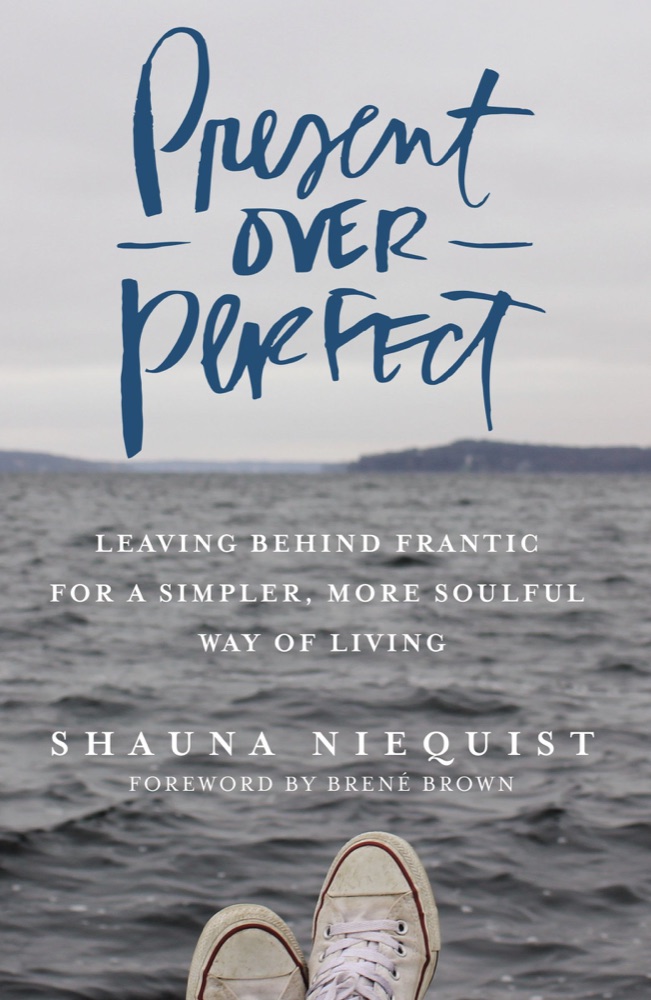 Present Over Perfect: Leaving Behind Frantic for a Simpler, More Soulful Way of Living
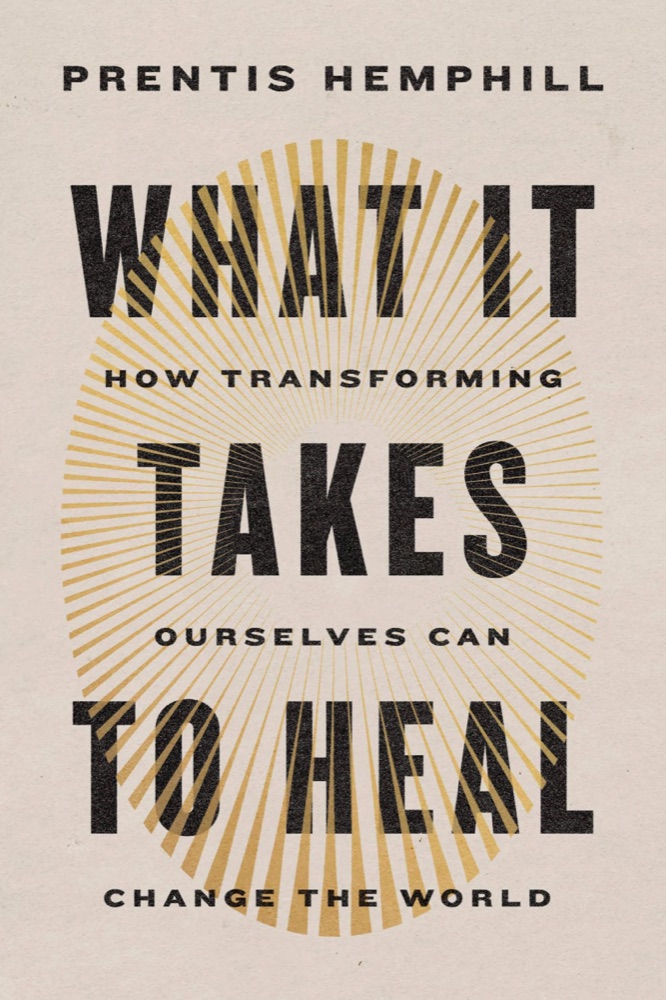 What It Takes to Heal: How Transforming Ourselves Can Change the World
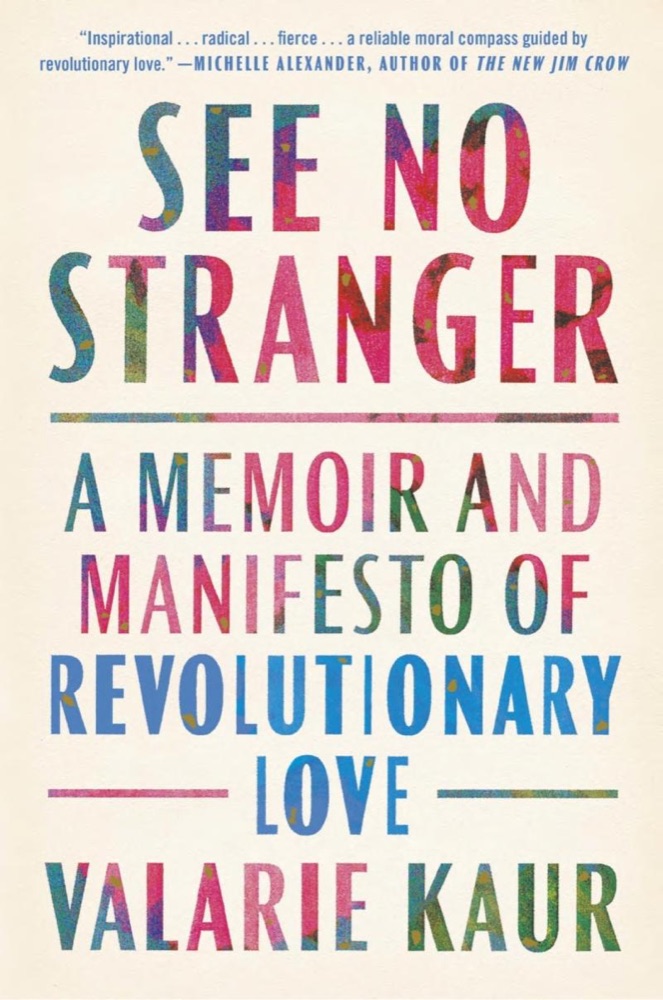 See No Stranger: A Memoir and Manifesto of Revolutionary Love
 Maybe You Should Talk to Someone: A Therapist, Her Therapist, and Our Lives Revealed
 Self-Compassion: The Proven Power of Being Kind to Yourself
 Letting Go of the Person You Used to Be: Lessons on Change, Loss, and Spiritual Transformation
 Love for Imperfect Things: How to Accept Yourself in a World Striving for Perfection
 Loving What Is: Four Questions That Can Change Your Life
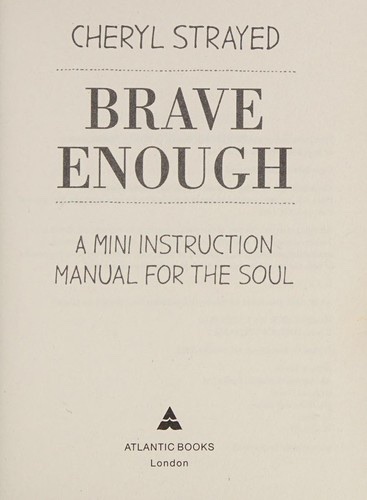 Brave Enough
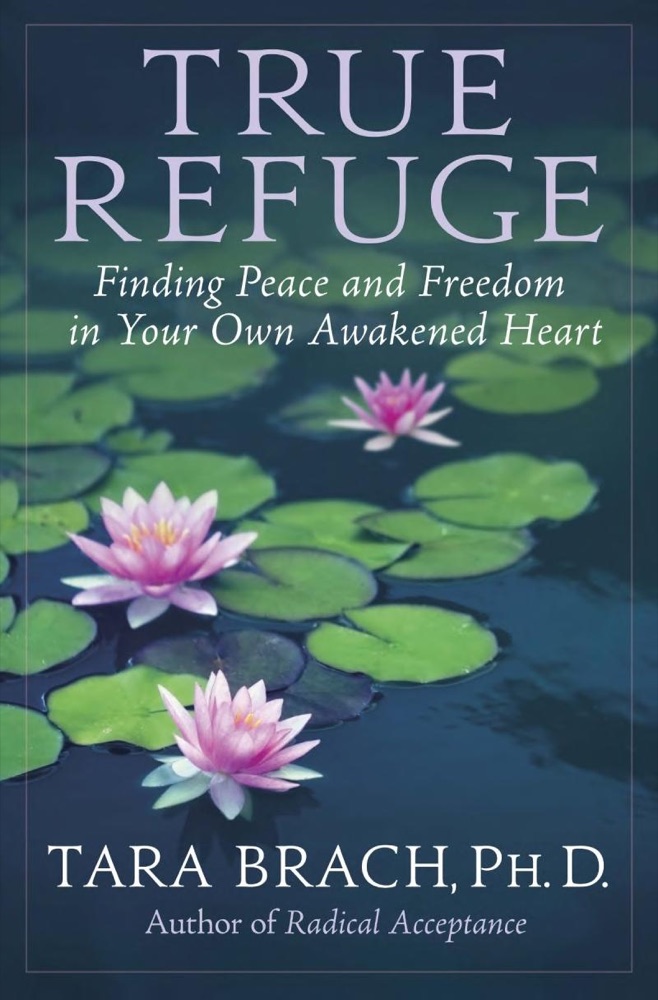 True Refuge: Finding Peace and Freedom in Your Own Awakened Heart
 Toward a Psychology of Being
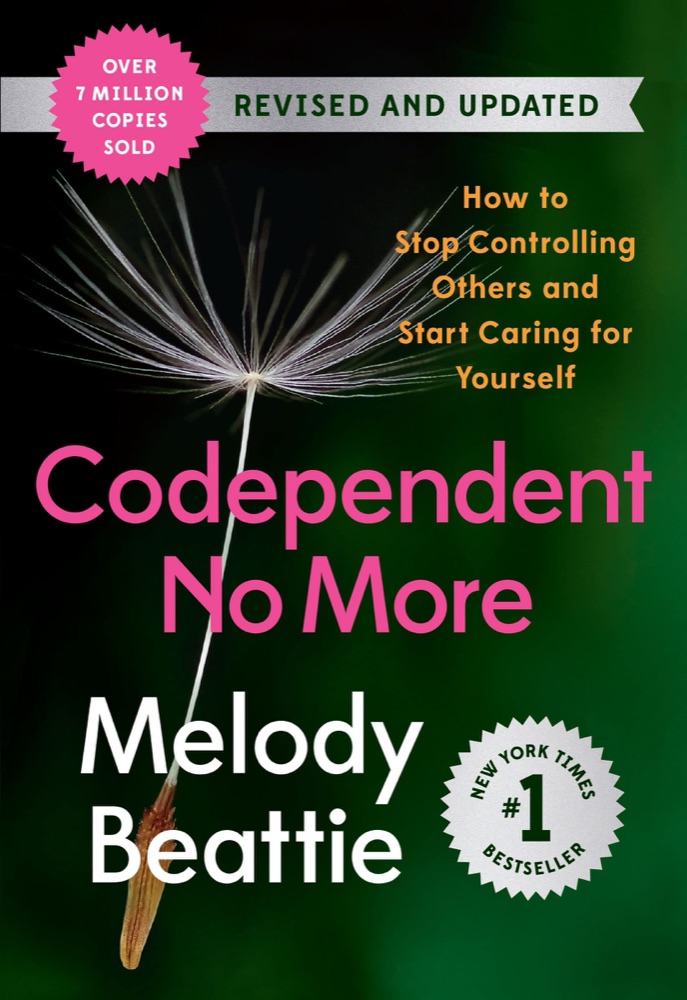 Codependent No More: How to Stop Controlling Others and Start Caring for Yourself
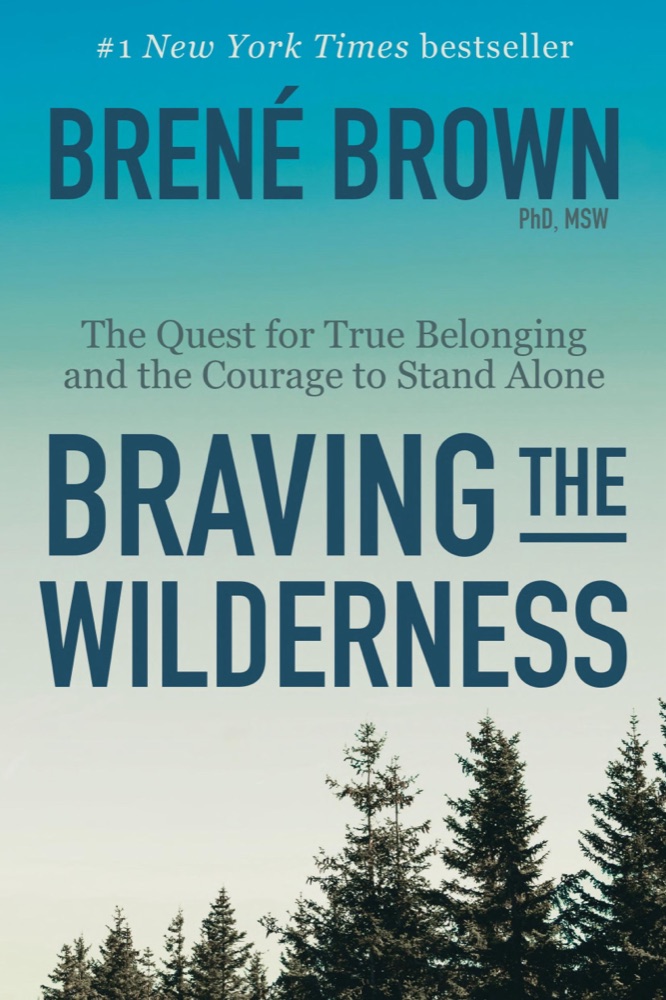 Braving the Wilderness
 Breathing Underwater: Spirituality and the 12 Steps
 Boundaries in Marriage: Understanding the Choices That Make or Break Loving Relationships
 Carry On, Warrior: Thoughts on Life Unarmed
 Almost Everything: Notes on Hope
 A Hidden Wholeness: The Journey Toward an Undivided Life : Welcoming the soul and weaving community in a wounded world
 Tattoos on the Heart: The Power of Boundless Compassion