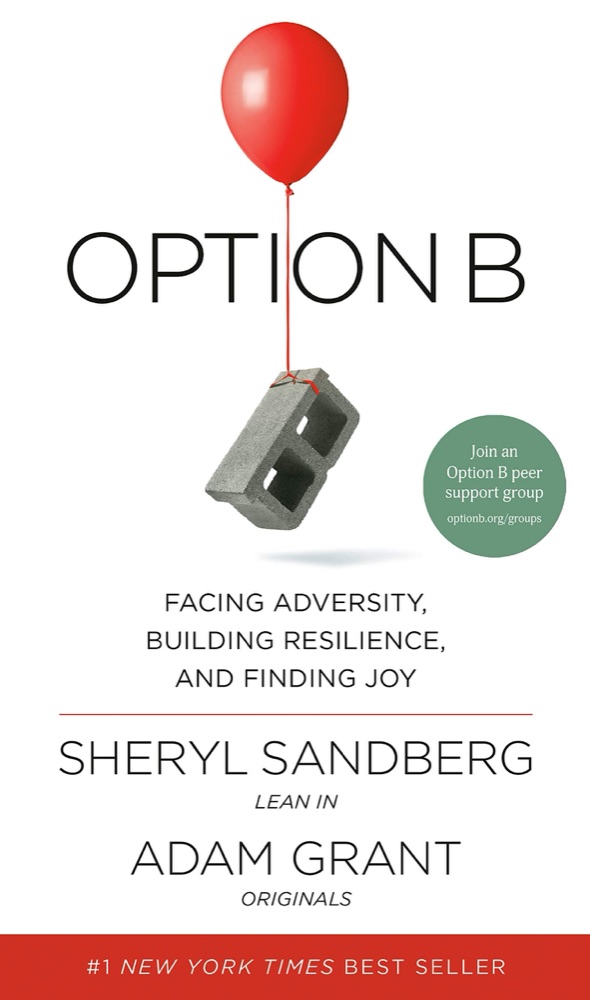

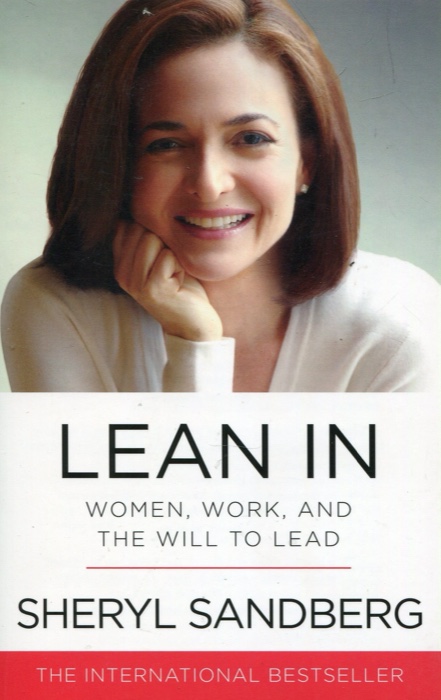
 Lean In: Women, Work, and the Will to Lead
Quotes from the Book
Option A is not available. so let's just kick the shit out of Option B." Life is never perfect. We all live some form of Option B.
74
Each one of us is more than the worst thing we've ever done.
64
Let me fall if I must fall. The one I become will catch me.” Slowly,
59
We plant the seeds of resilience in the ways we process negative events. After spending decades studying how people deal with setbacks, psychologist Martin Seligman found that three P’s can stunt recovery: (1) personalization—the belief that we are at fault; (2) pervasiveness—the belief that an event will affect all areas of our life; and (3) permanence—the belief that the aftershocks of the event will last forever. The three P’s play like the flip side of the pop song “Everything Is Awesome”—“everything is awful.” The loop in your head repeats, “It’s my fault this is awful. My whole life is awful. And it’s always going to be awful.” Hundreds
38
As we get older, we define happiness less in terms of excitement and more in terms of peacefulness. Reverend Veronica Goines sums this up as, “Peace is joy at rest, and joy is peace on its feet.
31
Resilience comes from deep within us and from support outside us. It comes from gratitude for what’s good in our lives and from leaning in to the suck. It comes from analyzing how we process grief and from simply accepting that grief. Sometimes we have less control than we think. Other times we have more. I learned that when life pulls you under, you can kick against the bottom, break the surface, and breathe again.
29
post-traumatic growth could take five different forms: finding personal strength, gaining appreciation, forming deeper relationships, discovering more meaning in life, and seeing new possibilities.
27
One of the most important things I’ve learned is how deeply you can keep loving someone after they die. You may not be able to hold them or talk to them, and you may even date or love someone else, but you can still love them every bit as much. Playwright Robert Woodruff Anderson captured it perfectly: “Death ends a life, but it does not end a relationship.” Last
25
grounded hope”—the understanding that if you take action you can make things better.
21
not everything that happens to us happens because of us.
19
I am more vulnerable than I thought, but much stronger than I ever imagined.
17
Philosopher Søren Kierkegaard said that life can only be understood backward but it must be lived forward.
12
I couldn’t understand when friends didn’t ask me how I was. I felt invisible, as if I were standing in front of them but they couldn’t see me. When someone shows up with a cast, we immediately inquire, “What happened?” If your ankle gets shattered, people ask to hear the story. If your life gets shattered, they don’t. People
11
Building resilience depends on the opportunities children have and the relationships they form with parents, caregivers, teachers, and friends. We can start by helping children develop four core beliefs: (1) they have some control over their lives; (2) they can learn from failure; (3) they matter as human beings; and (4) they have real strengths to rely on and share. These
11
I thought resilience was the capacity to endure pain, so I asked Adam how I could figure out how much I had. He explained that our amount of resilience isn’t fixed, so I should be asking instead how I could become resilient. Resilience is the strength and speed of our response to adversity—and we can build it. It isn’t about having a backbone. It’s about strengthening the muscles around our backbone. Since
10
When companies fail, it’s usually for reasons that almost everyone knows but almost no one has voiced. When someone isn’t making good decisions, few have the guts to tell that person, especially if that person is the boss. One
9
A traumatic experience is a seismic event that shakes our belief in a just world, robbing us of the sense that life is controllable, predictable, and meaningful.
9
We see the potential for good in others and gain hope that we can survive and rebuild.
8
When one door of happiness closes, another opens; but often we look so long at the closed door that we do not see the one which has been opened for us.
7
He who has a why to live for can bear almost any how.
7
All over the world, there is cultural pressure to conceal negative emotions. In China and Japan, the ideal emotional state is calm and composed.10 In the United States, we like excitement (OMG!) and enthusiasm (LOL!). As psychologist David Caruso observes, “American culture demands that the answer to the question ‘How are you?’ is not just ‘Good.’11 … We need to be ‘Awesome.’ ” Caruso adds, “There’s this relentless drive to mask the expression of our true underlying feelings.” Admitting that you’re having a rough time is “almost inappropriate.” Anna
7
Psychologists have found that over time we usually regret the chances we missed, not the chances we took.
6
We find our humanity—our will to live and our ability to love—in our connections to one another.
6
When children feel comfortable asking for help, they know they matter. They see that others care and want to be there for them. They understand that they are not alone and can gain some control by reaching out for support. They realize that pain is not permanent; things can get better.
6
In my experience, survivors want the opportunity to teach and not be shunned because they went through something unknowable,” Merle said.
6
When we are no longer able to change a situation,” psychiatrist and Holocaust survivor Viktor Frankl observed, “we are challenged to change ourselves.” After
5
That even in the face of the most shocking tragedy of my life, I could exert some control over its impact.
5
Self-compassion isn't talked about as much as it should be, maybe because it's often confused with its troublesome cousins, self-pity and self-indulgence. Psychologist Kristin Neff describes self-compassion as offering the same kindness to ourselves that we would give to a friend. It allows us t respond to our own errors with conern and understanding rather than criticism and shame.
4
Part of every misery,” C. S. Lewis wrote, is “misery’s shadow…the fact that you don’t merely suffer but have to keep on thinking about the fact that you suffer.
4
Watch on YouTube
About Sheryl Sandberg
We have collected 58 quotes from 2 books by Sheryl Sandberg on BookQuoters.
More about the author →More by Sheryl Sandberg
Lean In: Women, Work, and the Will to Lead
About the book
From Facebook’s COO and Wharton’s top-rated professor, the #1 New York Times best-selling authors of Lean In and Originals: a powerful, inspiring, and practical book about building resilience and moving forward after life’s inevitable setbacks.
After the sudden death of her husband, Sheryl Sandberg felt certain that she and her children would never feel pure joy again. “I was in ‘the void,’” she writes, “a vast emptiness that fills your heart and lungs and restricts your ability to think or even breathe.” Her friend Adam Grant, a psychologist at Wharton, told her there are concrete steps people can take to recover and rebound from life-shattering experiences. We are not born with a fixed amount of resilience. It is a muscle that everyone can build. Option B combines Sheryl’s personal insights with Adam’s eye-opening research on finding strength in the face of adversity. Beginning wi
Book details
- First published
- 2017
- Author
- Sheryl Sandberg
- Genre
- Nonfiction
- Goodreads rating
- 3.84 (57k ratings)
The buzz
- The New York TimesReview in The New York Timesprofessional review (via Book Marks)
- The New YorkerReview in The New Yorkerprofessional review (via Book Marks)
- The Washington PostReview in The Washington Postprofessional review (via Book Marks)
- Kirkus ReviewsReview in Kirkus Reviewsprofessional review (via Book Marks)
- Publishers WeeklyReview in Publishers Weeklyprofessional review (via Book Marks)
- FtReview in Ftprofessional review (via Book Marks)
Keep reading
 Any Ordinary Day
 On Fire: The 7 Choices to Ignite a Radically Inspired Life
 When Things Fall Apart: Heart Advice for Difficult Times
 Resilience: Hard-Won Wisdom for Living a Better Life
 The Comfort Book
 Almost Everything: Notes on Hope
 On Grief and Grieving: Finding the Meaning of Grief Through the Five Stages of Loss
 Maybe You Should Talk to Someone: A Therapist, Her Therapist, and Our Lives Revealed
 Atlas of the Heart: Mapping Meaningful Connection and the Language of Human Experience
 The Examined Life: How We Lose and Find Ourselves
 In Shock: My Journey from Death to Recovery and the Redemptive Power of Hope
 Kitchen Table Wisdom: Stories that Heal
 Good Dirt
 Stitches: A Handbook on Meaning, Hope, and Repair
 The Choice: Embrace the Possible
 This Is How: Proven Aid in Overcoming Shyness, Molestation, Fatness, Spinsterhood, Grief, Disease, Lushery, Decrepitude & More. For Young and Old Alike.
 Rising Strong
 Letting Go of the Person You Used to Be: Lessons on Change, Loss, and Spiritual Transformation
 The Tools: Transform Your Problems into Courage, Confidence, and Creativity
 The Book of Awakening: Having the Life You Want by Being Present to the Life You Have
 A Grace Disguised: How the Soul Grows through Loss
 Brave Enough
 Carry On, Warrior: Thoughts on Life Unarmed
 The Light We Carry: Overcoming in Uncertain Times
 Speak: Find Your Voice, Trust Your Gut, and Get from Where You Are to Where You Want to Be
 The World According to Mister Rogers: Important Things to Remember
 101 Essays That Will Change The Way You Think
 The Gifts of Imperfection
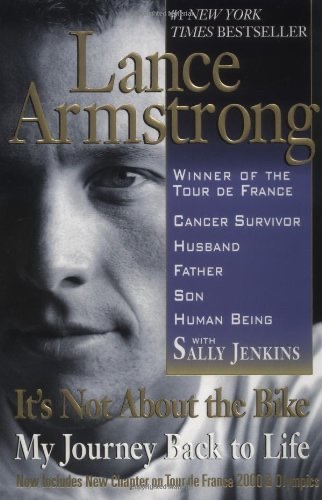 It's Not about the Bike: My Journey Back to Life
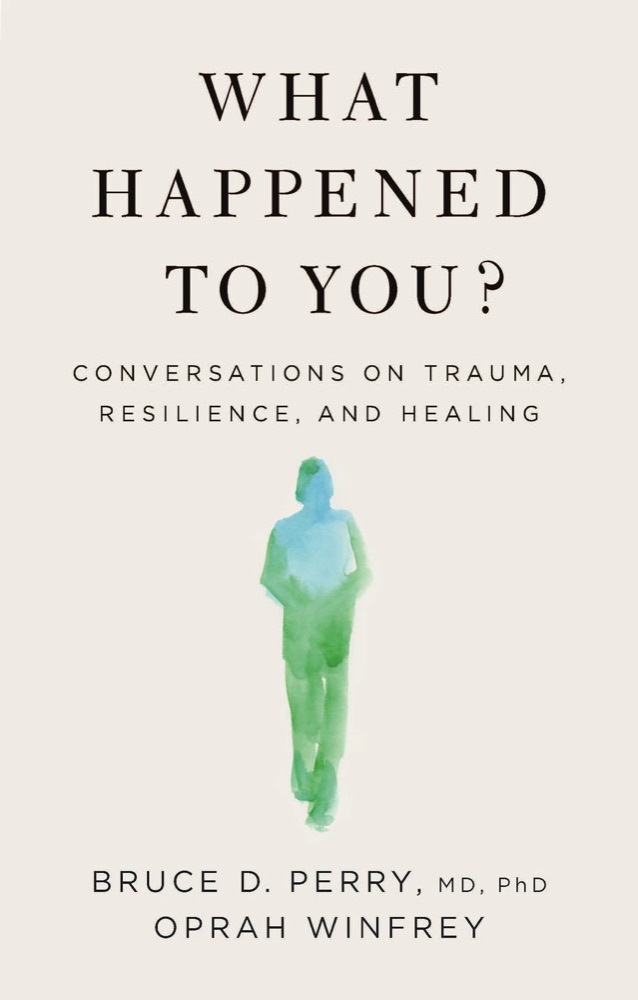 What Happened To You?: Conversations on Trauma, Resilience, and Healing
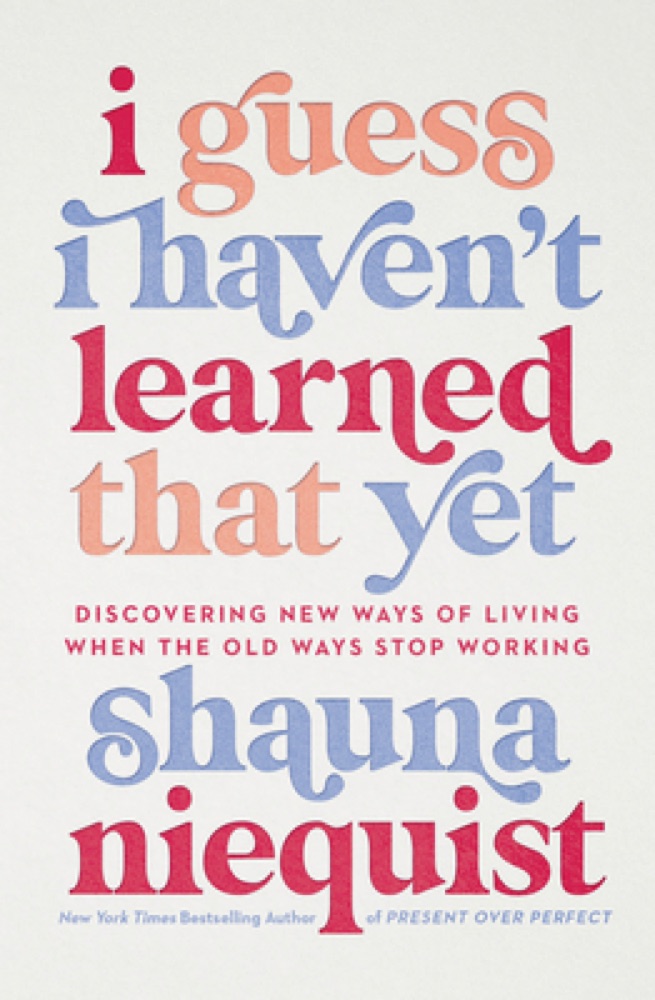 I Guess I Haven't Learned That Yet: Discovering New Ways of Living When the Old Ways Stop Working
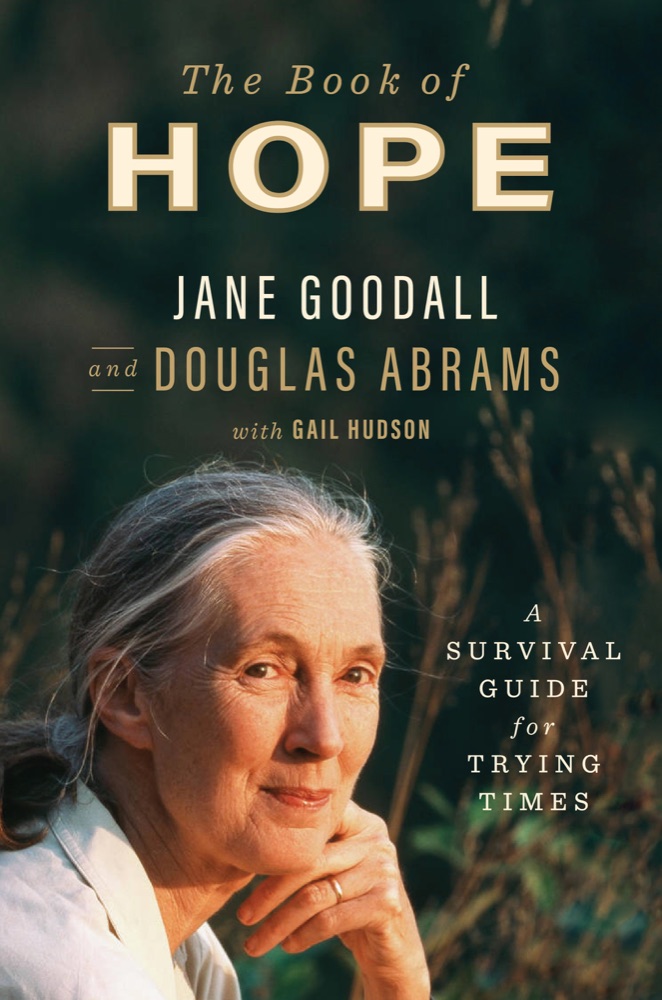 The Book of Hope: A Survival Guide for Trying Times
 We Can Do Hard Things: Answers to Life's 20 Questions
 Burnout: The Secret to Unlocking the Stress Cycle
 Between Two Kingdoms: A Memoir of a Life Interrupted
 Life Will Be the Death of Me: . . . and you too!
 Build the Life You Want: The Art and Science of Getting Happier
 A Stolen Life
 Letting Go: The Pathway To Surrender
 Why Be Happy When You Could Be Normal?
 Keep Holding On
 Like Streams to the Ocean: Notes on Ego, Love, and the Things That Make Us Who We Are
 Living Beyond Your Feelings: Controlling Emotions So They Don't Control You
 Greenlights
 Everything Is F*cked: A Book About Hope
 God Never Blinks: 50 Lessons for Life's Little Detours
 A Well-Tempered Heart
 Who Will Cry When You Die?
 Be a People Person
 Never Broken: Songs Are Only Half the Story
 Changes That Heal: How to Understand the Past to Ensure a Healthier Future
 Thrive: The Third Metric to Redefining Success and Creating a Life of Well-Being, Wisdom, and Wonder
 They Can't Kill Us Until They Kill Us: Essays
 Dusk, Night, Dawn: On Revival and Courage
 Radical Love: Learning to Accept Yourself and Others
 The School of Life: An Emotional Education
 The Book of Joy: Lasting Happiness in a Changing World