
 Untamed
Quotes from the Book
I really, really think the secret to being loved is to love. And the secret to being interesting is to be interested. And the secret to having a friend is being a friend.... Be brave. Like somebody.
5
I actively work toward a flow state, where playing soccer feels like the most blissful and joyous thing that I ever did. I believe that if I love it, if I’m laughing, if I’m smiling, that’s when I’m at my best.
1
Sadness is the gap between the seen and unseen—between what we know could be, what should be, and what actually is. This is why so many visionaries have such big sadness: They ache at the way things are because they have such a strong, haunting vision of the way it could be.
1
Every single version of yourself was using exactly what you had in the moment, to do the best you could with what you knew. So forgive all of your old selves—no, do more than forgive; embrace and celebrate every single version of yourself who worked so hard to survive. And did. Glennon
1
It’s scary to know that I could do the same thing with my own life—that I could become so focused on what needs to be fixed that I don’t see the beauty of my life that needs no fixing. That I could be so busy managing my life that I miss it. Amanda
1
The joy of returning to our bodies - and accepting all of the pain and the scars and the history written there - is beautiful. Who fooled us into thinking that the unmarked page was more beautiful? Who did that? -Allison Russell
1
Trauma is not conscious. It's your body saying: This particular thing that happened is too much, too fast, too soon, or too long without enough repair. When trauma activates, your sense of self in the world drifts and gets stuck. But pervasive trauma that happens over long periods of time - in the world or in a person's body - can begin to be perceived as personality traits. Trauma in family systems can look like family traits. Trauma in a people can look like culture. Trauma in a culture can look natural and/or standard. Someone who's endured trauma might seem "crazy." They're not crazy. They're keeping themselves alive. Untended trauma responses are not defective, they are protective.
1
The quickest way I know to lose my mind is to try to control other folks’ narratives about me.
Seek and you shall find.
It’s not our job to protect our kids from their pain. It’s our job to let them sit in it
When somebody wants you to take up so much space and be a full person with all of your sadness and all of your fear
It made me cry to imagine myself soaking up water while someone says tenderly
You just have to say the thing out loud and let the right people find you.
I’m so grateful that I learned how to quit.
Even the absolute best decisions come with some pain. It can hurt and still be right.
Setting boundaries comes in two simple parts. The first part is saying the thing. The second part is being a strong little tree in a storm
you’re not alone. You’re just honest.
If you want to know what intuition is
Because have you ever seen anything as offensive as a carefree woman?
Anxious Attachment I have a hard time trusting my partner, even if they’ve proven themself to be trustworthy. I need constant reassurance that they won’t leave me, and I am terrified of rejection or abandonment. I feel like my worth depends on my partner’s validation. My anxious attachment formed because my caregivers were inconsistent in meeting my physical and emotional needs, which made me constantly question our connection. My caregivers also may have turned to me to satisfy their emotional cravings, rather than providing me with the consistent love and support I needed to grow. My healing involves learning to soothe myself, affirm my worth, and give myself the affirmation I am craving so that my relationships feel more reciprocal and less frantic.
It’s so funny to me that people accuse trans and nonbinary people of imposing this gender conversation on them, when the real imposition was dividing billions of complex, divine, nuanced souls into two categories: men and women. They tell you that there are only two genders, and they get away with it because they kill, disappear, erase, discredit, and delegitimize all of us who, for hundreds of years, have lived alongside you. Alok
You’re not alone, you’re part of a community that cares about you. You’re going to be lifted up. So get out of that chair. Shoulders back, chin up. Former Vice President Kamala Harris
My biggest healing practice is friendship. To be able to call people when I am on the floor, whether metaphorically or physically, and be completely transparent is so important to me. Friendship tethers me to what I like best about my life. Tracee Ellis Ross
Sometimes we can’t give those we love peace, but we can give it to ourselves, and hope it spreads.
I touch my heart. The quickest way I return to myself is to put my hand over my heart. Every time I do that, I remember I am a precious being who deserves love and peace.
Boundaries are the distance at which I can love both you and me simultaneously.
Did you know?
- The book is co-authored by Glennon Doyle, Abby Wambach, and Amanda Doyle, the trio behind the We Can Do Hard Things podcast.
- It is organized around 20 of life's biggest questions, on topics such as marriage, parenting, recovery, heartbreak, and aging.
- The authors gathered wisdom from more than 100 guests and 'wayfinders' interviewed on the podcast.
Watch on YouTube
About Glennon Doyle
Glennon Doyle is an American author and activist whose memoirs Untamed and Love Warrior were #1 New York Times bestsellers, and who founded the nonprofit Together Rising. With her wife, soccer champion Abby Wambach, and her sister Amanda Doyle, she co-hosts the popular podcast We Can Do Hard Things, from which this book takes its name and material.
More about the author →More by Glennon Doyle
About the book
We Can Do Hard Things: Answers to Life's 20 Questions is a guidebook from Glennon Doyle, Abby Wambach, and Amanda Doyle, drawn from their hugely popular podcast of the same name. Rather than a single narrative, it is organized around twenty of life's biggest questions, covering subjects such as marriage, parenting, work, recovery, heartbreak, aging, and starting over. It is framed as a companion for fellow travelers trying to find their way.
The book gathers wisdom not only from the three authors but from more than a hundred guests and thinkers they have interviewed, distilling years of intimate conversations into collected insights and reflections. Its tone is warm, frank, and communal, treating hard questions as something to be faced together rather than solved alone.
It is heavily quoted for its concise, resonant lines about love, courage, and surviving difficulty, the spirit captured in the phrase 'we can do hard things.' Readers turn to it for language that names hard feelings and for reassurance pulled directly from a wide chorus of voices.
Book details
- First published
- 2025
- Length
- 497 pages
- Reading time
- 8-9 hours
- Author
- Glennon Doyle
- Genre
- Nonfiction
- Goodreads rating
- 3.93 (6k ratings)
Critical reception
- The book draws on the trio's hugely popular We Can Do Hard Things podcast.
- It was a New York Times bestseller and gathered wisdom from more than 100 guests interviewed on the show.
If you liked this, read…
- 1UntamedGlennon Doyle's own bestselling memoir of self-liberation.
- 2Atlas of the HeartBrené Brown mapping the emotions that shape our lives.
- 3Tiny Beautiful ThingsCheryl Strayed's compassionate answers to life's hardest questions.
- 4The Book of JoyThe Dalai Lama and Desmond Tutu on living well through hardship.
Keep reading
 Carry On, Warrior: Thoughts on Life Unarmed
 Brave Enough
 The Beauty of Living Twice
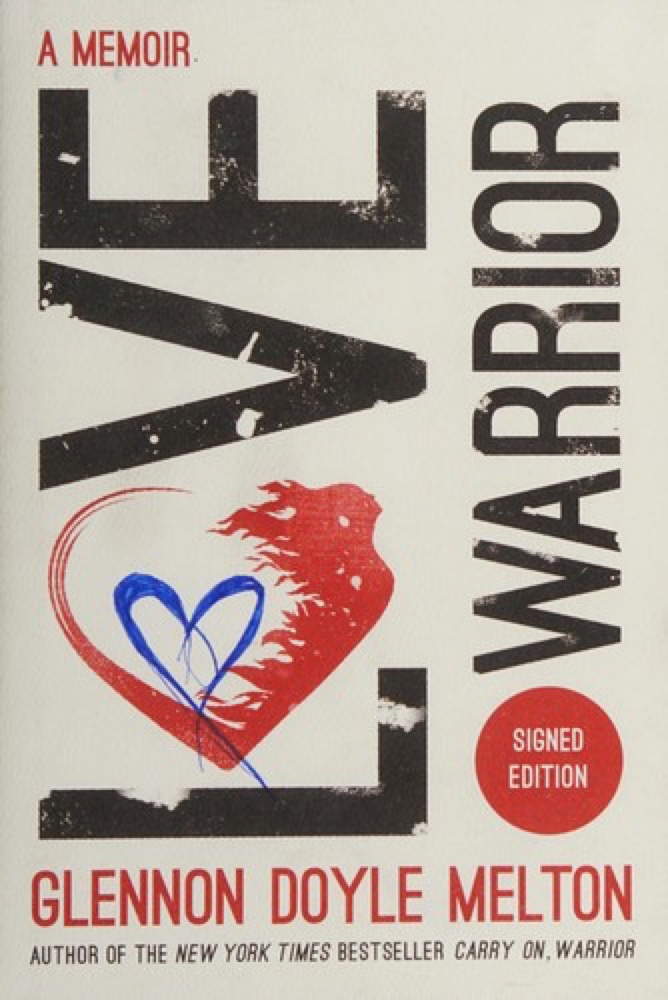 Love Warrior
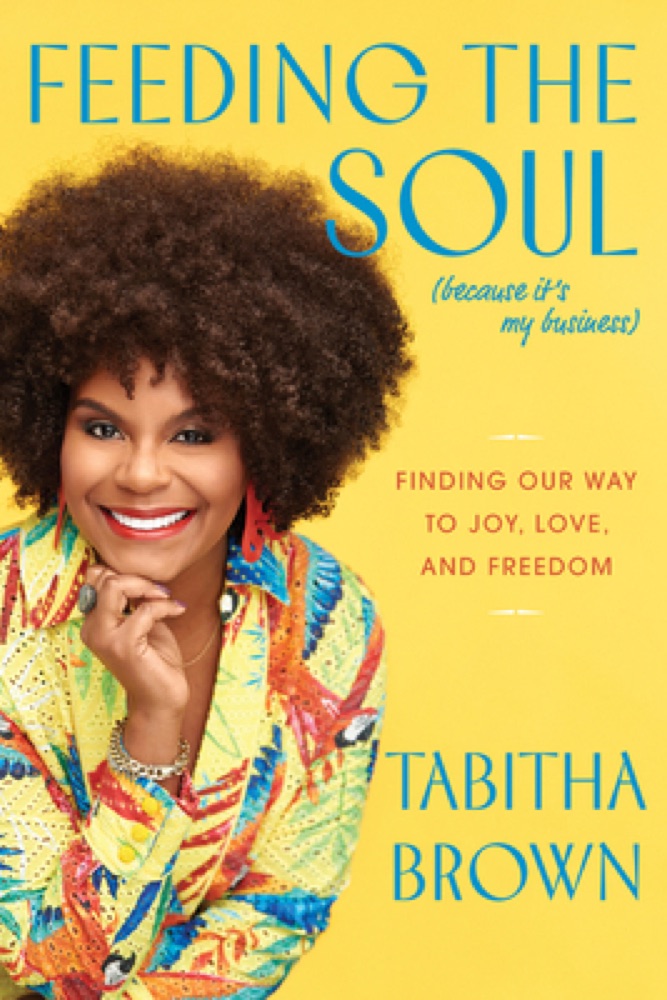 Feeding the Soul (Because It's My Business): Finding Our Way to Joy, Love, and Freedom
 Take Me With You
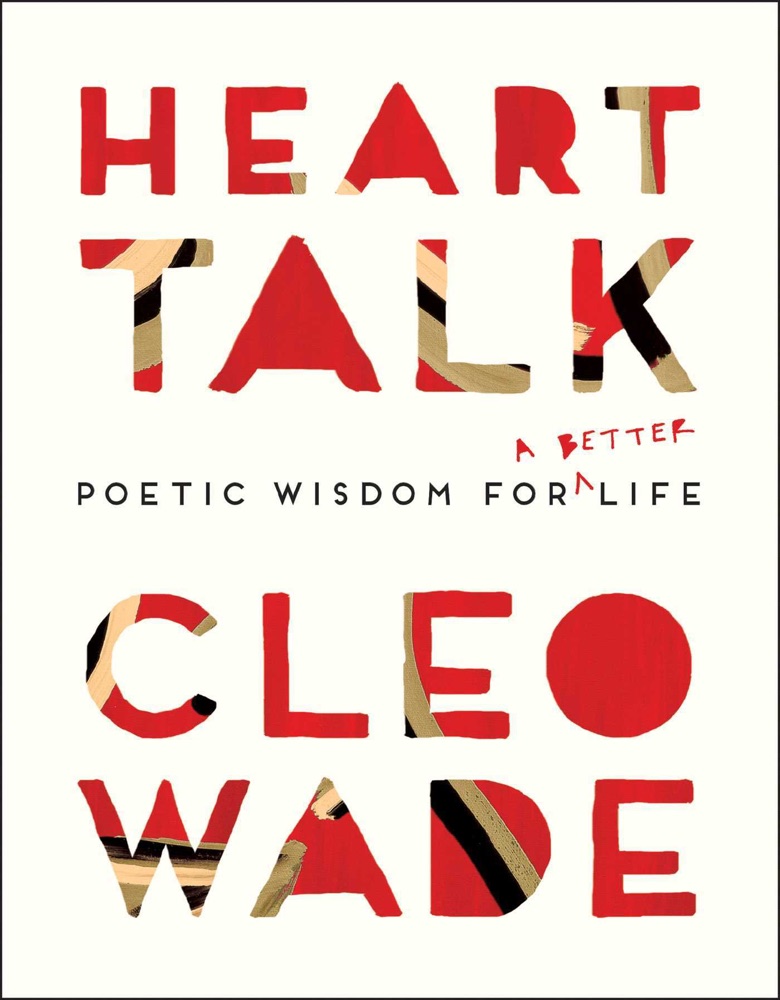 Heart Talk: Poetic Wisdom for a Better Life
 Like Streams to the Ocean: Notes on Ego, Love, and the Things That Make Us Who We Are
 On Being Human: A Memoir of Waking Up, Living Real, and Listening Hard
 Broken
 The Light We Carry: Overcoming in Uncertain Times
Untamed
The Light We Carry: Overcoming in Uncertain Times
Untamed
 It's Okay to Laugh
 Welcome Home: A Guide to Building a Home for Your Soul
 Over the Top: A Raw Journey to Self-Love
 Buy Yourself the F*cking Lilies: And Other Rituals to Fix Your Life, from Someone Who's Been There
 Mending the Mind
 Tell Me More: Stories About the 12 Hardest Things I'm Learning to Say
![It's Not OK to Feel Blue [and other lies]](/i/book/g/ed/its-not-ok-to-feel-blue-and-other-lies.jpg) It's Not OK to Feel Blue [and other lies]
It's Not OK to Feel Blue [and other lies]
 Life Will Be the Death of Me: . . . and you too!
 Open Book
 Never Broken: Songs Are Only Half the Story
 We Are the Luckiest: The Surprising Magic of a Sober Life
 The Girl and the Goddess: Stories and Poems of Divine Wisdom
 Letter to My Daughter
 Dusk, Night, Dawn: On Revival and Courage
 Broken Horses
 Dear Senthuran: A Black Spirit Memoir
 Present Over Perfect: Leaving Behind Frantic for a Simpler, More Soulful Way of Living
 I Guess I Haven't Learned That Yet: Discovering New Ways of Living When the Old Ways Stop Working
 Some Assembly Required: A Journal of My Son's First Son
 101 Essays That Will Change The Way You Think
 Speak: Find Your Voice, Trust Your Gut, and Get from Where You Are to Where You Want to Be
 I'll Have What She's Having
 The Stories We Tell: Every Piece of Your Story Matters
 That's a Great Question, I'd Love to Tell You
 Forward: A Memoir
 Self Love Poetry: For Thinkers & Feelers
 Stitches: A Handbook on Meaning, Hope, and Repair
 I Really Didn't Think This Through: Tales from My So-Called Adult Life
 The World According to Mister Rogers: Important Things to Remember
 Uncaged Wallflower
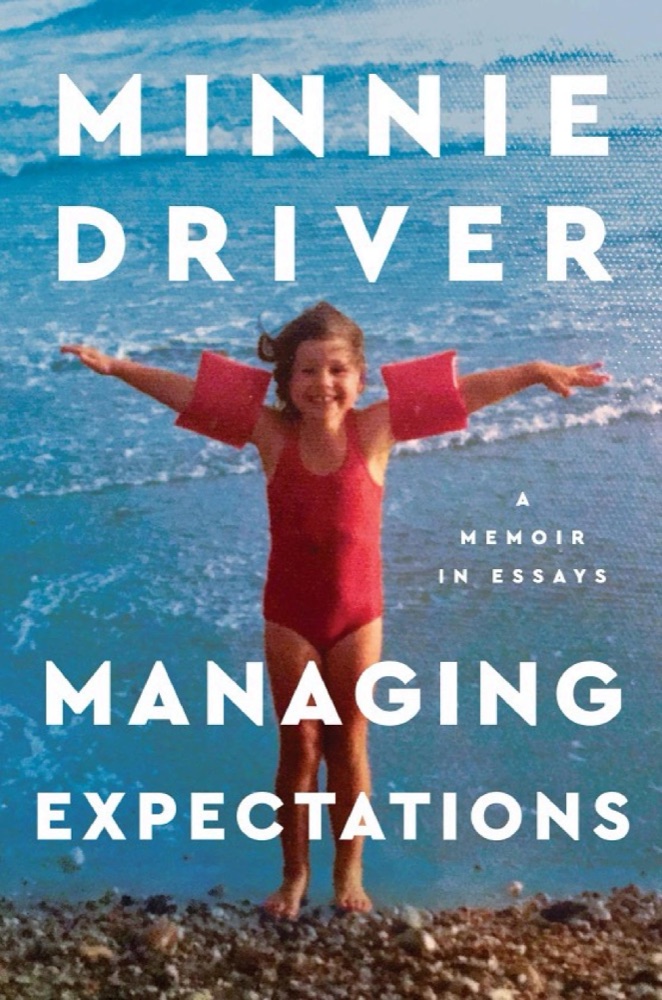 Managing Expectations: A Memoir in Essays – A Poignant Collection of Personal Stories on Acting, Failure, and Motherhood's Joy
 Into the Magic Shop: A Neurosurgeon's Quest to Discover the Mysteries of the Brain and the Secrets of the Heart
 Inward
 Marrow
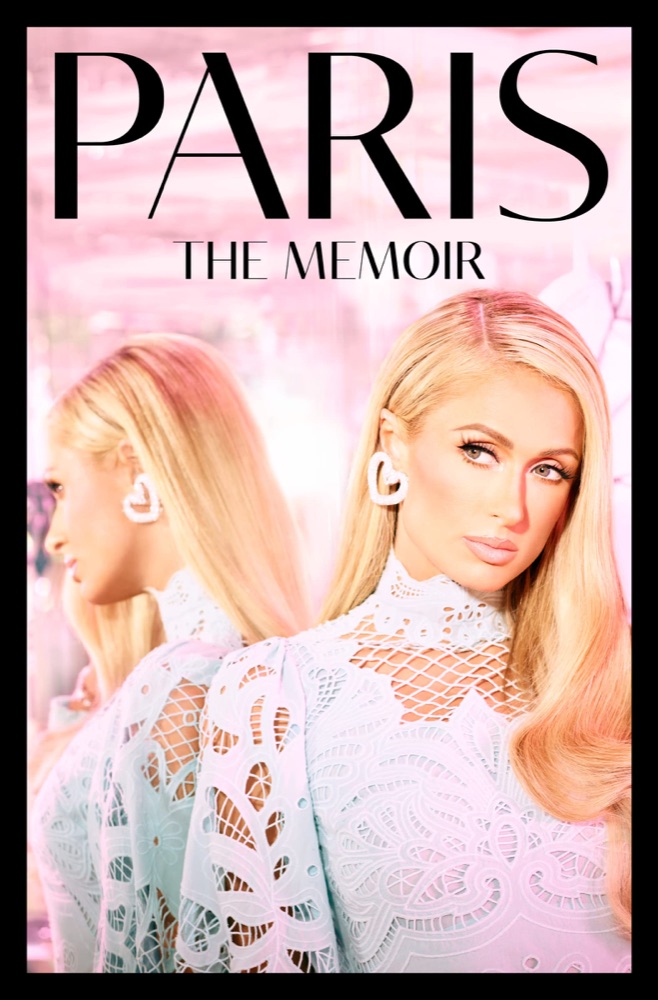 Paris: A Memoir for Young Women in the Age of Influencers
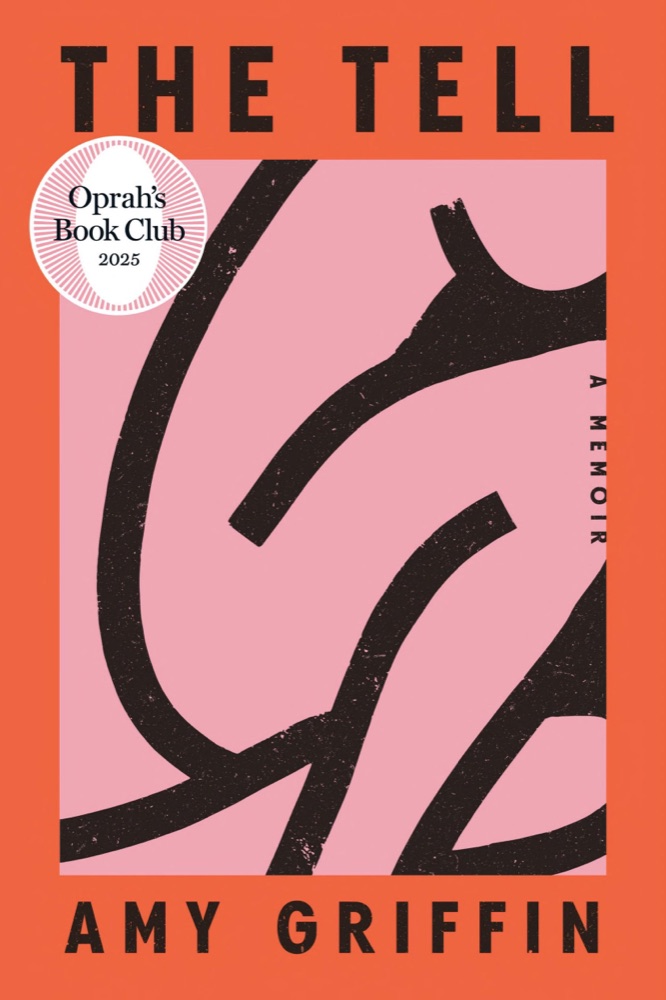 The Tell: A Memoir
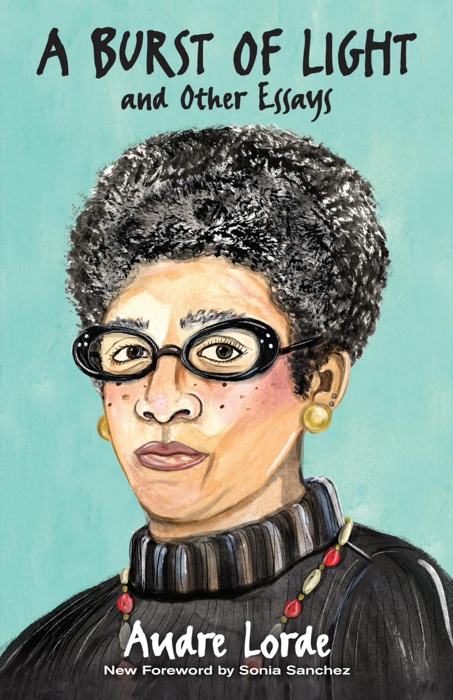 A Burst of Light
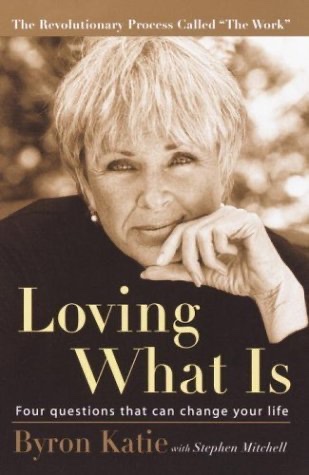 Loving What Is: Four Questions That Can Change Your Life
 You Better Be Lightning
 This Is How: Proven Aid in Overcoming Shyness, Molestation, Fatness, Spinsterhood, Grief, Disease, Lushery, Decrepitude & More. For Young and Old Alike.
 Love Looks Pretty on You
 Still Me
 Unglued: Making Wise Choices in the Midst of Raw Emotions
 The Invitation
 Yes Please
 Falling Back in Love with Being Human: Letters to Lost Souls