
 Daring Greatly: How the Courage to Be Vulnerable Transforms the Way We Live, Love, Parent, and Lead
Quotes from the Book
Science is not the truth. Science is finding the truth. When science changes its opinion, it didn’t lie to you. It learned more.
85
Avoidance will make you feel less vulnerable in the short run, but it will never make you less afraid.
80
The near enemy of love is attachment. Attachment masquerades as love. It says, “I will love this person (because I need something from them).” Or, “I’ll love you if you’ll love me back. I’ll love you, but only if you will be the way I want.” This isn’t the fullness of love. Instead there is attachment—there is clinging and fear. True love allows, honors, and appreciates; attachment grasps, demands, needs, and aims to possess.
72
Choosing to be curious is choosing to be vulnerable because it requires us to surender to uncertainty. We have to ask questions, admit to not knowing, risk being told that we shouldn't be asking, and, sometimes, make discoveries that lead to discomfort.
61
People will do almost anything to not feel pain, including causing pain and abusing power;
48
good friends aren’t afraid of your light. They never blow out your flame and you don’t blow out theirs—even when it’s really bright and it makes you worry about your own flame.
45
I am responsible for holding you accountable in a respectful and productive way. I’m not responsible for your emotional reaction to that accountability
45
Comparison is the crush of conformity from one side and competition from the other—it’s trying to simultaneously fit in and stand out. Comparison says, “Be like everyone else, but better.
36
The idea that regret is a fair but tough teacher can really piss people off. “No regrets” has become synonymous with daring and adventure, but I disagree. The idea of “no regrets” doesn’t mean living with courage, it means living without reflection. To live without regret is to believe we have nothing to learn, no amends to make, and no opportunity to be braver with our lives.
32
This is one reason we need to dispel the myth that empathy is “walking in someone else’s shoes.” Rather than walking in your shoes, I need to learn how to listen to the story you tell about what it’s like in your shoes and believe you even when it doesn’t match my experiences.
32
when I’m prioritizing being liked over being free, I was much sweeter but less authentic. Now I’m kinder and less judgmental. But also firmer and more solid. Occasionally salty.
31
I’ve learned that power is not bad, but the abuse of power or using power over others is the opposite of courage; it’s a desperate attempt to maintain a very fragile ego.
30
The more difficult it is for us to articulate our experiences of loss, longing, and feeling lost to the people around us, the more disconnected and alone we feel.
27
In fact, research shows that the process of labeling emotional experience is related to greater emotion regulation and psychosocial well-being.
25
Empathy is not relating to an experience, it’s connecting to what someone is feeling about an experience.
21
But those who are able to distinguish between a range of various emotions “do much, much better at managing the ups and downs of ordinary existence than those who see everything in black and white.
20
When we reject the truth of someone’s story—the ultimate failure of story stewardship—it’s often because we’ve stealthily centered ourselves in their story, and the narrative takeover is about protecting our ego, behavior, or privilege. The less diverse our lived experiences, the more likely we are to find ourselves struggling with narrative takeover or narrative tap-out.
20
Worrying and anxiety go together, but worry is not an emotion; it’s the thinking part of anxiety. Worry is described as a chain of negative thoughts about bad things that might happen in the future.
19
When someone shares their hopes and dreams with us, we are witnessing deep courage and vulnerability. Celebrating their successes is easy, but when disappointment happens, it’s an incredible opportunity for meaningful connection.
18
In a world where perfectionism, pleasing, and proving are used as armor to protect our egos and our feelings, it takes a lot of courage to show up and be all in when we can't control the outcome. It also takes discipline and self-awareness to understand what to share and with whom. Vulnerability is not oversharing, it's sharing with people who have earned the right to hear our stories and our experiences. Vulnerability is not weakness; it's our greatest measure of courage.
18
Resentment is the feeling of frustration, judgment, anger, “better than,” and/ or hidden envy related to perceived unfairness or injustice. It’s an emotion that we often experience when we fail to set boundaries or ask for what we need, or when expectations let us down because they were based on things we can’t control, like what other people think, what they feel, or how they’re going to react.
18
Each person’s grief is as unique as their fingerprint. But what everyone has in common is that no matter how they grieve, they share a need for their grief to be witnessed. That doesn’t mean needing someone to try to lessen it or reframe it for them. The need is for someone to be fully present to the magnitude of their loss without trying to point out the silver lining.” Professor Neimeyer’s
17
I once heard theologian Rob Bell define despair as “the belief that tomorrow will be just like today.” When we are in struggle and/or experiencing pain, despair—that belief that there is no end to what we’re experiencing—is a desperate and claustrophobic feeling. We can’t figure a way out of or through the struggle and the suffering.
15
Communicating our expectations is brave and vulnerable. And it builds meaningful connection and often leads to having a partner or friend who we can reality-check with.
15
There are too many people in the world today who decide to live disappointed rather than risk feeling disappointment. This can take the shape of numbing, foreboding joy, being cynical or critical, or just never really fully engaging.
13
Taking pleasure in someone else’s failings, even if that person is someone we really dislike, can violate our values and lead to feelings of guilt and shame. But, make no mistake, it’s seductive, especially when we’re sucked into groupthink.
12
cultural example of narrative takeover is the Black Lives Matter movement. This is a life-affirming accountability movement to call attention to the violence being perpetrated against Black people. But rather than listening, learning, and believing the stories of injustice, systemic racism, and pain, groups of white people centered themselves with “all lives matter” and “blue lives matter.” There was never a narrative of “white lives and police lives don’t matter” in this movement. This was an attempt to, once again, decenter Black lives and take over the narrative.
12
As it turns out, being able to see what’s coming doesn’t make it any less painful when it arrives. In fact, knowing probably just upped my anticipatory anxiety and my intolerance for vulnerability. The eggshells weren’t on the ground; they were duct-taped to the soles of my shoes.
11
True belonging doesn’t require us to change who we are; it requires us to be who we are.
11
Did you know?
- The book maps 87 distinct emotions and experiences organized into 13 categories.
- It was published on November 30, 2021, by Random House.
- An HBO Max unscripted series based on the book premiered in 2022.
- The HBO Max series explores 30 of the 87 emotions and experiences from the book.
- The book is heavily illustrated and styled as a reference 'atlas' of human emotion.
- Brené Brown describes the project as growing out of her broader research on connection and emotional language.
About Brené Brown
Brené Brown is an American research professor at the University of Houston and a qualitative researcher known for her work on vulnerability, shame, courage, and connection. She is the author of multiple #1 New York Times bestsellers, including 'Daring Greatly' and 'Dare to Lead,' and her TED talk on vulnerability is among the most viewed in the world.
More about the author →More by Brené Brown
Daring Greatly: How the Courage to Be Vulnerable Transforms the Way We Live, Love, Parent, and Lead
 Rising Strong
 The Gifts of Imperfection
 The Power of Vulnerability: Teachings of Authenticity, Connections and Courage
About the book
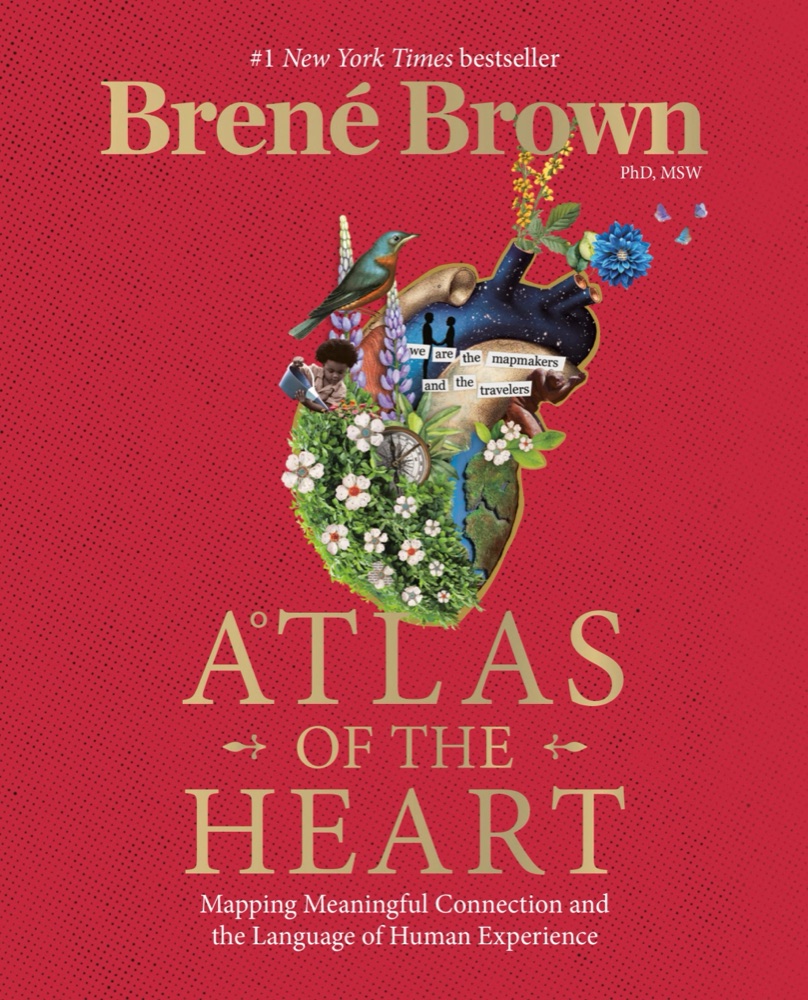
"Atlas of the Heart" is Brené Brown's guided map through the landscape of human emotion. Drawing on her years as a research professor and qualitative researcher, Brown catalogs 87 distinct emotions and experiences, grouped into 13 categories, and works to define each one precisely so that readers can name what they are actually feeling. The book argues that language is the gateway to emotional literacy and that meaningful connection with others begins with the ability to recognize and articulate our inner experience.
Across its categories, the book examines emotions and states such as stress and overwhelm, comparison and envy, anxiety and excitement, anguish and grief, joy and gratitude, and the experiences tied to belonging, hurt, and self-assessment. Brown's recurring themes are that words shape how we understand and regulate emotion, that conflating similar feelings (such as guilt and shame, or stress and overwhelm) keeps us stuck, and that empathy and connection depend on a shared, accurate vocabulary for the heart.
Published by Random House in November 2021, the book became a bestseller and extended Brown's body of work on vulnerability, courage, and connection. It was adapted into an HBO Max unscripted series of the same name in 2022, in which Brown explores a selection of the book's emotions through storytelling, film and television clips, and guest appearances. The book is heavily illustrated and designed as a reference-style "atlas," a format that drew both praise for accessibility and some mixed critical response.
Book details
- First published
- 2021
- Length
- 336 pages
- Reading time
- 7 hours
- Author
- Brené Brown
- Genre
- Nonfiction
- Goodreads rating
- 4.32 (101k ratings)
Critical reception
- The book was a bestseller, including a USA Today bestseller.
- Brown is described as a six-time #1 New York Times bestselling author.
- The HBO Max adaptation received mixed reviews from audiences and critics.
Movie & TV adaptations
- IMDb
If you liked this, read…
- 1Daring GreatlyBrown's earlier work on vulnerability and wholehearted living.
- 2Dare to LeadBrown applies the same emotional and courage research to leadership.
- 3Permission to FeelMarc Brackett's book on emotional literacy and naming feelings.
Keep reading
 Dare to Lead
Rising Strong
Dare to Lead
Rising Strong
 Maybe You Should Talk to Someone: A Therapist, Her Therapist, and Our Lives Revealed
 101 Essays That Will Change The Way You Think
The Gifts of Imperfection
101 Essays That Will Change The Way You Think
The Gifts of Imperfection
 On Connection
 The Light We Carry: Overcoming in Uncertain Times
 Nonviolent Communication: A Language of Life
 The Examined Life: How We Lose and Find Ourselves
 Bonds That Make Us Free: Healing Our Relationship, Coming to Ourselves
 The Dance of Fear: Rising Above Anxiety, Fear, and Shame to Be Your Best and Bravest Self
 When Things Fall Apart: Heart Advice for Difficult Times
 Changes That Heal: How to Understand the Past to Ensure a Healthier Future
 Letting Go: The Pathway To Surrender
 Untangle Your Emotions: Naming What You Feel and Knowing What to Do About It
 Option B: Facing Adversity, Building Resilience, and Finding Joy
 The World According to Mister Rogers: Important Things to Remember
 Platonic: How the Science of Attachment Can Help You Make—and Keep—Friends
 See No Stranger: A Memoir and Manifesto of Revolutionary Love
 The Laws of Human Nature
 Social Intelligence: The New Science of Human Relationships
 Why Has Nobody Told Me This Before?
 Self-Compassion: The Proven Power of Being Kind to Yourself
 The Comfort Book
 The Stories We Tell: Every Piece of Your Story Matters
 Good Morning, Monster: A Therapist Shares Five Heroic Stories of Emotional Recovery
 What It Takes to Heal: How Transforming Ourselves Can Change the World
 How to Know a Person: The Art of Seeing Others Deeply and Being Deeply Seen
 Carry On, Warrior: Thoughts on Life Unarmed
 Karamo: My Story of Embracing Purpose, Healing, and Hope
 In Shock: My Journey from Death to Recovery and the Redemptive Power of Hope
 The Subtle Art of Not Giving a F*ck: A Counterintuitive Approach to Living a Good Life
 The Perfectionist's Guide to Losing Control: A Path to Peace and Power
 How to Stay Sane in an Age of Division
 All Is Not Forgotten
 Kitchen Table Wisdom: Stories that Heal
 Tell Me More: Stories About the 12 Hardest Things I'm Learning to Say
 Make It Scream, Make It Burn
 Life Will Be the Death of Me: . . . and you too!
 The Things You Can See Only When You Slow Down: How to Be Calm in a Busy World
 Present Over Perfect: Leaving Behind Frantic for a Simpler, More Soulful Way of Living
 Letting Go of the Person You Used to Be: Lessons on Change, Loss, and Spiritual Transformation
 Never Broken: Songs Are Only Half the Story
 We Learn Nothing
 How to Stay Sane
 Welcome Home: A Guide to Building a Home for Your Soul
 The School of Life: An Emotional Education
 Be Not Afraid of Love: Lessons on Fear, Intimacy, and Connection
 Notes on a Nervous Planet
 We Can Do Hard Things: Answers to Life's 20 Questions
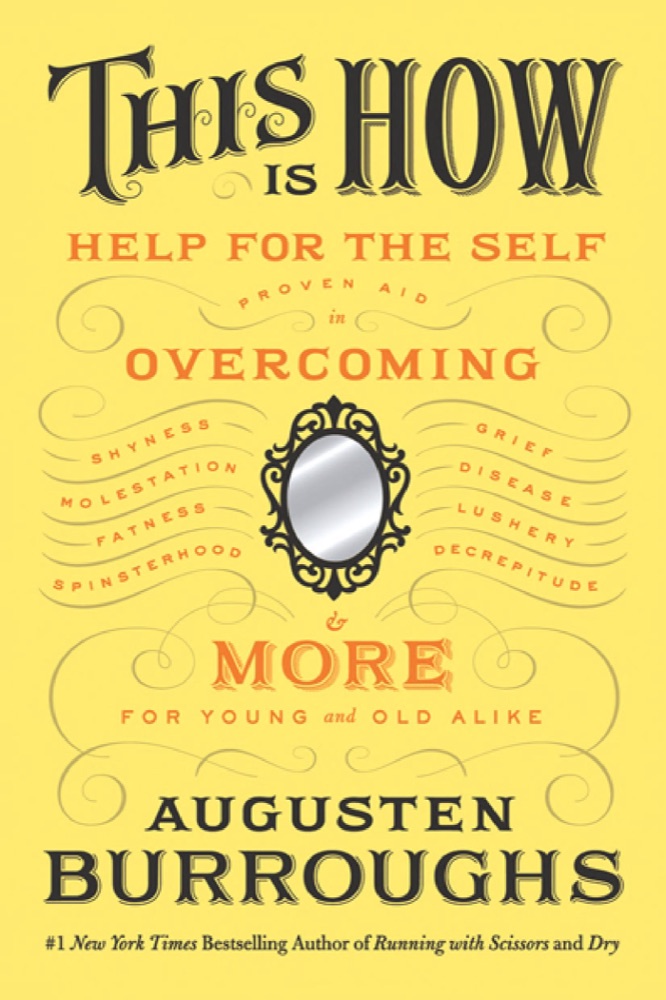 This Is How: Proven Aid in Overcoming Shyness, Molestation, Fatness, Spinsterhood, Grief, Disease, Lushery, Decrepitude & More. For Young and Old Alike.
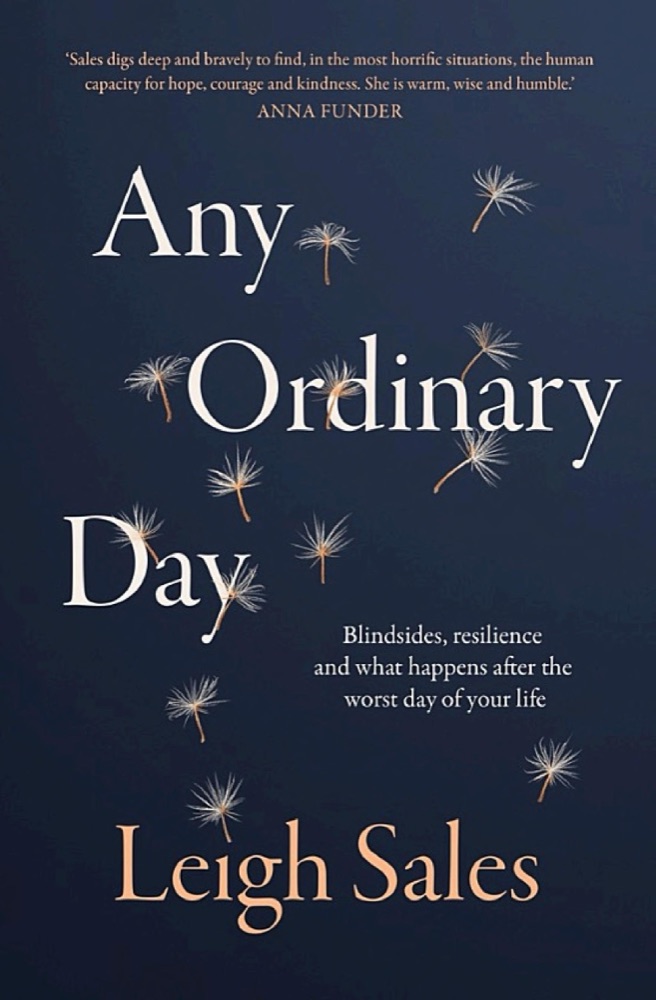 Any Ordinary Day
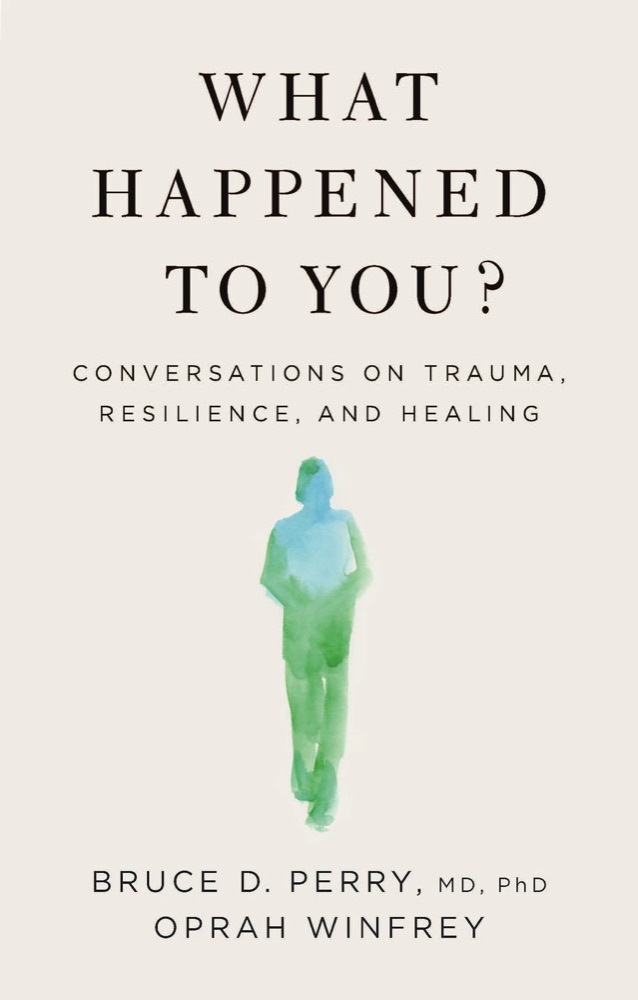 What Happened To You?: Conversations on Trauma, Resilience, and Healing
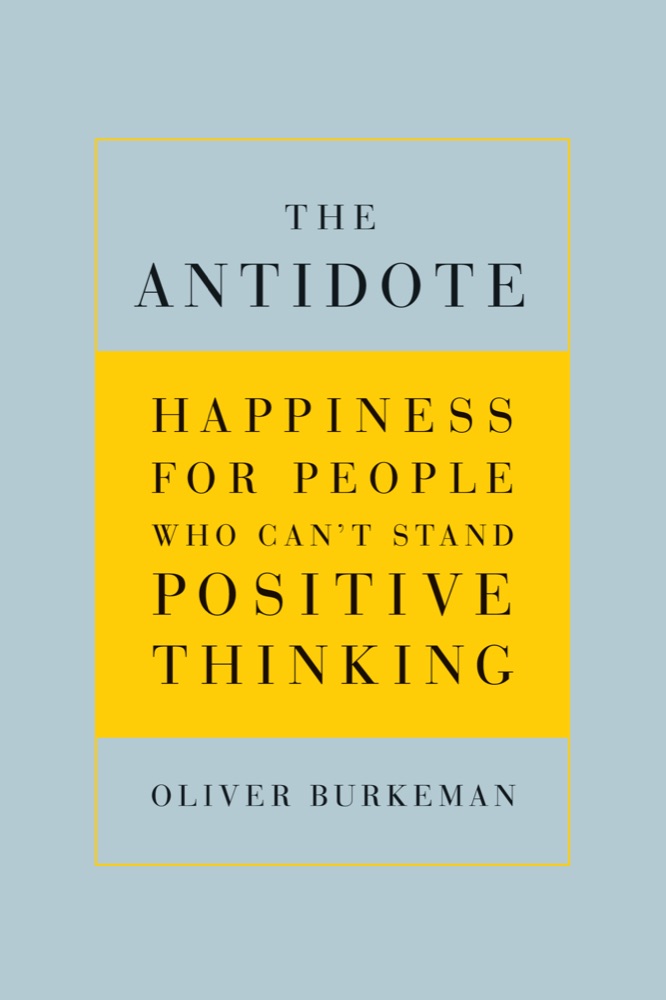 The Antidote: Happiness for People Who Can't Stand Positive Thinking
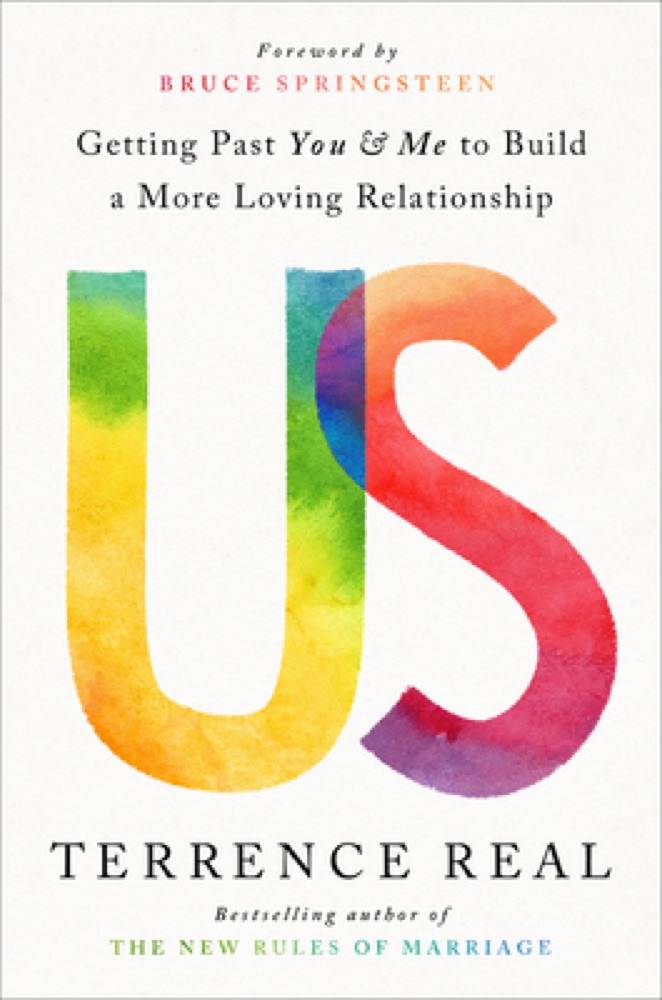 Us: Getting Past You and Me to Build a More Loving Relationship
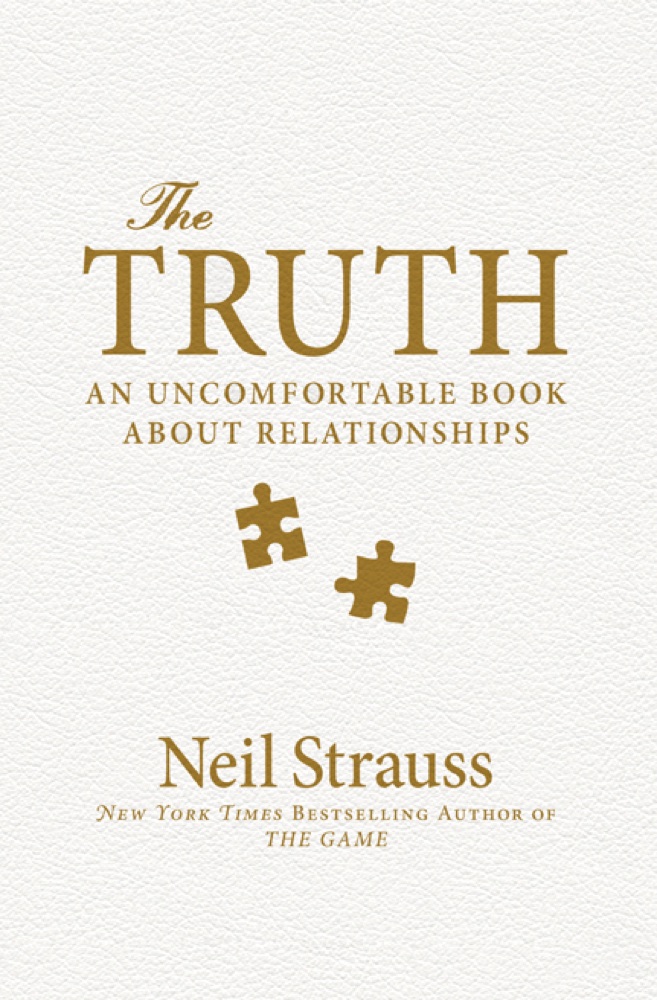 The Truth: An Uncomfortable Book About Relationships
 The Dance of Connection: How to Talk to Someone When You're Mad, Hurt, Scared, Frustrated, Insulted, Betrayed, or Desperate
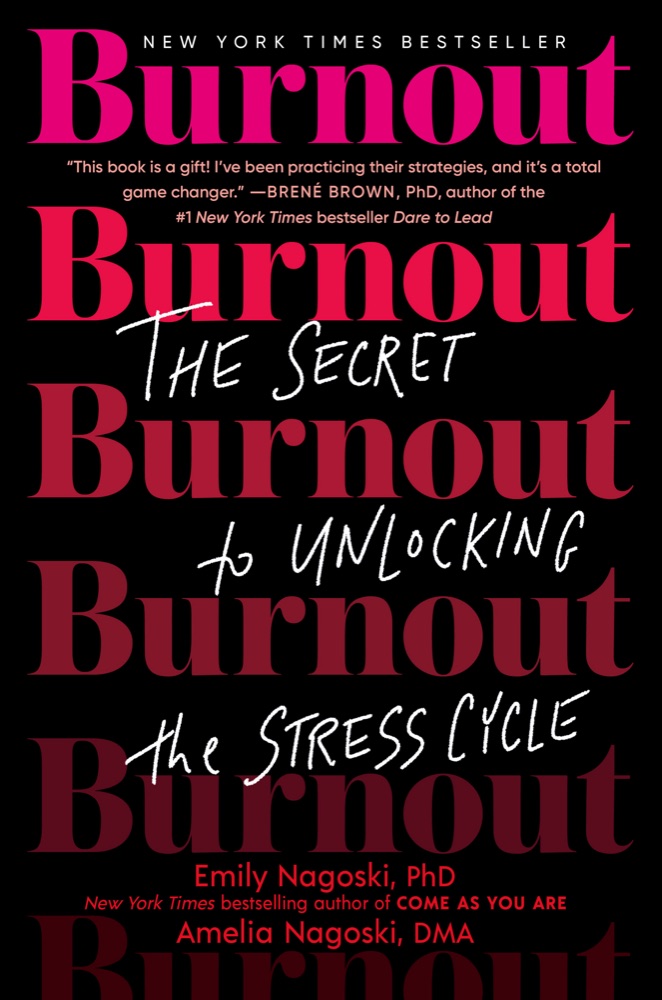 Burnout: The Secret to Unlocking the Stress Cycle
 Six Pillars of Self-Esteem
 The Empathy Exams