
 The Course of Love
Quotes from the Book
The emotionally intelligent person knows that love is a skill, not a feeling, and will require trust, vulnerability, generosity, humour, sexual understanding and selective resignation.
24
We will be reminded – once more – that love is a skill, not an emotion.
21
Paradoxically, it is friendship that often offers us the real route to the pleasures that Romanticism associates with love. That this sounds surprising is only a reflection of how underdeveloped our day-to-day vision of friendship has become. We associate it with a casual acquaintance we see only once in a while to exchange inconsequential and shallow banter. But real friendship is something altogether more profound and worthy of exultation. It is an arena in which two people can get a sense of each other’s vulnerabilities, appreciate each other’s follies without recrimination, reassure each other as to their value and greet the sorrows and tragedies of existence with wit and warmth. Culturally and collectively, we have made a momentous mistake which has left us both lonelier and more disappointed than we ever needed to be. In a better world, our most serious goal would be not to locate one special lover with whom to replace all other humans but to put our intelligence and energy into identifying and nurturing a circle of true friends. At the end of an evening, we would learn to say to certain prospective companions, with an embarrassed smile as we invited them inside – knowing that this would come across as a properly painful rejection – ‘I’m so sorry, couldn’t we just be … lovers?
16
Irritability is anger that lacks self-knowledge.
16
Being properly mature involves a frank, unfrightened relationship with one’s own darkness, complexity and ambition. It involves accepting that not everything that makes us happy will please others or be honoured as especially ‘nice’, but it can be important to explore and hold on to it nevertheless.
14
People are bad, always, because they are in difficulty. They slander, gossip, denigrate, and growl because they are not in a good place. Though they may seem strong, though their attacks can place them in an apparently dominant role, their ill intentions are all the proof we require to know as a certainty that they are not well. Contented people have no need to hurt others.
12
It’s deeply poignant that we should expend so much effort on trying to look strong before the world when, all the while, it’s really only ever the revelation of the somewhat embarrassing, sad, melancholy, and anxious bits of us that renders us endearing to others and transforms strangers into friends.
12
We will still be anxious when we finally have the house, the relationship and the right income.
12
One has to feel very small in order to belittle.
10
Anxiety is not a sign of sickness, a weakness of the mind, or an error for which we should always seek a medical solution. It is mostly a hugely reasonable and sensitive response to the genuine strangeness, terror, uncertainty, and riskiness of existence.
10
Being a good listener is one of the most important and enchanting life skills anyone can have.
10
but people simply never need to harm others if they are not first tormented themselves.
10
Things happen on the scale of centuries. Today and tomorrow are essentially the same. Your existence is a small, temporary thing. You will die and it will be as if you had never been.
9
The wise have made their peace with the yawning gap between how they would ideally want to be and what they are actually like. They have come to terms with their tendencies to idiocy, ugliness, and error. They are not fundamentally ashamed of themselves because they have already shed so much of their pride.
8
We should at all points spare ourselves the burden of loneliness. We are far from the only ones to be suffering. Everyone is more anxious than they are inclined to tell us. Even the tycoon and the couple in love are in pain. We have collectively failed to admit to ourselves how much anxiety is our default state.
8
There is no such thing as a hurt that is too small to matter when emotional closeness is at stake.
8
We need to be alone because life among other people unfolds too quickly.
8
We need to become better friends to ourselves.
8
A daily period of philosophical meditation does not so much dissolve problems as create an occasion during which the mind can order and understand itself. Fears, resentments, and hopes become easier to name; we grow less scared of the contents of our own minds—and less resentful, calmer, and clearer about our direction. We start, in faltering steps, to know ourselves slightly better.
7
The slowest among us can, in a few hours, pick up ideas that it took a few rare geniuses a lifetime to acquire.
7
Those who wounded us were not superior, impressive beings who knew our special weaknesses and justly targeted them. They were themselves highly frantic, damaged creatures trying their best to cope with the litany of private sorrows to which every life condemns us.
6
We too must mature, seek to reproduce, age, fall ill and die. We face a litany of other burdens too: we will never be fully understood by others; we will always be burdened by primordial anxiety; we will never fully know what it is like to be someone else; we will invariably fantasize about more than we can have; we will realize we cannot – in key ways – be who we would wish.
6
We aren't overwhelmed by anger whenever we are frustrated; only when we first believed ourselves entitled to a particular satisfaction and then did not receive it.
5
The theory helps to restore a kind of justice that we may not ourselves directly be able to administer. The explanation of the origins of nastiness changes how we assess our opponent. No longer are they necessarily strong and impervious. We have not been able to punish them, but the universe has in a sense, and the clearest evidence for the sentence lies in the unhappiness that is powering their attacks. They have not got away with injuring us; their punishment lies in the pain they must be enduring in order to have such an urgent need to lash out. We, who have no wish to hurt, are in fact the stronger party; we, who have no wish to diminish others, are truly powerful. We can move from
5
What we call depression is in fact sadness and anger that have for too long not been paid the attention they deserve.
5
Soberingly, despite all our advances in technology and material resources, we are not much more advanced in the art of delivering emotionally healthy childhoods than generations before us.
5
ideas, however noble, tend to require a little help from beauty.
5
Communication Can we patiently and reasonably put our disappointments into words that, more or less, enable others to see our point? Or do we internalize pain, act it out symbolically or discharge it with counterproductive rage? When other people upset us, do we feel we have the right to communicate or must we slam doors and fall silent? When the desired response isn’t forthcoming, do we ask others to guess what we have been too angrily panicked to spell out? Or can we have a plausible second go and take seriously the thought that others are not merely wilfully misunderstanding us? Do we have the inner resources to teach rather than insist?
5
We are so impressed by honesty, we have forgotten the virtues of politeness, this word defined not as a cynical withholding of important information for the sake of harm, but as a dedication to not rubbing someone else up against the true, hurtful aspects of our nature. It is ultimately no great sign of kindness to insist on showing someone our entire selves at all times. A dedication to maintaining boundaries and editing our pronouncements belongs to love as much as a capacity to show ourselves as we really are. And if one suspects (and one should, rather regularly, if the relationship is a good one) that one’s partner might be lying too (about what they are thinking about, about how they judge one’s work, about where they were last night …), it is perhaps best not to take up arms and lay into them like a sharp, relentless inquisitor, however intensely one yearns to do just that. It may be kinder, wiser and perhaps more in the true spirit of love to pretend one simply didn’t notice.
4
There can wisely be no “solutions,” no self-help, of a kind that removes problems altogether. What we can aim for, at best, is consolation—a word tellingly lacking in glamour. To believe in consolation means giving up on cures; it means accepting that life is a hospice rather than a hospital, but one we’d like to render as comfortable, as interesting, and as kind as possible.
4
Watch on YouTube
About Alain de Botton
We have collected 333 quotes from 12 books by Alain de Botton on BookQuoters.
More about the author →More by Alain de Botton
All books by Alain de Botton →
About the book
Discover everything you were never taught at school about how to lead a better life...
Introduced and edited by the bestselling author of The Consolations of Philosophy, The Art of Travel and The Course of Love
We spend years in school learning facts and figures but the one thing we're never taught is how to live a fulfilled life. That's why we need The School of Life - a real organisation founded ten years ago by writer and philosopher Alain de Botton. The School of Life has one simple aim: to equip people with the tools to survive and thrive in the modern world. And the most important of these tools is emotional intelligence.
This book brings together ten years of essential and transformative research on emotional intelligence, with practical topics including:
- how to understand yourself- how to master the dilemmas of relationships- how to become more effective at work - h
Book details
- First published
- 2019
- Author
- Alain de Botton
- Genre
- Nonfiction
- Goodreads rating
- 4.23 (10k ratings)
Keep reading
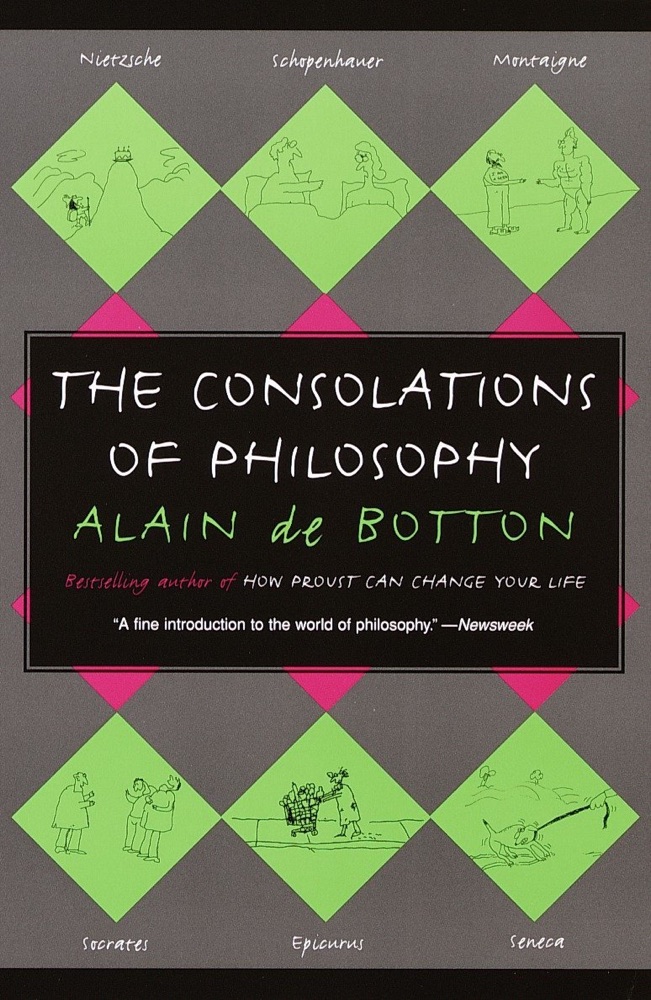 The Consolations of Philosophy
 We Learn Nothing
 Status Anxiety
 Everything Is F*cked: A Book About Hope
 A Well-Tempered Heart
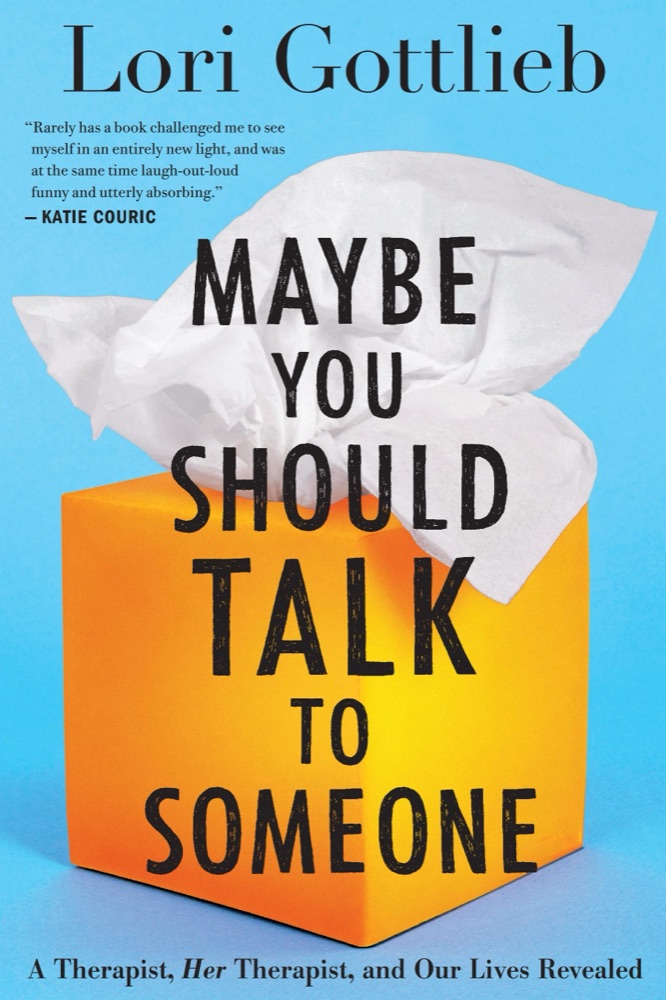 Maybe You Should Talk to Someone: A Therapist, Her Therapist, and Our Lives Revealed
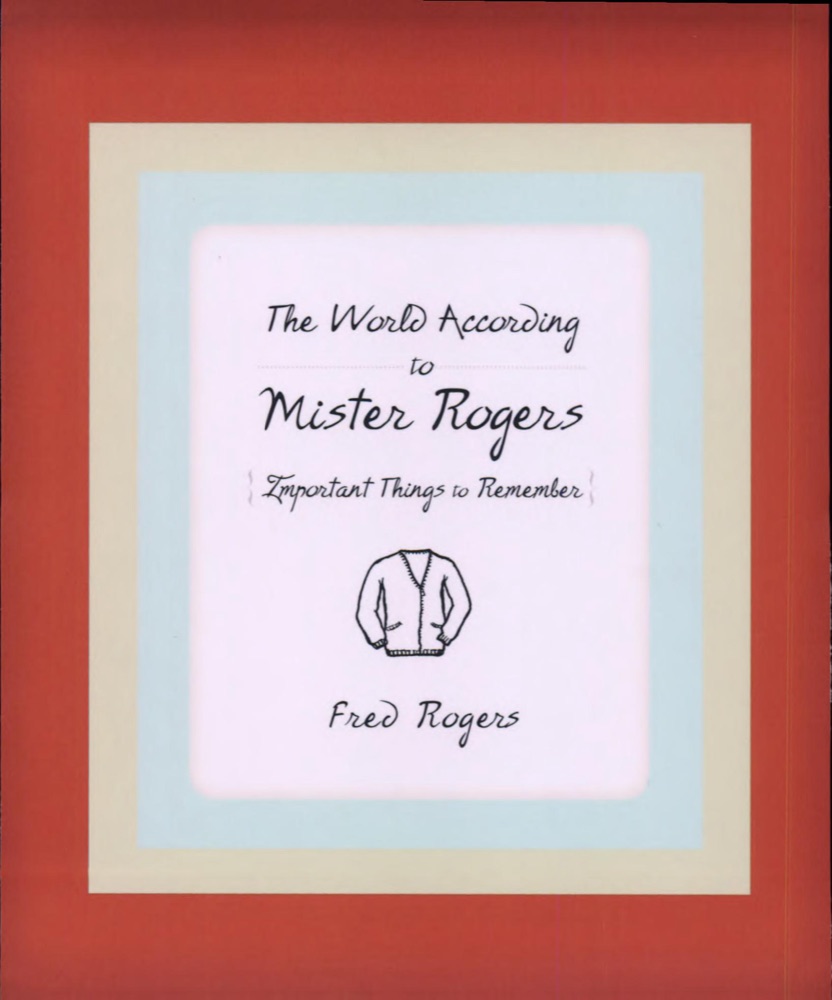 The World According to Mister Rogers: Important Things to Remember
 When Things Fall Apart: Heart Advice for Difficult Times
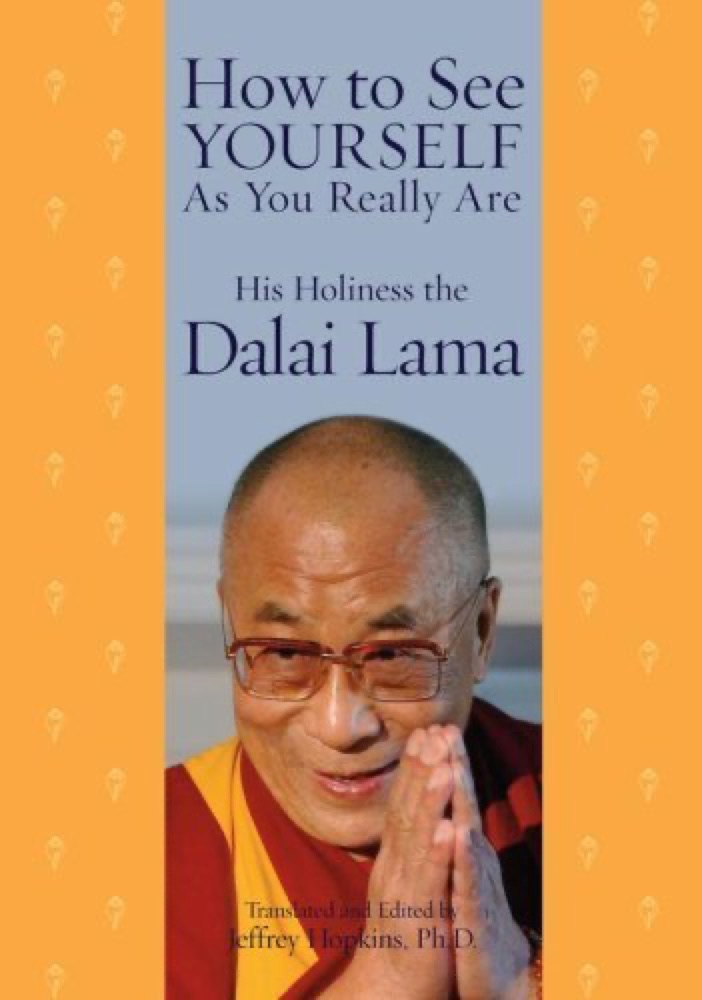 How to See Yourself As You Really Are
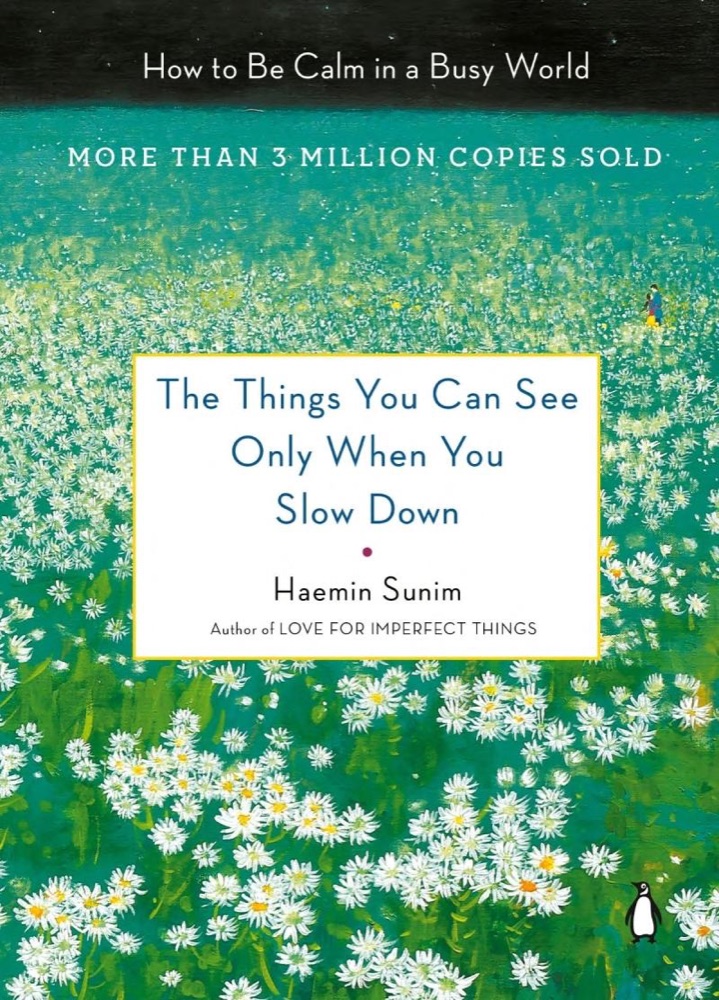 The Things You Can See Only When You Slow Down: How to Be Calm in a Busy World
 The Laws of Human Nature
 What If This Were Enough?: Essays
 Toward a Psychology of Being
The Course of Love
Toward a Psychology of Being
The Course of Love
 Notes on a Nervous Planet
 The Art of Being
 Six Pillars of Self-Esteem
 The Road Less Travelled
 The Examined Life: How We Lose and Find Ourselves
 Stillness Is the Key
 Nonviolent Communication: A Language of Life
 Aphorisms on Love and Hate
 Ethics for the New Millennium
 The Witch of Portobello
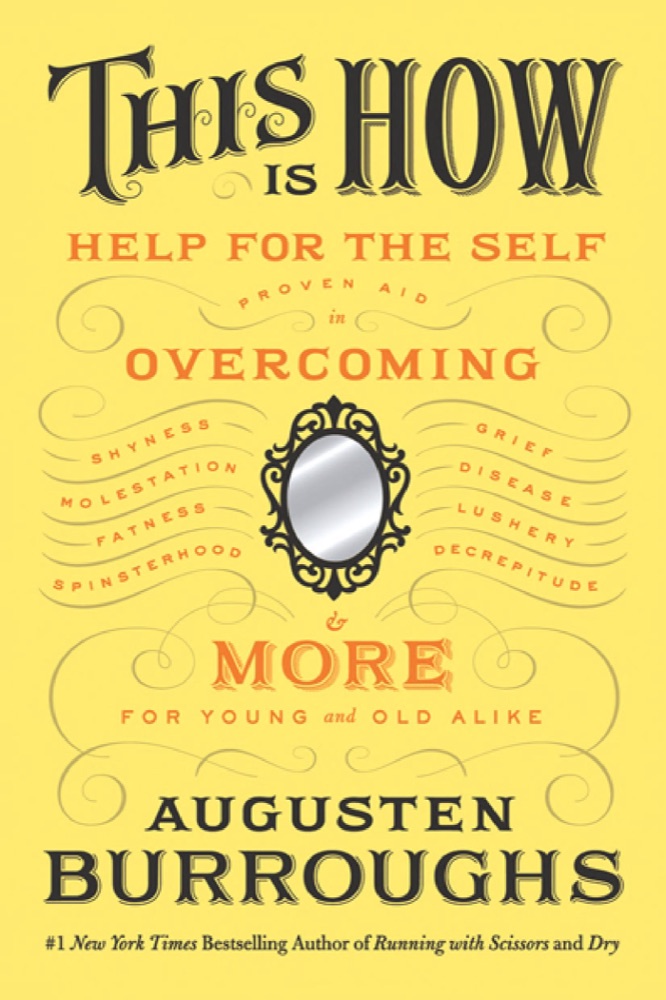 This Is How: Proven Aid in Overcoming Shyness, Molestation, Fatness, Spinsterhood, Grief, Disease, Lushery, Decrepitude & More. For Young and Old Alike.
 101 Essays That Will Change The Way You Think
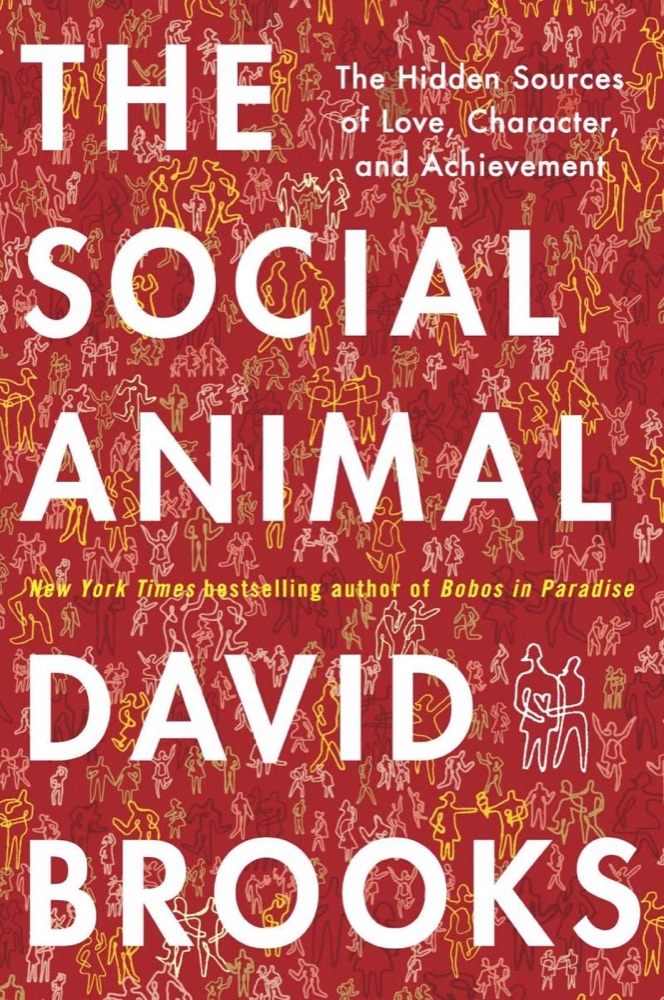 The Social Animal: The Hidden Sources of Love, Character, and Achievement
 The Subtle Art of Not Giving a F*ck: A Counterintuitive Approach to Living a Good Life
 All Is Not Forgotten
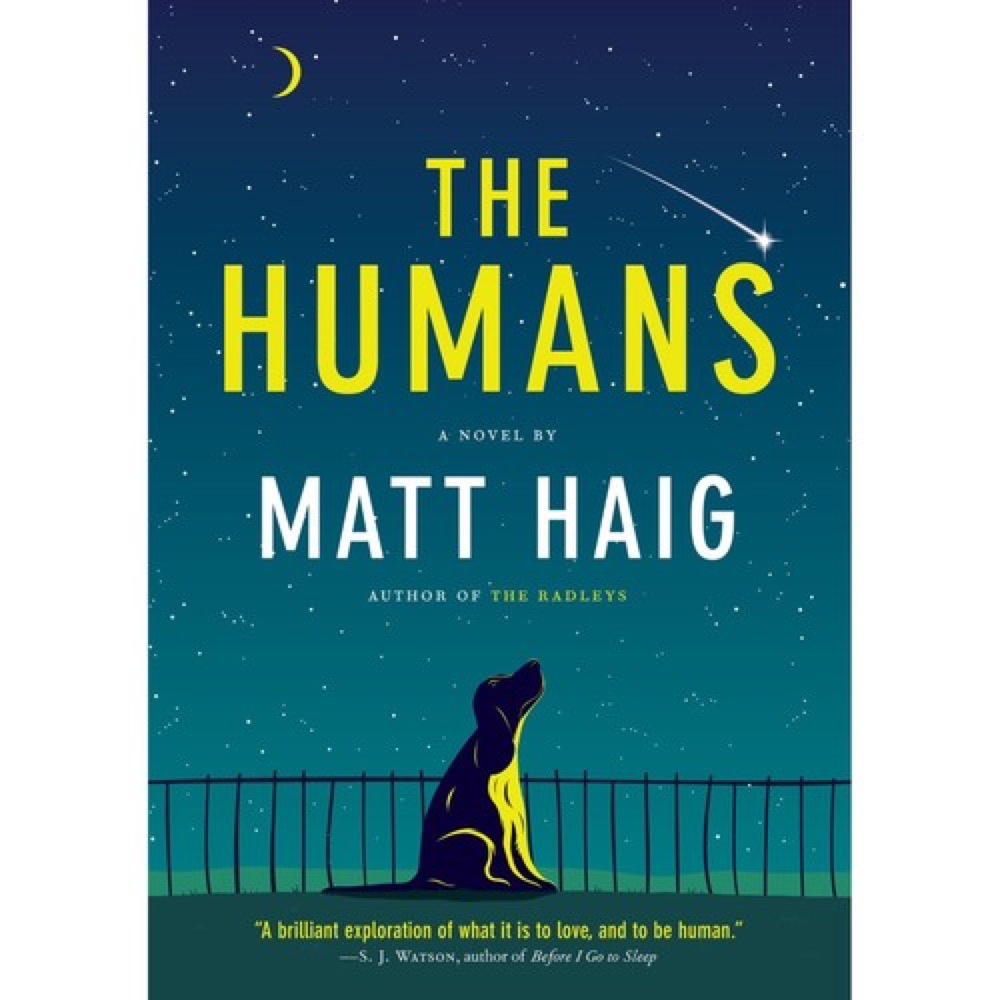 The Humans
 Passionate Marriage: Keeping Love and Intimacy Alive in Committed Relationships
 How to Stop Worrying and Start Living
 On Confidence
 The Children of Men
 When Nietzsche Wept
 Almost Everything: Notes on Hope
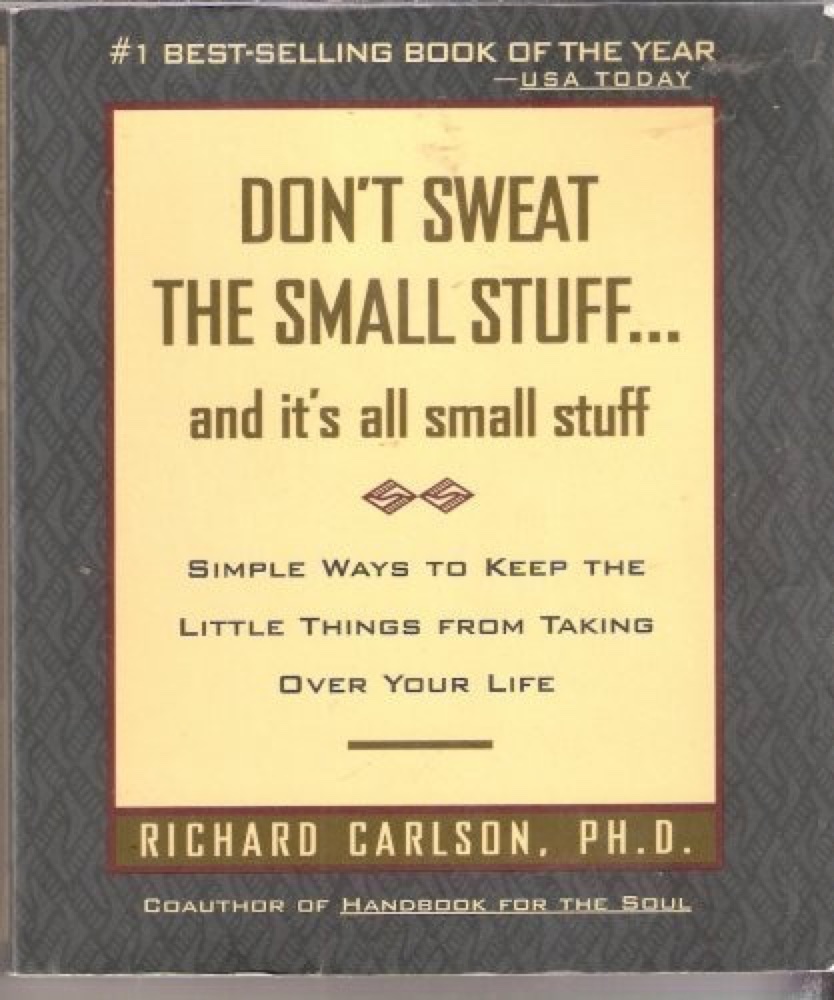 Don't Sweat the Small Stuff ... and it's all small stuff: Simple Ways to Keep the Little Things from Taking Over Your Life
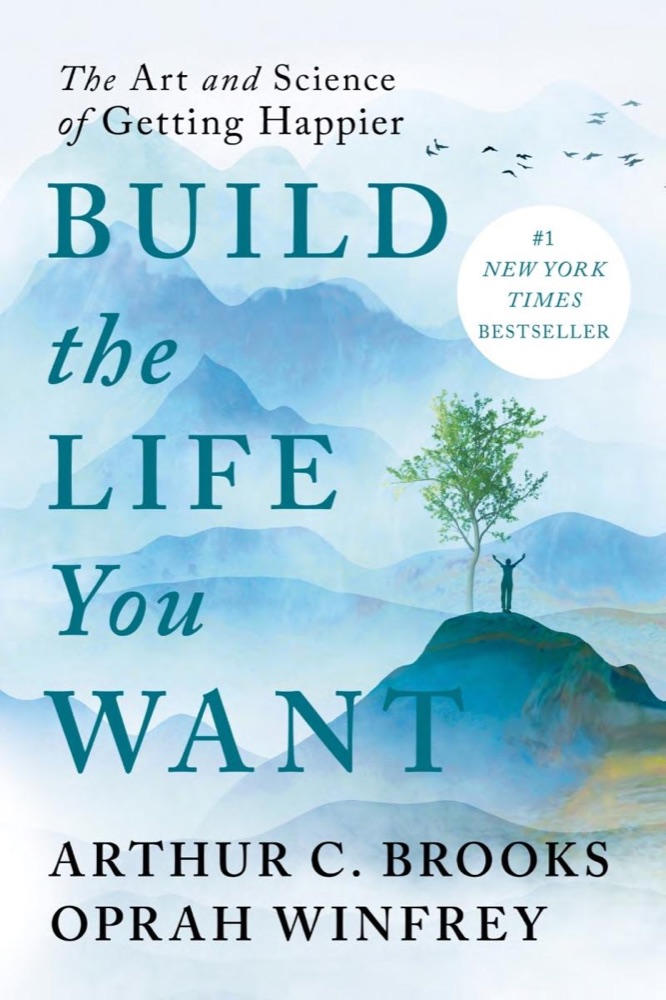 Build the Life You Want: The Art and Science of Getting Happier
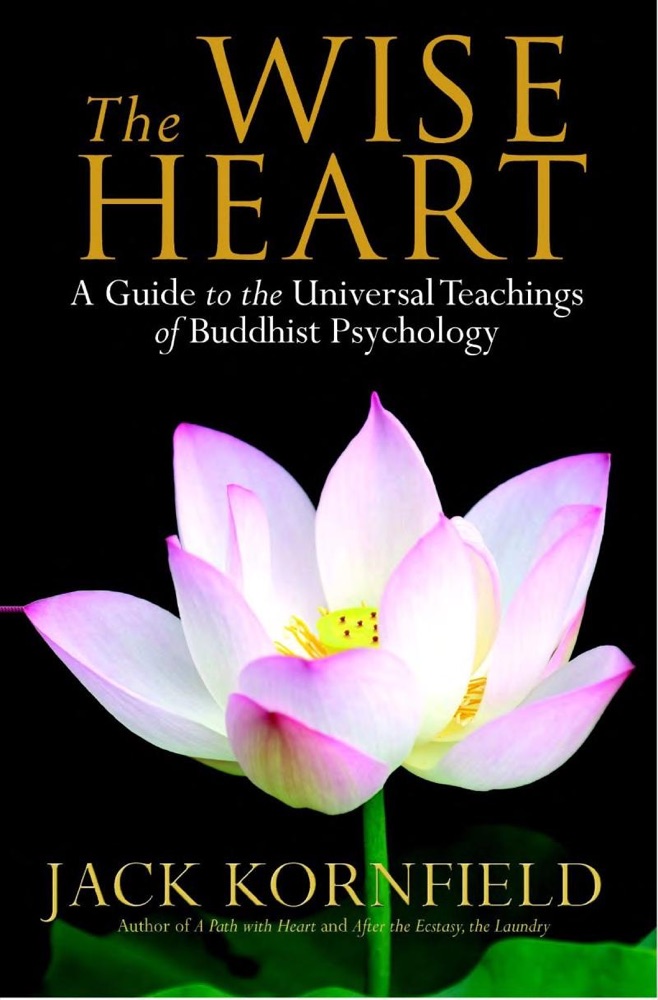 The Wise Heart: A Guide to the Universal Teachings of Buddhist Psychology
 Man's Search for Himself
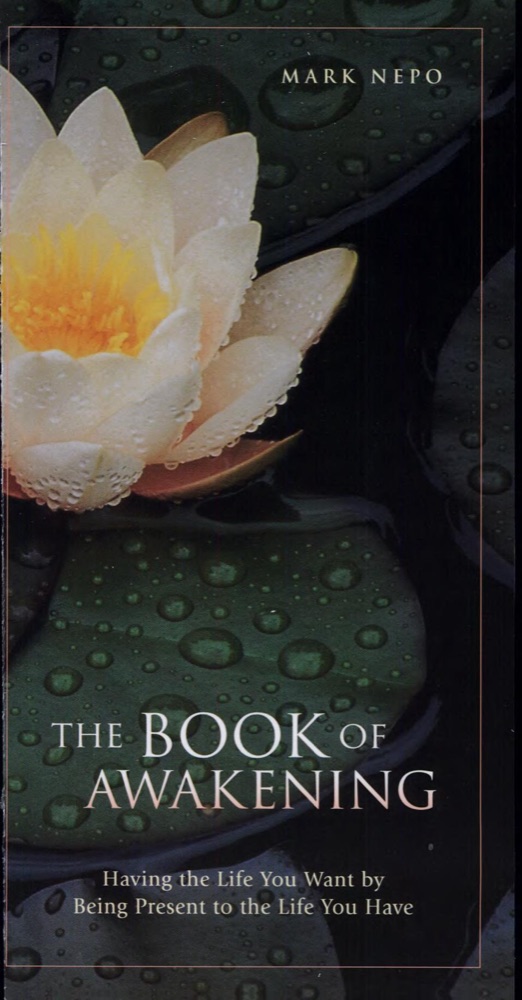 The Book of Awakening: Having the Life You Want by Being Present to the Life You Have
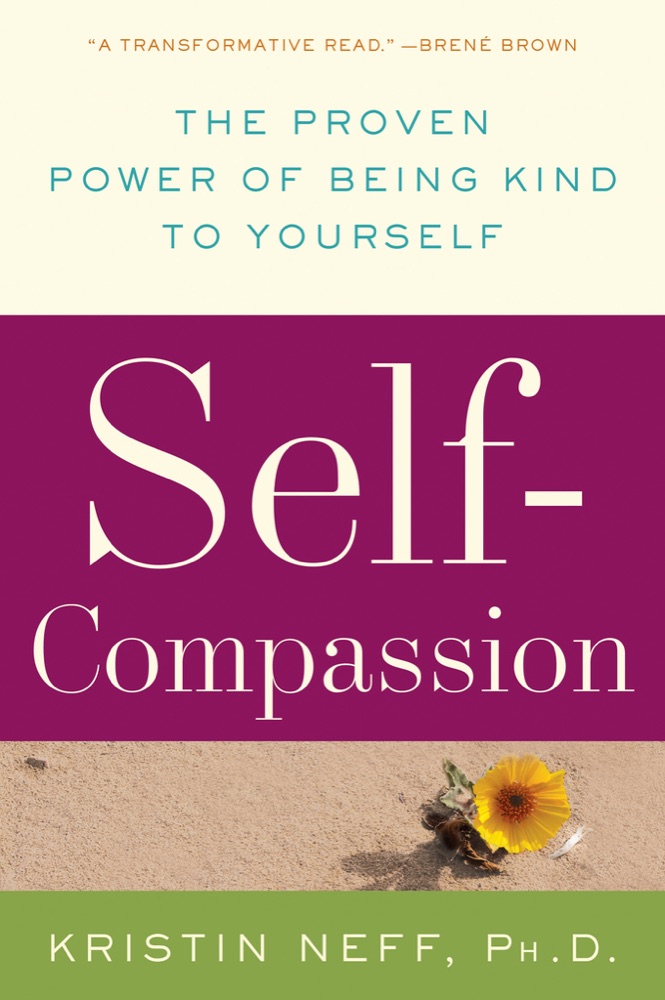 Self-Compassion: The Proven Power of Being Kind to Yourself
 Kitchen Table Wisdom: Stories that Heal
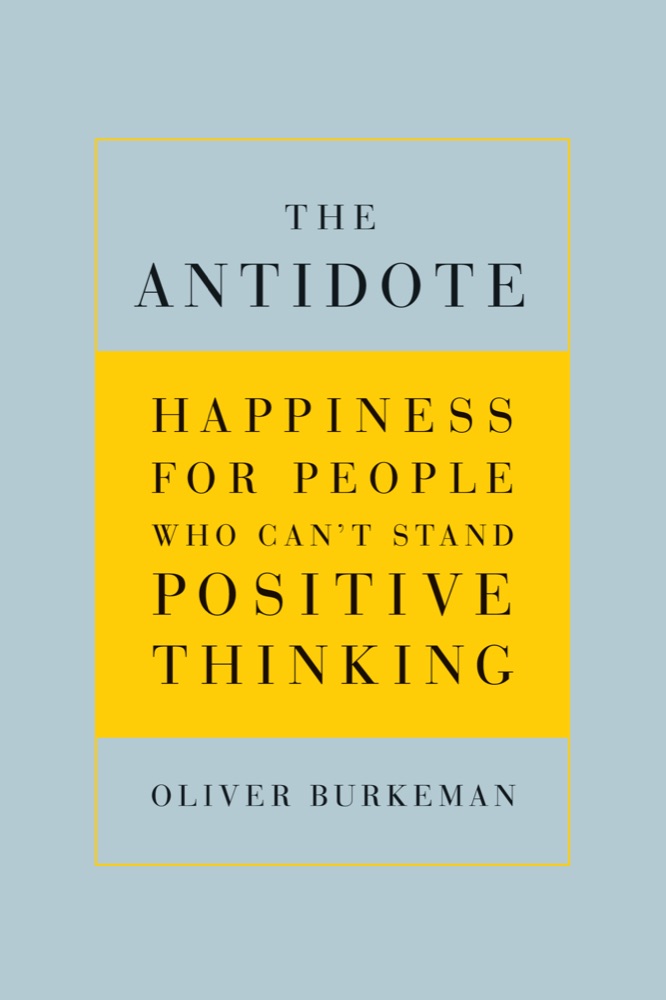 The Antidote: Happiness for People Who Can't Stand Positive Thinking
 Be a People Person
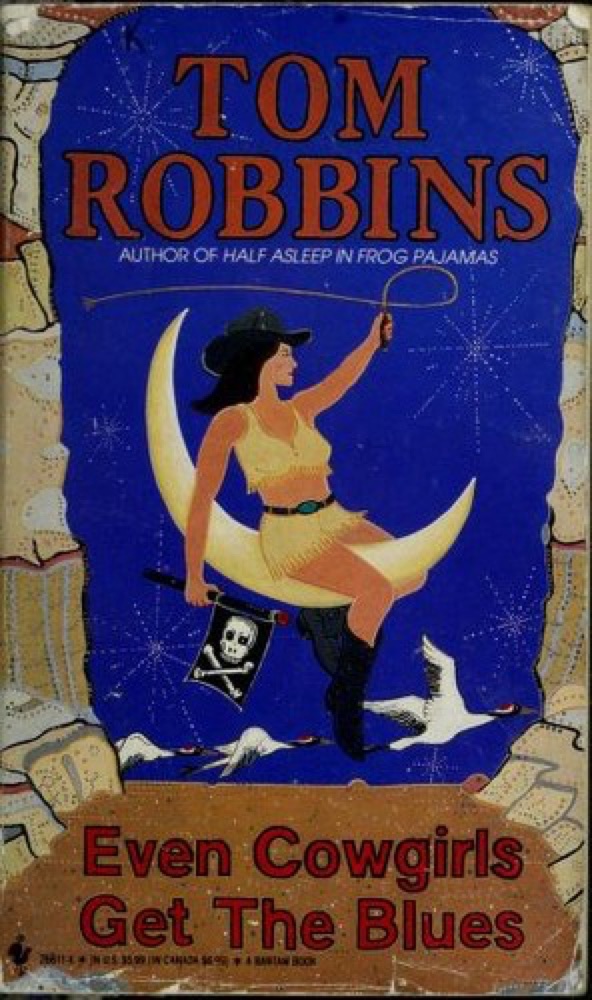 Even Cowgirls Get the Blues
 The Art of Happiness
 Carry On, Warrior: Thoughts on Life Unarmed
 Brave Enough
 Embers
 Changes That Heal: How to Understand the Past to Ensure a Healthier Future
 Middlemarch
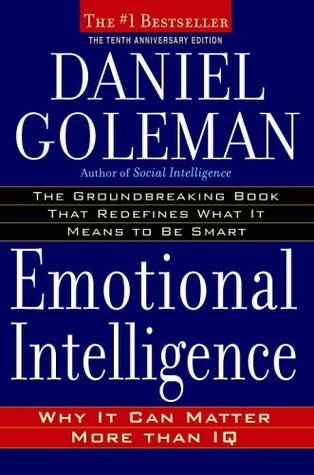 Emotional Intelligence: Why It Can Matter More Than IQ
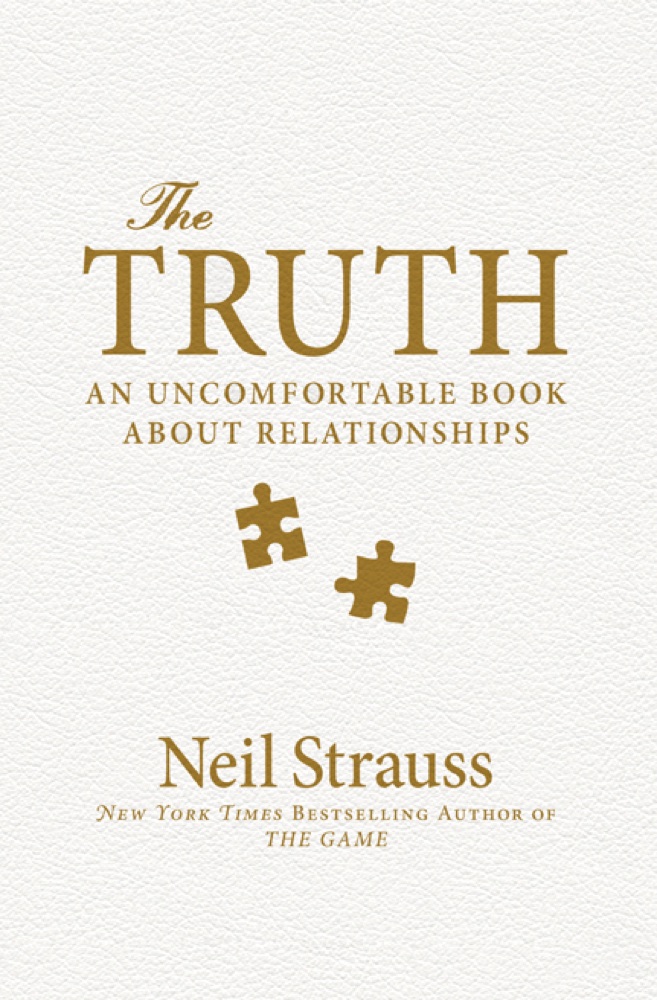 The Truth: An Uncomfortable Book About Relationships
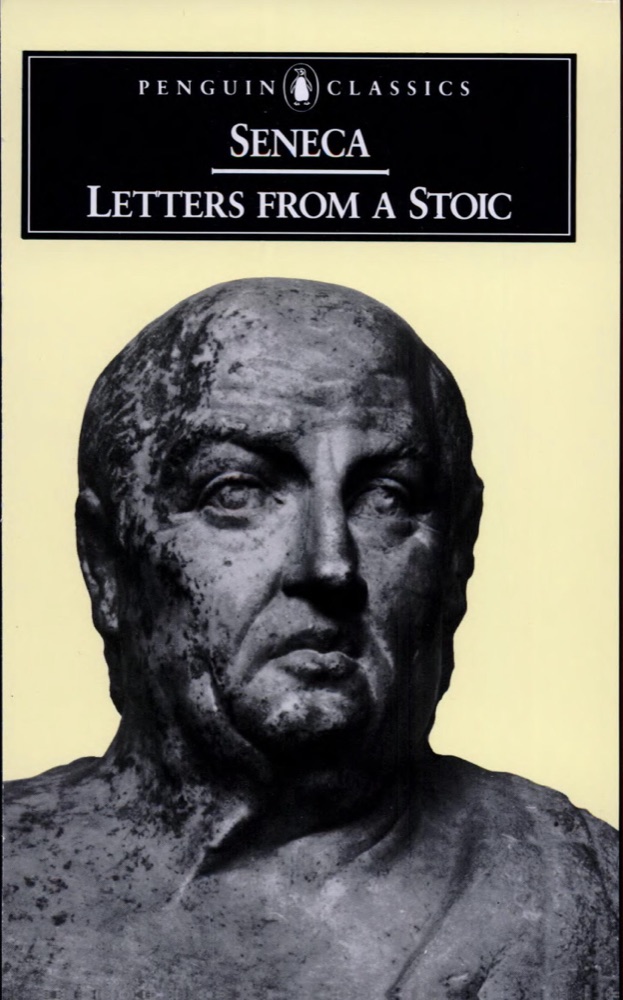 Letters from a Stoic
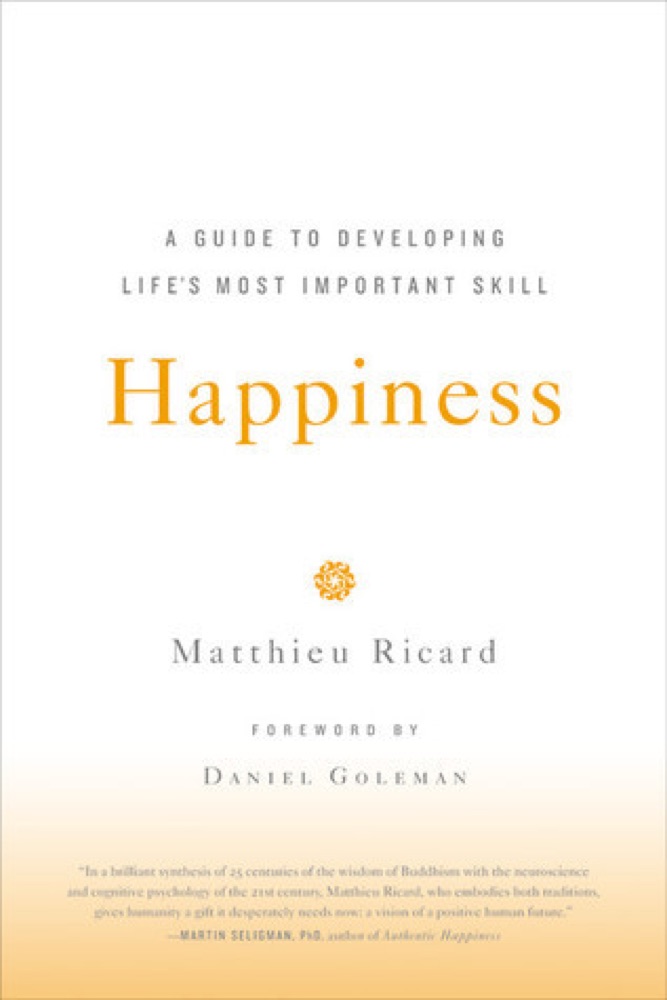 Happiness: A Guide to Developing Life's Most Important Skill
 How to Know a Person: The Art of Seeing Others Deeply and Being Deeply Seen
 Peace Is Every Step: The Path of Mindfulness in Everyday Life