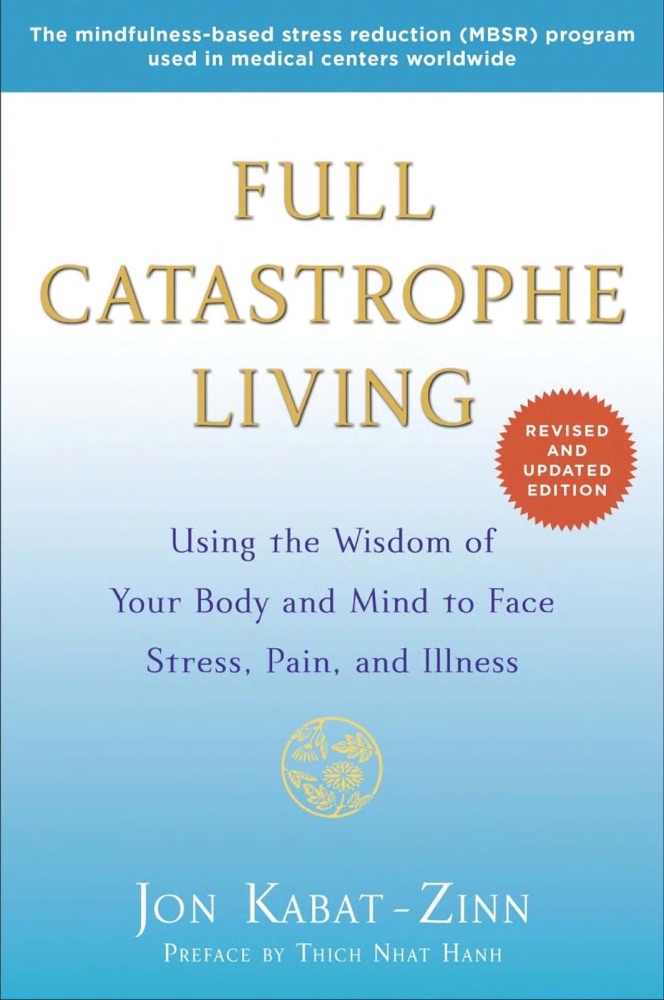
 Full Catastrophe Living: Using the Wisdom of Your Body and Mind to Face Stress, Pain, and Illness
Quotes from the Book
If I could sum up all my years of clinical training and research in one statement, it would be this: We heal when we can be with what we feel.
9
Our bodies are telling the stories we have avoided or forgotten how to hear - and sometimes our inability to feel our feelings (the messages that precede the alarm bells) means that our bodies have to scream in order to get some attention.
6
We do not think ourselves into new ways of living, we live ourselves into new ways of thinking.
6
If you’re willing to pay attention to and dialogue with what’s happening inside of you, you’ll find that your body already knows the answers about how to live a full, present, connected, and healthy life.
5
We heal when we can be with what we feel.
4
our ability to feel our feelings as they move as energy through our body with our ability to talk about what we feel. We can sit in therapy, tell sad stories, and talk about feeling sad without ever having the bodily experience of sadness. Psychology has historically focused too much on cognition and behavior while neglecting the process that underlies them both: emotion. But current neuroscientific research reveals emotion (also called affect in the scientific literature) as the central driver behind why we are the way we are, and how we develop and heal.2 We now know that most psychopathology, or mental illness, is the result of the inability to effectively regulate emotion.
3
your body is the place where the Divine dwells, then you always have direct and immanent access to the Divine. That is sometimes comforting, sometimes healing, and sometimes a reminder that you do not have to keep trying to earn love—you can access it, always.
2
Historically, those with the least social status have been people of color, women, and those with physical disabilities. The paradox here is that the individuals who had more social power because of their bodies did not experience themselves as defined by their bodies, but they made choices that affected the day-to-day bodily realities of others. Obvious examples of this include men determining the reproductive rights of women, or people without disabilities designing buildings that restrict building access for those with disabilities.
2
Celebrating another person's weight loss and believing it to be complimentary supports cultural messages about weight bias that end up hurting us all. This praise reinforces the idea that our appearance is connected to our social belonging. It can hook us into a cycle of trying to change our body to earn value in the eyes of others. This system fuels conditional self-worth, which in turn keeps us endlessly chasing affirmation.
2
Transcendence is beautiful, but I'm not convinced it's the full picture. One of my psychology professors used to remind us that if there are only two options and one of them is bad, then we aren't seeing everything. If we think of God as only out there and certainly not here, we are not seeing everything.
2
Pretty soon, you find yourself spending more time on your front lawn than you do inside the house. And because your house tells the story of rainy winters and hot summers, including wear on the garage door and some faded paint, you’re working hard to maintain the outside. But over time, you lose sight of the fact that your house was made to inhabit, not just evaluate; you were meant to live inside your home, not on the front lawn. You also forget that your home is yours—which means it doesn’t have to look like the neighbors’. Your home is a place that allows you to express your own style, to entertain, and to store the resources you need to get through the demands of life. When it comes to our bodies, most of us are living on the front lawn. We are looking at our bodies from the outside only, and we have not yet learned how to move back in. In other words, we are so fixated on our appearance that we lose the ability to sense what is happening inside. Even if all our attention is on the outside, the house still exists—for us. We are all born living on the “inside”—it really is the only option. But as we start to realize we have a public body—that other people comment on, celebrate, use, grab, or critique—it gets harder to resist leaving the home that has always been ours.
2
The belief that we have to change our body to be happy creates conditional self-worth, which means we can be happy and valuable only if our body never changes back. It leads to an unhealthy preoccupation that increases the likelihood of disordered eating, food and exercise compulsions, anxiety, and depression related to rigid thinking and undernutrition. And it promotes the false belief that it’s better if there is less of us. Instead of changing our body, what we need to change is how we think about, talk about, and care for our body. Becoming more connected to our body, seeing our bodily self as inherently worthy, good, and lovable, means we can pay more attention to our unique bodily needs, which might include intuitive eating, healthy forms of movement, self-care, and a balanced lifestyle that includes rest and routine care.
1
Here are some questions you can use to ignite wonder: What other sensations can I feel right now besides the pain? If I saw a piece of art that captured what this is like, what would the image be? If my pain had a voice or words, what would it say?
1
It’s so obvious how much your body wants to be alive; it’s doing its very best to fight this right now.
1
emotion itself is never the problem; the problem is the stories that keep us apart from each other, create conditional belonging, or require us to shove things down in order to stay connected.
1
When a feeling happens in your body, you are responsible for exploring, understanding, and regulating that emotion.
1
Sadness helps us ask for comfort, helps us grieve, or gives us the release of letting go. Anger helps us set a boundary and protect ourselves or someone else. And joy takes us into full expression, sharing our experiences to help them expand.
1
It is so hard to be seen, because when we are seen, we can be judged and rejected. I know you are just trying to protect me from shame. You are rattling me from the inside out to get my attention, thinking that if you get loud enough, I’ll listen, and we can stop this before we get hurt. This won’t be like other times we got hurt. No matter what happens, we can handle it together. Will you come with me onto that stage? I can’t wait to tell everyone what we’ve learned.
1
We complete the stress cycle when we release our trauma response mechanisms by moving the stress-related energy out through the body.
1
we can get back to safety more quickly when we engage the healing process in the context of relationship.
1
But ultimately what body hatred costs us—individually and collectively—is the fullness of life. We lose out on the goodness that comes through our body. And if we are our body, we miss out on experiencing our own goodness and the presence and wisdom that comes from deep connection to ourselves. We also lose out on connection with others: the quality of touch offered to soothe a wound, kissing someone who makes our body feel electric, or celebrating how breasts can nourish and nurture a baby. There is so much goodness within and between us because of our bodies, the bodies we spend so much time trying to get away from, control, or blame.
1
Embodiment is the self in motion, the living, breathing story of who you are and the culture and people you have come from.
1
So embodiment is a coming home, a remembering of our wholeness, and a reunion with the fullness of ourselves.
1
Rather, transformation happens from the ground up: when we have a new experience of ourselves and hold our attention on it long enough for it to sink
1
No matter how or why we get there, no matter how well it may have served us, forgetting the body also costs us something—individually and collectively. We lose the fundamental building blocks of human thriving, connection to ourselves and others, and the fullness of pleasure, wisdom, empathy, and justice. Connection to our bodily selves allows us to internalize a sense of safety and connection that tells us who we are, what we long for, and how to be most fully alive.
1
While I do employ moment-to-moment strategies to ease my suffering, the overarching narrative had to change from avoiding or dismissing my pain to learning to be in dialogue with it, realizing that I could decide to respond to it in a way that took me closer to myself.
1
Here is the idea: pain can be a doorway into the present. Even more, pain can be the invitation into loving and caring for oneself, sometimes learning how to do that for the very first time. The intensity of the sensations of pain are cause for us to try to escape into our mind, but they are also an invitation into the present. When we feel nerve activation in our bodies, it is a reminder that we are here, in the right now, alive and feeling.
1
It takes time to feel comfortable with something we're just learning. And if we're counting on what we're learning to help us heal, that can add pressure, which can make us afraid and tight. But we can always begin again with a breath, a noticing, a shift in posture or attention, a decision to not do the same old thing. Hope becomes available when we become more aware of our inner process and learn to see off-ramps from the old cycle available in any moment.
1
When we are frustrated, it is easy to blame another person, but doing so means we miss a chance to see where we need to heal, seek comfort, get out of a situation, or understand ourselves more deeply. Believing that a feeling is about someone else might make us think that the other person, or the situation, has to change. That can trap us in a cycle of codependency, making us think that we can never be okay until the other person changes. When a feeling happens in your body, you are responsible for exploring, understanding, and regulating that emotion.
1
To say that you are your body is not to further overidentify each of us with the ways our bodies have been made objects, but rather to remind us that our personhood is inextricable from our physicality. This is meant to rehumanize us all and to distance us from the paradigms that separated us from our bodies in the first place, as if any of us could ever transcend our bodies.
1
Watch on YouTube
About Hillary L. McBride
About the book
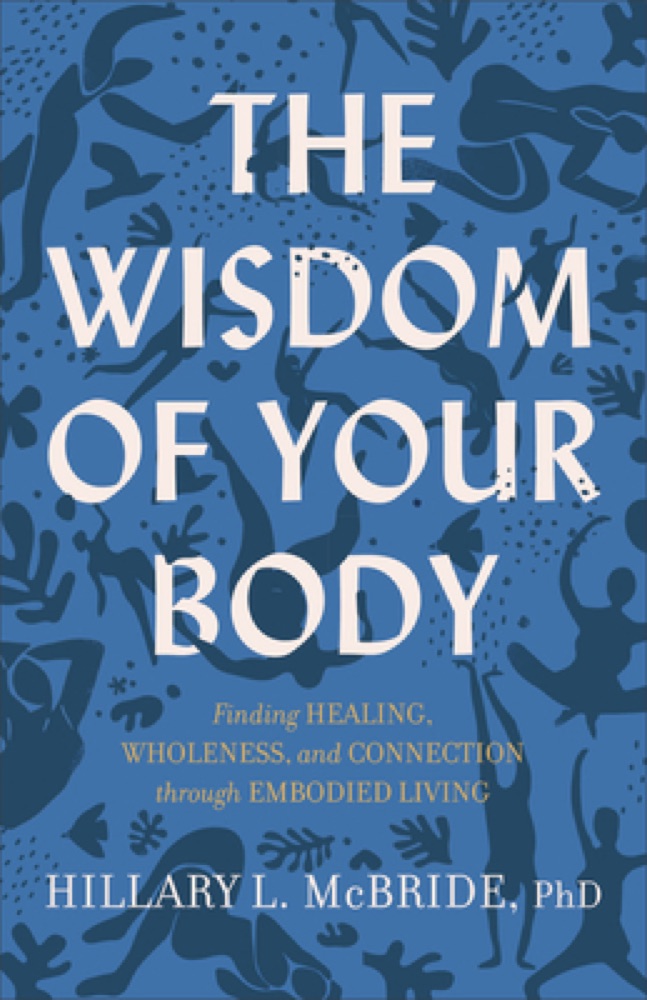
Many of us have a complicated relationship with our body.Maybe you've been made to feel ashamed of your body or like it isn't good enough. Maybe your body is riddled with stress, pain, or the effects of trauma. Maybe you think of your body as an accessory to what you believe you really are--your mind. Maybe your experiences with racism, sexism, ableism, heterosexism, ageism, or sizeism have made you believe your body isn't the right kind of body. Whatever the reason, many of us don't feel at home in our bodies. But being disconnected from ourselves as bodies means being disconnected from truly living and from the interconnection that weaves us all together.Psychologist and award-winning researcher Hillary McBride explores the broken and unhealthy ideas we have inherited about our body. Embodiment is the way we are in the world, and our embodiment is heavily influenced by who we have been
Book details
- First published
- 2021
- Author
- Hillary L. McBride
- Genre
- Nonfiction
- Goodreads rating
- 4.31 (5k ratings)
Keep reading
Full Catastrophe Living: Using the Wisdom of Your Body and Mind to Face Stress, Pain, and Illness
 True Refuge: Finding Peace and Freedom in Your Own Awakened Heart
 What It Takes to Heal: How Transforming Ourselves Can Change the World
 When Things Fall Apart: Heart Advice for Difficult Times
 Burnout: The Secret to Unlocking the Stress Cycle
 In an Unspoken Voice: How the Body Releases Trauma and Restores Goodness
 What Happened To You?: Conversations on Trauma, Resilience, and Healing
 Self-Compassion: The Proven Power of Being Kind to Yourself
 Reconciliation: Healing the Inner Child
 Anatomy of the Spirit: The Seven Stages of Power and Healing
 Radical Acceptance: Embracing Your Life With the Heart of a Buddha
 When the Body Says No: The Cost of Hidden Stress
 Clarity & Connection
 Welcome Home: A Guide to Building a Home for Your Soul
 Letting Go: The Pathway To Surrender
 Letting Go of the Person You Used to Be: Lessons on Change, Loss, and Spiritual Transformation
 Untangle Your Emotions: Naming What You Feel and Knowing What to Do About It
 My Grandmother's Hands: Racialized Trauma and the Mending of Our Bodies and Hearts
 Atlas of the Heart: Mapping Meaningful Connection and the Language of Human Experience
 Come as You Are: The Surprising New Science that Will Transform Your Sex Life
 Women's Bodies, Women's Wisdom: Creating Physical and Emotional Health and Healing
 How to Be an Adult in Relationships: The Five Keys to Mindful Loving
 Kitchen Table Wisdom: Stories that Heal
 Unfuck Your Brain: Using Science to Get Over Anxiety, Depression, Anger, Freak-Outs, and Triggers
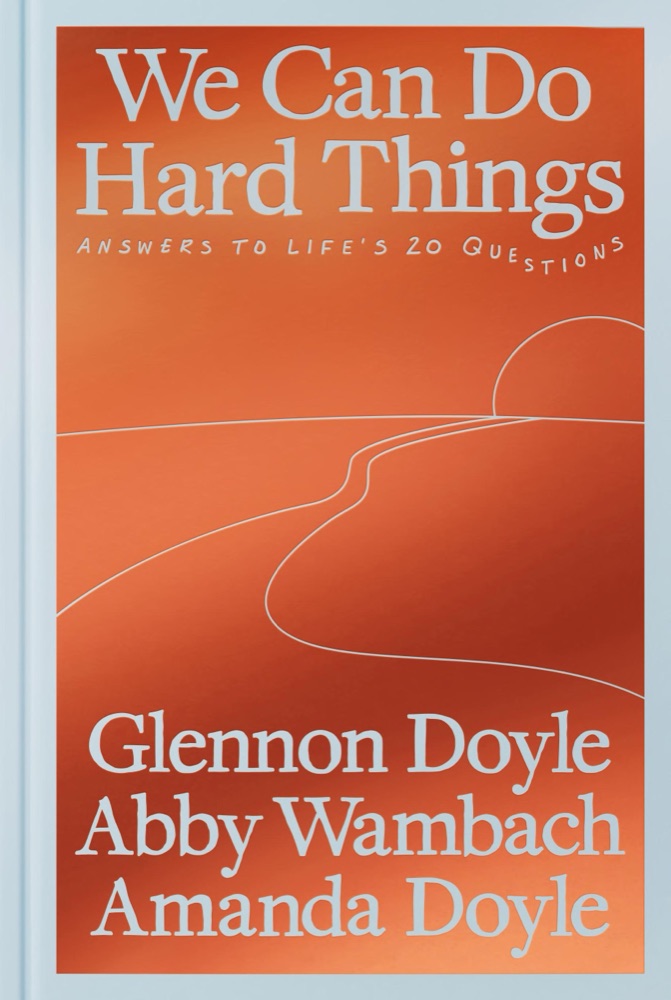 We Can Do Hard Things: Answers to Life's 20 Questions
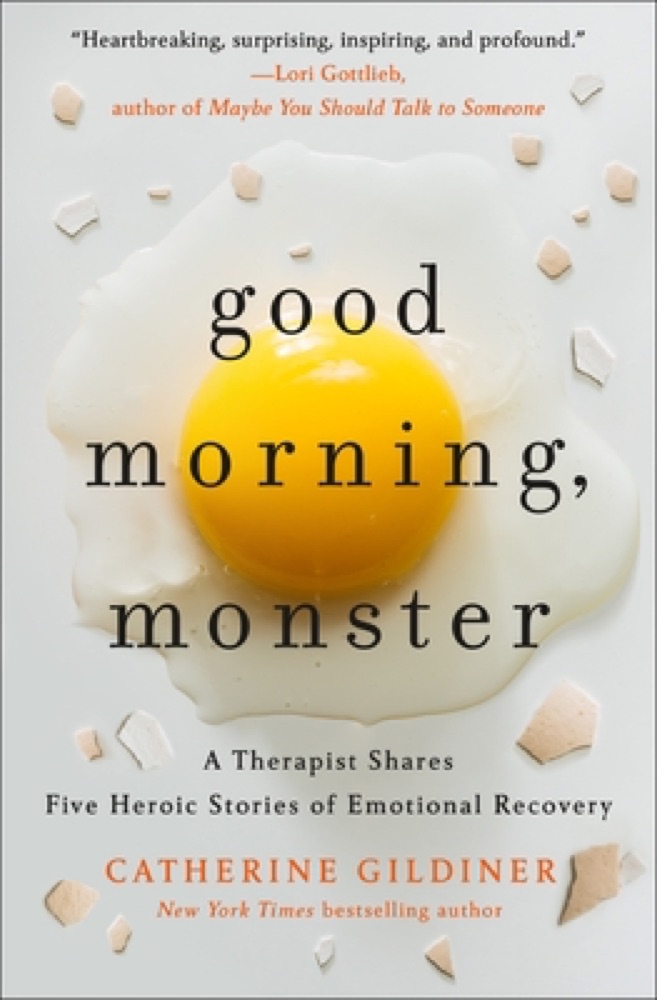 Good Morning, Monster: A Therapist Shares Five Heroic Stories of Emotional Recovery
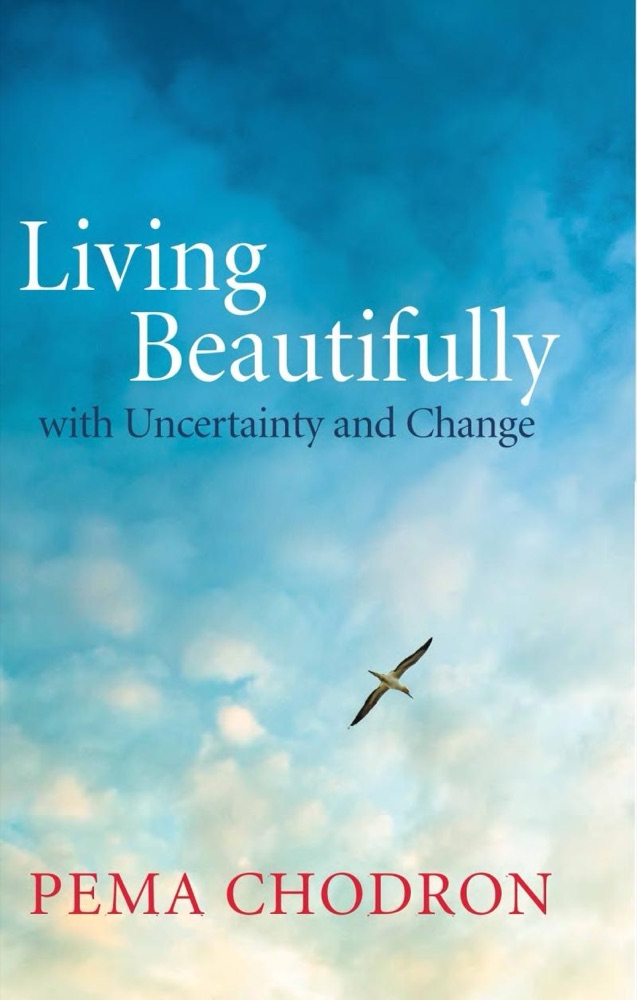 Living Beautifully with Uncertainty and Change
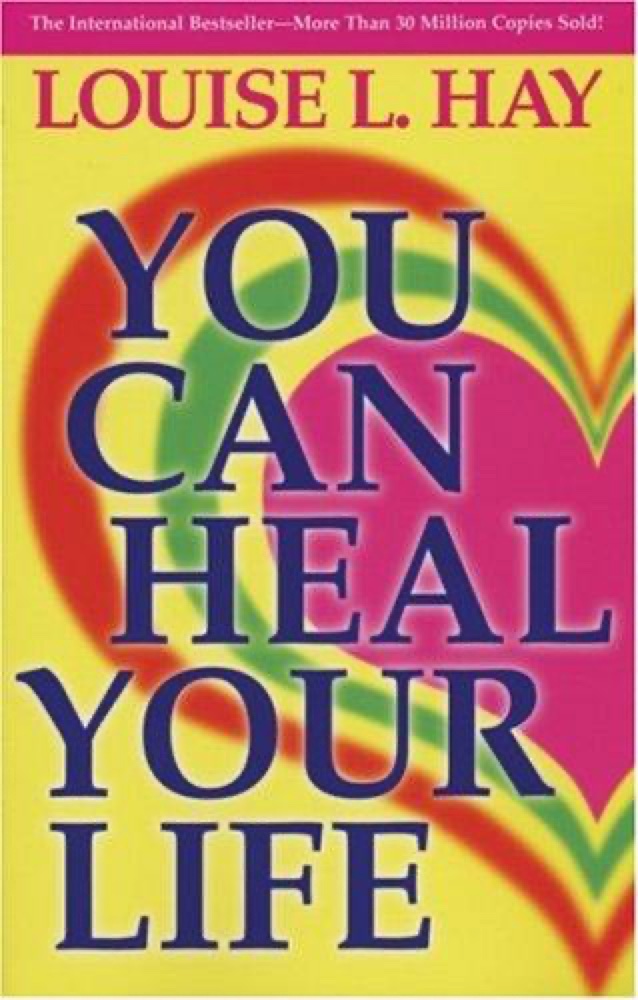 You Can Heal Your Life
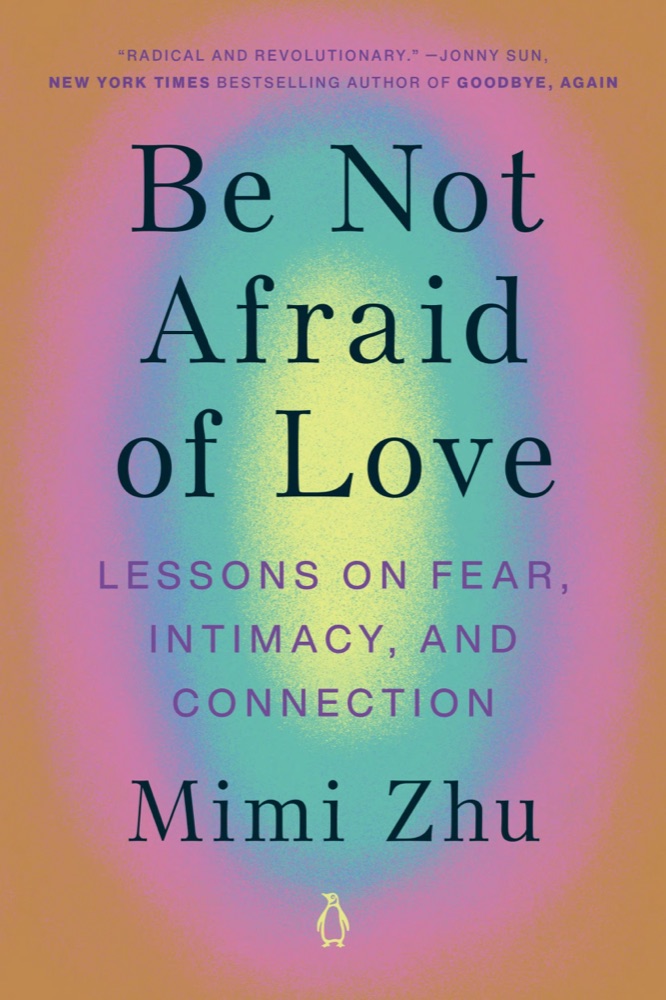 Be Not Afraid of Love: Lessons on Fear, Intimacy, and Connection
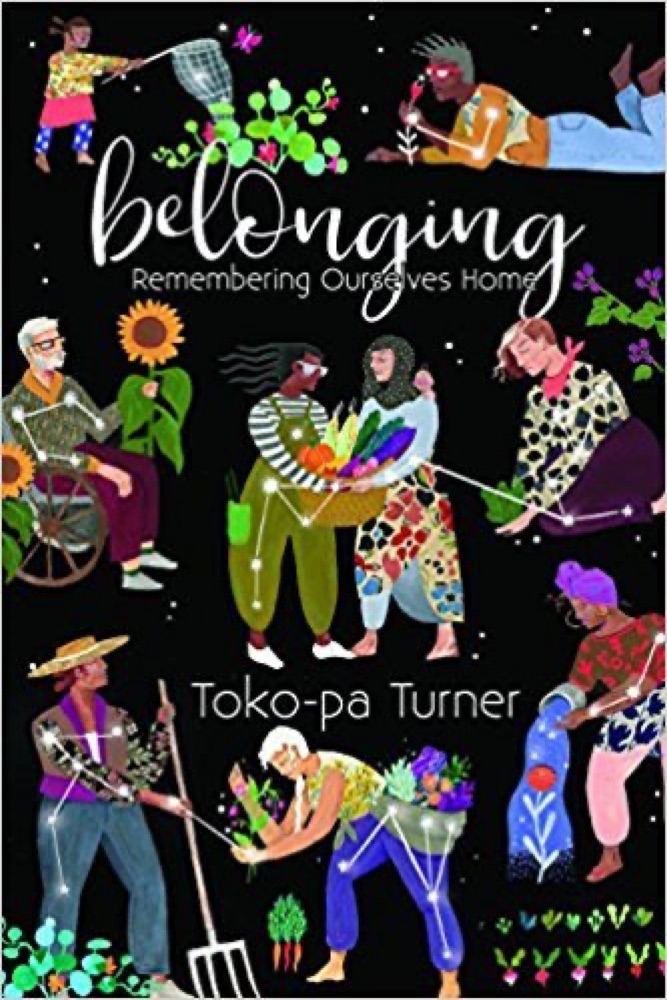 Belonging: Remembering Ourselves Home
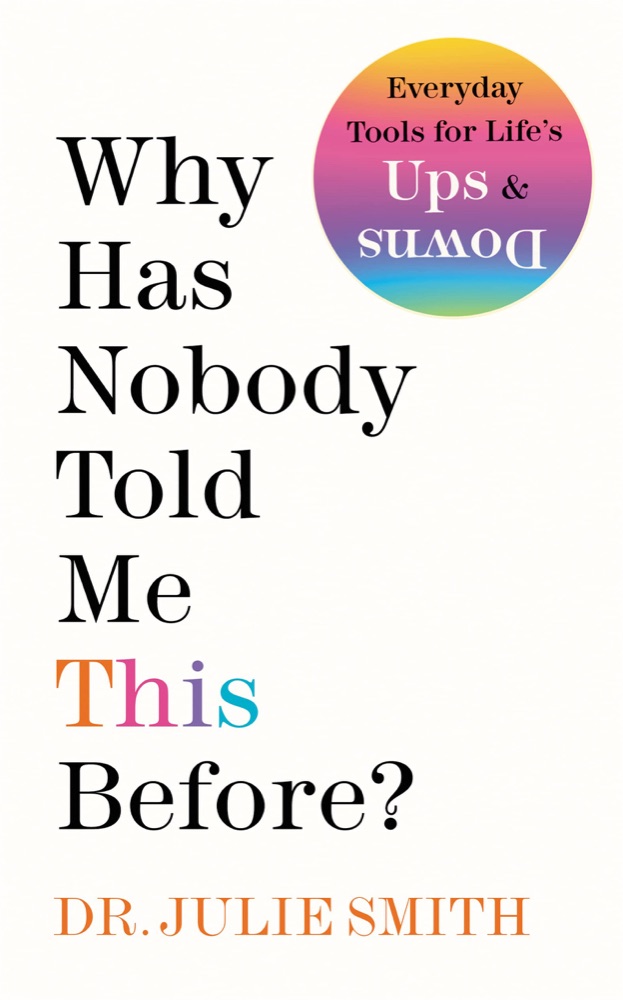 Why Has Nobody Told Me This Before?
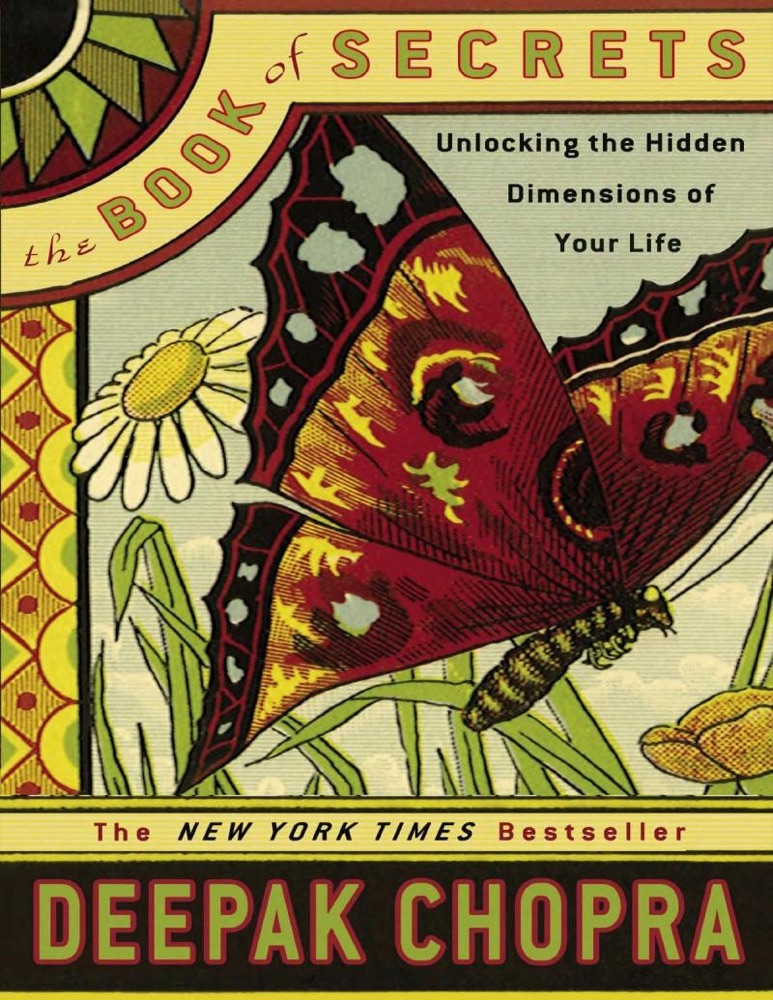 The Book of Secrets: Unlocking the Hidden Dimensions of Your Life
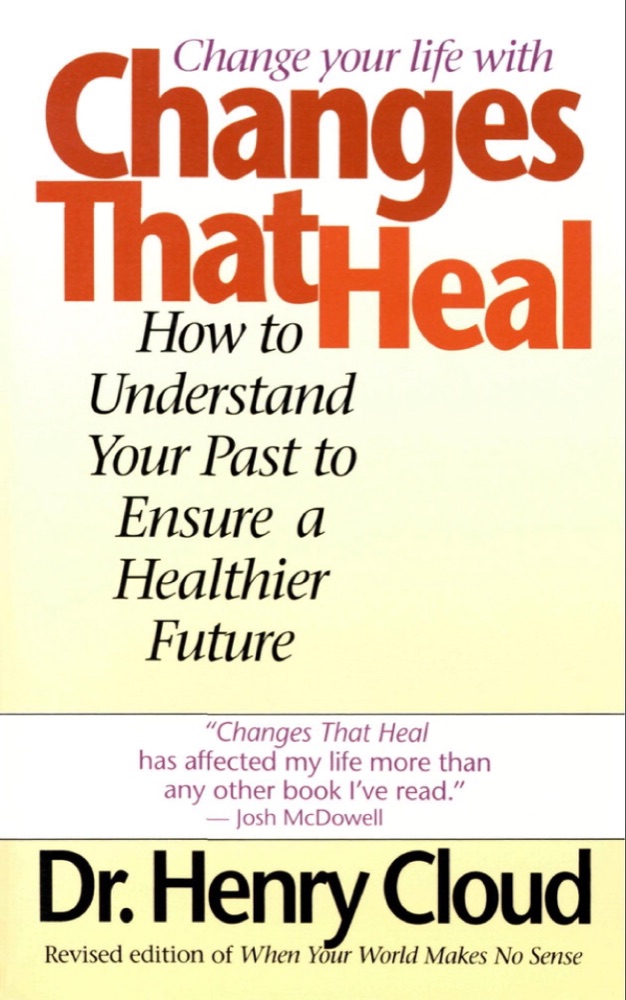 Changes That Heal: How to Understand the Past to Ensure a Healthier Future
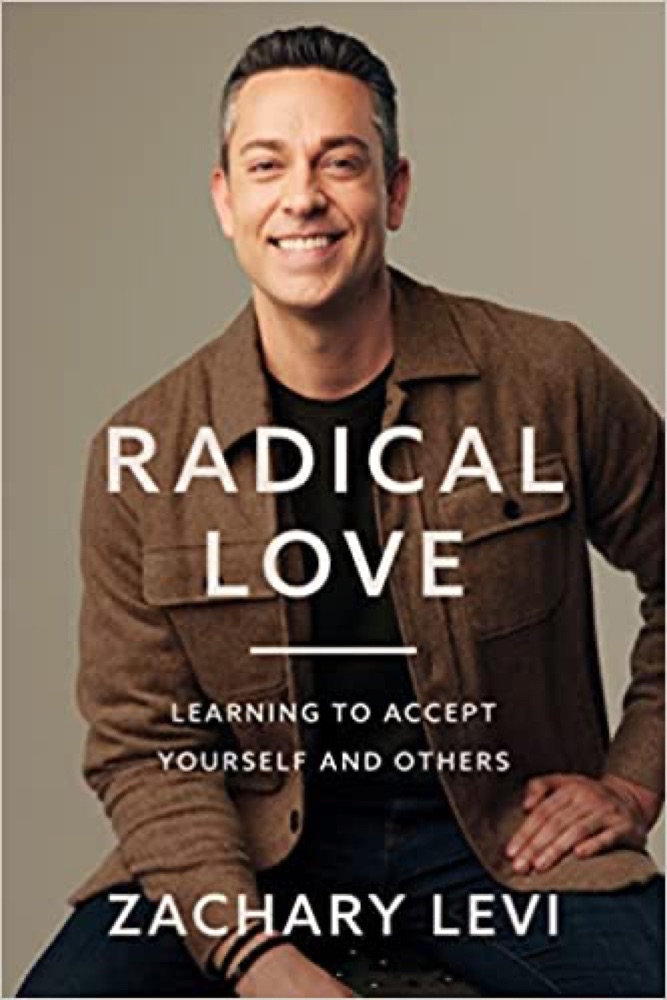 Radical Love: Learning to Accept Yourself and Others
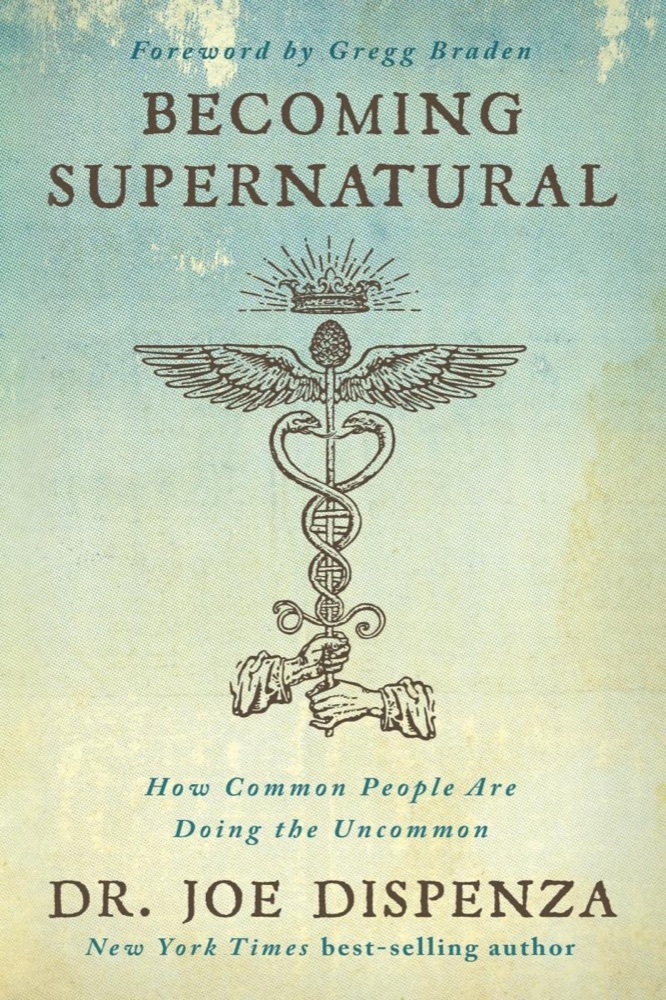 Becoming Supernatural: How Common People are Doing the Uncommon
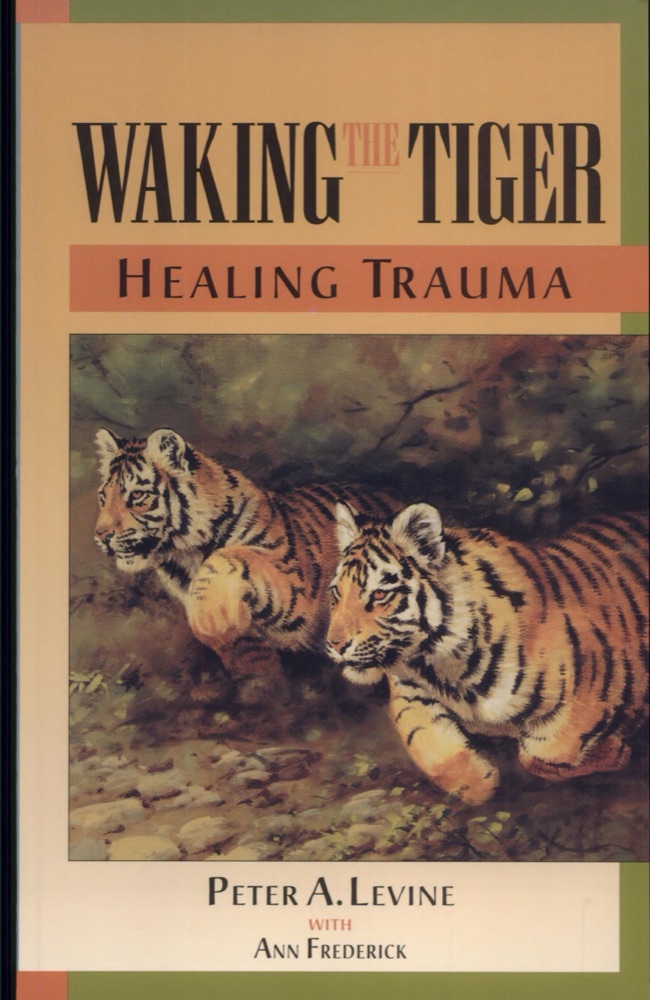 Waking the Tiger: Healing Trauma
 The Book of Awakening: Having the Life You Want by Being Present to the Life You Have
 101 Essays That Will Change The Way You Think
 Loving What Is: Four Questions That Can Change Your Life
 Dying to Be Me: My Journey from Cancer, to Near Death, to True Healing
 Maybe You Should Talk to Someone: A Therapist, Her Therapist, and Our Lives Revealed
 Living Untethered: Beyond the Human Predicament
 My Stroke of Insight: A Brain Scientist's Personal Journey
 You Are the Placebo: Making Your Mind Matter
![It's Not OK to Feel Blue [and other lies]](/i/book/g/ed/its-not-ok-to-feel-blue-and-other-lies.jpg) It's Not OK to Feel Blue [and other lies]
It's Not OK to Feel Blue [and other lies]
 Fear: Essential Wisdom for Getting Through the Storm
 Advice Not Given: A Guide to Getting Over Yourself
 The Courage to Heal: A Guide for Women Survivors of Child Sexual Abuse
 Nothing Special: A Zen Buddhist Guide to Awakening Through Daily Life's Feelings, Relationships, and Work
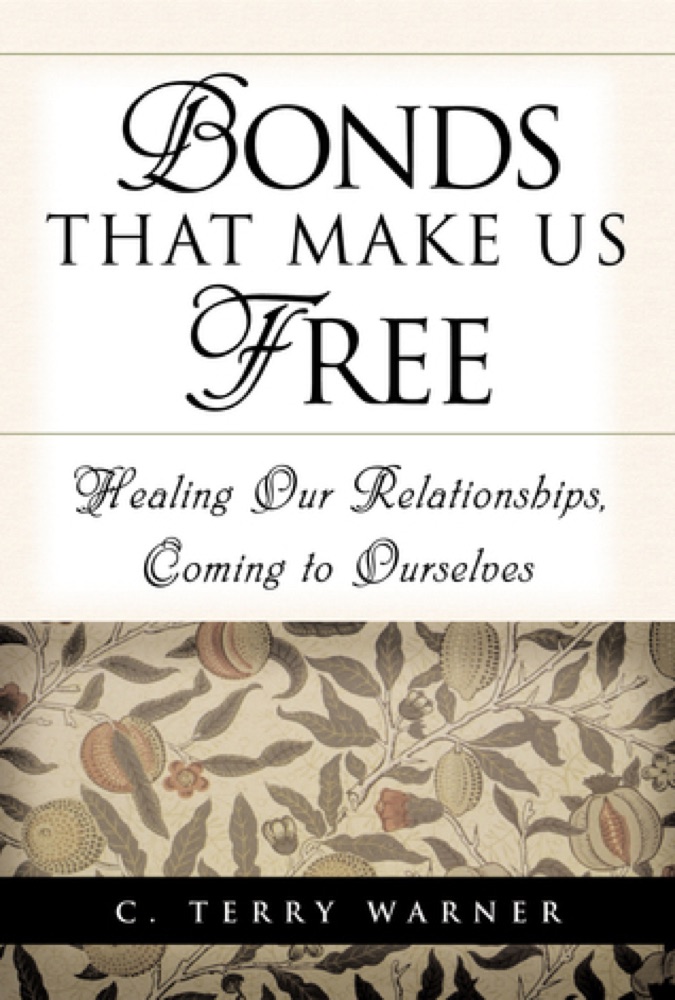 Bonds That Make Us Free: Healing Our Relationship, Coming to Ourselves
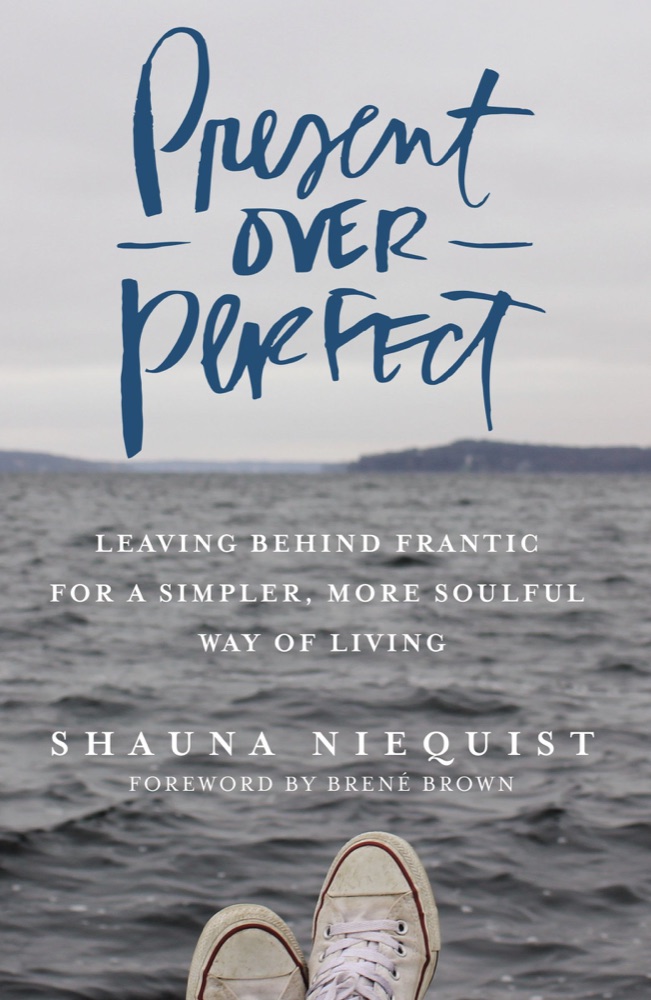 Present Over Perfect: Leaving Behind Frantic for a Simpler, More Soulful Way of Living
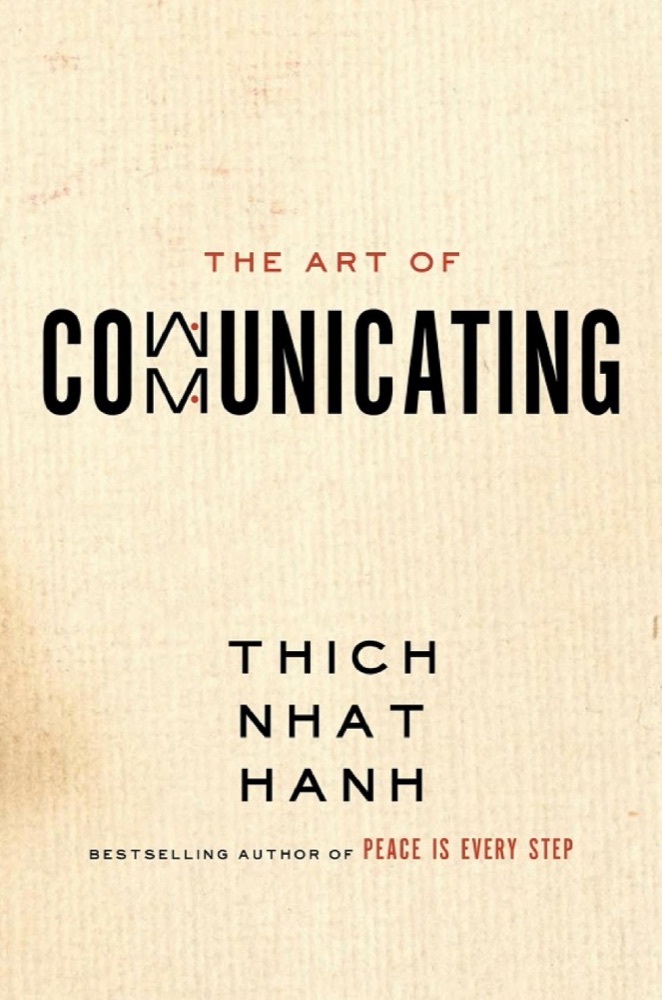 The Art of Communicating
 Women, Food and God: An Unexpected Path to Almost Everything
 The Places That Scare You: A Guide to Fearlessness in Difficult Times
 The Stories We Tell: Every Piece of Your Story Matters
 Us: Getting Past You and Me to Build a More Loving Relationship
 Buddha's Brain: The Practical Neuroscience of Happiness, Love, and Wisdom