
 101 Essays That Will Change The Way You Think
Quotes from the Book
Your memories of perfect moments are memories of moments in which you were most present.
15
When you ruminate, you mistake replay for reflection. When you catastrophize, you mistake worrying for preparation.
13
You live with an attachment to a future outcome that generates chronic excess anxiety and you call that anxiety "hope.
12
You still love planning, you still love organizing, you still love making it beautiful-but you do it because you want to, not because everything will fall apart if you don't. You operate from a well of desire, not a pit of desperation. Your life may or may not look the same on the outside, but on the inside, much has changed. You stop working to curate a programmed experience. You allow yourself open access to all that you think and feel. You allow yourself to be free.
11
Maybe you are and maybe you aren't. A lot of perfectionists think they're driven by success when what they're really driven by is the avoidance of failure-two very different animals.
10
You will never experience the future; you’re always and only in the present moment. If you’re waiting on the future to feel joy, you will never feel joy.
9
Because balance doesn't exist, you're either operating under or over your energetic equilibrium. In other words, you're in the realm of being either underwhelmed or overwhelmed. Perfectionists reliably choose to operate over their equilibriums. For perfectionists, the risk of being underwhelmed is much scarier than the risk of being overwhelmed.
8
For so long, I honestly believed that whatever I accomplished didn't count if I had to ask for help along the way. I used to never ask for help, for anything from anyone.
7
The therapist version of "Live laugh love," is "Feelings aren't facts.
7
A part of her wanted to stop pushing herself, stop feeling compelled to rise to the occasion of being her best self. She wanted to figure out how to be her average self without feeling like a loser.
6
Being disconnected from your self-worth feels more like this: Okay, I’m almost there, I’m close, so I’ll be able to enjoy my life soon, as soon as I’m ‘done,’ as soon as I’m skinny, as soon as I make over X amount of dollars, as soon as I get the job, as soon as I get pregnant, as soon as I’m accepted into that school, or my children are accepted into that school, as soon as I make partner, as soon as I’m in a relationship, as soon as I can buy the person I love the present they want, I can feel good about myself as soon as I’ve earned it. When you’re disconnected from your self-worth, you think your ability to feel joy is won through goal attainment. I wonder if I wrote this entire book just to write this next sentence: You don’t earn your way to joy. Joy is a birthright.
5
You don’t heal by changing who you are; you heal by learning how to be yourself in the world.
4
Clients come to acknowledge that their desire was never to be perfect; it was only to be loved. To simply be seen, accepted, and embraced without conditions is what the child, who is now an adult, has been obsessed with-not perfect.
4
Joy holds tremendous power. It is impossible to live joyfully without your joy benefiting the world.
3
When you know success is just a matter of trial and error, you don’t mind the trial and you don’t mind the error. Not only do you not mind working on the puzzle; you also extract enjoyment from working on the puzzle.
3
Adaptive perfectionists are connected to their self-worth. When you know you’re already whole and complete (i.e., perfect) as you are, you’re operating from a mindset of abundance. You already have what you need, and you feel secure. For adaptive perfectionists, striving towards an ideal is a celebratory expression of that security. Maladaptive perfectionists do not feel whole or secure. They feel broken, and they operate from a mindset of deficit. Their striving is driven by the need to compensate, to fix what’s broken, and to try to offer substitutes for or try to hide what’s missing.
3
When you understand that closure is a fantasy, you have all the closure you'll ever need.
3
Sometimes you say a thought out loud to give it weight because it matters. Sometimes you say a thought out loud to let it go because it's trivial. Until you let the words hit the air, it can be difficult to tell which is which.
3
Where you worry you may be planting a seed, a large tree has already grown. -Dr. Stacey Freedenthal
3
Parisian perfectionists want to be perfectly liked, an “achievement” other types of perfectionists don’t prize. Even when everything else is going exactly the way they’d choose, when a Parisian perfectionist is experiencing difficulty connecting to someone with whom they want to connect, it can all feel for naught.
2
3. WE MISTAKE SELF-PUNISHMENT FOR PERSONAL ACCOUNTABILITY
2
Art is designed to be experiential. Any description of an artwork is an immediate reduction of an artwork; that’s what makes it art. Grief is the same way. Nobody fully understands art or grief because neither allows for perfect closure.
2
It was never the terrible things that happened to you that made you stronger; it was the resiliency-building skills you engaged to process the terrible things. What doesn’t kill you can make you stronger, but only if you feel your feelings, process your experience (i.e., figure out what the experience means to you), and engage the protective factors around you—mainly, the power of connection.
2
Procrastinator perfectionists who aren’t managing their perfectionism become self-loathing and critical. Not just self-critical, other-critical; they’re disparaging towards others who aren’t constrained by the same tendencies. Procrastinator perfectionists might publicly or privately declare all the ways in which they could’ve done X so much better—thrown the party, written the book, built the house, organized the conference, cooked the meal. And maybe they’re right. They probably could’ve done it better if they had tried, but they didn’t allow themselves to take the risk of trying. This haunts them.
2
A restored perfectionist understands that it's not that you long for some external thing or for yourself to be perfect, it's that you long to feel whole and to help others feel whole.
2
Humans have a special talent for complicating simplicity. We make a spectacle out of simple.
2
Letting go of whether you win or lose to focus on “the process” initially feels like a distasteful apathy for most perfectionists. We don’t understand the alternatives—so we’re supposed to no longer care about achieving goals? That leaves us to do what, exactly? Replace our deodorant with essential oils and become one with nature? We think, No thank you, I’ll take the ring of fire, please. Letting go of the outcome doesn’t mean you stop caring about goal attainment; of course you care. Goal setting isn’t problematic. The problem arises when you hook your joy onto a future outcome: I’ll be happy when I get this or I’ll be happy if I can keep this.
1
I met an old pastor’s wife who told me that when she was young and had her first child, she didn’t believe in striking children, although spanking kids with a switch pulled from a tree was standard punishment at the time. But one day, when her son was four or five, he did something that she felt warranted a spanking—the first in his life. She told him that he would have to go outside himself and find a switch for her to hit him with. The boy was gone a long time. And when he came back in, he was crying. He said to her, “Mama, I couldn’t find a switch, but here’s a rock that you can throw at me.” All of a sudden the mother understood how the situation felt from the child’s point of view: that if my mother wants to hurt me, then it makes no difference what she does it with; she might as well do it with a stone. And the mother took the boy into her lap and they both cried. Then she laid the rock on a shelf in the kitchen to remind herself forever: never violence. And that is something I think everyone should keep in mind.
1
You don’t earn your way to joy. Joy is a birthright. So is love, freedom, dignity, and connection.
1
Watch on YouTube
About Katherine Morgan Schafler
We have collected 29 quotes from 1 book by Katherine Morgan Schafler on BookQuoters.
More about the author →About the book
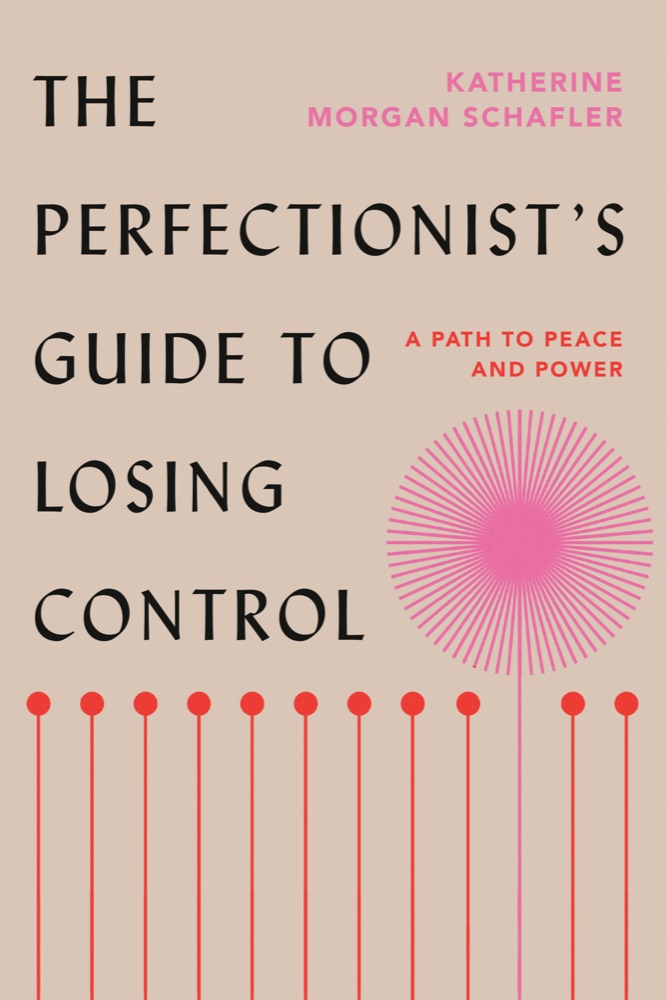
From psychotherapist Katherine Morgan Schafler, an invitation to every “recovering perfectionist” to challenge the way they look at perfectionism, and the way they look at themselves.
We’ve been looking at perfectionism all wrong. As psychotherapist and former on-site therapist at Google Katherine Morgan Schafler argues in The Perfectionist's Guide to Losing Control, you don’t have to stop being a perfectionist to be healthy. For women who are sick of being given the generic advice to “find balance”, a new approach has arrived.
Which of the five types of perfectionist are you? Classic, intense, Parisian, messy, or procrastinator? As you identify your unique perfectionist profile, you'll learn how to manage each form of perfectionism to work for you, not against you. Beyond managing it, you'll learn how to embrace and even enjoy your perfectionism. Yes, enjoy!
Full of stories and
Book details
- First published
- 2023
- Genre
- Nonfiction
- Goodreads rating
- 4.12 (10k ratings)
Keep reading
101 Essays That Will Change The Way You Think
 The Mountain Is You: Transforming Self-Sabotage Into Self-Mastery
 Burnout: The Secret to Unlocking the Stress Cycle
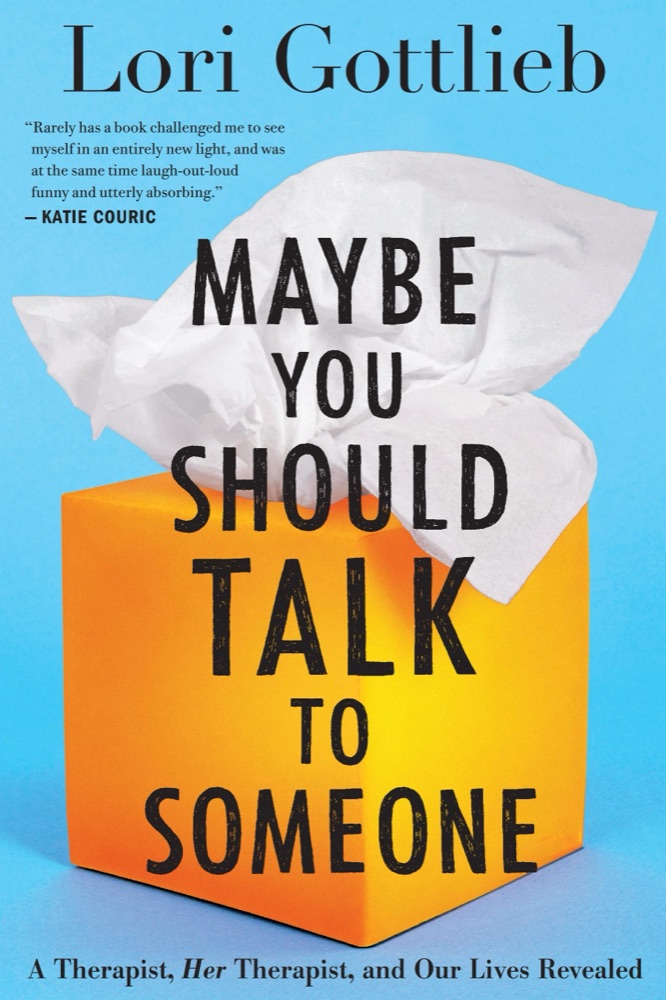 Maybe You Should Talk to Someone: A Therapist, Her Therapist, and Our Lives Revealed
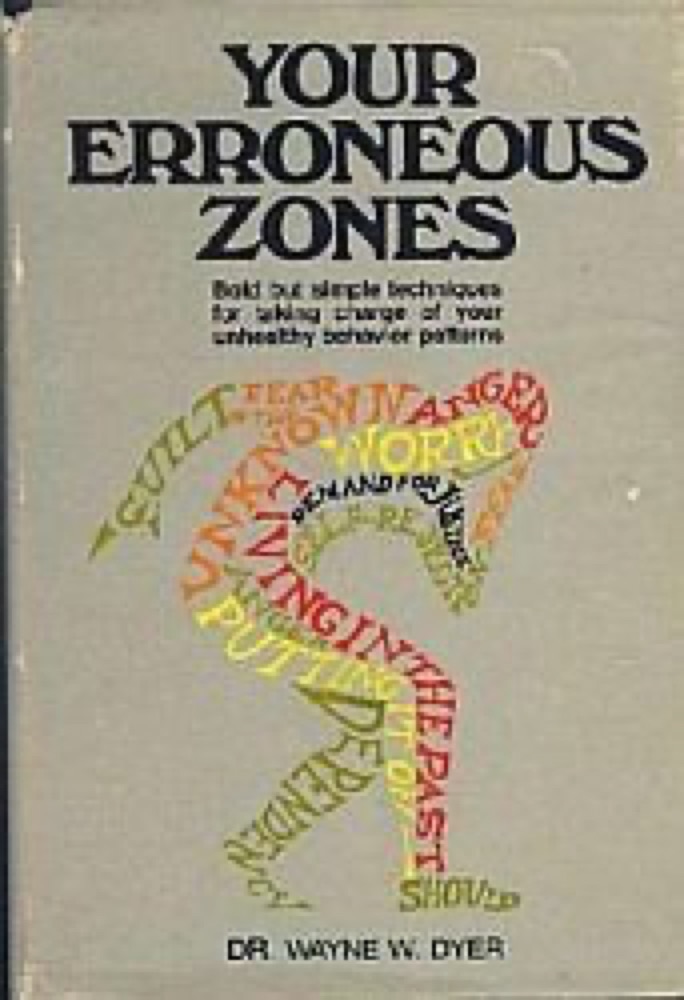 Your Erroneous Zones: Step-By-Step Advice for Escaping the Trap of Negative Thinking and Taking Control of Your Life
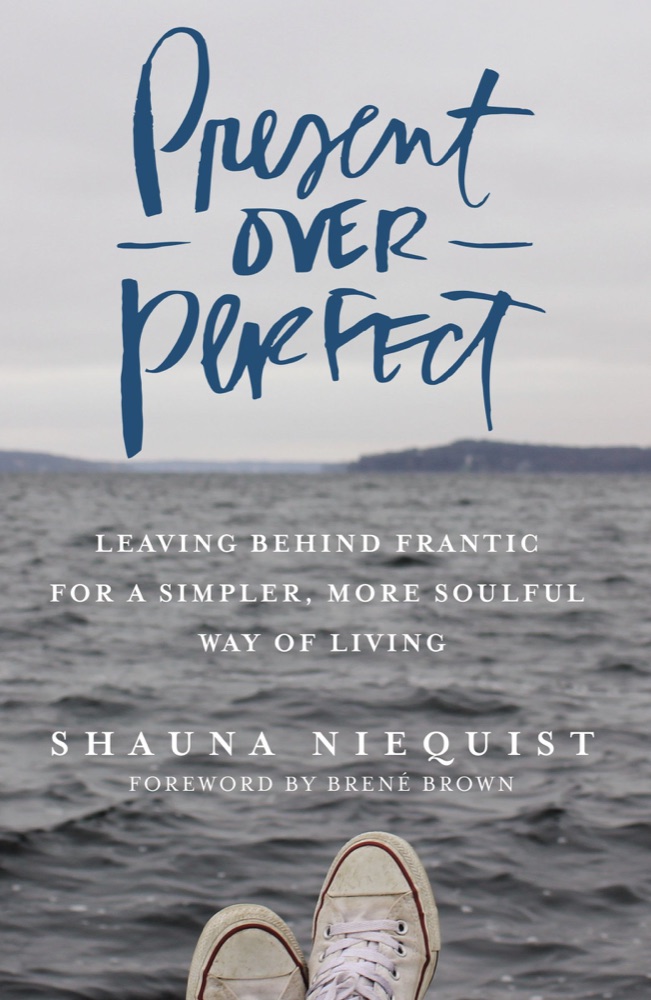 Present Over Perfect: Leaving Behind Frantic for a Simpler, More Soulful Way of Living
 Self Love Poetry: For Thinkers & Feelers
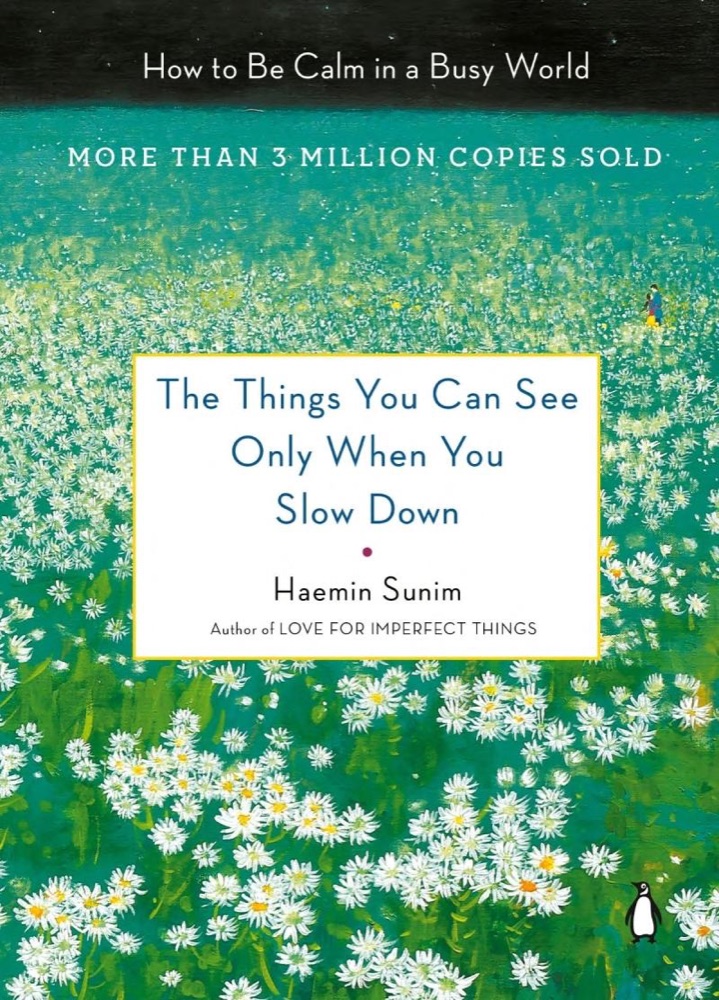 The Things You Can See Only When You Slow Down: How to Be Calm in a Busy World
 Tribe Of Mentors: Transformative Wisdom From Icons and Innovators to Help You Navigate Life's Challenges
 Love for Imperfect Things: How to Accept Yourself in a World Striving for Perfection
 The Gifts of Imperfection
 Buy Yourself the Damn Flowers: The Self-Love Guide to Growing, Healing and Learning to Put Yourself First
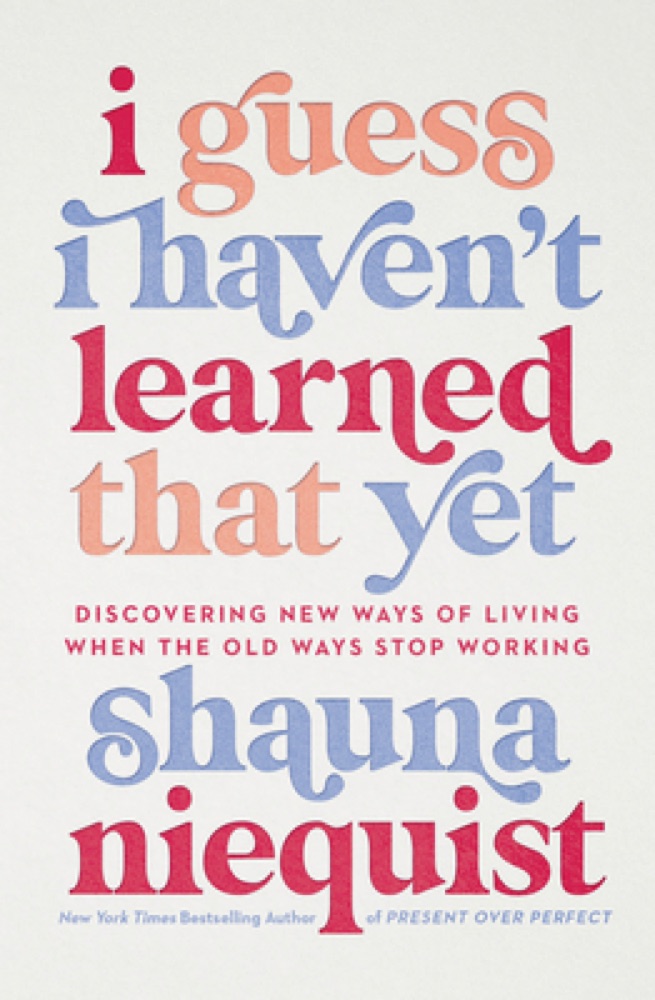 I Guess I Haven't Learned That Yet: Discovering New Ways of Living When the Old Ways Stop Working
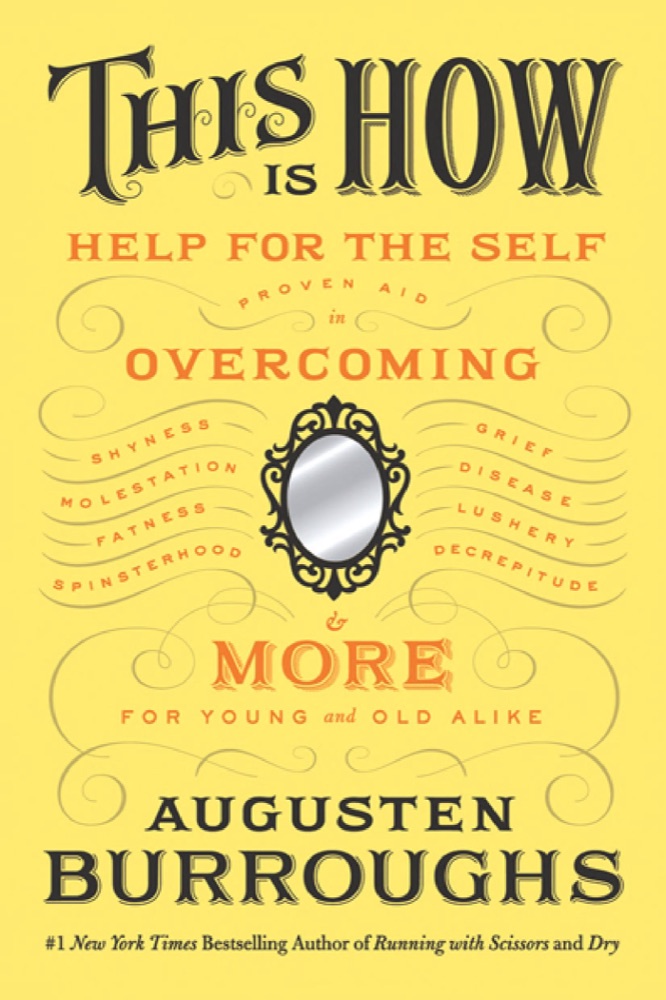 This Is How: Proven Aid in Overcoming Shyness, Molestation, Fatness, Spinsterhood, Grief, Disease, Lushery, Decrepitude & More. For Young and Old Alike.
 Girl Wash your Face
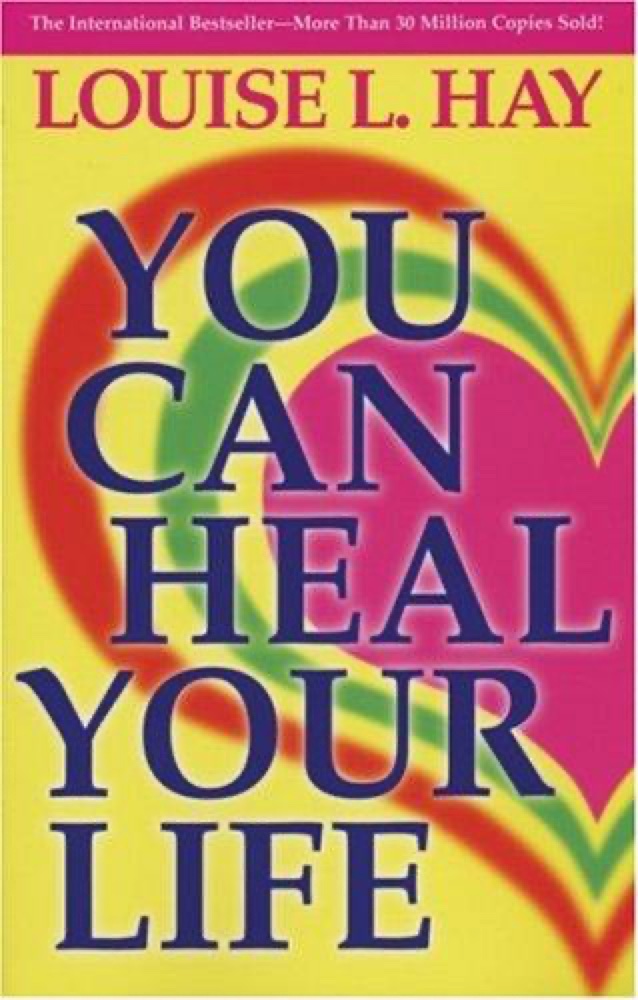 You Can Heal Your Life
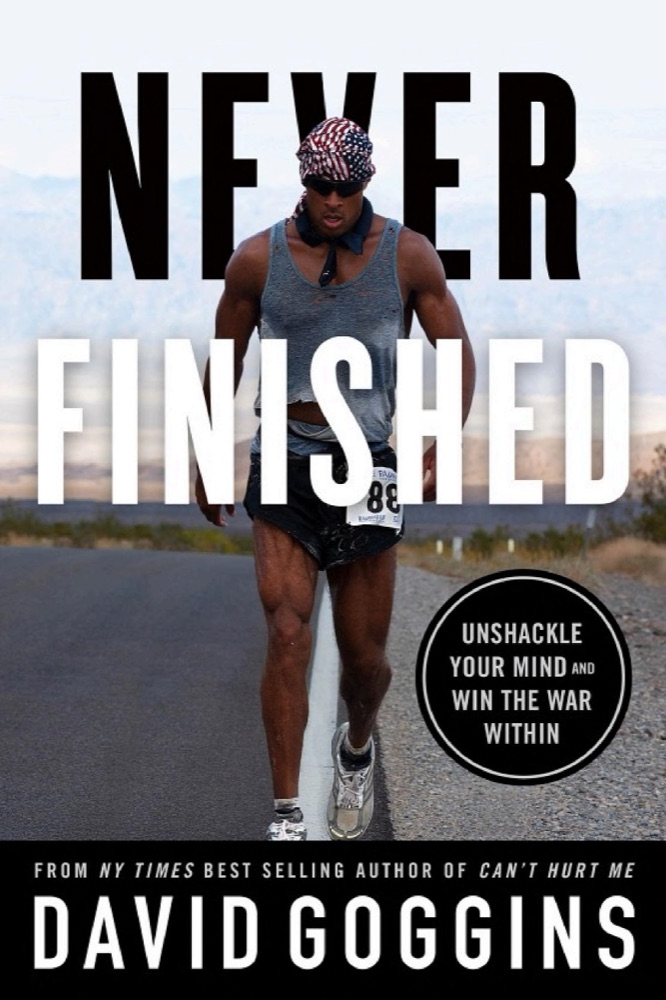 Never Finished: Unshackle Your Mind and Win the War Within
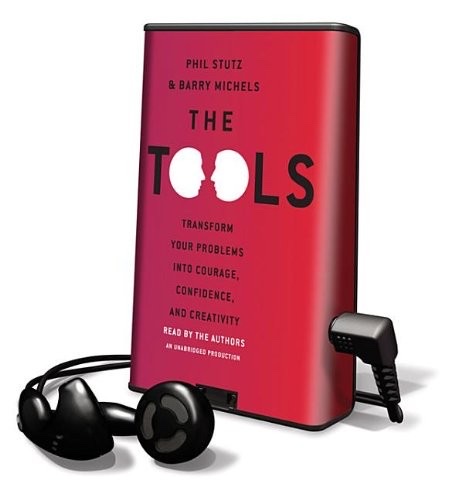 The Tools: Transform Your Problems into Courage, Confidence, and Creativity
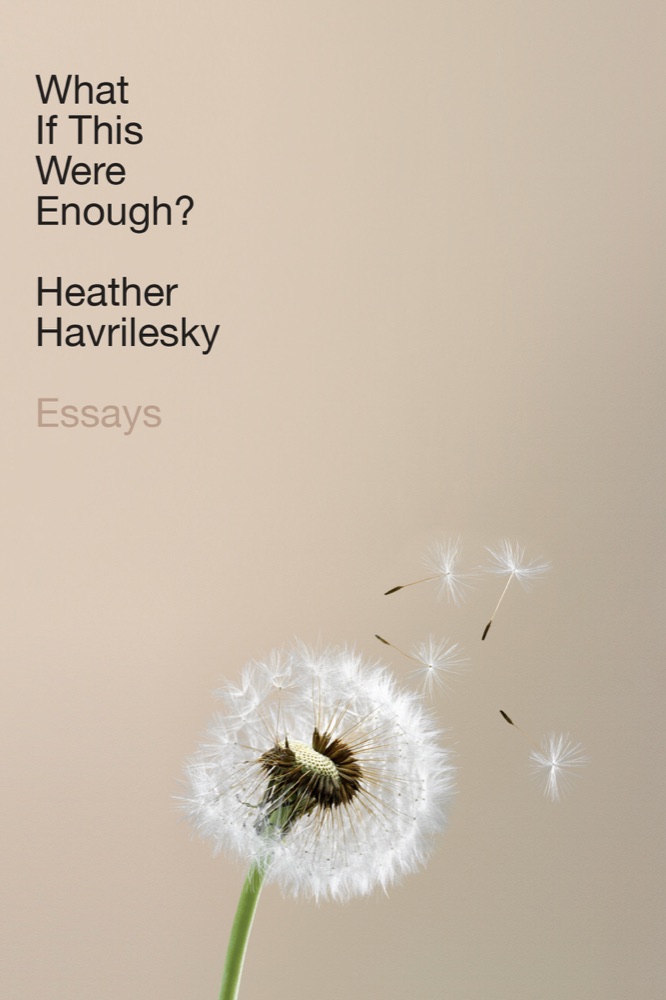 What If This Were Enough?: Essays
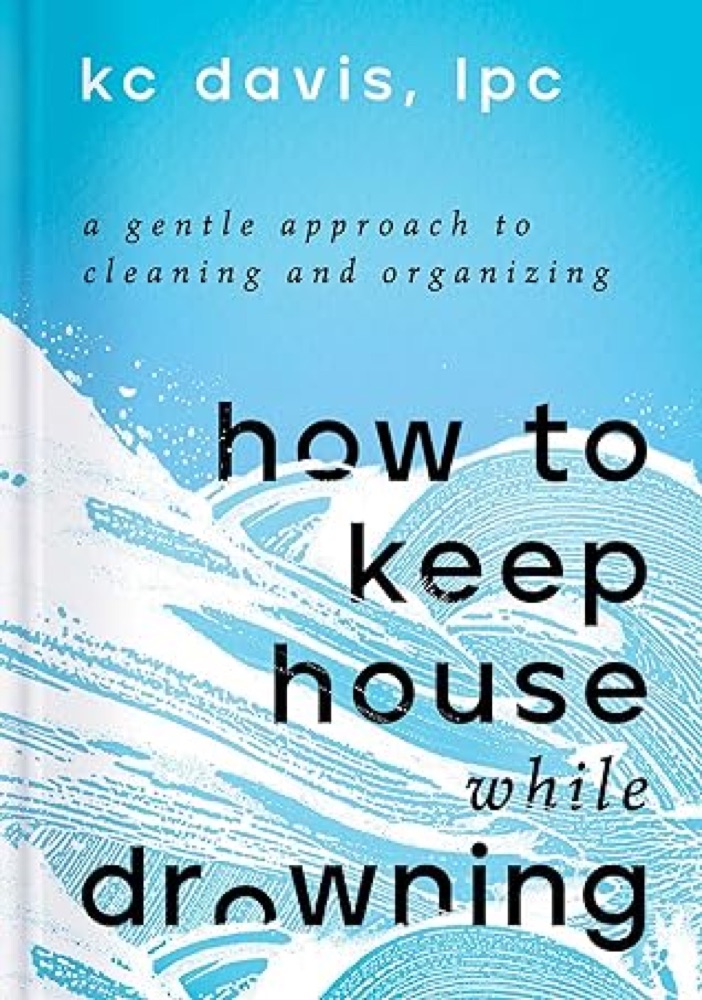 How to Keep House While Drowning
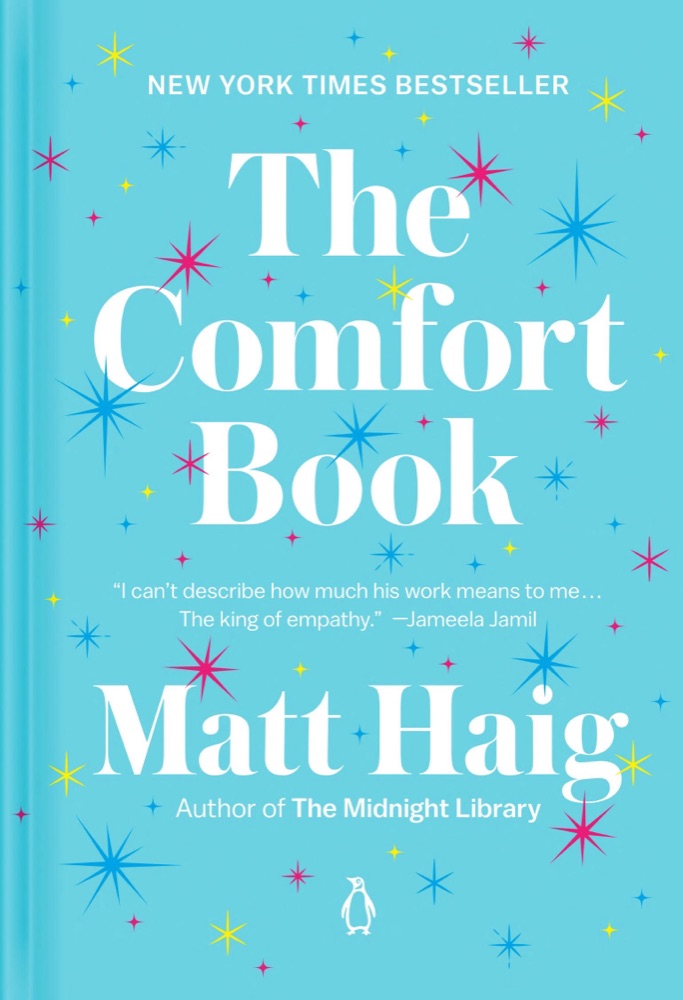 The Comfort Book
 First, We Make the Beast Beautiful: A New Story About Anxiety
 Self-Compassion: The Proven Power of Being Kind to Yourself
 Notes on a Nervous Planet
 The Antidote: Happiness for People Who Can't Stand Positive Thinking
 Brave Enough
 How to Be Here: A Guide to Creating a Life Worth Living
 Atlas of the Heart: Mapping Meaningful Connection and the Language of Human Experience
 Girl, Stop Apologizing: A Shame-Free Plan for Embracing and Achieving Your Goals
 The Art of Power
 Don't Sweat the Small Stuff ... and it's all small stuff: Simple Ways to Keep the Little Things from Taking Over Your Life
 Feeling Good: The New Mood Therapy
 Never Broken: Songs Are Only Half the Story
 I Miss You When I Blink: Essays
 Orbiting the Giant Hairball: A Corporate Fool's Guide to Surviving with Grace
 The Perfection Trap: Embracing the Power of Good Enough
 Buddha's Brain: The Practical Neuroscience of Happiness, Love, and Wisdom
 The Subtle Art of Not Giving a F*ck: A Counterintuitive Approach to Living a Good Life
 Six Pillars of Self-Esteem
 The Happiness Equation: Want Nothing + Do Anything = Have Everything
 The Light We Carry: Overcoming in Uncertain Times
 Mind Platter
 Psycho-Cybernetics
 The Happiness Project
 When Things Fall Apart: Heart Advice for Difficult Times
 Awaken The Giant Within
 Kitchen Table Wisdom: Stories that Heal
 Loving What Is: Four Questions That Can Change Your Life
 God Never Blinks: 50 Lessons for Life's Little Detours
 Letting Go: The Pathway To Surrender
 Love Yourself Like Your Life Depends on It
 Heart Talk: Poetic Wisdom for a Better Life
 Will
Will
 I Can't Make This Up: Life Lessons
 How to Stay Sane
 Be Water, My Friend: The Teachings of Bruce Lee