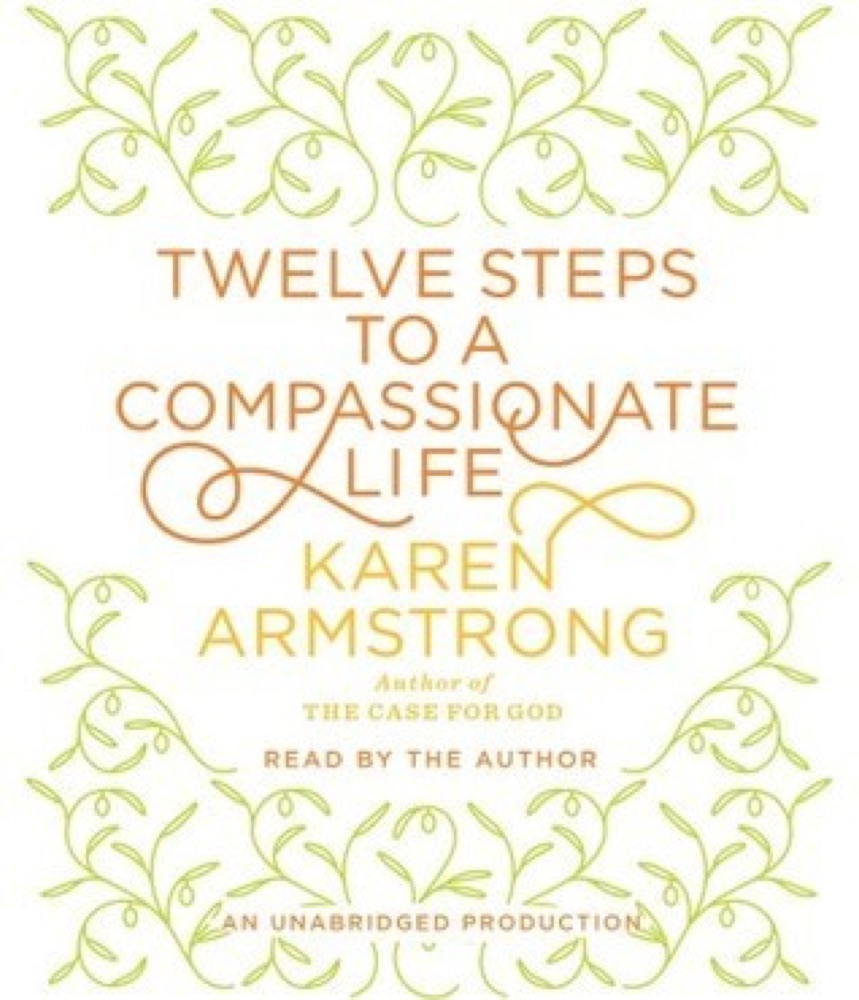
 Twelve Steps to a Compassionate Life
Quotes from the Book
Forgiveness does not relieve someone of responsibility for what they have done. Forgiveness does not erase accountability. It is not about turning a blind eye or even turning the other cheek. It is not about letting someone off the hook or saying it is okay to do something monstrous. Forgiveness is simply about understanding that every one of us is both inherently good and inherently flawed. Within every hopeless situation and every seemingly hopeless person lies the possibility of transformation.
50
We are not responsible for what breaks us, but we can be responsible for what puts us back together again. Naming the hurt is how we begin to repair our broken parts.
36
Transformation begins in you, wherever you are, whatever has happened, however you are suffering. Transformation is always possible. We do not heal in isolation. When we reach out and connect with one another—when we tell the story, name the hurt, grant forgiveness, and renew or release the relationship—our suffering begins to transform.
30
Forgiveness is truly the grace by which we enable another person to get up, and get up with dignity, to begin anew. To not forgive leads to bitterness and hatred. Like self-hatred and self-contempt, hatred of others gnaws away at our vitals. Whether hatred is projected out or stuffed in, it is always corrosive to the human spirit.
24
A very important but difficult piece of renewing relationships is accepting responsibility for our part in any conflict. If we have a relationship in need of repair, we must remember that the wrong is not usually all on one side, and we are more easily able to restore relations when we look at our contribution to a conflict.
21
Giving the emotion a name is the way we come to understand how what happened affected us. After we’ve told the facts of what happened, we must face our feelings. We are each hurt in our own unique ways, and when we give voice to this pain, we begin to heal it.
16
What about evil, you may ask? Aren’t some people just evil, just monsters, and aren’t such people just unforgivable? I do believe there are monstrous and evil acts, but I do not believe those who commit such acts are monsters or evil. To relegate someone to the level of monster is to deny that person’s ability to change and to take away that person’s accountability for his or her actions and behavior.
15
There is a certain kind of dignity we admire, and to which we aspire, in the person who refuses to meet anger with anger, violence with violence, or hatred with hatred.
14
We are always at our best when compassion enables us to recognize the unique pressures and singular stories of the people on the other side of our conflicts.
12
Renewing a relationship is a creative act. We make a new relationship. It is possible to build a new relationship regardless of the realities of the old relationship.
11
I would like to share with you two simple truths: there is nothing that cannot be forgiven, and there is no one un-deserving of forgiveness.
10
When we ignore the pain, it grows bigger and bigger, and like an abscess that is never drained, eventually it will rupture. When that happens, it can reach into every area of our lives—our health, our families, our jobs, our friendships, our faith, and our very ability to feel joy may be diminished by the fallout from resentments, anger, and hurts that are never named.
10
To treat anyone as if they were less than human, less than a brother or a sister, no matter what they have done, is to contravene the very laws of our humanity.
10
It is true that when we harm others, we harm ourselves; but it is just as true that when we help others, we also help ourselves.
9
do not heal in isolation. Connecting with others is how we develop compassion for others and for ourselves.
9
In our own ways, we are all broken. Out of that brokenness, we hurt others. Forgiveness is the journey we take toward healing the broken parts. It is how we become whole again.
8
Prayer Before the Prayer I want to be willing to forgive But I dare not ask for the will to forgive In case you give it to me And I am not yet ready I am not yet ready for my heart to soften I am not yet ready to be vulnerable again Not yet ready to see that there is humanity in my tormentor’s eyes Or that the one who hurt me may also have cried I am not yet ready for the journey I am not yet interested in the path I am at the prayer before the prayer of forgiveness Grant me the will to want to forgive Grant it to me not yet but soon Can I even form the words Forgive me? Dare I even look? Do I dare to see the hurt I have caused? I can glimpse all the shattered pieces of that fragile thing That soul trying to rise on the broken wings of hope But only out of the corner of my eye I am afraid of it And if I am afraid to see How can I not be afraid to say Forgive me? Is there a place where we can meet? You and me The place in the middle The no man’s land Where we straddle the lines Where you are right And I am right too And both of us are wrong and wronged Can we meet there? And look for the place where the path begins The path that ends when we forgive Supplies
7
When we are uncaring, when we lack compassion, when we are unforgiving, we will always pay the price for it. It is not, however, we alone who suffer. Our whole community suffers, and ultimately our whole world suffers. We are made to exist in a delicate network of interdependence. We are sisters and brothers, whether we like it or not. To treat anyone as if they were less than human, less than a brother or a sister, no matter what they have done, is to contravene the very laws of our humanity. And those who shred the web of interconnectedness cannot escape the consequences of their actions. In
7
Forgiveness is nothing less than the way we heal the world. We heal the world by healing each and every one of our hearts. The process is simple, but it is not easy.
7
Cultivate your forgiveness with your friends, with your family, with strangers, and with yourself. Remind yourself that every person you encounter carries a sorrow and a struggle. Recognize that we all share a fundamental humanity. Model the
7
Healing means that our dignity is restored and we are able to move forward in our lives.
7
The way to understand any enemy is to realize that, from his perspective, he is not a villain but a hero.
6
People are not born hating each other and wishing to cause harm. It is a learned condition.
6
When I feel ashamed, it means I feel there isn’t just something wrong with what I’ve done, there is something wrong with who I am. Shame is often a hidden emotion and it can be paralyzing in its power.
6
You have stood at this junction before You will stand at this junction again And if you pause you can ask yourself Which way to turn You can turn away from your own sadness And run the race named revenge You will run that tired track again and again Or you can admit your own pain And walk the path that ends In this direction lies freedom, my friend I can show you where hope and wholeness make their homes But you can’t push past your anguish on your way there To find the path to peace You will have to meet your pain And speak its name
5
When you set out to change the world, the job seems insurmountable, but each of us can do his or her small part to effect change. We change the world when we choose to create a world of forgiveness in our own hearts and minds.
4
This is what healing demands. Behavior that is hurtful, shameful, abusive, or demeaning must be brought into the fierce light of truth, and truth can be brutal.
4
In order to truly forgive oneself, one must either explicitly or implicitly acknowledge that one’s behavior was wrong and accept responsibility or blame for such behavior. Without these elements, self-forgiveness is irrelevant and pseudo self-forgiveness becomes likely.
4
Once you have been able to forgive, the final step is to either renew or release the relationship you have with the one who has harmed you. Indeed, even if you never speak to the person again, even if you never see them again, even if they are dead, they live on in ways that affect your life profoundly.
4
order to truly forgive oneself, one must either explicitly or implicitly acknowledge that one’s behavior was wrong and accept responsibility or blame for such behavior.
3
Watch on YouTube
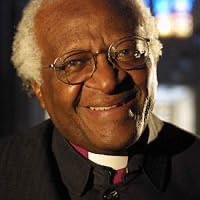
About Desmond Tutu
We have collected 30 quotes from 1 book by Desmond Tutu on BookQuoters.
More about the author →About the book
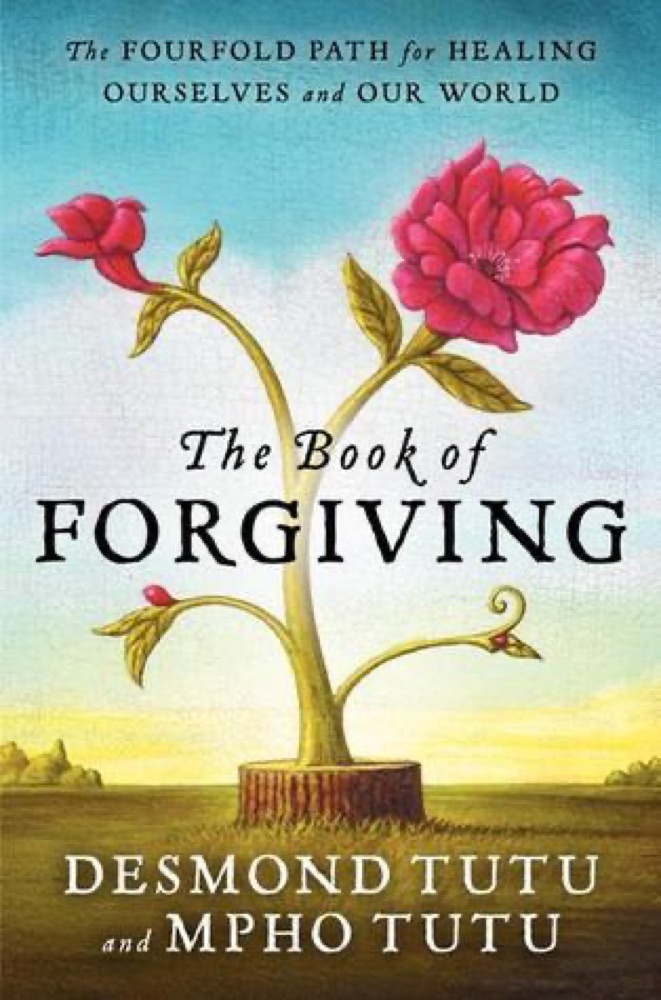
Archbishop Desmond Tutu, Nobel Peace Prize winner, Chair of The Elders, and Chair of South Africa’s Truth and Reconciliation Commission, along with his daughter, the Reverend Mpho Tutu, offer a manual on the art of forgiveness—helping us to realize that we are all capable of healing and transformation.
Tutu's role as the Chair of the Truth and Reconciliation Commission taught him much about forgiveness. If you asked anyone what they thought was going to happen to South Africa after apartheid, almost universally it was predicted that the country would be devastated by a comprehensive bloodbath. Yet, instead of revenge and retribution, this new nation chose to tread the difficult path of confession, forgiveness, and reconciliation.
Each of us has a deep need to forgive and to be forgiven. After much reflection on the process of forgiveness, Tutu has seen that there are four important
Book details
- First published
- 2013
- Author
- Desmond Tutu
- Genre
- Nonfiction
- Goodreads rating
- 4.26 (6k ratings)
Keep reading
Twelve Steps to a Compassionate Life
 Reconciliation: Healing the Inner Child
 Changes That Heal: How to Understand the Past to Ensure a Healthier Future
 See No Stranger: A Memoir and Manifesto of Revolutionary Love
 Be the Bridge: Pursuing God's Heart for Racial Reconciliation
 How to Fight
 Radical Love: Learning to Accept Yourself and Others
 Kitchen Table Wisdom: Stories that Heal
 Of Mess and Moxie: Wrangling Delight Out of This Wild and Glorious Life
 Anger: Wisdom for Cooling the Flames
 Just Mercy
 Hallelujah Anyway: Rediscovering Mercy
 Becoming Human
 The Gifts of Imperfection
 Buddha's Brain: The Practical Neuroscience of Happiness, Love, and Wisdom
 Tattoos on the Heart: The Power of Boundless Compassion
 The Book of Awakening: Having the Life You Want by Being Present to the Life You Have
 The Shack
 Self-Compassion: The Proven Power of Being Kind to Yourself
 Messages from the Masters: Tapping into the Power of Love
 Unglued: Making Wise Choices in the Midst of Raw Emotions
 I Thought It Was Just Me: Women Reclaiming Power and Courage in a Culture of Shame
 The Bait Of Satan: Living Free from the Deadly Trap of Offense
 Enemies of the Heart: Breaking Free from the Four Emotions That Control You
 Consolations: The Solace, Nourishment and Underlying Meaning of Everyday Words
 Never Broken: Songs Are Only Half the Story
 What It Takes to Heal: How Transforming Ourselves Can Change the World
 Evil and the Justice of God
 Against the Stream: A Buddhist Manual for Spiritual Revolutionaries
 Dusk, Night, Dawn: On Revival and Courage
 Love for Imperfect Things: How to Accept Yourself in a World Striving for Perfection
 Nonviolent Communication: A Language of Life
 The Beauty of Living Twice
 Breathing Underwater: Spirituality and the 12 Steps
 This Here Flesh: Spirituality, Liberation, and the Stories That Make Us
 A Return to Love: Reflections on the Principles of "A Course in Miracles"
 What Is a Girl Worth?: My Story of Breaking the Silence and Exposing the Truth about Larry Nassar and USA Gymnastics
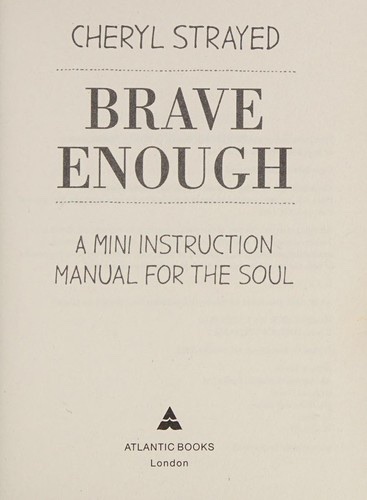 Brave Enough
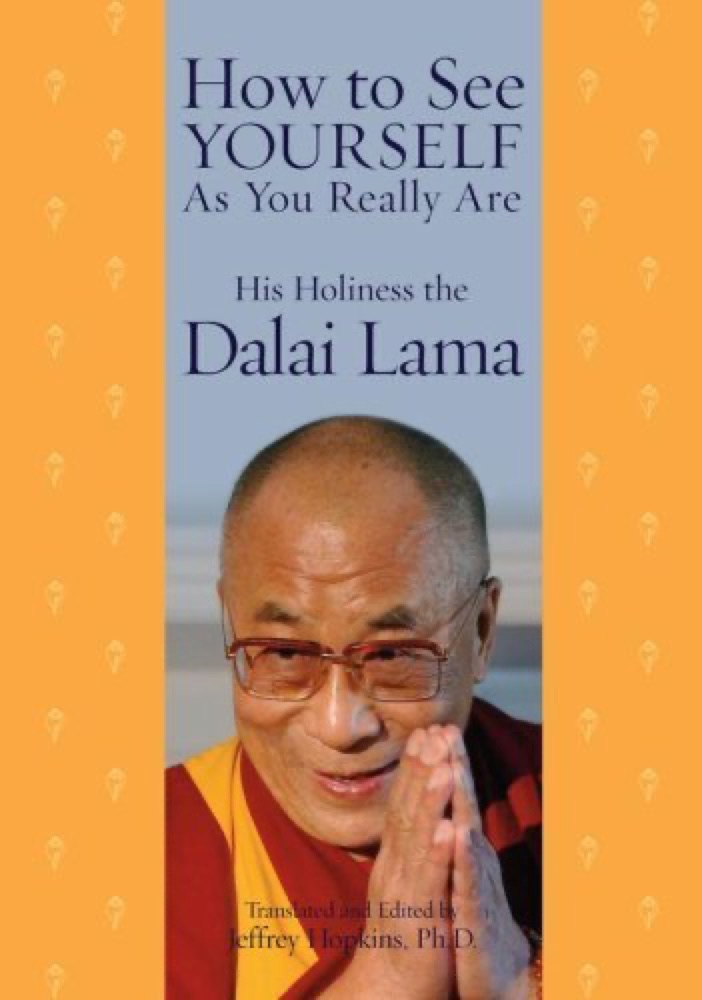 How to See Yourself As You Really Are
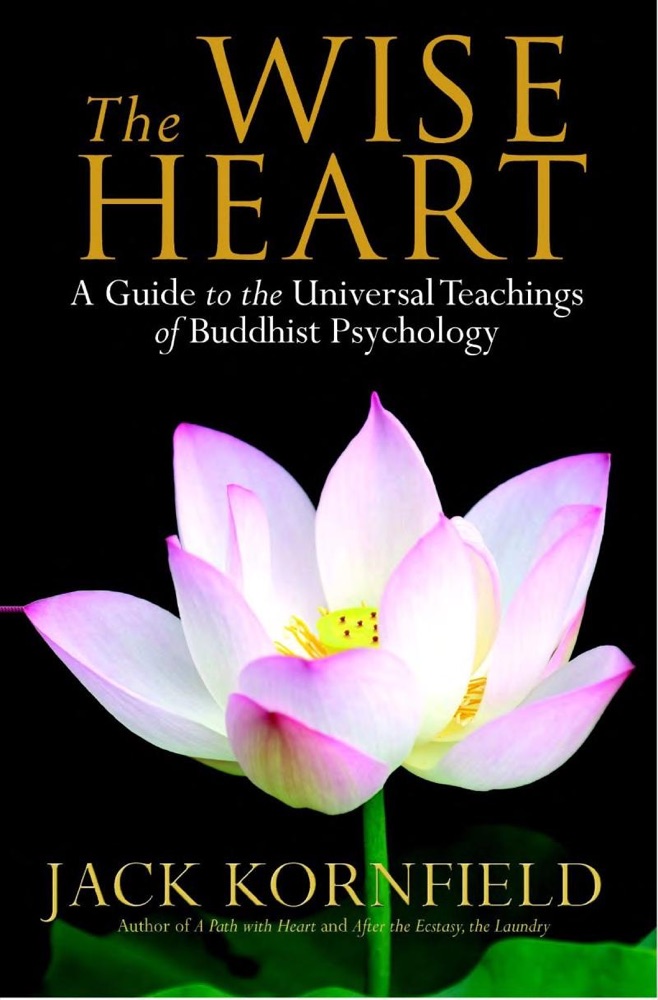 The Wise Heart: A Guide to the Universal Teachings of Buddhist Psychology
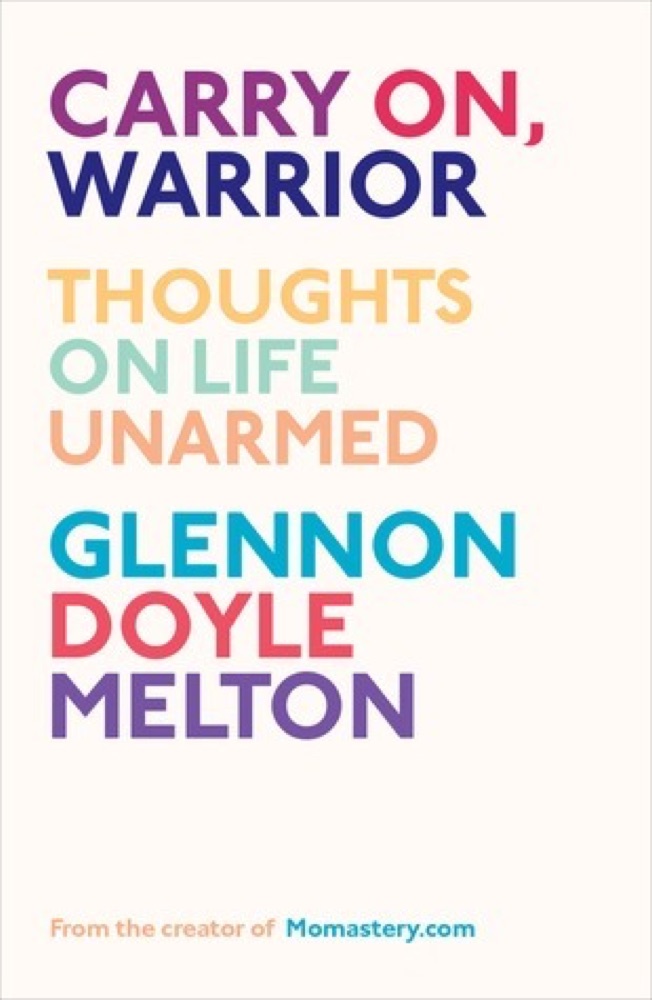 Carry On, Warrior: Thoughts on Life Unarmed
 Real Love: The Art of Mindful Connection
 The Anatomy of Peace: Resolving the Heart of Conflict
 True Refuge: Finding Peace and Freedom in Your Own Awakened Heart
 Thank You for Being Such a Pain: Spiritual Guidance for Dealing with Difficult People
 The Mastery of Love: A Practical Guide to the Art of Relationship: A Toltec Wisdom Book
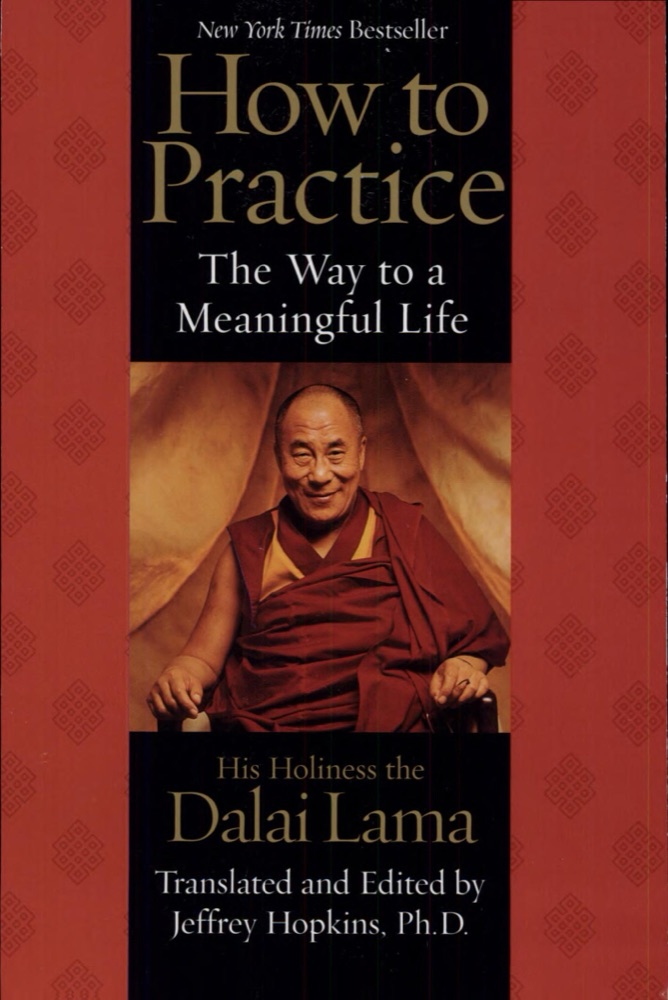 How to Practice: The Way to a Meaningful Life
 The Places That Scare You: A Guide to Fearlessness in Difficult Times
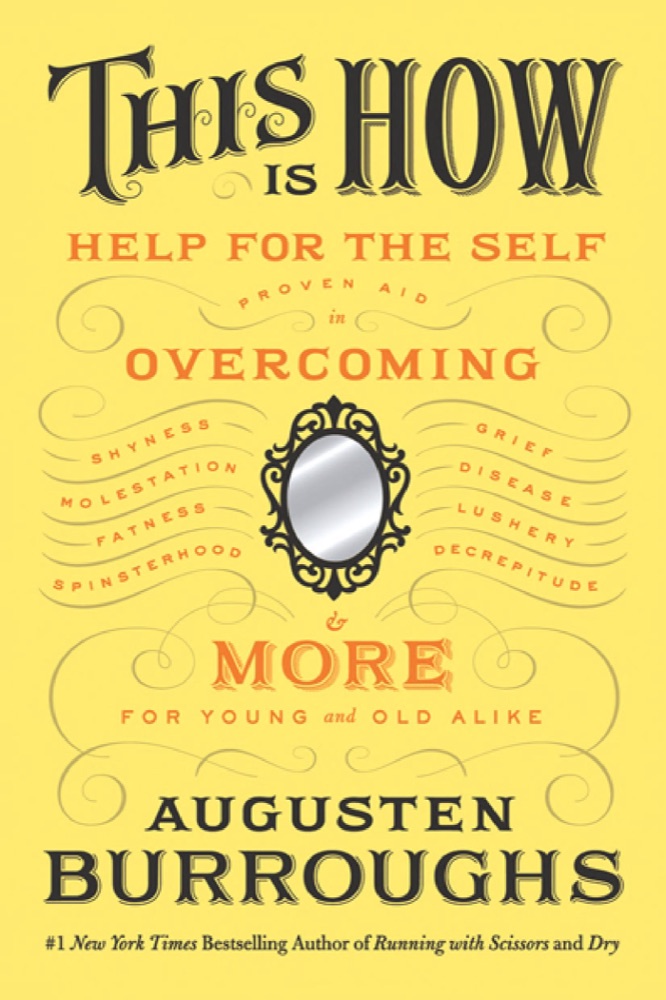 This Is How: Proven Aid in Overcoming Shyness, Molestation, Fatness, Spinsterhood, Grief, Disease, Lushery, Decrepitude & More. For Young and Old Alike.
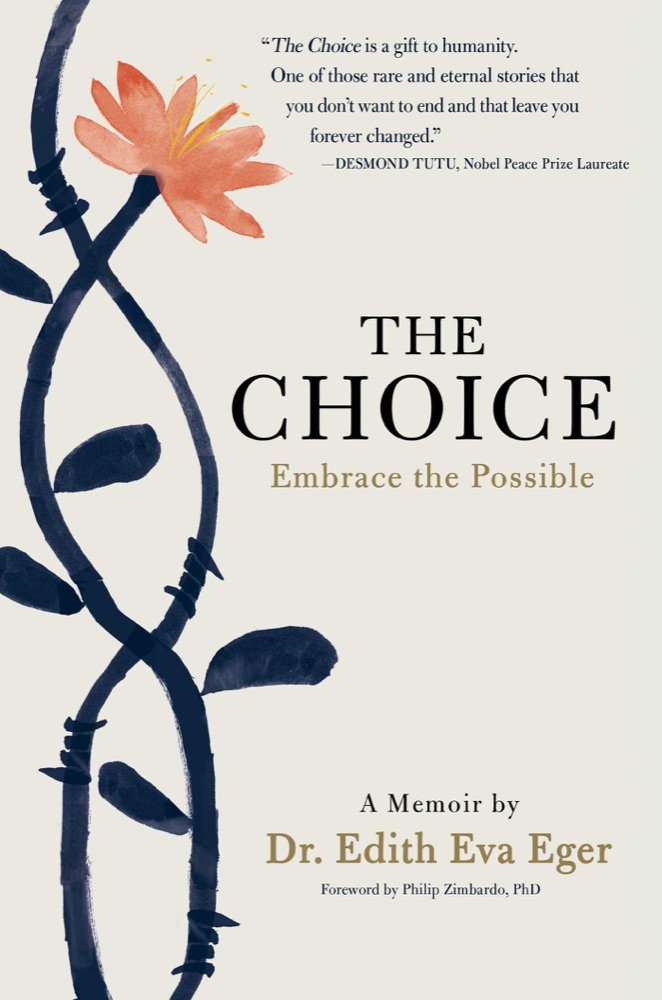 The Choice: Embrace the Possible
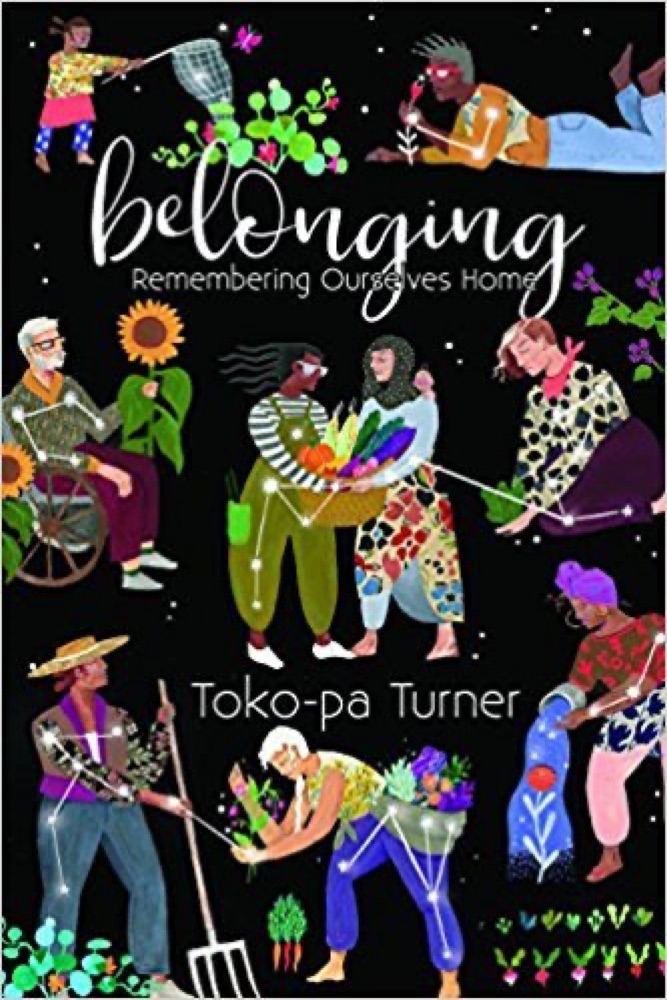 Belonging: Remembering Ourselves Home
 Do Yourself a Favor...Forgive: Learn How to Take Control of Your Life Through Forgiveness
 Letting Go of the Person You Used to Be: Lessons on Change, Loss, and Spiritual Transformation
 Option B: Facing Adversity, Building Resilience, and Finding Joy
 A Hidden Wholeness: The Journey Toward an Undivided Life : Welcoming the soul and weaving community in a wounded world
 A Christmas Memory
 Conflict Is Not Abuse: Overstating Harm, Community Responsibility, and the Duty of Repair
 You Are Your Best Thing: Vulnerability, Shame Resilience, and the Black Experience