
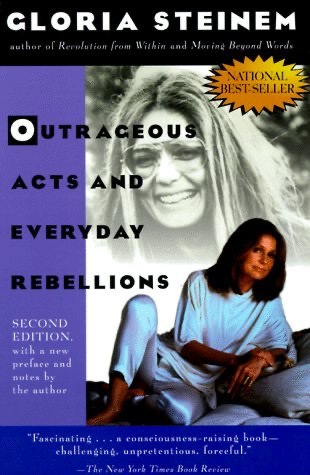
 Outrageous Acts and Everyday Rebellions
Quotes from the Book
It still would be years before I understood the seriousness of my change of view. Much later, I recognized it in "Revolution," the essay of Polish journalist Ryszard Kapuscinski, who describes the moment when a man on the edge of a crowd looks back defiantly at a policeman — and when that policeman senses a sudden refusal to accept his defining gaze — as the imperceptible moment in which rebellion is born. "All books about all revolutions begin with a chapter that describes the decay of tottering authority or the misery and sufferings of the people," Kapuscinski writes. "They should begin with a psychological chapter — one that shows how a harassed, terrified man suddenly breaks his terror, stops being afraid. This unusual process — sometimes accomplished in an instant, like a shock — demands to be illustrated. Man gets rid of fear and feel free. Without that, there would be no revolution.
45
I’ve learned from these events that self-esteem plays as much a part in the destiny of nations as it does in the lives of individuals; that self-hatred leads to the need either to dominate or to be dominated; that citizens who refuse to obey anything but their own conscience can transform their countries; in short, that self-esteem is the basis of any real democracy.
14
We need to unlearn our respect for education, since it has undermined our respect for ourselves. It's worth taking time to demistify it. [...] All the things an adolescent can be [...] are reduced to a three digit number. [...] We too can decide how to value our education instead of letting them value us.
10
I began to understand with a terrible sureness that we teach what we need to learn and write what we need to know.
10
Like the spider spinning its web, we create much of the outer world from within ourselves. The universe is a joint product of the observer and the observed.
8
We are so many selves. It’s not just the long-ago child within us who needs tenderness and inclusion, but the person we were last year, wanted to be yesterday, tried to become in one job or in one winter, in one love affair or in one house where even now, we can close our eyes and smell the rooms. What brings together these ever-shifting selves of infinite reactions and returnings is this: There is always one true inner voice. Trust it.
6
I think we each come out of the womb with some unique way of looking at the world and if we don't express it, we loose faith in ourselves.
6
Being graded for memorizing male accomplishments with the deep message that we can learn what others do but never do it ourselves.
4
Citizens who refuse to obey anything but their own conscience can transform countries, it is the basis of any real democracy.
3
No wonder the romance of Wuthering Heights endures—as do romantic myths in almost every culture. Indeed, the more patriarchal and gender-polarized a culture is, the more addicted to romance. These myths embody our yearning to be whole. No wonder romance so often begins at a physical distance or across a psychic chasm of class and race,* and thrives on death and separation. Projecting our lost qualities onto someone else can be done more easily from a distance.
2
Stand outside the rare movie with a strong and daring female protagonist, and watch women emerging with higher heads, stronger walks, and greater confidence. Consider the importance of a sports champion who comes from a group that has been made to feel it can’t win, a popular movie in which American Indians are finally the “good guys,” a violinist whose music soars while he sits onstage in leg braces, a deaf actress who introduces millions of moviegoers to the expressiveness of sign language, and even one woman who remains joyous, free, sexual, and good at her work after sixty or seventy. The images of power, grace, and competence that these people convey have a life-giving impact—just as trivialized, stereotyped, degrading, subservient, and pornographic images of bodies that look like ours do the opposite, as though we absorb that denigration or respect through our nerve endings. Wherever negative physical imagery has been part of low self-esteem, a counterpoint of positive imagery can be part of raising it.
2
To think about taking our place in nature instead of conquering it is a deep change in the way we see ourselves and the world. It means changing from binary and linear thinking to a cyclical paradigm that is a new declaration of interdependence.
2
Because we tend to treat others as we have been treated, a trustworthy system leads to more trust, corruption leads to more corruption, violence to more violence.
2
There is a healthier self within each of us, just wating for encouragement
2
As always, self-esteem had created an ability to be generous.
2
Never having seen women play chess, they assumed this game wasn't for them and without even a female teacher as role model, they dropped out.
2
Your problem is that you should like yourself better.” Of course, he was right—but how could she like herself when she felt she had no self ?
2
The ultimate in parallel thinking is the Golden Rule—providing it is read both ways. The traditional sequence assumes a healthy self-esteem and asks for empathy: “Do unto others as you would have others do unto you.” But for many people whose self-esteem has been suppressed, the revolution lies in reversing it: Do unto yourself as you would do unto others.
1
Many women feel invisible or aberrant when they are subsumed under a masculine term that is supposed to be universal; yet they are often made to feel trivial and nit-picking if they object. But look at it this way: Would a man feel included in “womankind”? Would he refer to himself as “chairwoman,” “Congresswoman,” or “Mr. Mary Smith”? If a male student earned a “Spinster of Arts” degree, a “Mistress of Science,” or had to apply for a “Sistership,” would he feel equal in academia? If men had grown up seeing God portrayed only as Mother and She, would they feel an equal godliness within themselves?
1
As I write this, there are mainstream educators trying to discredit efforts to diversify the academic canon by giving them the dreaded label “politically correct”—now known familiarly on campus as “P.C.” (which, as Robin Morgan has pointed out, might well stand for “Plain Courtesy”)—as if centuries of exclusion had not been the height (or depth) of politics.
1
if girls were raised a little more like boys—if they had more right to say no, to declare boundaries, to develop a strong personal identity, to be angry, to rebel—they would be less likely to be revictimized as adults.
1
All books about all revolutions begin with a chapter that describes the decay of tottering authority or the misery and sufferings of the people," Kapuscinski writes. "They should begin with a psychological chapter – one that shows how a harassed, terrified man suddenly breaks his terror, stops being afraid. This unusual process – sometimes accomplished in an instant, like a shock – demands to be illustrated. Man gets rid of fear and feels free. Without that, there would be no revolution.
1
When teachers of randomly selected students are told their students are slow, they become slower; when teachers believe their students are gifted, they become more gifted.
1
The truth was that I had internalized society's unserious estimate of all that was female - including myself.
1
I began to understand that self-esteem isn’t everything; it’s just that there’s nothing without it.
1
Artists strive to free this true and spontaneous self in their work. Creativity, meditation are ways of freeing an inner voice.
1
Nonetheless, all the excuses of my conscious mind couldn't keep my unconscious self from catching the contagious spirit of those women who picketed the Oak Room. When I faced the hotel manager again, I had glimpsed the world as if women mattered.
Looking at Barbados and Australia as relatively positive examples, one societal hallmark of self-esteem seems to be an ability to both give and demand fairness, an expectation that extends from the personal to the political.
the central concept of self-esteem – the belief that each person counts and can make a difference
Since studies show that low self-esteem correlates with both prejudice and violence – that people who have a negative view of themselves also tend to view other people and the world negatively – representatives were interested in introducing self-esteem programs in schools.
Watch on YouTube
About Gloria Steinem
We have collected 104 quotes from 4 books by Gloria Steinem on BookQuoters.
More about the author →More by Gloria Steinem
Outrageous Acts and Everyday Rebellions
 My Life on the Road
 The Truth Will Set You Free, But First It Will Piss You Off!: Thoughts on Life, Love, and Rebellion
About the book
“Without self-esteem, the only change is an exchange of masters; with it, there is no need for masters.” —Gloria Steinem
When trying to find books to give to “the countless brave and smart women I met who didn’t think of themselves as either brave or smart,” Gloria Steinem realized that books either supposed that external political change would cure everything or that internal change would. None linked internal and external change together in a seamless circle of cause and effect, effect and cause. She undertook to write such a book, and ended up transforming herself as well as others.
The result of her external plus internal reflection is this bestselling and truly transforming book: part collection of personal stories from her own life and the lives of many others, part revolutionary guide to finding community and inspiration. Steinem finds role models in a very young and uncert
Book details
- First published
- 1991
- Author
- Gloria Steinem
- Genre
- Nonfiction
- Goodreads rating
- 4.12 (3k ratings)
Keep reading
 Selfie: How the West Became Self-Obsessed
 Six Pillars of Self-Esteem
 Becoming
 Trick Mirror: Reflections on Self-Delusion
My Life on the Road
Trick Mirror: Reflections on Self-Delusion
My Life on the Road
 The Courage to Be Disliked: How to Free Yourself, Change Your Life and Achieve Real Happiness
 On Our Best Behavior: The Seven Deadly Sins and the Price Women Pay to Be Good
 The Laws of Human Nature
 The Measure of a Man: A Spiritual Autobiography
 Lead from the Outside: How to Build Your Future and Make Real Change
 My Beloved World
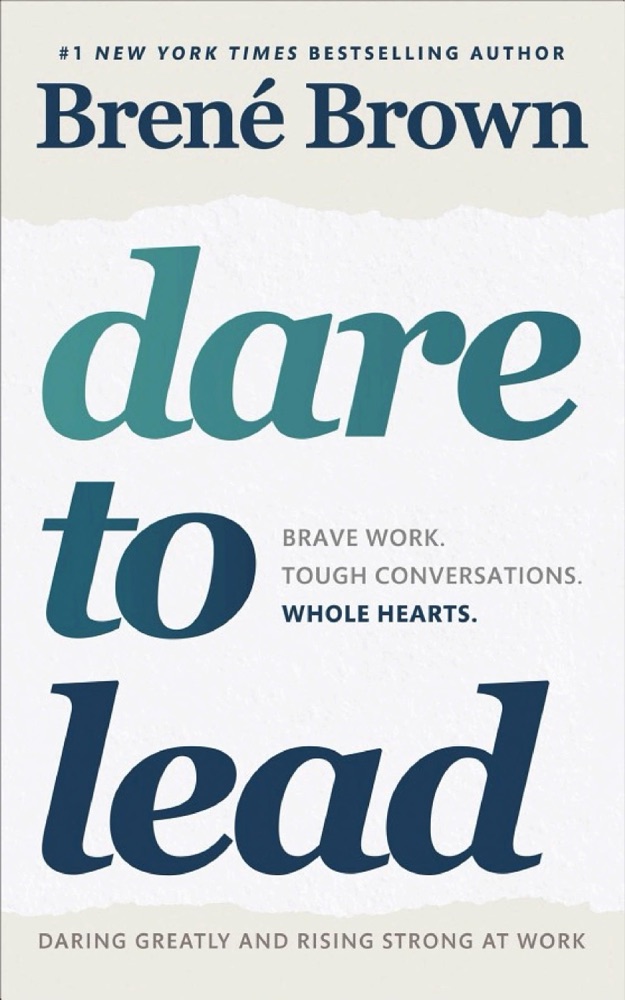 Dare to Lead
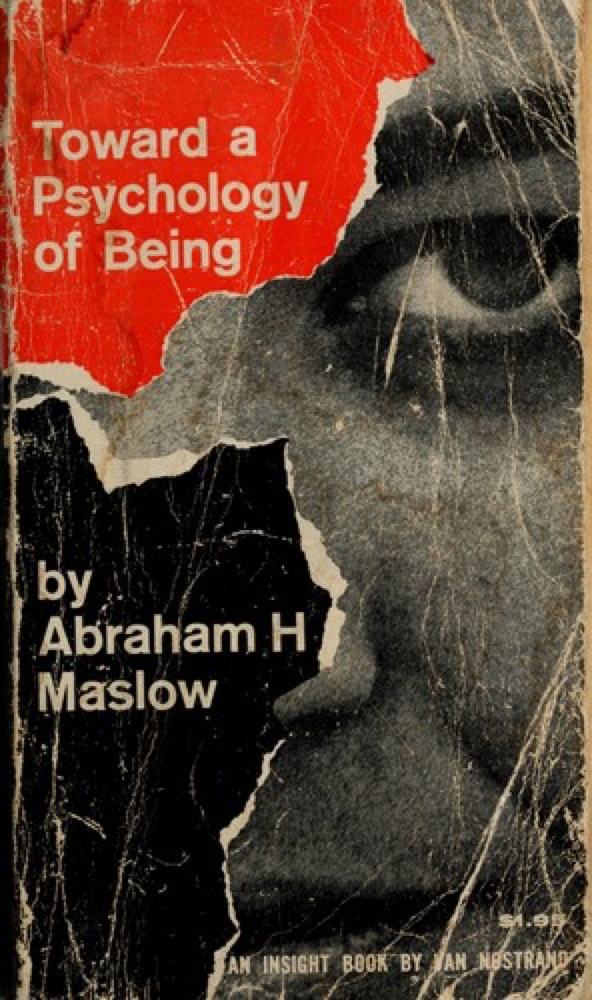 Toward a Psychology of Being
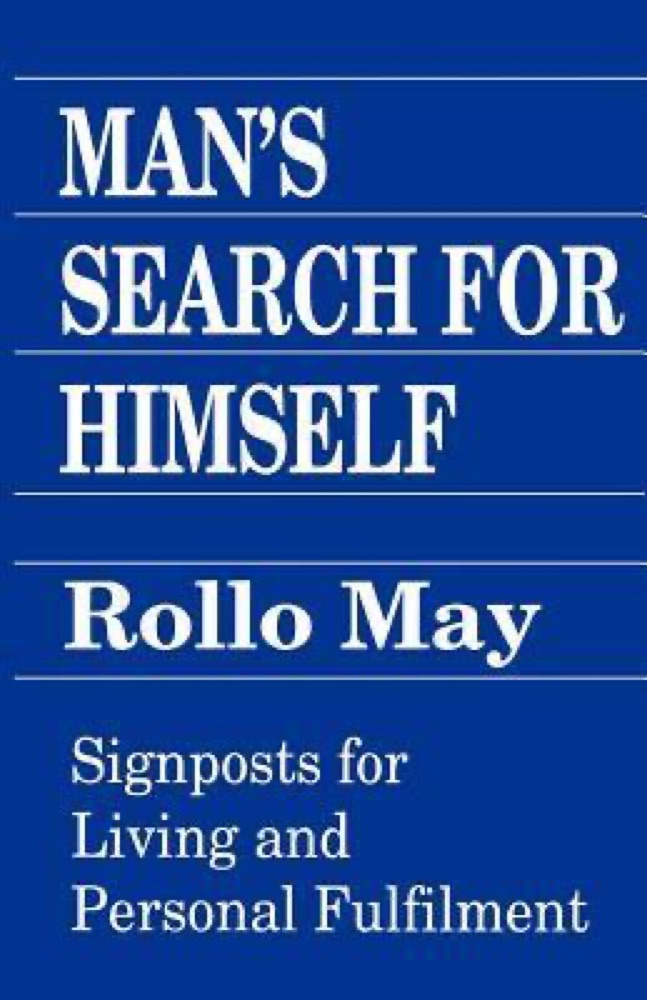 Man's Search for Himself
 The Social Animal: The Hidden Sources of Love, Character, and Achievement
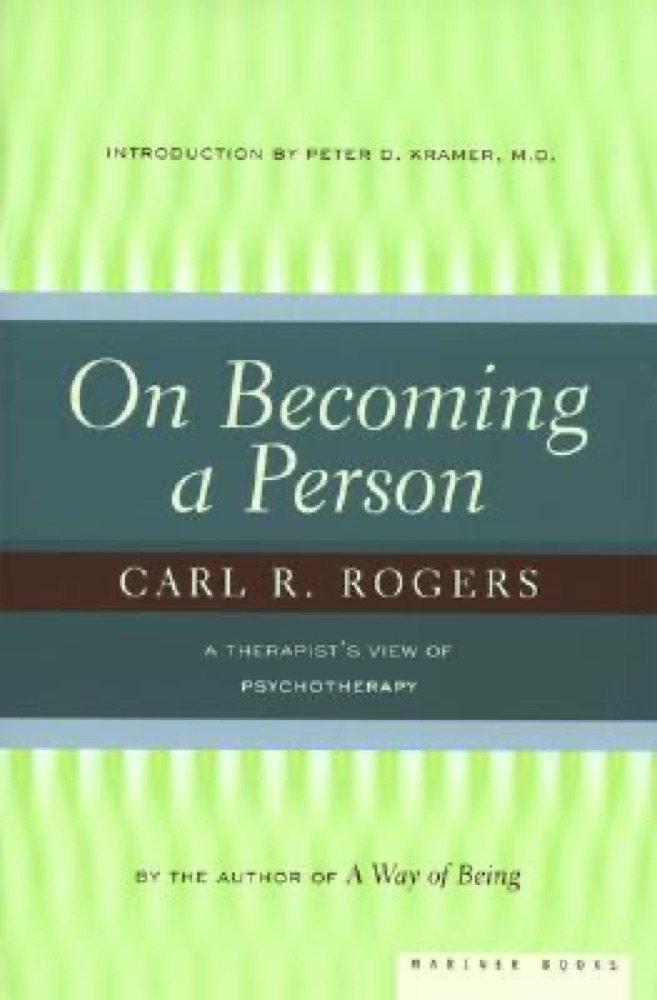 On Becoming a Person: A Therapist's View of Psychotherapy
 The Art of Being
 A Way of Being
 The Source of Self-Regard: Selected Essays, Speeches, and Meditations
 Girl, Woman, Other
 Very Good Lives: The Fringe Benefits of Failure and the Importance of Imagination
 Mastery
 12 Rules for Life: An Antidote to Chaos
 The School of Life: An Emotional Education
 Bright-Sided: How the Relentless Promotion of Positive Thinking Has Undermined America
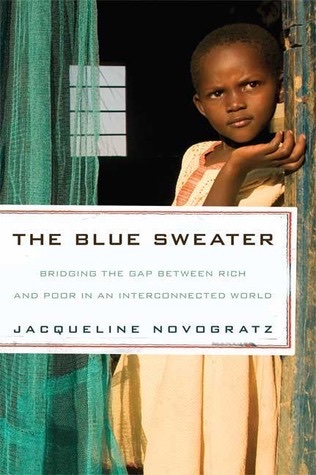 The Blue Sweater: Bridging the Gap Between Rich and Poor in an Interconnected World
 Elizabeth Finch
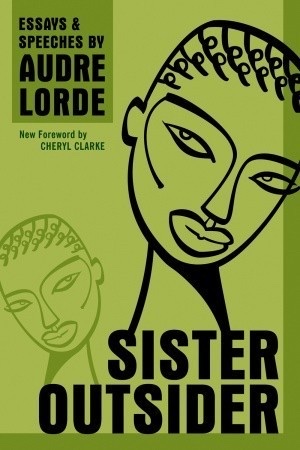 Sister Outsider: Essays and Speeches
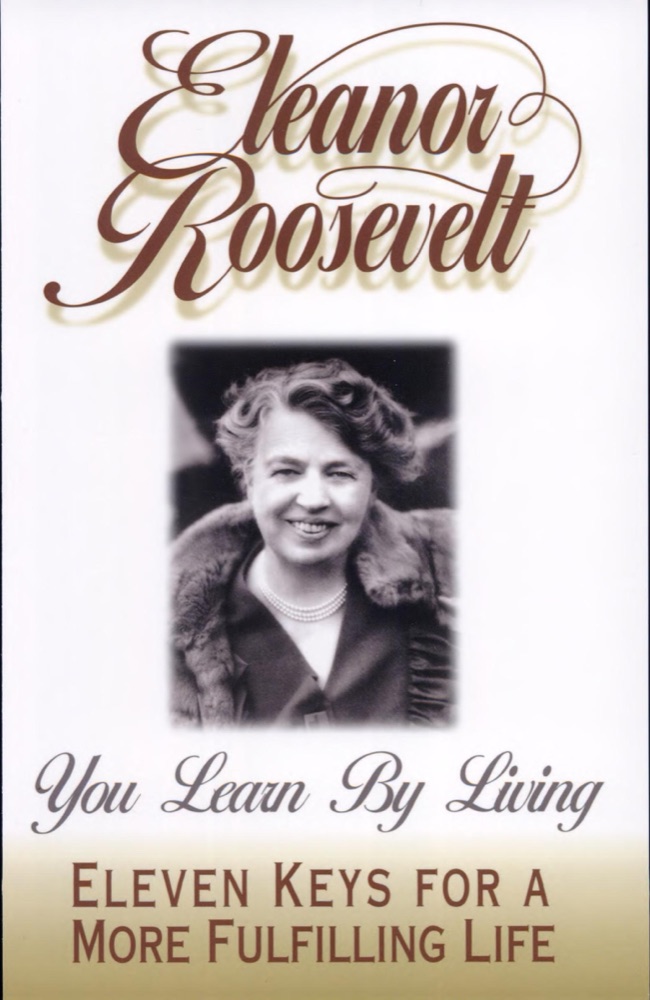 You Learn by Living: Eleven Keys for a More Fulfilling Life
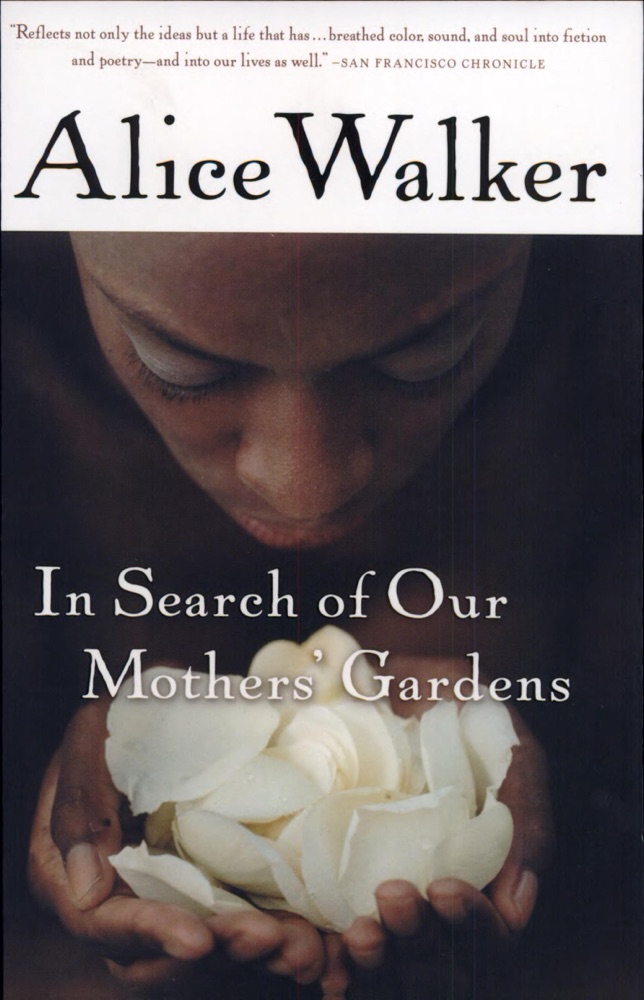 In Search of Our Mothers' Gardens: Womanist Prose
 Becoming Human
 Untamed
 Social Intelligence: The New Science of Human Relationships
 Self-Compassion: The Proven Power of Being Kind to Yourself
 Cassandra Speaks: When Women Are the Storytellers, the Human Story Changes
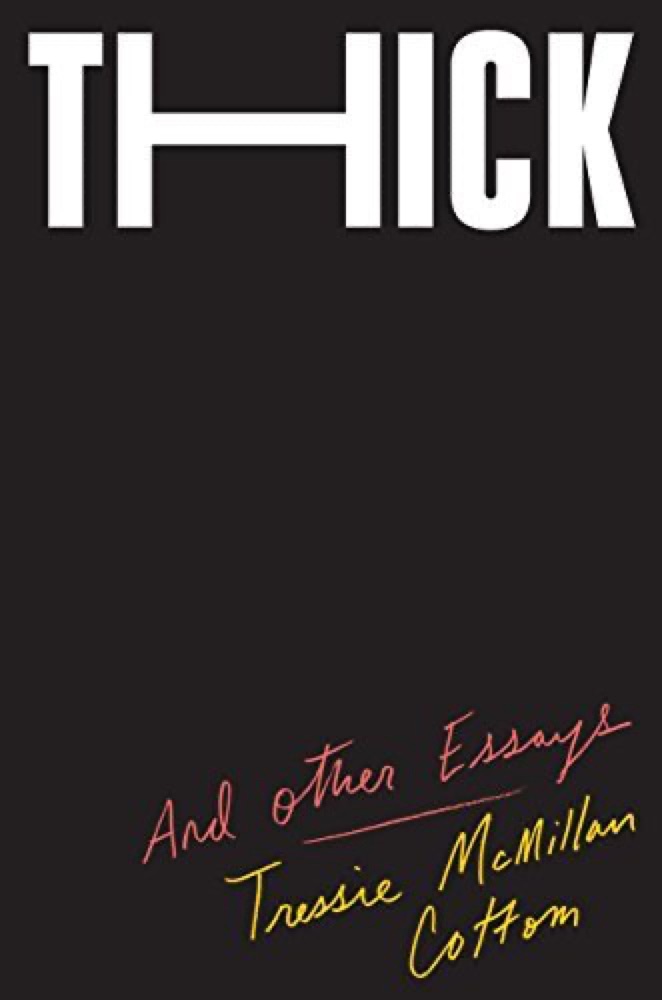 Thick: And Other Essays
 More Than Enough: Claiming Space for Who You Are
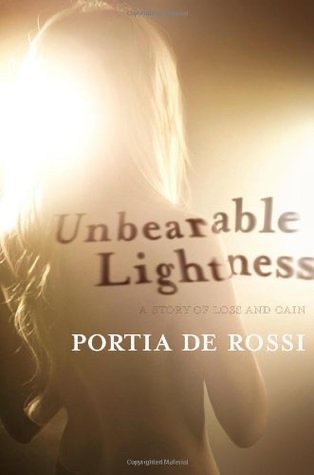 Unbearable Lightness: A Story of Loss and Gain
The Truth Will Set You Free, But First It Will Piss You Off!: Thoughts on Life, Love, and Rebellion
Unbearable Lightness: A Story of Loss and Gain
The Truth Will Set You Free, But First It Will Piss You Off!: Thoughts on Life, Love, and Rebellion
 The Argonauts
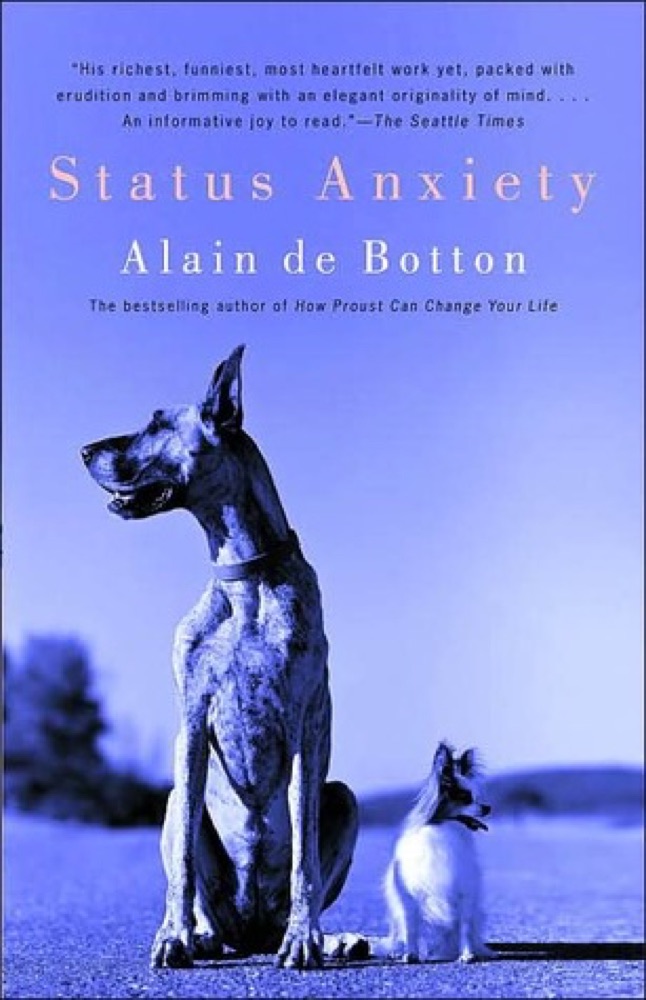 Status Anxiety
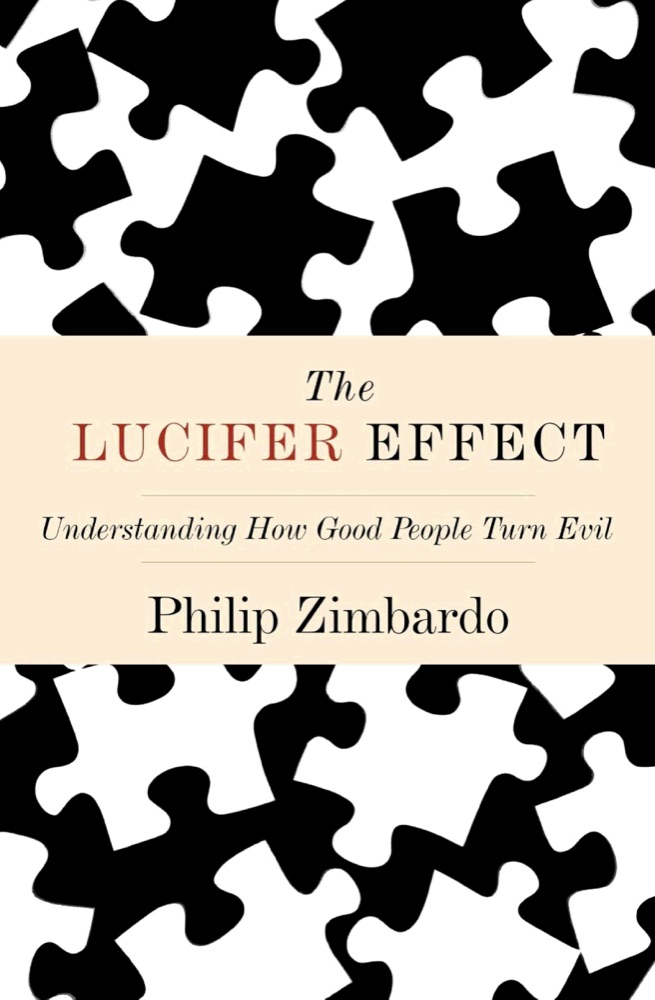 The Lucifer Effect: Understanding How Good People Turn Evil
 Karamo: My Story of Embracing Purpose, Healing, and Hope
 The Master's Tools Will Never Dismantle the Master's House
 When Women Were Dragons
 The 7 Habits of Highly Effective People: Personal Workbook
 Humankind: A Hopeful History
 The 7 Habits Of Highly Effective Teens
 The Art of Seduction
 Nonviolent Communication: A Language of Life
 The Bassoon King: My Life in Art, Faith, and Idiocy
 Like Streams to the Ocean: Notes on Ego, Love, and the Things That Make Us Who We Are
 Brave, Not Perfect: Fear Less, Fail More, and Live Bolder
 The World of Divergent: The Path to Allegiant
 Paris: A Memoir for Young Women in the Age of Influencers
 Twelve Steps to a Compassionate Life
 Parable of the Talents
 The Game: Penetrating the Secret Society of Pickup Artists
 Be a People Person
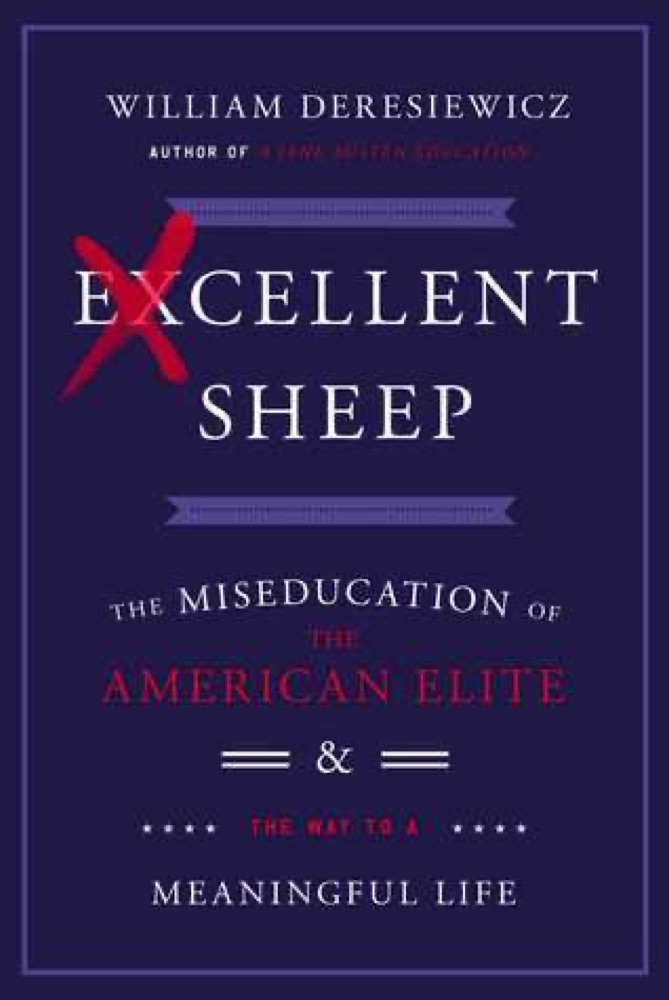 Excellent Sheep: The Miseducation of the American Elite and the Way to a Meaningful Life