
 The Dance of Connection: How to Talk to Someone When You're Mad, Hurt, Scared, Frustrated, Insulted, Betrayed, or Desperate
Quotes from the Book
It is not fear that stops you from doing the brave and true thing in your daily life. Rather, the problem is avoidance. You want to feel comfortable so you avoid doing or saying the thing that will evoke fear and other difficult emotions. Avoidance will make you feel less vulnerable in the short run but, it will never make you less afraid.
46
Everyone freaks out. Sometimes the best we can do with fear is befriend it. Expect it and understand that fear will always reappear. Eventually it subsides. It will return. The real culprits are our knee jerk responses to fear and the way we try to avoid feeling fear, anxiety and shame. Don't get me wrong, wanting to feel better fast is a perfectly natural human impulse. It is healthy to seek relief when you feel hopelessly mired in the emotional soup. Calming down is an essential first step to accurately perceiving a problem and deciding what to do about it but the last thing you need to do is shut yourself off from fear and pain - either your own or the worlds. If there is one over riding reason why our world and relationships are in such a mess, is that we try to get rid of our anxiety, fear and shame as fast as possible, regardless of the long term consequences. In doing so, we blame and shame others and in countless ways, we unwittingly act against ourselves. We confuse our fear driven thoughts with what is right, best, necessary or true.
17
Shame is paralyzing and debilitating. It invites us not to be heard, at least not in an authentic way. Acting courageously when shame enters the picture requires extraordinary courage because people will do anything to escape from shame or from the possibility that shame will be evoked. It is just too difficult to go there. Even for people who will walk in to the fires of transformation to face fear. Men and women tend to manage shame differently. Generally, men have less tolerance for shame, perhaps because they are shamed almost from birth for half their humanity. The so called feminine part of themselves including anything vulnerable or seen as weak. Men often sit with shame for only a nanosecond before flipping it into something more masculine or therefore tolerable like anger or rage or a need to dominate devalue or control.
16
If you pay attention, you may find that it is not fear that stops you from doing the brave and true thing in your daily life. Rather, the problem is avoidance. You want to feel comfortable, so you avoid doing the thing that will evoke fear and other disquieting emotions. Avoidance will make you feel less vulnerable in the short run, but it will never make you less afraid.
6
The right to be different, whether by choice or necessity, is our greatest right as human beings. And dealing with differences is the greatest of all human challenges. People react anxiously and fearfully to differences. We learn to hate, glorify, deny, exaggerate, or eradicate a difference.
4
When we think of fear, we think of a 'fear of' something. Far more daunting is the challenge of how to conduct ourselves in the dailiness of love and work when anxiety is high and shame kicks in. This is the human condition. We need not let anxiety and shame silence our authentic voices, close our hearts to the different voices of others or stop us from acting with clarify compassion and courage. In today's world, no challenge is more important than that.
4
Control is an illusion—a fact you will learn very fast if you become ill, or have things fall apart in some other way. When we understand vulnerability and suffering as an essential part of being human, our individual fate can be easier to manage.
3
One might debate whether it is preferable to be a cat or a person, but why get into it? If you are reading this now, you are not a cat and never will be. So along with the good days, you’re going to experience the entire range of painful emotions that make us human.
3
Whatever brings you joy and zest will enhance your ability to act bravely.
2
Our society doesn’t promote self-acceptance and it never will. First of all, self-acceptance doesn’t sell products. Capitalism would fall if we liked ourselves the way we are now.
2
Nothing is more fragile than a single snowflake,” it said. “But look what they can do when they stick together.
2
Everything in this world that is truly worth doing takes practice. Courage is no exception.
1
Change is an anxiety-arousing business because whenever you make a change, you can’t make only one. There is no guarantee where it will stop.
1
We may believe that anxiety and fear don't concern us because we avoid experiencing them. We may keep the scope of our lives narrow and familiar, opting for sameness and safety. We may not even know that we are scared of success, failure, rejection, criticism, conflict, competition, intimacy, or adventure, because we rarely test the limits of our competence and creativity. We avoid anxiety by avoiding risk and change. Our challenge: To be willing to become more anxious, via embracing new situations and stepping more fully into our lives.
1
what fuels human unhappiness in both the personal and political realm can be boiled down to these three key emotions—anxiety, fear, and shame.
1
You can measure the amount of anxiety in any system by the amount of gossip going on.
A parent may say, “Be successful!” but then ignore or undermine your success. “Go for it!” a partner or friend may cheer, but in parentheses whisper, “Don’t go too far.” Your husband may genuinely want you to get a prestigious promotion, but then react strongly if you start making more money or garner more status than he does. Or he may communicate, “Go for it, honey!” with the unspoken subtext, “as long as my life doesn’t have to change.” Or “as long as you don’t change.
I resonate with the words of Anaïs Nin, “Each friend represents a world in us.
Just as physical pain tells us to get our hands out of the fire, our fear tells us—once we’ve been burned—to be cautious about fire the next time around. The fight-or-flight response that
At bedrock is the fear of being seen as essentially flawed, inadequate, and unworthy of being loved.
manage ourselves when we are in their grip.
Feelings are a package deal, and you can’t avoid or deny the painful ones without also forfeiting part of your humanity. If you are never fearful, you may also have trouble feeling compassion, deep curiosity, or joy. Fear may not be fun, but it signals that we are fully alive.
Fear is a message—sometimes helpful, sometimes not—but often conveying critical information about our beliefs, our needs, and our relationship to the world around us.
There is courage in speaking. We voice our differences, we share real feelings, we address a painful emotional issue, open a family secret, tell the truth. We take a clear position on things that matter to us. We clarify the limits of what we can or can’t do. We speak not with the intention of getting comfortable but with the intention of being our best selves, even though we may be shaking in our boots.
Finding your voice in an unequal power arrangement—especially when the more powerful person is shaming you—takes a great amount of courage.
But what is courage? In a world saturated with images of action-figure bravado, we may mistakenly believe that courage is the absence of fear. Instead, it is the capacity to think, speak, and act despite our fear and shame.
We can only absorb so much anxiety without becoming sick or symptomatic ourselves.
people who feel shamed and inadequate themselves tend to pass it on. I’m sure you’ve noticed that many individuals and groups try to enhance their self-esteem by diminishing others.
Watch on YouTube
About Harriet Lerner
We have collected 74 quotes from 3 books by Harriet Lerner on BookQuoters.
More about the author →More by Harriet Lerner
The Dance of Connection: How to Talk to Someone When You're Mad, Hurt, Scared, Frustrated, Insulted, Betrayed, or Desperate
About the book
Unhappiness, says bestselling author Harriet Lerner, is fueled by three key anxiety, fear, and shame. They are the uninvited guests in our lives. When tragedy or hardship hits, they may become our constant companions. Anxiety can wash over us like a tidal wave or operate as a silent thrum under the surface of our daily lives. With stories that are sometimes hilarious and sometimes heartbreaking, Lerner takes us from "fear lite" to the most difficult lessons the universe sends us. We No one signs up for anxiety, fear, and shame, but we can’t avoid them either. As we learn to respond to these three key emotions in new ways, we can live more fully in the present and move into the future with courage, clarity, humor, and hope. Fear and Other Uninvited Guests shows us how.
Book details
- First published
- 2004
- Author
- Harriet Lerner
- Genre
- Nonfiction
- Goodreads rating
- 3.99 (2k ratings)
Keep reading
 When Things Fall Apart: Heart Advice for Difficult Times
 Atlas of the Heart: Mapping Meaningful Connection and the Language of Human Experience
 Rising Strong
 Dare to Lead
 Letting Go: The Pathway To Surrender
 First, We Make the Beast Beautiful: A New Story About Anxiety
 It's Not Always Depression: Working the Change Triangle to Listen to the Body, Discover Core Emotions, and Connect to Your Authentic Self
 Monkey Mind: A Memoir of Anxiety
 Becoming Bulletproof: Protect Yourself, Read People, Influence Situations, and Live Fearlessly
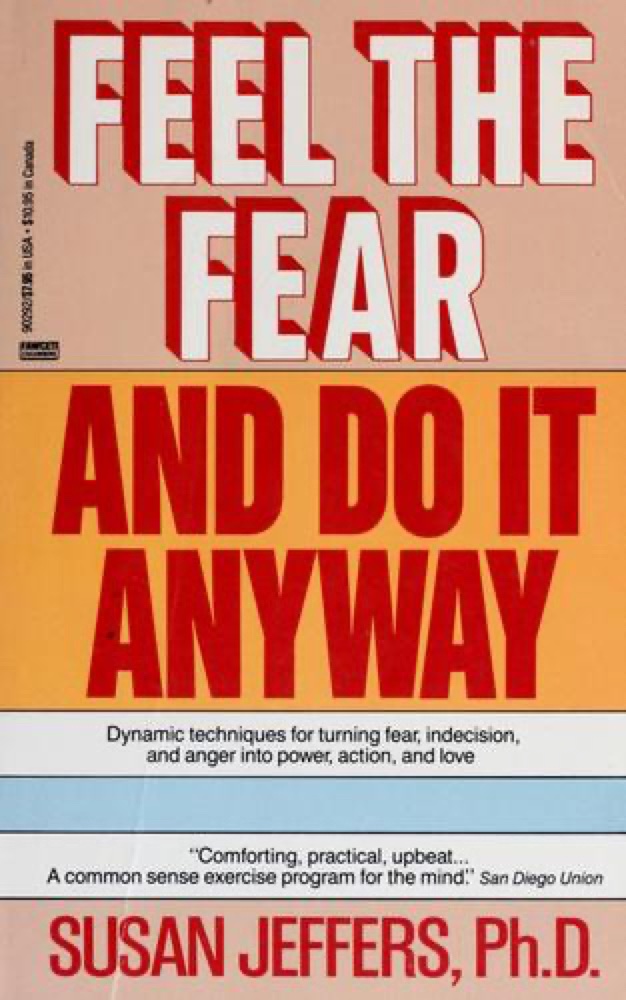 Feel the Fear and Do It Anyway
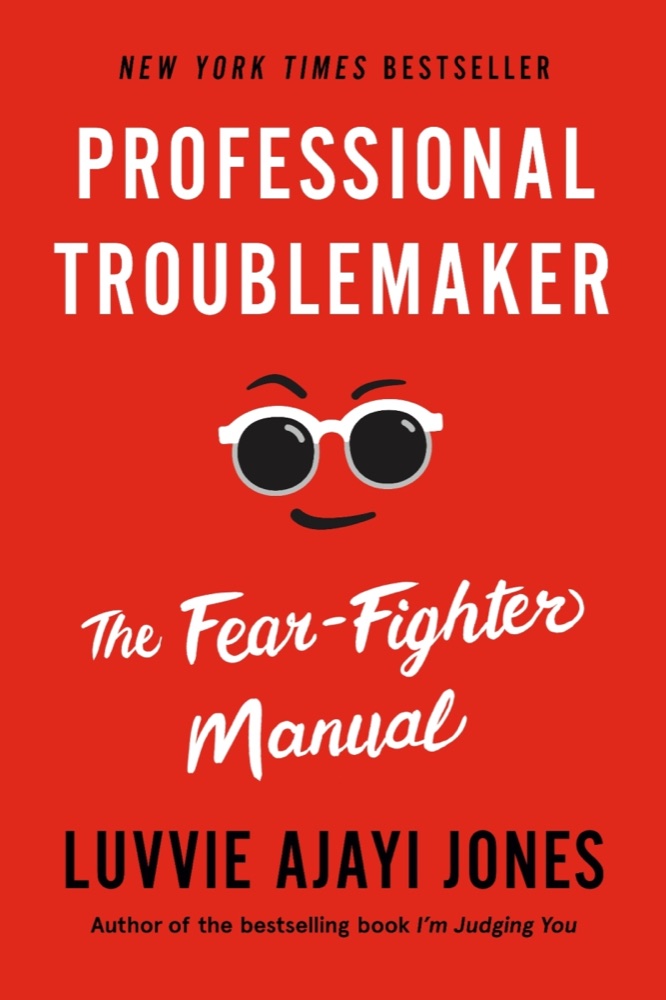 Professional Troublemaker: The Fear-Fighter Manual
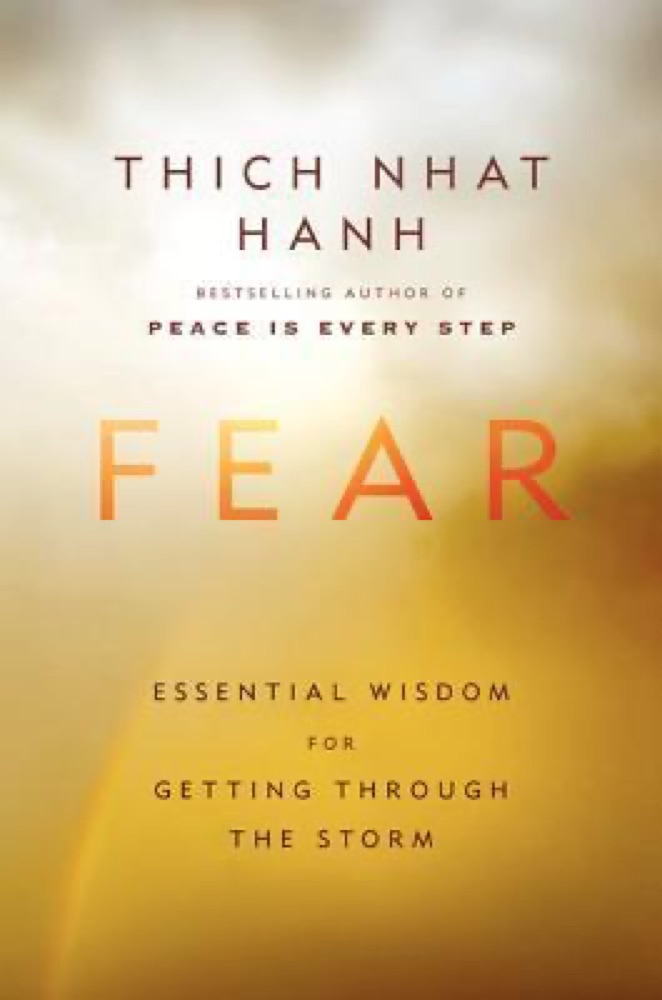 Fear: Essential Wisdom for Getting Through the Storm
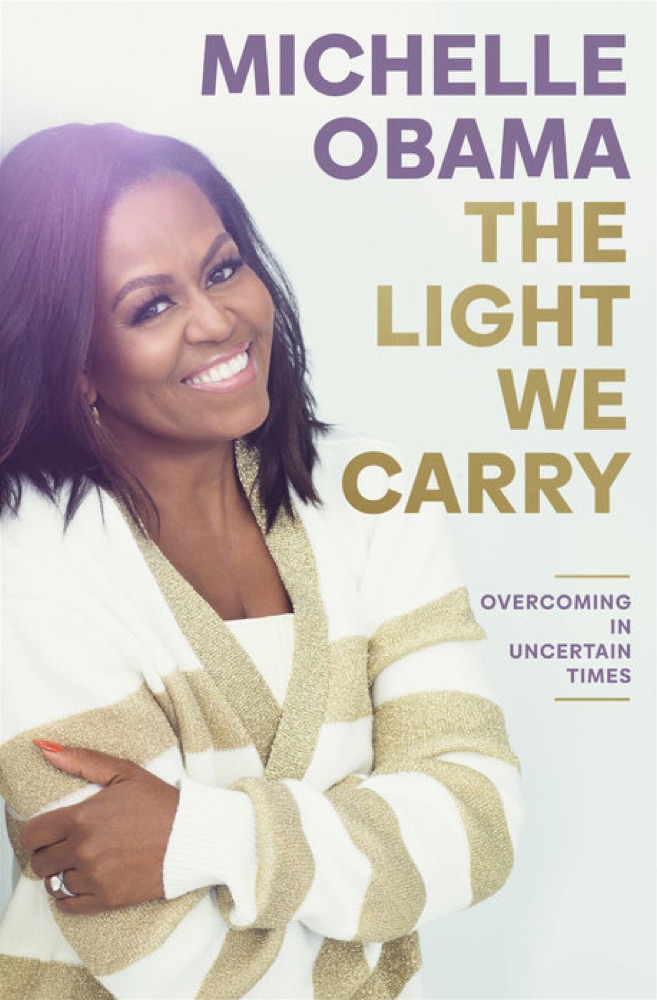 The Light We Carry: Overcoming in Uncertain Times
 Courage: The Joy of Living Dangerously
 The Places That Scare You: A Guide to Fearlessness in Difficult Times
 On Confidence
 The 50th Law
 Self-Compassion: The Proven Power of Being Kind to Yourself
 Why Has Nobody Told Me This Before?
 Man's Search for Himself
 On Fire: The 7 Choices to Ignite a Radically Inspired Life
 The School of Life: An Emotional Education
 The Comfort Book
 The Laws of Human Nature
 Living Beautifully with Uncertainty and Change
 Burnout: The Secret to Unlocking the Stress Cycle
 The Tools: Transform Your Problems into Courage, Confidence, and Creativity
 You Are Your Best Thing: Vulnerability, Shame Resilience, and the Black Experience
 When the Body Says No: The Cost of Hidden Stress
 Nonviolent Communication: A Language of Life
 Six Pillars of Self-Esteem
 How to Stay Sane in an Age of Division
 101 Essays That Will Change The Way You Think
 Resilience: Hard-Won Wisdom for Living a Better Life
 The Courage to Be Disliked: How to Free Yourself, Change Your Life and Achieve Real Happiness
 Notes on a Nervous Planet
 Good Morning, Monster: A Therapist Shares Five Heroic Stories of Emotional Recovery
 The Wise Heart: A Guide to the Universal Teachings of Buddhist Psychology
 Maybe You Should Talk to Someone: A Therapist, Her Therapist, and Our Lives Revealed
 The Antidote: Happiness for People Who Can't Stand Positive Thinking
 Shambhala: The Sacred Path of the Warrior
 Be Not Afraid of Love: Lessons on Fear, Intimacy, and Connection
 This Is How: Proven Aid in Overcoming Shyness, Molestation, Fatness, Spinsterhood, Grief, Disease, Lushery, Decrepitude & More. For Young and Old Alike.
 The Confidence Gap
 Carry On, Warrior: Thoughts on Life Unarmed
 Orbiting the Giant Hairball: A Corporate Fool's Guide to Surviving with Grace
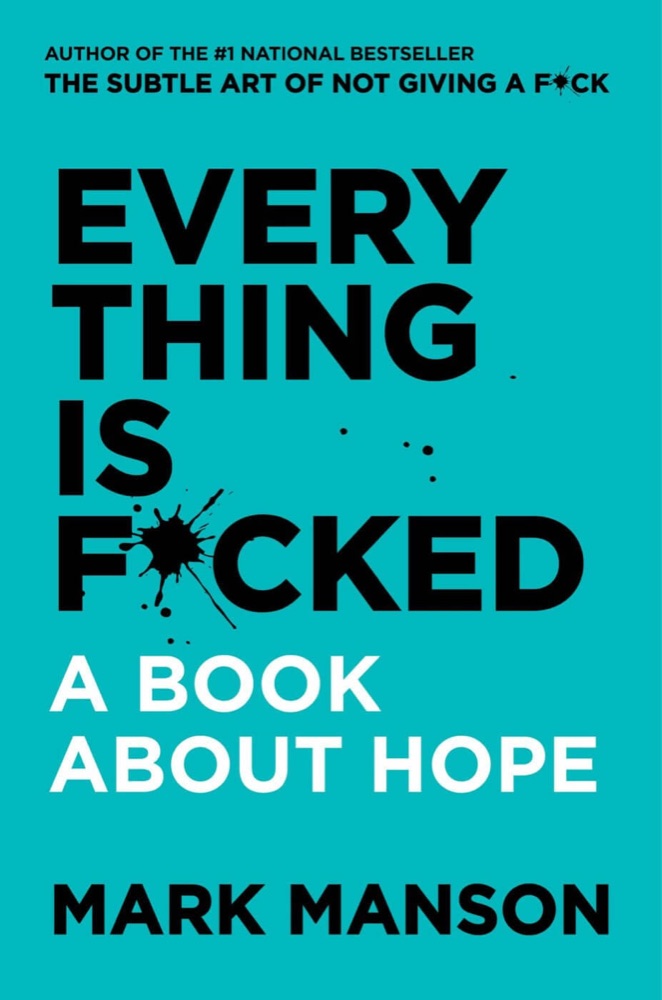 Everything Is F*cked: A Book About Hope
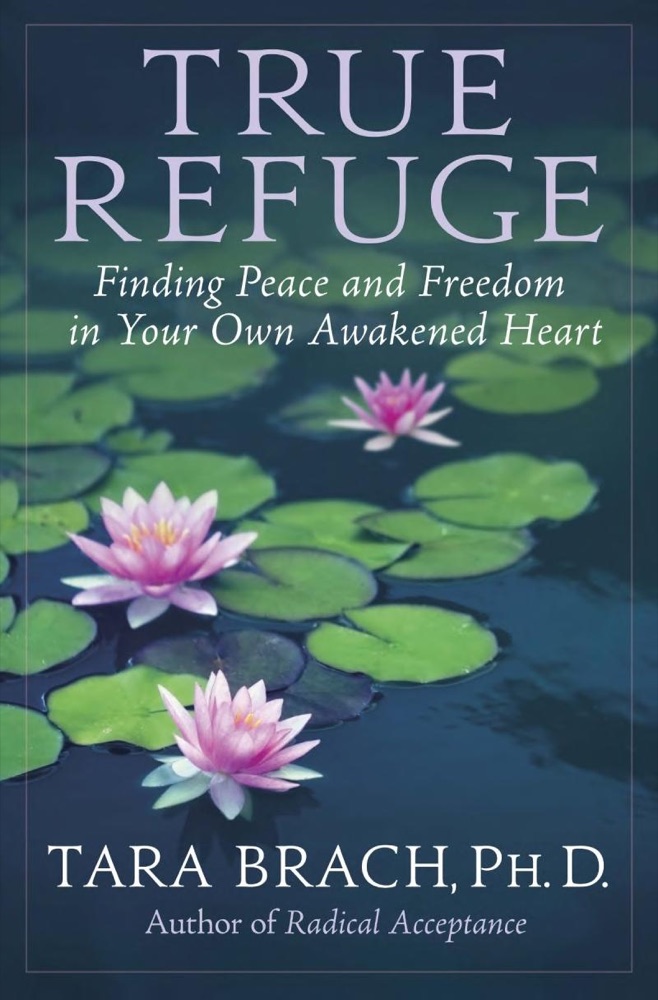 True Refuge: Finding Peace and Freedom in Your Own Awakened Heart
 Brave Enough
![[Don't] Call Me Crazy](/i/book/g/b2/dont-call-me-crazy.jpg) [Don't] Call Me Crazy
[Don't] Call Me Crazy
![It's Not OK to Feel Blue [and other lies]](/i/book/g/ed/its-not-ok-to-feel-blue-and-other-lies.jpg) It's Not OK to Feel Blue [and other lies]
It's Not OK to Feel Blue [and other lies]
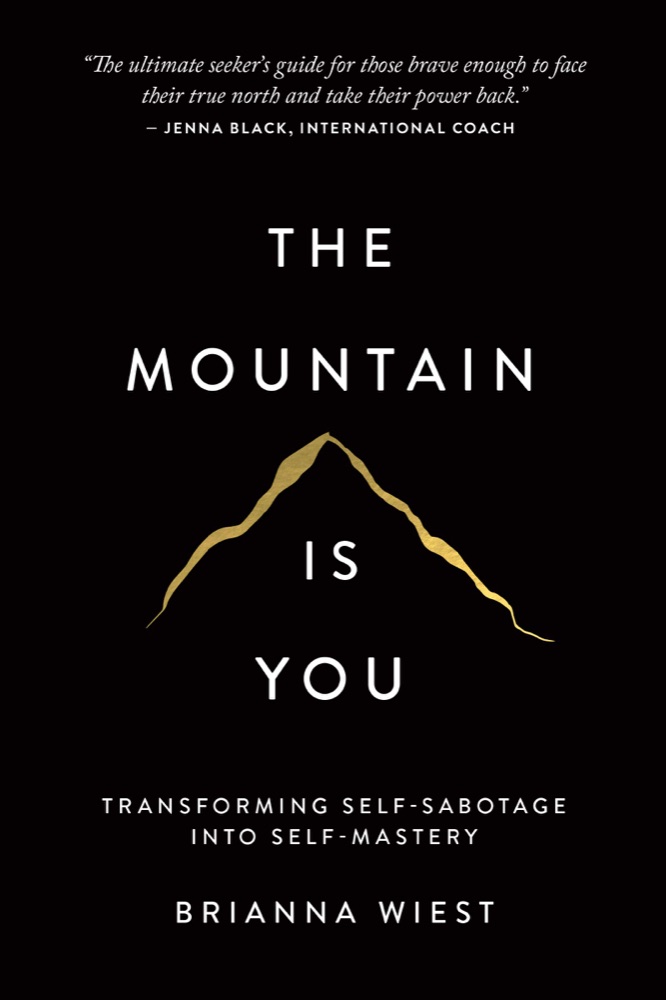 The Mountain Is You: Transforming Self-Sabotage Into Self-Mastery
 We Can Do Hard Things: Answers to Life's 20 Questions
 Option B: Facing Adversity, Building Resilience, and Finding Joy
 Full Catastrophe Living: Using the Wisdom of Your Body and Mind to Face Stress, Pain, and Illness
 The Gift of Fear: Survival Signals That Protect Us from Violence
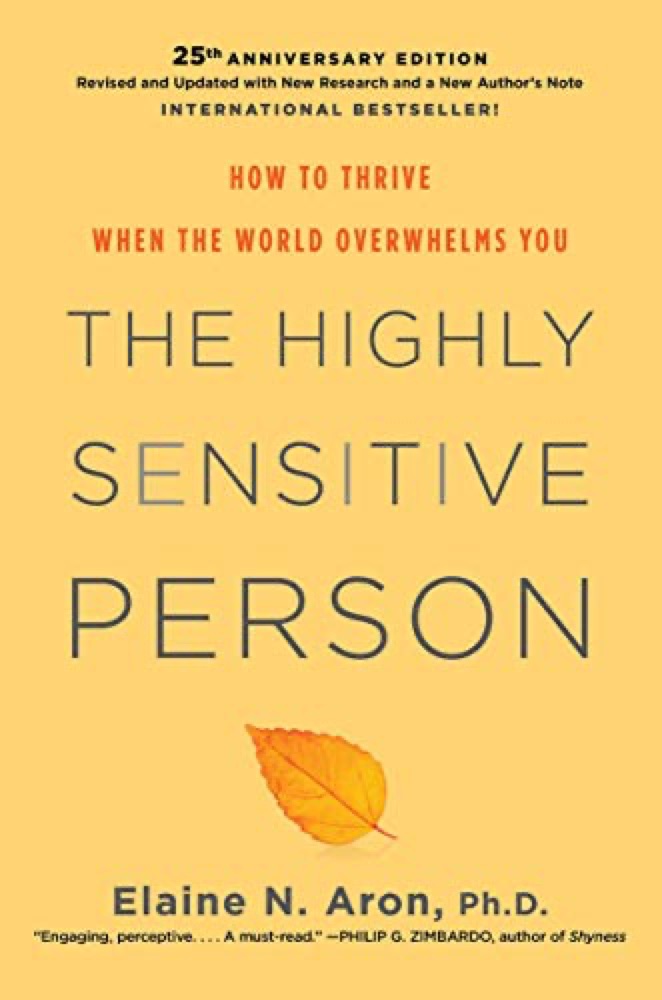 The Highly Sensitive Person: How to Thrive When the World Overwhelms You
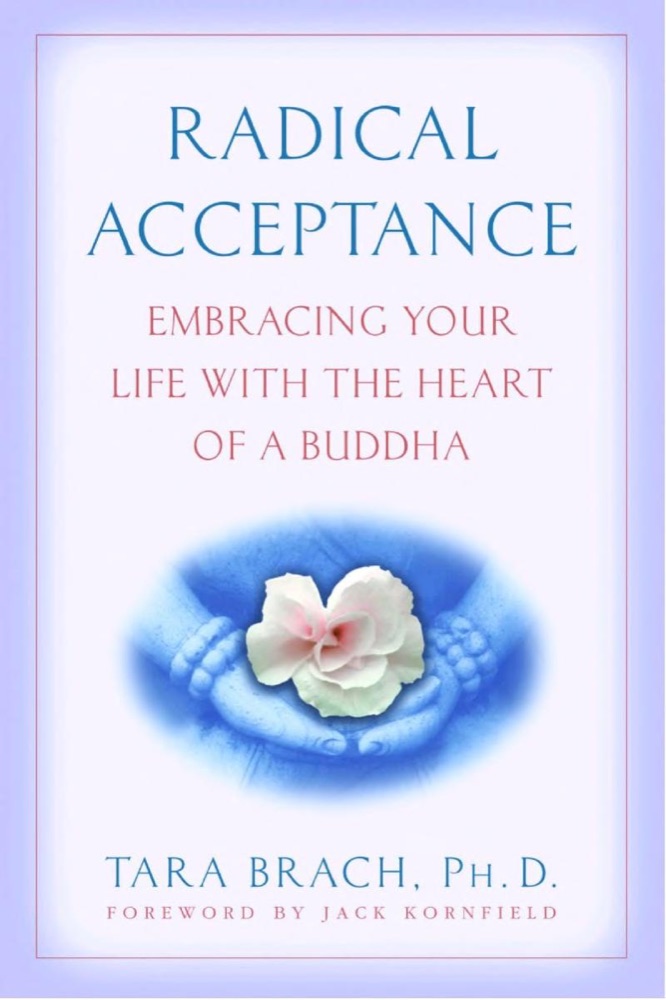 Radical Acceptance: Embracing Your Life With the Heart of a Buddha
 Social Intelligence: The New Science of Human Relationships
 The Flinch