
 Unfuck Your Brain: Using Science to Get Over Anxiety, Depression, Anger, Freak-Outs, and Triggers
Quotes from the Book
Thoughts are not facts. They are a mix of opinions, judgements, stories, memories, theories, interpretations, and predictions about the future.
50
The thing about the human brain is that, when you believe something, the brain will scan the environment for any signs that the belief is true.
43
Thoughts are not facts. They are suggestions offered up to us by the brain to help us make sense of the world.
25
you have to get to work being your own coach instead of your own worst critic.
22
When we focus on trying to fix the problem, it is easy to underestimate the power of simply being there.
22
Emotions are your brain’s attempt to explain and attach meaning to what is going on in your world and your body.
20
When we feel anxious about something, the most natural human response is to avoid it. We know that if we stay away, we’ll feel safe, for now. But avoidance not only maintains anxiety, it makes it worse over time.
16
The more work we do on building self-awareness and resilience when all is well, the better able we are to face life’s challenges when they come our way.
15
Just as thoughts are not facts, feelings are not facts either. Emotions are information, but when that information is powerful, intense and loud, as emotions can be, then we are more vulnerable to believing in them as a true reflection of what is going on. I feel it therefore it must be a fact. Emotional reasoning is a thought bias that leads us to use what we feel as evidence for something to be true, even when there might be plenty of evidence to suggest otherwise.
14
Physically moving your body can help to shift your mind when it is otherwise very difficult.
14
It reminds us that our mood is not fixed and it does not define who we are; it is a sensation we experience.
14
But humans are not built to be in a constant happy state. We are built to respond to the challenges of survival.
13
You might notice that you feel the need for more reassurance from others when your mood is low. If you don’t get that extra reassurance you might automatically assume that they are thinking negatively about you. But that is a bias, and it is quite possible that you are your worst critic.
12
we have to focus on making good decisions, not perfect decisions. A good decision is one that moves you in the direction you want to go.
10
Something that I have come to realize over the years of working as a psychologist is how much people struggle with low mood and never tell a soul.
10
Confident is not the same as comfortable.
9
If we associate failure with unworthiness, then starting anything new is going to feel overwhelming and procrastination will be front and centre. We protect ourselves from the psychological threat of shame by sabotaging the process before it gets started.
7
Getting better at relationships does not mean learning how to get the other person to do or be what you want them to be. In couples therapy, you can work on your relationship together. But you can also work on your relationships by understanding your own individual needs and patterns and the cycles you tend to get stuck in.
6
Procrastination is something everyone does. It’s when we put something off because the job we need to do triggers a stress reaction, or some other feeling that is aversive.
6
If we don’t do the work to develop self-acceptance, we set ourselves up to live a life in which we may need constant reassurance, get trapped in jobs we hate or relationships that cause us harm, or find ourselves living with resentment.
6
Not all low mood is unidentified dehydration, but when dealing with mood it is essential to remember that it’s not all in your head. It’s also in your body state, your relationships, your past and present, your living conditions and lifestyle. It’s in everything you do and don’t do, in your diet and your thoughts, your movements and memories. How you feel is not simply a product of your brain.
5
We naturally look for evidence that confirms our beliefs. We then experience what we believe, even when there is evidence to suggest otherwise.
5
When you are low on energy, the chance of exercising goes down, along with your mood. Low mood gives you the urge to do the things that make mood worse.
5
When outbreaths are longer and more forceful than inbreaths, this slows the heart rate and calms the body.
5
So don’t concentrate on sleep, concentrate on relaxation, rest and calm. Your brain will do the rest.
5
Feeling down is more likely to reflect unmet needs than a brain malfunction.
5
Every time we say no to something because of fear, we reconfirm our belief that it wasn’t safe or that we couldn’t handle it. Every time we cut something out of our lives because of fear, life shrinks a little.
4
Anything that you link to your self-worth can give rise to shame. In order to build and maintain a sense of self-worth, we need to understand that our worthiness as a human being is not dependent on living mistake-free.
4
There is a period in which we have to grind, doing things that matter to us, even when we don’t feel like it, in order to re-engage with the pleasure we used to feel.
4
Grief is a normal part of human experience. It is a necessary process to go through when we experience the loss of someone or something that we loved, needed, felt connected to and that held meaning in our life.
4
Watch on YouTube
About Julie Smith
We have collected 30 quotes from 1 book by Julie Smith on BookQuoters.
More about the author →About the book
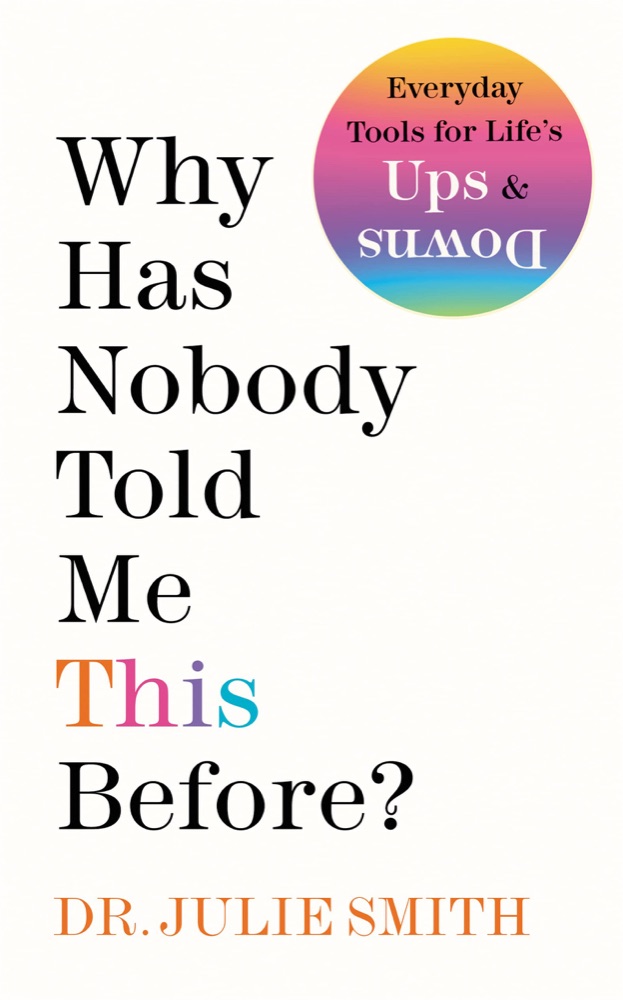
Drawing on years of experience as a clinical psychologist, online sensation Dr Julie Smith provides the skills you need to navigate common life challenges and take charge of your emotional and mental health in her debut book.
Filled with secrets from a therapist's toolkit, Why Has Nobody Told Me This Before? teaches you how to fortify and maintain your mental health, even in the most trying of times. Dr Julie Smith's expert advice and powerful coping techniques will help you stay resilient, whether you want to manage anxiety, deal with criticism, cope with depression, build self-confidence, find motivation, or learn to forgive yourself. The book tackles everyday issues and offers practical solutions in bite-sized, easy-to-digest entries which make it easy to quickly find specific information and guidance.
Your mental well-being is just as important as your physical well-being. Pack
Book details
- First published
- 2022
- Author
- Julie Smith
- Genre
- Nonfiction
- Goodreads rating
- 3.85 (52k ratings)
Keep reading
Unfuck Your Brain: Using Science to Get Over Anxiety, Depression, Anger, Freak-Outs, and Triggers
 Burnout: The Secret to Unlocking the Stress Cycle
 How to Stay Sane
 The Upward Spiral: Using Neuroscience to Reverse the Course of Depression, One Small Change at a Time
 The Mindful Way through Depression: Freeing Yourself from Chronic Unhappiness
 It's Not Always Depression: Working the Change Triangle to Listen to the Body, Discover Core Emotions, and Connect to Your Authentic Self
 When Things Fall Apart: Heart Advice for Difficult Times
 Atlas of the Heart: Mapping Meaningful Connection and the Language of Human Experience
 Feeling Good: The New Mood Therapy
 First, We Make the Beast Beautiful: A New Story About Anxiety
 Maybe You Should Talk to Someone: A Therapist, Her Therapist, and Our Lives Revealed
 Notes on a Nervous Planet
 Untangle Your Emotions: Naming What You Feel and Knowing What to Do About It
 The Antidote: Happiness for People Who Can't Stand Positive Thinking
 When the Body Says No: The Cost of Hidden Stress
 Good Morning, Monster: A Therapist Shares Five Heroic Stories of Emotional Recovery
 Why Zebras Don't Get Ulcers
 The Mountain Is You: Transforming Self-Sabotage Into Self-Mastery
 Letting Go: The Pathway To Surrender
 The Examined Life: How We Lose and Find Ourselves
 Reasons to Stay Alive
 101 Essays That Will Change The Way You Think
 Don't Sweat the Small Stuff ... and it's all small stuff: Simple Ways to Keep the Little Things from Taking Over Your Life
 The Comfort Book
 Emotional Intelligence 2.0: With Access Code
 Monkey Mind: A Memoir of Anxiety
 The Wisdom of Your Body: Finding Healing, Wholeness, and Connection through Embodied Living
 The Dance of Fear: Rising Above Anxiety, Fear, and Shame to Be Your Best and Bravest Self
 The Bullet Journal Method: Track Your Past, Order Your Present, Plan Your Future
 The School of Life: An Emotional Education
 Emotional Intelligence: Why It Can Matter More Than IQ
 The Happiness Advantage: The Seven Principles of Positive Psychology That Fuel Success and Performance at Work
 How to Be Here: A Guide to Creating a Life Worth Living
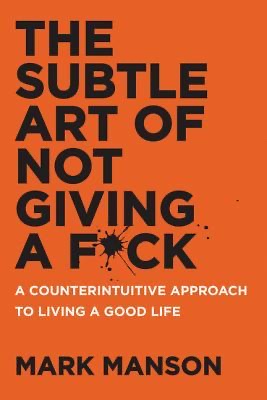 The Subtle Art of Not Giving a F*ck: A Counterintuitive Approach to Living a Good Life
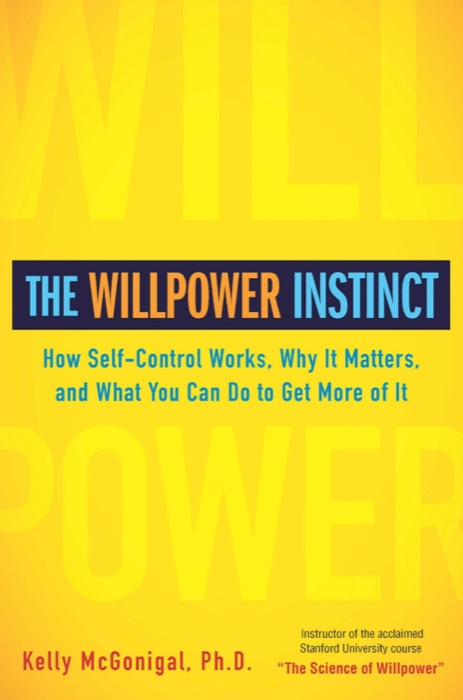 The Willpower Instinct: How Self-Control Works, Why It Matters, and What You Can Do to Get More of It
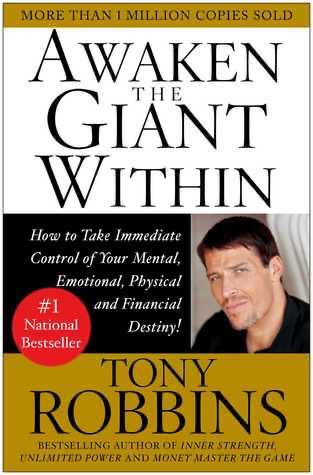 Awaken The Giant Within
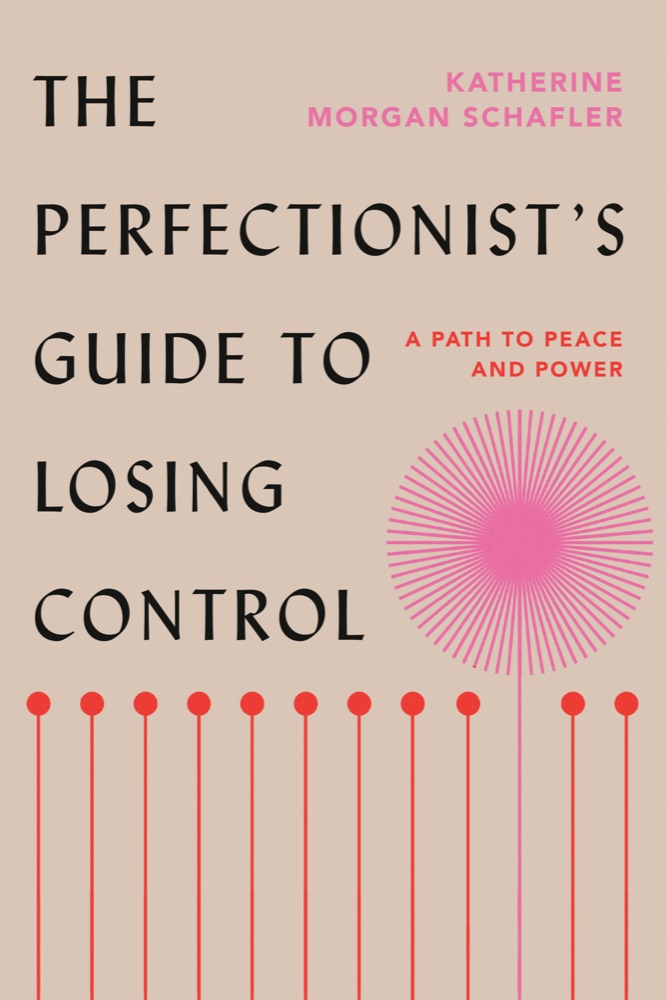 The Perfectionist's Guide to Losing Control: A Path to Peace and Power
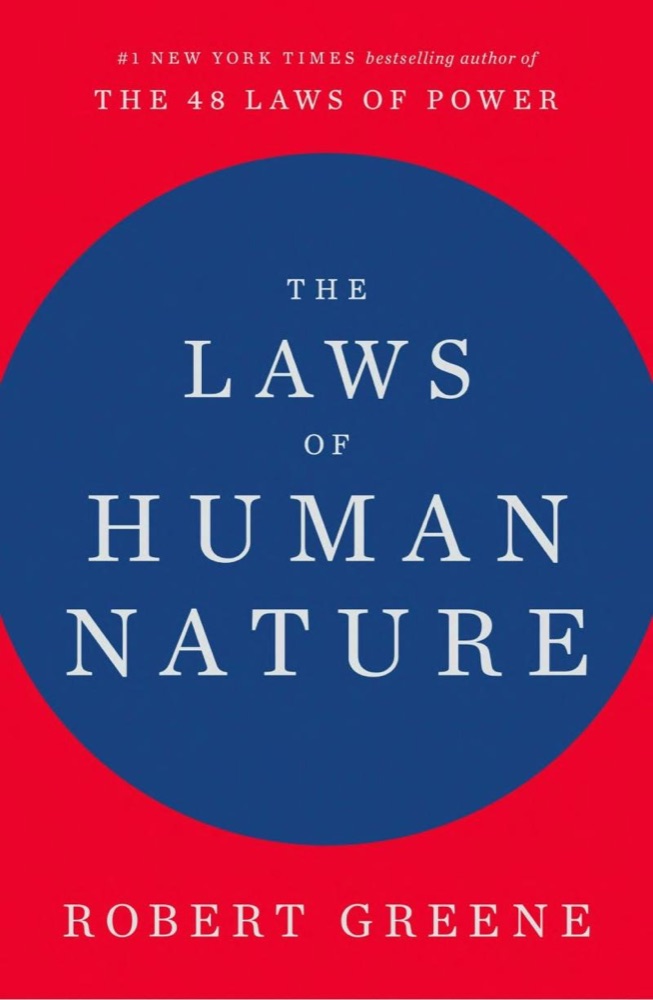 The Laws of Human Nature
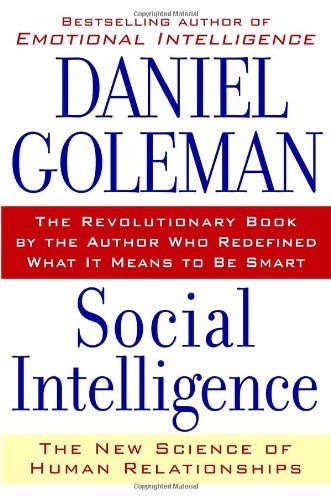 Social Intelligence: The New Science of Human Relationships
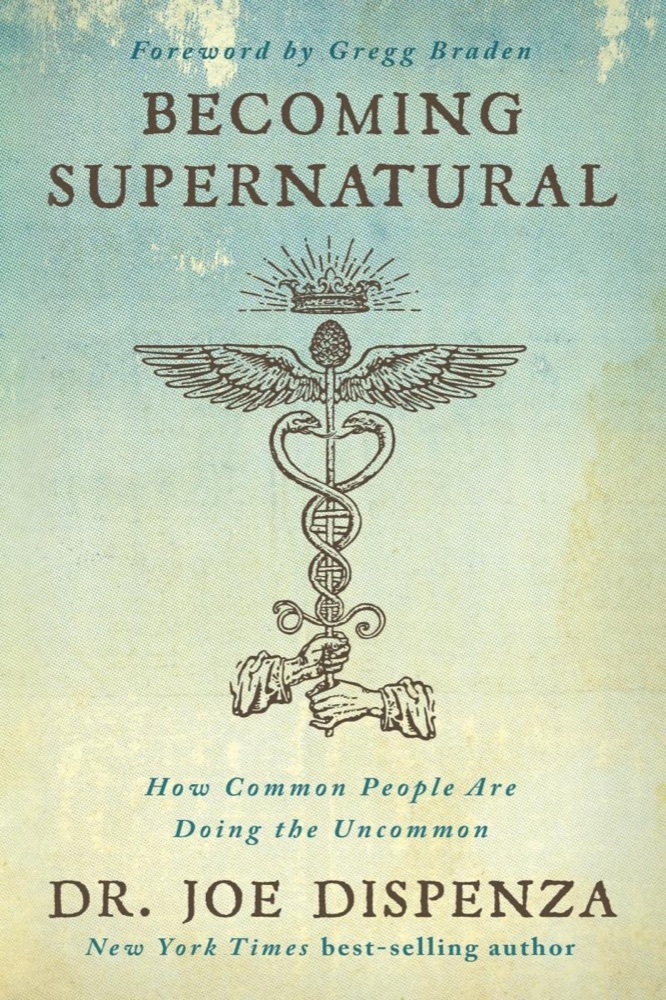 Becoming Supernatural: How Common People are Doing the Uncommon
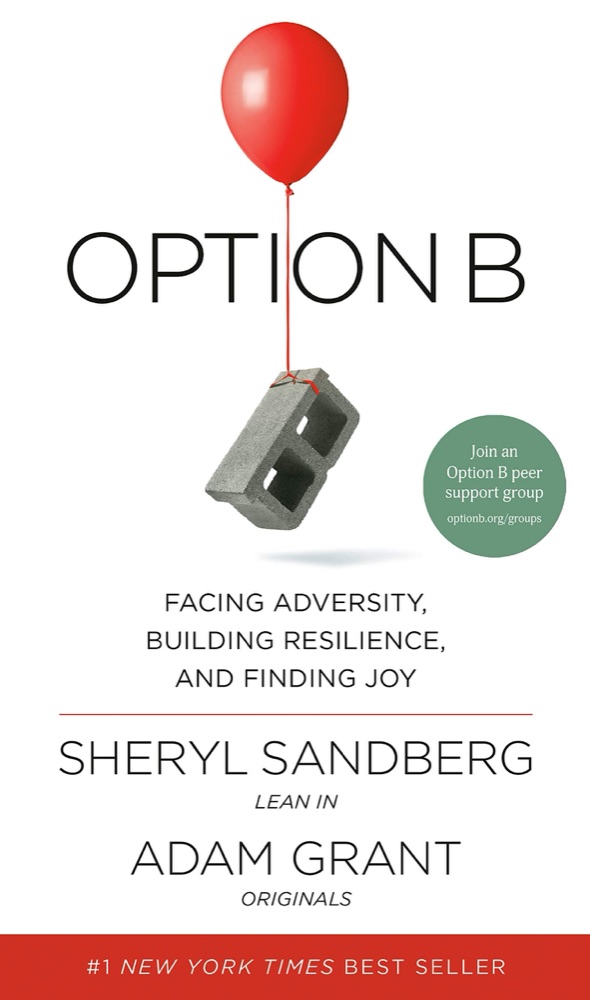 Option B: Facing Adversity, Building Resilience, and Finding Joy
 The Worry Trick: How Your Brain Tricks You Into Expecting the Worst and What You Can Do About It
 I Really Didn't Think This Through: Tales from My So-Called Adult Life
 Lost Connections: Uncovering the Real Causes of Depression - and the Unexpected Solutions
 The Tools: Transform Your Problems into Courage, Confidence, and Creativity
 The Things You Can See Only When You Slow Down: How to Be Calm in a Busy World
 Clarity & Connection
 Into the Magic Shop: A Neurosurgeon's Quest to Discover the Mysteries of the Brain and the Secrets of the Heart
 Full Catastrophe Living: Using the Wisdom of Your Body and Mind to Face Stress, Pain, and Illness
 What Happened To You?: Conversations on Trauma, Resilience, and Healing
 Self-Compassion: The Proven Power of Being Kind to Yourself
 Psycho-Cybernetics
 Nonviolent Communication: A Language of Life
 Your Erroneous Zones: Step-By-Step Advice for Escaping the Trap of Negative Thinking and Taking Control of Your Life
 This Is How: Proven Aid in Overcoming Shyness, Molestation, Fatness, Spinsterhood, Grief, Disease, Lushery, Decrepitude & More. For Young and Old Alike.
 Becoming Bulletproof: Protect Yourself, Read People, Influence Situations, and Live Fearlessly
![[Don't] Call Me Crazy](/i/book/g/b2/dont-call-me-crazy.jpg) [Don't] Call Me Crazy
[Don't] Call Me Crazy
 The New Psycho-Cybernetics: The Original Science of Self-Improvement and Success That Has Changed the Lives of 30 Million People