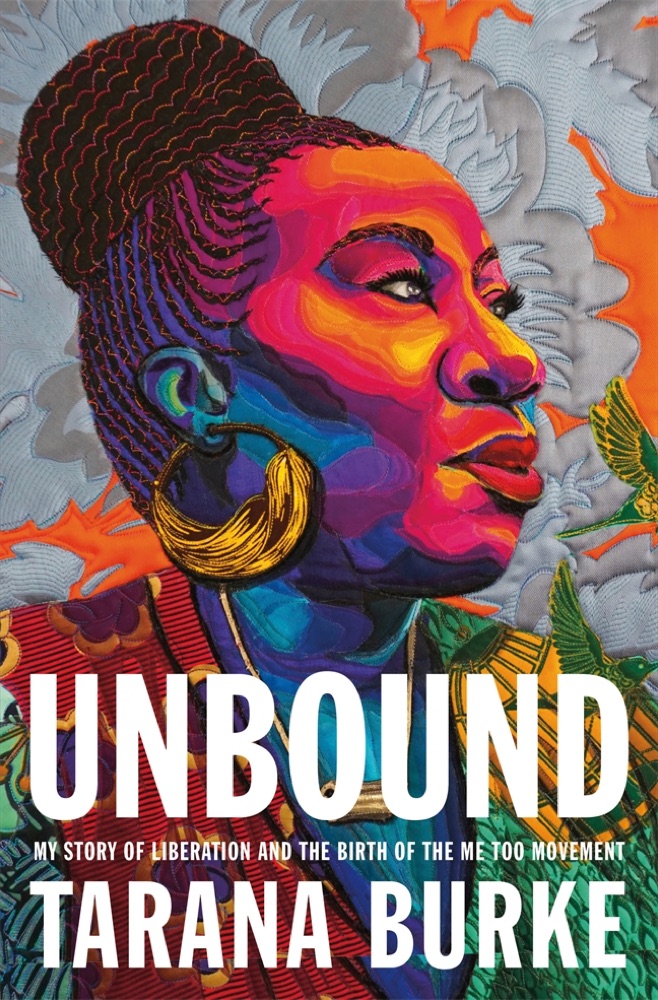
 Unbound: My Story of Liberation and the Birth of the Me Too Movement
Quotes from the Book
Dangerous is the woman who can give herself what she used to seek from others. Limitless is the woman who dares to name herself. The way I see it, shame cannot oppress what acceptance has already claimed for sovereignty.
10
Systems of white supremacy teach us shame because they have no guilt. Rejecting shame for Black lives means rejecting individual responsibility for structural failures. (Unlearning Shame and Remembering Love by Yolo Akili Robinson)
5
We are vulnerable even when we are not. We are vulnerable even when we have not chosen to be. The existence of Black women is always under assault. Our hair is an insult and our bodies are violated. Our Black brothers, sons, fathers, daughters, mothers, sisters, grandmothers, aunties are all vulnerable. We can disappear, be assaulted, be murdered under the color of law without recourse. Despite our credentials and accolades, we can be the first to be laid off. We know this and we are reminded of this. We are always vulnerable—living without certainty and at risk.
4
You deserve safety. You deserve protection. You deserve love. You deserve peace. Breathe beloved. Let's do it together. Right now! Breathe in what I'm saying. Breathe out what you were thinking. We tell the world they don't have to be anything but themselves to be worthy. And then we work until the stress is about to kill us to prove our worth. It's not just you. It’s not just us. It's the paradox of deeply melanated women. But right now I need you to hear me, because if we are still alive, then there is still hope to beat this thing.
4
Sometimes I wake up and have to remind myself: There is nothing wrong with me. I have patterns to unlearn, new behaviors to embody, and wounds to heal. But there is nothing wrong with me and the core of who I am. I am unlearning generations of harm and remembering love. It takes time.
3
We’re afraid that the feeling of joy won’t last, or that there won’t be enough, or that the transition to disappointment (or whatever is in store for us next) will be too difficult. We’ve learned that giving in to joy is, at best, setting ourselves up for disappointment and, at worst, inviting disaster. And we struggle with the worthiness issue. Do we deserve joy, given our inadequacies and imperfections?
3
The truth always needs a resting place or it will lie down wherever it sees fit.
3
At the time, the whispers to keep silent and appear normal were deafening. And so we did. There is no blame here. We were just trying to survive. (Where the Truth Rests)
3
Shame is often the barrier to wholehearted living.
2
To be Black in predominantly white spaces for the majority of your days often means affirming yourself or going without affirmation and representation for long stretches at a time. Aggressions like “I don’t see color” or assumptions that educational achievement somehow offsets racism and sexism are laughable and offensive. We are intentionally robbed of opportunities to see the spectrum of who we can become. Without an accurate reflection, our world becomes a funhouse mirror of distorted expectations we can never meet. More often than not, the people around me believe that they are doing me a favor by not acknowledging my differences.
2
How dare you not be strong? How dare you not be together? You should be ashamed. You have slept in bed for days. Black people are not this way. You don’t get to be this way. How dare you be crazy, unkempt, reckless? How dare you not know all things? How dare you not be an unfeeling animal, unfazed by the woes of the world? Who told you that you had the right to be white?
2
through the lens of white supremacy, being Black is shame. And how we struggle to love ourselves and move through that shame is synonymous with how we battle white supremacy.
2
Joy is an act of resistance,” and so we will lean in to that joy, knowing that our humanity demands that we fully partake of this magical experience.
2
White women and anyone else with a targeted identity reap the benefits of Black women’s willingness to be vulnerable.
1
Some of us can afford to be more vulnerable than others. Power, privilege, security are all conditions that can affect who is vulnerable, the consequences of being vulnerable, and what we gain from being vulnerable in our relationships with young people. So we also have to understand how issues of race, gender identity, social class, and power all determine the consequences of our vulnerability.
1
The container is beyond capacity, and we clearly can’t hold all of this truth on our own. We will succumb to it if we try. The truth always needs a resting place or it will lie down wherever it sees fit.
1
They wanted a good girl. And a smart girl. So we gave them what they wanted and put those heavy things like fear and shame and confusion in our small box so that we could take it out when no one was looking. It was brilliant, until the box started getting full and then got too heavy.
1
When we share our stories, practice empathy, and deconstruct the beliefs that induce shame, we become “shame resilient.” Shame resilience provides the gift of wholehearted living.
1
At first, I wanted to categorize “the work” as forgiving myself for not living up to the expectations of being an Educated Black Woman who could handle anything thrown at her and keep her cool. But truly, it was unlearning those expectations and accepting myself for who I am, as I am, that was my salvation.
1
Stop yelling over it and listen to it: What is your anxiety trying to tell you?” I had never considered that my anxiety was a voice. It would be years until I could recognize that voice as my own, but from that session, I began working on trying to hear my anxiety before it started to scream, when it was still communicating at a whisper. I found that the only way to really hear was to get still and listen; the only way to get through my panic was to surrender.
1
Imposter syndrome grew into self-doubt, and my thoughts snowballed from You aren’t good enough to write this essay to You aren’t good enough to write any essay. I was shame-spiraling, people-pleasing, and, most worrisome, when I wrote, I was performing for the white gaze and consumerism. Thinking of all the ways I would or could be applauded and praised for work I had yet to even complete. True to exactly what I research, fear, doubt, and cynicism were hindering my ability to be present. I had to tune out everything and every voice around me and remind myself that this work, like all my work, was a try. It was, and I am, allowed to be and become without expectation.
1
I don’t believe we can have conversations about racial justice or gender justice or class justice if we don’t talk about shame and trauma. I don’t think it’s possible. It’s actually necessary.
1
For too long shame has been a central organizing force in Black communities. We have used shame to motivate people to go to church. To vote. To control women’s bodies and sexual desires. To toss away our trans and gay children and take roles in institutions that tear our communities apart. To transform shame in our communities, we are going to have to weed it out. We are going to have to find a way to express our concern that doesn’t equate to our noses in the air or our backs turned on our ugly. We are going to have to chant from the street corners to the halfway homes, from the ERs and the encampments to the church pews and the house and ball competitions, to every Black life we come across: Shame is not your name.
1
I have never had the privilege of experiencing shame as just a feeling. I, like so many of us, was introduced to shame from birth as an intrapsychic and systemic reality. I was branded with shame by virtue of my Black skin, wide nose, and limp wrist. I was indoctrinated with shame from the history books to the media to my communities’ unanswered demands for justice.
1
We have decried and diminished women for how they express their feelings, how they expose their vulnerability. At the same time, we yell and scream and punch walls, all while complaining that women are “too emotional.” We fail to see that our expressions of masculine rage are, in fact, emotions. And in our rage, we are never told that we are too sensitive or too emotional.
1
Lust and rage have always been hallmarks of American manhood. And they’re supported by the assertion they are representative, too, of a certain kind of logic. They make sense. They’re reasonable. They’re certainly not womanish, which is limited to crying or hysteria. (“Hysteria” comes from the Greek, meaning “womb”—where life is formed.) We have decried and diminished women for how they express their feelings, how they expose their vulnerability. At the same time, we yell and scream and punch walls, all while complaining that women are “too emotional.” We fail to see that our expressions of masculine rage are, in fact, emotions. And in our rage, we are never told that we are too sensitive or too emotional. As long as our only legible emotion is anger, we are never shamed.
1
The truth is that I don’t know what we become when we heal. None of us does. That is the wisdom of the process.
1
Healing Black trauma is one of the most worthwhile endeavors we all can undertake. It is one that calls for the remaking of all social relations and an examination of our structures and the principles on which they are built. How has denying Black pain narrowed all of our lives? Where have we gone numb to our trauma, imagining that it is too big to face?
1
Our pain aversion makes this question of healing challenging to approach. It is one of the central motivators in American culture, to win our way to a pain-free existence. This does not mean that we do not experience pain—all of us do—but it means that we hide it, we deny it, and we transfer it as custom. It means that we shape the world to outsource suffering, that we create structures to concentrate this pain and mythologies of superiority to justify it. These are the mechanics of oppression. It is the organization and distribution of trauma across a society. Those with more power can choose more of their pain.
1
Watch on YouTube
About Tarana Burke
More by Tarana Burke
Unbound: My Story of Liberation and the Birth of the Me Too Movement
About the book
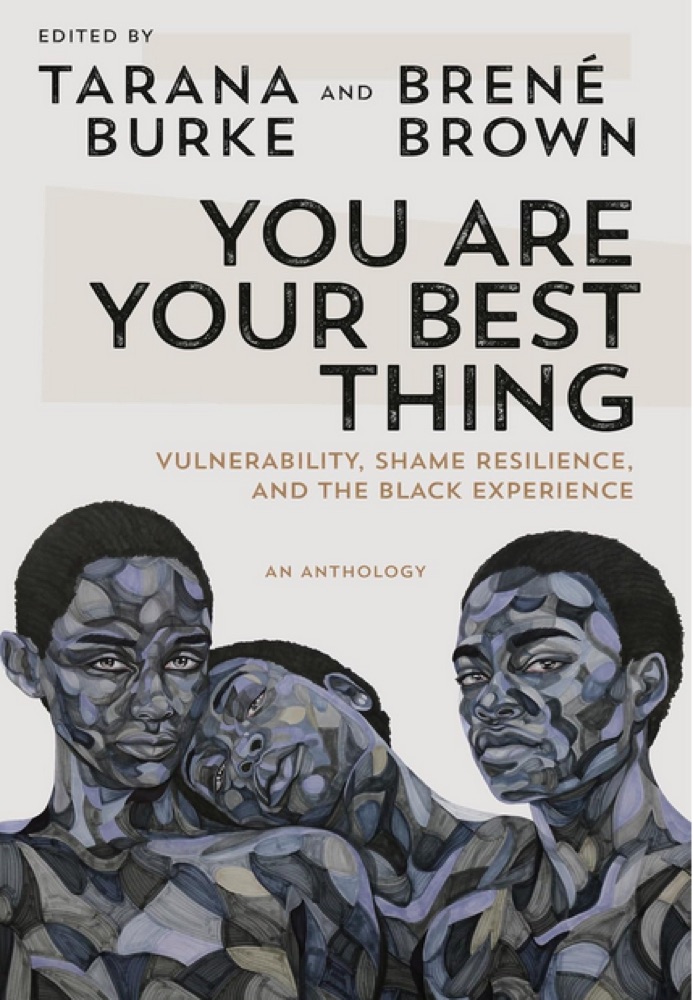
Tarana Burke and Dr. Brené Brown bring together a dynamic group of Black writers, organisers, artists, academics and cultural figures to discuss the topics the two have dedicated their lives to understanding and teaching: vulnerability and shame resilience.Contributions by Kiese Laymon, Imani Perry, Laverne Cox, Jason Reynolds, Austin Channing Brown, and more.It started as a text between two friends.Tarana Burke, founder of the 'me too.' Movement, texted researcher and writer Brené Brown to see if she was free to jump on a call. Brené assumed that Tarana wanted to talk about wallpaper. They had been trading home decorating inspiration boards in their last text conversation so Brené started scrolling to find her latest Pinterest pictures when the phone rang.But it was immediately clear to Brené that the conversation wasn't going to be about wallpaper. Tarana's hello was serious and she he
Book details
- First published
- 2021
- Author
- Tarana Burke
- Genre
- Nonfiction
- Goodreads rating
- 4.51 (8k ratings)
Keep reading
 I Thought It Was Just Me: Women Reclaiming Power and Courage in a Culture of Shame
 Rising Strong
 Braving the Wilderness
 Sister Outsider: Essays and Speeches
 A Burst of Light
 This Here Flesh: Spirituality, Liberation, and the Stories That Make Us
 This Bridge Called My Back: Writings by Radical Women of Color
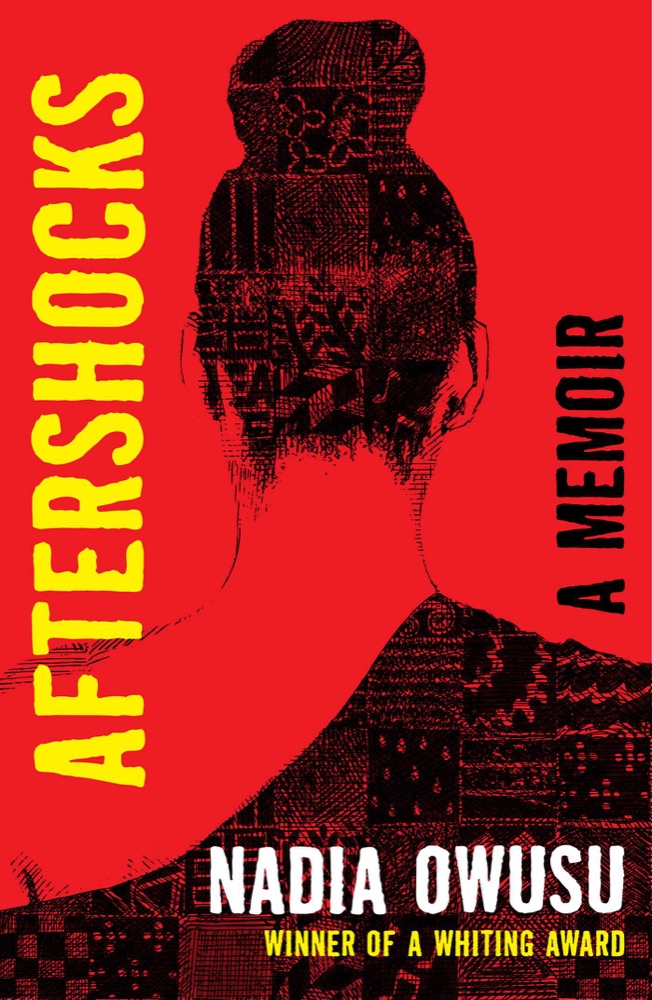 Aftershocks
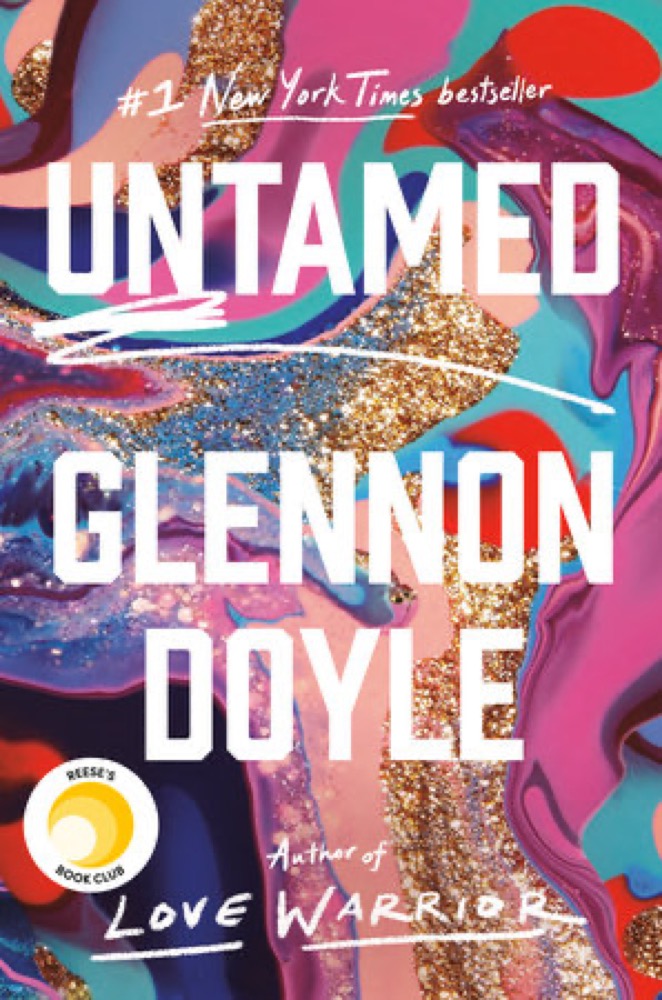 Untamed
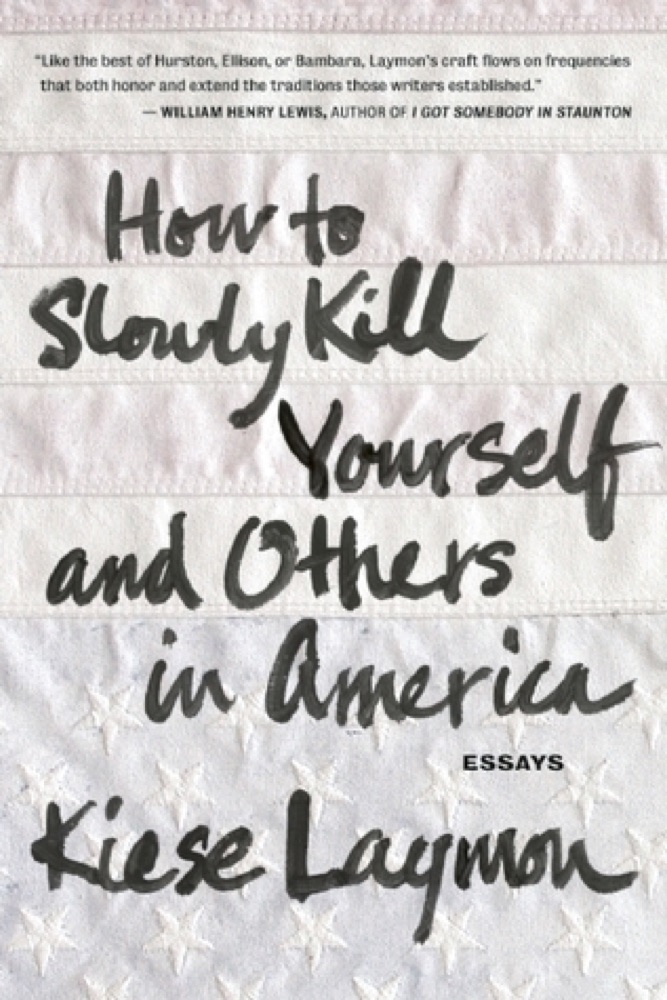 How to Slowly Kill Yourself and Others in America
 The Cancer Journals
 I Hope We Choose Love: A Trans Girl's Notes from the End of the World
 Just Us: An American Conversation
 When They Call You a Terrorist: A Black Lives Matter Memoir
 Shrill: Notes from a Loud Woman
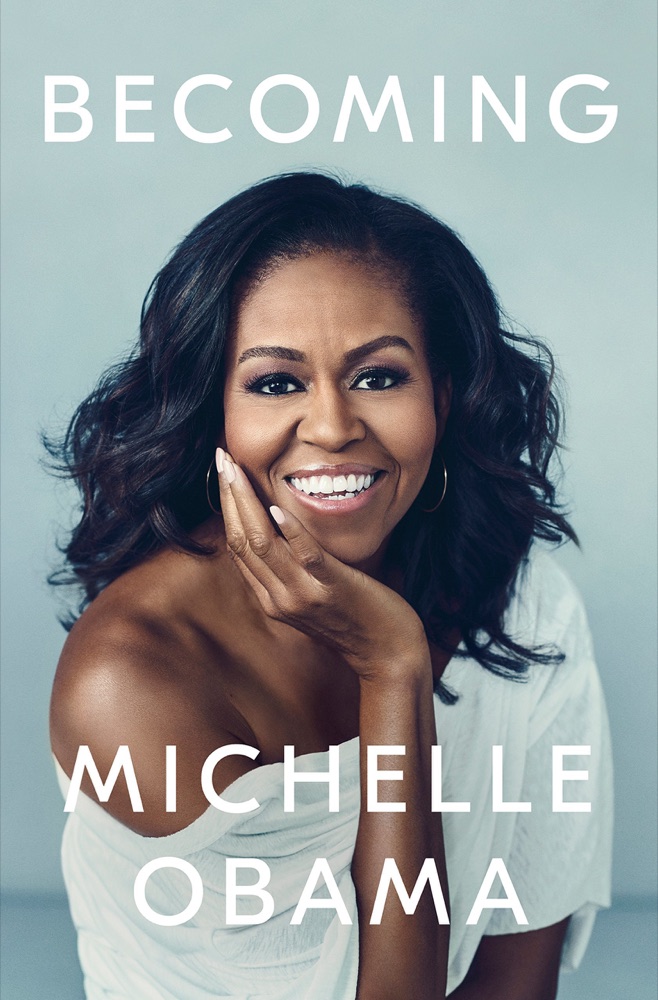 Becoming
 Heavy
Heavy
 We Can Do Hard Things: Answers to Life's 20 Questions
 On Our Best Behavior: The Seven Deadly Sins and the Price Women Pay to Be Good
 Paris: A Memoir for Young Women in the Age of Influencers
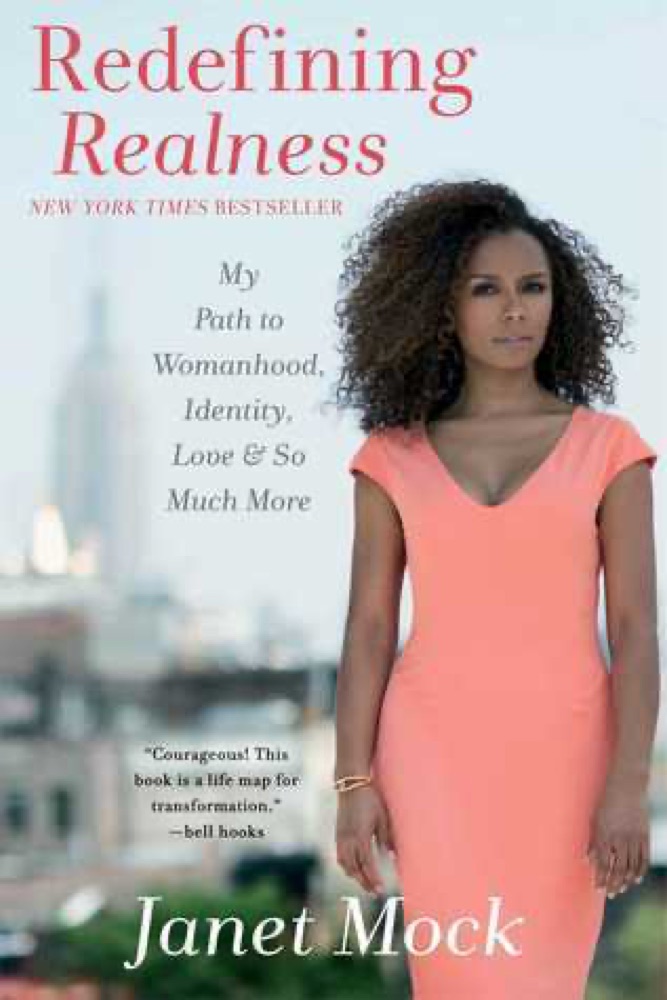 Redefining Realness: My Path to Womanhood, Identity, Love & So Much More
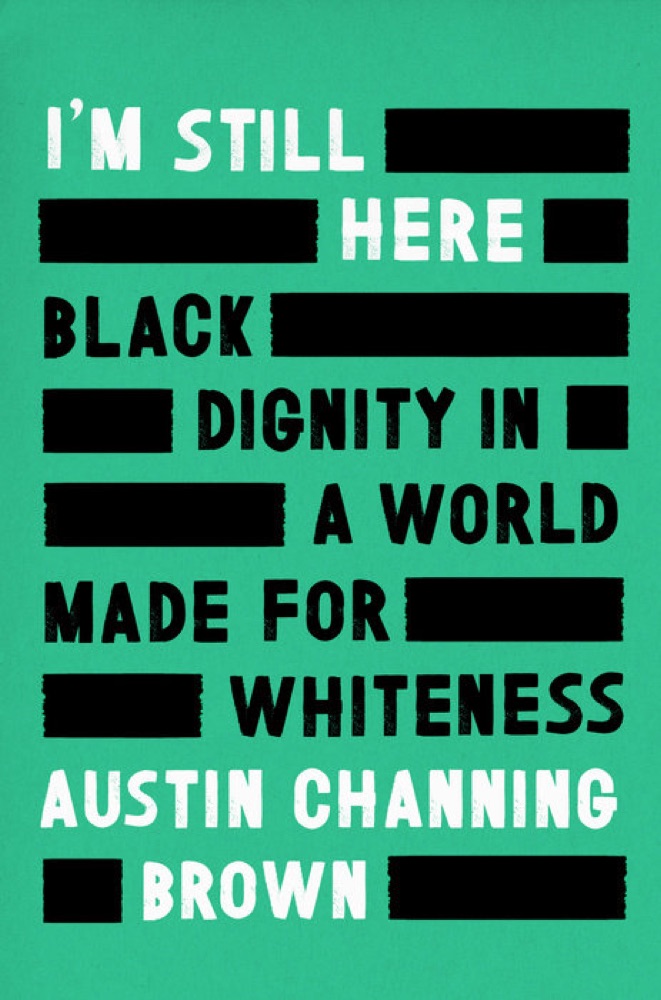 I'm Still Here: Black Dignity in a World Made for Whiteness
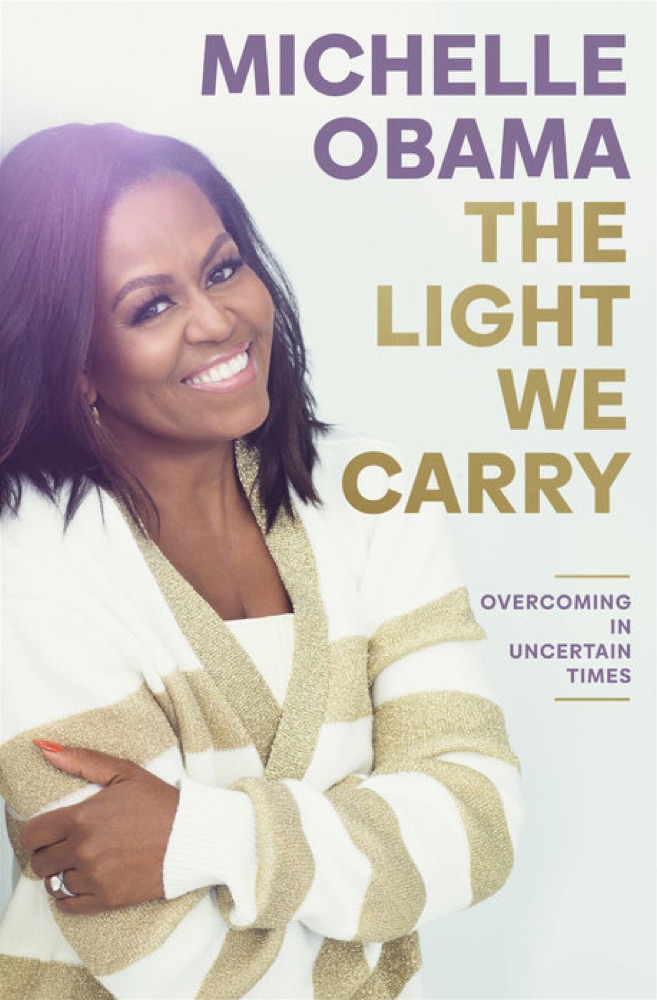 The Light We Carry: Overcoming in Uncertain Times
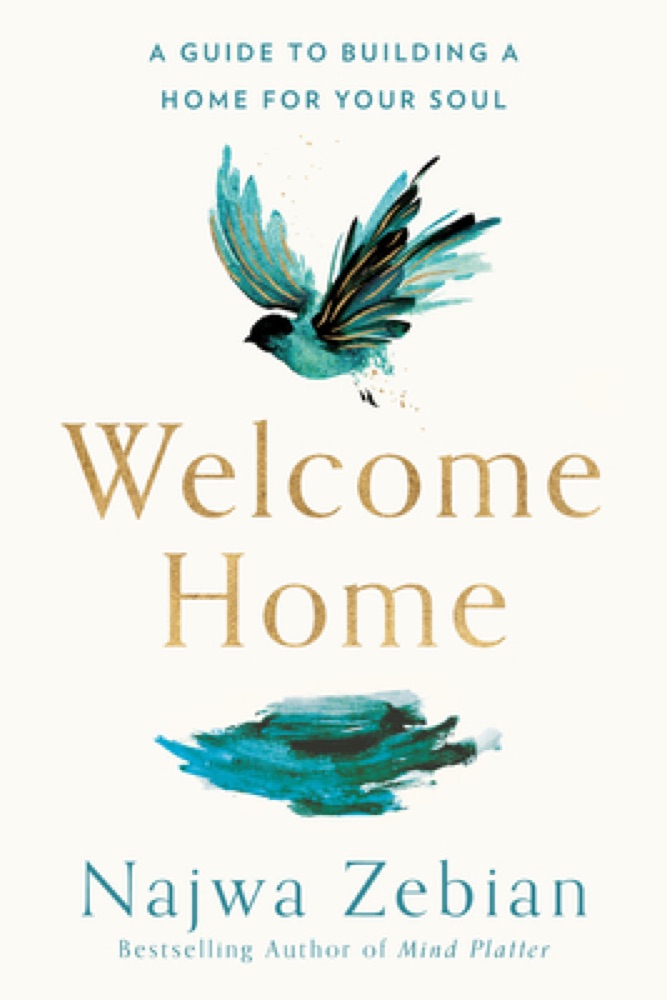 Welcome Home: A Guide to Building a Home for Your Soul
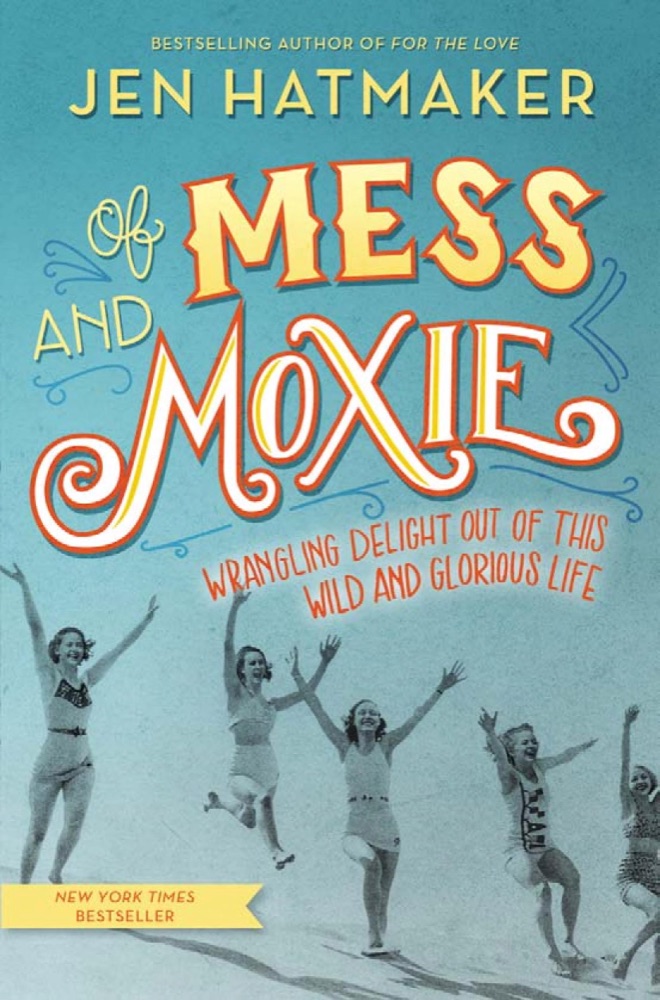 Of Mess and Moxie: Wrangling Delight Out of This Wild and Glorious Life
 The Dance of Fear: Rising Above Anxiety, Fear, and Shame to Be Your Best and Bravest Self
 See No Stranger: A Memoir and Manifesto of Revolutionary Love
 Never Broken: Songs Are Only Half the Story
 A Mind Spread Out on the Ground
 Kitchen Table Wisdom: Stories that Heal
 Carry On, Warrior: Thoughts on Life Unarmed
 Dear Senthuran: A Black Spirit Memoir
 Radical Love: Learning to Accept Yourself and Others
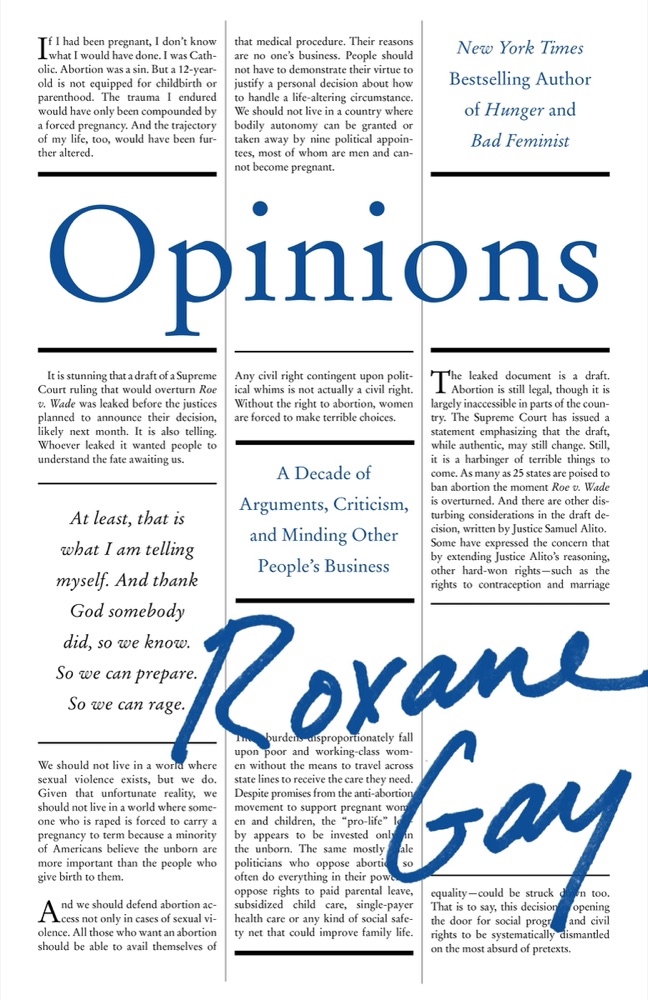 Opinions: A Decade of Arguments, Criticism, and Minding Other People’s Business
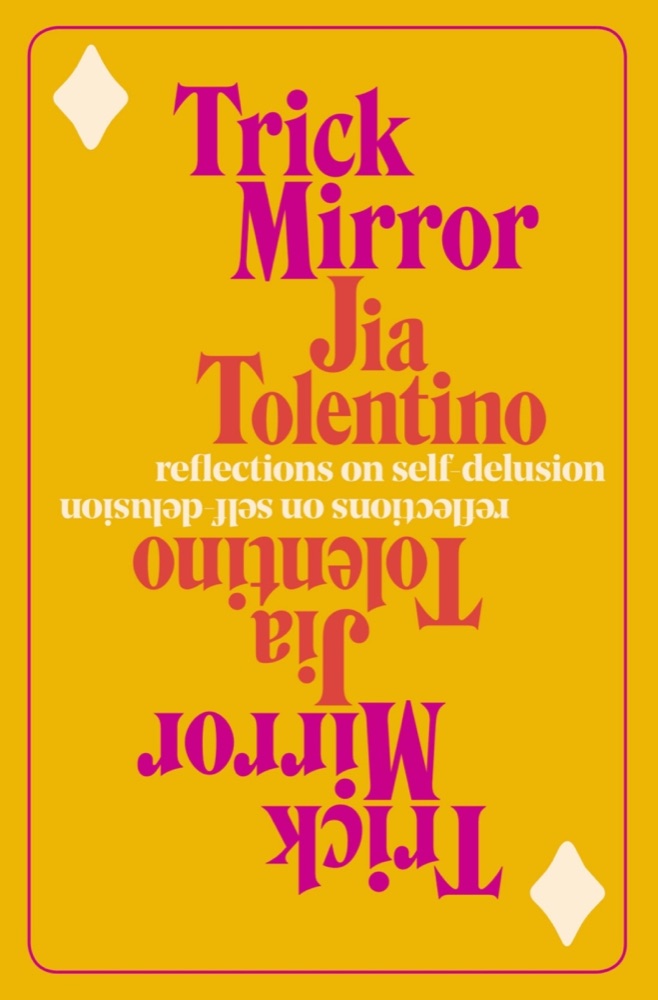 Trick Mirror: Reflections on Self-Delusion
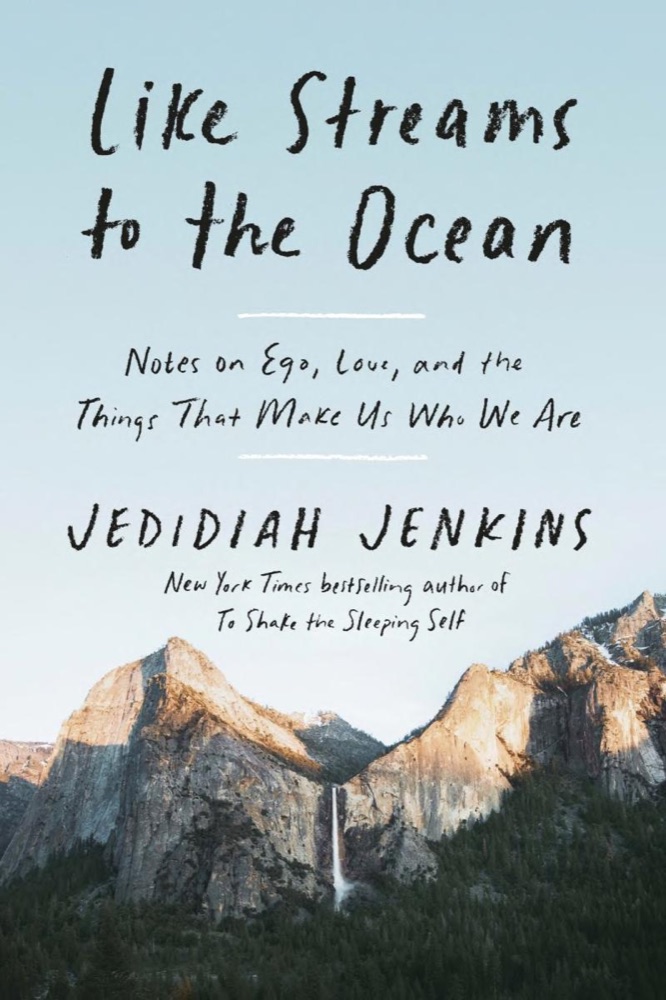 Like Streams to the Ocean: Notes on Ego, Love, and the Things That Make Us Who We Are
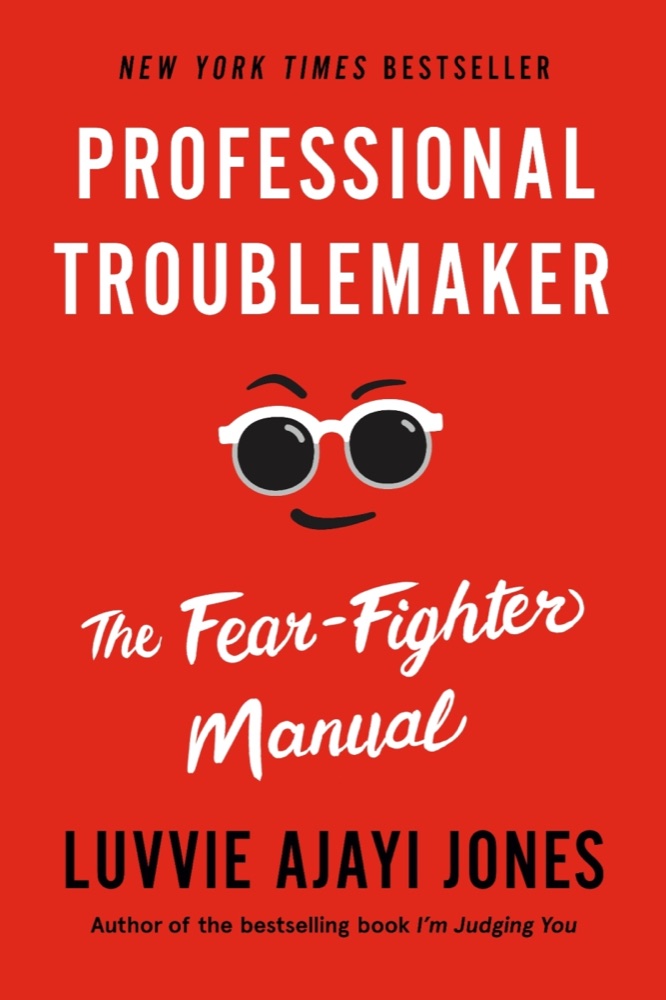 Professional Troublemaker: The Fear-Fighter Manual
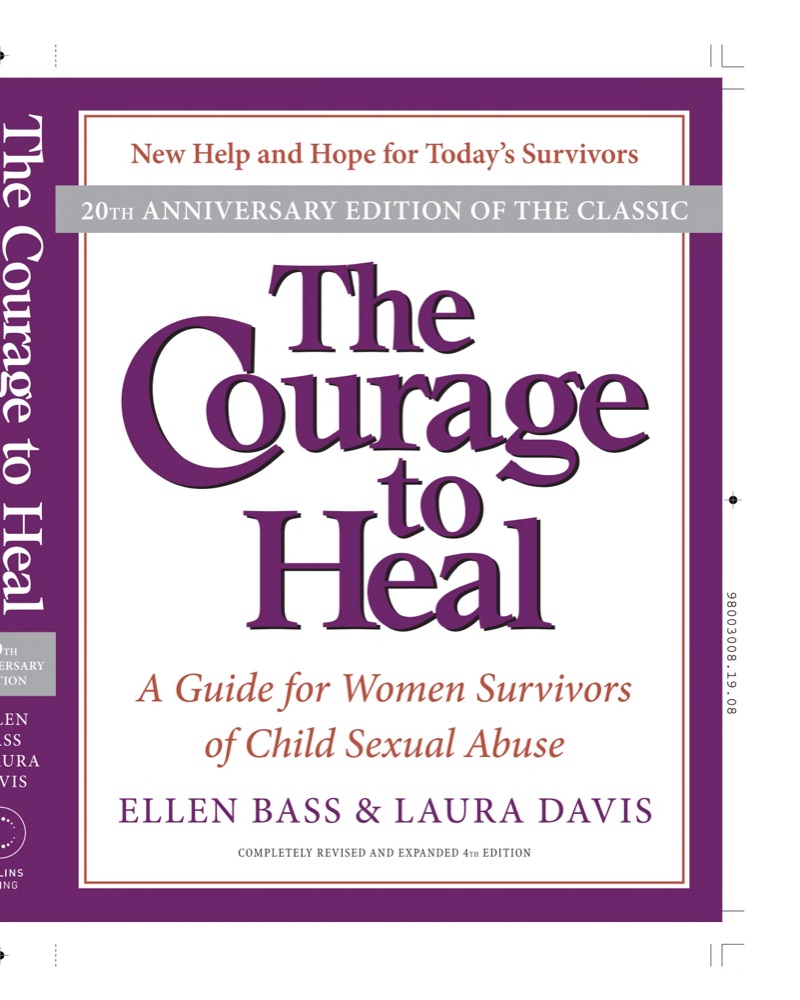 The Courage to Heal: A Guide for Women Survivors of Child Sexual Abuse
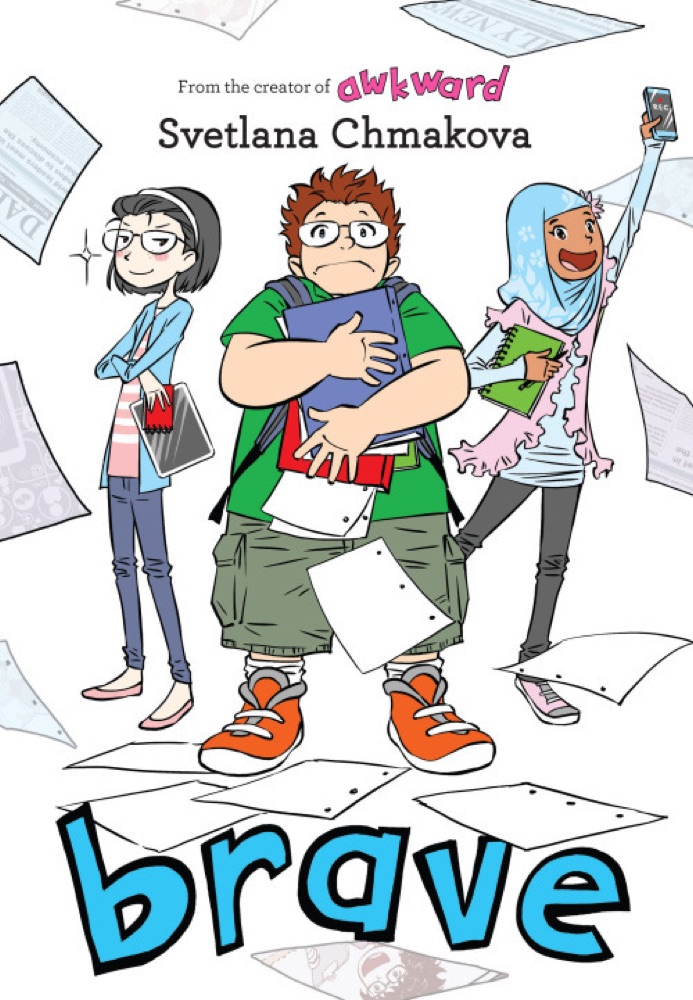 Brave
Brave
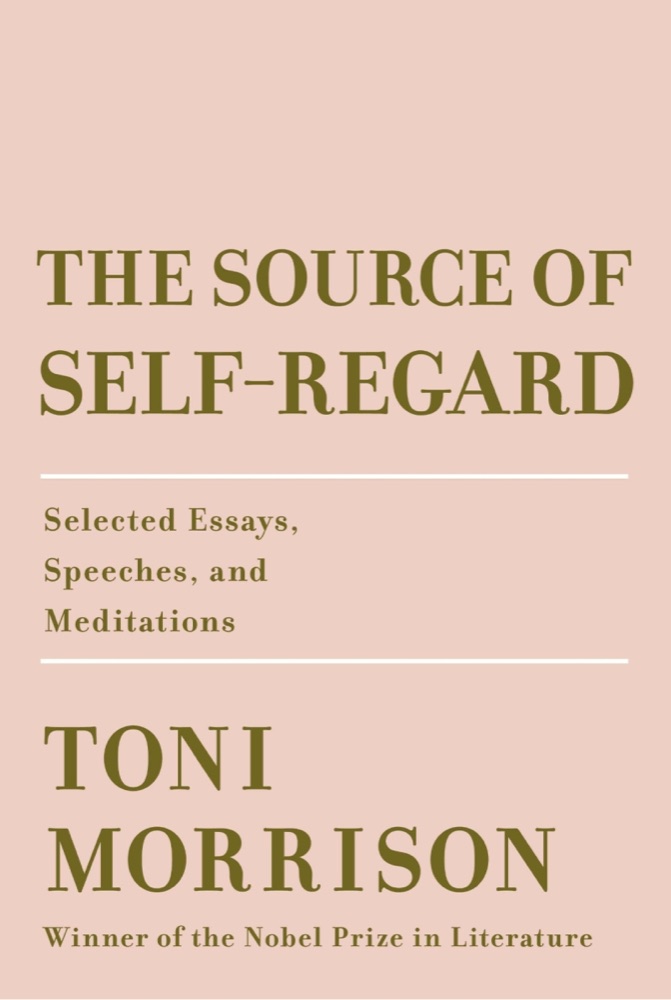 The Source of Self-Regard: Selected Essays, Speeches, and Meditations
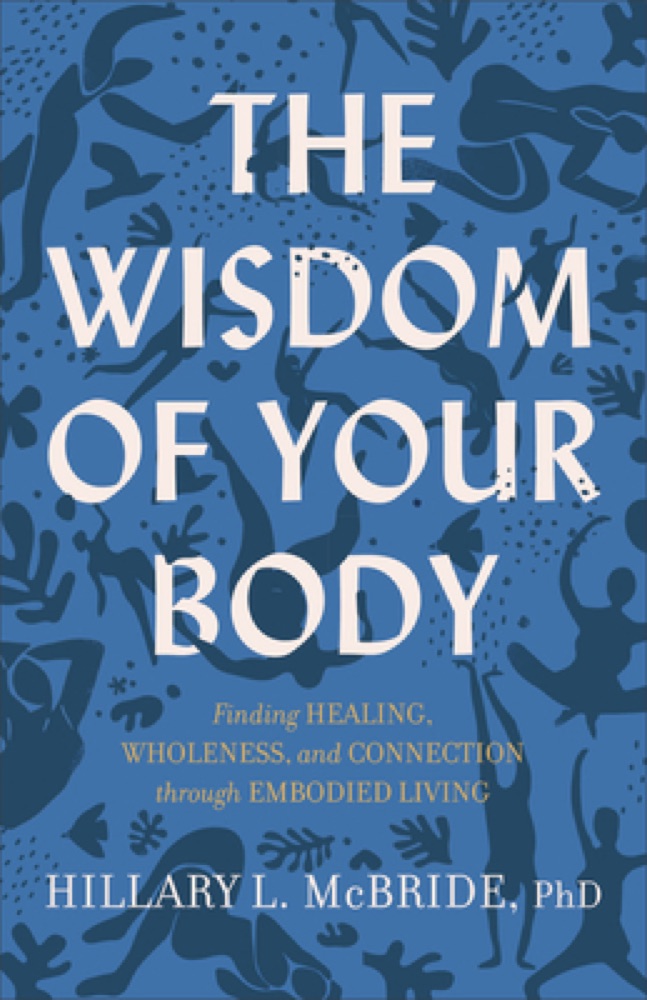 The Wisdom of Your Body: Finding Healing, Wholeness, and Connection through Embodied Living
 How to Stay Sane in an Age of Division
 We Are the Luckiest: The Surprising Magic of a Sober Life
 When Things Fall Apart: Heart Advice for Difficult Times
 Skin: Talking About Sex, Class And Literature
 The Argonauts
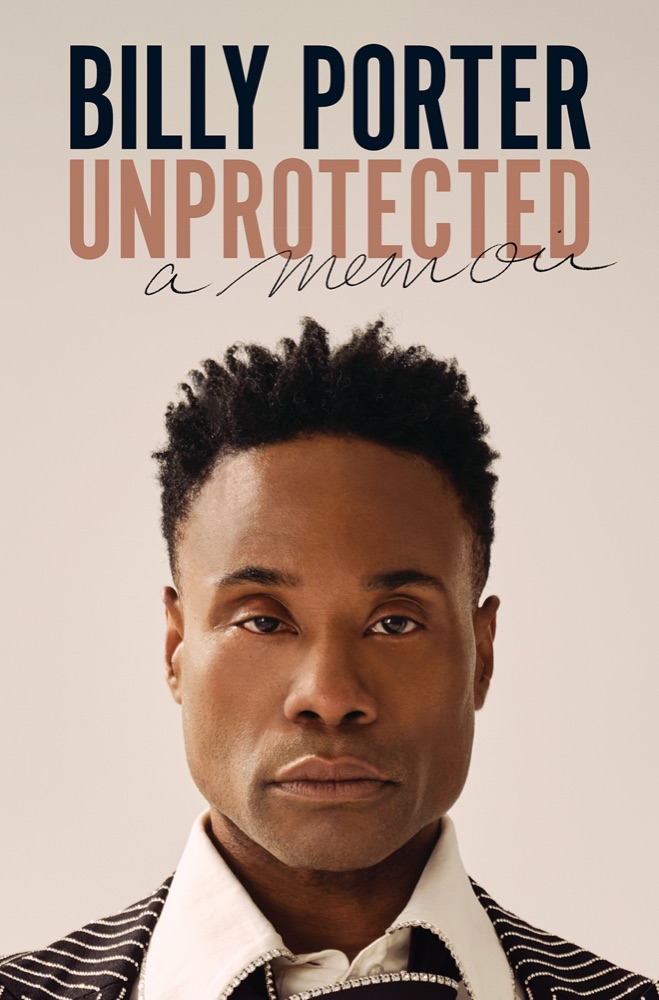 Unprotected: A Memoir
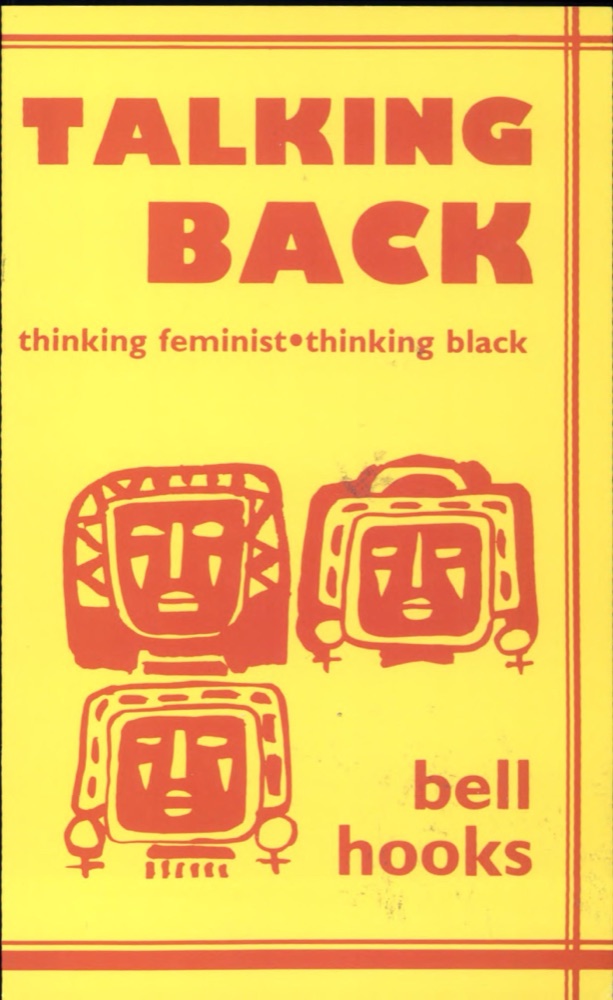 Talking Back: Thinking Feminist, Thinking Black
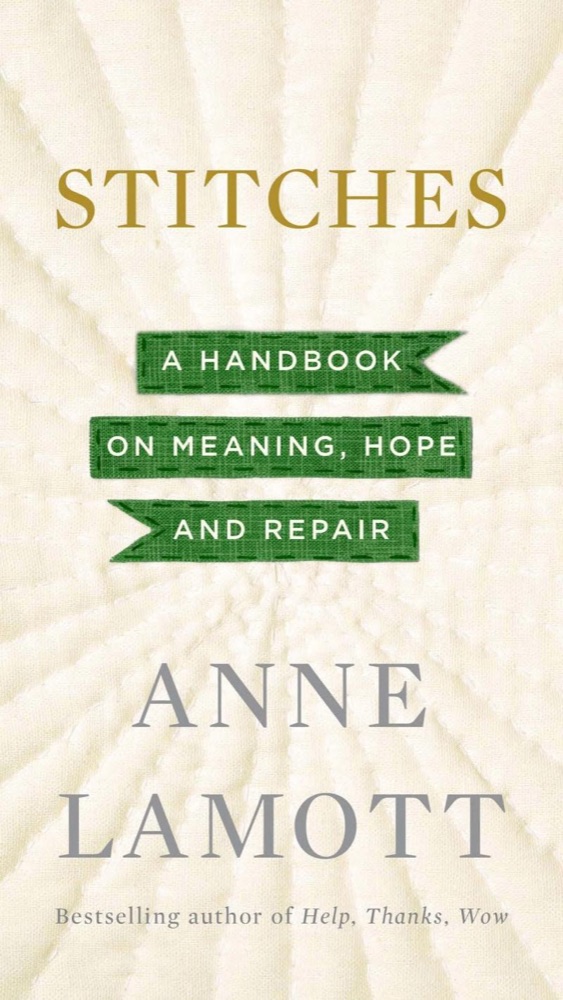 Stitches: A Handbook on Meaning, Hope, and Repair
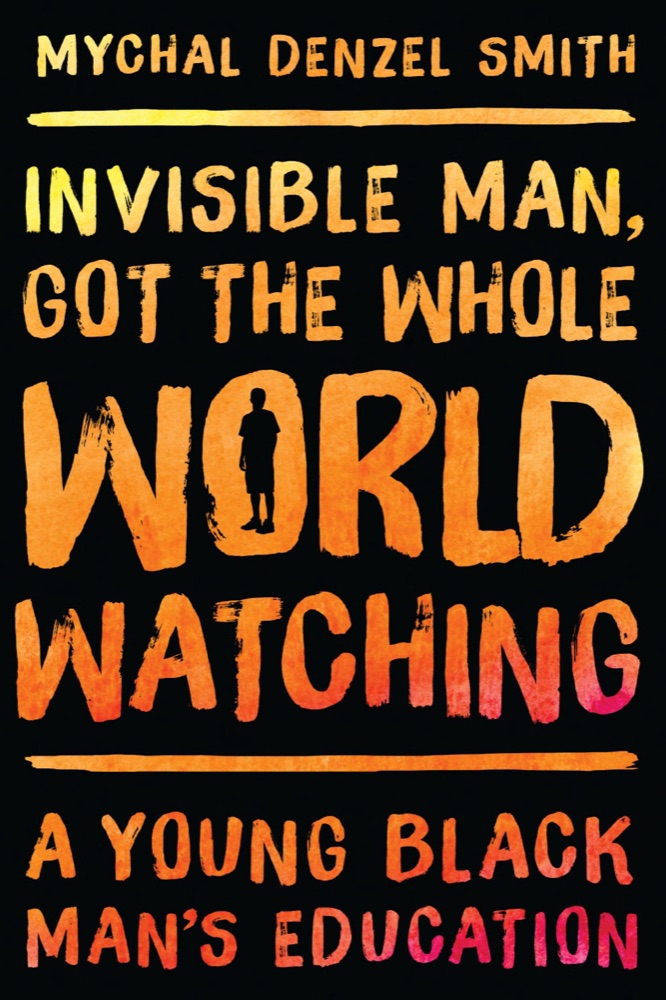 Invisible Man, Got the Whole World Watching: A Young Black Man's Education
 The House of Hidden Meanings
 Changes That Heal: How to Understand the Past to Ensure a Healthier Future
 Born a Crime: Stories From a South African Childhood
 Belonging: Remembering Ourselves Home
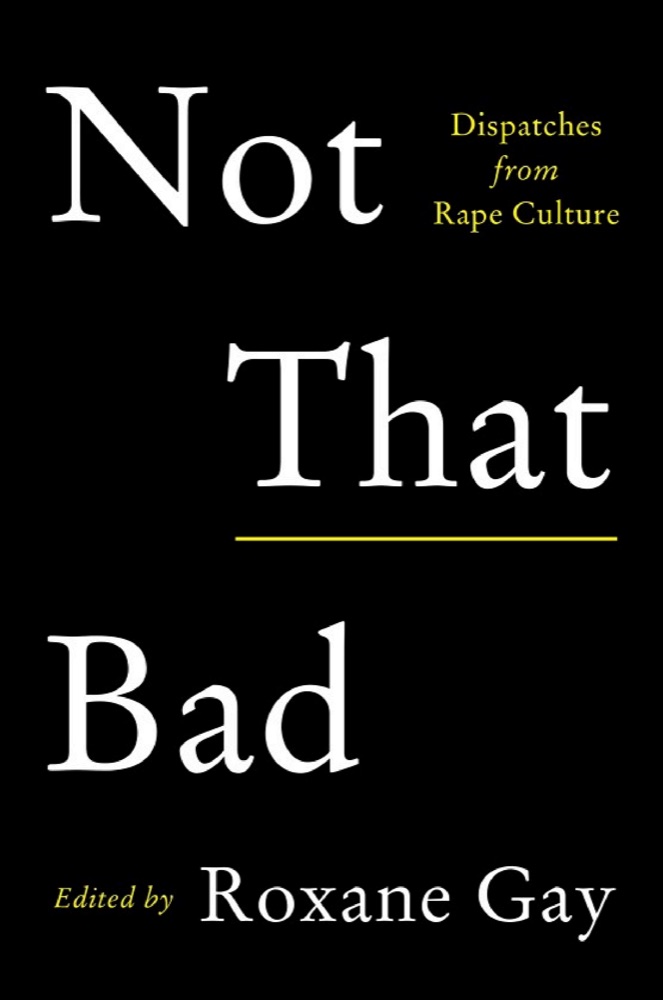 Not That Bad: Dispatches from Rape Culture
 Over the Top: A Raw Journey to Self-Love
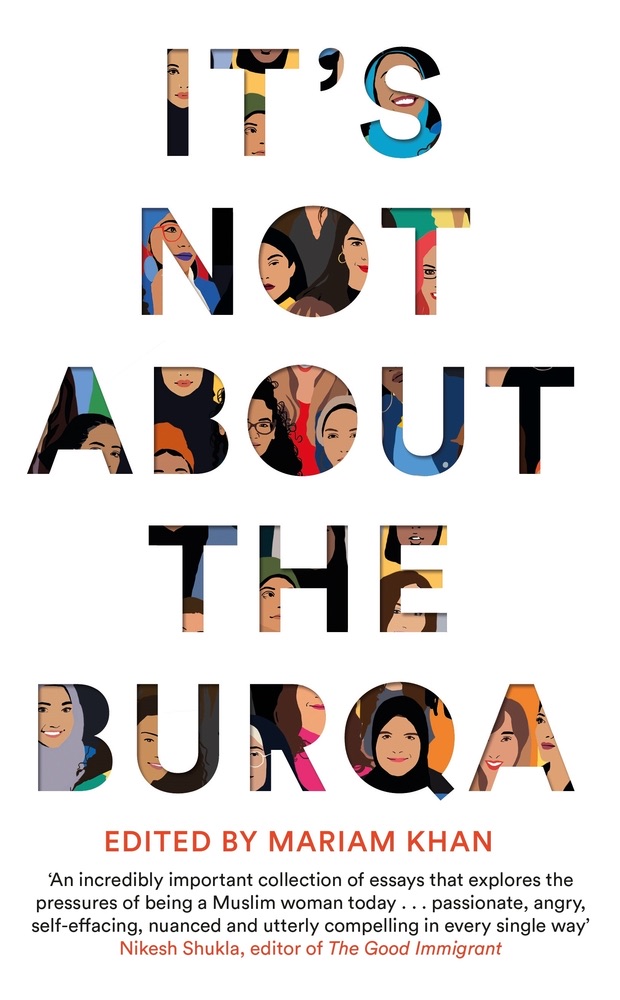 It's Not About the Burqa
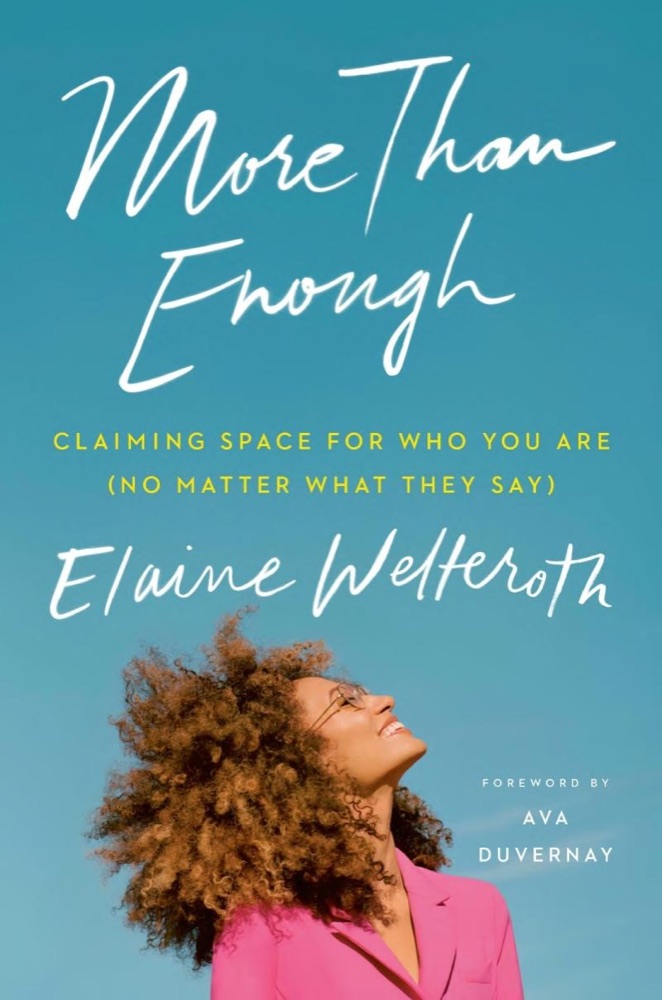 More Than Enough: Claiming Space for Who You Are
Unbound: My Story of Liberation and the Birth of the Me Too Movement
More Than Enough: Claiming Space for Who You Are
Unbound: My Story of Liberation and the Birth of the Me Too Movement
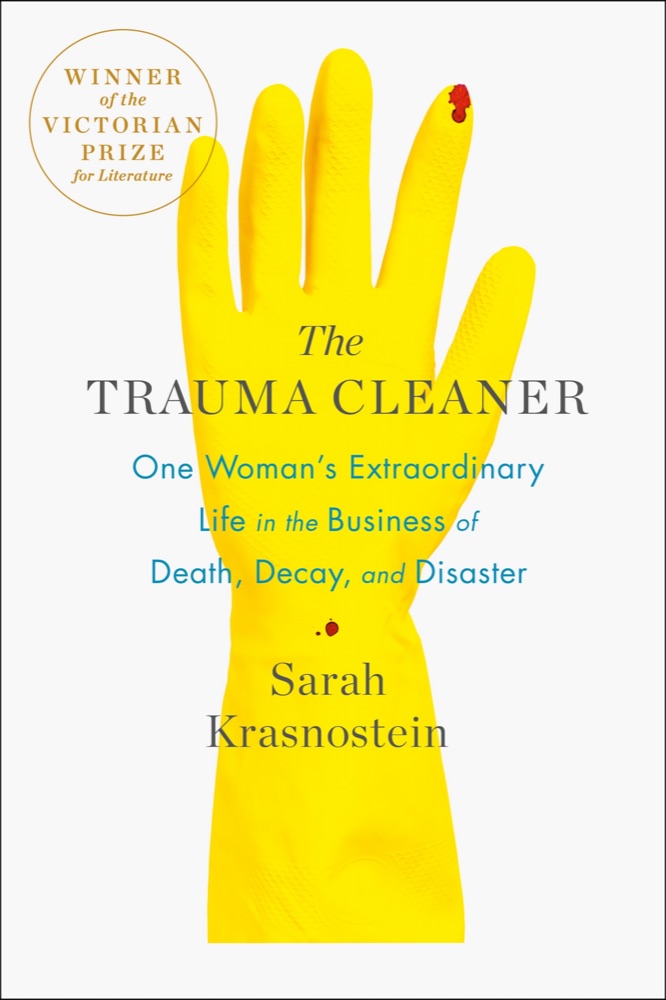 The Trauma Cleaner: One Woman's Extraordinary Life in the Business of Death, Decay, and Disaster