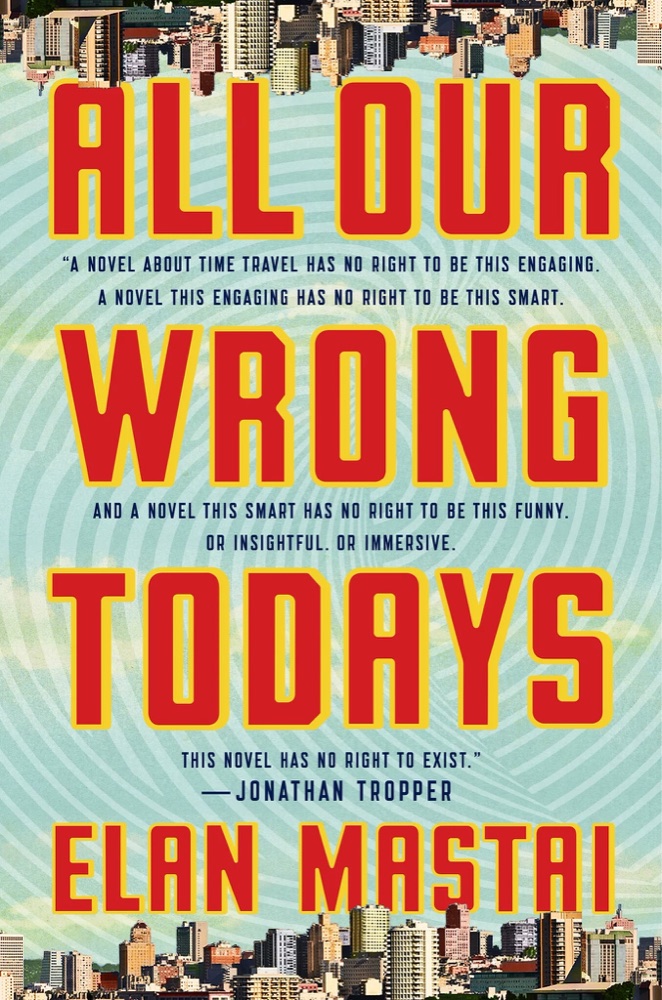

 The Humans
Quotes from the Book
There's no such thing as the life you're supposed to have.
43
People talk about grief as emptiness, but it's not empty. It's full. Heavy. Not an absence to fill. A weight to pull. Your skin caught on hooks chained to rough boulders made of all the futures you thought you'd have.
41
The problem with knowing people too well is that their words stop meaning anything and their silences start meaning everything.
40
I remember, as a kid, when I first understood that only half of every tree is visible, that the roots in the soil are equal to the branches in the sky, that a whole other half is underground. It took me a lot longer, well into adulthood, to realize people are like that too.
25
That's all science is. A collection of the best answers we have right now. It's always open to revision. Yesterday's fact is today's question and tomorrow has an answer we don't know yet.
25
That's what love can do for you if you let it: build a person out of all your broken pieces. It doesn't matter if the stitches show. The stitches, the scars just prove you earned it.
23
This is how you discover who someone is. Not the success. Not the result. The struggle. The part between the beginning and the ending that is the truth of life.
19
My mom once told me that's the secret of life. We all think we're frauds. Everybody's winging it.
19
Life is defined mostly by how you handle failure.
14
Every person you meet introduces the accident of that person to you. What can go right and what can go wrong. There is no intimacy without consequence. Which
9
When you invent the car, you also invent the car accident. When you invent the plane, you also invent the plane crash.
8
When you jump off a cliff, falling can look a whole lot like flying, for a while anyway.
8
Where I come from, nobody reads novels unless they're like my mother-- fetishizing the artistic media of a bygone era, probably because it was the last time she was happy. But regular people don't read books there. That quasi- telepathic pact between author and reader held little interest for a general audience. Because the dominant storytelling medium of my world involved the seamless integration of an individual's subconscious wiring into the narrative, evoking deep personal wonder and terror, familiarity and delight, yearning and fury, and a triggering catharsis so spellbinding and essential that the idea of sitting down to page through a novel that's not even intended to be about the secret box inside your mind-- why would anyone want to do that for, like, fun? Unless, of course, you were constitutionally inclined to sublimate yourself to a stronger personality, in which case reading a book where every word is fixed in place by the deliberate choices of a controlling vision, surrendering agency over your own imagination to a stranger you'll likely never meet, is some sort of masochistic pleasure.
8
Bland friendliness is easier than spending even one joule of energy formulating an opinion on someone fundamentally irrelevant to you.
7
When you’re young, you think of your parents with the simplest adjectives. As you get older, you add more adjectives and notice some of them contradict each other.
7
What if every creative idea that someone has is unconsciously borrowed from that person's experiences in another reality? Maybe all ideas are plagiarized without us knowing it, because they come to us through some cryptic and unprovable reality slippage?
6
I want there to be nothing in me that isn't light and pure and good. But of course that's not real. That's what happens when you're a statue in a city square, stripped of any human adornment that can't be cast in bronze.
6
When someone dies they get very cold and very still. That probably sounds obvious, but when it’s your mother it doesn’t feel obvious—it feels shocking. You watch, winded and reeling, as the medical technicians neutralize the stasis field and power down the synthetic organ metabolizer. But the sentimental gesture of kissing her forehead makes you recoil because the moment your lips touch her skin you realize just how cold and just how still she is, just how permanent that coldness and that stillness feel. Your body lurches like it’s been plunged into boiling water and for the first time in your life you understand death as a biological state, an organism ceasing to function. Unless you’ve touched a corpse before, you can’t comprehend the visceral wrongness of inert flesh wrapped around an inanimate object that wears your mother’s face. You feel sick with guilt and regret and sadness about inconsequential anecdote. You can’t remember anything thoughtful or sweet or tender that you ever did even though logically you know you must have. All you can recall is how often you were small and petty and false. She was your mother and she loved you in a way nobody ever has and nobody ever will and now she’s gone.
5
Lionel Goettreider read Cats Cradle and had a crucial realization, what he called the "Accident" - when you invent a new technology you also invent the accident of that technology. When you invent the car, you also invent the car accident. [............] The Accident doesn't just apply to technology, it also applies to people. Every person you meet introduces the accident of that person to you. What can go right and what can go wrong. There is no intimacy without consequence.
5
We must suffer fools gladly, otherwise how can we help them stop being fools?
5
Is there a word for a thing you know you absolutely shouldn’t do, that would be wrong in every way that matters to you, but that you’re pretty sure you’re going to do anyway? Or is that just—human? I
4
Is it possible to think outside the box of your ideology? Or is ideology the box and you just have to work at opening it?
3
You keep working. You keep trying. You keep failing. Until one day in the distant future, that for me is the distant past, the failure ends. That’s all success feels like. It’s not triumphant. It’s not glorious. It’s just a relief. You finally stopped failing.
3
The truth is, there are no alternate realities. At least not the way Penny describes them. Maybe an infinite multiverse is born from every action, whether it’s two atoms colliding or two people. Maybe reality is constantly fluctuating around us, but our senses aren’t equipped to detect those quantum variations. Maybe that’s what our senses are, an ungainly organic sieve through which the chaos of existence is filtered into something manageable enough that you can get out of bed in the morning . Maybe the totality of what we perceive with our senses is as clumsy a portrait of reality as a child’s chalk drawing on a sidewalk compared to the face of the woman you’re already falling in love with lying next to you in a mess of sheets and blankets, her lips still pursed as they pull away from your mouth.
3
You got a little bit famous. Even a little bit of fame can mess with your head. It’s a cognitive disease, you know, fame? It used to only be for royalty and we know what they’re like. I’m not much of a Freudian, but something about fame makes the id and the superego devour the ego like anacondas in a cage, right before they cannibalize each other. Fame warps your identity, metastasizes your anxieties, and hollows you out like a jack-o’-lantern. It’s sparkly pixie dust that burns whatever it touches like acid.
3
Greta abides by the reasonable philosophy that there is nothing in the universe more boring than someone else's dreams.
3
Most of life is defined by how you handle failure.
2
I believe in questions and the best answer we have right now. That's all science is. A collection of the best answers we have right now. It's always open to revision. Yesterday's fact is today's question and tomorrow has an answer we don't know yet.
2
You believe what you do.
2
We imagine all these postapocalyptic, class-stratified, new-world-order techno-futures. But actually the real world, the world we live in, this is the dystopia.
2
Watch on YouTube
About Elan Mastai
We have collected 30 quotes from 1 book by Elan Mastai on BookQuoters.
More about the author →About the book
You know the future that people in the 1950s imagined we'd have? Well, it happened. In Tom Barren's 2016, humanity thrives in a techno-utopian paradise of flying cars, moving sidewalks, and moon bases, where avocados never go bad and punk rock never existed . . . because it wasn't necessary. Except Tom just can't seem to find his place in this dazzling, idealistic world, and that's before his life gets turned upside down. Utterly blindsided by an accident of fate, Tom makes a rash decision that drastically changes not only his own life but the very fabric of the universe itself. In a time-travel mishap, Tom finds himself stranded in our 2016, what we think of as the real world. For Tom, our normal reality seems like a dystopian wasteland. But when he discovers wonderfully unexpected versions of his family, his career, and—maybe, just maybe—his soul mate, Tom has a decision to make. Does
Book details
- First published
- 2017
- Author
- Elan Mastai
- Genre
- Science Fiction
- Goodreads rating
- 3.75 (30k ratings)
The buzz
- The Washington PostReview in The Washington Postprofessional review (via Book Marks)
- The Wall Street JournalReview in The Wall Street Journalprofessional review (via Book Marks)
- Toronto StarReview in Toronto Starprofessional review (via Book Marks)
- UsatodayReview in Usatodayprofessional review (via Book Marks)
- DallasnewsReview in Dallasnewsprofessional review (via Book Marks)
- EwReview in Ewprofessional review (via Book Marks)
Keep reading
The Humans
 Player One: What Is to Become of Us
 Even Cowgirls Get the Blues
 Kafka on the Shore
 The Future
 Nutshell
 The Universe Versus Alex Woods
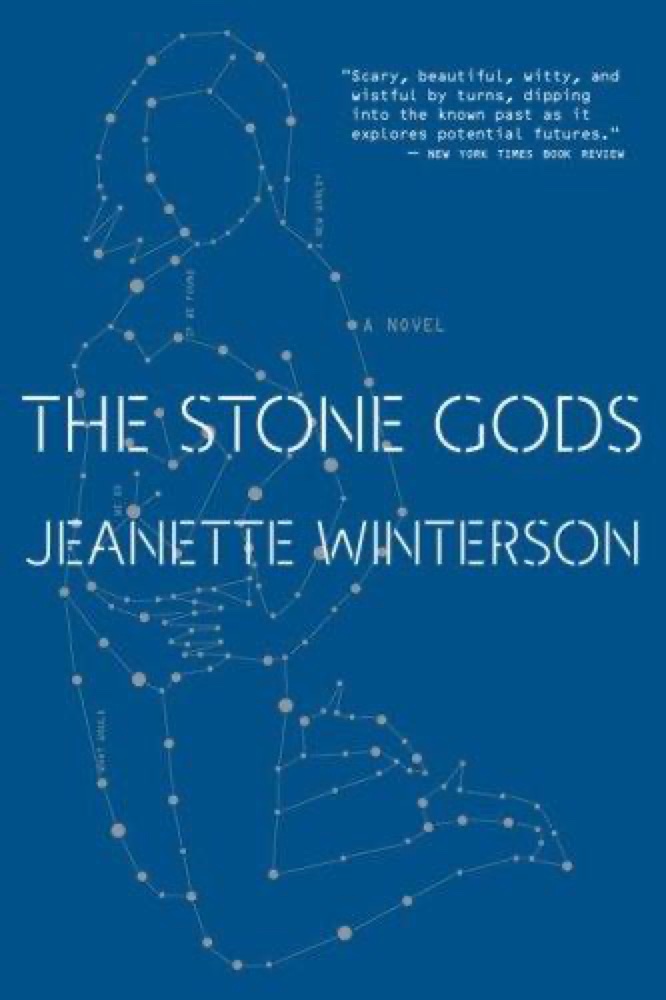 The Stone Gods
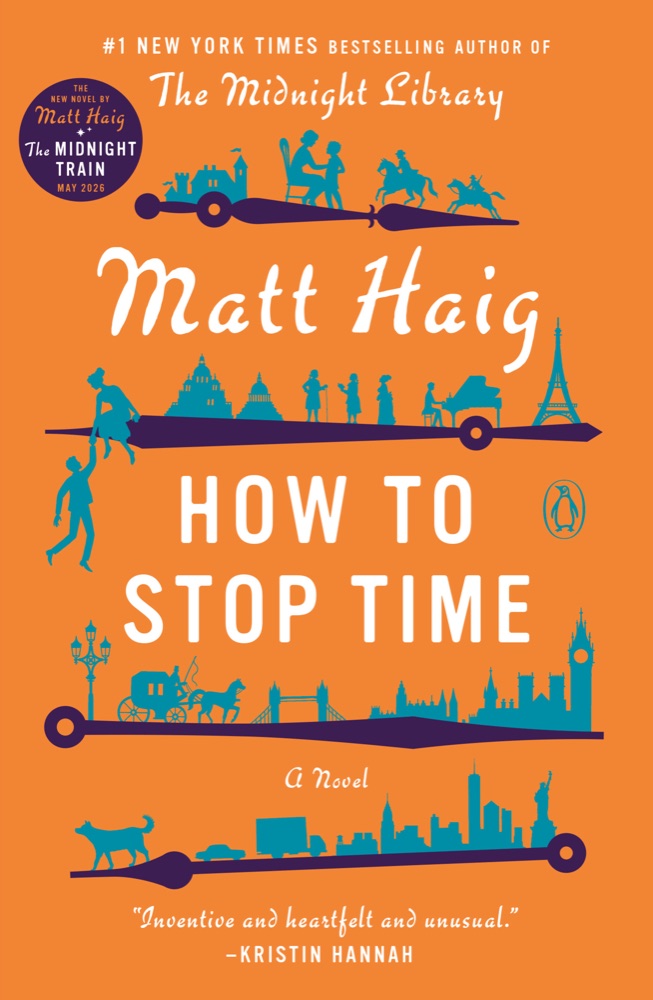 How to Stop Time
 Infinite Jest
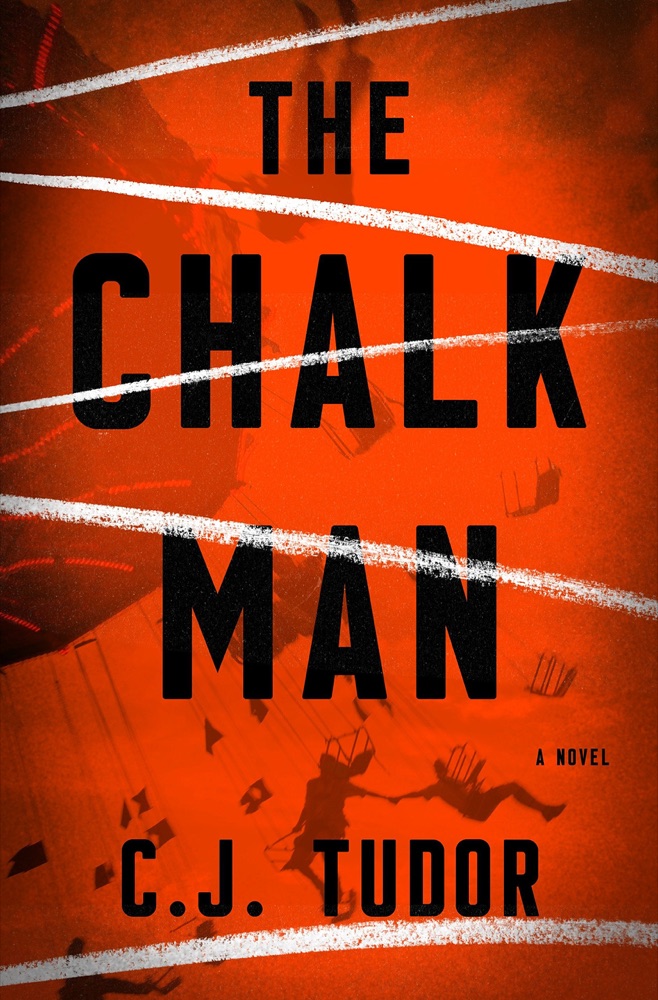 The Chalk Man
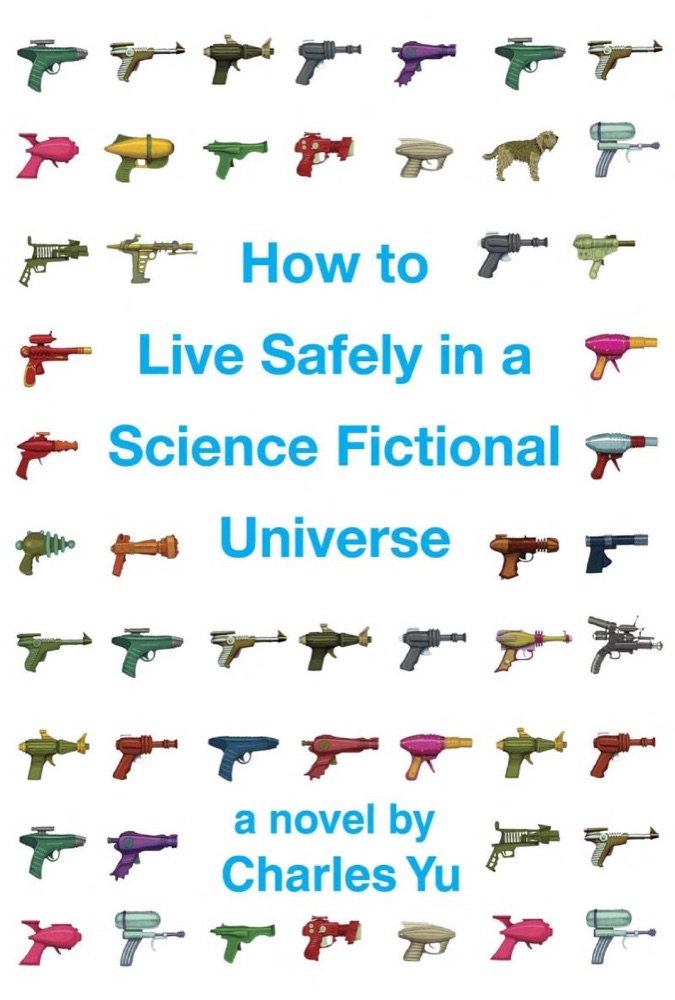 How to Live Safely in a Science Fictional Universe
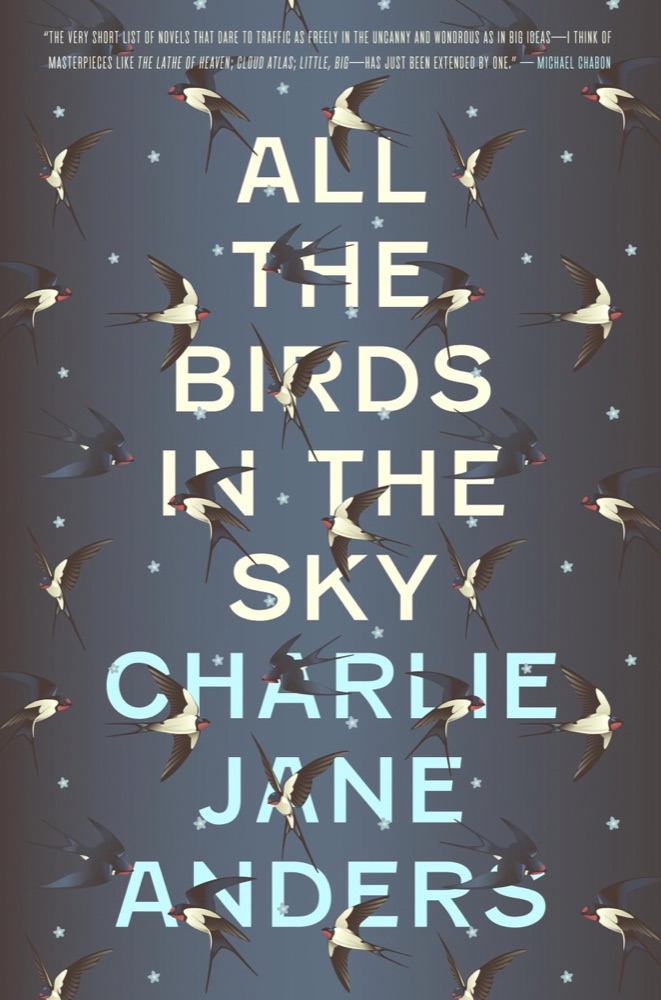 All the Birds in the Sky
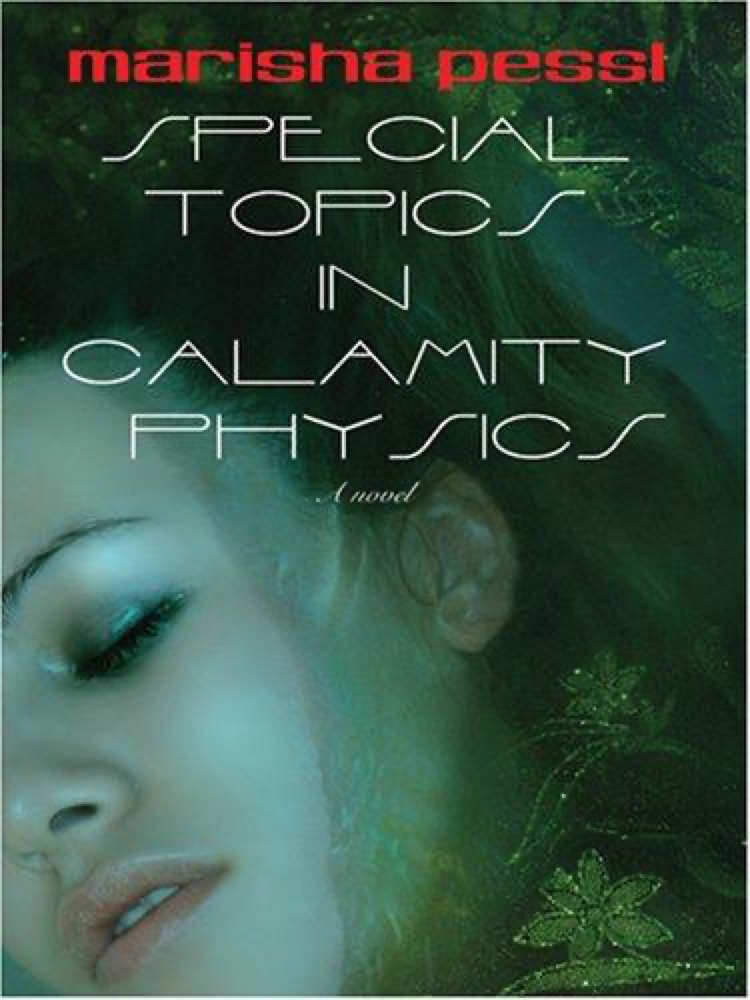 Special Topics in Calamity Physics
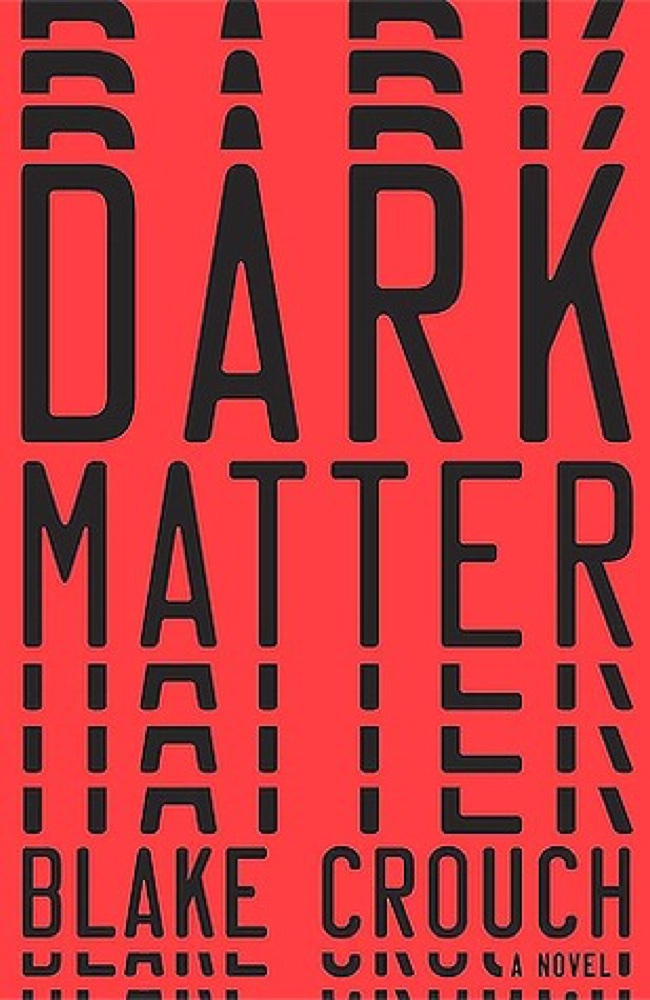 Dark Matter
 Drive Your Plow Over the Bones of the Dead
 Hard-Boiled Wonderland and the End of the World
 Half Asleep in Frog Pajamas
 Eating the Dinosaur
 Ripe
Ripe
 Girlfriend in a Coma
 Asymmetry
 Gnomon
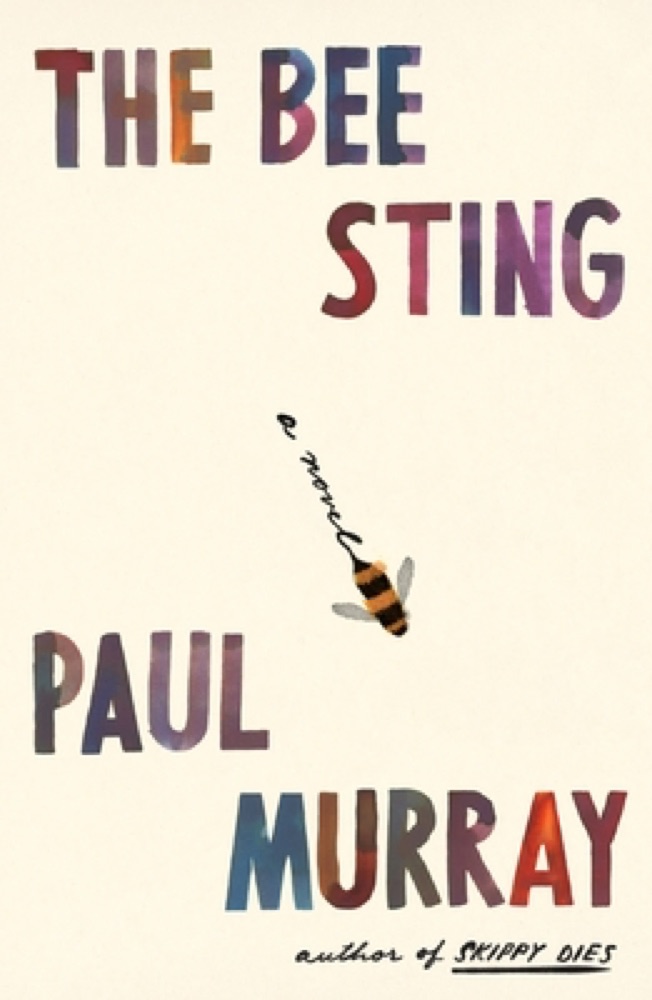 The Bee Sting
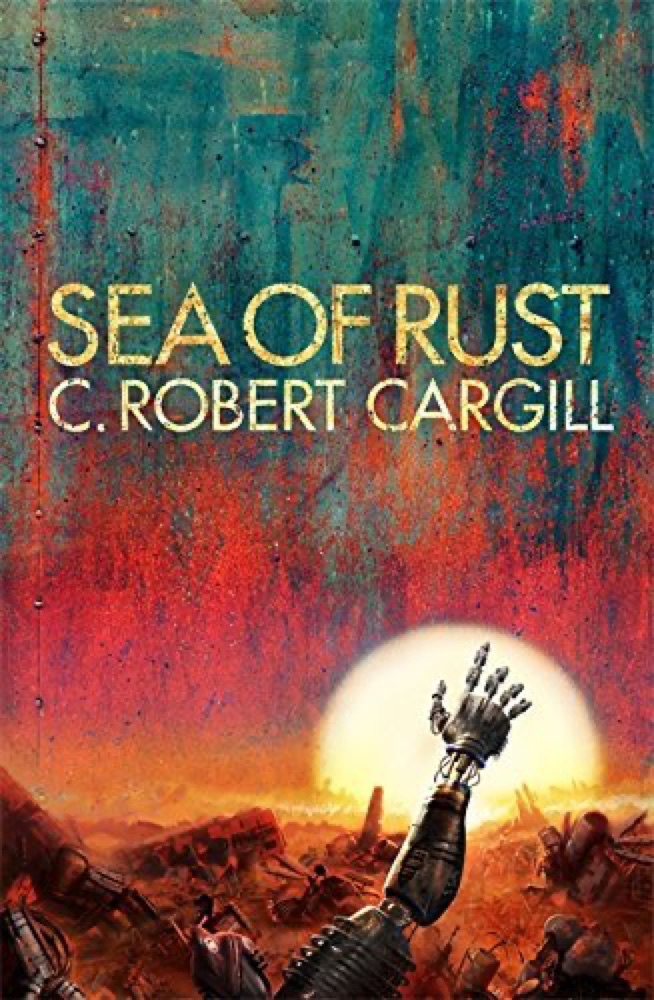 Sea of Rust
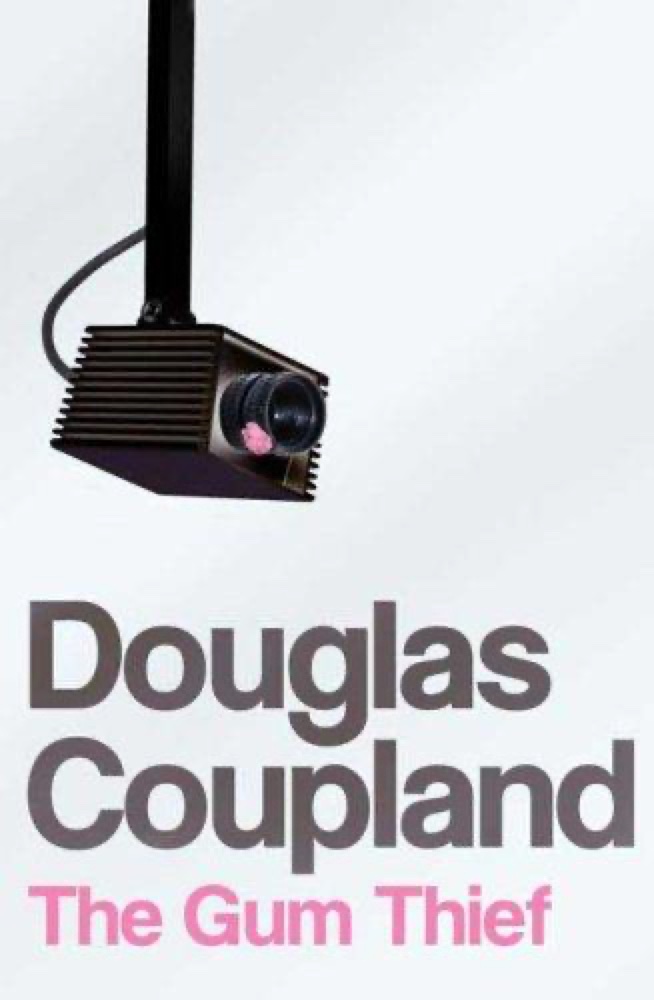 The Gum Thief
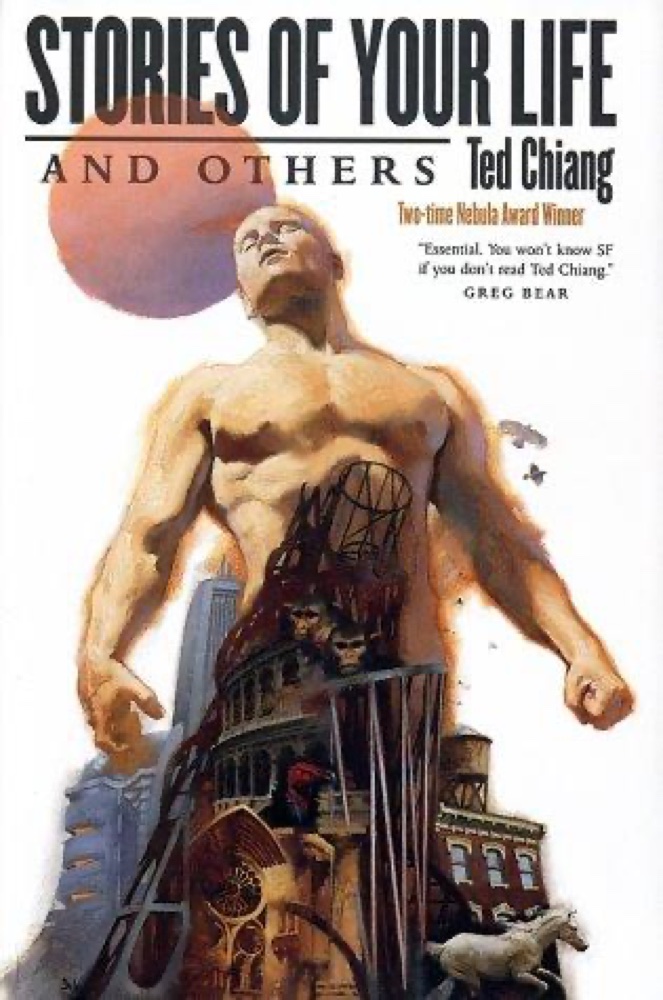 Stories of Your Life and Others
 The City in the Middle of the Night
 The Apocalypse of Elena Mendoza
 These Precious Days: Essays
 Foucault's Pendulum
 The Nix
 Sex, Drugs, and Cocoa Puffs: A Low Culture Manifesto
 The Sun Is Also a Star
 The Fifth Science
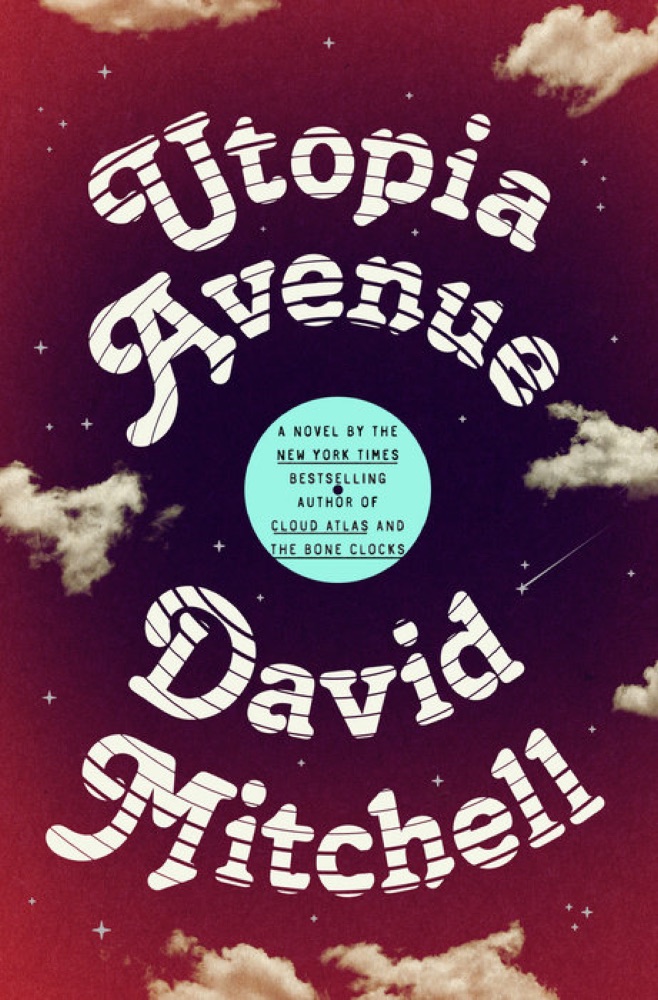 Utopia Avenue
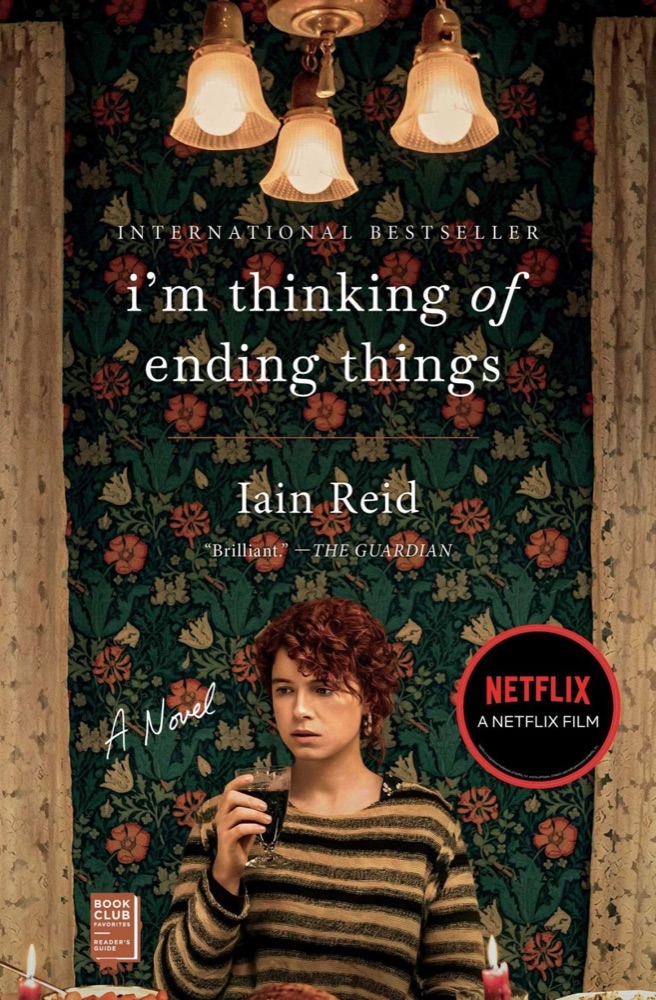 I'm Thinking of Ending Things
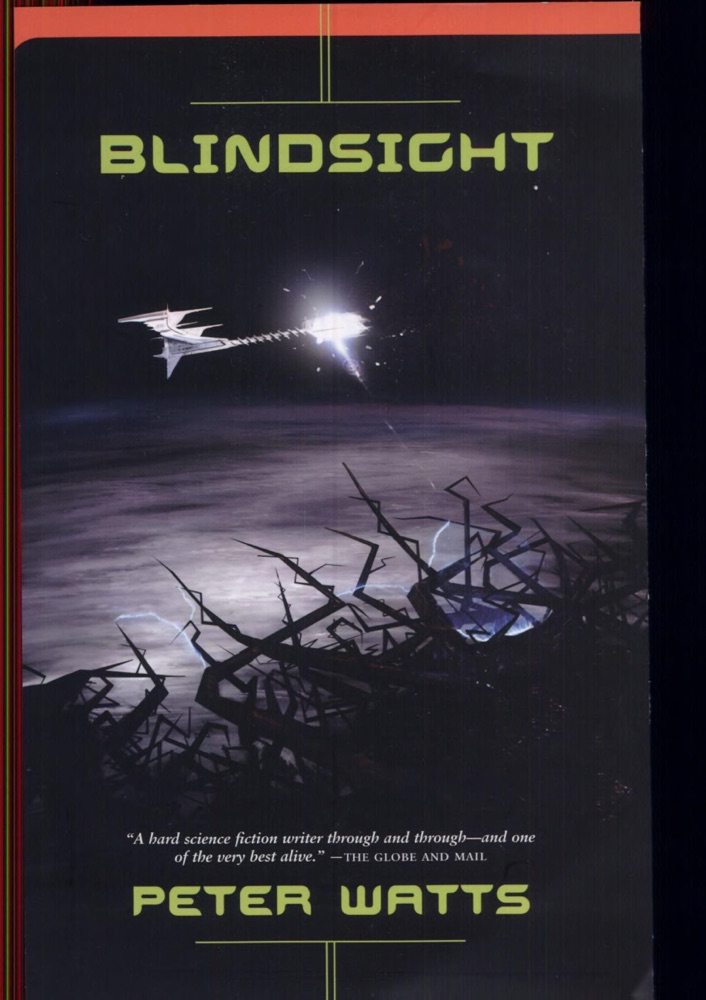 Blindsight
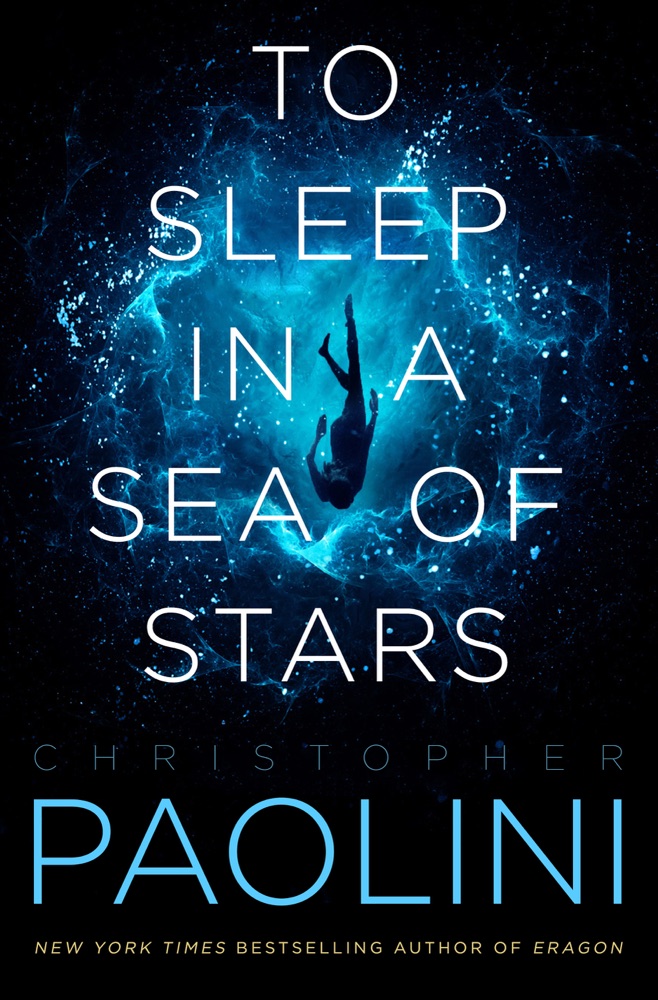 To Sleep in a Sea of Stars
 The Shock of the Fall
 Children of the Mind
 We Are All Completely Beside Ourselves
 Mostly Void, Partially Stars
 The Book of Tomorrow
 Choke
Choke
 The Handmaid's Tale
 A Room Called Earth
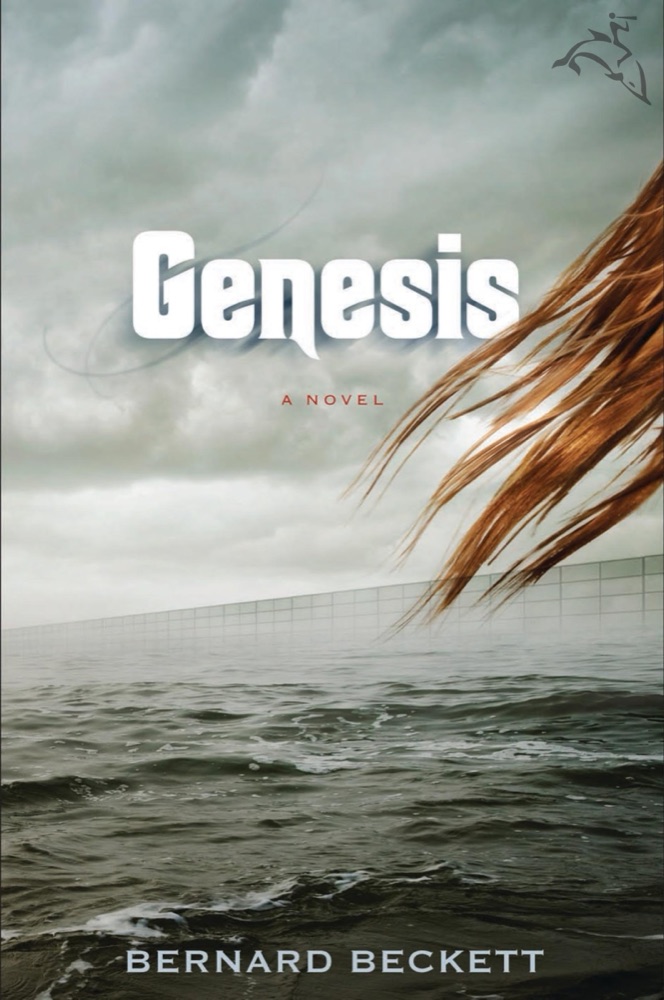 Genesis
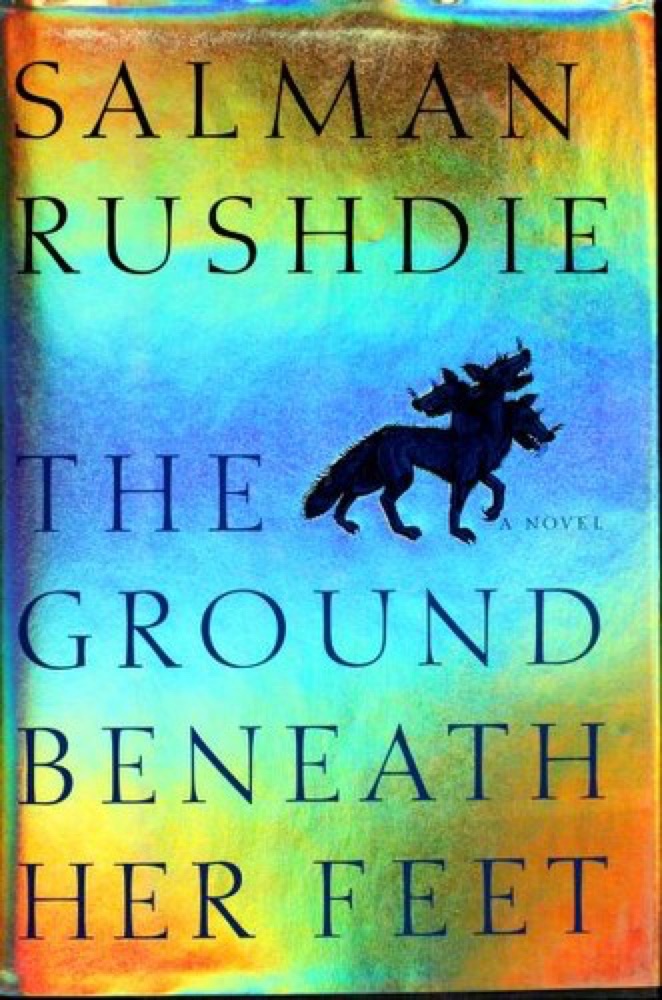 The Ground Beneath Her Feet
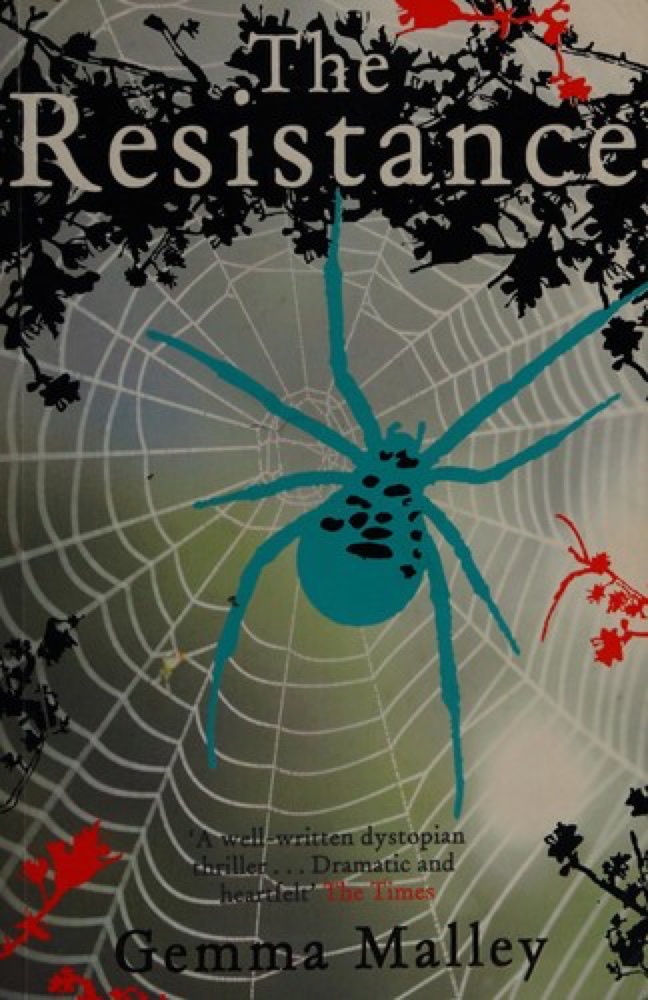 The Resistance
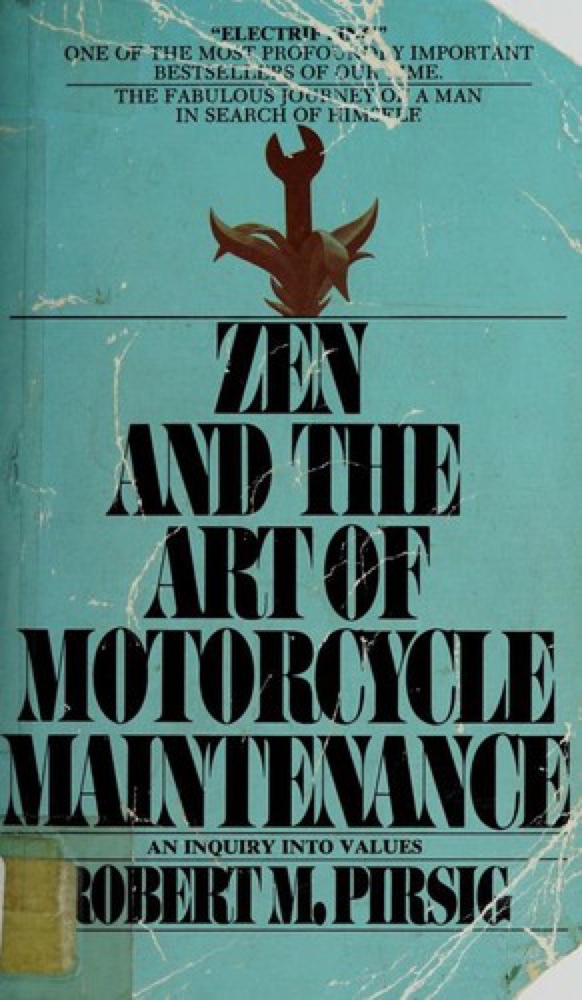 Zen and the Art of Motorcycle Maintenance
 One
One
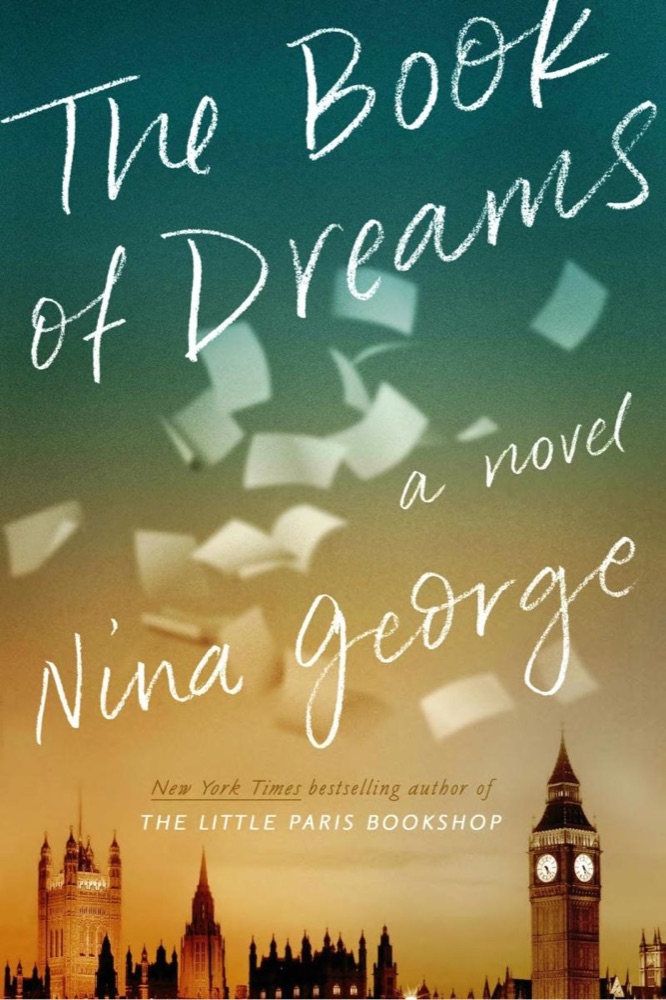 The Book of Dreams
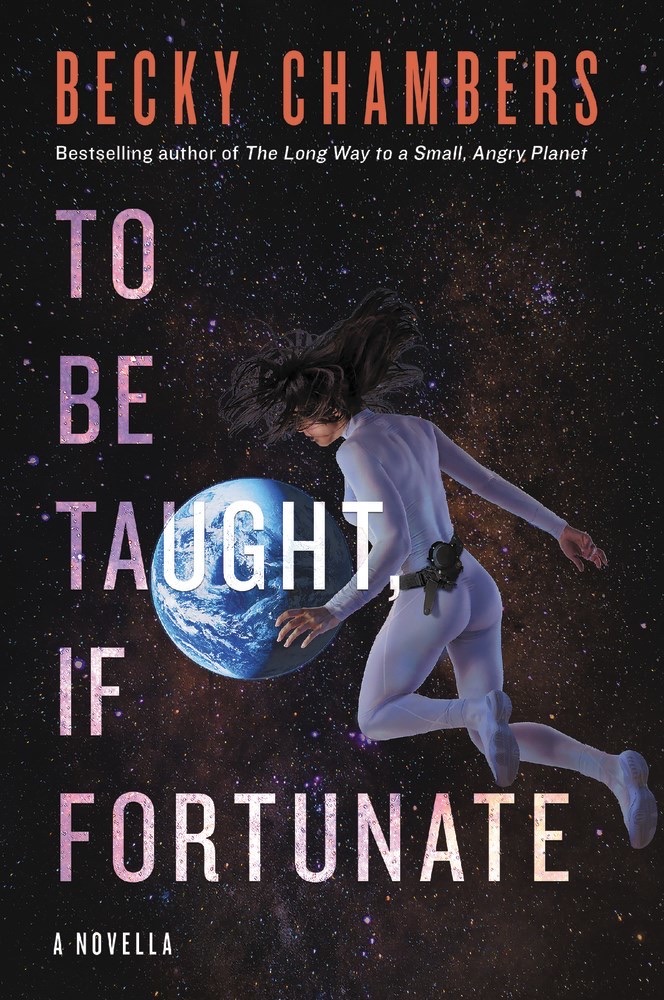 To Be Taught, If Fortunate
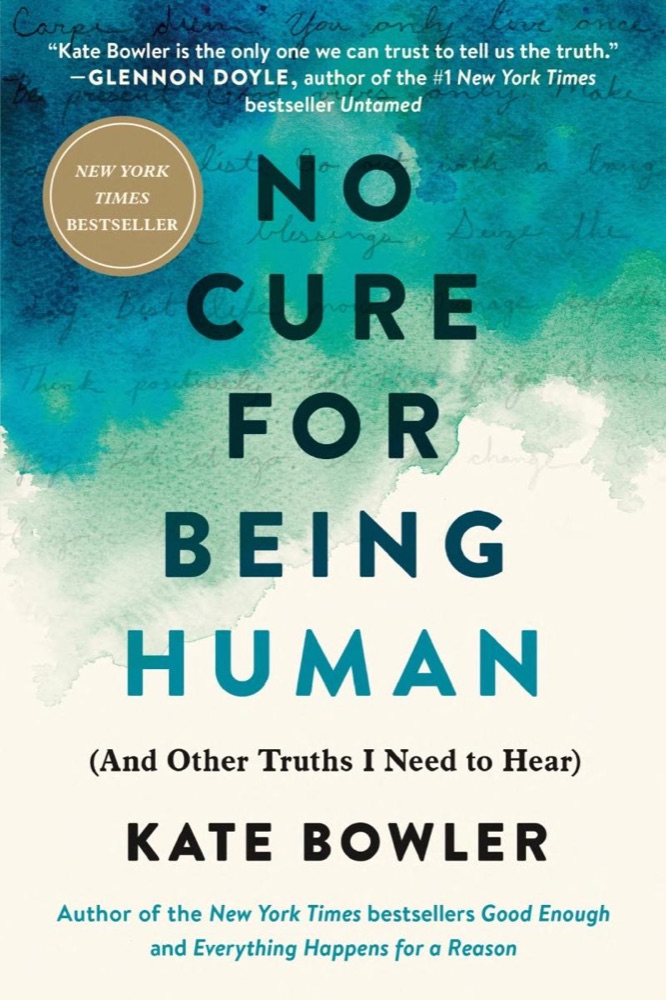 No Cure for Being Human: And Other Truths I Need to Hear
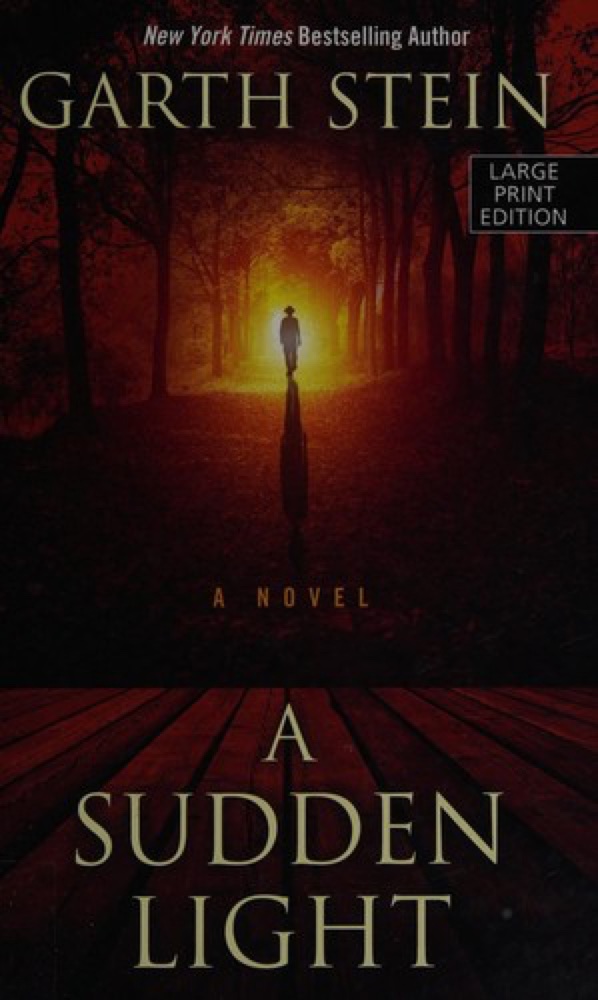 A Sudden Light
 Turtles All the Way Down
 A Work in Progress