
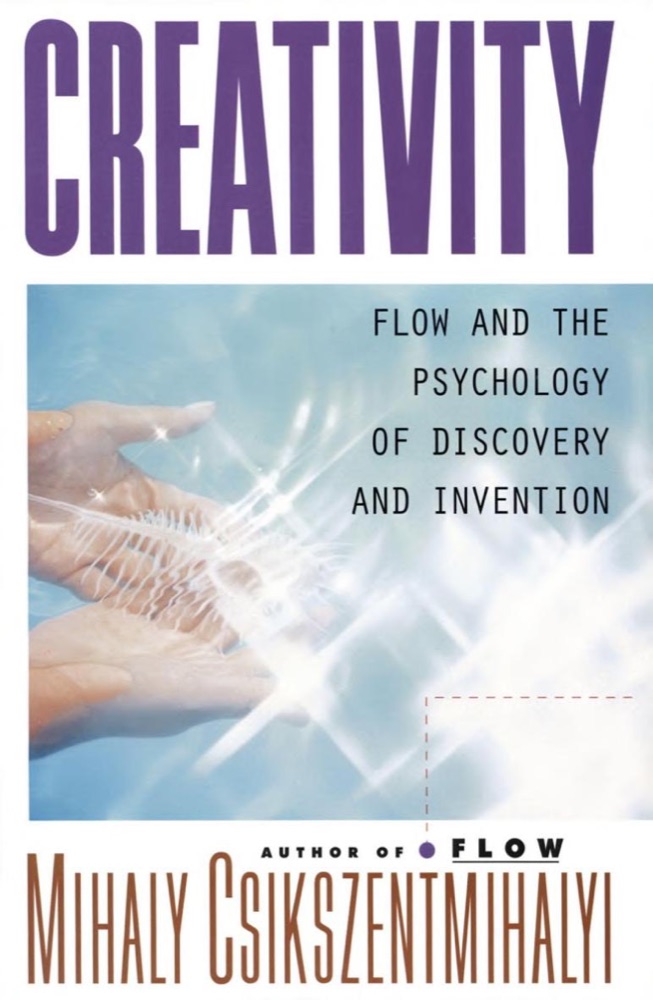
 Creativity: Flow and the Psychology of Discovery and Invention
Quotes from the Book
If you are interested in something, you will focus on it, and if you focus attention on anything, it is likely that you will become interested in it. Many of the things we find interesting are not so by nature, but because we took the trouble of paying attention to them.
202
If one has failed to develop curiosity and interest in the early years, it is a good idea to acquire them now, before it is too late to improve the quality of life. To do so is fairly easy in principle, but more difficult in practice. Yet it is sure worth trying. The first step is to develop the habit of doing whatever needs to be done with concentrated attention, with skill rather than inertia. Even the most routine tasks, like washing dishes, dressing, or mowing the lawn become more rewarding if we approach them with the care it would take to make a work of art. The next step is to transfer some psychic energy each day from tasks that we don’t like doing, or from passive leisure, into something we never did before, or something we enjoy doing but don’t do often enough because it seems too much trouble. There are literally millions of potentially interesting things in the world to see, to do, to learn about. But they don’t become actually interesting until we devote attention to them.
87
It is how we choose what we do, and how we approach it, that will determine whether the sum of our days adds up to a formless blur, or to something resembling a work of art.
31
These examples suggest what one needs to learn to control attention. In principle any skill or discipline one can master on one’s own will serve: meditation and prayer if one is so inclined; exercise, aerobics, martial arts for those who prefer concentrating on physical skills. Any specialization or expertise that one finds enjoyable and where one can improve one’s knowledge over time. The important thing, however, is the attitude toward these disciplines. If one prays in order to be holy, or exercises to develop strong pectoral muscles, or learns to be knowledgeable, then a great deal of the benefit is lost. The important thing is to enjoy the activity for its own sake, and to know that what matters is not the result, but the control one is acquiring over one’s attention.
29
Socializing is more positive than being alone, that’s why meetings are so popular. People don’t like being alone. That would be, however, an important skill to learn...
24
But shortcuts are dangerous; we cannot delude ourselves that our knowledge is further along than it actually is.
13
it was found that the more often people report reading books, the more flow experiences they claim to have, while the opposite trend was found for watching television.
12
One cannot lead a life that is truly excellent without feeling that one belongs to something greater and more permanent than oneself.
10
The roots of interpersonal conflict are often an excessive concern for oneself, and an inability to pay attention to the needs of others. It is sad to see how often people ruin a relationship because they refuse to recognize that they could serve their own interests best by helping others achieve theirs.
8
The quality of life does not depend on happiness alone, but also on what one does to be happy. If one fails to develop goals that give meaning to one's existence, if one does not use the mind to its fullest, then good feelings fulfill just a fraction of the potential we possess. A person who achieves contentment by withdrawing from the world to "cultivate his own garden," like Voltaire's Candide, cannot be said to lead an excellent life. Without dreams, without risks, only a trivial semblance of living can be achieved.
6
To pursue mental operations to any depth, a person has to learn to concentrate attention. Without focus, consciousness is in a state of chaos.
5
When the lifestyle of a social group becomes obsolete, when work turns into a boring routine and community responsibilities lose their meaning, it is likely that leisure will become increasingly more important. And if a society becomes too dependent on entertainment, it is likely that there will be less psychic energy left to cope creatively with the technological and economic challenges that will inevitably arise.
4
Even if we don't want to admit it, the ability to overcome most obstacles is within our hands. We can't blame family, society, or history if our work is meaningless, dull, or stressful. Admittedly, there are not too many options when we realize that our job is useless, or actually harmful. Perhaps the only choice is to quit as quickly as possible, even at the cost of severe financial hardship. In terms of the bottom line of one's life, it is always a better deal to do something one feels good about than something that may make us materially comfortable but emotionally miserable. Such decisions are notoriously difficult, and require great honesty with oneself.
4
To live means to experience-through doing, feeling, thinking. Experience takes place in time, so time is the ultimate scarce resource we have. Over the years, the content of experience will determine the quality of life. Therefore one of the most essential decisions any of us can make is about how one's time is allocated or invested.
4
For better or for worse, at this time science is still the most trustworthy mirror of reality, and we ignore it only at our peril.
4
Luckily, the world is absolutely full of interesting things to do. Only lack of imagination, or lack of energy, stand in the way. Otherwise each of us could be a poet or musician, an inventor or explorer, an amateur scholar, scientist, artist, or collector.
3
If everything was determined by the common human condition, by social and cultural categories, and by chance, it would be useless to reflect on ways to make one's life excellent. Fortunately there is enough room for personal initiative and choice to make a real difference. And those who believe this are the ones with the best chance to break free from the grip of fate.
3
The only path to finding out what life is about is a patient, slow attempt to make sense of the realities of the past and the possibilities of the future as they can be understood in the present.
3
The sacred books of Judaism, Christianity, Islam, Buddhism, and the Veda are the best repositories of the ideas that mattered most to our ancestors, and to ignore them is an act of childish conceit. But it is equally naive to believe that whatever was written down in the past contains an absolute truth that lasts forever.
3
The best moments in our lives are not the passive, receptive, relaxing times. The best moments usually occur if a person's body or mind is stretched to its limits in a voluntary effort to accomplish something difficult and worthwhile.
2
All too often those who extol most loudly the virtues of selflessness turn out to be motivated by greed and ambition.
2
Much has been written about what makes families work. The consensus is that families that support the emotional well-being and growth of their members combine two almost opposite traits. They combine discipline with spontaneity, rules with freedom, high expectations with unstinting love.
2
As many a thinker since Aristotle has said, everything we do is ultimately aimed at experiencing happiness. We don't really want wealth, or health, or fame as such-we want these things because we hope that they will make us happy. But happiness we seek not because it will get us something else, but for its own sake.
2
according to the Greek philosophers, that we become truly human by devoting time to self-development-to learning, to the arts, to political activity. In fact the Greek term for leisure, scholea, is the root from which our word "school" comes from, since the idea was that the best use for leisure was to study.
2
You could say that I worked every minute of my life, or you could say with equal justice that I never worked a day.
1
the love of fate corresponds to a willingness to accept ownership of one's actions, whether these are spontaneous or imposed from the outside. It is this acceptance that leads to personal growth, and provides the feeling of serene enjoyment which removes the burden of entropy from everyday life.
1
Act always as if the future of the Universe depended on what you did, while laughing at yourself for thinking that whatever you do makes any difference.
1
If one prays in order to be holy, or exercises to develop strong pectoral muscles, or learns to be knowledgeable, then a great deal of the benefit is lost. The important thing is to enjoy the activity for its own sake, and to know that what matters is not the result, but the control one is acquiring over one's attention.
1
Watch on YouTube
About Mihály Csíkszentmihályi
We have collected 58 quotes from 2 books by Mihály Csíkszentmihályi on BookQuoters.
More about the author →More by Mihály Csíkszentmihályi
Creativity: Flow and the Psychology of Discovery and Invention
About the book
From the bestselling author of Flow and one of the pioneers of the scientific study of happiness, an indispensable guide to living your best life.
What makes a good life? Is it money? An important job? Leisure time? Mihaly Csikszentmihalyi believes our obsessive focus on such measures has led us astray. Work fills our days with anxiety and pressure, so that during our free time, we tend to live in boredom, absorbed by our screens.
What are we missing? To answer this question, Csikszentmihalyi studied thousands of people, and he found the key. People are happiest when they challenge themselves with tasks that demand a high degree of skill and commitment, and which are undertaken for their own sake. Instead of scrolling on your phone, play the piano. Take a routine chore and figure out how to do it better, faster, more efficiently. In short, learn the hidden power of complete engagement,
Book details
- First published
- 1995
- Author
- Mihály Csíkszentmihályi
- Genre
- Nonfiction
- Goodreads rating
- 3.90 (7k ratings)
Keep reading
 The Happiness Hypothesis: Finding Modern Truth in Ancient Wisdom
 Flow: The Psychology of Optimal Experience
Creativity: Flow and the Psychology of Discovery and Invention
Flow: The Psychology of Optimal Experience
Creativity: Flow and the Psychology of Discovery and Invention
 Waking Up: A Guide to Spirituality Without Religion
 The Social Animal: The Hidden Sources of Love, Character, and Achievement
 Mastery
 The Socrates Express: In Search of Life Lessons from Dead Philosophers
 Ethics for the New Millennium
 The Path: What Chinese Philosophers Can Teach Us About the Good Life
 The Things You Can See Only When You Slow Down: How to Be Calm in a Busy World
 Notes on a Nervous Planet
 A Guide to the Good Life: The Ancient Art of Stoic Joy
 How to Be Perfect: The Correct Answer to Every Moral Question
 Finding Your Element: How to Discover Your Talents and Passions and Transform Your Life
 Happiness: A Guide to Developing Life's Most Important Skill
 The Tao of Pooh
 The Rise of Superman: Decoding the Science of Ultimate Human Performance
 365 Tao: A Study of Taoist Wisdom for Daily Life
 101 Essays That Will Change The Way You Think
 The Subtle Art of Not Giving a F*ck: A Counterintuitive Approach to Living a Good Life
 The Wisdom of Insecurity: A Message for an Age of Anxiety
 The Antidote: Happiness for People Who Can't Stand Positive Thinking
 You Learn by Living: Eleven Keys for a More Fulfilling Life
 The Happiness Equation: Want Nothing + Do Anything = Have Everything
 Stumbling on Happiness
 Tribe Of Mentors: Transformative Wisdom From Icons and Innovators to Help You Navigate Life's Challenges
 Everything Is F*cked: A Book About Hope
 Stillness Is the Key
 The Happiness Project
 The Happiness Advantage: The Seven Principles of Positive Psychology That Fuel Success and Performance at Work
 The 7 Habits of Highly Effective People: Personal Workbook
 Way of the Peaceful Warrior: A Book That Changes Lives
 Four Thousand Weeks: Time Management for Mortals
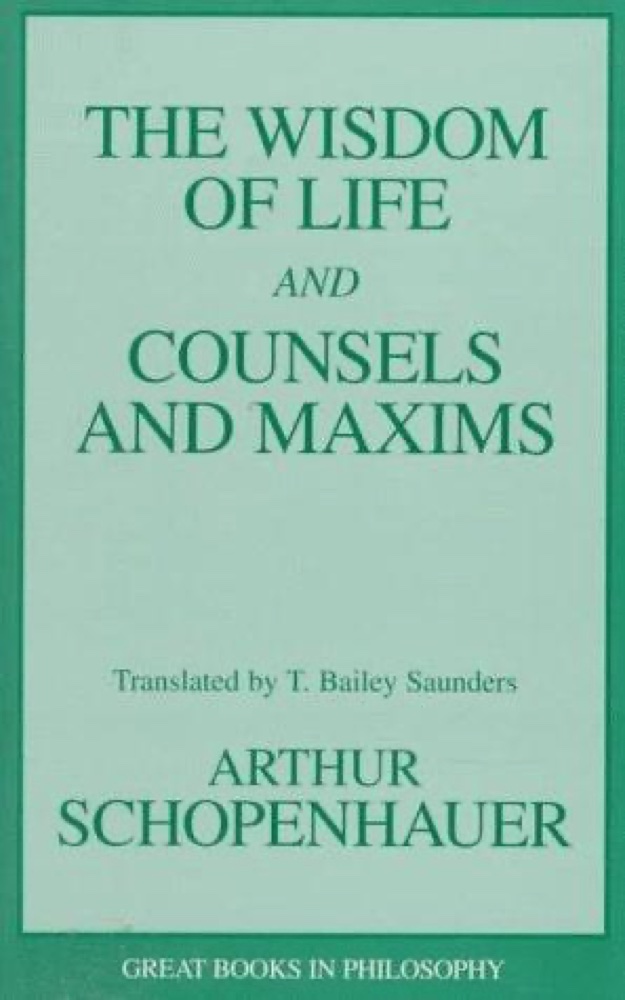 The Wisdom of Life
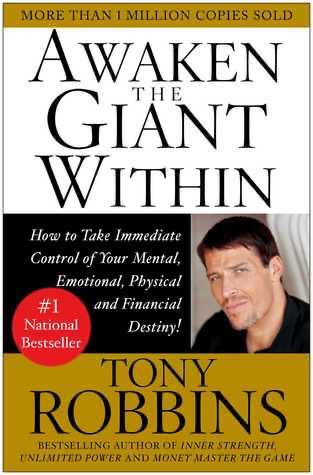 Awaken The Giant Within
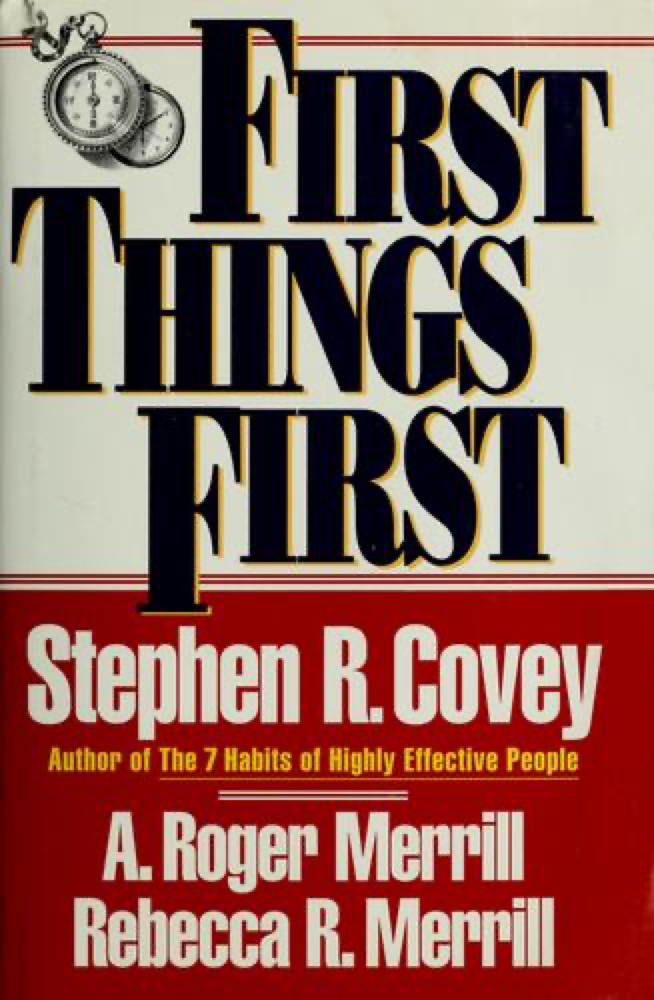 First Things First
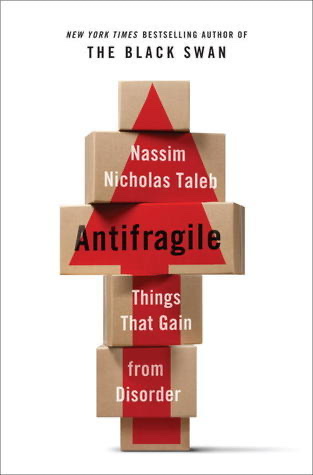 Antifragile: Things That Gain from Disorder
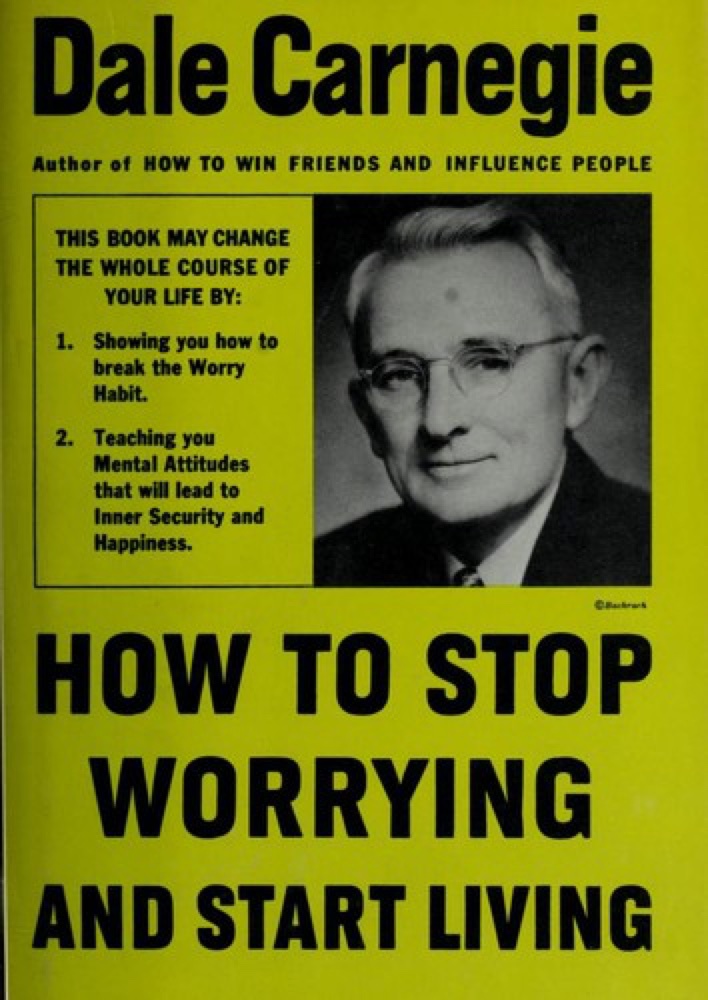 How to Stop Worrying and Start Living
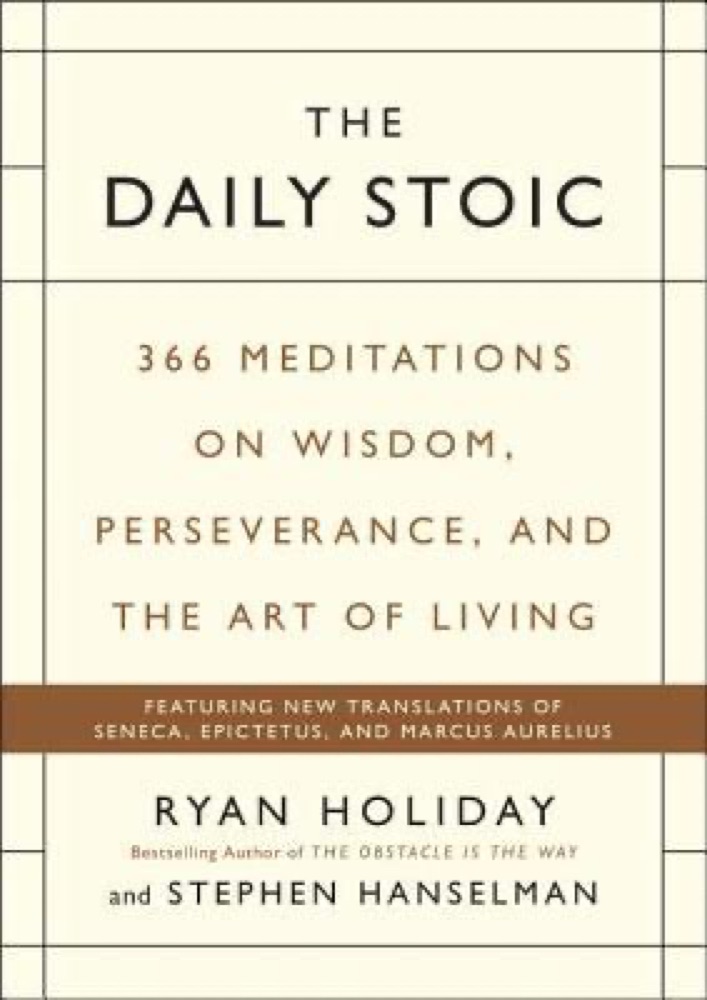 The Daily Stoic: 366 Meditations on Wisdom, Perseverance, and the Art of Living
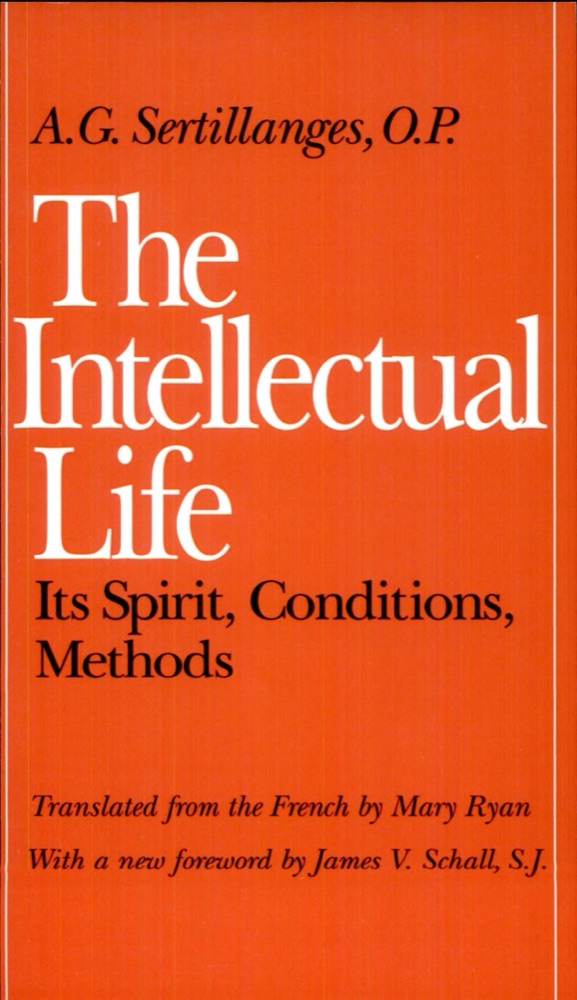 The Intellectual Life: Its Spirit, Conditions, Methods
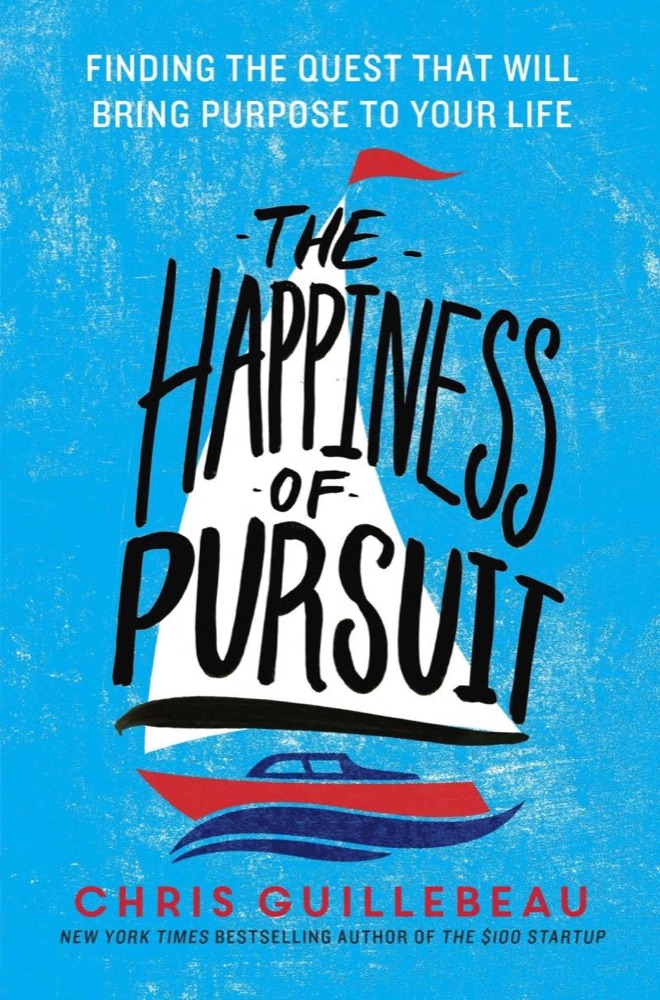 The Happiness of Pursuit: Finding the Quest That Will Bring Purpose to Your Life
 The Freedom Manifesto
 Shop Class as Soulcraft: An Inquiry Into the Value of Work
 Barking Up the Wrong Tree: The Surprising Science Behind Why Everything You Know About Success Is (Mostly) Wrong
 Your Erroneous Zones: Step-By-Step Advice for Escaping the Trap of Negative Thinking and Taking Control of Your Life
 Will
Will
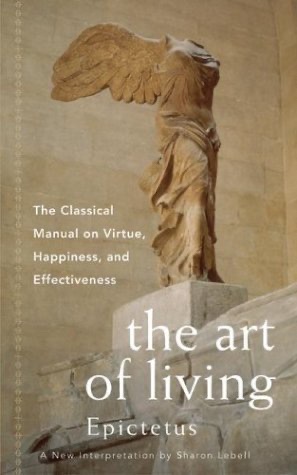 The Art of Living: The Classical Manual on Virtue, Happiness and Effectiveness
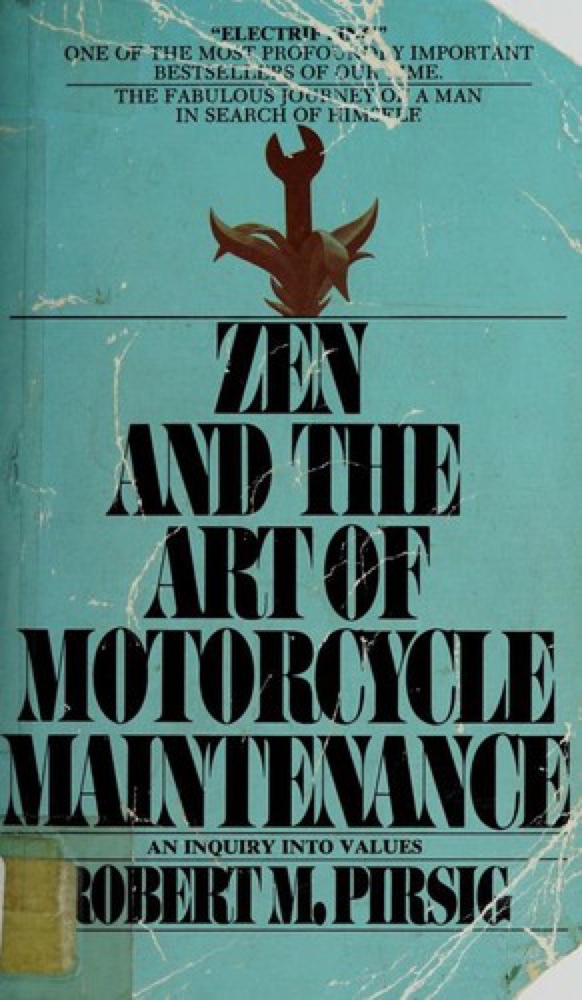 Zen and the Art of Motorcycle Maintenance
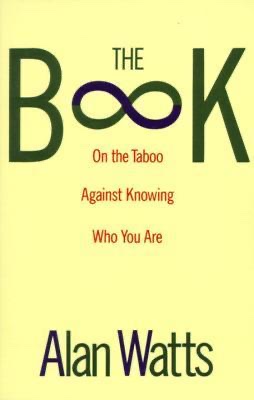 The Book: On the Taboo Against Knowing Who You Are
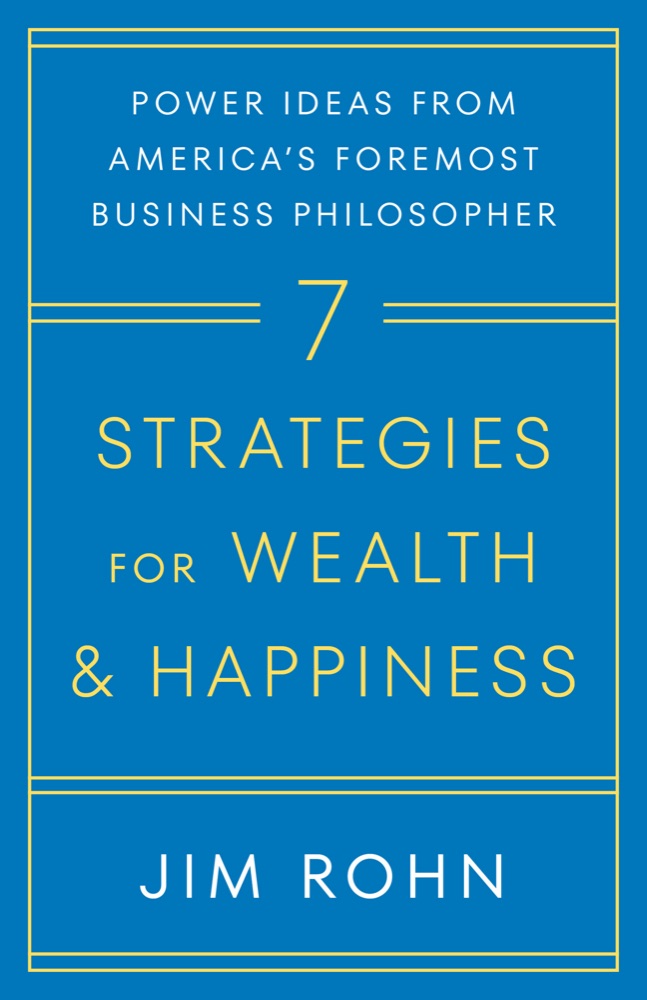 7 Strategies for Wealth & Happiness: Power Ideas from America's Foremost Business Philosopher
 Stoicism and the Art of Happiness
 The How of Happiness: A Scientific Approach to Getting the Life You Want
 On the Suffering of the World
 Welcome to the Hyunam-Dong Bookshop
 12 Rules for Life: An Antidote to Chaos