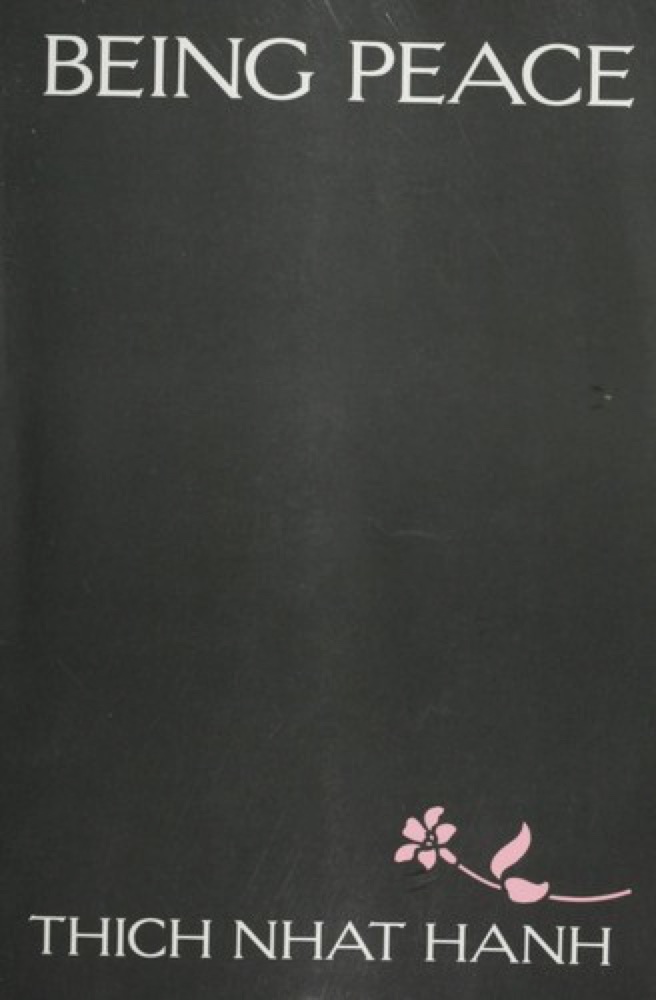
 Being Peace
Quotes from the Book
Very often in a conflict, we believe the problem is the other person or group. We think it is all their fault and that if they would just stop doing what they are doing or being the way they are, we would have peace and happiness. So we may be motivated by the desire to destroy the other side. We may wish they didn’t exist. But looking deeply, we know that we are not the only ones who have suffered—they have also suffered. When we take time to calm ourselves down and look deeply into the situation, we can see that we are co-responsible, that we have co-created the conflict by our way of thinking, acting, or speaking, either individually or as a group or nation.
9
When we observe or listen to other people, we often don’t see them clearly or really hear what they’re saying. We see and hear our projections and prejudices instead.
8
Stillness is the foundation of understanding and insight.
7
When we’re able to love our enemy, that person is no longer our enemy. The idea of “enemy” vanishes and is replaced by the person who is suffering and needs our compassion.
7
Interbeing is the understanding that nothing exists separately from anything else. We are all interconnected. By taking care of another person, you take care of yourself. By taking care of yourself, you take care of the other person. Happiness and safety are not individual matters. If you suffer, I suffer. If you are not safe, I am not safe. There is no way for me to be truly happy if you are suffering. If you can smile, I can smile too. The understanding of interbeing is very important. It helps us to remove the illusion of loneliness, and transform the anger that comes from the feeling of separation.
5
Creating happiness is an art. Living together is an art. Even with a lot of goodwill, you can still make the other person very unhappy. Goodwill is not enough. We need to know the art of making the other person happy. Art is the essence of life. Try to be artful in your speech and actions. The substance of art is mindfulness. When you are mindful, you are more artful.
4
When we have hatred and anger in ourselves, they rebound to all quarters. When we have peace and joy in ourselves, our peace and joy will radiate throughout the whole cosmos.
4
When we cannot communicate, we suffer, and we spill our suffering on to other people. We can find ways to open the doors of communication again.
4
The ability to apologize sincerely and express regret for the unskillful things we say or do is an art. A true apology can relieve a great deal of suffering in the other person.
4
When we feel anger, irritation, or indignation arising in us, we pause. We stop and come back to our breathing straight away. We do not say or do anything when we are inhabited by this kind of energy, so we don’t escalate the conflict. We wait until we’re calm again. Being able to pause is the greatest gift. It gives us the opportunity to bring more love and compassion into the world rather than more anger and suffering.
2
Any peace talks should begin with making peace with ourselves. First we need to recognize our anger, embrace it, and make peace with it. You don’t fight your anger, because your anger is you. Your anger is the wounded child in you. Why should you fight your anger? The method is entirely nonviolent: awareness, mindfulness, and tenderly holding your anger within you. Like this, your anger will transform naturally.
2
how can we expand our heart? increasing our understanding and compassion makes our heart grow greater
2
When you remove the conflict within yourself, you also remove the conflict between yourself and others. One arrow can save two birds at the same time—if the arrow strikes the branch, both birds will fly away.
1
We “kill” our anger by smiling to it, holding it gently, looking deeply to understand its roots and transforming it with understanding and compassion.
1
If you get angry every day, your seed of anger will grow bigger and bigger, and it will be much more difficult for compassion to grow. Without compassion, it will be difficult to use loving speech.
1
WHERE WILL WE BE Being angry in the historical dimension I close my eyes and look deeply: Three hundred years from now where will you be and where shall I be?
1
THE FIVE-YEAR-OLD CHILD Often, our suffering begins when we are quite young and continues to fester as we grow. There is a five-year-old still inside us. This child may have suffered a lot. A five-year-old is fragile and easily wounded. Without mindfulness parents may transmit all their pain, anger, and suffering to their children. By the age of five, the child is already filled with fear and sorrow. A child so young isn’t always able to explain her suffering in a way that others can hear. As she stumbles over her words, adults around her might interrupt or even shout at her. Such language is like ice water thrown over a tender heart. The child may never try to confide in grown-ups again, and the wound remains deep and hidden. Adults repeat acts like this over and over until their connection with their children is severed. The cause is a lack of mindfulness. If a parent doesn’t know how to manage his anger, for example, he may destroy the communication with his child and the child may suffer their whole life, and pass that anger on to the next generation. So it is important to get in touch with the five-year-old child within, and begin to heal the wounds still inside. We can learn to listen to the suffering of our five-year-old, to embrace it tenderly. Holding our pain and suffering with the energy of mindfulness and compassion, it begins to transform.
We can only understand another person when we’re able to truly listen to them. When we can listen to others with deep compassion, we can understand their pain and difficulties. But when we’re angry, we can’t listen to others or hear their suffering. Listening deeply to another is a form of meditation.
Before you do the work of reconciliation with another, you need to restore communication with yourself.
The practice of inclusiveness is based on the practice of understanding, compassion, and love. … Increasing our understanding and compassion makes our heart grow greater.
Hugging meditation is something to practice with people you love and trust, particularly if you have been upset with each other. To begin, close your eyes, take a deep breath, and visualize yourself and your beloved three hundred years from now.
The roots of discrimination, conflict, and war are not to be found outside us. They are within our own way of thinking and looking at the world. The real enemy is our ignorance, our attachment to views, and our wrong perceptions.
Part of acknowledging suffering is acknowledging we need help. It is much easier to practice compassion if you have the energy and support of a community.
Watch on YouTube
About Thich Nhat Hanh
We have collected 629 quotes from 23 books by Thich Nhat Hanh on BookQuoters.
More about the author →
About the book
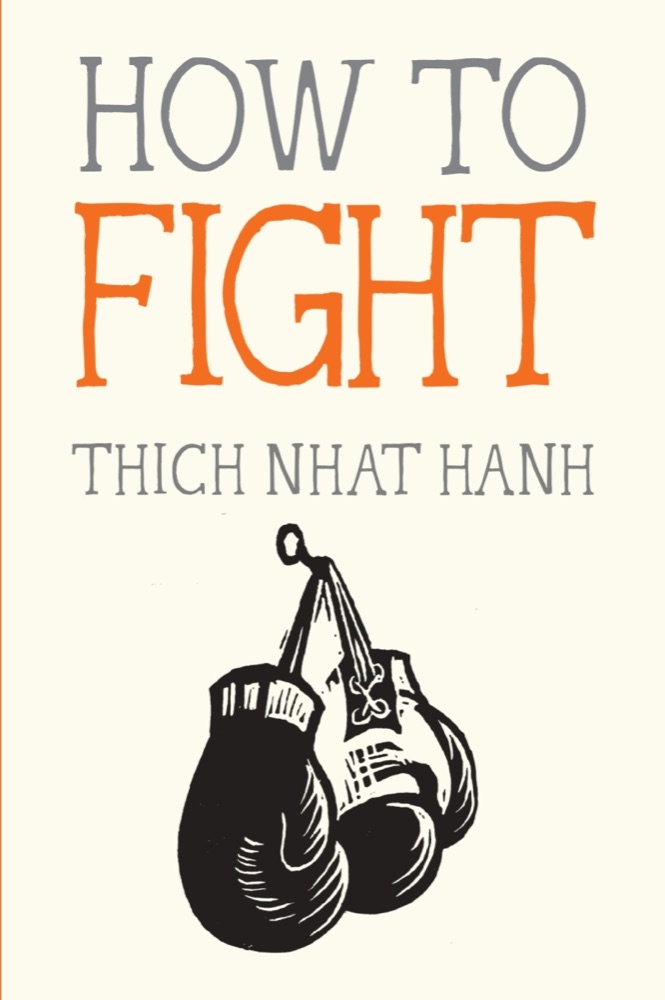
Learn how to relax the bonds of anger, attachment, and delusion through mindfulness and kindness toward ourselves and others.
The Mindfulness Essentials series introduces beginners and reminds seasoned practitioners of the essentials of mindfulness practice. This time Nhat Hanh brings his signature clarity, compassion, and humor to the ways we act out in anger, frustration, despair, and delusion. In brief meditations accompanied by whimsical sumi-ink drawings, Thich Nhat Hanh instructs us exactly how to transform our craving and confusion. If we learn to take good care of our suffering, we can help others do the same.
How to Fight is pocket-sized with two color original artwork by California artist Jason DeAntonis.
Book details
- First published
- 2017
- Author
- Thich Nhat Hanh
- Genre
- Nonfiction
- Goodreads rating
- 4.30 (3k ratings)
Keep reading
 Anger: Wisdom for Cooling the Flames
 Reconciliation: Healing the Inner Child
 The Art of Communicating
 Buddha's Brain: The Practical Neuroscience of Happiness, Love, and Wisdom
 Comfortable with Uncertainty: 108 Teachings on Cultivating Fearlessness and Compassion
 See No Stranger: A Memoir and Manifesto of Revolutionary Love
 The Wise Heart: A Guide to the Universal Teachings of Buddhist Psychology
 True Refuge: Finding Peace and Freedom in Your Own Awakened Heart
 Nonviolent Communication: A Language of Life
 Meditation for Beginners
 Full Catastrophe Living: Using the Wisdom of Your Body and Mind to Face Stress, Pain, and Illness
 The Places That Scare You: A Guide to Fearlessness in Difficult Times
 How to Practice: The Way to a Meaningful Life
 How to See Yourself As You Really Are
 How to Meditate: A Practical Guide to Making Friends with Your Mind
 Mindfulness in Plain English
 Self-Compassion: The Proven Power of Being Kind to Yourself
 The Book of Joy: Lasting Happiness in a Changing World
 Against the Stream: A Buddhist Manual for Spiritual Revolutionaries
 The Book of Forgiving: The Fourfold Path for Healing Ourselves and Our World
 The Things You Can See Only When You Slow Down: How to Be Calm in a Busy World
 How to Be an Adult in Relationships: The Five Keys to Mindful Loving
 Letting Go: The Pathway To Surrender
 Everyday Zen: Love & Work
 Letting Go of the Person You Used to Be: Lessons on Change, Loss, and Spiritual Transformation
 Twelve Steps to a Compassionate Life
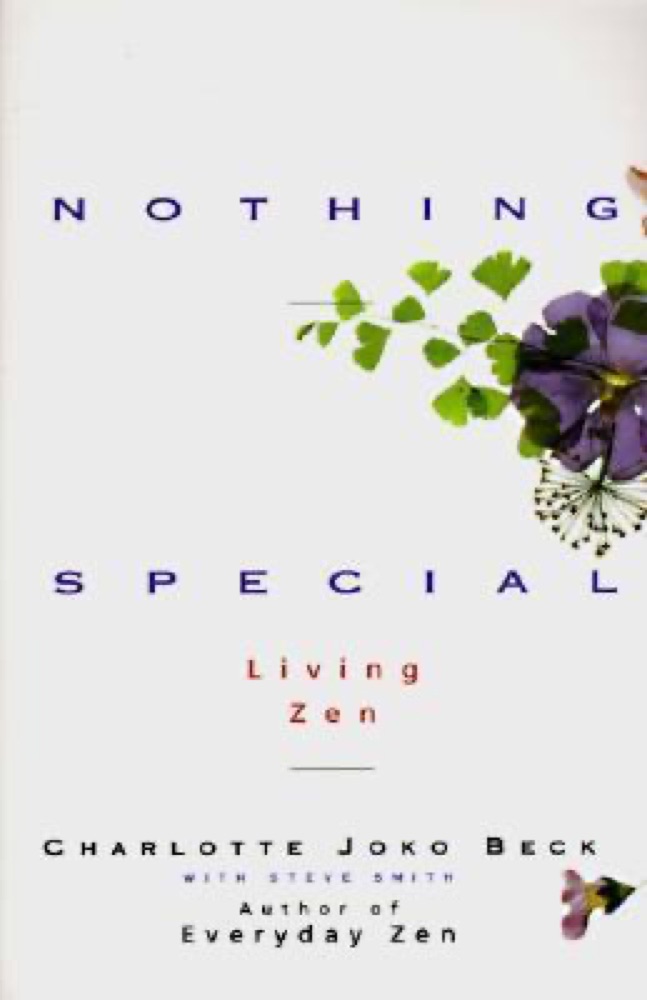 Nothing Special: A Zen Buddhist Guide to Awakening Through Daily Life's Feelings, Relationships, and Work
 The Dalai Lama's Cat and the Power of Meow
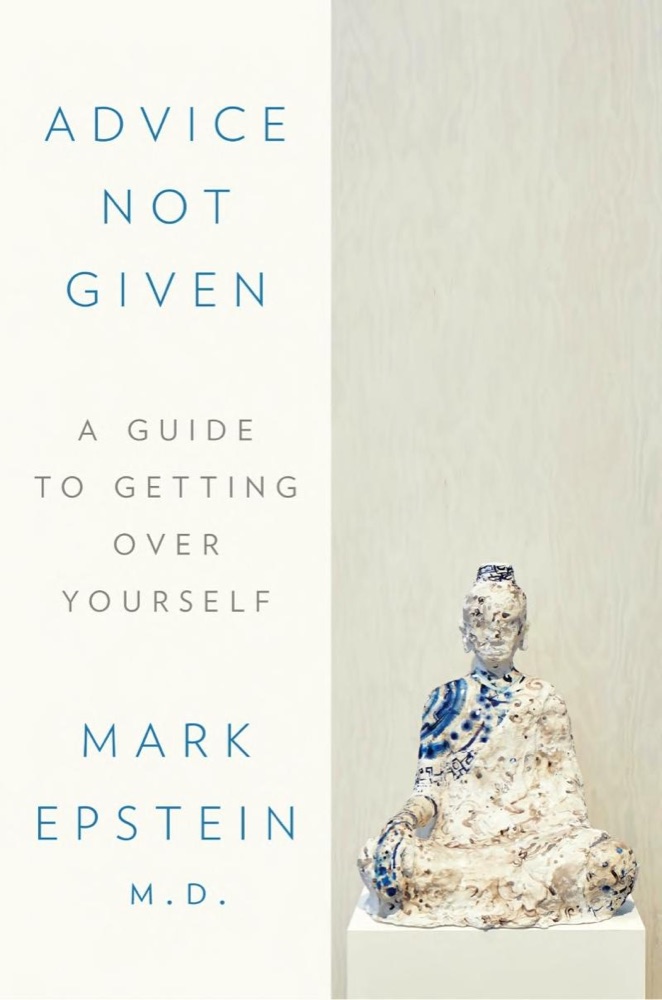 Advice Not Given: A Guide to Getting Over Yourself
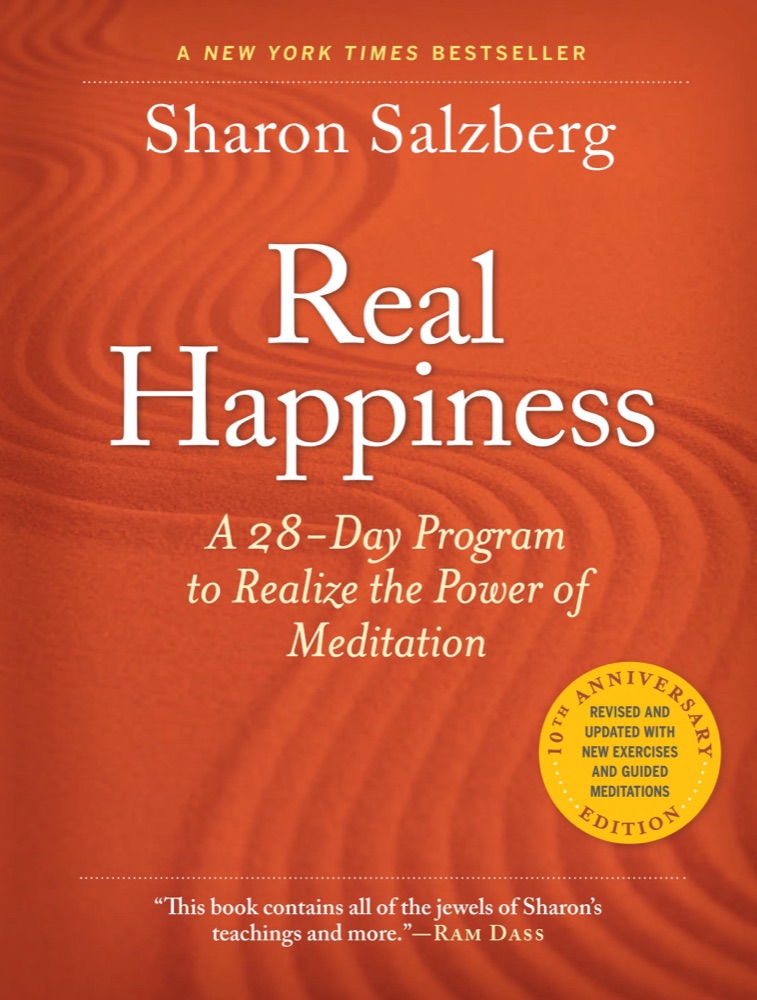 Real Happiness: A 28-Day Program to Realize the Power of Meditation
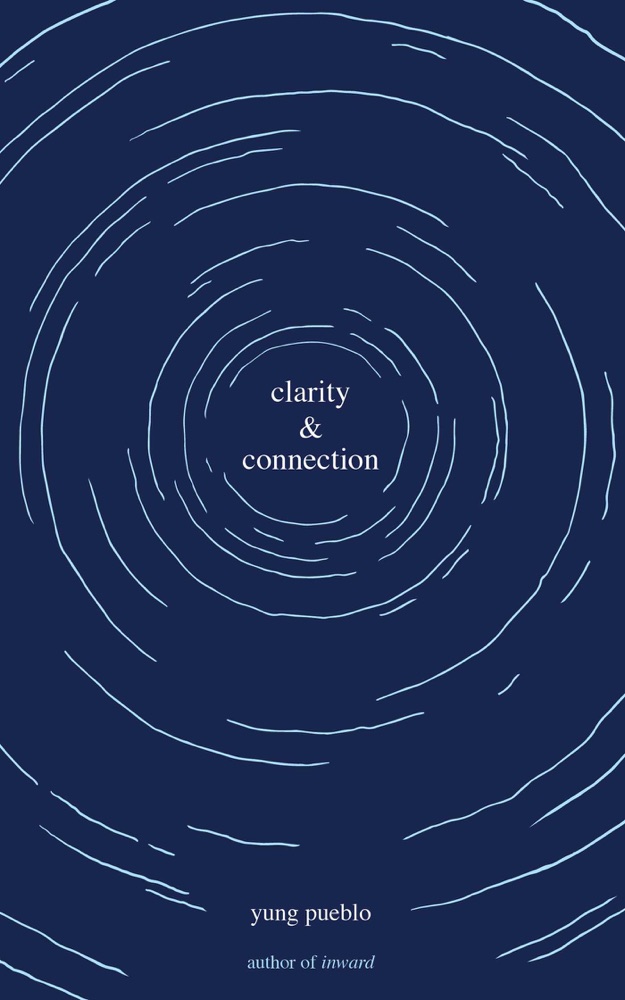 Clarity & Connection
 Lovingkindness: The Revolutionary Art of Happiness
 Messages from the Masters: Tapping into the Power of Love
 Changes That Heal: How to Understand the Past to Ensure a Healthier Future
 The Joy of Living: Unlocking the Secret and Science of Happiness
 Us: Getting Past You and Me to Build a More Loving Relationship
 Kitchen Table Wisdom: Stories that Heal
 The School of Life: An Emotional Education
 The Mastery of Love: A Practical Guide to the Art of Relationship: A Toltec Wisdom Book
 Radical Love: Learning to Accept Yourself and Others
 A Return to Love: Reflections on the Principles of "A Course in Miracles"
 Nonviolence: The Transforming Power
 The Book of Secrets: Unlocking the Hidden Dimensions of Your Life
 Love for Imperfect Things: How to Accept Yourself in a World Striving for Perfection
 Living Untethered: Beyond the Human Predicament
 Real Love: The Art of Mindful Connection
 The Buddha Walks into a Bar . . .: A Guide to Life for a New Generation
 Untangle Your Emotions: Naming What You Feel and Knowing What to Do About It
 The Dance of Connection: How to Talk to Someone When You're Mad, Hurt, Scared, Frustrated, Insulted, Betrayed, or Desperate
 You Can Heal Your Life
 Radical Acceptance: Embracing Your Life With the Heart of a Buddha
 Becoming Human
 101 Essays That Will Change The Way You Think
 Happiness: A Guide to Developing Life's Most Important Skill
 The Wisdom of Your Body: Finding Healing, Wholeness, and Connection through Embodied Living
 The Power of Now: A Guide to Spiritual Enlightenment
 Bittersweet: How Sorrow and Longing Make Us Whole
 Social Intelligence: The New Science of Human Relationships
 The Laws of Human Nature