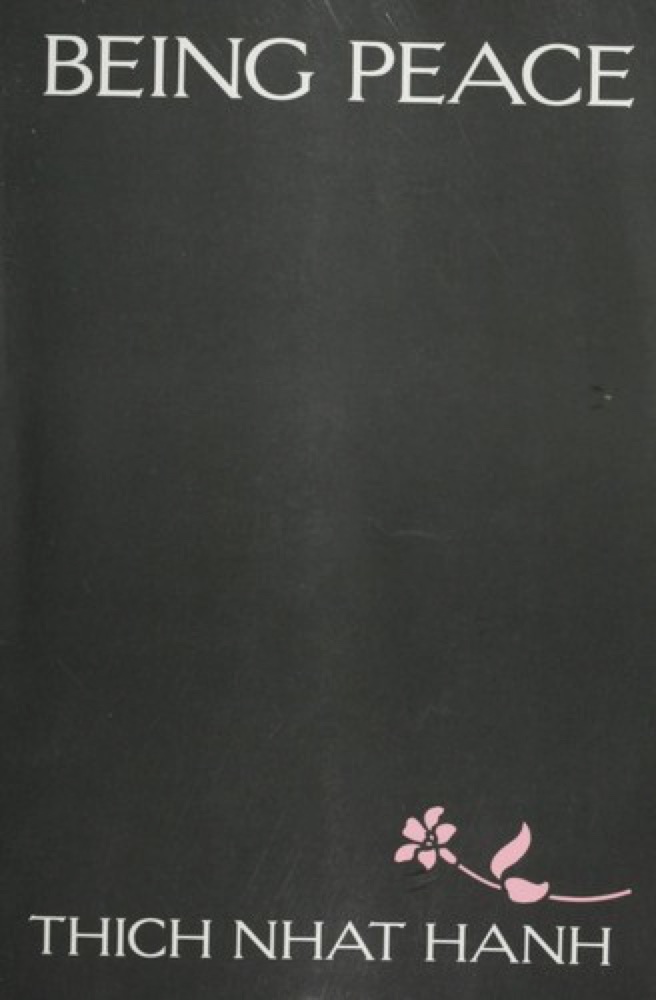
 Being Peace
Quotes from the Book
I promise myself that I will enjoy every minute of the day that is given me to live.
403
When you say something really unkind, when you do something in retaliation your anger increases. You make the other person suffer, and he will try hard to say or to do something back to get relief from his suffering. That is how conflict escalates.
294
The fact is that when you make the other suffer, he will try to find relief by making you suffer more. The result is an escalation of suffering on both sides.
71
To take good care of ourselves, we must go back and take care of the wounded child inside of us. You have to practice going back to your wounded child every day. You have to embrace him or her terderly, like a big brother or a big sister. You have to talk to him, talk to her. And you can write a letter to the Little child in you, of two or three pages, to that you recognize his or her presence, and will do everything you can to heal his or her wounds.
47
When we get angry, we suffer. If you really understand that, you also will be able to understand that when the other person is angry, it means that she is suffering. When someone insults you or behaves violently towards you, you have to be intelligent enough to see that the person suffers from his own violence and anger. But we tend to forget. We think that we are the only one that suffers, and the other person is our oppressor. This is enough to make anger arise, and to strengthen our desire to punish. We want to punish the other person because we suffer. Then, we have anger in us; we have violence in us, just as they do. When we see that our suffering and anger are no different from their suffering and anger, we will behave more compassionately. So understanding the other is understanding yourself, and understanding yourself is understanding the other person. Everything must begin with you.
35
Mindfulness helps you go home to the present. And every time you go there and recognize a condition of happiness that you have, happiness comes
33
When a person’s speech is full of anger, it is because he or she suffers deeply.
27
In true love, there is no pride.
22
Self-love is the foundation for your capacity to love the other person. If you don’t take good care of yourself, if you are not happy, if you are not peaceful, you cannot make the other person happy. You cannot help the other person; you cannot love. Your capacity for loving another person depends entirely on your capacity for loving yourself, for taking care of yourself. Healing
21
If your house is on fire, the most urgent thing to do is to go back and try to put out the fire, not to run after the person you believe to be the arsonist. If you run after the person you suspect has burned your house, your house will burn down while you are chasing him or her. That is not wise. You must go back and put out the fire. So when you are angry, if you continue to interact with or argue with the other person, if you try to punish her, you are acting exactly like someone who runs after the arsonist while everything goes up in flames. Tools
18
Anger is like a howling baby, suffering and crying. The baby needs his mother to embrace him. You are the mother for your baby, your anger. The moment you begin to practice breathing mindfully in and out, you have the energy of a mother, to cradle and embrace the baby. Just embracing your anger, just breathing in and breathing out, that is good enough. The baby will feel relief right away. All
16
When you look at a tree in a storm, you see that the top of the tree is very unstable and vulnerable. The wind can break the smaller branches at any time. But when you look down to the trunk of the tree, you have a different impression. You see that the tree is very solid and still, and you know that it will be able to withstand the storm. We are also like a tree. Our head is like the top of the tree during a tempest of a strong emotion, so we have to bring our attention down to the level of our navel. We begin to practice mindful breathing. We concentrate just on our breathing and on the rise and fall of our abdomen. It is a very important practice because it helps us to see that, although an emotion may be very strong, it will stay only for a while and then go; it cannot last forever. If you train yourself to practice like this during difficult times, you will survive these storms. You have to be aware that your emotion is just an emotion. It comes, stays for some time, and then goes away. Why should someone die because of an emotion? You are more than your emotions. It is important to remember this. During a crisis, when you breathe in and out, maintain the awareness that your emotion will go away if you continue to practice. After you have succeeded a few times, you will have confidence in yourself and in the practice. Let us not get caught by our thoughts and feelings. Let us bring our attention down to our belly and breathe in and out. This storm will go away, so don’t be afraid.
13
According to the Buddha’s teachings, the most basic condition for happiness is freedom. Here we do not mean political freedom, but freedom from the mental formations of anger, despair, jealousy, and delusion. These mental formations are described by the Buddha as poisons. As long as these poisons are still in our heart, happiness cannot be possible.
13
My dear friend, I may be the victim of wrong perceptions, and what I write here may not reflect the truth. However, this is my experience of the situation. This is what I really feel in my heart. If there is anything wrong in what I write, let us sit down and look into it together
9
I come here empty-handed, and I go empty-handed. My actions are my only true belongings. I cannot escape the consequences of my actions. My actions are the ground on which I stand.
9
Deep listening, compassionate listening is not listening with the purpose of analyzing or even uncovering what has happened in the past. You listen first of all in order to give the other person relief, a chance to speak out, to feel that someone finally understands him or her. Deep listening is the kind of listening that helps us to keep compassion alive while the other speaks, which may be for half an hour or forty-five minutes. During this time you have in mind only one idea, one desire: to listen in order to give the other person the chance to speak out and suffer less. This is your only purpose. Other things like analyzing, understanding the past, can be a by-product of this work. But first of all listen with compassion. Compassion
8
What is happening in the present moment is life.
7
We are primarily responsible for our anger, but we believe very naively that if we can say something or do something to punish the other person, we will suffer less. This kind of belief should be uprooted. Because whatever you do or say in a state of anger will only cause more damage in the relationship. Instead, we should try not to do anything or say anything when we are angry.
6
Fear gives life to anger. You don’t have peace when fear is there, so it becomes the soil on which anger can grow. Fear is based on ignorance, and this lack of understanding is also a primary cause of anger.
5
You have to protect yourself and your beloved ones by practicing selective watering.
5
Violence can never bring about peace and understanding. Only by looking deeply in order to understand the true roots of violence can we achieve peace.
4
Many books have been written on Thomas Merton already.
3
You discover that the main cause of your suffering is the seed of anger in you, because it has been watered too often, by yourself and by other people.
3
Many of us do not know that the roots of war are everywhere, including in our own thinking and way of life. We are not capable of seeing the war while it is still hidden. We begin to focus our attention on the war only when the war breaks out into the open and people start talking about it. Then we feel overwhelmed by the intensity of the war. We feel helpless. We take sides and feel that one is right and the other is wrong. We condemn one side, but we have nothing to contribute towards ending the destruction caused by the war.
2
Before we can make deep changes in our lives, we have to look into our diet, our way of consuming. We have to live in such a way that we stop consuming the things that poison us and intoxicate us. Then, we will have the strength to allow the best in us to arise, and we will no longer be victims of anger, of frustration.
2
The best position for practicing this is lying down. You focus your attention on a part of your body, such as your heart. As you breathe in, you become aware of your heart, and as you breathe out, you smile towards it. You send it your love, your tenderness.
2
All that is dear to me and everyone I love are of the nature to change. There is no way to escape being separated from them. I cannot keep anything. I come here empty-handed, and I go empty-handed. My actions are my only true belongings. I cannot escape the consequences of my actions. My actions are the ground on which I stand.
2
When anger comes up in us, we should begin to practice mindful breathing right away: “Breathing in, I know that anger is in me. Breathing out, I am taking good care of my anger.” We behave exactly like a mother: “Breathing in, I know that my child is crying. Breathing out, I will take good care of my child.” This is the practice of compassion.
2
Watch on YouTube
About Thich Nhat Hanh
We have collected 629 quotes from 23 books by Thich Nhat Hanh on BookQuoters.
More about the author →
About the book
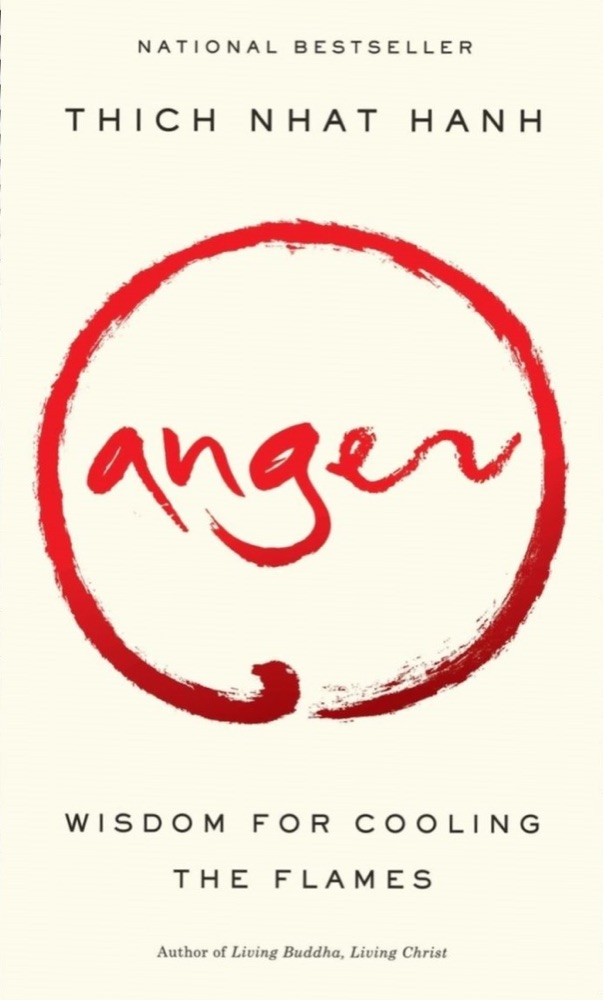
It was under the bodhi tree in India twenty-five centuries ago that Buddha achieved the insight that three states of mind were the source of all our unhappiness: wrong knowing, obsessive desire, and anger. All are difficult, but in one instant of anger—one of the most powerful emotions—lives can be ruined, and health and spiritual development can be destroyed. With exquisite simplicity, Buddhist monk and Vietnam refugee Thich Nhat Hanh gives tools and advice for transforming relationships, focusing energy, and rejuvenating those parts of ourselves that have been laid waste by anger. His extraordinary wisdom can transform your life and the lives of the people you love, and in the words of Thich Nhat Hanh, can give each reader the power to "change everything."
Book details
- First published
- 2001
- Author
- Thich Nhat Hanh
- Genre
- Nonfiction
- Goodreads rating
- 4.08 (13k ratings)
Keep reading
 How to Fight
 Reconciliation: Healing the Inner Child
 The Heart of the Buddha's Teaching: Transforming Suffering into Peace, Joy, and Liberation
 Buddha's Brain: The Practical Neuroscience of Happiness, Love, and Wisdom
 The Wise Heart: A Guide to the Universal Teachings of Buddhist Psychology
 Comfortable with Uncertainty: 108 Teachings on Cultivating Fearlessness and Compassion
 When Things Fall Apart: Heart Advice for Difficult Times
 True Refuge: Finding Peace and Freedom in Your Own Awakened Heart
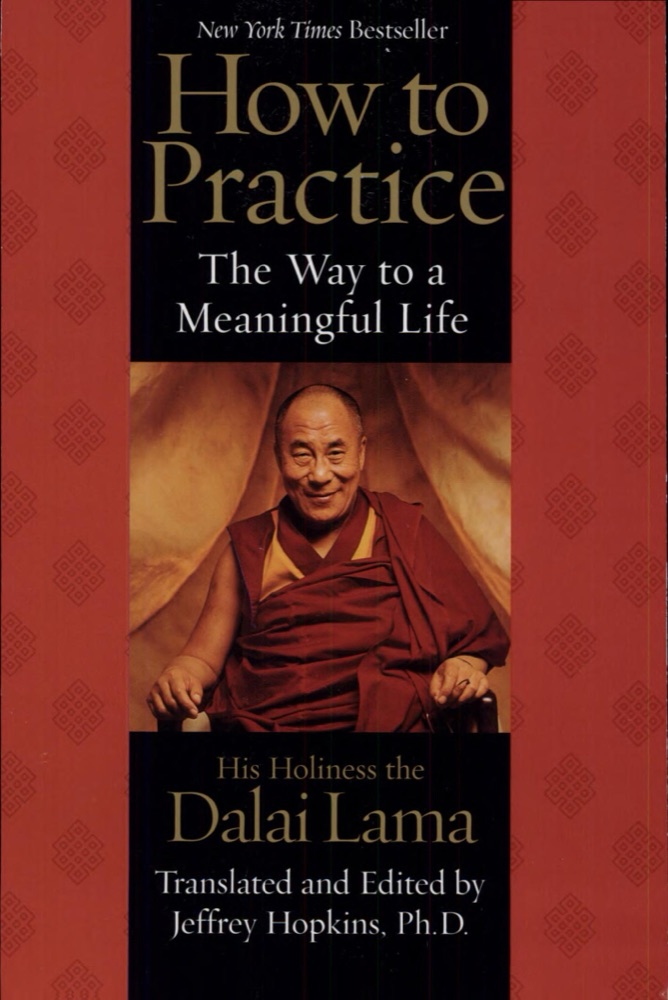 How to Practice: The Way to a Meaningful Life
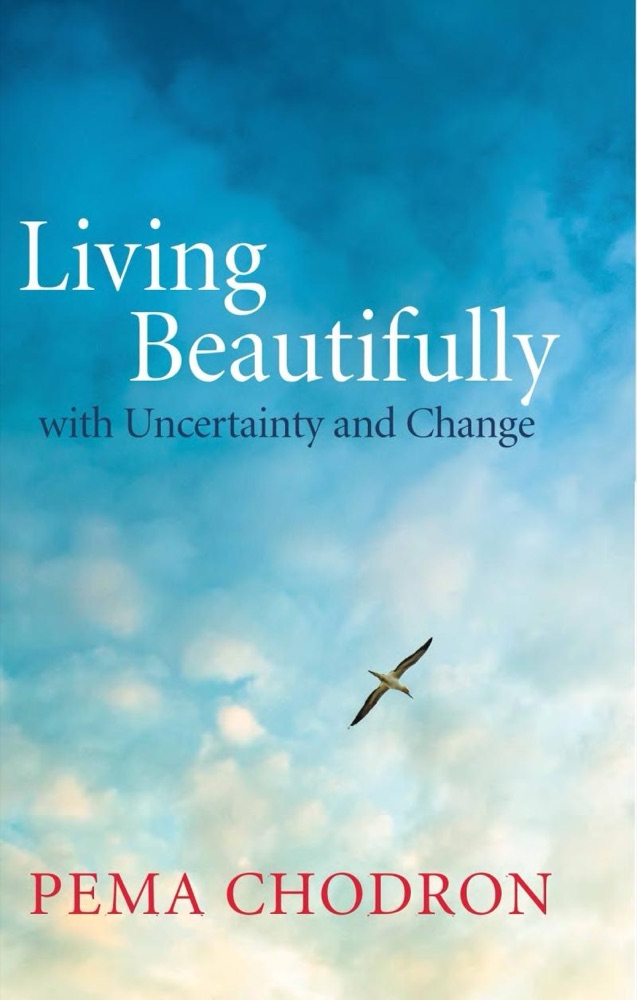 Living Beautifully with Uncertainty and Change
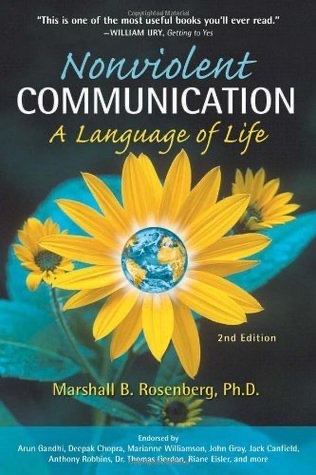 Nonviolent Communication: A Language of Life
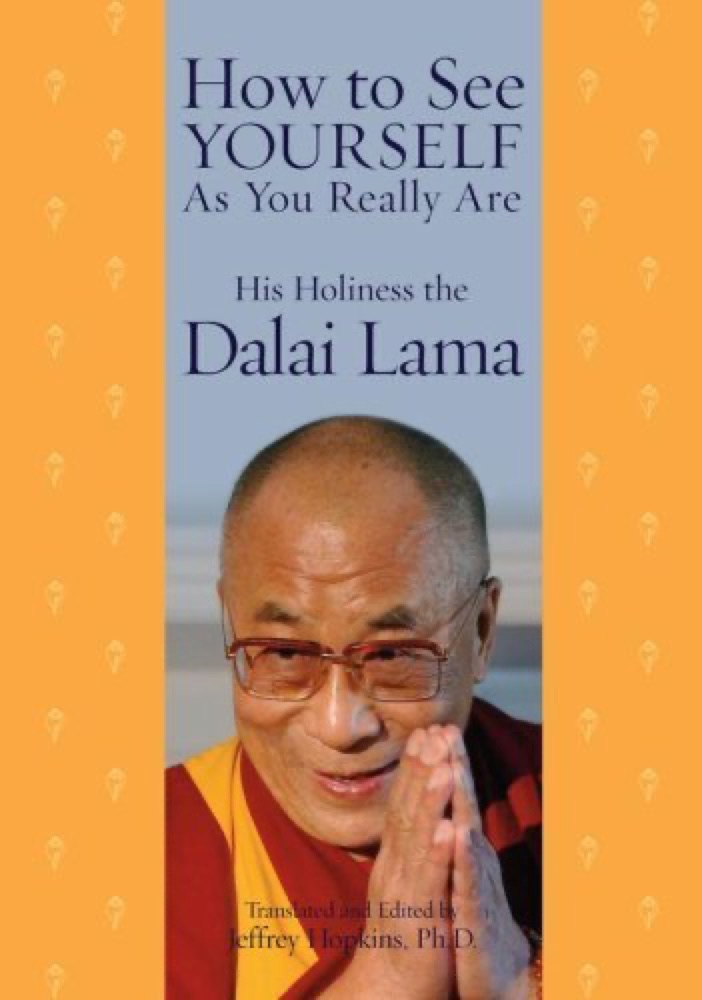 How to See Yourself As You Really Are
 Mindfulness in Plain English
 Meditation for Beginners
 Against the Stream: A Buddhist Manual for Spiritual Revolutionaries
 The Mastery of Love: A Practical Guide to the Art of Relationship: A Toltec Wisdom Book
 Letting Go: The Pathway To Surrender
 See No Stranger: A Memoir and Manifesto of Revolutionary Love
 Full Catastrophe Living: Using the Wisdom of Your Body and Mind to Face Stress, Pain, and Illness
 The Things You Can See Only When You Slow Down: How to Be Calm in a Busy World
 Living Untethered: Beyond the Human Predicament
 Changes That Heal: How to Understand the Past to Ensure a Healthier Future
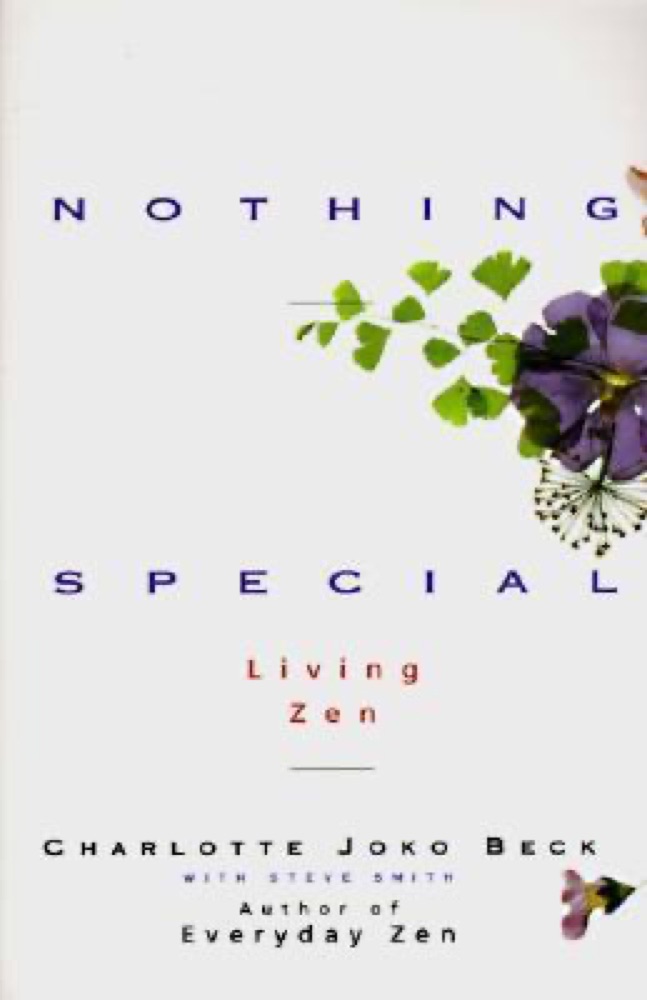 Nothing Special: A Zen Buddhist Guide to Awakening Through Daily Life's Feelings, Relationships, and Work
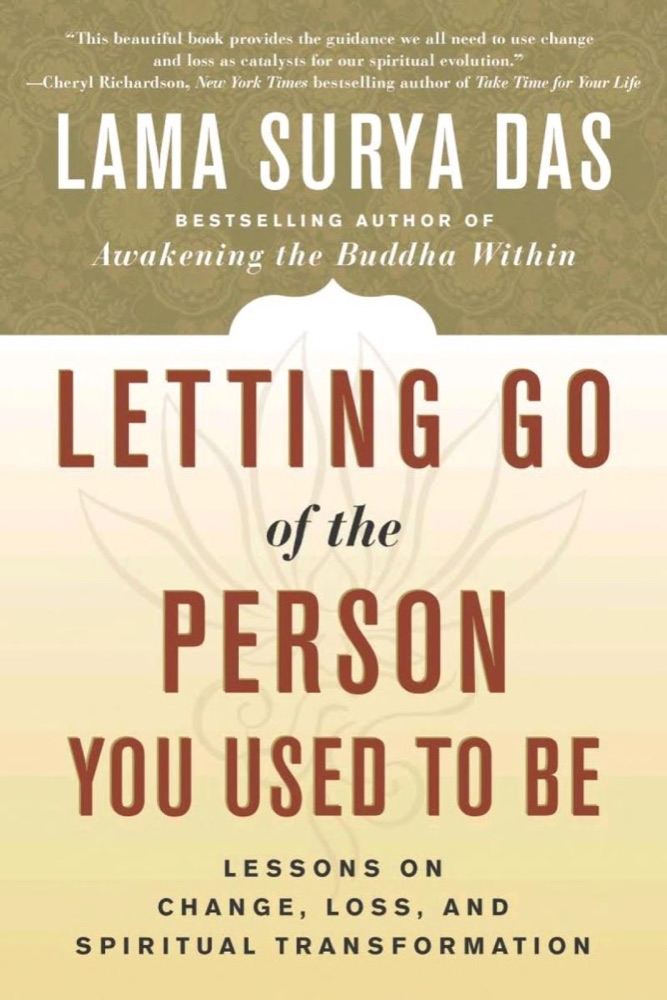 Letting Go of the Person You Used to Be: Lessons on Change, Loss, and Spiritual Transformation
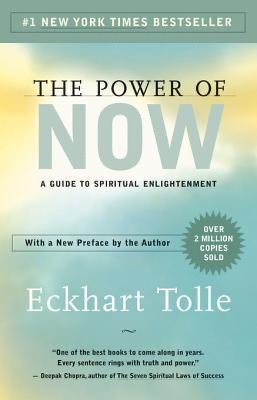 The Power of Now: A Guide to Spiritual Enlightenment
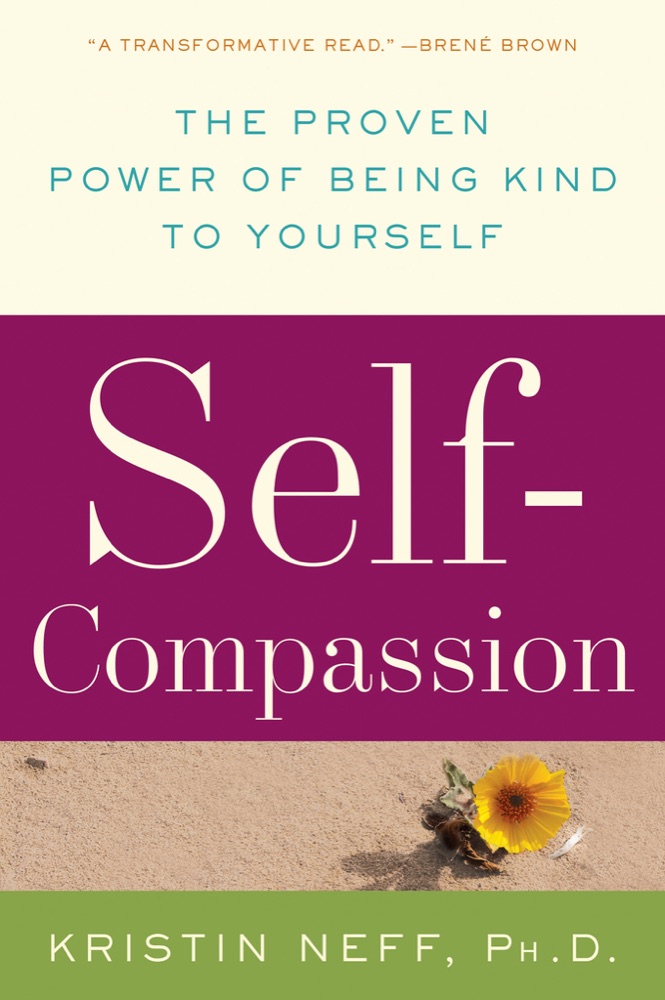 Self-Compassion: The Proven Power of Being Kind to Yourself
 Everyday Zen: Love & Work
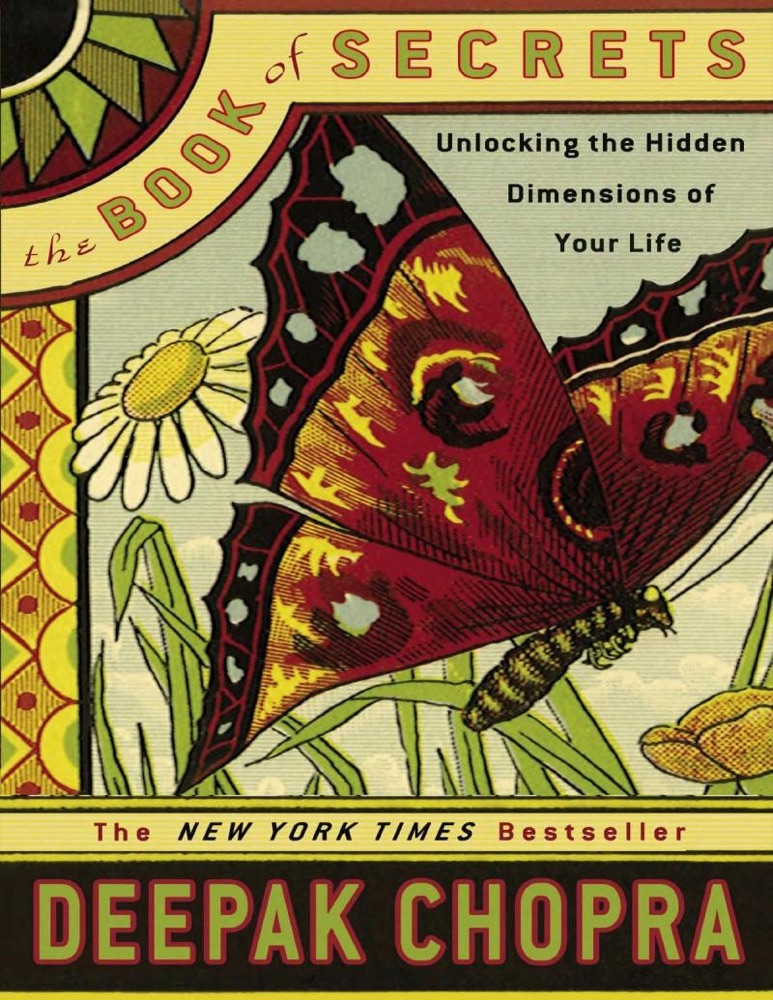 The Book of Secrets: Unlocking the Hidden Dimensions of Your Life
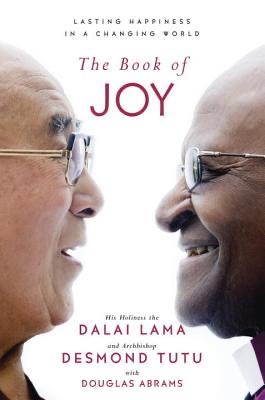 The Book of Joy: Lasting Happiness in a Changing World
 Never Broken: Songs Are Only Half the Story
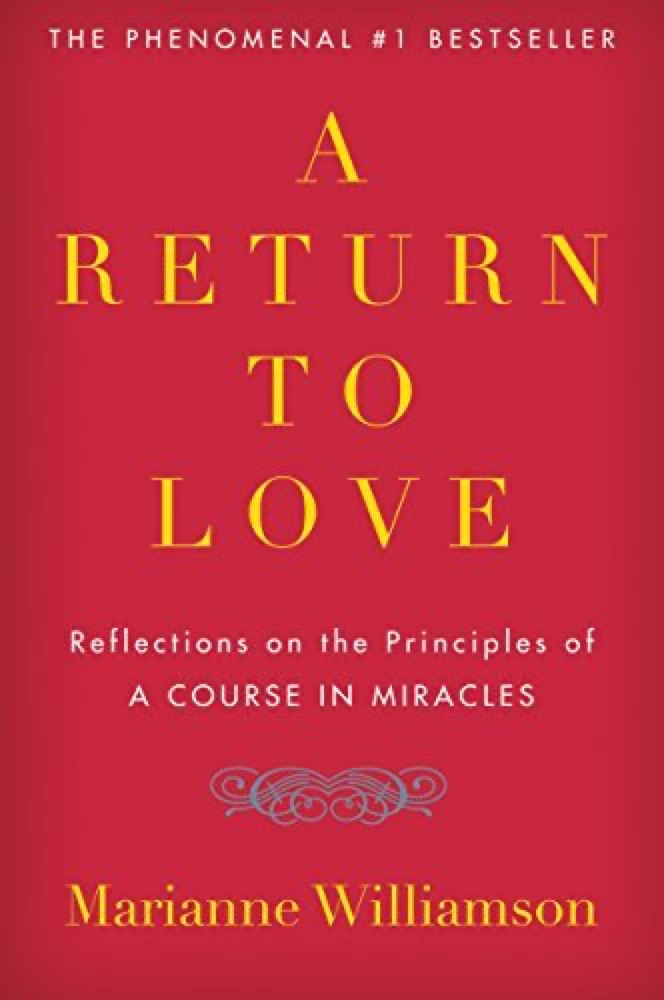 A Return to Love: Reflections on the Principles of "A Course in Miracles"
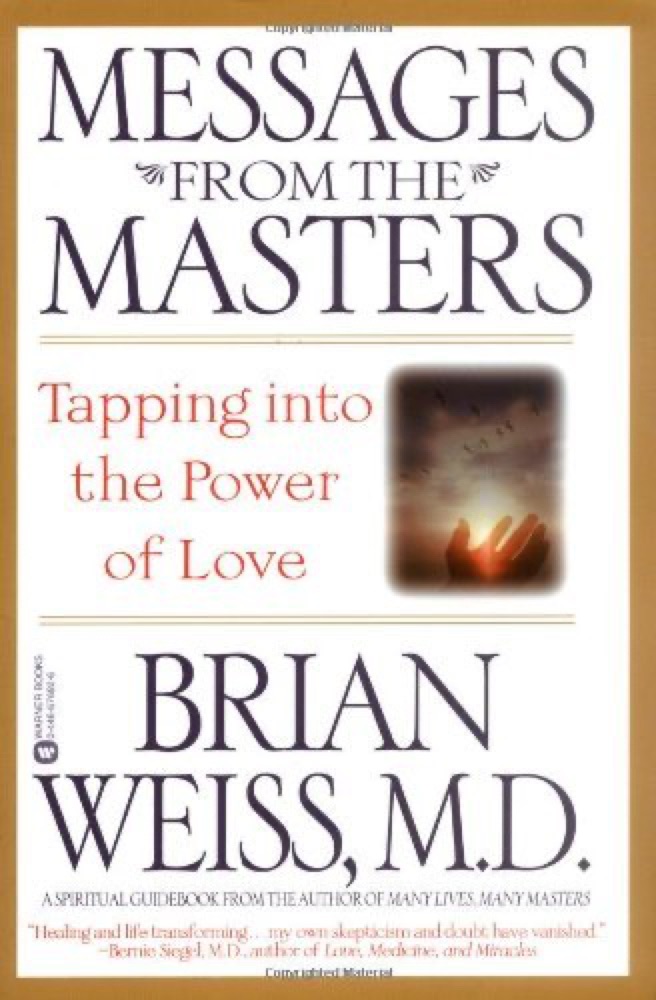 Messages from the Masters: Tapping into the Power of Love
 The Tibetan Book of Living and Dying
 Carry On, Warrior: Thoughts on Life Unarmed
 The Four Agreements: A Practical Guide to Personal Freedom
 Enemies of the Heart: Breaking Free from the Four Emotions That Control You
 Awareness: Conversations with the Masters
 The Way of the Bodhisattva
 How to Be an Adult in Relationships: The Five Keys to Mindful Loving
 101 Essays That Will Change The Way You Think
 Us: Getting Past You and Me to Build a More Loving Relationship
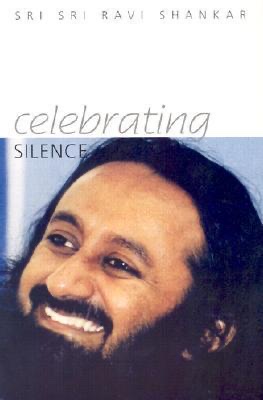 Celebrating Silence: Excerpts from Five Years of Weekly Knowledge 1995-2000
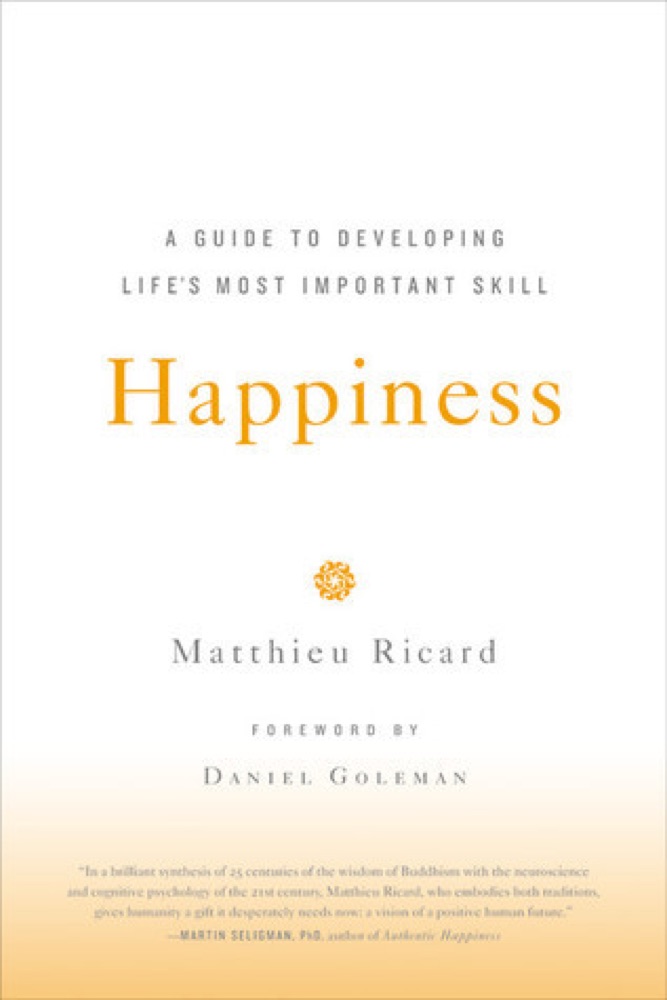 Happiness: A Guide to Developing Life's Most Important Skill
 Love for Imperfect Things: How to Accept Yourself in a World Striving for Perfection
 The Book of Secrets
 The Way to Love: The Last Meditations of Anthony de Mello
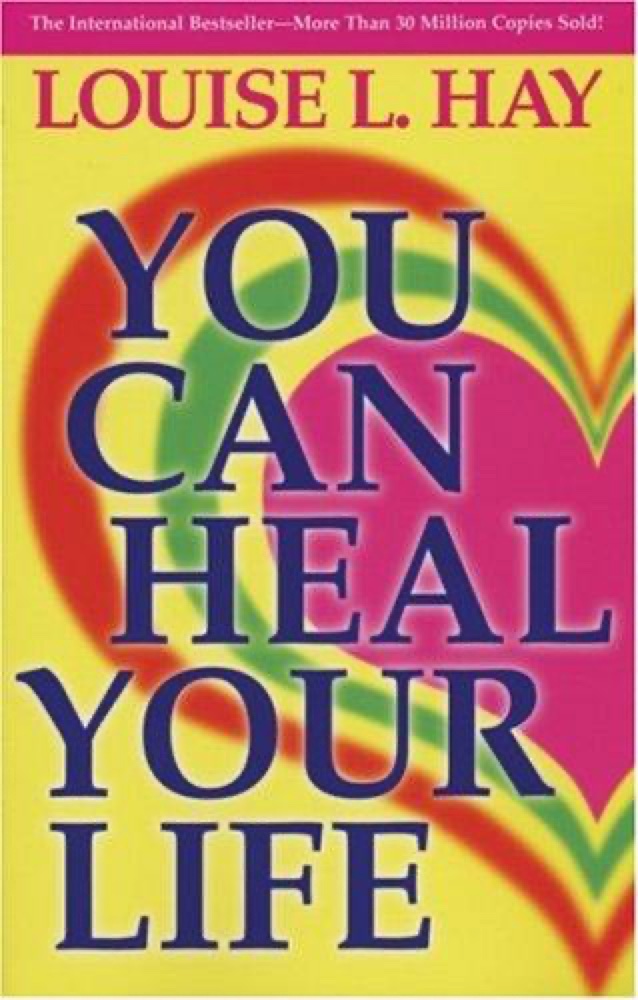 You Can Heal Your Life
 Untangle Your Emotions: Naming What You Feel and Knowing What to Do About It
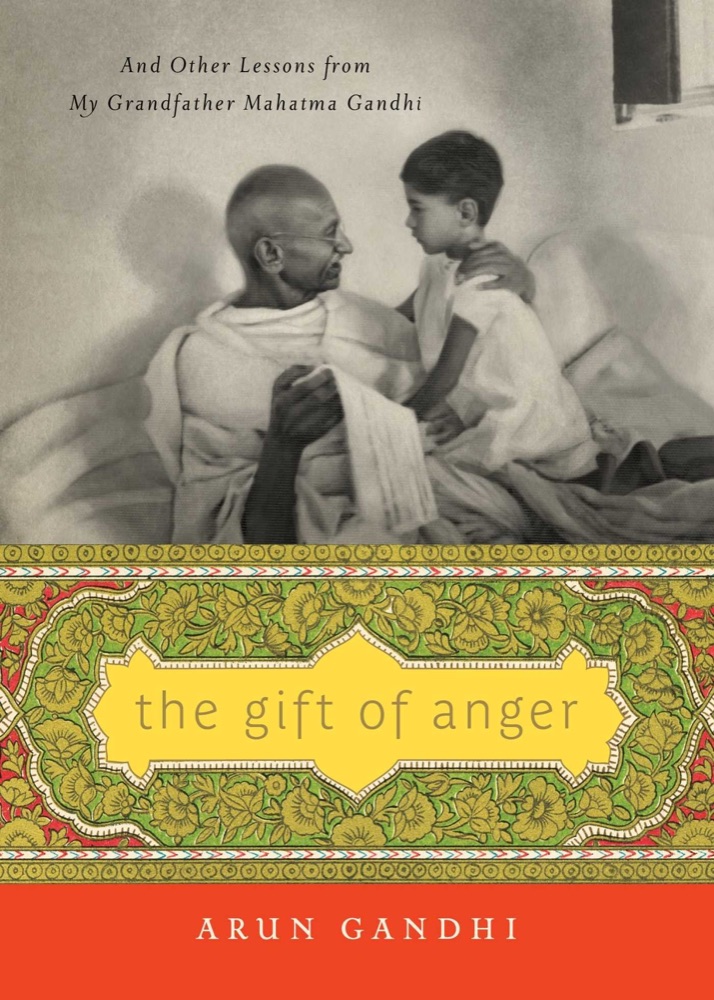 The Gift of Anger: And Other Lessons from My Grandfather Mahatma Gandhi
 Lovingkindness: The Revolutionary Art of Happiness
 Advice Not Given: A Guide to Getting Over Yourself
 The Book of Awakening: Having the Life You Want by Being Present to the Life You Have
 Kitchen Table Wisdom: Stories that Heal
 The Joy of Living: Unlocking the Secret and Science of Happiness
 Good Morning, Monster: A Therapist Shares Five Heroic Stories of Emotional Recovery
 The Book of Forgiving: The Fourfold Path for Healing Ourselves and Our World
 Bonds That Make Us Free: Healing Our Relationship, Coming to Ourselves
 The Book of Wisdom