
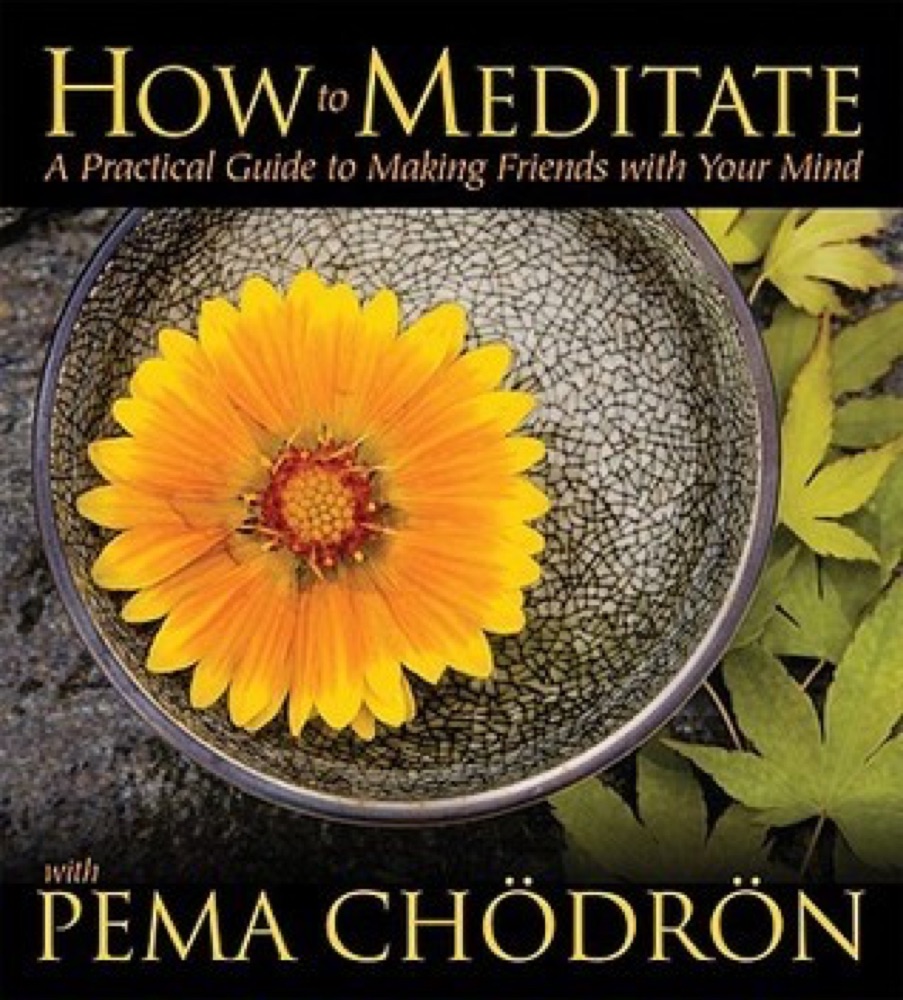
 How to Meditate: A Practical Guide to Making Friends with Your Mind
Quotes from the Book
Somewhere in this process you will come face-to-face with the sudden and shocking realization that you are completely crazy. Your mind is a shrieking gibbering madhouse on wheels barreling pell-mell down the hill utterly out of control and hopeless. No problem. You are not crazier than you were yesterday. It has always been this way and you just never noticed. You are also no crazier than everybody else around you. The only real difference is that you have confronted the situation they have not.
38
Patience is the key. Patience. If you learn nothing else from meditation, you will learn patience. Patience is essential for any profound change.
23
Deeply buried in the mind, there lies a mechanism that accepts what the mind experiences as beautiful and pleasant and rejects those experiences that are perceived as ugly and painful. This mechanism gives rise to those states of mind that we are training ourselves to avoid-- things like greed, lust, hatred, aversion, and jealousy.
22
Buddhism advises you not to implant feelings that you don’t really have or avoid feelings that you do have. If you are miserable you are miserable; that is the reality, that is what is happening, so confront that. Look it square in the eye without flinching. When you are having a bad time, examine that experience, observe it mindfully, study the phenomenon and learn its mechanics. The way out of a trap is to study the trap itself, learn how it is built. You do this by taking the thing apart piece by piece. The trap can’t trap you if it has been taken to pieces. The result is freedom.
16
Pain is inevitable, suffering is not.
15
Somewhere in this process, you will come face to face with the sudden and shocking realization that you are completely crazy.
14
The irony of it is that real peace comes only when you stop chasing it—another Catch-22.
14
The crucial thing is to be mindful of what is occurring, not to control what is occurring.
13
Be gentle with yourself. Be kind to yourself. You may not be perfect, but you are all you’ve got to work with.
12
You can’t ever get everything you want. It is impossible. Luckily, there is another option. You can learn to control your mind, to step outside of the endless cycle of desire and aversion. You can learn not to want what you want, to recognize desires but not be controlled by them.
12
Don’t set goals for yourself that are too high to reach. Be gentle with yourself. You are trying to follow your own breathing continuously and without a break. That sounds easy enough, so you will have a tendency at the outset to push yourself to be scrupulous and exacting. This is unrealistic. Take time in small units instead.
11
Skillful thoughts, on the other hand, are those connected with generosity, compassion, and wisdom. They are skillful in the sense that they may be used as specific remedies for unskillful thoughts, and thus can assist you in moving toward liberation. You
8
Meditation changes your character by a process of sensitization, by making you deeply aware of your own thoughts, words, and deeds.
7
A sense of failure is only another ephemeral emotional reaction. If you get involved, it feeds on your energy and grows. If you simply stand aside and watch it, it passes away.
7
Learning to look at each second as if it were the first and only second in the universe is essential in vipassana meditation.
7
Advanced meditators are generally found to be pretty jovial people. They possess one of the most valuable of all human treasures, a sense of humor.
6
We can’t examine our own depression without accepting it fully. The same is true for irritation and agitation, frustration, and all those other uncomfortable emotional states. You can’t examine something fully if you are busy rejecting its existence.
5
Deep concentration has the effect of slowing down the thought process and speeding up the awareness viewing it. The result is the enhanced ability to examine the thought process. Concentration is our microscope for viewing subtle internal states.
4
Essentially, insight meditation is a practice of investigative personal discovery.
4
No matter how hard you pursue pleasure and success, there are times when you fail. No matter how fast you flee, there are times when pain catches up with you. And in between those times, life is so boring you could scream. Our minds are full of opinions and criticisms. We have built walls all around ourselves and are trapped in the prison of our own likes and dislikes. We suffer.
4
What you are now is the result of what you were. What you will be tomorrow will be the result of what you are now. The consequences of an evil mind will follow you like the cart follows the ox that pulls it. The consequences of a purified mind will follow you like your own shadow. No one can do more for you than your own purified mind—no parent, no relative, no friend, no one. A well-disciplined mind brings happiness.
4
Seeing through the dirt. Sometimes we need to ignore the persons superficial weaknesses to find a good heart.
3
Mindfulness reminds the mediator to apply his attention to the proper object at the proper time and to exert precisely the amount of energy needed to do the job.
3
Vipassana meditation is a process by which that concept is dissolved. Little by little, you chip away at it, just by observing it.
3
sizable number of students seems to feel that a person should be completely moral before beginning to meditate. It is an unworkable strategy. Morality requires a certain degree of mental control as a prerequisite. You can’t follow any set of moral precepts without at least a little self-control, and if your mind is perpetually spinning like a fruit cylinder in a slot machine, self-control is highly unlikely. So mental culture has to come first.
3
Concepts and reasoning just get in the way. Don’t think. See.
3
When you have learned compassion for yourself, compassion for others is automatic. An accomplished meditator has achieved a profound understanding of life, and he or she inevitably relates to the world with a deep and uncritical love.
3
If you learn nothing else from meditation, you will learn patience.
3
Watch on YouTube
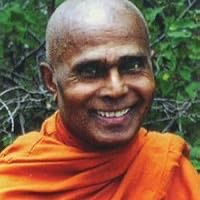
About Henepola Gunaratana
We have collected 28 quotes from 1 book by Henepola Gunaratana on BookQuoters.
More about the author →About the book
Author Bhante Gunaratana, a renowned meditation master, takes us step by step through the myths, realities, and benefits of meditation and the practice of mindfulness. This expanded edition includes the complete text of its predecessor along with a new chapter on cultivating loving kindness. For anyone who is new to meditation, this is a great resource for learning how to live a more productive and peaceful life.
Book details
- First published
- 1992
- Author
- Henepola Gunaratana
- Genre
- Nonfiction
- Goodreads rating
- 4.16 (19k ratings)
Keep reading
How to Meditate: A Practical Guide to Making Friends with Your Mind
 Full Catastrophe Living: Using the Wisdom of Your Body and Mind to Face Stress, Pain, and Illness
 Meditation for Beginners
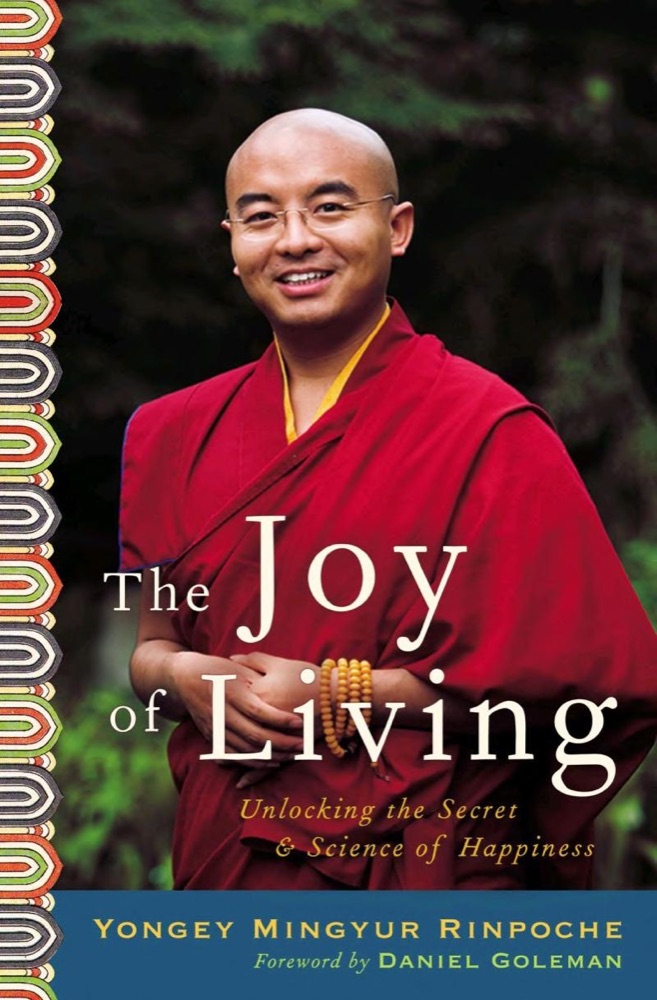 The Joy of Living: Unlocking the Secret and Science of Happiness
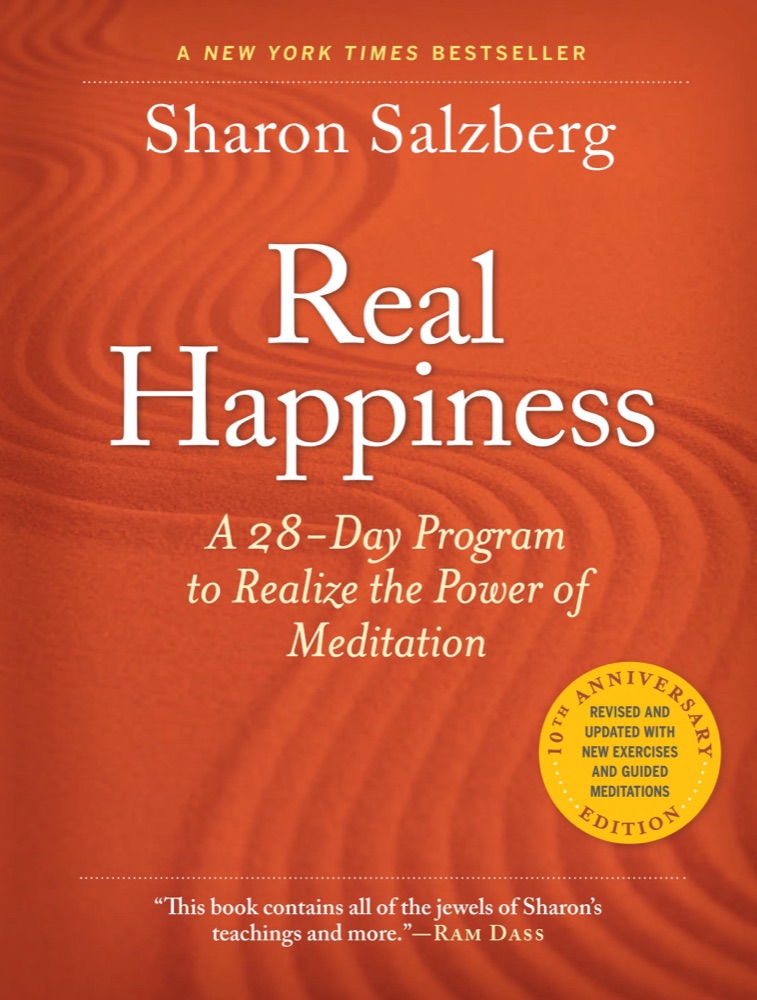 Real Happiness: A 28-Day Program to Realize the Power of Meditation
 The Miracle of Mindfulness: An Introduction to the Practice of Meditation
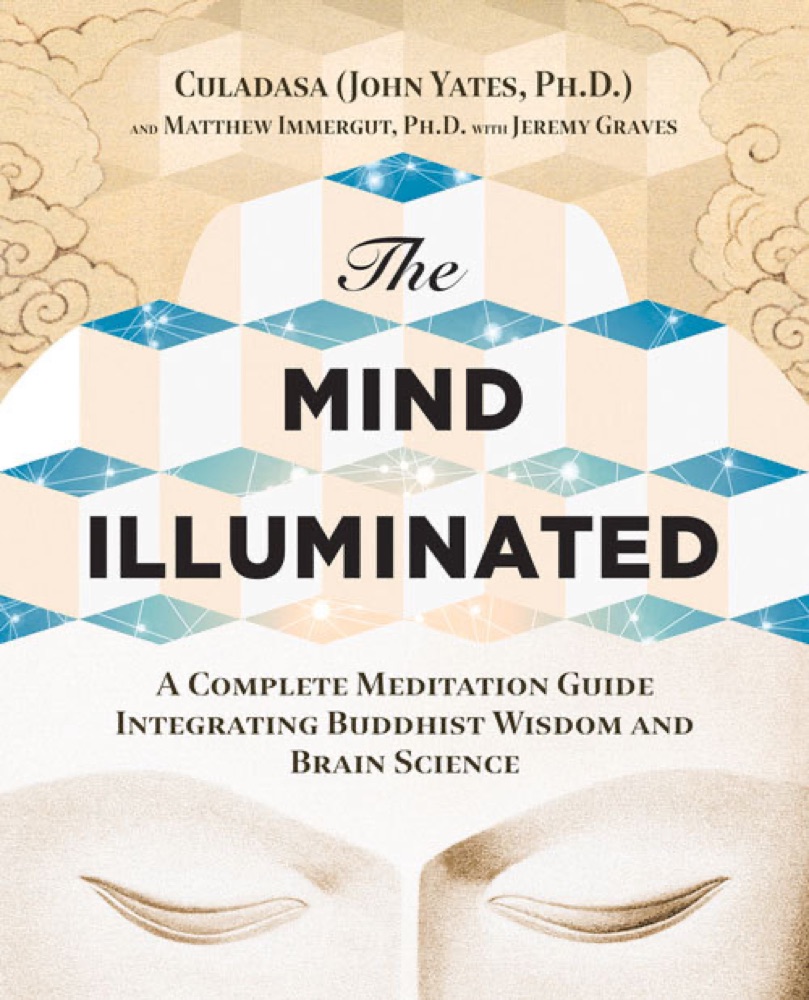 The Mind Illuminated: A Complete Meditation Guide Integrating Buddhist Wisdom and Brain Science
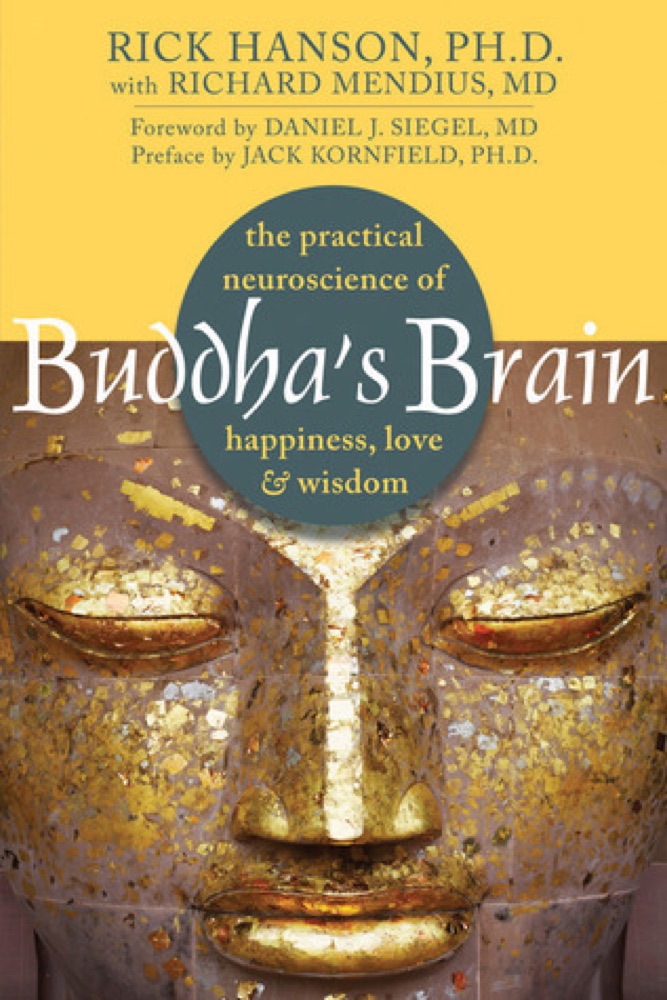 Buddha's Brain: The Practical Neuroscience of Happiness, Love, and Wisdom
 Meditation for Fidgety Skeptics: A 10% Happier How-To Book
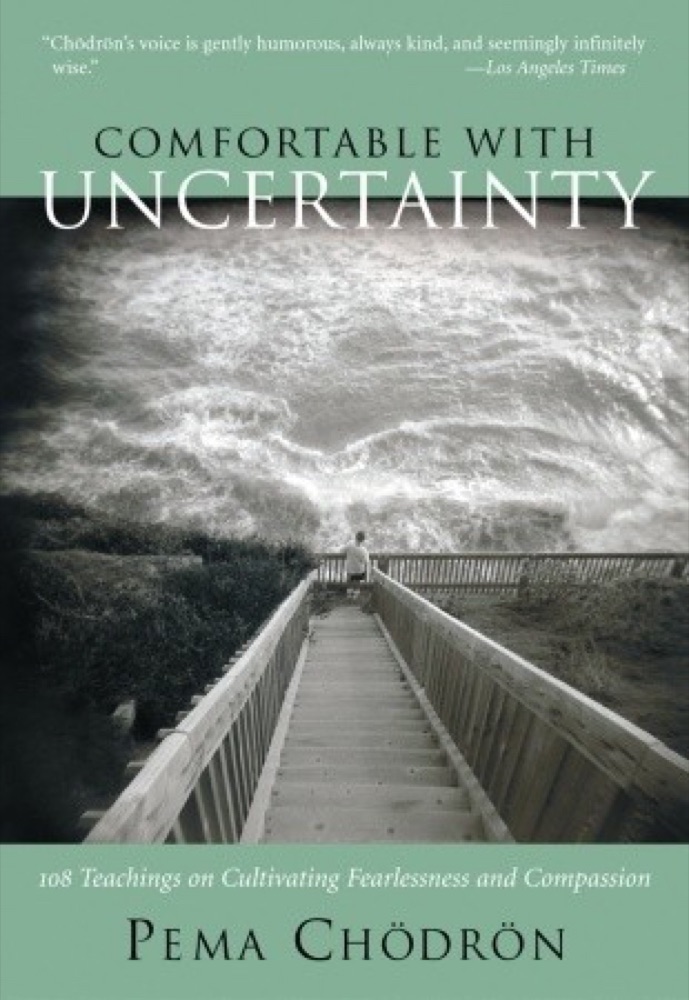 Comfortable with Uncertainty: 108 Teachings on Cultivating Fearlessness and Compassion
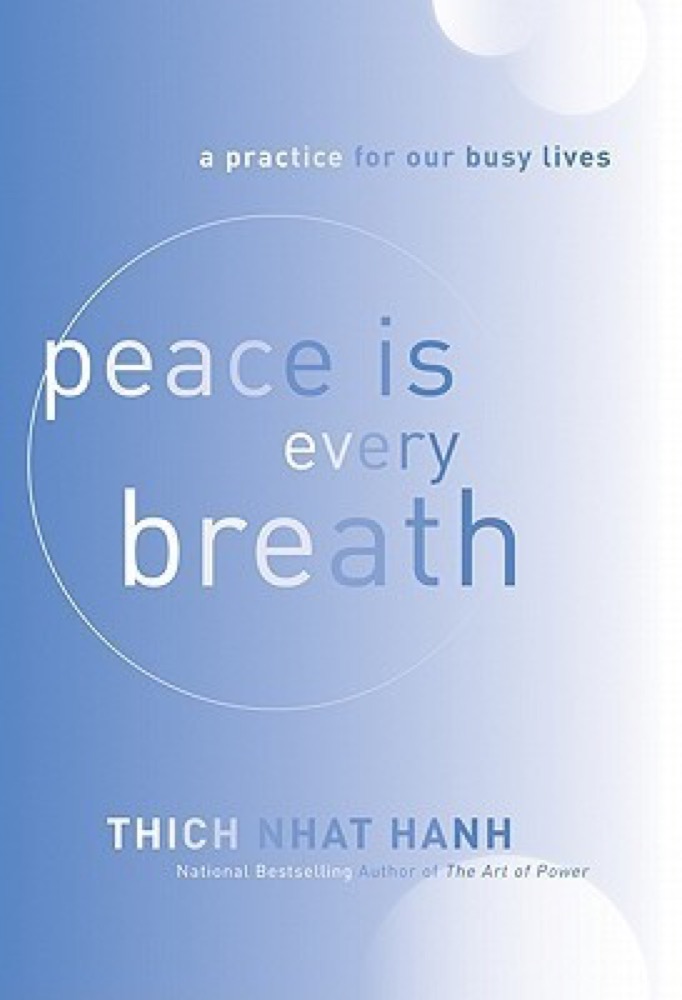 Peace Is Every Breath: A Practice for Our Busy Lives
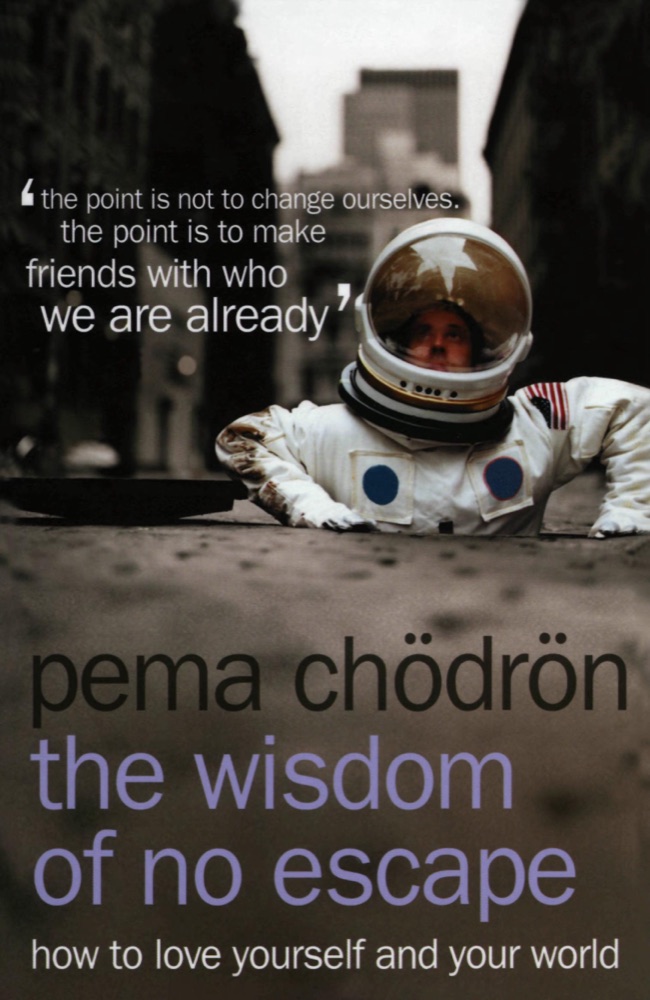 The Wisdom of No Escape: How to Love Yourself and Your World
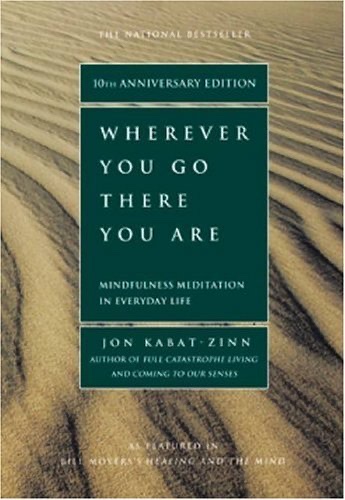 Wherever You Go, There You Are: Mindfulness Meditation in Everyday Life
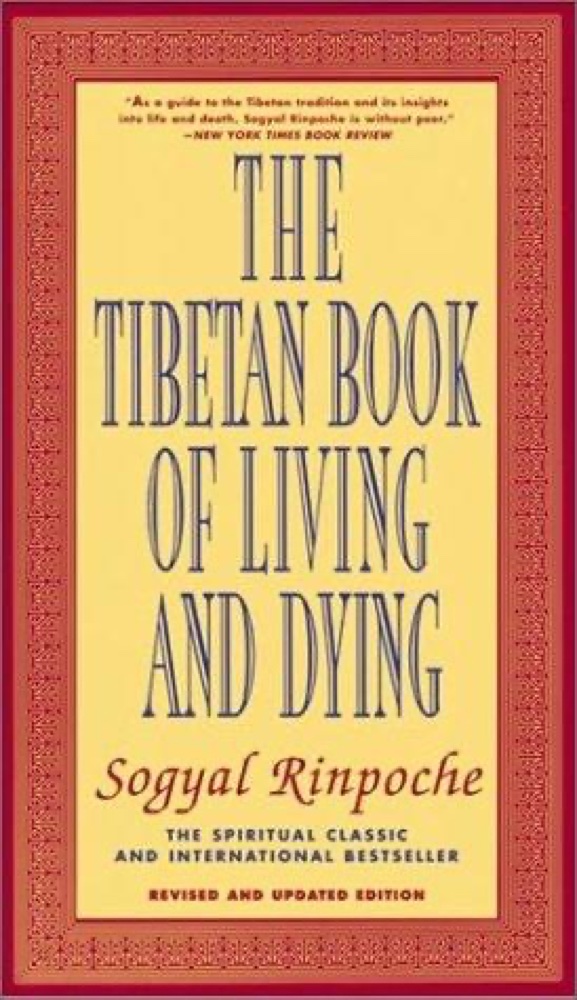 The Tibetan Book of Living and Dying
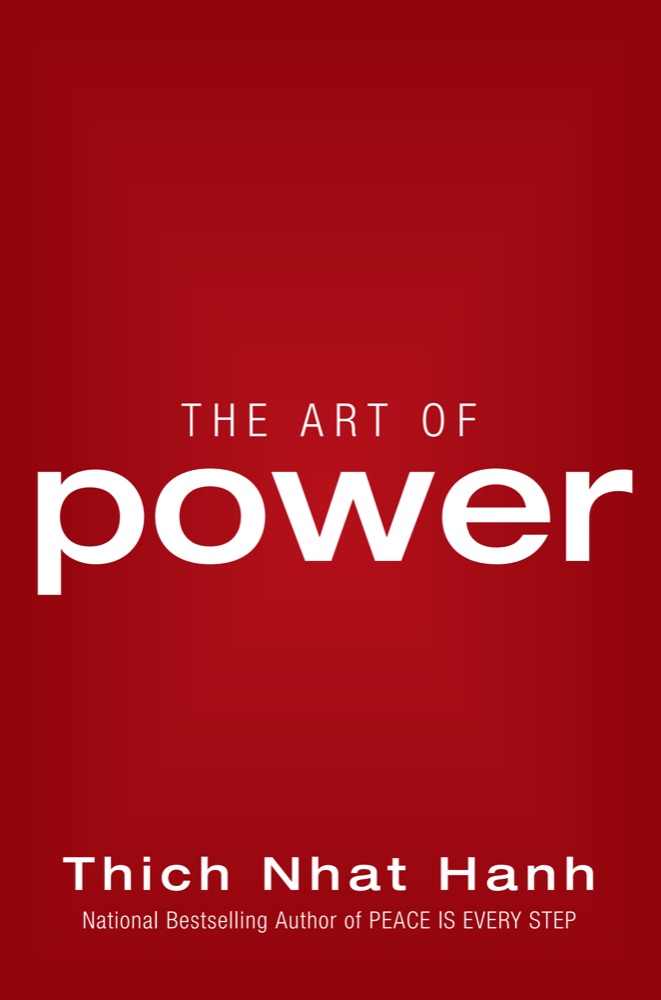 The Art of Power
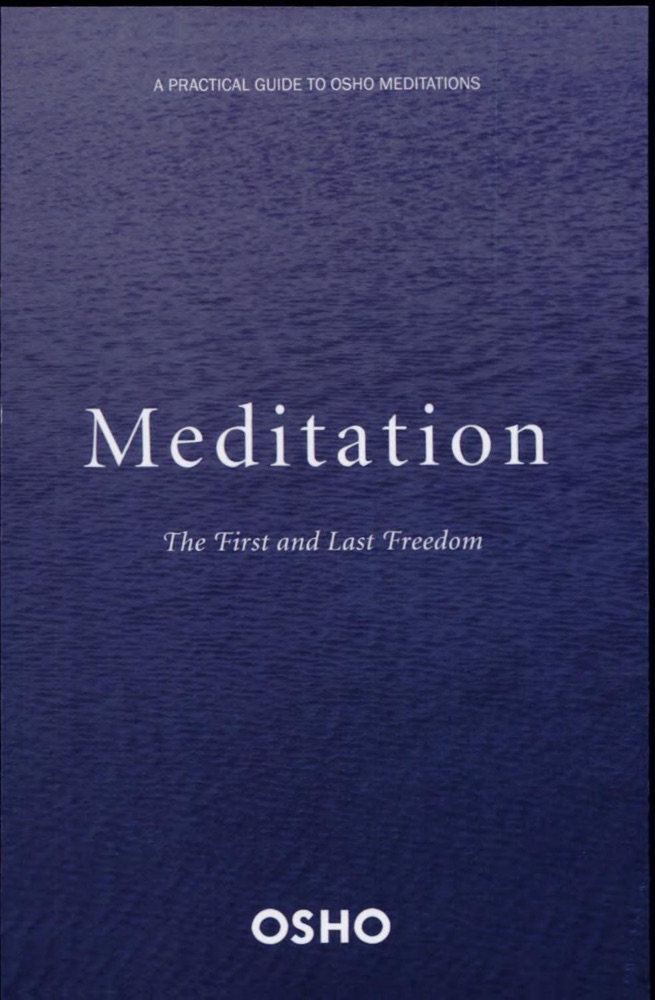 Meditation
 Everyday Zen: Love & Work
 Advice Not Given: A Guide to Getting Over Yourself
 The Practicing Mind: Bringing Discipline and Focus into Your Life
 The Wise Heart: A Guide to the Universal Teachings of Buddhist Psychology
 Waking Up: A Guide to Spirituality Without Religion
 Awareness: The Key to Living in Balance
 The Book of Secrets
 The Power of Now: A Guide to Spiritual Enlightenment
 Practicing the Power of Now: Essential Teachings, Meditations, and Exercises from the Power of Now
 Awakening the Buddha Within
 The Yoga Sutras of Pantanjali
 Nothing Special: A Zen Buddhist Guide to Awakening Through Daily Life's Feelings, Relationships, and Work
 The Buddha Walks into a Bar . . .: A Guide to Life for a New Generation
 True Refuge: Finding Peace and Freedom in Your Own Awakened Heart
 Change Your Thoughts - Change Your Life: Living the Wisdom of the Tao
 Happiness: A Guide to Developing Life's Most Important Skill
 Stillness Is the Key
 The Things You Can See Only When You Slow Down: How to Be Calm in a Busy World
 Living Untethered: Beyond the Human Predicament
 The Dalai Lama's Cat and the Power of Meow
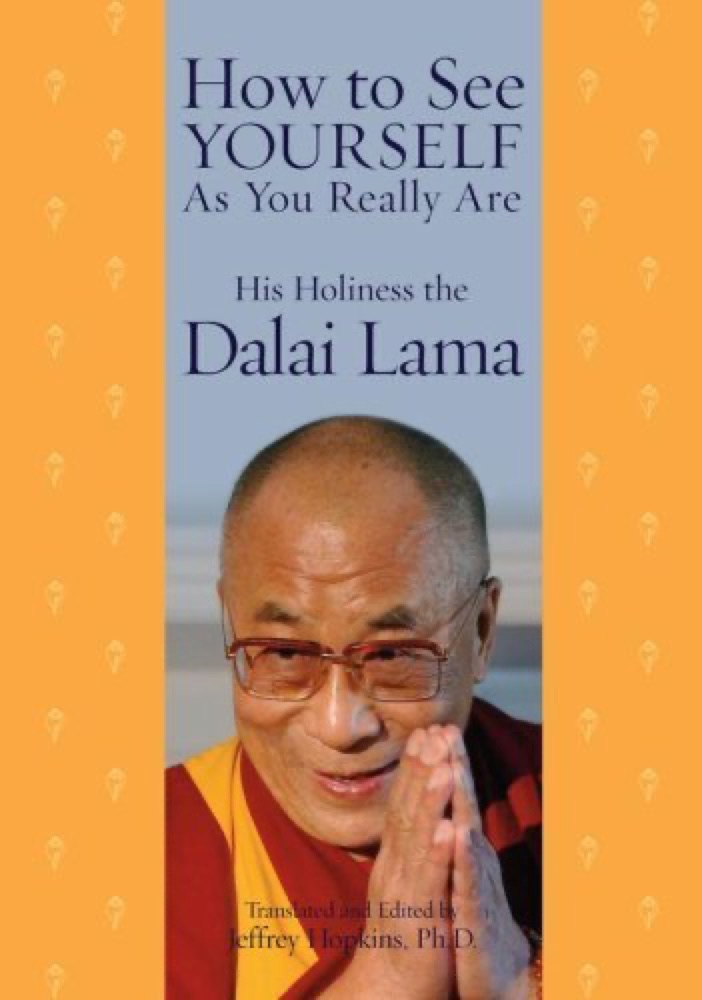 How to See Yourself As You Really Are
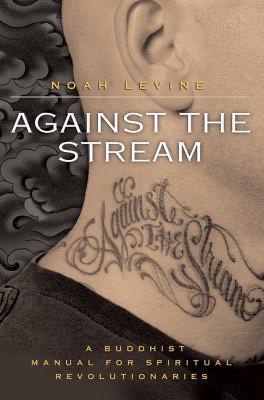 Against the Stream: A Buddhist Manual for Spiritual Revolutionaries
 The Book of Secrets: Unlocking the Hidden Dimensions of Your Life
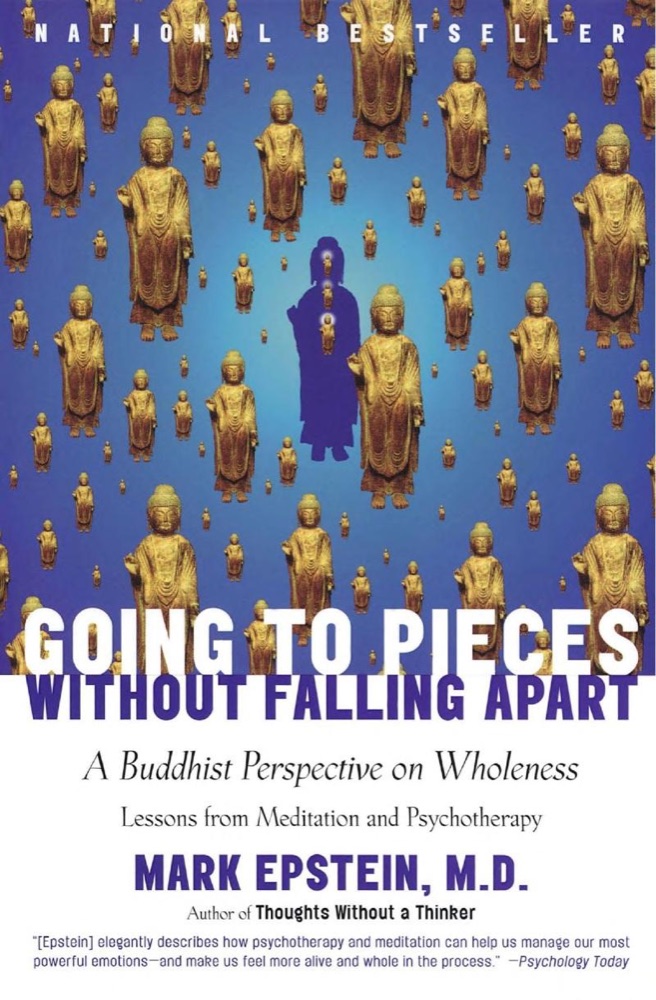 Going to Pieces without Falling Apart: A Buddhist Perspective on Wholeness
 The Untethered Soul: The Journey Beyond Yourself
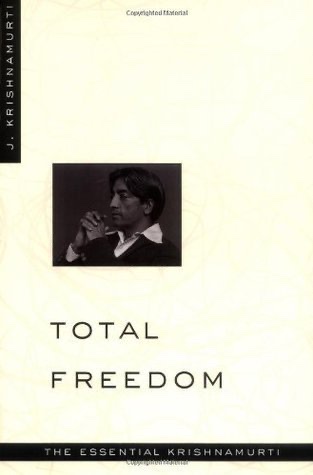 Total Freedom: The Essential Krishnamurti
 The Seven Spiritual Laws of Success: A Practical Guide to the Fulfillment of Your Dreams
 Striking Thoughts: Bruce Lee's Wisdom for Daily Living
 The Daily Laws: 366 Meditations
 Mastery
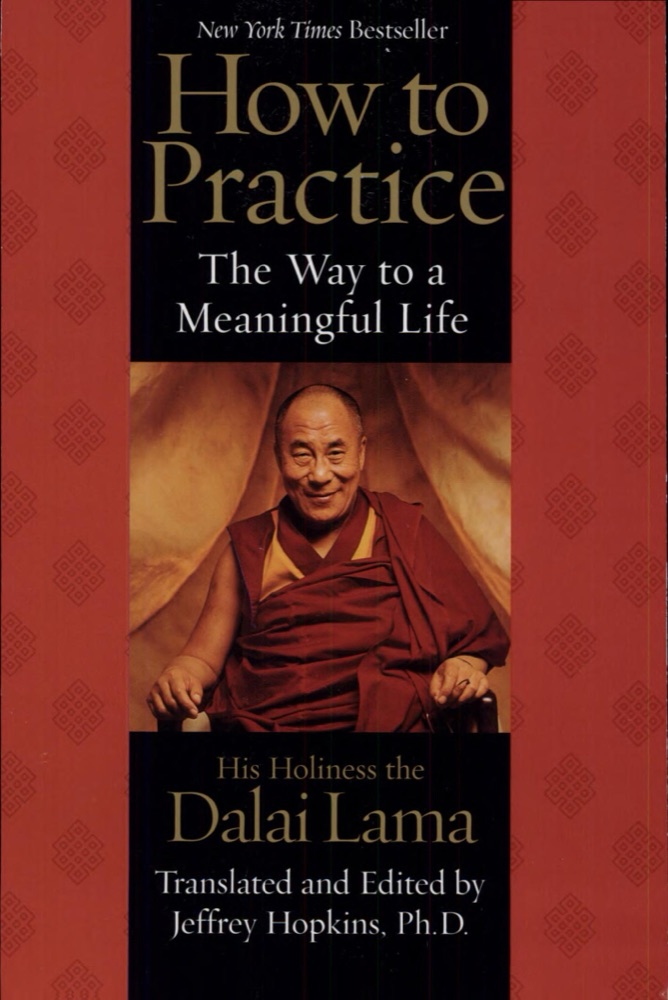 How to Practice: The Way to a Meaningful Life
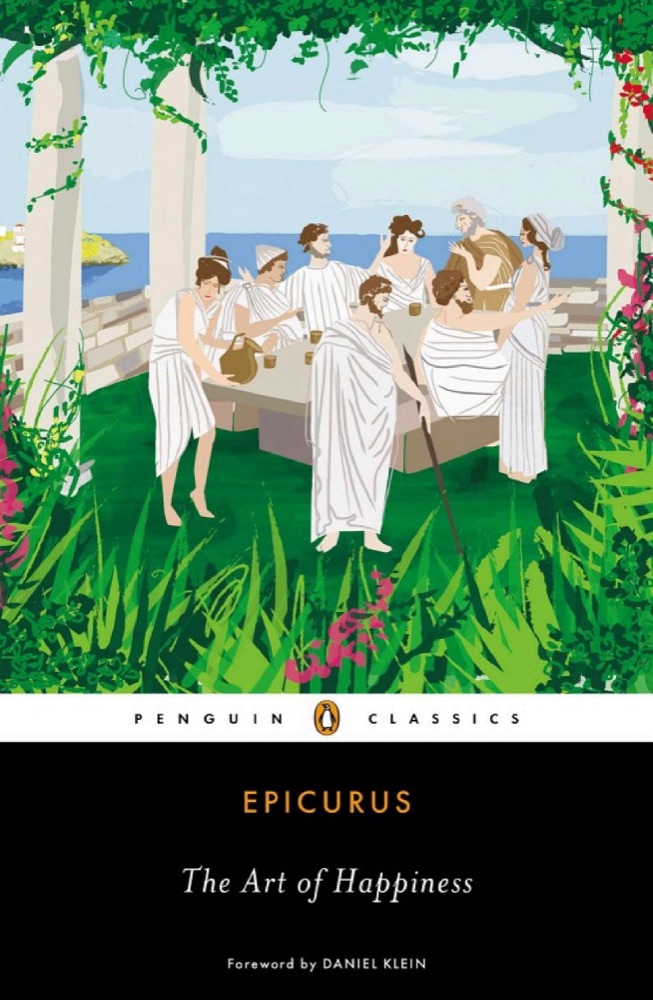 The Art of Happiness
 Way of the Peaceful Warrior: A Book That Changes Lives
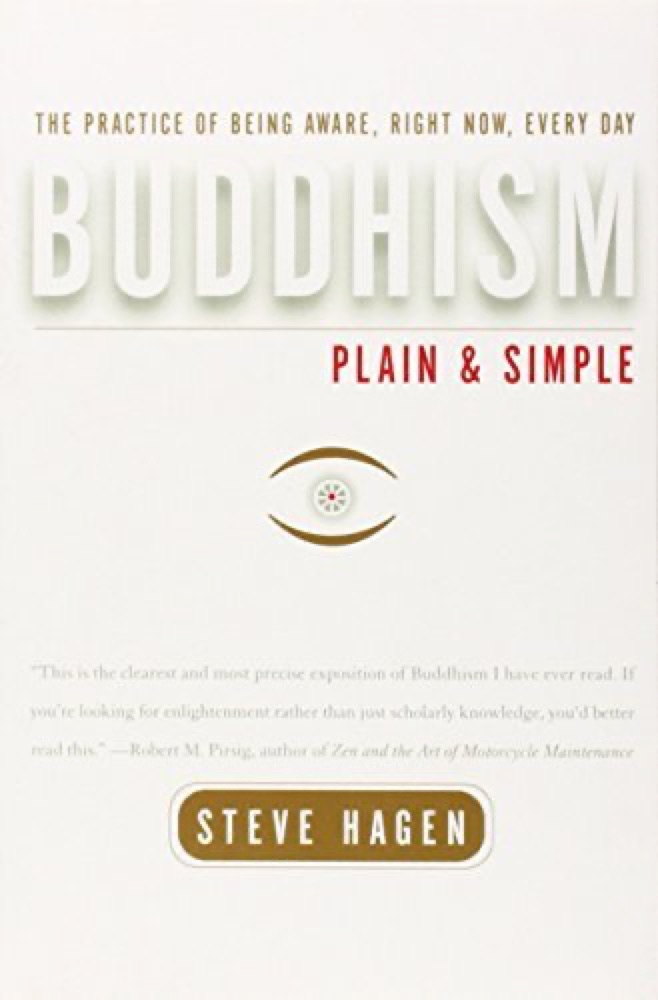 Buddhism Plain & Simple: The Practice of Being Aware, Right Now, Every Day
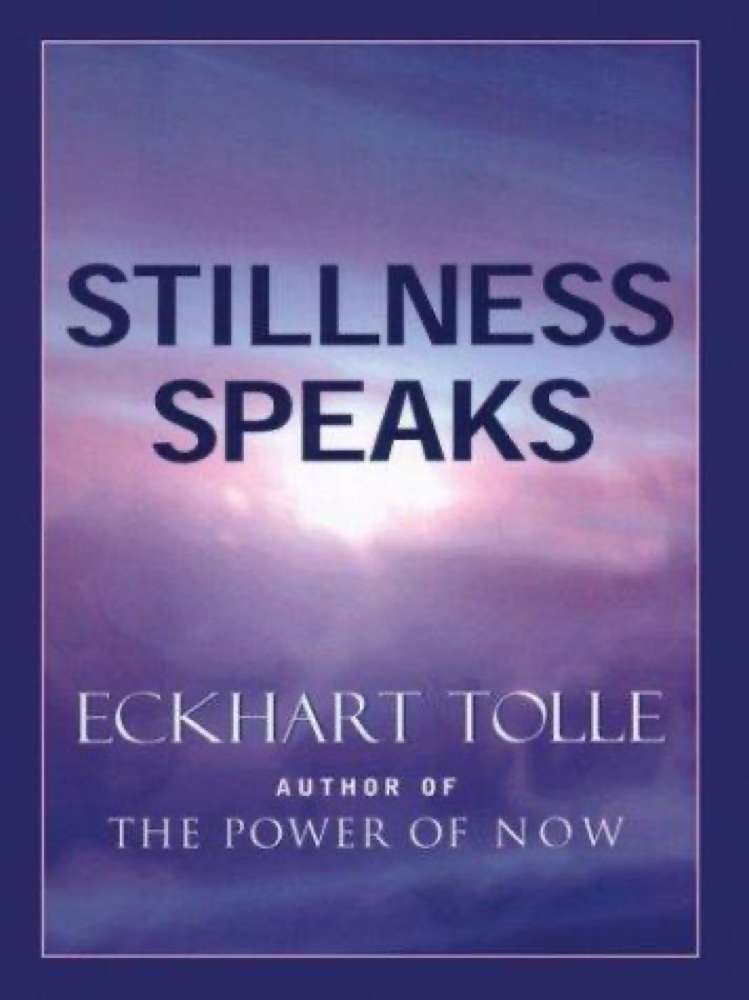 Stillness Speaks
 The Daily Stoic: 366 Meditations on Wisdom, Perseverance, and the Art of Living
 Be Water, My Friend: The Teachings of Bruce Lee
 Celebrating Silence: Excerpts from Five Years of Weekly Knowledge 1995-2000
 Letting Go: The Pathway To Surrender
 The Way to Love: The Last Meditations of Anthony de Mello
 The Power of Your Subconscious Mind